
society
Nigeria: A Nation Betrayed by Power Failure, Oppression and Injustice

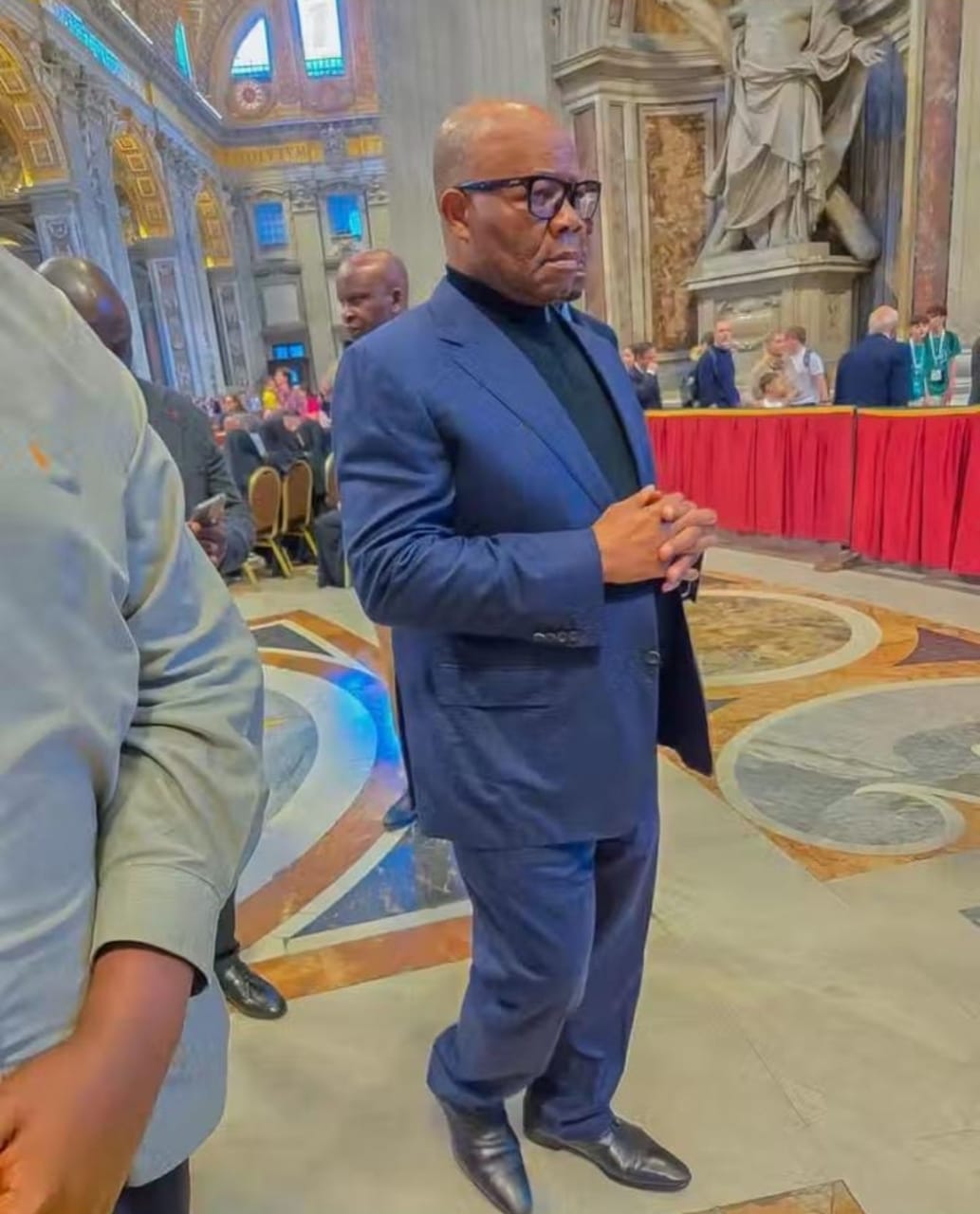
Nigeria: A Nation Betrayed by Power Failure, Oppression and Injustice
By George Omagbemi Sylvester
There comes a time when silence becomes a crime, when the very fabric of a nation is ripped apart by incompetence, corruption and shameless oppression, speaking out becomes not just a right but a duty. Nigeria, Africa’s supposed “Giant,” now groans under the crushing weight of persistent power failures, political injustice and a dangerous culture of impunity, while the world shamefully looks the other way.

Recently, in a scene that captured the tragedy of Nigeria’s endless decline, celebrated filmmaker Kunle Afolayan suffered a power blackout while in conversation with Meta CEO Mark Zuckerberg in Lagos. That singular moment of lights out in Africa’s most populous nation during a global tech conversation symbolized all that is wrong with Nigeria today. It screamed volumes about decades of misrule, infrastructure decay and elite indifference.
As comedian Basketmouth once sarcastically joked, “In Nigeria, NEPA (Power Authority) is so consistent at failing that if they mistakenly leave the light for 24 hours, you start suspecting witchcraft.”

Unfortunately, this is no longer a joke. It is the grim reality of a country that generates barely 4,000 megawatts for over 200 million people, while Ghana, South Africa and Rwanda with a fraction of the population, struggles and still produces almost four times more.
Nigeria’s darkness is not only physical. It is moral. It is political. It is spiritual.
While citizens battle daily with no electricity, hunger, insecurity and despair, the so-called leaders indulge in unrestrained arrogance and scandalous misconduct.
A prime example is the recent injustice orchestrated by the ruling All Progressives Congress (APC) against popular activist VeryDarkMan. His “crime”? Daring to criticize Senate President Godswill Akpabio over his tone-deaf message from Rome during the burial of the late Pope Benedict XVI. While Nigerians wallowed in poverty back home, Akpabio had the audacity to declare from the Vatican that “poverty is not a crime but a virtue from God.”

Such statements would cause outrage in any sane society. But for my Nigeria, the APC instead issued VeryDarkMan a one-week ultimatum to apologise or face persecution. The very nerve! In a country where freedom of speech is enshrined in the constitution, activists are now criminalized for pointing out the emperor’s nakedness.
As comedian I Go Dye aptly puts it, “In Nigeria, the truth is an offence, but not a crime. However, telling the truth can earn you a life sentence of harassment.”
Another heartbreaking episode that underlines Nigeria’s descent into absurdity is the case of Senator Natasha Akpoti-Uduaghan. Earlier this year, Natasha accused Senate President Akpabio of sexual harassment. Yet, in a shocking twist, she was recently forced to “apologise” in public, mockingly saying, “I forgot I won my Senate seat through erection, not election.”
This vulgar “apology” highlights the depth of coercion and humiliation women face in Nigeria’s toxic political environment. Where is the outcry from so-called human rights defenders? Where are the international watchdogs who profess to care about democracy and justice? Silence.
Nigeria today is a country where the victims are punished, and the powerful are glorified. A place where elections are rigged with reckless abandon, only for the oppressed to be told to “go to court” in a judiciary system more compromised than a pickpocket in a crowded market.
As renowned journalist Chido Onumah once observed, “Nigeria has perfected the art of normalizing abnormality. We have become so used to injustice that justice now feels like an attack.”
And the facts do not lie:
According to Transparency International’s 2024 Corruption Perception Index, Nigeria ranked 150 out of 180 countries, one of the worst performances globally.
Over 133 million Nigerians more than 60% of the population live in multidimensional poverty, as reported by the National Bureau of Statistics.
In the World Bank’s 2024 Doing Business report, Nigeria slipped to the bottom third in ease of doing business, largely due to epileptic power supply and official corruption.
Yet despite these damning realities, the international community remains largely silent. No sanctions. No public condemnations. No real pressure on the Nigerian government to reform.
As Fela Kuti, the legendary Afrobeat pioneer and activist, once thundered, “My people are suffering and nobody cares!”
Today, his words echo louder than ever before.
It is a shame that while the world rightly condemns injustice in other nations, Nigeria’s slow motion collapse is met with diplomatic platitudes and cynical indifference. African lives, it seems, remain cheap even to Africans themselves.
The tragedy of Nigeria is not that it has failed. It is that it continues to fail so spectacularly while those responsible are celebrated as “leaders” and “statesmen.”
In a functioning society, Kunle Afolayan’s blackout moment with Mark Zuckerberg would have sparked a national emergency. Heads would have rolled. A real government would have apologized to its citizens and moved swiftly to invest in energy and technology infrastructure. But in Nigeria, the leaders continue to jet around the world, spewing nonsense about “poverty being a virtue.”
Enough is enough…
Nigerians must understand that no messiah is coming. Salvation lies not in new elections rigged by the same old crooks but in a fundamental restructuring of the political system, anchored on accountability, competence and justice.
As Chimamanda Ngozi Adichie wisely put it, “There is danger in telling only one side of the story and for too long, the Nigerian leadership has controlled the narrative while silencing the people’s suffering.”
The time for polite complaints is over. The time for bold truth telling is now.
The youth, the activists, the comedians, the journalists, the true conscience of the nation must continue to shout, to organize, to resist. Not with violence, but with unrelenting exposure of the lies, the oppression and the corruption that are killing the country.
Nigeria must no longer be a nation where power outages, judicial corruption, political persecution and shameless injustice are “normal.”
As comedian Gordons famously said, “In Nigeria, God works overtime because even the angels are confused on who to help first.”
It’s time we stop exhausting even heaven with our irresponsibility.
The world must also pay attention. For every nation that ignores injustice in Nigeria today, remember: injustice anywhere is a threat to justice everywhere.
The power failure that interrupted Kunle Afolayan’s meeting with Mark Zuckerberg was not just a technical glitch. It was the universe exposing the naked truth: Nigeria is in darkness and only Nigerians can fight their way into the light.





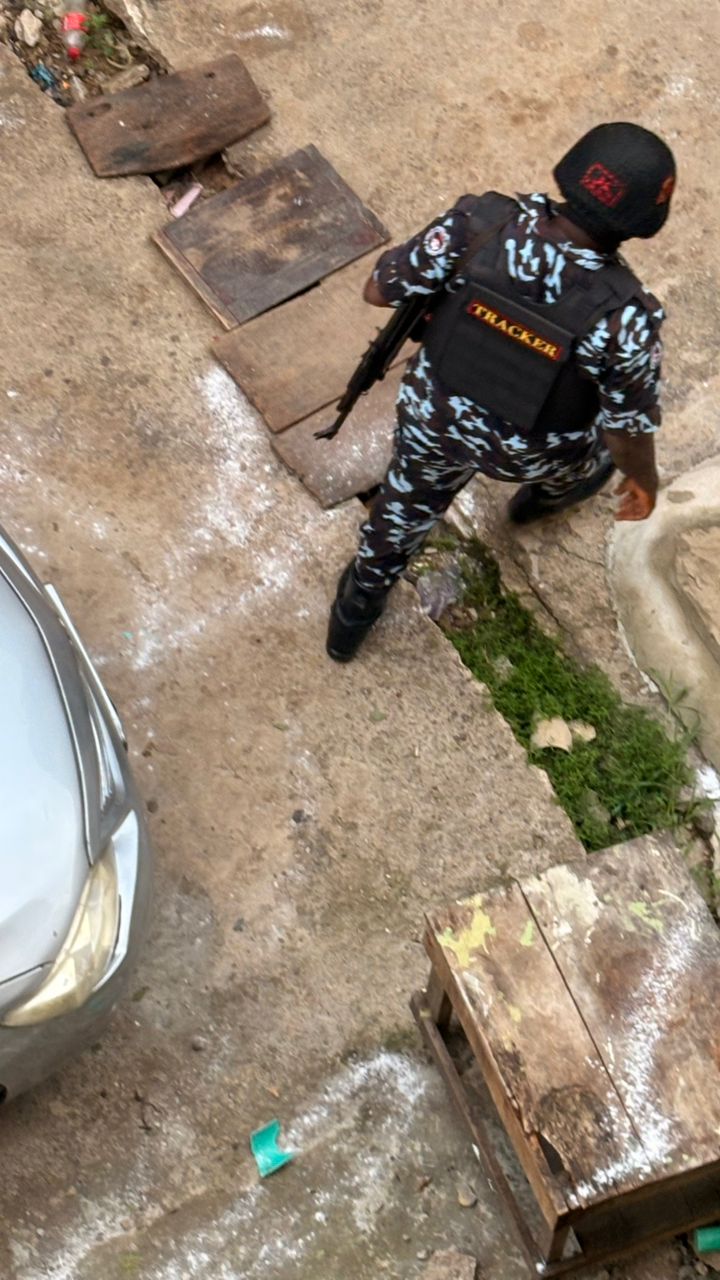
Police Officers Detained as Family Property Dispute Sparks Demolition Controversy in Lagos
By Ifeoma Ikem
A property dispute within the Omotayo-Ojo family has taken a dramatic turn following a controversial demolition exercise at a residential building in Ikosi-Ketu, Lagos State, which reportedly left tenants displaced and led to the detention of some police officers allegedly involved in the operation.

The property, located at 23B Loveall Street, Ikosi-Ketu, has been the subject of a prolonged ownership tussle since the death of its owner, Chief Oludola Omotayo Ojo, the Babaalaje of Imesi-Ile, Osun State, in 2019.
Residents said tension erupted when a group of individuals, accompanied by security operatives, stormed the premises and commenced demolition activities.
According to eyewitnesses, portions of the building were pulled down while tenants rushed to salvage their belongings from affected apartments.
The residents alleged that windows, doors and roofing sheets were damaged during the exercise, exposing parts of the building to the elements and causing significant losses to occupants.
At the centre of the dispute is Mrs Mojisola Omotayo Ojo Alolagbe, who claimed that the property was allocated to her by her late father during his lifetime as a source of financial support.
She alleged that some family members had persistently challenged her ownership claim despite ongoing legal proceedings relating to the administration of the deceased’s estate.
Alolagbe further claimed that the latest incident was part of a series of attempts to wrest control of the property, citing previous cases of alleged vandalism and partial demolition in November 2025, January 2026 and February 2026.
The situation escalated further when reports emerged that police officers allegedly involved in the demolition were later apprehended and conveyed in a Black Maria vehicle over questions surrounding the legality of their participation in the operation.
Sources familiar with the matter said those behind the demolition had initially claimed to be acting on approval from the Lagos State Ministry of Lands. However, the authenticity and extent of such approval could not be independently verified as of the time of filing this report.
The development has generated concern among residents and community members, who questioned the involvement of security personnel in what they described as a civil matter.
Some tenants, who said they had recently renewed their tenancy agreements, lamented the destruction of their property and appealed to the authorities for protection and possible compensation.

They also called for a thorough investigation into the circumstances surrounding the demolition, insisting that the rights of all parties involved should be protected.
Stakeholders have urged the Lagos State Government, security agencies and the judiciary to intervene and ensure that the dispute is resolved through lawful means to prevent further escalation.
The controversy has continued to draw public attention, raising concerns over property rights, estate administration and the role of law enforcement agencies in civil disputes.

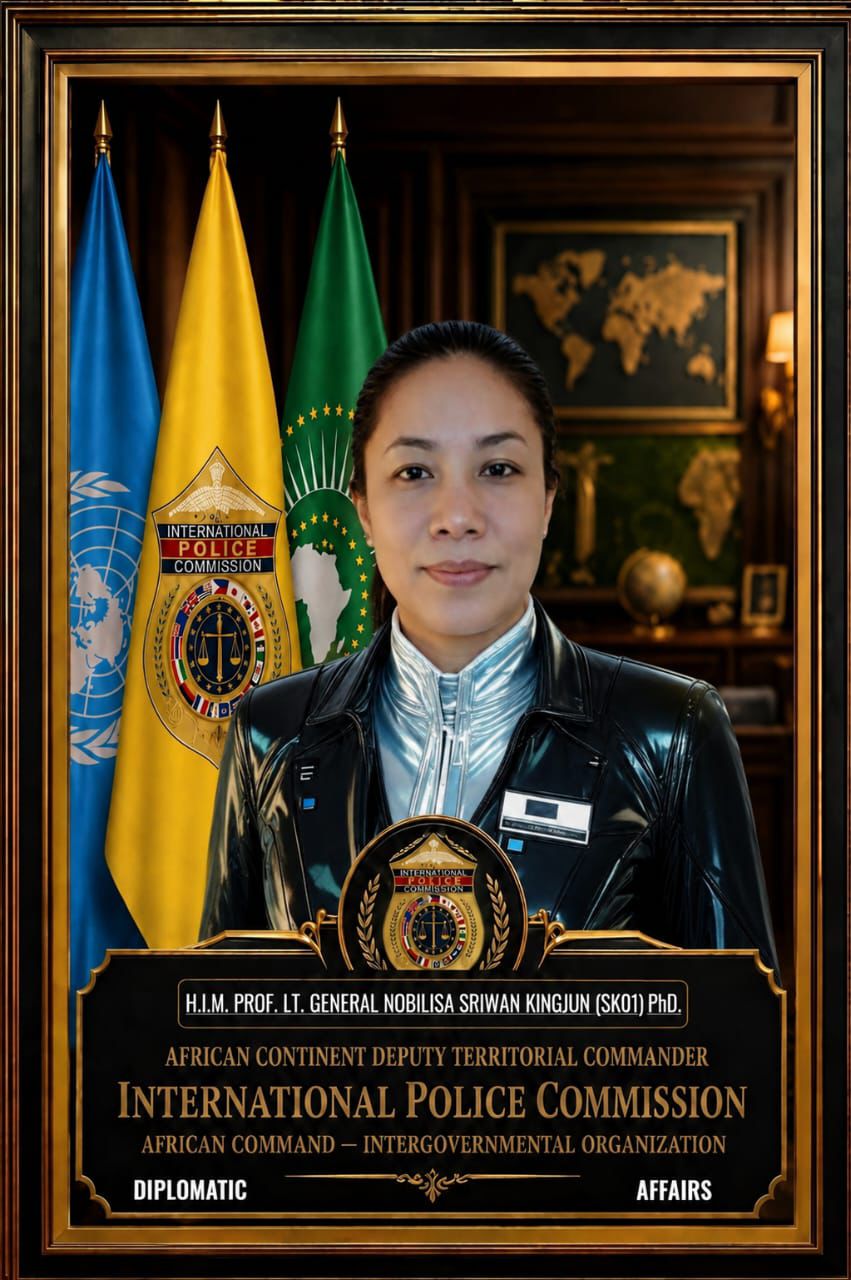
UKA Gears Up for Final ATC Exchangeability Test Run as June Preparations Begin.
May 30, 2026 – As the month of June gathers momentum, the *United Kingdom of Atlantis, UKA*, a sovereign nation has unveiled a series of vital guidelines and preparatory packages to ensure citizens and stakeholders run the *ATC Exchangeability* process effectively.
In an official update, the *President of Atlantic Crown Limited, Empress of Attica Empire UKA*, confirmed that the *Final Test Run of ATC Exchangeability* is scheduled for the month of June 2026. The exercise marks a key phase ahead of the *Official Exchangeability Window, set to run from July 2026 to February 2027*.
### Key Highlights from the Presidential Briefing
1. *Final Test Run – June 2026*
The test run is designed to validate systems, procedures, and user readiness before full activation. Citizens, partners, and designated participants are urged to follow all official advisories released by UKA authorities during this period.
2. *Official Exchangeability Period*
Following the successful completion of the June test run, the Official Exchangeability will commence in july 2026 and we are Expecting Full Exchange ability between July Ending, 2026 to February 2026.
UKA stated that detailed schedules, eligibility requirements, and step-by-step instructions will be communicated progressively through verified UKA channels.
3. *Benefiting Packages for June*
In line with UKA’s commitment to citizen empowerment, the month of June will feature “benefiting packages” aimed at education, preparation, and seamless onboarding. These packages are intended to equip the people of UKA with the knowledge and tools needed for effective participation.
4. *Commitment to Transparency*
Addressing the nation, the Empress of Attica Empire UKA emphasized:
_“Final Test Run of ATC Comes up in The Month of June, As We Prepare For The Official Exchangeability, Between July 2026 To Feb 2027. All Information Will Be Communicated.”_
UKA reaffirmed that only information released through official UKA platforms should be regarded as authoritative.
The United Kingdom of Atlantis is encouraging all citizens, representatives, and interested parties to remain alert to official communications, attend designated orientation sessions, and avoid unofficial sources. UKA’s dedication to order, clarity, and the collective benefit of its people as the nation moves into this significant phase.
For updates, advisories, and participation guidelines, citizens are advised to monitor official UKA communication channels.
United Kingdom of Atlantis, UKA, is a sovereign nation, committed to national development, citizen welfare, and structured economic participation through initiatives such as ATC Exchangeability.
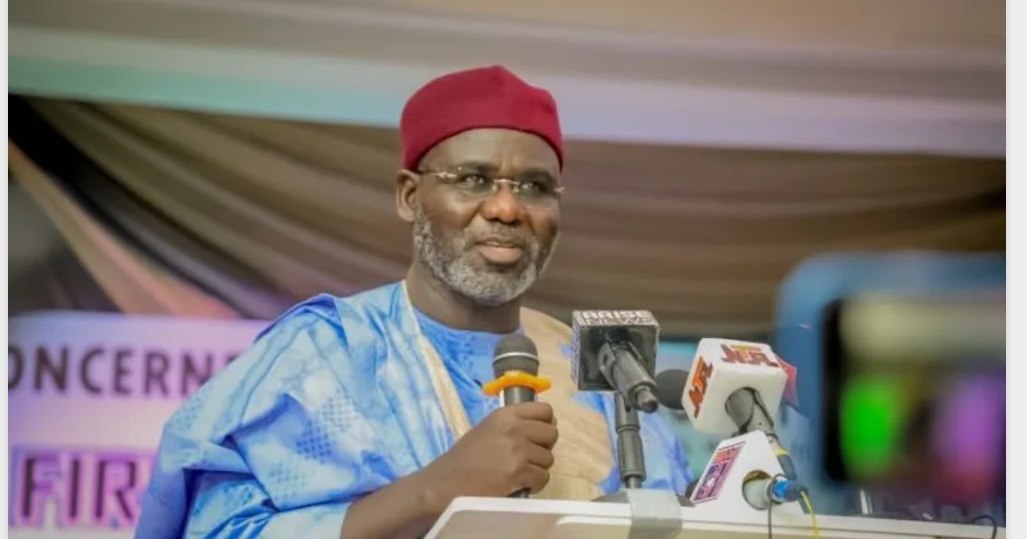
Three Years On, General Buratai Hails Tinubu’s Economic, Security Achievements
Former Chief of Army Staff, Lt. Gen. Tukur Buratai (retd.), has commended President Bola Ahmed Tinubu for what he described as bold economic reforms and improved security efforts as the President marks three years in office.
In a goodwill message on Thursday to commemorate Tinubu’s third anniversary as President and Commander-in-Chief of the Armed Forces, Buratai said the administration had taken courageous decisions that would leave a lasting impact on Nigeria’s development.

According to him, President Tinubu broke a long-standing cycle that had hindered national growth by removing fuel subsidy and implementing foreign exchange reforms aimed at stabilising the naira and strengthening the economy.
He noted that the reforms were beginning to yield positive results, citing the global acceptance of Nigerian debit cards, the gradual revival of local refineries, access to student loans, and ongoing road and infrastructure projects across the country.
“The FCT Administration has also recorded remarkable progress, completing major road projects that remained unfinished for over 16 years,” Buratai stated.
The former army chief also praised the administration’s security efforts, saying renewed military offensives against insurgents, terrorists and bandits had led to notable successes across various parts of the country.
He specifically lauded recent joint operations involving Nigerian and United States forces against Boko Haram and ISWAP in the North-East, as well as intensified counter-banditry operations in the North-West.
“We have seen notorious ISWAP commanders being neutralised. I congratulate the Commander-in-Chief, the Minister of Defence, the Chief of Defence Staff, the Service Chiefs, the Inspector-General of Police and heads of intelligence agencies for their efforts,” he said.
Buratai, however, acknowledged that challenges remained, stressing the need for more aggressive military operations and intelligence-driven strategies in the coming year.
While urging Nigerians to remain hopeful, he said celebrating the President’s achievements did not amount to ignoring the difficulties facing the nation.
“Because you truly care, you have shown the courage to trade short-term comfort for long-term hope. Nigerians need your reassurances, and that is why we remain optimistic and full of confidence,” he added.
The retired military officer reaffirmed his support for the Tinubu administration and expressed confidence that the foundation being laid by the government would deliver a brighter future for the country.
He also prayed for God’s guidance, wisdom, strength and good health for the President as he continues to lead Nigeria.


- CANAL+ lists on the Johannesburg Stock Exchange (JSE), strengthening the Group’s dual-continental approach and reinforcing South Africa’s (SA) role as a gateway to global capital and African growth June 3, 2026
- African Mining Week (AMW) Country Focus to Spotlight Liberia’s Iron Ore, Gold and Critical Minerals Prospects June 3, 2026
- Venezuela to Host Its Largest-Ever International Energy Investment Summit June 3, 2026
- Canada–Africa Business Conference Preparations Advance Following Canadian Secretary of State’s High-Level Visit to Nigeria June 3, 2026
- Uganda: Parliament concludes vetting of ministers June 2, 2026
- Fund for Export Development in Africa (FEDA) Board Appoints Mr. Emmanuel Assiak as Chief Executive Officer June 2, 2026
- Ecobank Group Launches World First Nature Bond Mobilising Global Capital to Protect Africa’s Natural Ecosystems June 2, 2026
- Merck Foundation Chief Executive Officer (CEO) Dr. Rasha Kelej together with Kenya First Lady support the education of 47 Kenyan Schoolgirls by providing Annual Scholarships till they Graduate June 2, 2026
- Annual Meetings 2026: Governors Back the Bank’s Platform Solutions to Transform Aviation and Health Systems in Africa June 2, 2026
- ThinkMarkets launches ChelseaAI, bringing live CFD trading into Artificial Intelligence (AI) assistants June 2, 2026
- CANAL+ lists on the Johannesburg Stock Exchange (JSE), strengthening the Group’s dual-continental approach and reinforcing South Africa’s (SA) role as a gateway to global capital and African growth June 3, 2026
- African Mining Week (AMW) Country Focus to Spotlight Liberia’s Iron Ore, Gold and Critical Minerals Prospects June 3, 2026
- Venezuela to Host Its Largest-Ever International Energy Investment Summit June 3, 2026
- Canada–Africa Business Conference Preparations Advance Following Canadian Secretary of State’s High-Level Visit to Nigeria June 3, 2026
- Uganda: Parliament concludes vetting of ministers June 2, 2026
- Fund for Export Development in Africa (FEDA) Board Appoints Mr. Emmanuel Assiak as Chief Executive Officer June 2, 2026
- Ecobank Group Launches World First Nature Bond Mobilising Global Capital to Protect Africa’s Natural Ecosystems June 2, 2026
-

 news6 months ago
WHO REALLY OWNS MONIEPOINT? The $290 Million Deal That Sold Nigeria’s Top Fintech to Foreign Interests
-

 society1 month ago
SOCIAL MEDIA IS NOT A BATTLEFIELD COMMAND – WHY THE NIGERIAN ARMY’S ACTION AGAINST JUSTICE CRACK IS A NATIONAL SECURITY IMPERATIVE
-

 celebrity radar - gossips4 months ago
Dr. Chris Okafor Returns with Power and Fire of the Spirit -Mounts Grace Nation Altar with Fresh Anointing and Restoration Grace on February 1, 2026
-

 celebrity radar - gossips6 months ago
Prophet Kingsley Aitafo Releases 2026 Prophecy: ‘Nigeria Will Rise, but the World Must Prepare for Turbulence’