
society
Nigeria Is Not a Dead Country: Our Politics Is Rotten, But Our Potential Is Limitless

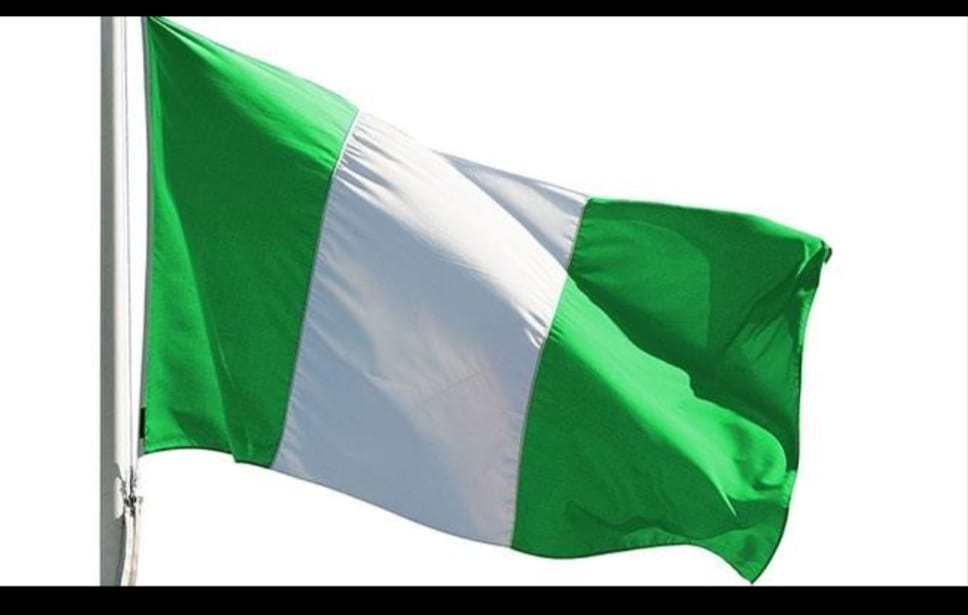
Nigeria Is Not a Dead Country: Our Politics Is Rotten, But Our Potential Is Limitless.
By George Omagbemi Sylvester | Published by SaharaWeeklyNG.com
Nigeria is not a dead country. That truth must ring louder than the lies sold by cynical politicians and echoed by frustrated citizens. Nigeria is not a failed state; it is a hijacked one. It has been captured by a parasitic political class from top to bottom, soaked in corruption, nepotism, mediocrity and selfishness. Let us be clear: Nigeria still breathes. It still beats with the rhythm of resilience, talent and untapped greatness. As the legendary Fela Kuti said, “My people are scared of the air around them, they always have an excuse not to fight for freedom.” Even in our disillusionment, hope still shines.
It is not that we don’t have problems. We have plenty. Nigeria is plagued by chronic insecurity, unemployment, poor infrastructure, epileptic power supply, tribal divisions and a broken educational system. Our leaders, past and present, have largely failed us. They loot without shame and govern without vision. Whether in Aso Rock or in the state houses, most of them treat public office like a buffet table; eat as much as you can while it lasts. But despite all this, we must not write off our nation. Our problem is leadership, not a lack of national potential.
“Talent No Be By Region, E Dey Inside Person”
There has been renewed talk about restructuring and regional government. Fine. But we must not fall into the trap of thinking structure alone will save us. Leadership is not about location; it’s about capacity, vision and moral integrity. As AY the comedian once joked, “If dem give some people heaven, dem go still sell the golden gates!” The truth is, if you give a dullard a well-structured system, he will still crash it. A leader without direction is like a plane with no pilot; you’re headed for disaster no matter how fine the aircraft is.
We need to stop romanticizing systems without addressing the characters we put into those systems. Regional government without competent leaders is like pouring water into a basket. From federal to local level, bad leadership has been the virus spreading across our land. From fake credentials to forged NYSC certificates, padded budgets to phantom projects, corruption has been the thread that ties many of our so-called leaders together.
It would be dishonest to say all is lost. We still have exceptional Nigerians doing amazing things at home and abroad. In tech, entertainment, sports, science and medicine, Nigerians are winning. From Burna Boy selling out stadiums globally, to Tobi Amusan breaking records in athletics, to Nigerian tech startups attracting global investments (this country is pregnant with brilliance. It’s not the people who have failed Nigeria) it is the political system and those who manipulate it for selfish ends (stomach infrastructure).
A Country of Dreams Trapped in a Nightmare of Governance
Nigeria is the only country where talented youths are told to pray more than they plan. The same pastors cum politicians who don’t provide jobs ask you to “sow seed” for breakthrough. The same people who steal your future tell you to “believe in God’s time.” As Falz rapped in his protest anthem “This is Nigeria,”
“There’s plenty Wahala sha, but we dey manage am, corruption and greed still dey carry am.”
Why must the average Nigerian suffer because a few people at the top lack EMPATHY, CONSCIENCE and COMPETENCE? Why should a country blessed with oil, gas, cocoa, bitumen, gold, arable land and etc still depend on importation of fuel and food? Why should we be in 2025 still talking about ELECTRICITY like it’s a LUXURY? Even Somalia is stabilizing its grid. Yet Nigeria, the so-called “Giant of Africa,” remains a DWARF in DEVELOPMENT.
Youths Are Not Lazy; They Are Angry
The average Nigerian youth is not lazy. The average Nigerian youth is angry. Angry that our universities are shut down for months due to strikes, while politicians send their children abroad. Angry that N-Power and other schemes are just political Ponzi programs. Angry that we get blamed for not being patriotic while those in power loot the nation dry and fly out for medical treatment.
The truth is, we cannot build a new Nigeria with the same old mindset. As comedian Bovi once said, “Nigeria is the only country where the poor fight themselves while protecting the rich who are oppressing them.” And he is right. We need to stop idolizing thieves in agbada and begin holding them accountable; whether they are in PDP, APC, LP or any other POLITICAL GANG masquerading as a PARTY.
We must change the culture that celebrates criminals and shames the honest. We need new leaders not recycled bandits in suits. And above all, we must believe in Nigeria; not the government, not the politicians, but in the country itself and what it can be with the right people at the helm.
Our Strength Is in Our People
From ABA to ZARIA, from LAGOS to ENUGU, Nigerians are hardworking. Our ENTREPRENEURS don’t wait for government handouts. Our ARTISTS, TECH FOUNDERS, FARMERS and MARKET WOMEN/ MEN show resilience every day. Despite having little support, they keep going. That’s why we must not let the political rot define us. We are more than our politicians. We are not a people of failure, but are a PEOPLE SURVIVING and THRIVING in spite of failure.
In the words of Burna Boy: “My country people suffer, suffer… dem dey pray for blessing, but them no dey plan.” It’s time we stop PRAYING alone and start PLANNING, ORGANIZING, VOTING WISELY and DEMANDING ACCOUNTABILITY.
We must return to the idea that patriotism includes demanding better, not blind loyalty to leaders who treat governance like a family business. We must understand that Nigeria’s salvation lies not in any messiah, tribe or religion; but in an informed, united and determined citizenry.
No Region Is Better; No Tribe Holds the Key
Whether Igbo, Yoruba, Hausa, Itsekiri, Ijaw, Tiv, Urhobo or Idoma, no group has a monopoly on intelligence or stupidity. The notion that leadership will improve if a certain region rules is pure FALSE. We have had presidents from the North. West and the South, Christians and Muslims, military and civilian; and yet Nigeria remains on the SAME SPOT, sometimes worse.
The problem is not where our leaders come from, but what they bring with them. If they come with empty heads and corrupt hearts, the result will be more pain. This is not rocket science. Nations don’t develop by magic; they develop by vision, discipline and courageous leadership.
We Must Reclaim Our Narrative
Let’s stop saying Nigeria is DEAD. Let’s stop the DOOMSDAY TALK. That’s the narrative they want to sell so we give up and let them continue to ruin us. Nigeria is alive, but in a coma of BAD LEADERSHIP. We must be the OXYGEN. We must be the VOICE that wakes her up. As Mr Macaroni says in his skits, “You are doing well… NOT!” that sarcasm is the daily reality of Nigeria. We are not doing well and pretending we are won’t fix anything. Neither will despair.
It’s time to RISE, to THINK, to SPEAK and to ACT. Nigeria is our country (not their estate. We don’t need saints in office) we need sensible people. Not angels (just accountable humans. Not perfect systems) just functional ones with transparency and fairness.
Final Word
Nigeria is not dead, but she’s being strangled slowly by those who were meant to protect her. We cannot continue to watch in silence. We must SPEAK, ACT and DEMAND BETTER, if we don’t, we are ACCOMPLICES to our own DOWNFALL.
Leadership is not about tribe, religion, political party or region; it is about VISION, DISCIPLINE and ACTION. And if the person no get am, no be regional government go give am. If e no dey, e no dey!
Let’s build a Nigeria that reflects the strength of her PEOPLE and not the greed of her politicians.


By George Omagbemi Sylvester | Published by SaharaWeeklyNG.com




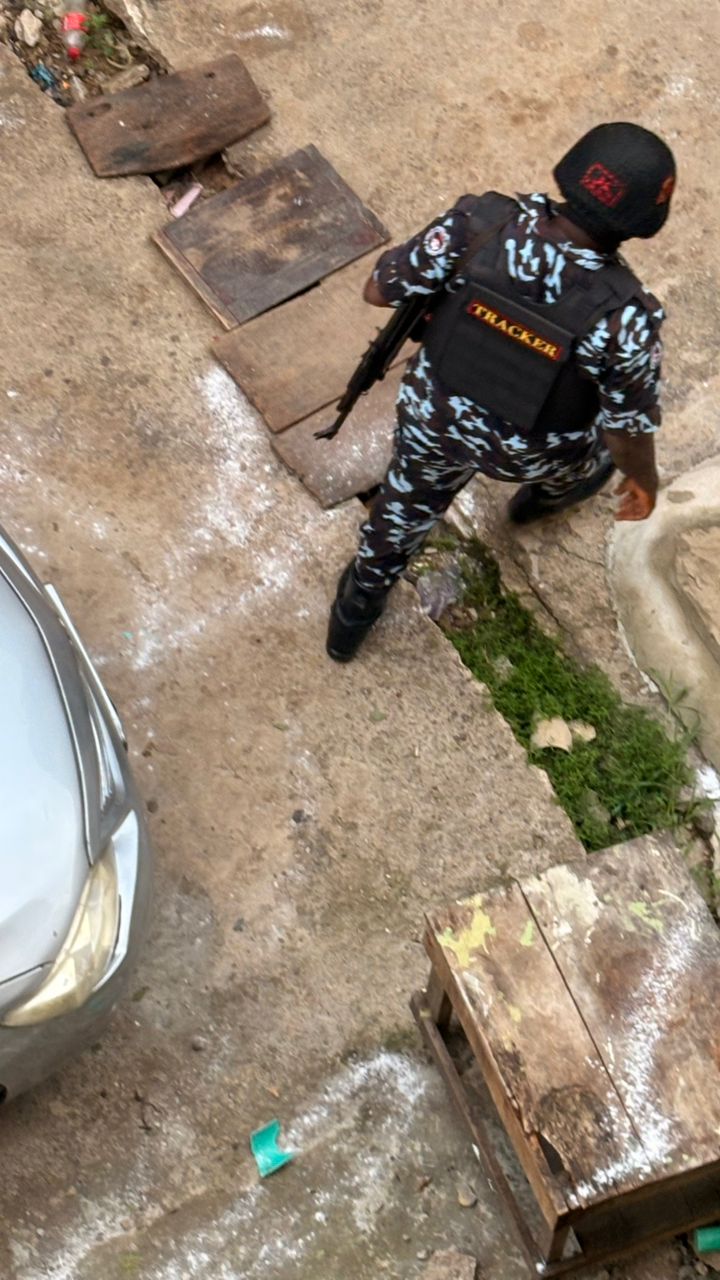
Police Officers Detained as Family Property Dispute Sparks Demolition Controversy in Lagos
By Ifeoma Ikem
A property dispute within the Omotayo-Ojo family has taken a dramatic turn following a controversial demolition exercise at a residential building in Ikosi-Ketu, Lagos State, which reportedly left tenants displaced and led to the detention of some police officers allegedly involved in the operation.

The property, located at 23B Loveall Street, Ikosi-Ketu, has been the subject of a prolonged ownership tussle since the death of its owner, Chief Oludola Omotayo Ojo, the Babaalaje of Imesi-Ile, Osun State, in 2019.
Residents said tension erupted when a group of individuals, accompanied by security operatives, stormed the premises and commenced demolition activities.
According to eyewitnesses, portions of the building were pulled down while tenants rushed to salvage their belongings from affected apartments.
The residents alleged that windows, doors and roofing sheets were damaged during the exercise, exposing parts of the building to the elements and causing significant losses to occupants.
At the centre of the dispute is Mrs Mojisola Omotayo Ojo Alolagbe, who claimed that the property was allocated to her by her late father during his lifetime as a source of financial support.
She alleged that some family members had persistently challenged her ownership claim despite ongoing legal proceedings relating to the administration of the deceased’s estate.
Alolagbe further claimed that the latest incident was part of a series of attempts to wrest control of the property, citing previous cases of alleged vandalism and partial demolition in November 2025, January 2026 and February 2026.
The situation escalated further when reports emerged that police officers allegedly involved in the demolition were later apprehended and conveyed in a Black Maria vehicle over questions surrounding the legality of their participation in the operation.
Sources familiar with the matter said those behind the demolition had initially claimed to be acting on approval from the Lagos State Ministry of Lands. However, the authenticity and extent of such approval could not be independently verified as of the time of filing this report.
The development has generated concern among residents and community members, who questioned the involvement of security personnel in what they described as a civil matter.
Some tenants, who said they had recently renewed their tenancy agreements, lamented the destruction of their property and appealed to the authorities for protection and possible compensation.

They also called for a thorough investigation into the circumstances surrounding the demolition, insisting that the rights of all parties involved should be protected.
Stakeholders have urged the Lagos State Government, security agencies and the judiciary to intervene and ensure that the dispute is resolved through lawful means to prevent further escalation.
The controversy has continued to draw public attention, raising concerns over property rights, estate administration and the role of law enforcement agencies in civil disputes.

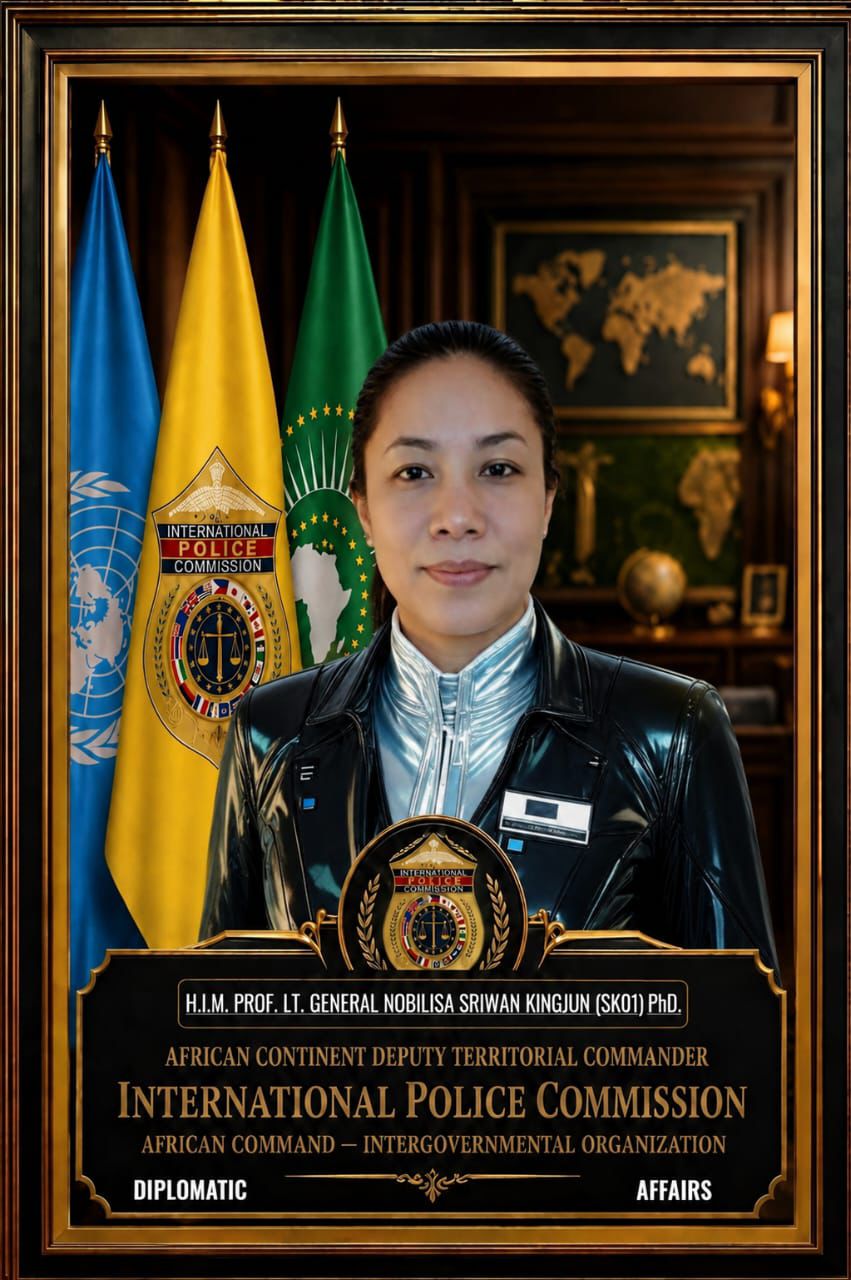
UKA Gears Up for Final ATC Exchangeability Test Run as June Preparations Begin.
May 30, 2026 – As the month of June gathers momentum, the *United Kingdom of Atlantis, UKA*, a sovereign nation has unveiled a series of vital guidelines and preparatory packages to ensure citizens and stakeholders run the *ATC Exchangeability* process effectively.
In an official update, the *President of Atlantic Crown Limited, Empress of Attica Empire UKA*, confirmed that the *Final Test Run of ATC Exchangeability* is scheduled for the month of June 2026. The exercise marks a key phase ahead of the *Official Exchangeability Window, set to run from July 2026 to February 2027*.
### Key Highlights from the Presidential Briefing
1. *Final Test Run – June 2026*
The test run is designed to validate systems, procedures, and user readiness before full activation. Citizens, partners, and designated participants are urged to follow all official advisories released by UKA authorities during this period.
2. *Official Exchangeability Period*
Following the successful completion of the June test run, the Official Exchangeability will commence in july 2026 and we are Expecting Full Exchange ability between July Ending, 2026 to February 2026.
UKA stated that detailed schedules, eligibility requirements, and step-by-step instructions will be communicated progressively through verified UKA channels.
3. *Benefiting Packages for June*
In line with UKA’s commitment to citizen empowerment, the month of June will feature “benefiting packages” aimed at education, preparation, and seamless onboarding. These packages are intended to equip the people of UKA with the knowledge and tools needed for effective participation.
4. *Commitment to Transparency*
Addressing the nation, the Empress of Attica Empire UKA emphasized:
_“Final Test Run of ATC Comes up in The Month of June, As We Prepare For The Official Exchangeability, Between July 2026 To Feb 2027. All Information Will Be Communicated.”_
UKA reaffirmed that only information released through official UKA platforms should be regarded as authoritative.
The United Kingdom of Atlantis is encouraging all citizens, representatives, and interested parties to remain alert to official communications, attend designated orientation sessions, and avoid unofficial sources. UKA’s dedication to order, clarity, and the collective benefit of its people as the nation moves into this significant phase.
For updates, advisories, and participation guidelines, citizens are advised to monitor official UKA communication channels.
United Kingdom of Atlantis, UKA, is a sovereign nation, committed to national development, citizen welfare, and structured economic participation through initiatives such as ATC Exchangeability.
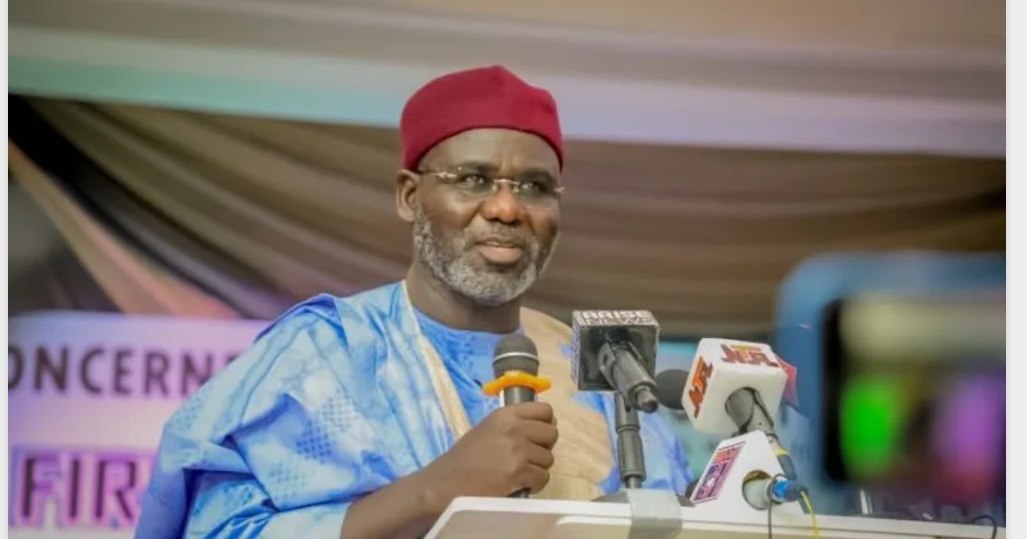
Three Years On, General Buratai Hails Tinubu’s Economic, Security Achievements
Former Chief of Army Staff, Lt. Gen. Tukur Buratai (retd.), has commended President Bola Ahmed Tinubu for what he described as bold economic reforms and improved security efforts as the President marks three years in office.
In a goodwill message on Thursday to commemorate Tinubu’s third anniversary as President and Commander-in-Chief of the Armed Forces, Buratai said the administration had taken courageous decisions that would leave a lasting impact on Nigeria’s development.

According to him, President Tinubu broke a long-standing cycle that had hindered national growth by removing fuel subsidy and implementing foreign exchange reforms aimed at stabilising the naira and strengthening the economy.
He noted that the reforms were beginning to yield positive results, citing the global acceptance of Nigerian debit cards, the gradual revival of local refineries, access to student loans, and ongoing road and infrastructure projects across the country.
“The FCT Administration has also recorded remarkable progress, completing major road projects that remained unfinished for over 16 years,” Buratai stated.
The former army chief also praised the administration’s security efforts, saying renewed military offensives against insurgents, terrorists and bandits had led to notable successes across various parts of the country.
He specifically lauded recent joint operations involving Nigerian and United States forces against Boko Haram and ISWAP in the North-East, as well as intensified counter-banditry operations in the North-West.
“We have seen notorious ISWAP commanders being neutralised. I congratulate the Commander-in-Chief, the Minister of Defence, the Chief of Defence Staff, the Service Chiefs, the Inspector-General of Police and heads of intelligence agencies for their efforts,” he said.
Buratai, however, acknowledged that challenges remained, stressing the need for more aggressive military operations and intelligence-driven strategies in the coming year.
While urging Nigerians to remain hopeful, he said celebrating the President’s achievements did not amount to ignoring the difficulties facing the nation.
“Because you truly care, you have shown the courage to trade short-term comfort for long-term hope. Nigerians need your reassurances, and that is why we remain optimistic and full of confidence,” he added.
The retired military officer reaffirmed his support for the Tinubu administration and expressed confidence that the foundation being laid by the government would deliver a brighter future for the country.
He also prayed for God’s guidance, wisdom, strength and good health for the President as he continues to lead Nigeria.


- Uganda: Parliament concludes vetting of ministers June 2, 2026
- Fund for Export Development in Africa (FEDA) Board Appoints Mr. Emmanuel Assiak as Chief Executive Officer June 2, 2026
- Ecobank Group Launches World First Nature Bond Mobilising Global Capital to Protect Africa’s Natural Ecosystems June 2, 2026
- Merck Foundation Chief Executive Officer (CEO) Dr. Rasha Kelej together with Kenya First Lady support the education of 47 Kenyan Schoolgirls by providing Annual Scholarships till they Graduate June 2, 2026
- Annual Meetings 2026: Governors Back the Bank’s Platform Solutions to Transform Aviation and Health Systems in Africa June 2, 2026
- ThinkMarkets launches ChelseaAI, bringing live CFD trading into Artificial Intelligence (AI) assistants June 2, 2026
- Afreximbank Invites Rugby Africa President Herbert Mensah to Address the 33rd Annual Meetings on a Panel Exploring Sport as a Driver of African Industrialisation June 2, 2026
- Afreximbank Deepens Commitment to Economic Progress in The Bahamas June 1, 2026
- African Electric Vehicle (EV) platform Spiro raises $215M in equity to scale electric mobility and energy infrastructure across Africa June 1, 2026
- Africa Centres for Disease Control and Prevention (Africa CDC) Statement on Attacks Against Health Facilities During the Bundibugyo Virus Disease Response in the Democratic Republic of the Congo June 1, 2026
- Uganda: Parliament concludes vetting of ministers June 2, 2026
- Fund for Export Development in Africa (FEDA) Board Appoints Mr. Emmanuel Assiak as Chief Executive Officer June 2, 2026
- Ecobank Group Launches World First Nature Bond Mobilising Global Capital to Protect Africa’s Natural Ecosystems June 2, 2026
- Merck Foundation Chief Executive Officer (CEO) Dr. Rasha Kelej together with Kenya First Lady support the education of 47 Kenyan Schoolgirls by providing Annual Scholarships till they Graduate June 2, 2026
- Annual Meetings 2026: Governors Back the Bank’s Platform Solutions to Transform Aviation and Health Systems in Africa June 2, 2026
- ThinkMarkets launches ChelseaAI, bringing live CFD trading into Artificial Intelligence (AI) assistants June 2, 2026
- Afreximbank Invites Rugby Africa President Herbert Mensah to Address the 33rd Annual Meetings on a Panel Exploring Sport as a Driver of African Industrialisation June 2, 2026
-

 news6 months ago
WHO REALLY OWNS MONIEPOINT? The $290 Million Deal That Sold Nigeria’s Top Fintech to Foreign Interests
-

 society1 month ago
SOCIAL MEDIA IS NOT A BATTLEFIELD COMMAND – WHY THE NIGERIAN ARMY’S ACTION AGAINST JUSTICE CRACK IS A NATIONAL SECURITY IMPERATIVE
-

 celebrity radar - gossips4 months ago
Dr. Chris Okafor Returns with Power and Fire of the Spirit -Mounts Grace Nation Altar with Fresh Anointing and Restoration Grace on February 1, 2026
-

 celebrity radar - gossips6 months ago
Prophet Kingsley Aitafo Releases 2026 Prophecy: ‘Nigeria Will Rise, but the World Must Prepare for Turbulence’