
Politics
Nigeria Is Not His Estate: Wike’s 2,000‑Hectare Scandal Must Shake Us Awake

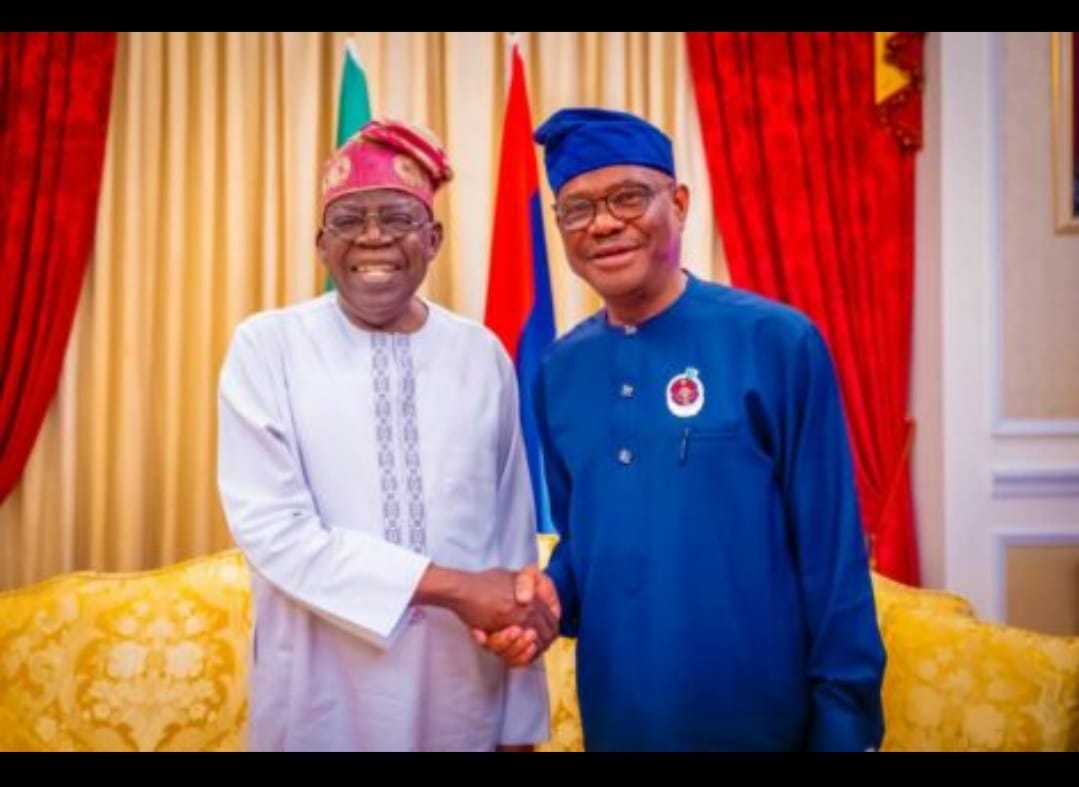
Nigeria Is Not His Estate: Wike’s 2,000‑Hectare Scandal Must Shake Us Awake.
By George Omagbemi Sylvester | Published by SaharaWeeklyNG.com
When leadership is reduced to entitlement and public office becomes an inheritance plan, a democracy begins to rot at its core. That is the ugly reality Nigeria faces today, following damning revelations that the Minister of the Federal Capital Territory (FCT), Nyesom Wike, allegedly allocated more than 2,000 hectares of prime Abuja land (valued at over $3.6 billion) to a company tied to his son, Joaquin Wike.
This isn’t just scandalous. It is treasonous against the Nigerian people.
According to detailed investigations by Peoples Gazette and corroborated by Sahara Reporters, Wike personally signed off on multiple land allocations spanning high-profile areas like Maitama, Asokoro, Guzape and Gaduwa. These allocations, according to sources inside the FCTA, totalled 2,082 Hectares, translating to approximately 40,000 plots of land. The documents reveal that these lands were awarded under the pretence of agricultural purposes to a company newly registered and linked to Wike’s son; Joaq Farms and Estates Ltd.
Even more shocking, some of the plots were allegedly seized from embassies, private families and federal infrastructure reserves. Among the affected: the Austrian Embassy, which had been allocated a site for diplomatic development and families with long-standing land rights in Guzape and Katampe.
Let us call this what it is: FEUDALISM wearing the mask of governance.
Nigeria Has Been Turned Into a Private Empire.
Wike, a man who once styled himself as a defender of the people during his tenure as governor of Rivers State, now appears to have embraced the very impunity he used to denounce. As FCT Minister, his constitutional duty is to serve the interests of over 200 million Nigerians, not build an imperial inheritance for his children in the heart of the nation.
One FCTA insider quoted by Sahara put it plainly:
“When we told the minister in April that he needed to slow down on frequent allocations to his own children, he said he was just starting, because his goal was to make them the largest landowners in Abuja.”
That statement should send shivers down the spine of any patriot. It’s no longer about infrastructure, development or public service. It is about power. It is about legacy. It is about the theft of a future that belongs to all Nigerians.
Where Is the President?
President Bola Ahmed Tinubu has remained disturbingly silent on the matter. This is a man who preached “RENEWED HOPE” during his campaign, hope for a new Nigeria, built on transparency, reform and service. Yet, when a senior member of his cabinet is credibly accused of converting national assets into personal estates not a single word of condemnation or inquiry has come from Aso Rock.
Is Tinubu afraid of Wike’s political clout? Or is this silence an admission that corruption is the glue holding his coalition together?
Even if the President chooses silence, we will not. Nigerian democracy will not survive if citizens are expected to endure hardship while elites feed off the nation’s flesh. Civil servants in the FCT are owed salaries. Teachers and healthcare workers can not even pay rent. Yet Wike and his son allegedly control enough land in Abuja to build five new cities.
Denials and Diversions
As expected, Wike’s media team rushed to deny the allegations. His spokesperson, Lere Olayinka, called the reports “mischievous lies,” claiming that the allocations were for agricultural purposes in Bwari, not high-value plots in Maitama or Guzape.
But facts don’t lie.
Corporate Affairs Commission (CAC) records show that Joaq Farms was registered mere months before the land deals. Mapping documents, certificates of occupancy and payment files reviewed by multiple sources show names, dates and locations that align with the scandal.
So unless Nigeria is being governed in a hall of illusions, Wike owes this nation a full, honest explanation and not dismissive PR gymnastics.
This Is Bigger Than Land.
Let’s be clear: this is not just about hectares of land. This is about systemic theft, elite capture and the rapid erosion of accountability in Nigeria’s governance.
When public land, designated for diplomatic missions, schools, hospitals and civil infrastructure, is converted into private estates for the children of those in power, we are not practicing democracy; we are living under tyranny.
Human rights lawyer Deji Adeyanju captured it perfectly:
“Wike is not the owner of Nigeria. He must stop grabbing people’s land and giving them to cronies. This is public property, not family inheritance.”
What Must Be Done
An Independent Panel Must Be Set Up Immediately.
The National Assembly, if it still has a soul, must summon the courage to open a full inquiry into these allocations. The documents are there. The facts are traceable. This cannot be swept under the rug.
EFCC and ICPC Must Intervene.
If Nigeria’s anti-corruption agencies still function, then now is the time to act. Joaq Farms’ records, transactions and land-use certificates must be scrutinized. If any rule has been broken (and clearly, several have) they must be prosecuted with full force.
Abuja Masterplan Must Be Respected.
The original master plan of the Federal Capital Territory was designed to prevent chaos, elite monopolization and feudalism. All allocations that violate this plan must be revoked. A national city cannot be sacrificed for the ambitions of one man.
The People Must Speak Up.We cannot afford silence. From civil society to student unions, religious leaders to market women, this scandal must dominate our national conscience. APATHY is COMPLICITY.
History Will Remember This.
This is how nations fail, not because they lack natural resources or intelligent people, but because their leaders are allowed to behave like monarchs in a democracy.
If these land grabs are allowed to stand, Abuja will become a blueprint for elite domination. What stops other ministers from allocating oil wells to their wives or ports to their cousins and or even military barracks to their sons?
We have seen this story before. It ends in disaster.
Nigeria Is Not Your Family Business.
The tragedy of Nigeria today is that men who should be custodians have become looters. Our democracy is hanging by a thread and scandals like this one are daggers slashing at its heart.
To Nyesom Wike, if these allegations are true, you must resign and face trial. You were not elected Minister to build dynasties. You were appointed to serve. And to President Tinubu, your silence is not NEUTRAL; it is BETRAYAL.
The land belongs to the people. The power belongs to the people. And history, whether written in the courts or on the streets, will remember who stood up and who sold out.
George Omagbemi Sylvester is a Nigerian political analyst, writer and public affairs commentator based in South Africa. He writes for SaharaWeeklyNG.com and other regional publications.



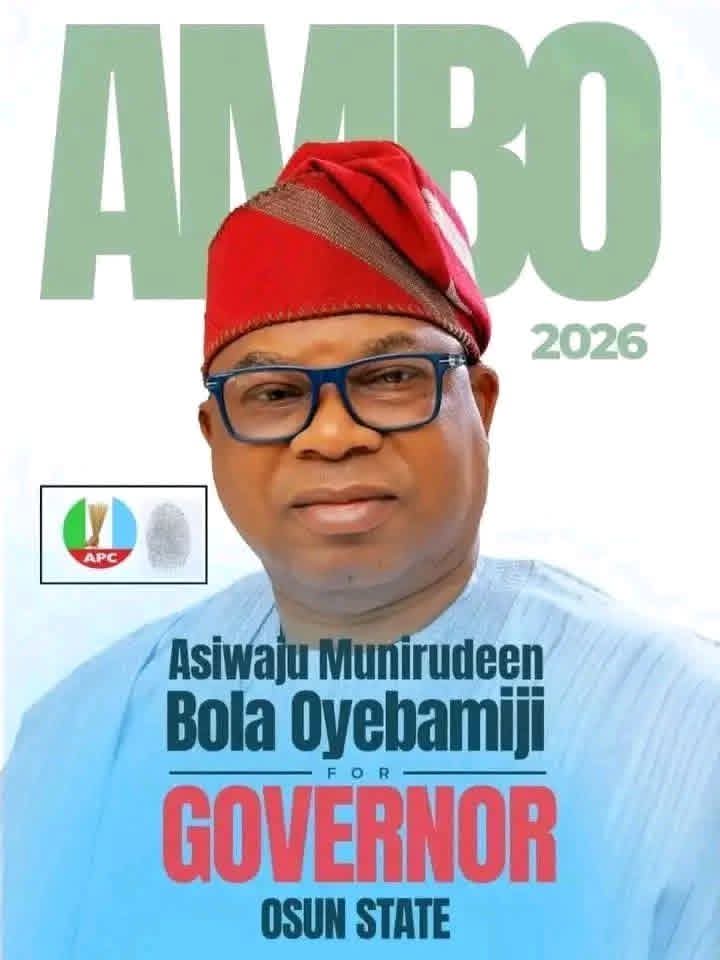
AMBO and the Osun Governorship Race: Assessing the Man, the Politics and the Vision
As political activities gather momentum ahead of the 2026 Osun State governorship election, a public affairs commentator, Oluseyi Olonade, has described the emergence of Asiwaju Munirudeen Bola Oyebamiji, popularly known as AMBO, as a significant development in the state’s political landscape.
In an article titled “Oyebamiji: The Man, The Politics and The Aspiration,” Olonade argued that the All Progressives Congress governorship hopeful possesses the character, experience and vision needed to reposition Osun State for sustainable growth.
According to the writer, Oyebamiji’s appeal stems from his extensive background in the banking sector, where he spent nearly three decades working with institutions including Wema Bank, Trans International Bank, Spring Bank and Enterprise Bank.
A native of Ikire in Irewole Local Government Area, Oyebamiji was described as a technocrat whose experience in corporate governance, finance and risk management has shaped his approach to public administration.
The article noted that his public service journey gained prominence in 2012 when he was appointed to oversee the then Osun State Investment Company Limited. Under his leadership, the organisation was reportedly restructured and transformed into Omoluabi Holdings Limited.
The writer further highlighted Oyebamiji’s tenure as Commissioner for Finance under successive APC administrations, where he was credited with managing the state’s finances during challenging economic periods.
Olonade also referenced Oyebamiji’s appointment as Managing Director of the National Inland Waterways Authority, describing it as further evidence of his administrative and leadership capabilities.
The article contrasted Oyebamiji’s governance philosophy with that of the current administration in Osun State, arguing that the APC aspirant favours institutional reforms, economic diversification and fiscal discipline.

According to the writer, Oyebamiji’s proposed agenda includes strengthening transparency in government spending, expanding internally generated revenue, attracting private-sector investments and promoting industrial and agricultural development.
The article also highlighted youth empowerment, entrepreneurship development and digital skills acquisition as key components of his vision for the state.
Olonade concluded that the forthcoming governorship election would present voters with a choice between different approaches to governance, expressing confidence that Oyebamiji’s experience and developmental agenda make him a strong contender in the race.
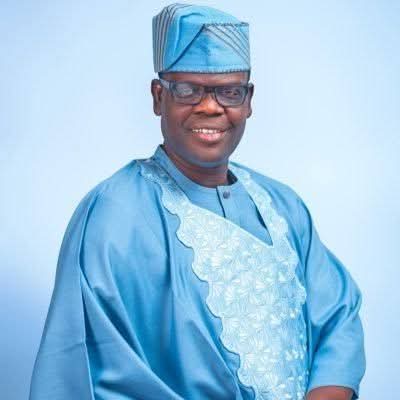
*Oselu Tiwa nTiwa Endorses Oriyomi Hamzat for Oyo Governorship*
A sociopolitical support group in Oyo State, Oselu Tiwa nTiwa, has declared its support for Alhaji Oriyomi Hamzat as the authentic governorship candidate of the Accord Party ahead of the forthcoming governorship election in the state.
The group made its position known in a statement jointly signed by its President, Mr. Adewale Oluwaseyi and Secretary, Alh. Adebayo Oyewole, on Thursday, describing Hamzat as a grassroots figure with strong connection to the people and a track record of humanitarian interventions across Oyo State.

According to the group, the endorsement followed what it described as careful observation of Hamzat’s leadership qualities, compassion and dedication to the welfare of ordinary citizens.
“Oriyomi Hamzat has consistently demonstrated empathy, courage and selfless commitment to humanity. Through his numerous interventions in the lives of ordinary citizens, he has become a symbol of hope to many families and communities,” the statement read.
Oselu Tiwa nTiwa also appealed to the national leadership of the Accord Party to prioritise the long-term future and electoral growth of the party in its decision-making process.
The group noted that Hamzat’s candidacy presents an opportunity for the party to strengthen its grassroots support base and expand its political relevance across Oyo State.
“We respectfully appeal to the National Leadership of the Accord Party to look beyond immediate political calculations and consider the bigger picture, the future growth, stability and electoral success of the party in Oyo State and beyond,” the statement added.
The group further expressed confidence in the leadership of the party, saying it believes the party’s national officers and stakeholders would take decisions that reflect fairness, inclusiveness and the collective interest of members.
While calling on party loyalists to remain calm and united, Oselu Tiwa nTiwa said continued consultations among stakeholders would help strengthen the Accord Party ahead of the election.
Signed:
Alh. Adebayo Oyewole,
Secretary.
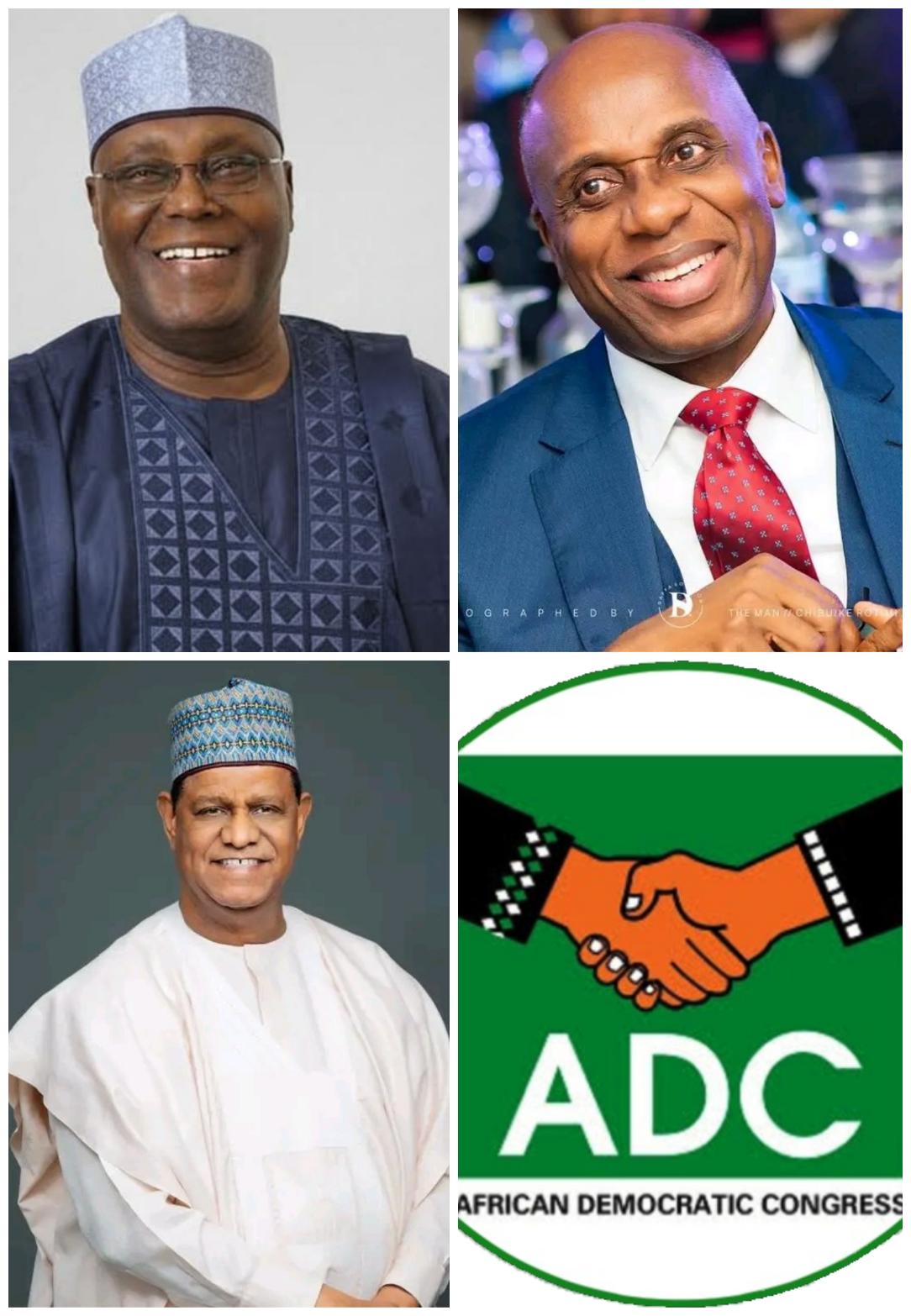
Atiku Set To Clinch ADC Presidential Ticket, Leads Amaechi, Hayatu-Deen In 34 States
Former Vice President of Nigeria and frontline presidential aspirant of the African Democratic Congress (ADC), Atiku Abubakar, is projected to emerge winner of the party’s presidential primaries, according to impeccable sources in Abuja.
The primaries, conducted across over 8,000 wards in the 36 states of the federation and the Federal Capital Territory, reportedly placed Atiku far ahead of his closest rivals — former Rivers State Governor, Rotimi Amaechi, and former Chairman of the Nigerian Economic Summit Group, Mohammed Hayatu-Deen.

Highly placed party insiders disclosed that Atiku is currently leading in 34 states, including the FCT, after securing dominance across the 19 Northern states, the five South-East states, and the six South-West states, while also maintaining a strong showing in at least three states in the South-South geopolitical zone.
The sources added that the outcome reflects what they described as “an overwhelming nationwide acceptance” of the former vice president within the opposition party ahead of the 2027 general election.
Meanwhile, the ADC leadership has invited members of the press to the official announcement of the final collated results scheduled for 11:00 a.m. on Tuesday, May 26, 2026, in Abuja.
The declaration of results is expected to be broadcast live on ARISE Television and two other major television stations, while also being livestreamed on the party’s official social media platforms on X and Facebook.
Speaking ahead of the announcement, the founding National Chairman of the ADC, Chief Ralph Nwosu, said the decision to televise the exercise live was aimed at promoting transparency and democratic accountability.
“We want millions of Nigerians at home and in the Diaspora to witness democracy in action,” Nwosu said.
He further revealed that the party leadership would encourage all three presidential aspirants to publicly embrace a peace accord and commit themselves to working together in unity for the party’s success.
According to him, the move is necessary to strengthen internal cohesion and position the ADC for victory in the presidential election scheduled for January 16, 2027.
Details later.


- Economic Community of West African States (ECOWAS) Commission and Women in Law and Development (WiLDAF) Train Women Cross-Border Traders in The Gambia June 5, 2026
- Eritrea: Seminar to Nationals in The Hague June 5, 2026
- Eritrea: Training on Photography and Video Production June 5, 2026
- Dr. Rasha Kelej Merck Foundation Chief Executive Officer (CEO) and African First Ladies release “Rays of Hope” Animation Film and Storybook to Raise Awareness About Childhood Cancer June 5, 2026
- Digital transformation journey takes centre stage at ANGOTIC 2026 June 5, 2026
- Junior Achievement (JA) Africa Delivers 1.6 Million Learning Experiences in a Single Year, Marking Twelve-Fold Growth in Five Years June 5, 2026
- United Nations Mission in South Sudan (UNMISS) helps plant hope among youth on World Environment Day June 5, 2026
- Afreximbank Deepens Engagement with Jamaica to Drive Trade, Investment and Industrialisation June 5, 2026
- World Health Organization (WHO) supports reactive yellow fever vaccination campaign and Bundibugyo virus disease (BVD) preparedness in Liberia June 5, 2026
- Uganda: Museveni pushes for wealth creation through development programmes June 5, 2026
- Economic Community of West African States (ECOWAS) Commission and Women in Law and Development (WiLDAF) Train Women Cross-Border Traders in The Gambia June 5, 2026
- Eritrea: Seminar to Nationals in The Hague June 5, 2026
- Eritrea: Training on Photography and Video Production June 5, 2026
- Dr. Rasha Kelej Merck Foundation Chief Executive Officer (CEO) and African First Ladies release “Rays of Hope” Animation Film and Storybook to Raise Awareness About Childhood Cancer June 5, 2026
- Digital transformation journey takes centre stage at ANGOTIC 2026 June 5, 2026
- Junior Achievement (JA) Africa Delivers 1.6 Million Learning Experiences in a Single Year, Marking Twelve-Fold Growth in Five Years June 5, 2026
- United Nations Mission in South Sudan (UNMISS) helps plant hope among youth on World Environment Day June 5, 2026
-

 news6 months ago
WHO REALLY OWNS MONIEPOINT? The $290 Million Deal That Sold Nigeria’s Top Fintech to Foreign Interests
-

 society1 month ago
SOCIAL MEDIA IS NOT A BATTLEFIELD COMMAND – WHY THE NIGERIAN ARMY’S ACTION AGAINST JUSTICE CRACK IS A NATIONAL SECURITY IMPERATIVE
-

 celebrity radar - gossips4 months ago
Dr. Chris Okafor Returns with Power and Fire of the Spirit -Mounts Grace Nation Altar with Fresh Anointing and Restoration Grace on February 1, 2026
-

 celebrity radar - gossips6 months ago
Prophet Kingsley Aitafo Releases 2026 Prophecy: ‘Nigeria Will Rise, but the World Must Prepare for Turbulence’