
celebrity radar - gossips
NIGERIA: THE UNBREAKABLE GIANT RISING THROUGH STORMS By Tukur Buratai

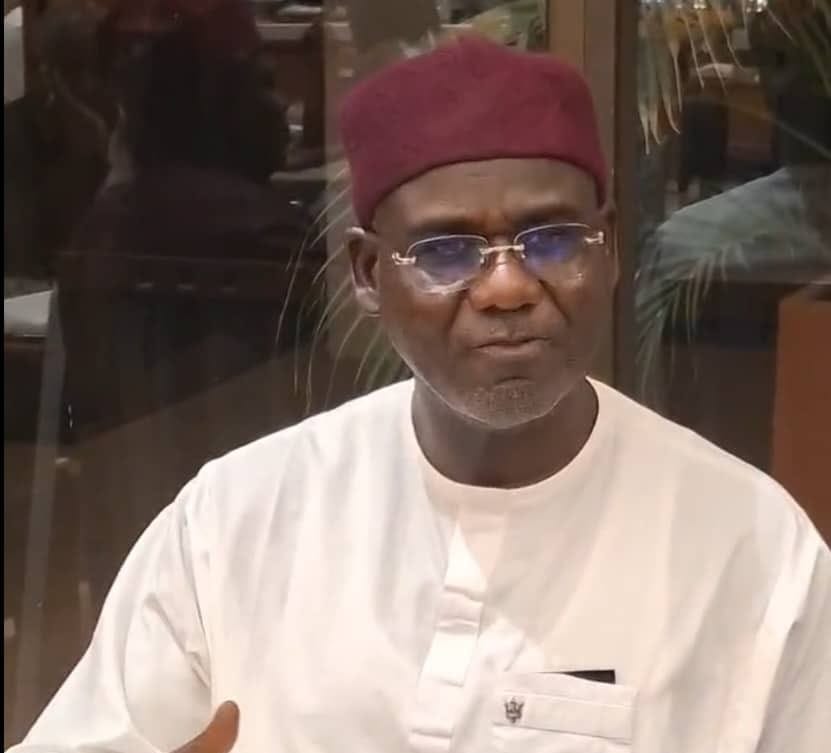
NIGERIA: THE UNBREAKABLE GIANT RISING THROUGH STORMS
By Tukur Buratai
In a world quick to predict national failure, few countries have endured more scrutiny than Nigeria. From think-tank forecasts to global risk assessments, the country is often portrayed as teetering on the edge. Yet, beneath these narratives lies a deeper truth—Nigeria’s extraordinary resilience.
In a recent reflection posted on his Facebook page, former Chief of Army Staff, Lt. Gen. Tukur Yusuf Buratai (rtd.), argues that the idea of Nigeria as a potential failed state is not only inaccurate but a fundamental misunderstanding of its history and its destiny. For Buratai, Nigeria is not crumbling—it is rising.
A Nation Shaped by Giants
Buratai begins by invoking the spirit of Nigeria’s founding fathers—Dr. Nnamdi Azikiwe, Sir Ahmadu Bello, and Chief Obafemi Awolowo—leaders whose vision helped carve a nation out of colonial rule. Their legacy, he notes, created a foundation that no crisis has ever completely shaken.
From post-independence turbulence to military incursion and back to democracy, Nigeria has repeatedly pulled back from the brink. Military leaders like Gen. Yakubu Gowon and Gen. Murtala Mohammed steered the country through nation-defining moments, while Chief Olusegun Obasanjo twice restored political stability—first in 1979 and again in 1999.
Today, Buratai observes, Nigeria is seeing the rise of a new generation of leaders—young, connected, innovative, and more accountable to citizens who are vocal and increasingly conscious of their power. Their commitment to unity and national progress, he insists, makes the idea of a collapsing Nigeria “inconceivable.”
Economy: Hardship, Yes — but Also Immense Opportunity
Buratai acknowledges the economic turbulence facing the nation, but he cautions against interpreting temporary difficulty as long-term decline. Since independence, Nigeria has transformed from a primarily agrarian society to Africa’s largest economy.
He highlights several underutilized strengths:
Human capital—a youthful population and a highly skilled diaspora
Agricultural capacity—enough arable land to feed West Africa
Solid mineral wealth—from gold to lithium and iron ore
Renewable energy potential—sunlight strong enough to power industries
Creative and digital innovation—Nollywood, Afrobeats, and a booming tech sector
For Buratai, these assets guarantee that Nigeria’s economic future remains bright. The ongoing diversification away from oil, though slow and painful, is laying the groundwork for a knowledge-driven and resilient economy.
—
Security and Infrastructure: A Nation in Transition
Nigeria’s security challenges—Boko Haram, ISWAP, banditry, and separatist agitations—remain a national concern. But Buratai argues that these struggles represent a phase of renewal, not collapse.
He notes that Boko Haram, once feared for its territorial control, has been significantly degraded from its peak in 2014–2015 due to years of tactical and strategic adjustments. The armed forces, he insists, are more retooled and revitalized than many acknowledge.
On infrastructure, Buratai highlights what he calls “quiet revolutions”—railway revival projects, major road expansions, airport modernization programs, and the massive Dangote Refinery, now the largest single-train refinery on earth. These developments, he suggests, point to a nation investing aggressively in its long-term foundations.
The Real Strength: The Nigerian Spirit
Beyond institutions, policies, and economics, Buratai identifies the Nigerian people as the country’s most powerful engine of survival.
He recounts moments that tested the nation’s soul:
The civil war of 1967–1970
Structural Adjustment hardships of the 1980s
Pro-democracy struggles that ended military rule
The #EndSARS youth movement demanding transparency
And today’s economic trials
Despite everything, Nigerians continue to innovate, hustle, survive, and support one another through communal systems like esusu and grassroots solidarity.
“This social capital,” Buratai writes, “is the bedrock upon which the nation’s future is secured.”
A Message to the West: Stop Predicting Collapse—Start Building Partnerships
Buratai’s feature sharply criticizes international observers who constantly forecast Nigeria’s doom. He warns that such narratives distract from the opportunities Nigeria presents and risk undermining global cooperation.
He calls for:
1. Technology Transfer—especially in green energy and digital infrastructure
2. Investment, Not Aid—to unlock Nigeria’s private sector potential
3. Collaborative Security—rooted in respect for Nigeria’s sovereignty
The West, he argues, must stop preparing for Nigeria’s collapse and start preparing for Nigeria’s rise.
—
Recommendations for a Stronger Nigeria and a Stronger Africa
Buratai outlines a three-level plan:
For Nigeria
Forge a new patriotism focused on merit and national service
Deepen economic diversification with targeted investment funds
Expand community-based security under national coordination
For Developed Nations
Shift to partnership-based engagement
Reform global financial institutions
Elevate Nigerian creativity and innovation on global platforms
For Africa
Strengthen AfCFTA to build continental self-reliance
Share security and anti-corruption practices
Assert collective power in global negotiations
Conclusion: A Nation Destined to Rise
Buratai concludes with conviction: Nigeria will not fail—not now, not ever.
“Our current trials,” he writes, “are the furnace in which a stronger, more united, and self-reliant nation is being forged.”
For him, the world must begin to see Nigeria not as a volatile experiment but as a rising global force whose trajectory is upward.
And in his final words, he echoes a sentiment shared by millions across the country:
“We will not fail. We are rising.”
https://www.facebook.com/share/p/19hajU51Yq/




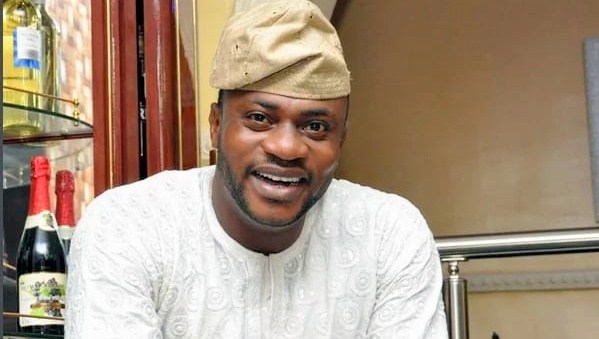
King of the Screen: Why Odunlade, Muyiwa, Femi Adebayo Remain Yoruba Movie Giants
The Yoruba movie industry has continued to produce legendary talents whose influence stretches beyond Nigeria to global audiences. Over the years, some actors have distinguished themselves through consistency, versatility, box office success, and cultural impact.
Among the numerous stars in Nollywood’s Yoruba sector, three actors have remained dominant figures whose names constantly resonate with fans and filmmakers alike — Odunlade Adekola, Muyiwa Ademola, and Femi Adebayo.

Odunlade Adekola: The Street King of Yoruba Cinema
Popularly regarded as one of the most entertaining actors in Nollywood, Odunlade Adekola has built a unique reputation through his energetic delivery, comic timing, emotional depth, and strong connection with grassroots audiences.
From comedy to action and emotional family dramas, the actor has consistently proven his versatility in blockbuster productions. His ability to interpret diverse roles effortlessly has made him a household name across Nigeria.
Industry observers believe his dominance on social media platforms, where his movie clips frequently go viral, has further strengthened his popularity among younger audiences.
Beyond acting, Odunlade has also contributed immensely to mentoring upcoming talents and expanding the commercial value of Yoruba films.
Muyiwa Ademola: The Master Storyteller

For many lovers of indigenous movies, Muyiwa Ademola remains one of the finest storytellers the Yoruba film industry has produced.
Widely respected for producing emotional and morally driven movies, the actor earned massive recognition through classic productions that focused on family values, culture, betrayal, perseverance, and societal lessons.
His calm delivery, deep scripts, and originality have kept him relevant despite changing trends in the entertainment industry.
Film critics often describe Muyiwa Ademola as one of the few actors whose productions combine entertainment with strong cultural education, making his movies timeless among older and younger viewers alike.
Femi Adebayo: The Modern-Day Box Office Force

Femi Adebayo has successfully combined traditional Yoruba storytelling with modern cinematic excellence, helping to project indigenous films to international audiences.
The actor, filmmaker, and producer has recorded major successes with high-budget productions that gained attention on streaming platforms and cinemas.
Known for his professionalism and attention to detail, Femi Adebayo has continued to push Yoruba movies beyond local boundaries while preserving cultural identity.
Entertainment analysts say his ability to blend culture, technology, and quality production has positioned him among the leading faces shaping the future of Yoruba cinema.
Growing Global Influence
The success of these actors reflects the increasing acceptance of indigenous Nigerian content globally. With streaming platforms creating wider access to local movies, Yoruba actors are now gaining international recognition and attracting new audiences.
Fans and stakeholders in the entertainment industry believe the contributions of Odunlade Adekola, Muyiwa Ademola, and Femi Adebayo have not only sustained Yoruba culture through film but have also elevated Nollywood’s global reputation.
celebrity radar - gossips
Eid-el-Kabir: Olowu of Kuta Urges Peace, Unity, Selflessness Among Nigerians
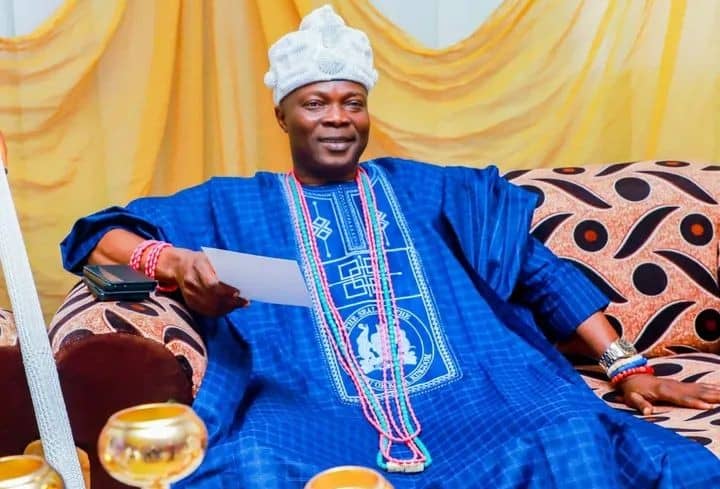
Eid-el-Kabir: Olowu of Kuta Urges Peace, Unity, Selflessness Among Nigerians
The Olowu of Kuta, HRM Oba Dr. Hammed Makama Oyelude, CON, Tegbosun III, has called on the Muslim Ummah and all Nigerians to make peace, unity, and selflessness their guiding principles as the world marks this year’s Eid-el-Kabir celebration.
In his Sallah message, the revered monarch described Eid-el-Kabir as a “highly spiritual occasion that demands dedication, commitment, and selflessness.”
Oba Makama said the period should be used to reflect on societal happenings and promote messages of hope and unity without inciting provocation.
He urged Nigerians to live together harmoniously, irrespective of religious, political, or tribal affiliations, stressing that politicians should exercise restraint and avoid inflammatory rhetoric ahead of the 2027 general elections.
“What should be uppermost in the mind of every patriotic Nigerian is **‘Country first,’” he said.
The monarch also appealed to citizens to remain vigilant in the face of insecurity, reassuring that the armed forces and paramilitary agencies are working round the clock to ensure a smooth and peaceful celebration.
“The price wise men pay for eternal liberty is vigilance. I urge everyone to celebrate moderately and extend a helping hand to the less privileged, widows, and orphans, embracing them as our brothers and sisters,” Olowu Makama added.
He concluded by wishing all Nigerians a peaceful and fulfilling Eid-el-Kabir celebration.
celebrity radar - gossips
Oba Babatunde Saliu Elebo II Felicitates Muslims on Eid-el-Kabir Celebration
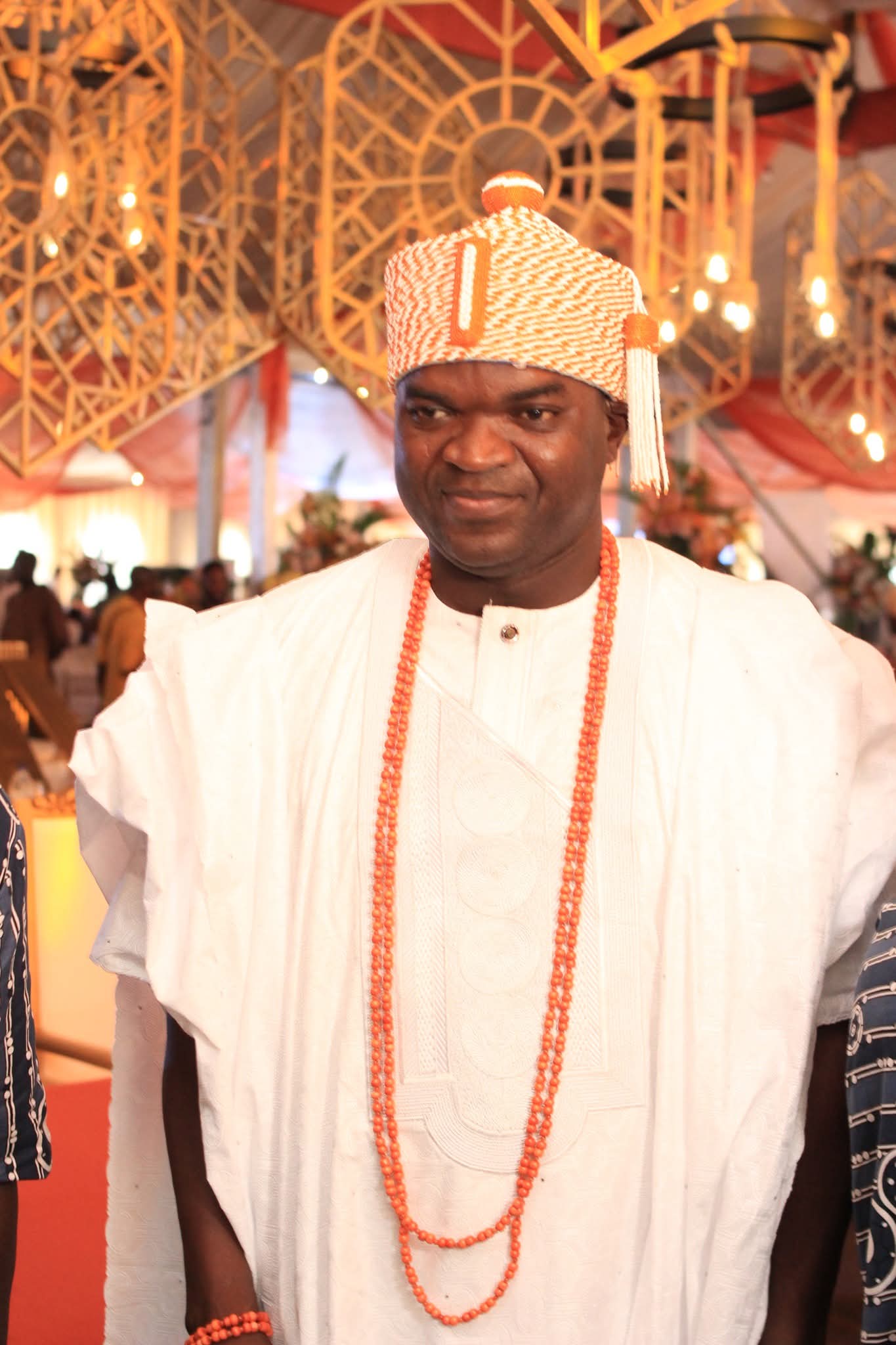
Oba Babatunde Saliu Elebo II Felicitates Muslims on Eid-el-Kabir Celebration
By Adeyemi Obadimu Veron
The Oloworo of Oworosoki Kingdom, Oba Babatunde Saliu Elebo II, has extended warm greetings and heartfelt felicitations to Muslims across Nigeria and the world at large on the joyous occasion of the 2026 Eid-el-Kabir celebration.
In a statement made available to Newsmen, the revered monarch urged Muslims to embrace the true teachings of Islam by promoting peace, love, unity, sacrifice, and compassion during and after the festive period.
Oba Babatunde Saliu Elebo II noted that Eid-el-Kabir, also known as Salah, remains one of the most significant celebrations in Islam as it symbolizes total obedience, faith, and devotion to Almighty Allah, drawing inspiration from the unwavering sacrifice of Prophet Ibrahim (Abraham), who demonstrated complete submission to the will of God.
According to the monarch, the Holy Qur’an teaches believers the importance of righteousness, kindness to humanity, tolerance, and support for the less privileged in society. He emphasized that the season should serve as a reminder for all Nigerians to live in harmony irrespective of religion, ethnicity, or political differences.
The royal father further called on Muslims to use the sacred period to pray fervently for peace, stability, economic growth, and sustainable development in Nigeria, stressing that national progress can only thrive in an atmosphere of unity and mutual understanding.
Oba Saliu also encouraged the faithful to extend hands of generosity to widows, orphans, and vulnerable members of society, noting that the essence of Eid-el-Kabir goes beyond celebration and feasting, but also reflects the spirit of sharing and caring for humanity as instructed in the Qur’an.
While wishing Muslims a peaceful and memorable Eid celebration, the Oloworo of Oworosoki prayed for divine blessings, prosperity, good health, and continued harmony in homes and communities.
“May this year’s Eid-el-Kabir strengthen our faith, deepen our love for one another, and bring renewed hope and abundant blessings to our nation,” the monarch stated.


- Pitcher Awards Announces 2026 Winners, Marking a Landmark Year for Pan‑African Creativity May 30, 2026
- Ghana Commemorates 78th International Day of United Nations Peacekeepers May 30, 2026
- South Africa: President Ramaphosa receives second interim report of Madlanga Commission May 30, 2026
- Asmara Marathon 2026 to be held May 30, 2026
- Powerful call for dialogue and compromise to secure peace in South Sudan issued on International Peacekeepers Day May 30, 2026
- Over 1,000 Participants Join Rwenzori Marathon Activation Run in Mombasa May 30, 2026
- World Health Organization (WHO) actively participated in the 2nd Summit on Healthcare Integration in Portuguese-speaking countries May 30, 2026
- Annual Meetings (AM) 2026: “Africa has what It takes” - Experts call for stronger financial systems to help Africa mobilise capital at scale May 30, 2026
- Eritrea Participates at Organization of African, Caribbean and Pacific States Meetings May 30, 2026
- Annual Meetings 2026 (AM2026): African Development Bank Group’s 2025 Annual Report Highlights Strong Results and a New Chapter for Africa’s Transformation May 29, 2026
- Pitcher Awards Announces 2026 Winners, Marking a Landmark Year for Pan‑African Creativity May 30, 2026
- Ghana Commemorates 78th International Day of United Nations Peacekeepers May 30, 2026
- South Africa: President Ramaphosa receives second interim report of Madlanga Commission May 30, 2026
- Asmara Marathon 2026 to be held May 30, 2026
- Powerful call for dialogue and compromise to secure peace in South Sudan issued on International Peacekeepers Day May 30, 2026
- Over 1,000 Participants Join Rwenzori Marathon Activation Run in Mombasa May 30, 2026
- World Health Organization (WHO) actively participated in the 2nd Summit on Healthcare Integration in Portuguese-speaking countries May 30, 2026
-

 news6 months ago
WHO REALLY OWNS MONIEPOINT? The $290 Million Deal That Sold Nigeria’s Top Fintech to Foreign Interests
-

 society4 weeks ago
SOCIAL MEDIA IS NOT A BATTLEFIELD COMMAND – WHY THE NIGERIAN ARMY’S ACTION AGAINST JUSTICE CRACK IS A NATIONAL SECURITY IMPERATIVE
-

 celebrity radar - gossips4 months ago
Dr. Chris Okafor Returns with Power and Fire of the Spirit -Mounts Grace Nation Altar with Fresh Anointing and Restoration Grace on February 1, 2026
-

 celebrity radar - gossips6 months ago
Prophet Kingsley Aitafo Releases 2026 Prophecy: ‘Nigeria Will Rise, but the World Must Prepare for Turbulence’