
celebrity radar - gossips
Surviving Nigeria’s Pan-Fulani President With Sunday Igboho By Felix Oboagwina

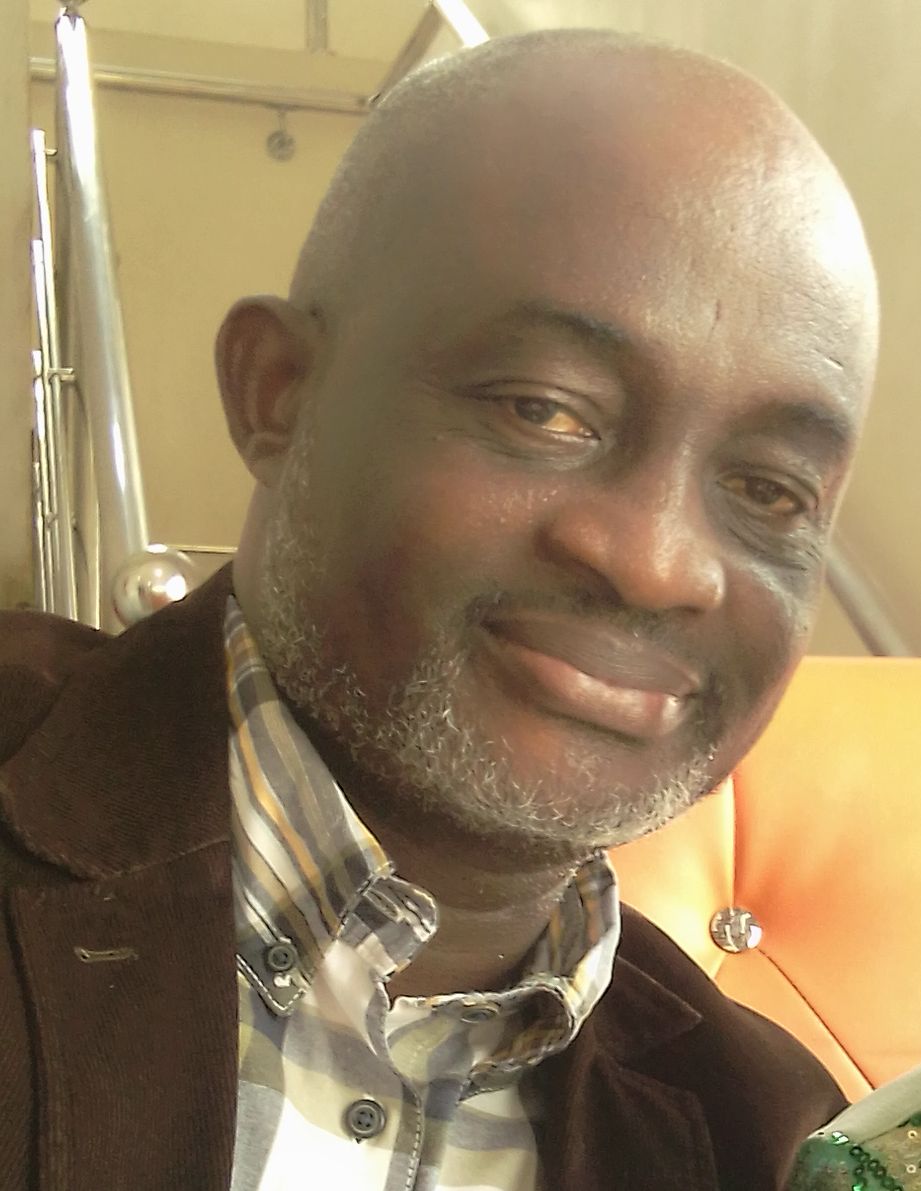
Surviving Nigeria’s Pan-Fulani President With Sunday Igboho
By Felix Oboagwina
After a house detention spanning two years, Nigeria’s Sunday Igboho earlier this month finally secured his freedom from Benin Republic. He did not return to Nigeria. He jetted out to Germany.
Igboho, 56, a Yoruba nation separatist and whose real name is Chief Sunday Adeyemo, ran afoul of that Francophone nation’s laws for attempting to secure its passport through the backdoor. They arrested him. Worldwide pleas by Yoruba people were made for his release, with even the Nobel Laureate, Professor Wole Soyinka, paying Igboho a visit in custody May 2022. Perhaps reluctant to court the ire of President Muhammadu Buhari, Cotonou had dilly-dallied over Igboho’s case until the Fulani-born retired-Army General’s tenure expired on May 29.

Igboho became a fugitive from Nigeria after the Department of State Services (DSS) raided his Ibadan, Oyo State home. This followed his effrontery in issuing a deadline to almighty Fulani herdsmen who for years had unleashed an orgy of kidnapping, murder and rape on rural communities in Sunday’s native Yoruba South-West. The Fulani pseudo-monarch, Seriki Fulani, served as intermediating agent for ransom payment to the kidnappers, who slew several captives and frightened farmers away from farmlands. SOS cries to security agents went unheeded. Finally, Igboho led natives on a raid of the camp of this Fulani army of occupation in Igbo-Ora, Igangan, Ibarapa and environs in Oyo State.
Reprisal came from an unexpected quarter. Clearly acting under the instructions of The Presidency and the agency’s Fulani-born CEO Yusuf Magaji Bichi, DSS operatives stormed Sunday Igboho’s home in a midnight invasion on July 1, 2021, unleashing sorrows, tears and blood in a rain of bullets. DSS slaughtered two unarmed occupants and arrested 12. The Yoruba activist himself escaped. Government froze all his bank accounts. While attempting to reach Europe through the West African country, Igboho fell into the hands of the gendarmes when he tried to arrange travel documents informally. Abuja mounted pressure for his repatriation back home. However, Buhari and his Fulani collaborators underestimated the centuries-old socio-cultural ties between Benin Republic Yoruba and Nigerian Yoruba. Those ties saved Adeyemo.
What offence did Igboho commit, except confront foreign Fulani killing Nigerians? The story began with the house-rat inviting the bush-rat to come and partake in the abundant food available at home. Perhaps because of climate change and shrinking grazing grounds in the Savannah, Fulani cowboys zeroed in on Middle-Belt and Southern Nigeria’s lush greenery. Buhari, a pan-Fulani bigot being in power, Fulani irredentism won. He threw the borders open. Unchecked, the itinerant herders arrived here in droves from all over Africa and filtered through the land. They came with their AK47s, anti-aircraft propelled rocket launchers and unleashed a new brand of terrorism. Migrant Fulani militias unleashed terror everywhere the soles of their feet marched. They still do. Videos have been seen of helicopters landing in thick forests to supply these militias with arms and provisions. This was state-backed terrorism.
Like the helplessness they displayed in Igboho’s neck of the wood in Ibarapa, security agencies made zero or half-hearted efforts to halt the Fulani militants’ evil activities nationwide. The world termed them the second deadliest terror group in the world, but pro-Fulani Buhari’s regime held back. His government sold the official false narrative that herdsmen killing unarmed rural dwellers arose from axiomatic farmers-herdsmen clashes. Such rhetoric served as white-washing PR, if not justification, for the killings, even as their body counts mounted nationwide. Buhari’s government consistently sided with the foreign aggressors.
It will not be forgotten, the ignoble role of Buhari’s spin-doctors and attack dogs: Femi Adesina, Garba Shehu and Lai Mohammed. Such names will go down in infamy as defenders of killer Fulani. Adesina once said those who failed to give up land to the Fulani should prepare to forfeit their lives –undoubtedly his pan-Fulani paymaster, Buhari’s veritable voice.
Buhari came from a Fulani father and a half Kanuri half Hausa mother. He hails from the Fulani stock in Daura, Katsina State. Also called Fulbe, the Fulani tribe originated from nomads in North Africa and sub-Saharan Africa, settling into Central and West Africa. Upon landing on Nigerian soil, and in order to secure population and numerical advantage, the Fulani heads formed a socio-political alliance with their Hausa hosts; and today, they are jointly tagged Hausa-Fulani. But when push comes to shove and competition for posts and resources becomes inevitable, Hausa and Fulani individuals resort to their separate ancient tents. Despite being less than 9 percent of Nigeria’s population, the Fulani wield much socio-political and socio-cultural superiority.
In relationship to other Nigerians, Buhari and fellow Fulani irredentists rate their foreign cousins higher. Nigerian Fulani’s affinity with cousins from Mali, Niger, Chad, Cameroun, Guinea-Bissau and Libya gives these invaders licence to infiltrate the Nigerian space.
Going by narratives from APC chieftains privy to the affair, foreign Fulani militants had been recruited to push Buhari into power in 2015. President Goodluck Jonathan saw the handwriting on the wall and quickly threw in the towel to prevent a bloodbath. The APC kingpins claimed that politicians reneged on agreements with the imported militants, which infuriated them and made them go wild. However, something else fuelled the foreigners’ daredevilry –a pan-Fulani agenda.
In his eight years, President Buhari powered that pan-Fulani agenda. The agenda drove his lopsided pro-Fulani appointments, especially in security and the entire Armed Forces. The agenda theoretically centred on rallying Fulani in Africa to migrate to Nigeria and create a monolithic nation that would subjugate other nationalities as minorities. Buhari gave the foreign Fulani traction in Nigeria. For all he cared, Nigeria’s other 370 tribes could go to hell, once the Fulani worldwide secured Nigeria as their homeland. Resultantly, Fulani foreigners flocked into Nigeria like locusts. Egged on by the likes of the then Kaduna State Governor, they unleashed a scorched earth policy on minorities in Southern Kaduna, Zamfara State, Benue State, Plateau State, Nasarawa State, Niger State and other places, and drove millions into IDP camps. Benue recently said it lost over 20,000 lives to these marauders.
The regime supported the pan-Fulani campaign with policies. It floated the rejuvenation of North-South grazing routes that his spin-doctors said farmers had encroached upon and triggered clashes. But grazing routes were a colonial era convenience that no one wanted revived; hence, the move failed to fly.
Undeterred, the government went ahead to float a malevolent Waterways Bill, which many saw as a ploy to give Fulani herdsmen unrestricted access to rivers and streams in the country. Other Nigerians collectively ensured their legislators killed what could have amounted to signing the death warrant of other sub-groups.
Buhari went on to concoct plans for “Ruga” settlements. Thousands of hectares would be reserved in each of the 36 states solely for cattle grazers. Condemned as a scheme to “fulanise” the entire country, Ruga, to its antagonists, would ultimately turn into a veritable hideout for Fulani criminals and irredentists. That idea too died suffered nationwide rejection.
Other Nigerians suspected Ruga was window-dressing Uthman-Dan-Fodio’s legendary mission to spread the Sokoto Empire throughout the Nigerian territory and “dip the Quran in the Atlantic.” Alhaji Abubakar Tafawa Balewa, Nigeria’s first Prime Minister, during the legislative council debates on March 24, 1947 openly asserted that, “If the British departed Nigeria, the Northern people would continue their interrupted conquest to the sea.” Nigeria’s history of political instability since Independence has its roots in this Fulani quest for permanent hegemony and the determination of the rest of the country to resist the Caliphate’s domination vision.
However, Buhari himself had always shown signs of a Fulani irredentist. At the onset of the Fourth Republic, he once received a stiff rebuff from now Late Oyo State’s Governor Lam Adesina over an incident. Then usually reticent Buhari had travelled all the way from Daura to lodge a protest in Ibadan because Yoruba natives killed the cows of Fulani cattle herders. Actually, the herdsmen first unleashed an orgy of raping of women, grazing on farmlands and killing of indigenes. During Buhari’s inglorious visit, the Oyo State Police Commissioner and DSS Director vilified him for the bias displayed by someone expected to play the mediatory role of an elder statesman.
Today, Fulani incursion continues to pose an existential threat to others in the Nigerian space. And the apparent apathy and compromise of the security agencies forced the likes of Retired-General Theophilus Danjuma to voice their frustration. Danjuma, a former Fulani ally, urged other tribes to expect no protection from the “colluding” Military; and he urged them to arm themselves against the invaders.
In fact, other sections have adopted protective policies. South-West governors created “Amotekun.” As constituted authorities of the South-East dilly-dallied, the separatist group IPOB created the Eastern Security Network (ESN). Ultimately, Igbo governors rallied themselves, jointly forming “Ebubeagwu” to secure their zone. Tired of waiting for Governor Godwin Obaseki to take a similar initiative, the long-suffering Esan people in Edo State unilaterally created the Atanakpa vigilante group. Benue State formed the Community Volunteer Guards.
Additionally, states in the South and Middle-Belt have followed up with anti-grazing laws, in an uncommon determination to enforce their sovereignty in the context of a Nigerian Federation. Ironically, some dominantly Fulani states, fearing the terrorism of their immigrant cousins, have enacted similar anti-grazing laws.
Clearly, Buhari’s pan-Fulani predilection kept Nigeria divided like never before. This man divided Nigeria by choice. Like Buhari, Second Republic’s President Shehu Shagari rose from the Fulani stock; but Shagari never displayed the trappings of bigotry and led Nigeria in the path of cohesion and peace.
To continue down the path of Buhari’s pan-Fulani hallucination will only devalue the Fulani themselves and make them inevitable victims. No group owns the monopoly of violence. Victims, fighting for survival, will likely resort to self-help and in time build corporate, collaborative resistance. Who does not dread the day that Nigeria’s remaining 370 tribes will be pushed to conclude that the only good Fulani is a dead Fulani? God forbid!
Buhari and his cohorts probably forgot the transient power of power. His nightmarish eight years have ended with him, even if the bitter taste lingers in the raping, kidnapping and killings that foreign Fulani continue within Nigerian forests and highways. Like Sunday Igboho, millions of Nigerians thank God for surviving their inordinately pan-Fulani President. Goodbye to divisive bigotry and ethnic chauvinism. Goodbye to rubbish.
OBOAGWINA IS AN AUTHOR, JOURNALIST AND PUBLISHER, REACHABLE VIA: [email protected]




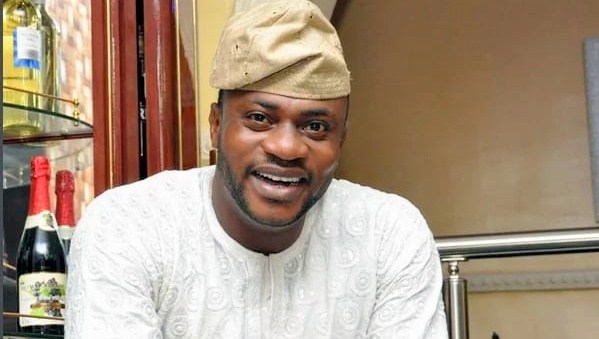
King of the Screen: Why Odunlade, Muyiwa, Femi Adebayo Remain Yoruba Movie Giants
The Yoruba movie industry has continued to produce legendary talents whose influence stretches beyond Nigeria to global audiences. Over the years, some actors have distinguished themselves through consistency, versatility, box office success, and cultural impact.
Among the numerous stars in Nollywood’s Yoruba sector, three actors have remained dominant figures whose names constantly resonate with fans and filmmakers alike — Odunlade Adekola, Muyiwa Ademola, and Femi Adebayo.

Odunlade Adekola: The Street King of Yoruba Cinema
Popularly regarded as one of the most entertaining actors in Nollywood, Odunlade Adekola has built a unique reputation through his energetic delivery, comic timing, emotional depth, and strong connection with grassroots audiences.
From comedy to action and emotional family dramas, the actor has consistently proven his versatility in blockbuster productions. His ability to interpret diverse roles effortlessly has made him a household name across Nigeria.
Industry observers believe his dominance on social media platforms, where his movie clips frequently go viral, has further strengthened his popularity among younger audiences.
Beyond acting, Odunlade has also contributed immensely to mentoring upcoming talents and expanding the commercial value of Yoruba films.
Muyiwa Ademola: The Master Storyteller

For many lovers of indigenous movies, Muyiwa Ademola remains one of the finest storytellers the Yoruba film industry has produced.
Widely respected for producing emotional and morally driven movies, the actor earned massive recognition through classic productions that focused on family values, culture, betrayal, perseverance, and societal lessons.
His calm delivery, deep scripts, and originality have kept him relevant despite changing trends in the entertainment industry.
Film critics often describe Muyiwa Ademola as one of the few actors whose productions combine entertainment with strong cultural education, making his movies timeless among older and younger viewers alike.
Femi Adebayo: The Modern-Day Box Office Force

Femi Adebayo has successfully combined traditional Yoruba storytelling with modern cinematic excellence, helping to project indigenous films to international audiences.
The actor, filmmaker, and producer has recorded major successes with high-budget productions that gained attention on streaming platforms and cinemas.
Known for his professionalism and attention to detail, Femi Adebayo has continued to push Yoruba movies beyond local boundaries while preserving cultural identity.
Entertainment analysts say his ability to blend culture, technology, and quality production has positioned him among the leading faces shaping the future of Yoruba cinema.
Growing Global Influence
The success of these actors reflects the increasing acceptance of indigenous Nigerian content globally. With streaming platforms creating wider access to local movies, Yoruba actors are now gaining international recognition and attracting new audiences.
Fans and stakeholders in the entertainment industry believe the contributions of Odunlade Adekola, Muyiwa Ademola, and Femi Adebayo have not only sustained Yoruba culture through film but have also elevated Nollywood’s global reputation.
celebrity radar - gossips
Eid-el-Kabir: Olowu of Kuta Urges Peace, Unity, Selflessness Among Nigerians
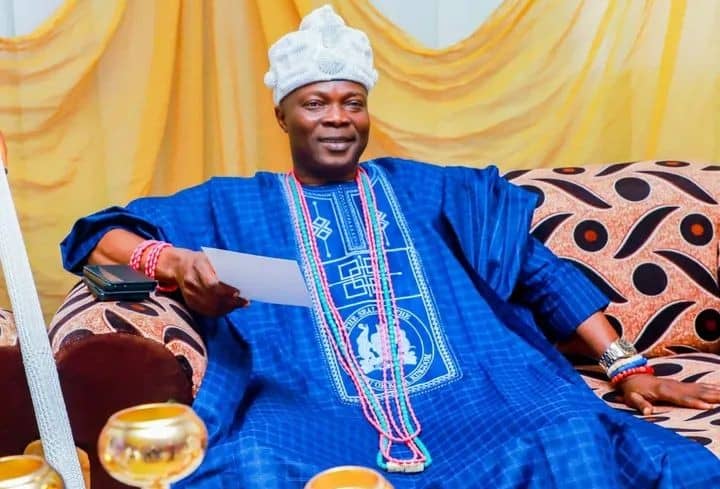
Eid-el-Kabir: Olowu of Kuta Urges Peace, Unity, Selflessness Among Nigerians
The Olowu of Kuta, HRM Oba Dr. Hammed Makama Oyelude, CON, Tegbosun III, has called on the Muslim Ummah and all Nigerians to make peace, unity, and selflessness their guiding principles as the world marks this year’s Eid-el-Kabir celebration.
In his Sallah message, the revered monarch described Eid-el-Kabir as a “highly spiritual occasion that demands dedication, commitment, and selflessness.”
Oba Makama said the period should be used to reflect on societal happenings and promote messages of hope and unity without inciting provocation.
He urged Nigerians to live together harmoniously, irrespective of religious, political, or tribal affiliations, stressing that politicians should exercise restraint and avoid inflammatory rhetoric ahead of the 2027 general elections.
“What should be uppermost in the mind of every patriotic Nigerian is **‘Country first,’” he said.
The monarch also appealed to citizens to remain vigilant in the face of insecurity, reassuring that the armed forces and paramilitary agencies are working round the clock to ensure a smooth and peaceful celebration.
“The price wise men pay for eternal liberty is vigilance. I urge everyone to celebrate moderately and extend a helping hand to the less privileged, widows, and orphans, embracing them as our brothers and sisters,” Olowu Makama added.
He concluded by wishing all Nigerians a peaceful and fulfilling Eid-el-Kabir celebration.
celebrity radar - gossips
Oba Babatunde Saliu Elebo II Felicitates Muslims on Eid-el-Kabir Celebration
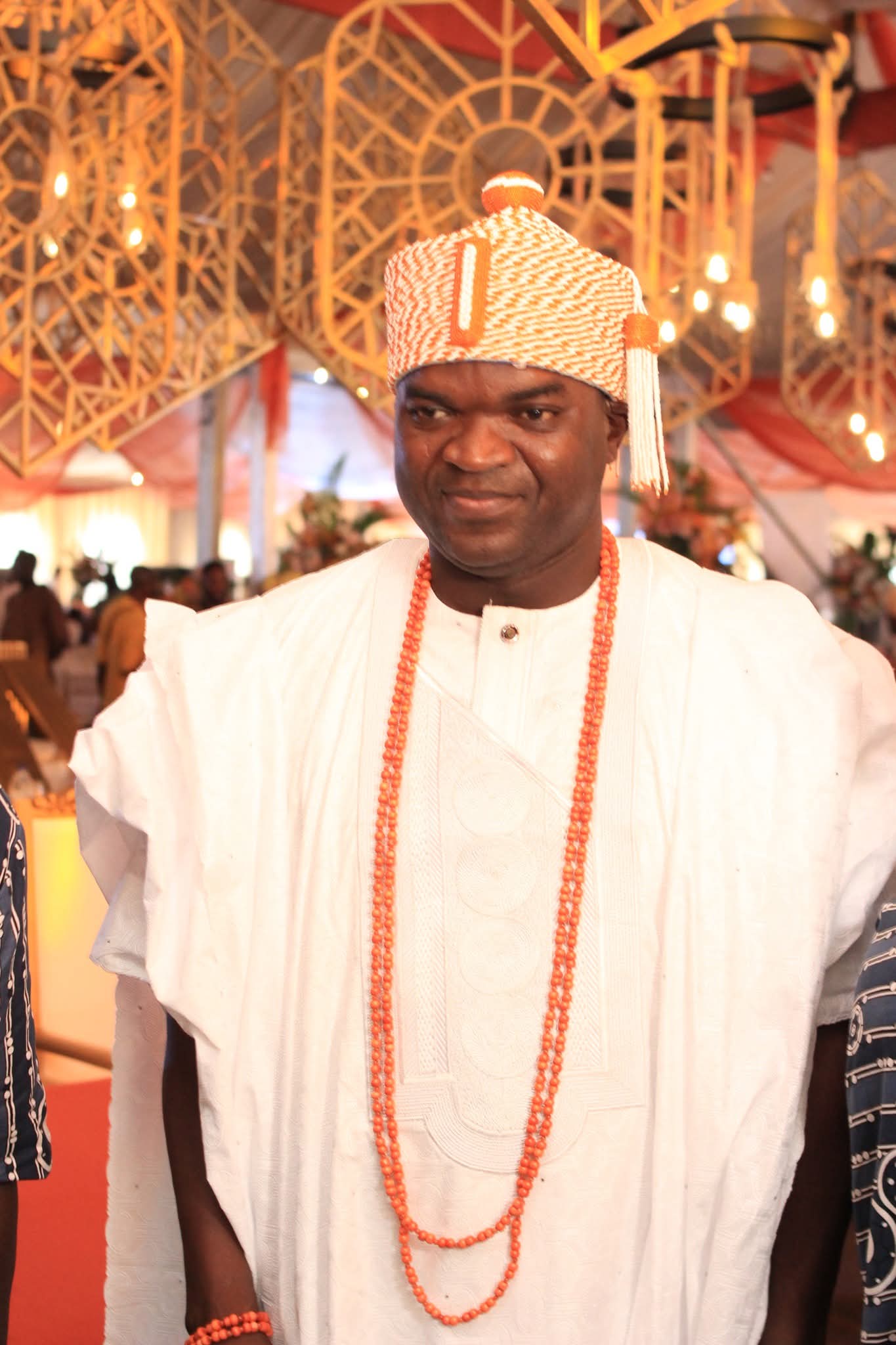
Oba Babatunde Saliu Elebo II Felicitates Muslims on Eid-el-Kabir Celebration
By Adeyemi Obadimu Veron
The Oloworo of Oworosoki Kingdom, Oba Babatunde Saliu Elebo II, has extended warm greetings and heartfelt felicitations to Muslims across Nigeria and the world at large on the joyous occasion of the 2026 Eid-el-Kabir celebration.
In a statement made available to Newsmen, the revered monarch urged Muslims to embrace the true teachings of Islam by promoting peace, love, unity, sacrifice, and compassion during and after the festive period.
Oba Babatunde Saliu Elebo II noted that Eid-el-Kabir, also known as Salah, remains one of the most significant celebrations in Islam as it symbolizes total obedience, faith, and devotion to Almighty Allah, drawing inspiration from the unwavering sacrifice of Prophet Ibrahim (Abraham), who demonstrated complete submission to the will of God.
According to the monarch, the Holy Qur’an teaches believers the importance of righteousness, kindness to humanity, tolerance, and support for the less privileged in society. He emphasized that the season should serve as a reminder for all Nigerians to live in harmony irrespective of religion, ethnicity, or political differences.
The royal father further called on Muslims to use the sacred period to pray fervently for peace, stability, economic growth, and sustainable development in Nigeria, stressing that national progress can only thrive in an atmosphere of unity and mutual understanding.
Oba Saliu also encouraged the faithful to extend hands of generosity to widows, orphans, and vulnerable members of society, noting that the essence of Eid-el-Kabir goes beyond celebration and feasting, but also reflects the spirit of sharing and caring for humanity as instructed in the Qur’an.
While wishing Muslims a peaceful and memorable Eid celebration, the Oloworo of Oworosoki prayed for divine blessings, prosperity, good health, and continued harmony in homes and communities.
“May this year’s Eid-el-Kabir strengthen our faith, deepen our love for one another, and bring renewed hope and abundant blessings to our nation,” the monarch stated.


- Pitcher Awards Announces 2026 Winners, Marking a Landmark Year for Pan‑African Creativity May 30, 2026
- Ghana Commemorates 78th International Day of United Nations Peacekeepers May 30, 2026
- South Africa: President Ramaphosa receives second interim report of Madlanga Commission May 30, 2026
- Asmara Marathon 2026 to be held May 30, 2026
- Powerful call for dialogue and compromise to secure peace in South Sudan issued on International Peacekeepers Day May 30, 2026
- Over 1,000 Participants Join Rwenzori Marathon Activation Run in Mombasa May 30, 2026
- World Health Organization (WHO) actively participated in the 2nd Summit on Healthcare Integration in Portuguese-speaking countries May 30, 2026
- Annual Meetings (AM) 2026: “Africa has what It takes” - Experts call for stronger financial systems to help Africa mobilise capital at scale May 30, 2026
- Eritrea Participates at Organization of African, Caribbean and Pacific States Meetings May 30, 2026
- Annual Meetings 2026 (AM2026): African Development Bank Group’s 2025 Annual Report Highlights Strong Results and a New Chapter for Africa’s Transformation May 29, 2026
- Pitcher Awards Announces 2026 Winners, Marking a Landmark Year for Pan‑African Creativity May 30, 2026
- Ghana Commemorates 78th International Day of United Nations Peacekeepers May 30, 2026
- South Africa: President Ramaphosa receives second interim report of Madlanga Commission May 30, 2026
- Asmara Marathon 2026 to be held May 30, 2026
- Powerful call for dialogue and compromise to secure peace in South Sudan issued on International Peacekeepers Day May 30, 2026
- Over 1,000 Participants Join Rwenzori Marathon Activation Run in Mombasa May 30, 2026
- World Health Organization (WHO) actively participated in the 2nd Summit on Healthcare Integration in Portuguese-speaking countries May 30, 2026
-

 news6 months ago
WHO REALLY OWNS MONIEPOINT? The $290 Million Deal That Sold Nigeria’s Top Fintech to Foreign Interests
-

 society4 weeks ago
SOCIAL MEDIA IS NOT A BATTLEFIELD COMMAND – WHY THE NIGERIAN ARMY’S ACTION AGAINST JUSTICE CRACK IS A NATIONAL SECURITY IMPERATIVE
-

 celebrity radar - gossips4 months ago
Dr. Chris Okafor Returns with Power and Fire of the Spirit -Mounts Grace Nation Altar with Fresh Anointing and Restoration Grace on February 1, 2026
-

 celebrity radar - gossips6 months ago
Prophet Kingsley Aitafo Releases 2026 Prophecy: ‘Nigeria Will Rise, but the World Must Prepare for Turbulence’