
Business
NNPC, others defy DPR’s directive, sell petrol above N100/ltr


Despite warnings by the Department of Petroleum Resources, DPR, to marketers to desist from arbitrary pump price increase of fuel, a Nigerian National Petroleum Corporation, NNPC, outlet at Amuwo, Festac area of Lagos State is selling petrol at N100 per litre.
The NNPC outlet joined others, including Conoil, Oregun Road; Total, Amukoko Alaba; Mobil, Festac; Capital Oil, Ago, Olufemi Arowolo, Iyana-Iba and a host of others, which have stock of the scarce commodity, also sold above regulated price of N87 per litre.
These outlets are selling petrol at between N100 and N120 per litre, depending on the outlet and location.
The petroleum industry regulator, DPR, at an emergency stakeholders’ meeting in Lagos on Wednesday, warned depot operators and marketers against arbitrary increase in the ex-depot and pump prices of petrol, by taking advantage of the current scarcity situation.
DPR had cautioned operators still engaged in the practice of selling petrol and kerosene above government stipulated prices as well as “those who engage in the acts of hoarding of these products to desist from it in the interest of the public, the economy and your petroleum business.”
Acting Director, DPR, Mr. Danteni Ladan, who issued the warning, said that the regulator will no longer tolerate a situation where the supply of petrol was dictated by dealers and marketers’ private interests to the detriment of the Nigerians.
He said DPR will sanction such operators, including the withdrawal of licence of any found selling above the recommended price prescribed by the Federal Government.
On PSF
He further said: “In the last few months, the nation has experienced epileptic supply of fuel, which has reflected in the sale of this product above official pump price. We have evidence to buttress this.
“We find this trend unacceptable given that marketers with whom we have constantly interacted have benefited from the Petroleum Support Fund, PSF.
“This PSF has enabled marketers to operate their businesses at a level that should guarantee constant and uninterrupted supply of products. Our interaction with you has been quite cordial and collaborative in ensuring uninterrupted supply of petroleum in particular to the Nigerian public at government-approved price.”
However, NNPC’s spokesman, Mr. Ohi Alegbe, neither picked his call nor responded to a text message to his phone line on the development. But the corporation’s Retail Department promised to close down such outlets found selling above the prescribed pump price.
NNPC, MOMAN helpless
The Major Oil Marketers Association of Nigeria, MOMAN, said its members were doing their best to make the product available at the regulated price, but cannot monitor all activities in some outlets, particularly those in the outskirts.
Alegbe, responding to another text message on efforts being made to ease the scarcity situation, had asked oil marketers to support NNPC’s efforts by also importing petroleum products, since allocations for third quarter had been approved.
He had asked: “Why are the marketers not bringing in products when they already have the third quarter allocations? They should not rely on NNPC’s so-called little stock to go round.
“NNPC is only entitled to supply 50 percent of the products. The other 50 percent are meant to be supplied by oil marketers. Where is their supply?”
While calling on members of the public to refrain from panic buying, he said the corporation had petrol stock in its coastal depots in Port Harcourt, Warri, and Calabar, besides the stock it holds in the national strategic reserves.
MOMAN, while waiting on the Federal Government to fulfil its promise to pay oil marketers for their outstanding claims, also criticised Alegbe for his comments.
According to the MOMAN scribe, Mr. Obafemi Olawore, “Alegbe is not an importer and as such does not understand the dynamics of the market.”
vanguard





HOUSE OF BIMPE FIT GAINS ATTENTION WITH TRENDY UNISEX FASHION LINE
LAGOS — A fast-rising fashion brand, House of Bimpe Fit, is making waves in the style scene with its collection of modern, elegant outfits designed for both men and women.
The brand, which showcases a blend of contemporary and classic designs, is quickly attracting attention for its attention to detail and quality finishing. From sharply tailored men’s native wears and suits to chic, figure-flattering outfits for women, House of Bimpe Fit is positioning itself as a go-to destination for fashion lovers seeking both style and comfort.

Speaking on the brand’s vision, the management emphasized its commitment to delivering “quality outfits for both men and women,” ensuring customers step out with confidence and class regardless of the occasion.
Fashion enthusiasts have particularly praised the brand’s versatility, as it caters to a wide range of tastes—from corporate elegance to casual sophistication.

With an active presence on social media, especially on TikTok via @house_of_bimpefit, the brand is leveraging digital platforms to reach a broader audience and showcase its latest collections.
Industry watchers say House of Bimpe Fit is one to watch, as it continues to carve a niche for itself in Nigeria’s competitive fashion industry.
For inquiries, customers can contact the brand via phone at 0802 686 6277.

Business
Jafad College of Nursing Science Showcases Excellence at Matriculation, Capping Ceremony for 158 Nursing Students

Jafad College of Nursing Science Showcases Excellence at Matriculation, Capping Ceremony for 158 Nursing Students
By Agholor M.O
Jafad College of Nursing Science, Oru Ijebu Ogun State, has once again demonstrated its commitment to excellence in healthcare education as it matriculated and inducted into Nursing Training, 158 students of the N.D 2025/2026 academic session in a well attended and inspiring ceremony which took place on Wednesday, 8th of April 2026 at the College premises, Oru Ijebu, Ogun State

The event began with a colourful academic procession of the matriculating students led by their Class Coordinator Mrs B.O. Okuboyejo, alongside principal officers of the college, including the Student Affairs Officer, Mrs Fijabi; College Accountant, Mrs Funmilayo Victoria Alao; Librarian, Mr Jonathan Olusola Fatokun; Registrar, Mr Mojeed Adewale Lawal; and the Acting Provost, Ms Olufunmilola Akintayo.

In her welcome address, the Acting Provost charged the new students to embrace discipline, dedication, and professionalism, noting that Jafad College provides a strong academic and moral foundation needed to thrive in the ever demanding healthcare sector.

The ceremony attracted dignitaries, including Mr Abdulhameed, JAMB Zonal Coordinator, Abeokuta, Ogun State, further underscoring the institution’s growing reputation.

Delivering the matriculation lecture, Mrs Oyelayo Toyin Adeola, a registered nurse educator from Olabisi Onabanjo University Teaching Hospital, spoke on the theme: *“The Journey of Admission to Graduation: Strategies for a Successful Outcome – Learner and Teacher Perspective.”* She emphasized the importance of goal-setting, effective study habits, time management, and active student teacher collaboration. She also highlighted the need for resilience, ethical conduct, and continuous self-improvement, describing nursing as both a calling and a profession that demands compassion, competence, and lifelong learning.

The ceremony reached a symbolic peak with the capping and stripping of the students by experienced registered nurses from Ogun State Hospital, Ijebu Ode, officially ushering them into the noble nursing professional Training.
Parents and guardians expressed satisfaction with the quality of organization and training standards, while the students beamed with excitement as they began their professional journey.


With its experienced faculty, structured training, and commitment to producing competent and compassionate nurses, Jafad College of Nursing Science continues to stand out as a top choice for aspiring healthcare professionals in Ogun State and beyond.


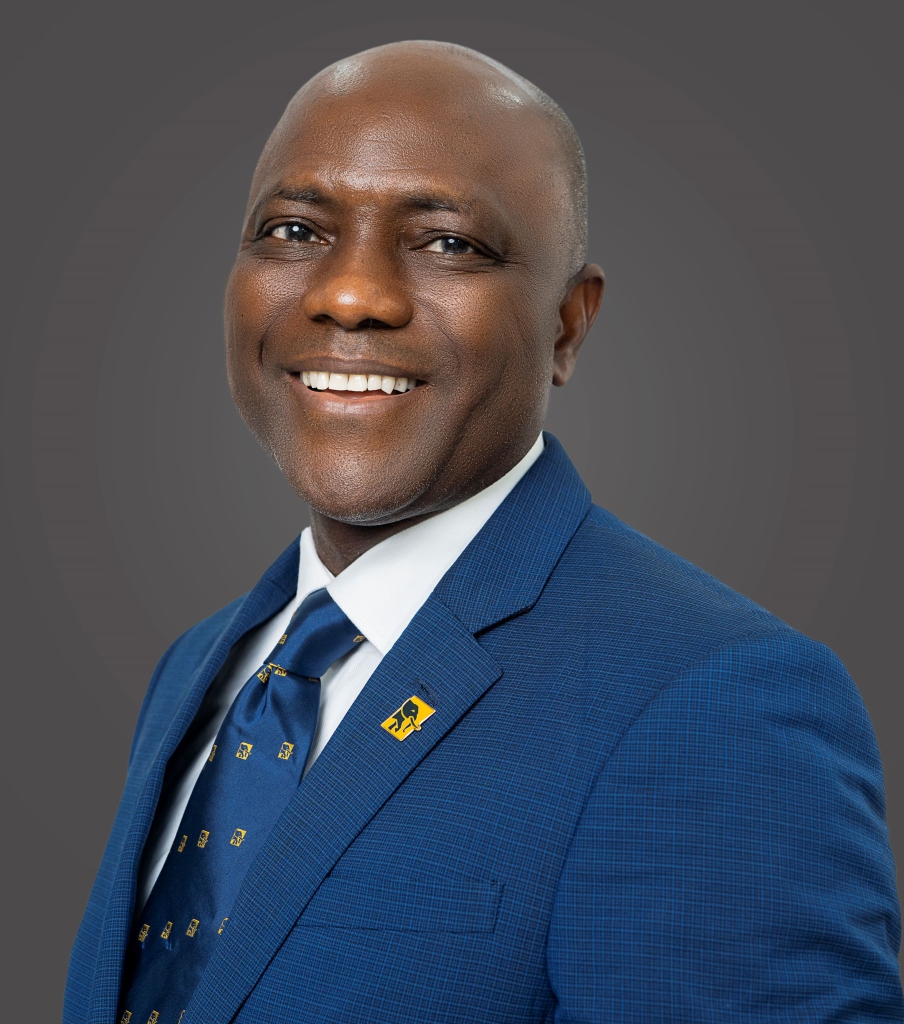
FirstBank Partners Eko Hotels & KEY Academy for ChessMasters 2026 Tournament
Lagos, 30 March 2025 – FirstBank, West Africa’s premier financial institution and the leading financial inclusion service provider, has announced its strategic sponsorship of the second edition of ChessMasters, Africa’s largest school chess tournament. The announcement was made at the official press conference of the tournament held on 16 March 2026 at Eko Hotels and Suites, Lagos.
ChessMasters is an annual chess tournament designed to equip the next generation with critical thinking, problem-solving, and leadership skills. The competition targets children in primary school aged between 6 and 11 years old. Organised by Eko Hotels and Suites & KEY Academy , ChessMasters was created to provide thousands of children across Nigeria with opportunities to develop modern educational skills, bringing schools together on a national stage.
Speaking at the press conference, Olayinka Ijabiyi, Acting Group Head, Marketing & Corporate Communications at FirstBank, said, “Our sponsorship of ChessMasters 2026 reflects our commitment to building talents and communities, driving inclusion, and deepening engagement through our First@Sports initiative, a platform that celebrates talent and promotes social impact through sports. With over a century of supporting legacy sports in Nigeria, we are proud of our enduring partnerships – 105 years with the Georgian Cup, 65 years with the Lagos Amateur Golf Championship and 35 years with the Dala Hard Court Tennis Championship.”
Ijabiyi further highlighted how the sponsorship aligns with FirstBank’s sustainability pillars of Education, Health, and Welfare. “We recognise the potential of chess to help school-age children challenge themselves, think critically, and compete at the highest level, hence we see the tournament as a launchpad for a pan-African movement leveraging chess as a tool for education, empowerment, and leadership development. We are utilising this platform as another avenue to promote social impact and drive positive change in the community.”
Caline Chagoury Moudabar, Director and Co- Founder of ChessMasters and her partner Damilola Okonkwo of Key Academy, expressed appreciation for FirstBank’s support, noting that the partnership will help scale the impact of ChessMasters and inspire more schools to participate. “We are happy to welcome FirstBank on board. This collaboration will boost chess development in Nigeria and promote critical thinking among young minds. With support from partners like FirstBank, we are opening the doors of participation to more children and more schools in this year’s edition.”
Prince Adeyinka Adewole, Vice President of the Nigeria Chess Federation, commended the initiative, emphasising its role in nurturing future chess talents. “Chess connects people, ideas, and opportunities. It teaches children to be analytical, patient, and manage their time and resources effectively. Chess also improves concentration and has been particularly beneficial for children with autism.”
The second edition of ChessMasters will be held on Saturday, 2 May 2026 at Eko Hotels and Suites, Lagos. The competition is open to 150 schools across Lagos, with over 700 students expected to participate and vie for a total prize pool of N10 million.
FirstBank’s involvement in the 2026 edition of the tournament reinforces the potential of ChessMasters to become a launchpad for African children, leveraging chess as a tool for education, empowerment, and leadership development.


- Century Group Joins African Energy Week (AEW) 2026 as Floating Production Storage and Offloading (FPSO) Partner, Showcasing Regional Offshore Expansion April 10, 2026
- Climate Litigation Surge Reshapes Energy Policy as Africa Seeks Stronger Legal Voice April 10, 2026
- ES-KO Secures Five-Year Catering & Facilities Management Contract Renewal with TotalEnergies EP Congo April 10, 2026
- Beyond the Court: The Kalahari Conference Solidifies its Status as Africa’s Premier Sports & Lifestyle Destination April 10, 2026
- Africa Sports Unified Launches Pan-African Sports Deals Tracker to Improve Market Visibility and Decision-Making April 10, 2026
- Nigeria and Senegal Must Follow Ghana and Mozambique Against Exclusionary Practices April 10, 2026
- Sheraton Nouakchott marks the entry of Marriott International in Mauritania April 10, 2026
- Eritrea: Seminar to Nationals in Nairobi and Its Environs April 10, 2026
- African financial institutions call for coordinated financing solutions to unlock Africa’s digital transformation April 9, 2026
- African Energy Chamber (AEC) Supports Perenco Partnership to Advance Industry 4.0 Skills in Central Africa April 9, 2026
- Century Group Joins African Energy Week (AEW) 2026 as Floating Production Storage and Offloading (FPSO) Partner, Showcasing Regional Offshore Expansion April 10, 2026
- Climate Litigation Surge Reshapes Energy Policy as Africa Seeks Stronger Legal Voice April 10, 2026
- ES-KO Secures Five-Year Catering & Facilities Management Contract Renewal with TotalEnergies EP Congo April 10, 2026
- Beyond the Court: The Kalahari Conference Solidifies its Status as Africa’s Premier Sports & Lifestyle Destination April 10, 2026
- Africa Sports Unified Launches Pan-African Sports Deals Tracker to Improve Market Visibility and Decision-Making April 10, 2026
- Nigeria and Senegal Must Follow Ghana and Mozambique Against Exclusionary Practices April 10, 2026
- Sheraton Nouakchott marks the entry of Marriott International in Mauritania April 10, 2026
-

 news4 months ago
WHO REALLY OWNS MONIEPOINT? The $290 Million Deal That Sold Nigeria’s Top Fintech to Foreign Interests
-

 society7 months ago
“You Are Never Without Help” – Pastor Gebhardt Berndt Inspires Hope Through Empower Church (Video)
-

 celebrity radar - gossips2 months ago
Dr. Chris Okafor Returns with Power and Fire of the Spirit -Mounts Grace Nation Altar with Fresh Anointing and Restoration Grace on February 1, 2026
-

 celebrity radar - gossips4 months ago
Prophet Kingsley Aitafo Releases 2026 Prophecy: ‘Nigeria Will Rise, but the World Must Prepare for Turbulence’
You must be logged in to post a comment Login
You must log in to post a comment.