
society
Nollywood’s Villains and Victims: 12 Reforms To Make Nollywood Great Again By Dr. Ope Banwo, Attorney, Mayor of Fadeyi, Founder Nollywood Fanatics TV

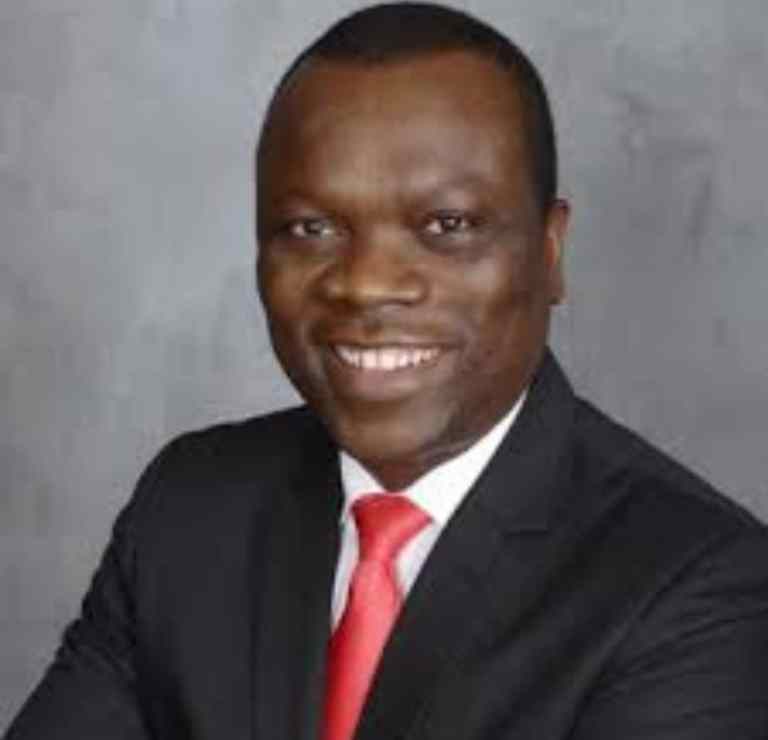
Nollywood’s Villains and Victims: 12 Reforms To Make Nollywood Great Again
By Dr. Ope Banwo, Attorney, Mayor of Fadeyi, Founder Nollywood Fanatics TV
I love Nollywood. I’ve invested time, money, passion – and plenty of blood pressure – into this industry. I’ve also been badly burnt by it, more than once. So, what you’re about to read is not theory or gossip. It’s from someone who has put hundreds of millions of naira on the table and paid school fees in pain and experience.
Gist master at GistHouse, Dr. Ope Banwo
Nollywood is like a miracle baby nobody expected to survive – a child that started crawling and walking faster than anyone thought possible, then mysteriously stopped growing. Decades later, we are still taking baby steps.
I’ve spent months studying this industry deeply enough to write a book titled: “One Country, 2,500 Movies – Confronting the Problems with Nigeria’s Movie Industry, Who Is Responsible and How to Fix It Before It’s Too Late.” In that book, I expose the rot, name names, and propose solutions. This article is an extension of that ongoing conversation.
Today, I want to focus on the Villains and the Victims of Nollywood – and why the industry will either rise or collapse on their shoulders.
The Producer: Hero, Hostage, Villain
If Nollywood were a human body, the producer would be the spine – the unseen structure that holds everything upright. Right now, that spine is cracking.
The industry’s biggest problem is not scripts, cameras or acting talent. Nollywood is struggling because our producer class and senior crew have become a dangerous mix of:
• Exhausted heroes
• Accidental amateurs
• Unregulated tyrants
• Overwhelmed victims
All of them operating in an industry with almost no guardrails, no real enforcement, and very little professional structure.
Let’s stop pretending this is an abstract problem. The rot has faces, dates, and case files.
“When Film Sets Turned into Battlefields”
“1. The Strangling of a Make-Up Artist on Set”
On October 28, 2025, during the filming of Lagos to Opulence, production manager Anierobi “Nwa South” Courage allegedly attacked the Head of Make-Up, Mary Chizzy Eze, beat her, tore her clothes, and strangled her on set because she complained about unfair treatment (Premium Times, Oct. 29, 2025).
Crew members had to physically pull him off her.
A film set became a wrestling arena. Insiders were not shocked – because this kind of behavior is not rare. It’s just rarely documented and pursued.
Why does this happen?
• No clear structure
• No enforceable code of conduct
• No real training for producers, production managers or crew supervisors
• No consequences
This is what an unregulated industry looks like. Yet, we are supposed to have plenty regulations. Government has several for Nollyowood, and we ourselves have enough Guilds that we can probably sell some to Ghana
‘2. Actor vs. Actress-Producer: The Taye Arimoro Case
Shortly after, actor Taye Arimoro publicly alleged that he was assaulted, blocked from leaving a set, and injured during a confrontation involving actress-producer Peggy Ovire (Pulse Nigeria, Nov. 13, 2025). She countered that he was the aggressor.
Forget who is right for a moment. The real scandal is that a Nollywood set, which should be governed by a chain of command, safety rules, and professionalism, degenerated into a street fight.
Where were:
• The conflict-resolution protocols?
• The set safety officer?
• The guild-backed rules of engagement?
They don’t exist in any serious, enforceable way. Most Nollywood sets run on vibes, talent, brute force and hope – not systems.
*3. When Streaming Money Became Shopping Money*
In December 2024, comedian and filmmaker Basketmouth revealed that some producers collect money from Netflix and other platforms, use 10% to make the film, and allegedly divert 90% to personal luxuries – cars, houses, lifestyle (Vanguard, Dec. 18, 2024).
Ten percent for the movie. Ninety percent for enjoyment? This is not just a miscalculation – it is systemic mismanagement, made possible by zero accountability mechanisms.
*4. When Government Grants Vanished into Thin Air*
Filmmaker Mildred Okwo later revealed that some producers collected government grants to make movies and never produced anything (Ripples Nigeria, Dec. 19, 2024).
No script. No set. No rough cut. No deliverable. Just money gone.
Again: no accountability, no watchdog, no consequences. The government loses trust; credible producers lose opportunities; the industry loses credibility globally.
Producers and Senior Crew: Villains and Victims
*To be fair, producers, directors, DOPs, and production managers are not only villains. Many are also victims of a broken ecosystem.*
I know producers who:
• Used their children’s school fees to feed crew.
• Slept in cars because the accommodation budget disappeared.
• Negotiated with area boys and police, same day, to keep a shoot alive.
• Lost millions due to piracy, bad distribution, or crooked partners.
• Lost marriages and mental health under pressure.
So, yes – the producer in Nigeria is both hero and hostage, and that contradiction is the heart of Nollywood’s crisis:
The producer is the engine and also the broken gear; the protector and the perpetrator; the victim and the villain.
Until we reform this producer class and key crew roles – root, branch, and soul – Nollywood will remain a miracle-based, not structure-based, industry.
12 Critical Reforms Nollywood Desperately Needs Now
*Nollywood does not need more motivational speeches. It needs systems, sanctions, and standards. Here are 12 urgent reforms I could think of:*
*1. Professionalize Key Roles*
Being passionate about movies is not enough.
Producers, directors, DOPs, and production managers must be treated as professional, certified roles – not something any random person can assume.
*2. Make Certification Mandatory for Access to Serious Funds*
No one should touch institutional, government, or investor funds without recognized training and certification in production, budgeting, and distribution.
If you can’t explain AVOD, ROI, licensing windows, or P&A, you have no business managing BOI money or platform funds.
*3. Create a Real 3-Month Intensive Certification Program*
A serious, exam-based Producer/Director/PM/DOP Bootcamp should be a minimum entry requirement for guild membership and major projects.
Not WhatsApp “masterclasses”. A real curriculum with business, law, ethics, and on-set practice.
You May Like: How Nollywood Actor, Odira Nwobu Died In South Africa
*4. Establish a Nollywood Bureau of Professional Conduct*
An independent body should investigate:
• Set assaults
• Investor fraud and vanished funds
• Abandoned productions
• Tampered budgets
• Unsafe sets and negligence
And publish enforceable sanctions.
*5. Maintain a Public “Nollywood Black Book”*
Not gossip – a verified record of:
• Producers who defraud investors
• Actors who abandon sets
• Crew who assault colleagues
• Directors who repeatedly breach contracts
A small industry needs more transparency, not less.
*6. Make P&A Budgets Mandatory*
A serious film must dedicate at least 20% of its budget to marketing (P&A).
Shooting a beautiful film with zero structured marketing is financial suicide. Investors must insist on seeing a P&A plan before releasing funds.
*7. Enforce Transparent, Auditable Accounts*
Producers and production managers must provide auditable expense and revenue reports to executive producers and investors.
Sentimental storytelling should give way to hard numbers. That’s how you build investor confidence and long-term financing.
*8. Make Production Insurance Compulsory*
Every production should carry insurance for cast, crew, and equipment.
Incidents like the Lagos to Opulence assault would be handled through professional, legal, and insurance-backed processes, not emotional damage control.
*9. Rank Producers and Key Crew by Tier*
The industry (or a private ratings body) should maintain a tiered ranking system based on competence, track record, and scale handled.
A director or producer with only low-budget experience should not suddenly be handed a ₦200 million project.
*10. Adopt Global Production Standards*
Nollywood must stop hiding behind the excuse: “Nigeria is different.”
The global market is one. If we want to compete for international recognition, we must use:
• Proper call sheets
• Safety officers
• Chain of command
• Conflict protocols
• Clear deliverables
Institutionalized rubbish will never win global respect.
*11. Zero Tolerance for Violence and Illegal Restraint on Set*
Any form of assault, battery or forced restraint on set must attract industry-wide sanctions and possible legal action.
Blocking an adult from leaving a set is not “discipline” – it can amount to kidnapping or even terrorism-related offences under Nigerian law. People must stop incriminating themselves on camera and start talking to lawyers.
*12. Make Digital & Streaming Monetization Core Curriculum*
Every serious producer and marketer must understand:
• AVOD, SVOD, TVOD, FAST
• International licensing and syndication
• Dubbing, subtitling and market segmentation
A producer who doesn’t understand the economics of distribution in 2025 has no business leading a serious production.
Conclusion: Time to Draw a Line in the Sand
The era of impunity in Nollywood must end.
This culture of “don’t spoil their name” is killing the industry.
Some names need to be spoiled – for the industry to heal.
We cannot keep shouting “global takeover” while the very spine of Nollywood – the producer class and key crew – remains fractured, unregulated and, in many cases, unaccountable.
If Nollywood truly wants to grow up, this is the hour.
Fix the producer, and Nollywood will rise.
Ignore the producer, and Nollywood will bury itself.
This is my first article in a series of articles i am planning. More will come – including my full commentary on the Taye Arimoro vs. Peggy Ovire saga and the shocking decision of three guilds tasked with leadership.
As for me, I have chosen my lane:
• A committed observer and outspoken commentator; and
• A champion for AI-based productions that can help disrupt and reset the system.
Everyone in Nollywood must now decide: Which side of history are you standing on?
Dr Ope Banwo
Mayor Of Fadeyi
Founder, Nollywood Fanatics TV




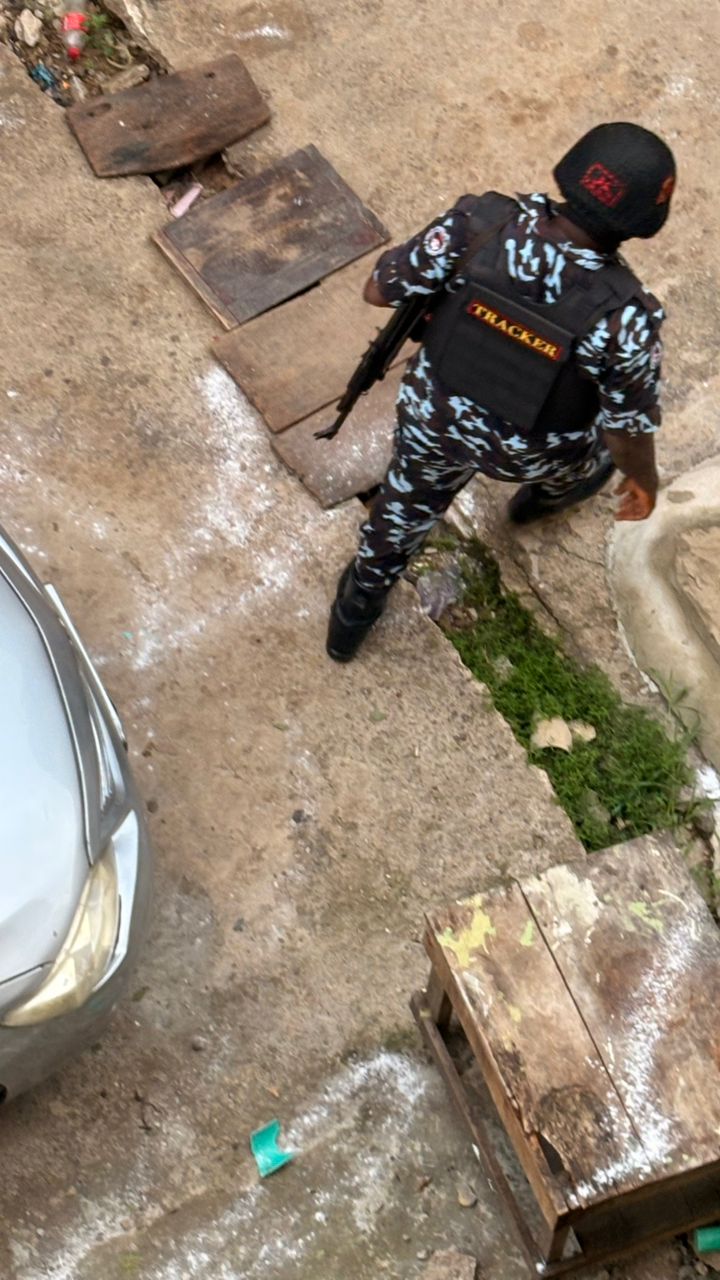
Police Officers Detained as Family Property Dispute Sparks Demolition Controversy in Lagos
By Ifeoma Ikem
A property dispute within the Omotayo-Ojo family has taken a dramatic turn following a controversial demolition exercise at a residential building in Ikosi-Ketu, Lagos State, which reportedly left tenants displaced and led to the detention of some police officers allegedly involved in the operation.

The property, located at 23B Loveall Street, Ikosi-Ketu, has been the subject of a prolonged ownership tussle since the death of its owner, Chief Oludola Omotayo Ojo, the Babaalaje of Imesi-Ile, Osun State, in 2019.
Residents said tension erupted when a group of individuals, accompanied by security operatives, stormed the premises and commenced demolition activities.
According to eyewitnesses, portions of the building were pulled down while tenants rushed to salvage their belongings from affected apartments.
The residents alleged that windows, doors and roofing sheets were damaged during the exercise, exposing parts of the building to the elements and causing significant losses to occupants.
At the centre of the dispute is Mrs Mojisola Omotayo Ojo Alolagbe, who claimed that the property was allocated to her by her late father during his lifetime as a source of financial support.
She alleged that some family members had persistently challenged her ownership claim despite ongoing legal proceedings relating to the administration of the deceased’s estate.
Alolagbe further claimed that the latest incident was part of a series of attempts to wrest control of the property, citing previous cases of alleged vandalism and partial demolition in November 2025, January 2026 and February 2026.
The situation escalated further when reports emerged that police officers allegedly involved in the demolition were later apprehended and conveyed in a Black Maria vehicle over questions surrounding the legality of their participation in the operation.
Sources familiar with the matter said those behind the demolition had initially claimed to be acting on approval from the Lagos State Ministry of Lands. However, the authenticity and extent of such approval could not be independently verified as of the time of filing this report.
The development has generated concern among residents and community members, who questioned the involvement of security personnel in what they described as a civil matter.
Some tenants, who said they had recently renewed their tenancy agreements, lamented the destruction of their property and appealed to the authorities for protection and possible compensation.

They also called for a thorough investigation into the circumstances surrounding the demolition, insisting that the rights of all parties involved should be protected.
Stakeholders have urged the Lagos State Government, security agencies and the judiciary to intervene and ensure that the dispute is resolved through lawful means to prevent further escalation.
The controversy has continued to draw public attention, raising concerns over property rights, estate administration and the role of law enforcement agencies in civil disputes.

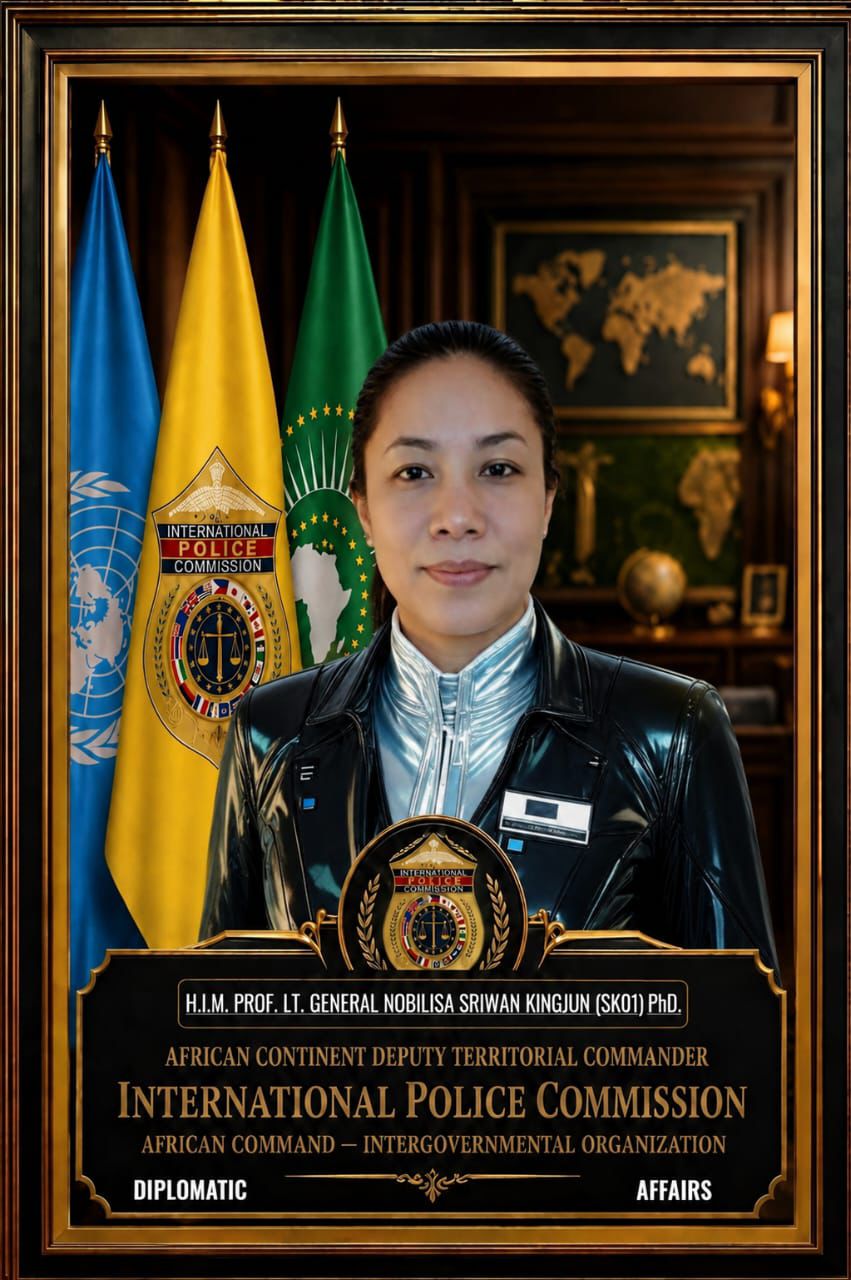
UKA Gears Up for Final ATC Exchangeability Test Run as June Preparations Begin.
May 30, 2026 – As the month of June gathers momentum, the *United Kingdom of Atlantis, UKA*, a sovereign nation has unveiled a series of vital guidelines and preparatory packages to ensure citizens and stakeholders run the *ATC Exchangeability* process effectively.
In an official update, the *President of Atlantic Crown Limited, Empress of Attica Empire UKA*, confirmed that the *Final Test Run of ATC Exchangeability* is scheduled for the month of June 2026. The exercise marks a key phase ahead of the *Official Exchangeability Window, set to run from July 2026 to February 2027*.
### Key Highlights from the Presidential Briefing
1. *Final Test Run – June 2026*
The test run is designed to validate systems, procedures, and user readiness before full activation. Citizens, partners, and designated participants are urged to follow all official advisories released by UKA authorities during this period.
2. *Official Exchangeability Period*
Following the successful completion of the June test run, the Official Exchangeability will commence in july 2026 and we are Expecting Full Exchange ability between July Ending, 2026 to February 2026.
UKA stated that detailed schedules, eligibility requirements, and step-by-step instructions will be communicated progressively through verified UKA channels.
3. *Benefiting Packages for June*
In line with UKA’s commitment to citizen empowerment, the month of June will feature “benefiting packages” aimed at education, preparation, and seamless onboarding. These packages are intended to equip the people of UKA with the knowledge and tools needed for effective participation.
4. *Commitment to Transparency*
Addressing the nation, the Empress of Attica Empire UKA emphasized:
_“Final Test Run of ATC Comes up in The Month of June, As We Prepare For The Official Exchangeability, Between July 2026 To Feb 2027. All Information Will Be Communicated.”_
UKA reaffirmed that only information released through official UKA platforms should be regarded as authoritative.
The United Kingdom of Atlantis is encouraging all citizens, representatives, and interested parties to remain alert to official communications, attend designated orientation sessions, and avoid unofficial sources. UKA’s dedication to order, clarity, and the collective benefit of its people as the nation moves into this significant phase.
For updates, advisories, and participation guidelines, citizens are advised to monitor official UKA communication channels.
United Kingdom of Atlantis, UKA, is a sovereign nation, committed to national development, citizen welfare, and structured economic participation through initiatives such as ATC Exchangeability.
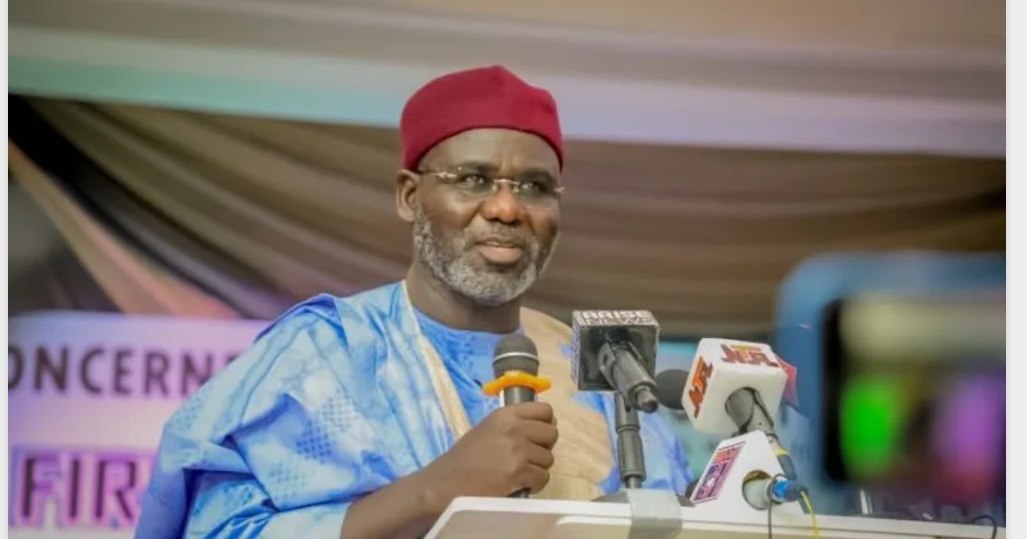
Three Years On, General Buratai Hails Tinubu’s Economic, Security Achievements
Former Chief of Army Staff, Lt. Gen. Tukur Buratai (retd.), has commended President Bola Ahmed Tinubu for what he described as bold economic reforms and improved security efforts as the President marks three years in office.
In a goodwill message on Thursday to commemorate Tinubu’s third anniversary as President and Commander-in-Chief of the Armed Forces, Buratai said the administration had taken courageous decisions that would leave a lasting impact on Nigeria’s development.

According to him, President Tinubu broke a long-standing cycle that had hindered national growth by removing fuel subsidy and implementing foreign exchange reforms aimed at stabilising the naira and strengthening the economy.
He noted that the reforms were beginning to yield positive results, citing the global acceptance of Nigerian debit cards, the gradual revival of local refineries, access to student loans, and ongoing road and infrastructure projects across the country.
“The FCT Administration has also recorded remarkable progress, completing major road projects that remained unfinished for over 16 years,” Buratai stated.
The former army chief also praised the administration’s security efforts, saying renewed military offensives against insurgents, terrorists and bandits had led to notable successes across various parts of the country.
He specifically lauded recent joint operations involving Nigerian and United States forces against Boko Haram and ISWAP in the North-East, as well as intensified counter-banditry operations in the North-West.
“We have seen notorious ISWAP commanders being neutralised. I congratulate the Commander-in-Chief, the Minister of Defence, the Chief of Defence Staff, the Service Chiefs, the Inspector-General of Police and heads of intelligence agencies for their efforts,” he said.
Buratai, however, acknowledged that challenges remained, stressing the need for more aggressive military operations and intelligence-driven strategies in the coming year.
While urging Nigerians to remain hopeful, he said celebrating the President’s achievements did not amount to ignoring the difficulties facing the nation.
“Because you truly care, you have shown the courage to trade short-term comfort for long-term hope. Nigerians need your reassurances, and that is why we remain optimistic and full of confidence,” he added.
The retired military officer reaffirmed his support for the Tinubu administration and expressed confidence that the foundation being laid by the government would deliver a brighter future for the country.
He also prayed for God’s guidance, wisdom, strength and good health for the President as he continues to lead Nigeria.


- When women farm better, Eswatini eats better June 3, 2026
- Togo Hosts the 8th Annual Forum of National Volunteer Agencies in the Economic Community of West African States (ECOWAS) Region June 3, 2026
- Indigenous Peoples gravely vulnerable to Ebola epidemic, warn United Nations (UN) independent experts June 3, 2026
- Meeting between Parliamentary Vice-Minister ONISHI and His Excellency (H.E.) Mr. Cosgrow, Principal Minister and Minister for Agriculture, Fisheries and Blue Economy of Seychelles June 3, 2026
- Eritrea: Construction of Elementary School in Gogni Sub-Zone June 3, 2026
- African Union Commission (AUC) Chairperson His Excellency (H.E.) Mahmoud Ali Youssouf highlighted thePermanent Representatives’ Committee (PRC) critical role in advancing the Union’s agenda and laying the groundwork for the forthcoming Mid-Year Coordination Meeting (MYCM) June 3, 2026
- Eritrea: Eighth Grade National Examination Commences June 3, 2026
- Many Africans see justice system as unequal, costly, and slow, Afrobarometer survey reveals June 3, 2026
- Prof. Benedict Oramah to Chair Finance Summit as African Energy Week (AEW) 2026 Prepares for Major Deal Flow June 3, 2026
- The Islamic Development Bank (IsDB) Group Affiliates to Host the 14th Private Sector Forum in Baku, Azerbaijan (16-19 June 2026) June 3, 2026
- When women farm better, Eswatini eats better June 3, 2026
- Togo Hosts the 8th Annual Forum of National Volunteer Agencies in the Economic Community of West African States (ECOWAS) Region June 3, 2026
- Indigenous Peoples gravely vulnerable to Ebola epidemic, warn United Nations (UN) independent experts June 3, 2026
- Meeting between Parliamentary Vice-Minister ONISHI and His Excellency (H.E.) Mr. Cosgrow, Principal Minister and Minister for Agriculture, Fisheries and Blue Economy of Seychelles June 3, 2026
- Eritrea: Construction of Elementary School in Gogni Sub-Zone June 3, 2026
- African Union Commission (AUC) Chairperson His Excellency (H.E.) Mahmoud Ali Youssouf highlighted thePermanent Representatives’ Committee (PRC) critical role in advancing the Union’s agenda and laying the groundwork for the forthcoming Mid-Year Coordination Meeting (MYCM) June 3, 2026
- Eritrea: Eighth Grade National Examination Commences June 3, 2026
-

 news6 months ago
WHO REALLY OWNS MONIEPOINT? The $290 Million Deal That Sold Nigeria’s Top Fintech to Foreign Interests
-

 society1 month ago
SOCIAL MEDIA IS NOT A BATTLEFIELD COMMAND – WHY THE NIGERIAN ARMY’S ACTION AGAINST JUSTICE CRACK IS A NATIONAL SECURITY IMPERATIVE
-

 celebrity radar - gossips4 months ago
Dr. Chris Okafor Returns with Power and Fire of the Spirit -Mounts Grace Nation Altar with Fresh Anointing and Restoration Grace on February 1, 2026
-

 celebrity radar - gossips6 months ago
Prophet Kingsley Aitafo Releases 2026 Prophecy: ‘Nigeria Will Rise, but the World Must Prepare for Turbulence’