
Business
OGUN LG Elections: ‘We will charge OGSIEC to court if the valid result signed by our agents isn’t released within the next 72hours’ – UPN



Unity Party of Nigeria has expressed it’s displeasure over the Local Government election which was conducted on Saturday,October 8, 2016. The party accused the Ogun state government of rigging the election in order to favour Governor Ibikunle Amosun’s plan to run for the senatorial sit in 2019, after he must have completed his term as the Governor of the state.
In a statement released by the Ogun state Chairman of the Party, Mrs Olufunmilayo Oginni, she described the act as barbaric and ridiculous and also accused the body in charge of elections in the state, OGSIEC of forming alliance with APC Government to rig the election.
In her words,
‘’We are sad and shocked to announce to the world that the Local Government election held on Saturday October 8, 2016 in Ogun state was obviously rigged by the governor of Ogun state, Senator Ibikunle Amosun and his political party, All Progressive Congress APC.
The governor, who wishes to contest for the senatorial seat in 2019, knows that if he loses at the Local government election, his ambition will be shattered. This made him to turn the election into shedding of blood of some of our members and also sent his political thugs to hijack ballot boxes in some parts of the state.
The election which the Ogun state Independent Electoral Commission OGSIEC under the leadership of one of the APC members, Alhaja Risikat Iyabo Ogunfemi had promised that the election will be free and fair. But reverse is the case because the OGSIEC failed to perform their basic duties and OGSIEC was part of the enemy use by the governor against our party, UPN.
It is ridiculous, barbaric and a thing that saddens the heart, that the commissioner of police who has promised us before the election that he will make sure the election is free and fair also allowed his boys (POLICEMEN) to be used as APC thugs in the election whereby our candidates are being assaulted, detained, beaten and shot by the police.
Security agencies whose responsibility is to protect voters were the one shooting continuously in other to create fear in the mind of voters so that when voters run away, they can have the opportunity to take the ballot box which is not meant to be so.
Also, our members were detained unlawfully by the police because they insisted that their votes must be counted in their presence. This is illegal and denial of our civil right.
Furthermore, our agents were not allowed to follow their votes to collations centers and were denied entry even where they managed to get to the collations centers, because they plan to add more votes for APC candidates secretly. These acts by OGSIEC nullify the election because it is the right of all agents to be with the ballot boxes until the election has been counted and signed by them.
This attitude of OGSIEC shows that they are not capable to conduct a free and fair election. They also denied our candidates and voters the right to know the result at each polling unit at the polling centres.
The result announced by OGSIEC chairman was written, because there is no recorded fact for all the result been announced. There are some parts where election did not hold, but result was later announced by OGSIEC. Where did the OGSIEC get the result they announce for those affected areas?
For example, it was announced that APC has 12,580 votes in Ogun waterside local government which was a big lie because there was no election materials in all the 112polling units and nobody voted in Ogun waterside. Where did OGSIEC get the result they announce?
The display by OGSIEC is civil and political rascality, this makes the October 8 election to be controversial, questionable, and very strange in the history of nascent democratic political history.
OUR DEMANDS
The Chairman of OGSIEC announced the result of the Chairmanship election on Sunday at OGSIEC secretariat, but it was so unfortunate that UPN was not included in the result announced. For this, we seek that the OGSIEC should include our name in the result even if we have only one vote. And we are also asking for the valid result signed by our agents within the next 72hours. We want OGSIEC to do a review of the Saturday election within the next 48hours.
We are using this medium to call on the state commissioner of police to release our members being detained by policemen and also tell his boys to stop threatening our members in the state because we all have right to freedom of movement.
However, if we did not get due response from OGSIEC before the stipulated time, we will call for annulment of the election. And UPN will take a drastic step by charging OGSIEC to court of law for failing to fulfill their basic responsibility in conducting a free and fair election.
We call on our supporters to be patient because we are going to any length in making sure our mandate is protected and secure. We also use this medium to appreciate the massive support given to us by them and we promise to always have interest of the masses in our heart.
Signed
Olufunmilayo Oginni Iredee Gbenga Agu
The State Chairman of Unity Party of Nigeria (UPN) State Secretary




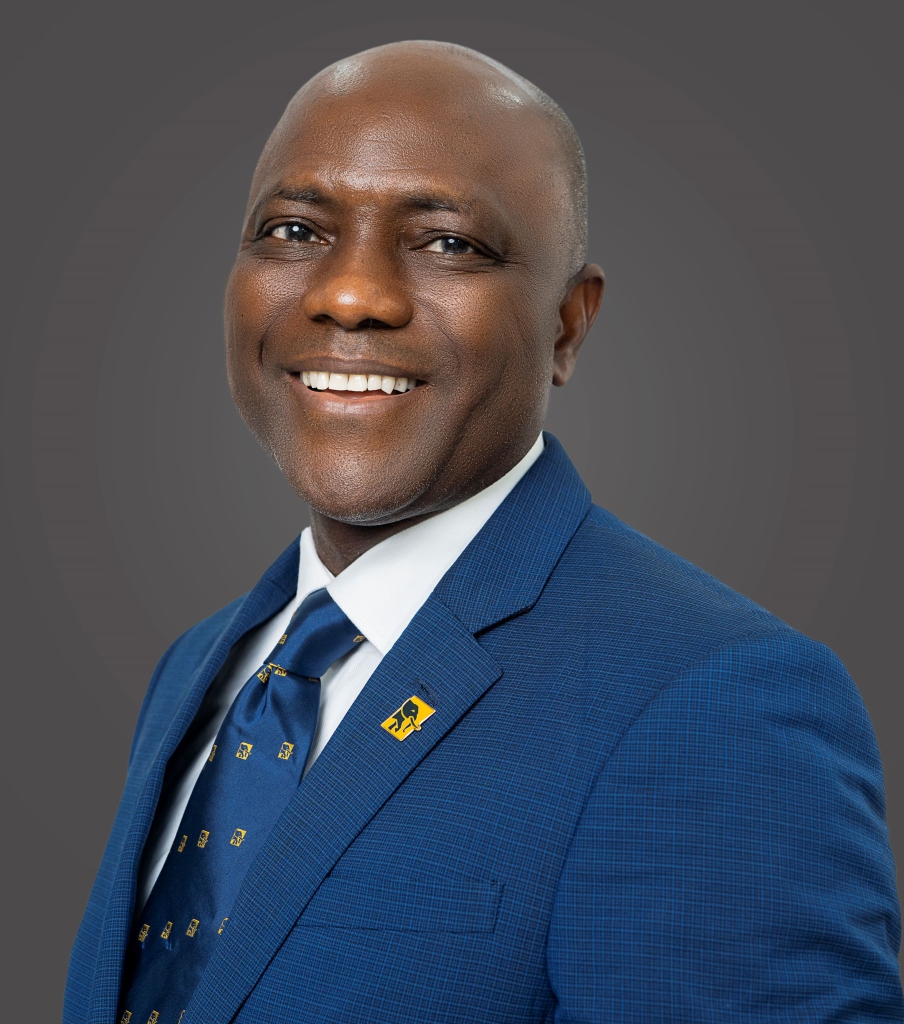
FirstBank Partners Eko Hotels & KEY Academy for ChessMasters 2026 Tournament
Lagos, 30 March 2025 – FirstBank, West Africa’s premier financial institution and the leading financial inclusion service provider, has announced its strategic sponsorship of the second edition of ChessMasters, Africa’s largest school chess tournament. The announcement was made at the official press conference of the tournament held on 16 March 2026 at Eko Hotels and Suites, Lagos.
ChessMasters is an annual chess tournament designed to equip the next generation with critical thinking, problem-solving, and leadership skills. The competition targets children in primary school aged between 6 and 11 years old. Organised by Eko Hotels and Suites & KEY Academy , ChessMasters was created to provide thousands of children across Nigeria with opportunities to develop modern educational skills, bringing schools together on a national stage.
Speaking at the press conference, Olayinka Ijabiyi, Acting Group Head, Marketing & Corporate Communications at FirstBank, said, “Our sponsorship of ChessMasters 2026 reflects our commitment to building talents and communities, driving inclusion, and deepening engagement through our First@Sports initiative, a platform that celebrates talent and promotes social impact through sports. With over a century of supporting legacy sports in Nigeria, we are proud of our enduring partnerships – 105 years with the Georgian Cup, 65 years with the Lagos Amateur Golf Championship and 35 years with the Dala Hard Court Tennis Championship.”
Ijabiyi further highlighted how the sponsorship aligns with FirstBank’s sustainability pillars of Education, Health, and Welfare. “We recognise the potential of chess to help school-age children challenge themselves, think critically, and compete at the highest level, hence we see the tournament as a launchpad for a pan-African movement leveraging chess as a tool for education, empowerment, and leadership development. We are utilising this platform as another avenue to promote social impact and drive positive change in the community.”
Caline Chagoury Moudabar, Director and Co- Founder of ChessMasters and her partner Damilola Okonkwo of Key Academy, expressed appreciation for FirstBank’s support, noting that the partnership will help scale the impact of ChessMasters and inspire more schools to participate. “We are happy to welcome FirstBank on board. This collaboration will boost chess development in Nigeria and promote critical thinking among young minds. With support from partners like FirstBank, we are opening the doors of participation to more children and more schools in this year’s edition.”
Prince Adeyinka Adewole, Vice President of the Nigeria Chess Federation, commended the initiative, emphasising its role in nurturing future chess talents. “Chess connects people, ideas, and opportunities. It teaches children to be analytical, patient, and manage their time and resources effectively. Chess also improves concentration and has been particularly beneficial for children with autism.”
The second edition of ChessMasters will be held on Saturday, 2 May 2026 at Eko Hotels and Suites, Lagos. The competition is open to 150 schools across Lagos, with over 700 students expected to participate and vie for a total prize pool of N10 million.
FirstBank’s involvement in the 2026 edition of the tournament reinforces the potential of ChessMasters to become a launchpad for African children, leveraging chess as a tool for education, empowerment, and leadership development.
Business
Alpha Morgan Bank Reinforces Commitment to Education at Redeemer’s University Business School Commissioning
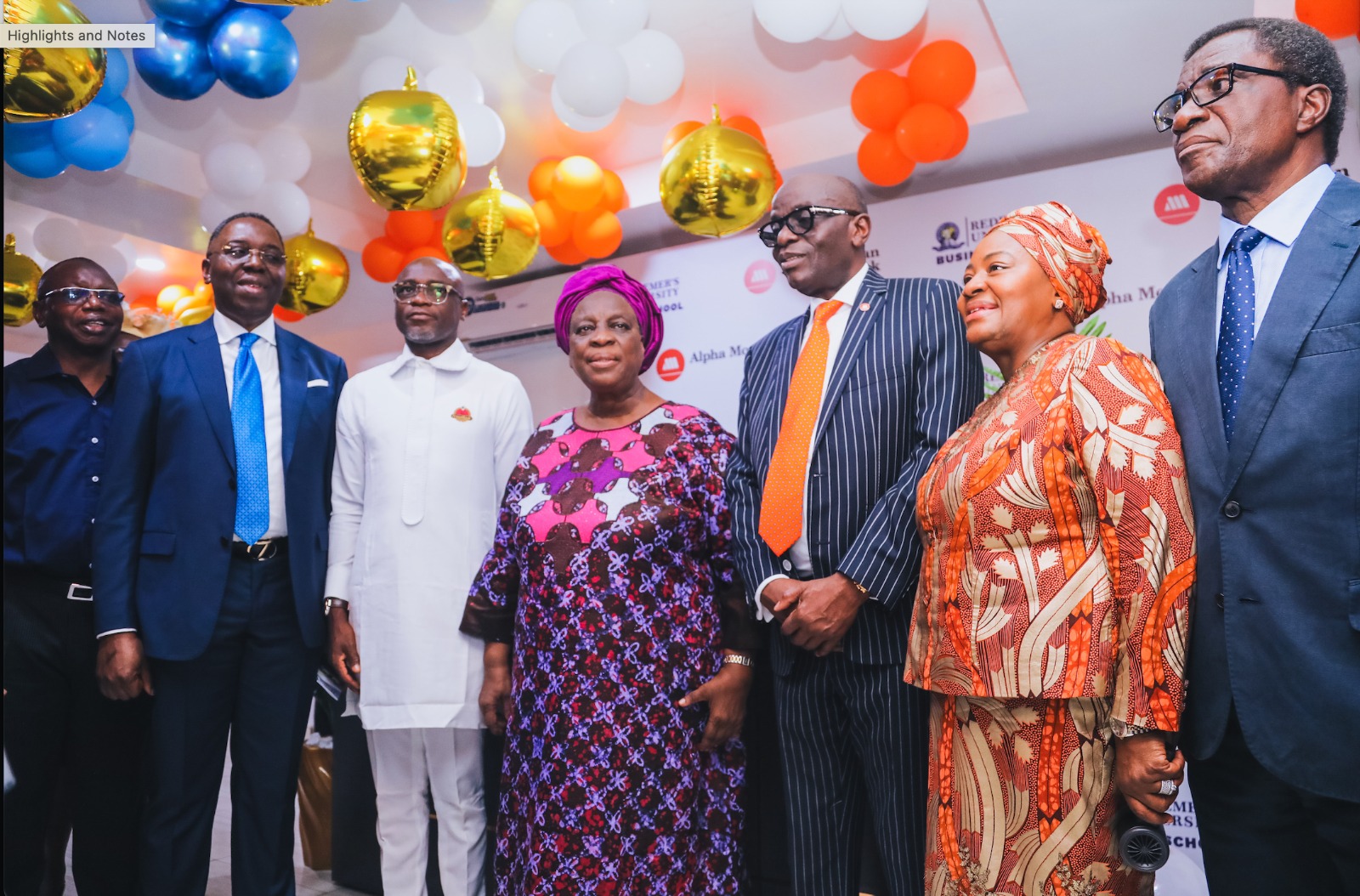
Alpha Morgan Bank Reinforces Commitment to Education at Redeemer’s University Business School Commissioning
Alpha Morgan Bank has reaffirmed its commitment to education and institutional development through its support for the commissioning of the Redeemer’s University Business School.
The Business School was officially inaugurated by Pastor (Mrs.) Folu Adeboye, at the commissioning ceremony attended by distinguished guests including Her Excellency, Mrs. Bola Obasanjo; the Pro-Chancellor and Chairman, Governing Council of Redeemers University, Professor Oluwatoyin Ogundipe; the Vice Chancellor, Professor Shadrach Olufemi Akindele; and other notable dignitaries.
Speaking at the event, the Managing Director of Alpha Morgan Bank reiterated the Bank’s commitment to supporting institutions that drive intellectual growth and national development.
As part of its broader focus on knowledge sharing and thought leadership, Alpha Morgan Bank will host its Economic Review Webinar in May 2026, bringing together experts to share insights on key economic trends and opportunities.
The Bank’s involvement reflects its continued dedication to empowering institutions and shaping the future of business and leadership in Nigeria.
Read more about Alpha Morgan Bank on www.alphamorganbank.com
PHOTO
L-R: Prof. Shadrach Olufemi Akindele, Vice Chancellor, Redeemers University, Engr. Eloka Eje, Dr Perez Araka, Pastor (Mrs) Folu Adeboye, Mother-In-Israel, The Redeemed Christian Church of God, Mr Ade Buraimo, MD/CEO Alpha Morgan Bank, Dr (Mrs) Oluwatomi Somefun, Dr. Simeon Ifere, at the inauguration of the Redeemer’s University Business School, Redemption City, Ogun State on Thursday 2nd April, 2026
Tinubu Aide Rebuts Rufai Oseni Over ₦3.3tn Power Debt Deal


- National Council for Curriculum Development (NCDC) seeks Shs17 Billion for curriculum review, teacher training April 9, 2026
- Senegal: A Decade of Unresolved Climate Displacement April 9, 2026
- Uganda engages its diaspora in Japan on national policy framework for inclusive development April 9, 2026
- Afreximbank supports Dangote Group as it targets US$100 billion annual revenue by 2030 April 8, 2026
- Africa's top-ranked Global Reporting Initiative (GRI) Training Partner launches 15th cohort of globally recognized sustainability reporting certification April 8, 2026
- African Energy Chamber (AEC) Intervenes in Landmark Climate Case to Defend Africa’s Energy Future April 8, 2026
- Eswatini opens to investors for first-of-its-kind roadshow April 8, 2026
- Egypt: President El-Sisi Meets Ministers of Electricity, Petroleum April 8, 2026
- Seychelles and Japan explore expanded cooperation and future partnerships April 8, 2026
- President Mahama to headline The Africa Debate 2026 as Ghana-United Kingdom (UK) investment ties deepen April 8, 2026
- National Council for Curriculum Development (NCDC) seeks Shs17 Billion for curriculum review, teacher training April 9, 2026
- Senegal: A Decade of Unresolved Climate Displacement April 9, 2026
- Uganda engages its diaspora in Japan on national policy framework for inclusive development April 9, 2026
- Afreximbank supports Dangote Group as it targets US$100 billion annual revenue by 2030 April 8, 2026
- Africa's top-ranked Global Reporting Initiative (GRI) Training Partner launches 15th cohort of globally recognized sustainability reporting certification April 8, 2026
- African Energy Chamber (AEC) Intervenes in Landmark Climate Case to Defend Africa’s Energy Future April 8, 2026
- Eswatini opens to investors for first-of-its-kind roadshow April 8, 2026
-

 news4 months ago
WHO REALLY OWNS MONIEPOINT? The $290 Million Deal That Sold Nigeria’s Top Fintech to Foreign Interests
-

 society7 months ago
“You Are Never Without Help” – Pastor Gebhardt Berndt Inspires Hope Through Empower Church (Video)
-

 celebrity radar - gossips2 months ago
Dr. Chris Okafor Returns with Power and Fire of the Spirit -Mounts Grace Nation Altar with Fresh Anointing and Restoration Grace on February 1, 2026
-

 celebrity radar - gossips4 months ago
Prophet Kingsley Aitafo Releases 2026 Prophecy: ‘Nigeria Will Rise, but the World Must Prepare for Turbulence’
You must be logged in to post a comment Login
You must log in to post a comment.