
Business
‘Our children have been sent from school, we have been rendered homeless’ – Lagos sweepers Protest non-payment of 5-Months salary by LAMATA

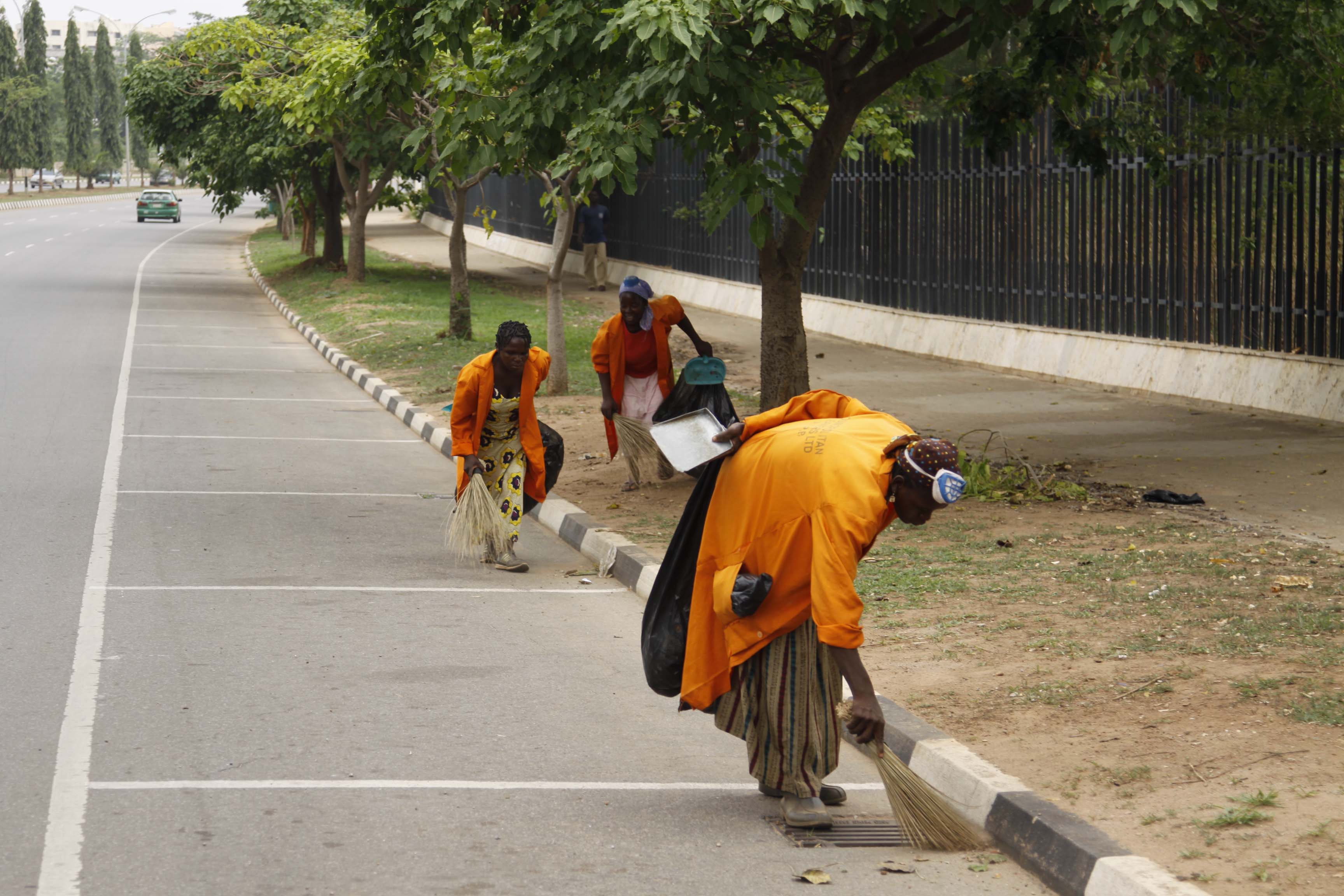

Sweepers employed by Dafunol International Limited, a contractor engaged by the Lagos Metropolitan Area Transport Authority (LAMATA), on Monday staged a peaceful protest over the non-payment of their five months’ salaries.
The sweepers who were in their sweeping kits and holding brooms spoke to the Newsmen in front of Motorways Premises near 7-Up, Ikeja.
They also carried placards with inscriptions appealing to the management of LAMATA to pay them their salaries.
They said that they were employed by the contractor who is into LAMATA Shelter Maintenance to be sweeping LAMATA-constructed bus shelters along Mile 12-Ketu –Ikorodu Road –Tafawa Balewa Square (TBS) axis.
They said that they had not been paid since March, 2017.
Some of the inscriptions read: “LAMATA , pay us our salaries ever since the month of February,’’ “LAMATA, why are you denying us our money, you are punishing us.’’
Mrs Musiliu Akindele (70) one of the sweepers told NAN that their employer was initially paying each sweeper N10,000 per month before it was increased to N15,0000.
“We were only paid for January and February, 2017. Our employer owes each of us five months’ salary arrears.
“Most of our children had been sent out of their schools over unpaid fees,’’ she said.
Akindele said that before now, their employer used to supply them brooms to work with.
But now, we are responsible for them. With the non-payment of our salaries; we cannot afford them and this is affecting our service, she said.
“Each broom costs N200 and now that the salary is not paid, we have no means to buy them to work, ’’ she said.
Another sweeper, Mrs Morufat Egunjobi, who covers the
LAMATA bus-stop shelters around Ketu, a Lagos suburb told NAN that they usually work between 6a.m. and 5 p.m. Mondays through Sundays.
“We do not have duty off and no motivations from our employer. Yet, our employer owes us five months of unpaid salary arrears.
“Some of us who could not cope with the harsh situation had stopped working, the rest of us are doing it on empty promises that we will be paid one day.
“We are indebted to food sellers and they had refused to sell to us on credit anymore,’’ Egunjobi said.
Also, Mrs Mero Raifu, another sweeper said that she had cultivated the habit of trekking from Ijora-Badia to Costain where she was assigned LAMATA bus-stop shelters to be sweeping.
“I have been ejected from my rented apartment by my landlord because of my inability to pay my monthly rent.
“I now sleep inside a mosque.’’
Mrs Mojisola Adejuwon said that the sweepers had two meetings with their supervisors early in the year where they highlighted their plights and there was an assurance from the supervisors that they would pay them.
“We have to resort to this peaceful protest today because our supervisors seemed to have reneged on their promises.’’
Mr Abiodun Omaike said that he had been taking care of his family from borrowing from his neighbours.
“I live around Moshalashi-Idioro on Lagos Mainland while I am assigned to be sweeping four bus-stop shelters around Fadeyi and Onipanu every day.
“Instead of sweeping one bus-stop shelter, each sweeper is assigned to sweep between three and four on daily basis and we do not complain.
“Despite this multi-tasking, we are still being owed salaries by our employer.
“We are pleading with our employer: LAMATA and Dafunol International Limited, its contractor to pay us our standing salaries.
“Through that, we will have money to take care of ourselves and be able to work efficiently,’’ Omaike said.




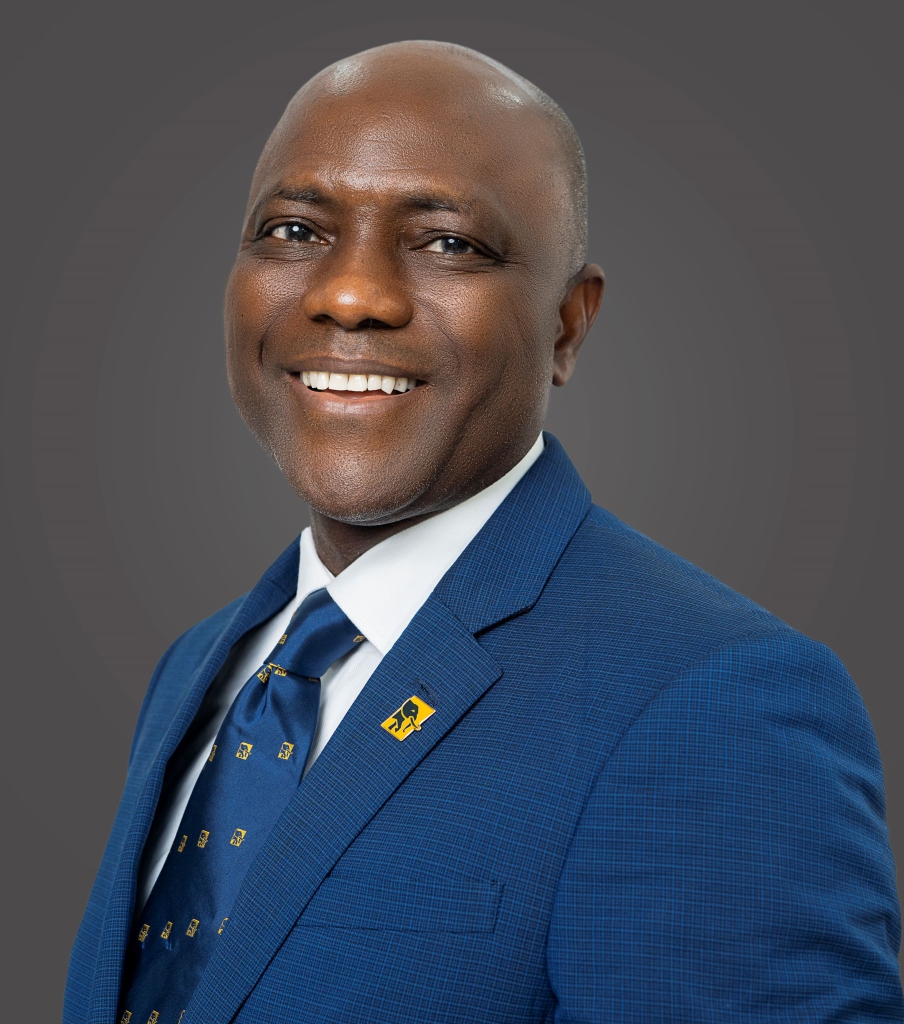
FirstBank Partners Eko Hotels & KEY Academy for ChessMasters 2026 Tournament
Lagos, 30 March 2025 – FirstBank, West Africa’s premier financial institution and the leading financial inclusion service provider, has announced its strategic sponsorship of the second edition of ChessMasters, Africa’s largest school chess tournament. The announcement was made at the official press conference of the tournament held on 16 March 2026 at Eko Hotels and Suites, Lagos.
ChessMasters is an annual chess tournament designed to equip the next generation with critical thinking, problem-solving, and leadership skills. The competition targets children in primary school aged between 6 and 11 years old. Organised by Eko Hotels and Suites & KEY Academy , ChessMasters was created to provide thousands of children across Nigeria with opportunities to develop modern educational skills, bringing schools together on a national stage.
Speaking at the press conference, Olayinka Ijabiyi, Acting Group Head, Marketing & Corporate Communications at FirstBank, said, “Our sponsorship of ChessMasters 2026 reflects our commitment to building talents and communities, driving inclusion, and deepening engagement through our First@Sports initiative, a platform that celebrates talent and promotes social impact through sports. With over a century of supporting legacy sports in Nigeria, we are proud of our enduring partnerships – 105 years with the Georgian Cup, 65 years with the Lagos Amateur Golf Championship and 35 years with the Dala Hard Court Tennis Championship.”
Ijabiyi further highlighted how the sponsorship aligns with FirstBank’s sustainability pillars of Education, Health, and Welfare. “We recognise the potential of chess to help school-age children challenge themselves, think critically, and compete at the highest level, hence we see the tournament as a launchpad for a pan-African movement leveraging chess as a tool for education, empowerment, and leadership development. We are utilising this platform as another avenue to promote social impact and drive positive change in the community.”
Caline Chagoury Moudabar, Director and Co- Founder of ChessMasters and her partner Damilola Okonkwo of Key Academy, expressed appreciation for FirstBank’s support, noting that the partnership will help scale the impact of ChessMasters and inspire more schools to participate. “We are happy to welcome FirstBank on board. This collaboration will boost chess development in Nigeria and promote critical thinking among young minds. With support from partners like FirstBank, we are opening the doors of participation to more children and more schools in this year’s edition.”
Prince Adeyinka Adewole, Vice President of the Nigeria Chess Federation, commended the initiative, emphasising its role in nurturing future chess talents. “Chess connects people, ideas, and opportunities. It teaches children to be analytical, patient, and manage their time and resources effectively. Chess also improves concentration and has been particularly beneficial for children with autism.”
The second edition of ChessMasters will be held on Saturday, 2 May 2026 at Eko Hotels and Suites, Lagos. The competition is open to 150 schools across Lagos, with over 700 students expected to participate and vie for a total prize pool of N10 million.
FirstBank’s involvement in the 2026 edition of the tournament reinforces the potential of ChessMasters to become a launchpad for African children, leveraging chess as a tool for education, empowerment, and leadership development.
Business
Alpha Morgan Bank Reinforces Commitment to Education at Redeemer’s University Business School Commissioning

Alpha Morgan Bank Reinforces Commitment to Education at Redeemer’s University Business School Commissioning
Alpha Morgan Bank has reaffirmed its commitment to education and institutional development through its support for the commissioning of the Redeemer’s University Business School.
The Business School was officially inaugurated by Pastor (Mrs.) Folu Adeboye, at the commissioning ceremony attended by distinguished guests including Her Excellency, Mrs. Bola Obasanjo; the Pro-Chancellor and Chairman, Governing Council of Redeemers University, Professor Oluwatoyin Ogundipe; the Vice Chancellor, Professor Shadrach Olufemi Akindele; and other notable dignitaries.
Speaking at the event, the Managing Director of Alpha Morgan Bank reiterated the Bank’s commitment to supporting institutions that drive intellectual growth and national development.
As part of its broader focus on knowledge sharing and thought leadership, Alpha Morgan Bank will host its Economic Review Webinar in May 2026, bringing together experts to share insights on key economic trends and opportunities.
The Bank’s involvement reflects its continued dedication to empowering institutions and shaping the future of business and leadership in Nigeria.
Read more about Alpha Morgan Bank on www.alphamorganbank.com
PHOTO
L-R: Prof. Shadrach Olufemi Akindele, Vice Chancellor, Redeemers University, Engr. Eloka Eje, Dr Perez Araka, Pastor (Mrs) Folu Adeboye, Mother-In-Israel, The Redeemed Christian Church of God, Mr Ade Buraimo, MD/CEO Alpha Morgan Bank, Dr (Mrs) Oluwatomi Somefun, Dr. Simeon Ifere, at the inauguration of the Redeemer’s University Business School, Redemption City, Ogun State on Thursday 2nd April, 2026

Tinubu Aide Rebuts Rufai Oseni Over ₦3.3tn Power Debt Deal


- Sheraton Nouakchott marks the entry of Marriott International in Mauritania April 10, 2026
- Eritrea: Seminar to Nationals in Nairobi and Its Environs April 10, 2026
- African financial institutions call for coordinated financing solutions to unlock Africa’s digital transformation April 9, 2026
- African Energy Chamber (AEC) Supports Perenco Partnership to Advance Industry 4.0 Skills in Central Africa April 9, 2026
- Youth Charter Calls for “Commonwealth Youth Legacy” Ahead of Glasgow 2026 April 9, 2026
- Securing the bridge between legacy and smart April 9, 2026
- Africa’s Lithium Pipeline Gains Momentum as Global Supply Deficits Loom April 9, 2026
- Afreximbank delivers strong FY2025 results; with a total assets and contingencies base of US$48.5 billion April 9, 2026
- National Council for Curriculum Development (NCDC) seeks Shs17 Billion for curriculum review, teacher training April 9, 2026
- Senegal: A Decade of Unresolved Climate Displacement April 9, 2026
- Sheraton Nouakchott marks the entry of Marriott International in Mauritania April 10, 2026
- Eritrea: Seminar to Nationals in Nairobi and Its Environs April 10, 2026
- African financial institutions call for coordinated financing solutions to unlock Africa’s digital transformation April 9, 2026
- African Energy Chamber (AEC) Supports Perenco Partnership to Advance Industry 4.0 Skills in Central Africa April 9, 2026
- Youth Charter Calls for “Commonwealth Youth Legacy” Ahead of Glasgow 2026 April 9, 2026
- Securing the bridge between legacy and smart April 9, 2026
- Africa’s Lithium Pipeline Gains Momentum as Global Supply Deficits Loom April 9, 2026
-

 news4 months ago
WHO REALLY OWNS MONIEPOINT? The $290 Million Deal That Sold Nigeria’s Top Fintech to Foreign Interests
-

 society7 months ago
“You Are Never Without Help” – Pastor Gebhardt Berndt Inspires Hope Through Empower Church (Video)
-

 celebrity radar - gossips2 months ago
Dr. Chris Okafor Returns with Power and Fire of the Spirit -Mounts Grace Nation Altar with Fresh Anointing and Restoration Grace on February 1, 2026
-

 celebrity radar - gossips4 months ago
Prophet Kingsley Aitafo Releases 2026 Prophecy: ‘Nigeria Will Rise, but the World Must Prepare for Turbulence’
You must be logged in to post a comment Login
You must log in to post a comment.