
Business
Recognizing Market Potential in Lagos State Real Estate by Dennis Isong

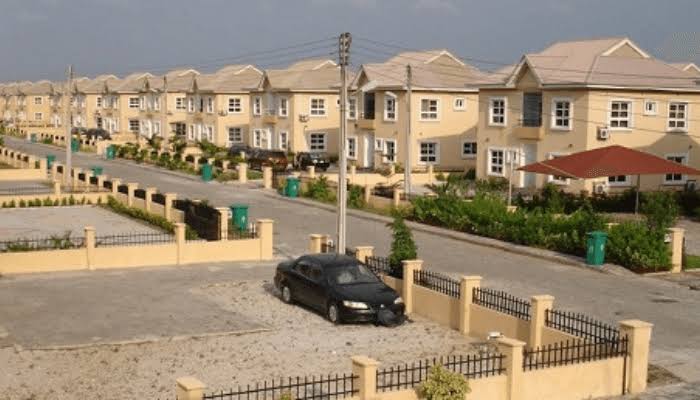
Recognizing Market Potential in Lagos State Real Estate by Dennis Isong
Lagos State, the economic hub of Nigeria and Africa’s biggest city, is a lively and fast-growing place with great potential for real estate investment. As a key center for business, finance, and culture, Lagos offers many opportunities for smart investors who want to benefit from the city’s growth. This article will look at the factors that show market potential in Lagos’s real estate sector and give tips on how to spot and take advantage of these opportunities.
Neighborhood Analysis
Analyzing specific neighborhoods within Lagos can provide valuable insights into real estate potential. Factors such as proximity to business districts, accessibility, safety, and amenities influence property values and investment attractiveness. For instance, areas like Victoria Island, Ikoyi, and Lekki are known for their upscale residential and commercial properties, while emerging neighborhoods like Yaba and Surulere are gaining attention for their potential. Investors should conduct thorough neighborhood analysis to identify high-growth areas and make informed investment decisions.
Rental Yield and Property Appreciation
Evaluating rental yield and property appreciation is crucial for assessing the profitability of real estate investments in Lagos. High rental yields indicate strong demand for rental properties, while consistent property appreciation reflects increasing market value. Investors should analyze historical data and trends to estimate potential returns on investment. Areas with high rental demand, such as student housing near universities and commercial hubs, often offer attractive rental yields and appreciation prospects.
Partnerships and Collaborations
Collaborating with local real estate professionals, developers, and financial institutions can enhance investment prospects in Lagos. Local partners possess valuable market knowledge, networks, and expertise that can help navigate the complexities of the real estate market. Joint ventures and partnerships can also provide access to larger projects and diversified investment opportunities. Investors should seek reputable and experienced partners to maximize their chances of success.
Economic Growth and Stability
Lagos is the financial nerve center of Nigeria, contributing a significant portion of the country’s GDP. The city’s robust economic growth, driven by diverse industries such as finance, technology, manufacturing, and entertainment, fosters a favorable environment for real estate investment. Investors should look for stable economic indicators, such as consistent GDP growth, rising employment rates, and increasing foreign direct investment (FDI), as signs of a thriving real estate market.
Population Growth and Urbanization
Lagos is one of the fastest-growing cities in the world, with a population that exceeds 20 million people. The city’s rapid urbanization is fueled by rural-urban migration, with individuals seeking better economic opportunities. This population surge creates a high demand for residential, commercial, and industrial properties. Investors should consider areas experiencing significant population growth and urban development, as these regions are likely to offer lucrative real estate opportunities.
Infrastructure Development
Infrastructure development is a key indicator of market potential in Lagos’s real estate sector. The state government’s commitment to improving infrastructure, including roads, bridges, public transportation, and utilities, enhances the city’s livability and attractiveness to investors. Projects such as the Lagos-Ibadan Expressway, the Lekki Free Trade Zone, and the Lagos Rail Mass Transit project are notable examples. Investors should monitor ongoing and planned infrastructure projects, as they often lead to increased property values and investment opportunities in adjacent areas.
Government Policies and Incentives
Government policies and incentives play a crucial role in shaping the real estate market in Lagos. Favorable policies, such as tax breaks, subsidies, and streamlined property registration processes, can significantly boost investor confidence and attract investment. The Lagos State Government’s initiatives to promote affordable housing, improve land administration, and enhance urban planning are positive indicators of market potential. Investors should stay informed about government policies and leverage available incentives to maximize their returns.
Technological Advancements
The adoption of technology in real estate is transforming the industry in Lagos. Innovations such as property technology (proptech), smart buildings, and digital real estate platforms are enhancing efficiency, transparency, and convenience in property transactions. The rise of fintech and e-commerce in Lagos also contributes to the demand for commercial real estate. Investors should look for opportunities in tech-enabled real estate ventures and stay abreast of technological trends that can drive market growth.
Market Trends and Consumer Preferences
Understanding market trends and consumer preferences is essential for recognizing real estate potential in Lagos. There is a growing demand for mixed-use developments, gated communities, and affordable housing. Additionally, the rise of co-working spaces and flexible office solutions reflects changing work patterns and preferences. Investors should conduct market research to identify emerging trends and tailor their investments to meet the evolving needs of consumers.
Dennis Isong is a TOP REALTOR IN LAGOS.He Helps Nigerians in Diaspora to Own Property In Lagos Nigeria STRESS-FREE. For Questions WhatsApp/Call 2348164741041


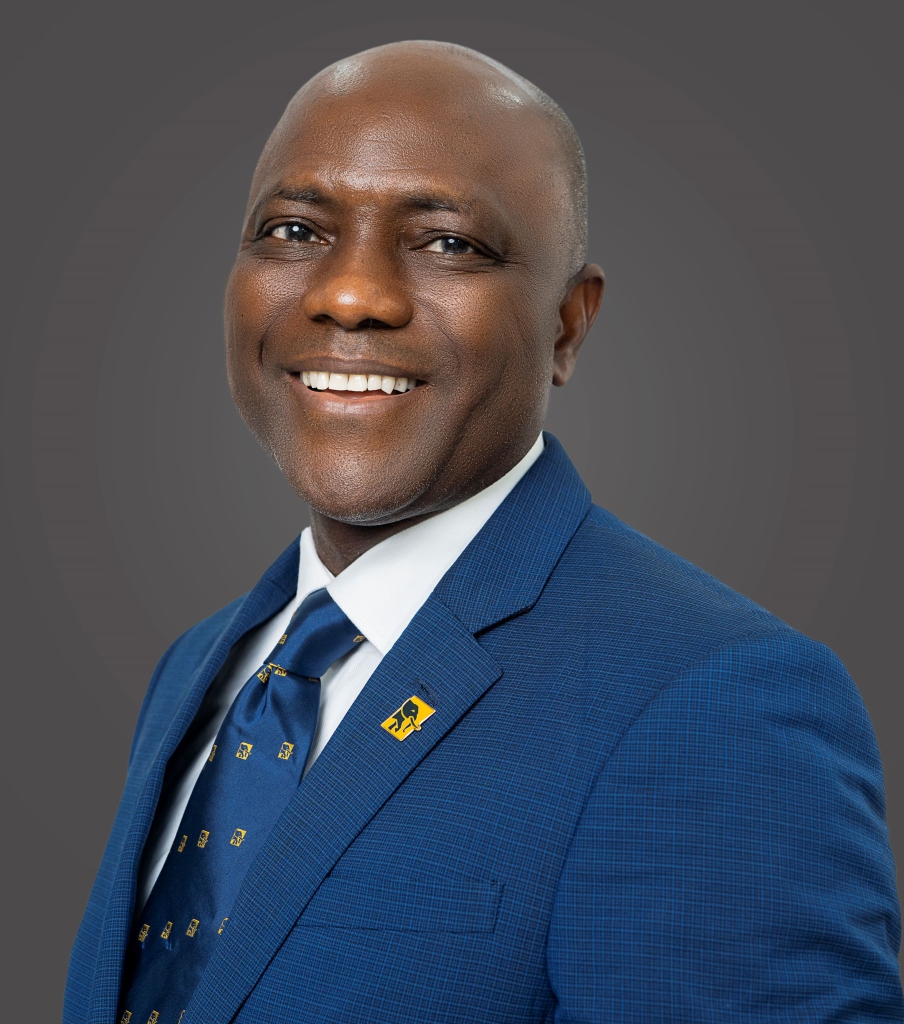
FirstBank Partners Eko Hotels & KEY Academy for ChessMasters 2026 Tournament
Lagos, 30 March 2025 – FirstBank, West Africa’s premier financial institution and the leading financial inclusion service provider, has announced its strategic sponsorship of the second edition of ChessMasters, Africa’s largest school chess tournament. The announcement was made at the official press conference of the tournament held on 16 March 2026 at Eko Hotels and Suites, Lagos.
ChessMasters is an annual chess tournament designed to equip the next generation with critical thinking, problem-solving, and leadership skills. The competition targets children in primary school aged between 6 and 11 years old. Organised by Eko Hotels and Suites & KEY Academy , ChessMasters was created to provide thousands of children across Nigeria with opportunities to develop modern educational skills, bringing schools together on a national stage.
Speaking at the press conference, Olayinka Ijabiyi, Acting Group Head, Marketing & Corporate Communications at FirstBank, said, “Our sponsorship of ChessMasters 2026 reflects our commitment to building talents and communities, driving inclusion, and deepening engagement through our First@Sports initiative, a platform that celebrates talent and promotes social impact through sports. With over a century of supporting legacy sports in Nigeria, we are proud of our enduring partnerships – 105 years with the Georgian Cup, 65 years with the Lagos Amateur Golf Championship and 35 years with the Dala Hard Court Tennis Championship.”
Ijabiyi further highlighted how the sponsorship aligns with FirstBank’s sustainability pillars of Education, Health, and Welfare. “We recognise the potential of chess to help school-age children challenge themselves, think critically, and compete at the highest level, hence we see the tournament as a launchpad for a pan-African movement leveraging chess as a tool for education, empowerment, and leadership development. We are utilising this platform as another avenue to promote social impact and drive positive change in the community.”
Caline Chagoury Moudabar, Director and Co- Founder of ChessMasters and her partner Damilola Okonkwo of Key Academy, expressed appreciation for FirstBank’s support, noting that the partnership will help scale the impact of ChessMasters and inspire more schools to participate. “We are happy to welcome FirstBank on board. This collaboration will boost chess development in Nigeria and promote critical thinking among young minds. With support from partners like FirstBank, we are opening the doors of participation to more children and more schools in this year’s edition.”
Prince Adeyinka Adewole, Vice President of the Nigeria Chess Federation, commended the initiative, emphasising its role in nurturing future chess talents. “Chess connects people, ideas, and opportunities. It teaches children to be analytical, patient, and manage their time and resources effectively. Chess also improves concentration and has been particularly beneficial for children with autism.”
The second edition of ChessMasters will be held on Saturday, 2 May 2026 at Eko Hotels and Suites, Lagos. The competition is open to 150 schools across Lagos, with over 700 students expected to participate and vie for a total prize pool of N10 million.
FirstBank’s involvement in the 2026 edition of the tournament reinforces the potential of ChessMasters to become a launchpad for African children, leveraging chess as a tool for education, empowerment, and leadership development.
Business
Alpha Morgan Bank Reinforces Commitment to Education at Redeemer’s University Business School Commissioning
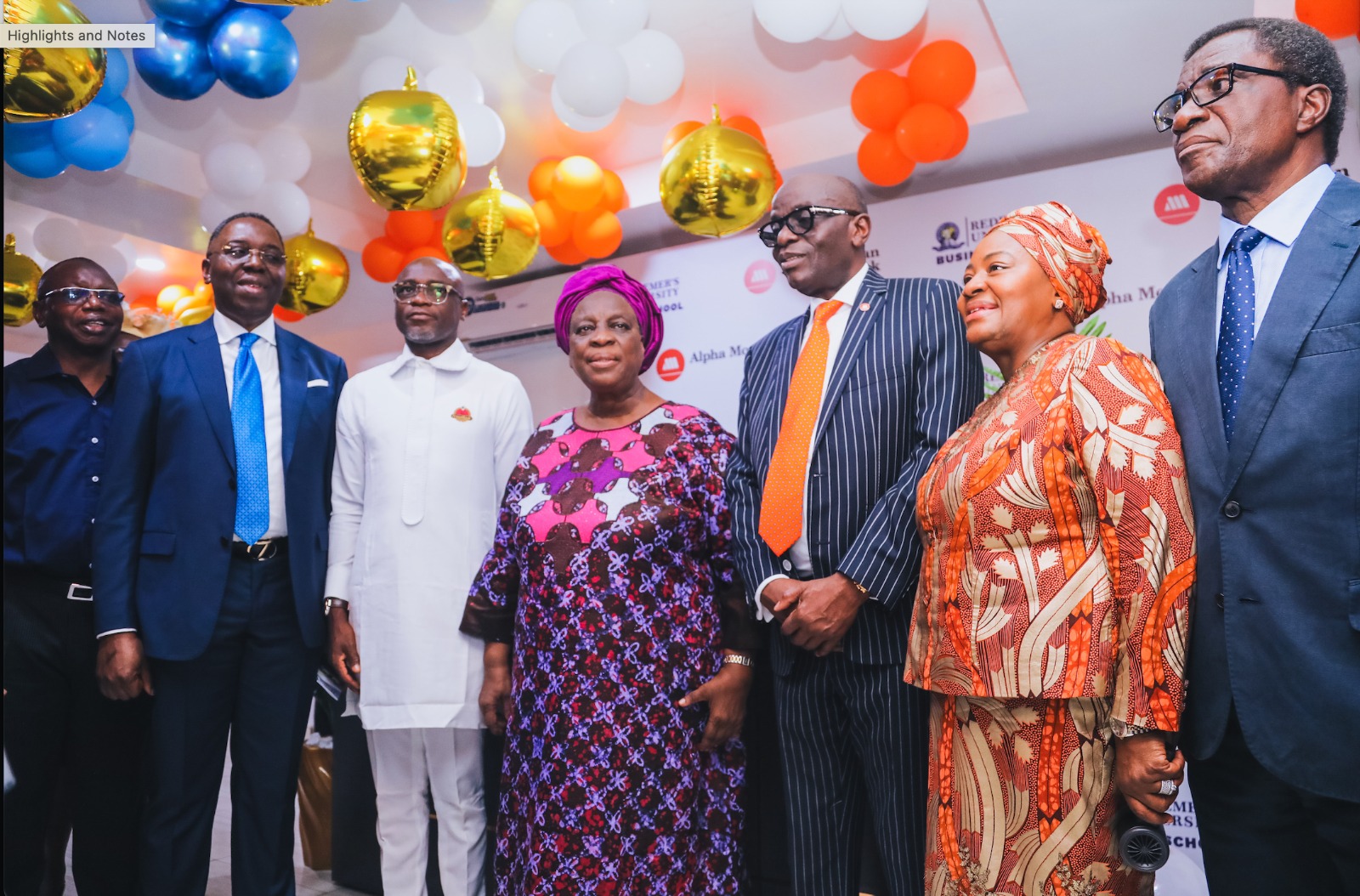
Alpha Morgan Bank Reinforces Commitment to Education at Redeemer’s University Business School Commissioning
Alpha Morgan Bank has reaffirmed its commitment to education and institutional development through its support for the commissioning of the Redeemer’s University Business School.
The Business School was officially inaugurated by Pastor (Mrs.) Folu Adeboye, at the commissioning ceremony attended by distinguished guests including Her Excellency, Mrs. Bola Obasanjo; the Pro-Chancellor and Chairman, Governing Council of Redeemers University, Professor Oluwatoyin Ogundipe; the Vice Chancellor, Professor Shadrach Olufemi Akindele; and other notable dignitaries.
Speaking at the event, the Managing Director of Alpha Morgan Bank reiterated the Bank’s commitment to supporting institutions that drive intellectual growth and national development.
As part of its broader focus on knowledge sharing and thought leadership, Alpha Morgan Bank will host its Economic Review Webinar in May 2026, bringing together experts to share insights on key economic trends and opportunities.
The Bank’s involvement reflects its continued dedication to empowering institutions and shaping the future of business and leadership in Nigeria.
Read more about Alpha Morgan Bank on www.alphamorganbank.com
PHOTO
L-R: Prof. Shadrach Olufemi Akindele, Vice Chancellor, Redeemers University, Engr. Eloka Eje, Dr Perez Araka, Pastor (Mrs) Folu Adeboye, Mother-In-Israel, The Redeemed Christian Church of God, Mr Ade Buraimo, MD/CEO Alpha Morgan Bank, Dr (Mrs) Oluwatomi Somefun, Dr. Simeon Ifere, at the inauguration of the Redeemer’s University Business School, Redemption City, Ogun State on Thursday 2nd April, 2026

Tinubu Aide Rebuts Rufai Oseni Over ₦3.3tn Power Debt Deal


- Sheraton Nouakchott marks the entry of Marriott International in Mauritania April 10, 2026
- Eritrea: Seminar to Nationals in Nairobi and Its Environs April 10, 2026
- African financial institutions call for coordinated financing solutions to unlock Africa’s digital transformation April 9, 2026
- African Energy Chamber (AEC) Supports Perenco Partnership to Advance Industry 4.0 Skills in Central Africa April 9, 2026
- Youth Charter Calls for “Commonwealth Youth Legacy” Ahead of Glasgow 2026 April 9, 2026
- Securing the bridge between legacy and smart April 9, 2026
- Africa’s Lithium Pipeline Gains Momentum as Global Supply Deficits Loom April 9, 2026
- Afreximbank delivers strong FY2025 results; with a total assets and contingencies base of US$48.5 billion April 9, 2026
- National Council for Curriculum Development (NCDC) seeks Shs17 Billion for curriculum review, teacher training April 9, 2026
- Senegal: A Decade of Unresolved Climate Displacement April 9, 2026
- Sheraton Nouakchott marks the entry of Marriott International in Mauritania April 10, 2026
- Eritrea: Seminar to Nationals in Nairobi and Its Environs April 10, 2026
- African financial institutions call for coordinated financing solutions to unlock Africa’s digital transformation April 9, 2026
- African Energy Chamber (AEC) Supports Perenco Partnership to Advance Industry 4.0 Skills in Central Africa April 9, 2026
- Youth Charter Calls for “Commonwealth Youth Legacy” Ahead of Glasgow 2026 April 9, 2026
- Securing the bridge between legacy and smart April 9, 2026
- Africa’s Lithium Pipeline Gains Momentum as Global Supply Deficits Loom April 9, 2026
-

 news4 months ago
WHO REALLY OWNS MONIEPOINT? The $290 Million Deal That Sold Nigeria’s Top Fintech to Foreign Interests
-

 society7 months ago
“You Are Never Without Help” – Pastor Gebhardt Berndt Inspires Hope Through Empower Church (Video)
-

 celebrity radar - gossips2 months ago
Dr. Chris Okafor Returns with Power and Fire of the Spirit -Mounts Grace Nation Altar with Fresh Anointing and Restoration Grace on February 1, 2026
-

 celebrity radar - gossips4 months ago
Prophet Kingsley Aitafo Releases 2026 Prophecy: ‘Nigeria Will Rise, but the World Must Prepare for Turbulence’