
celebrity radar - gossips
REVIEW OF, ‘THE LEGEND OF BURATAI 2’ By Hannatu Lot Dickson

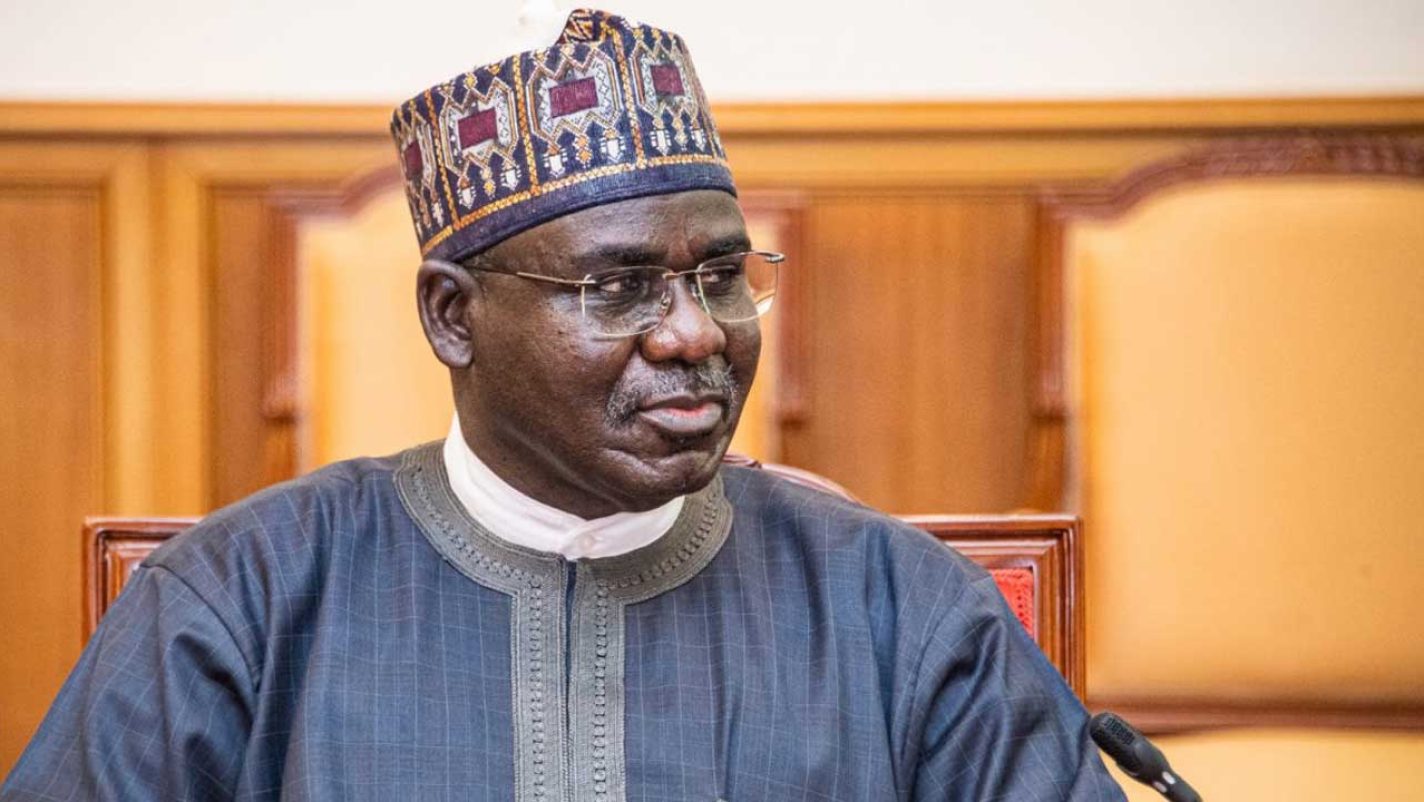
REVIEW OF, ‘THE LEGEND OF BURATAI 2’
By Hannatu Lot Dickson
The Legend of Buratai Volume 2 is authored by General Tukur Yusuf Buratai, the former Chief of Staff of the Nigerian Army. The book was Published by Sprezzatura Publishing Ltd. Cover design by Mereo Books. It was published October 13, 2021 in English Language. It has 125 pages with ISBN-10: * 186151915X and ISBN-13: * 978-1861519153.
The author Tukur Yusuf Buratai CFR psc(+) NAM GSS ndc (BD) was born 24 November 1960. He is a retired Nigerian army lieutenant general, former Chief of Army Staff appointed by President Muhammadu Buhari in July 2015, and Nigeria’s Ambassador to the Republic of Benin. He was commissioned into the Nigerian Army in 1983 and has had multiple command, administrative, and instructional appointments.
The Legend of Buratai 2 is a novel base on true-life story of General Tukur Yusuf Buratai, the former Chief of Army Staff. It is a novel of eight (8) chapters and has one hundred and twenty-five (125) pages. Each of these chapters and pages is so richly engaging and informative from start to finish.
Just a recap of the plot summary, the book is the enthralling true-life story in his own words, General Tukur Yusuf Buratai, the Chief of Staff of the Nigerian Army, who rose to legendary status by dint of hard work, bravery, diligence, excellence and honesty. His journey through life is presented as an exemplary story for all who would aspire to follow his path. His childhood and formative years were also captured.
The preliminary pages of “The Legend of Buratai 2” begins with the titled page where the titled of the book was boldly written and the author’s name. Then followed by the cover page design which contains the cover photo which was taken in Ngamdu. The Chief of Army Staff, Lt. General Tukur Yusufu Buratai is clearly seen in the picture with troops during operations against Boko Haram terrorists at the Nigerian Army Special Super Camp Ngamdu, Borno State in April 2020. He was practically leading the combat operations. Them followed by the content page which outlines the book’s structure, listing chapters, which helps readers navigate the book’s organization and content.
The Photographic Acknowledgement section credits the sources of photographs used in the book, acknowledging photographs taken from the personal album of the author. Followed by a heartfelt message dedicating the book to all young people in Nigeria, and especially those of the Nigerian Military School and the Nigerian Defence Academy.
The Publisher’s Note and acknowledgement pages expressed gratitude while the Forward was written by Major General Paul Tarfa mni (Rtd), who described General Buratai’s records of service as Chief of Staff of Nigerian Army as legendary and cannot be surpassed. ‘He is a General who inspires his subjects by leading from the front’. He further, provided context, endorsement, and insights into the book’s significance.
The author begins chapter one by talking about the beginning which captures the lineage, nuclear family and the journey of Yusufu Buratai especially when he joined the RWAFF. Chapter four depict the miraculous escape from the pond as a child, Dr. Gidado Kumo and John Atanda spoke in chapter three and four, while chapter five and six described the author’s encounters with Snakes and Ghost respectively. chapter seven followed with matters bordering on patriotisms and chapter eight list several principles guiding Lt. General TY Buratai, a few out of those principles are: Do not bother about what people say,; Commit to improving yourself to the extent that you do not have time to compete or criticize others; Let excellence be your trademark anywhere you find yourself; Do not be too proud to retrace your steps back to the right path; Listen more and say less; Always lead with courage or not at all; Honour your words as your bond and never make a promise you can’t keep…
The plot is set in Buratai town, Biu Local Government Area of Borno State to Potiskum, Yobe State. The genre is non-fiction.
The book, ‘The Legend of Buratai 2’ is the best pick for young minds in need of inspiration and mentorship. It is a captivating and fascinating masterpiece, rich in original history, military tactics, strategies and important life lessons with a touch of spirituality straight from the mind and experiences of true and pragmatic General TY Buratai.
The Legend of Buratai 2 has the potentials to recoup reinvigorate patriotism to our fatherland Nigeria. It also has the capability and potentials to make a young mind dream and do everything in their powers to live their dreams just like Lt. General TY Buratai.
The book is so real, it’s not a conventional love story with a perfectly Happy-Ever-After. It was infused with strong themes, I love how Lt Gen. TY Buratai recollected his childhood and formative years, how he was educating us on how to be patriotic and how he described ‘the wretched rustic life of a terrorist’ infused in a poem titled, ‘ARE YOU A TERRORIST?’
The themes in “The Legend of Buratai: Volume 2” include
– Hard work: General Tukur Yusuf Buratai’s rise to legendary status is attributed to his diligence and hard work.
– Bravery: General Buratai is known for his bravery and military tactics.
– Excellence: General Buratai’s journey to excellence is presented as an exemplary story for all who would aspire to follow his path.
– Honesty: General Buratai’s honesty is one of the key characteristics that contributed to his legendary status.
– Patriotism: The book is capable of reawakening patriotism to one’s fatherland, according to Moses A. Uyang, author and humanitarian.
– Diligence: Buratai’s diligence is another factor that contributed to his success.
The book is practically a handbook or a catalyst for youngsters who dear to dream, who wants to love and serve their country whole heartedly, be patriotic and serve humanity in all earnest and honesty.
The book offers a wide range of literary appreciation and acceptance, historical sources, and educative values. It is a foundation for historical and otherwise critical evaluation.





PROPHET KINGSLEY AITAFO MARKS BIRTHDAY WITH MESSAGE OF FAITH, SERVICE
LAGOS, NIGERIA — Renowned cleric, Prophet Kingsley Aitafo, is being celebrated today by followers, associates, and members of the Christian community as he marks his birthday, with tributes pouring in to honor his spiritual impact and years of dedicated service.
The birthday of the respected prophet has become more than a personal milestone, as admirers describe it as a moment to reflect on a life devoted to faith, leadership, and humanitarian outreach.
Known for his passionate teachings and prophetic ministry, Aitafo has built a reputation as a voice of hope to many within and beyond Nigeria.
Close associates say the cleric’s journey has been defined by unwavering commitment to spiritual growth and the upliftment of lives. Through his ministry, he has continued to emphasize prayer, discipline, and a deep connection with God as pathways to personal transformation.
In commemoration of the occasion, special prayers and goodwill messages have been organized by followers across different platforms, many of whom credit his teachings for inspiring positive change in their lives.
“His life is a testimony of grace and dedication,” one associate noted. “He has remained steadfast in his calling, impacting countless lives with messages of faith and encouragement.”
Observers also highlight his role in mentoring young believers and providing spiritual guidance in challenging times, describing him as a leader whose influence extends beyond the pulpit.
As he celebrates another year, well-wishers have continued to pray for greater strength, wisdom, and expansion of his ministry, expressing confidence that his influence will continue to grow in the years ahead.
Today’s celebration stands not only as a birthday tribute, but as a recognition of a life many say has been committed to service, faith, and the advancement of the gospel.
celebrity radar - gossips
BURATAI HAILED AS ‘FRONTLINE GENERAL’ AS PRAISE TRAILS MILITARY, DIPLOMATIC SERVICE
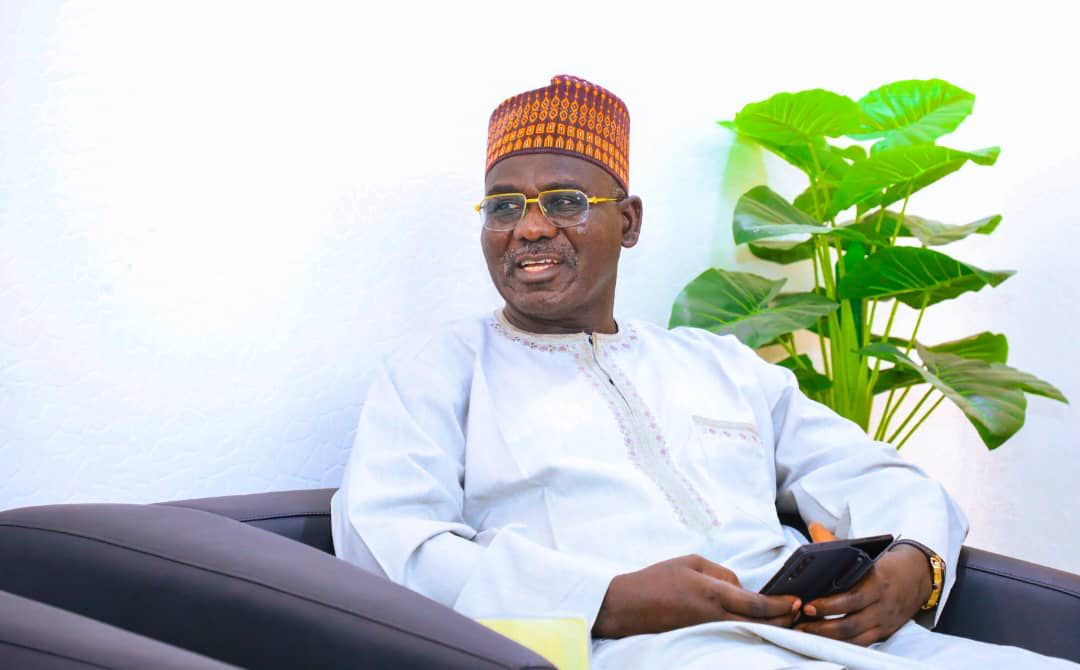
BURATAI HAILED AS ‘FRONTLINE GENERAL’ AS PRAISE TRAILS MILITARY, DIPLOMATIC SERVICE
ABUJA — Former Chief of Army Staff, Tukur Buratai (Rtd), has been described as a “frontline general” whose leadership redefined military command during Nigeria’s prolonged battle against insurgency.
The commendation, contained in a statement by KPUGHUR Sunday Christopher, highlighted Buratai’s direct involvement in combat theatres, noting that his decision to lead from the front distinguished him from many of his contemporaries.
According to the statement, the retired army chief’s presence in conflict zones at critical moments of the war effort underscored his commitment to national security and territorial integrity.
“He was not a distant commander. He was present where it mattered most,” the statement said.
The tribute also emphasized Buratai’s reputation as a detribalized leader, stressing his consistent advocacy for unity and peaceful coexistence across Nigeria’s diverse population.
Observers note that his tenure coincided with some of the country’s most challenging security periods, during which the military recorded significant operational strides against insurgent groups.
Beyond his military career, Buratai’s subsequent diplomatic engagement was also cited as evidence of his versatility in national service.
The statement concluded that his continued involvement in national discourse after retirement reflects a sustained commitment to Nigeria’s progress, describing him as “a statesman whose service transcends uniform.”
celebrity radar - gossips
Prophet Kingsley Aitafo to Mark Birthday with Global Prayer Session, Honours Spiritual Fathers

Prophet Kingsley Aitafo to Mark Birthday with Global Prayer Session, Honours Spiritual Fathers
Renowned cleric, Prophet Kingsley Aitafo, is set to mark his birthday on March 23 with a global prayer session, offering what he described as a “spiritual gift” to followers across the world.
In a departure from conventional birthday celebrations, the prophet announced a Special Live Prayer Session scheduled to hold from 10:00 a.m. to 11:00 a.m. (Nigeria time). The one-hour intercession is expected to draw participants from various countries, focusing on thanksgiving and collective prayers.

According to him, the initiative is aimed at fostering spiritual reflection and unity among believers, rather than personal festivities.
Ahead of the event, Prophet Aitafo paid tribute to his spiritual mentors, acknowledging the profound influence of Prophet and Founder of Celestial church of Christ, Prophet Samuel Bilehou Joseph Oshoffa and Bishop David Olaniyi Oyedepo on his ministerial journey.
He noted that the legacies and “exploits in ministry” of the revered clerics have continually inspired him to pursue greater depth, purpose, and impact in his calling.
The upcoming prayer session is expected to be streamed live across his ministry’s platforms, with followers encouraged to join in the global moment of intercession.


-

 society6 months ago
Religion: Africa’s Oldest Weapon of Enslavement and the Forgotten Truth
-

 news3 months ago
WHO REALLY OWNS MONIEPOINT? The $290 Million Deal That Sold Nigeria’s Top Fintech to Foreign Interests
-

 society6 months ago
“You Are Never Without Help” – Pastor Gebhardt Berndt Inspires Hope Through Empower Church (Video)
-

 celebrity radar - gossips2 months ago
Dr. Chris Okafor Returns with Power and Fire of the Spirit -Mounts Grace Nation Altar with Fresh Anointing and Restoration Grace on February 1, 2026