
celebrity radar - gossips
Revisiting General Ibrahim Babangida’s Legacy: A Balanced Perspective” by Dare ADELEKAN


“Revisiting General Ibrahim Babangida’s Legacy: A Balanced Perspective” by Dare ADELEKAN
I am taking a closer look at the legacy of General Ibrahim Babangida, Nigeria’s former military head of state. With the recent release of his book, “A Journey in Service,” I am revisiting the highs and lows of his administration.

Economic Reforms and Private Sector Growth
General Babangida’s regime is often credited with significant economic reforms that paved the way for private sector growth in Nigeria. His administration implemented various policies aimed at liberalizing the economy, including:
– *Privatization*: The privatization of state-owned enterprises to encourage competition and efficiency.
– *Liberalization*: The liberalization of trade and commerce to promote economic growth.
– *Commercialization*: The commercialization of state-owned enterprises to make them more profitable.
– *IMF Reforms*: The adoption of IMF-backed reforms to stabilize the economy and attract foreign investment.
These policies had a significant impact on the Nigerian economy, increasing the private sector’s contribution to the country’s GDP. The effects of these reforms are still evident today, with the private sector playing a vital role in driving economic growth in Nigeria.
Restoration of Diplomatic Ties with Israel
General Babangida also played a crucial role in restoring Nigeria’s diplomatic ties with Israel. After Nigeria severed diplomatic ties with Israel in 1973, following the Yom Kippur War, General Babangida’s administration re-established diplomatic relations in September 1992.
Social and Economic Development Programs
In pursuit of a new socio-economic order, General Babangida introduced several programs aimed at promoting social and economic development. Some of these programs include:
– *MAMSER (Mass Mobilization for Self-Reliance, Social Justice, and Economic Recovery)*: A program aimed at promoting self-reliance, social justice, and economic recovery.
– *DFFRI (Directorate of Foods, Roads, and Rural Infrastructure)*: A program aimed at improving food production, rural infrastructure, and road networks.
– *People’s Bank*: A bank established to provide financial services to low-income individuals and small-scale entrepreneurs.
– *Community Banks*: Banks established to provide financial services to rural communities and promote grassroots economic development.
State Creation and Foreign Policy*
During his tenure, General Babangida created several new states, including Akwa Ibom and Katsina. He also played a key role in shaping Nigeria’s foreign policy, particularly in the areas of regional cooperation and conflict resolution.
Early Career and Bravery*
General Babangida’s bravery and fearlessness were evident early in his career. In 1976, he played a key role in quelling the coup attempt that assassinated General Murtala Mohammed.
Contribution to National Unity*
General Babangida’s commitment to national unity is exemplified by his role in the Nigerian Civil War. He fought tirelessly for an indivisible Nigeria, suffering injuries that would leave him with lifelong health challenges.
Challenges of Leadership*
During his tenure, General Babangida faced several challenges that tested his leadership. Some of these challenges include:
– *The Death of Dele Giwa*: The murder of Dele Giwa, a renowned journalist, via a letter bomb in 1986. Giwa was a pioneer of investigative journalism in Nigeria and introduced corporate dressing to journalism in the country.
– *The Vasta Coup*: A coup attempt led by Major Gideon Orkar in 1990, which aimed to overthrow General Babangida’s government.
– *The OIC Palaver*: A controversy surrounding Nigeria’s membership in the Organisation of Islamic Cooperation (OIC), which sparked widespread protests and criticism.
– *The 1989 SAP Riot*: Widespread protests and riots that erupted in response to the implementation of the Structural Adjustment Program (SAP), which led to economic hardship and austerity measures.
– *The C-130 Air Crash*: A tragic air crash that occurred in 1991, which resulted in the loss of several lives some military officers.
Broadcasting Industry Reforms*
General Babangida also introduced significant reforms in the broadcasting industry. He established the Broadcasting Organisation of Nigeria (BON) to commercialize the broadcasting industry and promote private sector investment. This move led to the establishment of private radio and television stations, increasing diversity and competition in the industry.
Lessons in Leadership
General Babangida’s book, “A Journey in Service,” offers valuable lessons in leadership. The book provides insight into the challenges of leadership, the importance of vision and strategy, and the need for effective decision-making. As Nigeria continues to navigate its own leadership challenges, General Babangida’s experiences and insights are more relevant than ever.
The Annulment of June 12 Presidential Election
One of the most significant controversies surrounding General Babangida’s
regime is the annulment of the June 12, 1993, presidential election, which was won by MKO Abiola. In his book, Babangida admits that Abiola won the election but claims that he annulled it to save Abiola’s life, as some top military brass didn’t like him.
Criticisms and Controversies*
Despite his admission, many Nigerians still criticize Babangida’s decision to annul the election, citing it as a major setback for the country’s democracy. Others have praised his honesty in acknowledging Abiola’s victory.
*Conclusion:*
In conclusion, General Ibrahim Babangida’s legacy is complex and multifaceted. While his administration achieved significant economic reforms and infrastructure development, it was also marked by criticisms and controversies. However, his contribution to national unity, bravery, and commitment to democracy remain important parts of his legacy. As we reflect on his legacy, it’s essential to approach the topic with nuance and balance, recognizing both the achievements and criticisms of his regime.
*Final Thoughts:*
General Ibrahim Babangida’s legacy serves as a reminder that leadership is not without its challenges and controversies. Despite the criticisms surrounding his regime, Babangida remains a significant figure in Nigeria’s history. His commitment to national unity, economic development, and democracy continues to shape the country’s trajectory. As we move forward, it’s essential to learn from the past, acknowledging both the achievements and mistakes of previous leaders.




celebrity radar - gossips
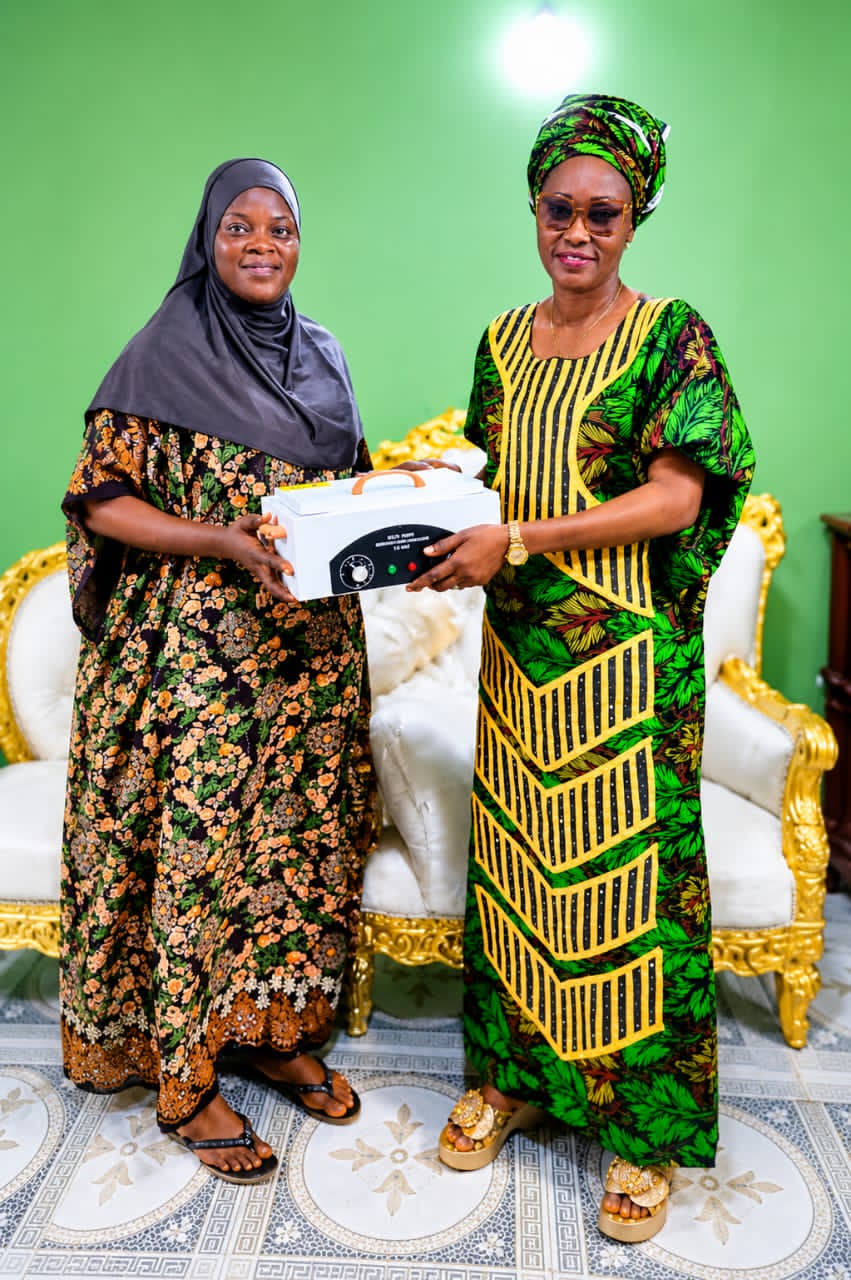
Let’s build a future where access to healthcare is strengthened…….Oba Odugbemi
Let’s build a future where access to healthcare is strengthened…….Oba Odugbemi
A call has gone to every stakeholder in the health sector to build a future where access to healthcare is guaranteed and strengthened.
The Onilisa of Lisa Kingdom, Oba Oladele Odugbemi make the call in Lisa while donating a Sanitary Sterilisation Box to the Lisa health centre.
Oba Odugbemi said that the donation became necessary in order to further strengthen the capacity of the health centre for the benefits of the people.
The royal father stressed that his foundation, Oladele Odugbemi foundation would continue to make meaningful impacts in community healthcare aimed at complementing the efforts of government in healthcare delivery system.
He pointed out that the foundation reflects its unwavering commitment to promoting quality healthcare services, enhancing hygiene standards and supporting health institutions with essential tools that contribute to safer and healthier communities.
According to the monarch, all stakeholders in the health sector should work hand-in- hand with government to take healthcare to the doorsteps of the masses as government cannot do it alone, hence health is wealth.
Oba Odugbemi also charged the governments at all levels to declare a state of emergency in the health sector so that every Nigerian can have smooth access to healthcare delivery system in the interest of the country and for the benefits of the masses.
The monarch therefore said that the foundation would continue to care for the people through empowerment by ensuring that masses have good and quality health condition.
The Sanitary Sterilisation Box was presented by the Foundation Director, Hajia Suliat Odugbemi – Tinuosho to the Matron of Lisa Community Health Centre, Mrs Temitope Nofisat Sanni who received it on behalf of the health centre.
King of the Screen: Why Odunlade, Muyiwa, Femi Adebayo Remain Yoruba Movie Giants
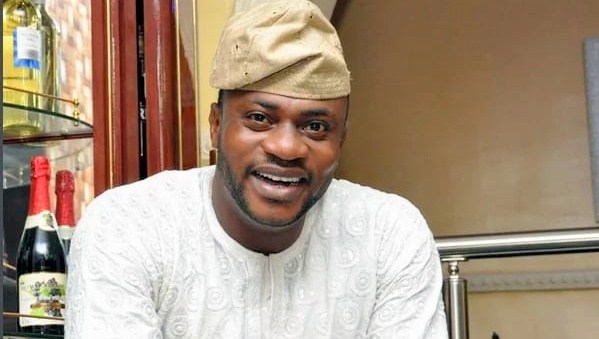
The Yoruba movie industry has continued to produce legendary talents whose influence stretches beyond Nigeria to global audiences. Over the years, some actors have distinguished themselves through consistency, versatility, box office success, and cultural impact.
Among the numerous stars in Nollywood’s Yoruba sector, three actors have remained dominant figures whose names constantly resonate with fans and filmmakers alike — Odunlade Adekola, Muyiwa Ademola, and Femi Adebayo.

Odunlade Adekola: The Street King of Yoruba Cinema
Popularly regarded as one of the most entertaining actors in Nollywood, Odunlade Adekola has built a unique reputation through his energetic delivery, comic timing, emotional depth, and strong connection with grassroots audiences.
From comedy to action and emotional family dramas, the actor has consistently proven his versatility in blockbuster productions. His ability to interpret diverse roles effortlessly has made him a household name across Nigeria.
Industry observers believe his dominance on social media platforms, where his movie clips frequently go viral, has further strengthened his popularity among younger audiences.
Beyond acting, Odunlade has also contributed immensely to mentoring upcoming talents and expanding the commercial value of Yoruba films.
Muyiwa Ademola: The Master Storyteller

For many lovers of indigenous movies, Muyiwa Ademola remains one of the finest storytellers the Yoruba film industry has produced.
Widely respected for producing emotional and morally driven movies, the actor earned massive recognition through classic productions that focused on family values, culture, betrayal, perseverance, and societal lessons.
His calm delivery, deep scripts, and originality have kept him relevant despite changing trends in the entertainment industry.
Film critics often describe Muyiwa Ademola as one of the few actors whose productions combine entertainment with strong cultural education, making his movies timeless among older and younger viewers alike.
Femi Adebayo: The Modern-Day Box Office Force

Femi Adebayo has successfully combined traditional Yoruba storytelling with modern cinematic excellence, helping to project indigenous films to international audiences.
The actor, filmmaker, and producer has recorded major successes with high-budget productions that gained attention on streaming platforms and cinemas.
Known for his professionalism and attention to detail, Femi Adebayo has continued to push Yoruba movies beyond local boundaries while preserving cultural identity.
Entertainment analysts say his ability to blend culture, technology, and quality production has positioned him among the leading faces shaping the future of Yoruba cinema.
Growing Global Influence
The success of these actors reflects the increasing acceptance of indigenous Nigerian content globally. With streaming platforms creating wider access to local movies, Yoruba actors are now gaining international recognition and attracting new audiences.
Fans and stakeholders in the entertainment industry believe the contributions of Odunlade Adekola, Muyiwa Ademola, and Femi Adebayo have not only sustained Yoruba culture through film but have also elevated Nollywood’s global reputation.
celebrity radar - gossips
Eid-el-Kabir: Olowu of Kuta Urges Peace, Unity, Selflessness Among Nigerians
Eid-el-Kabir: Olowu of Kuta Urges Peace, Unity, Selflessness Among Nigerians
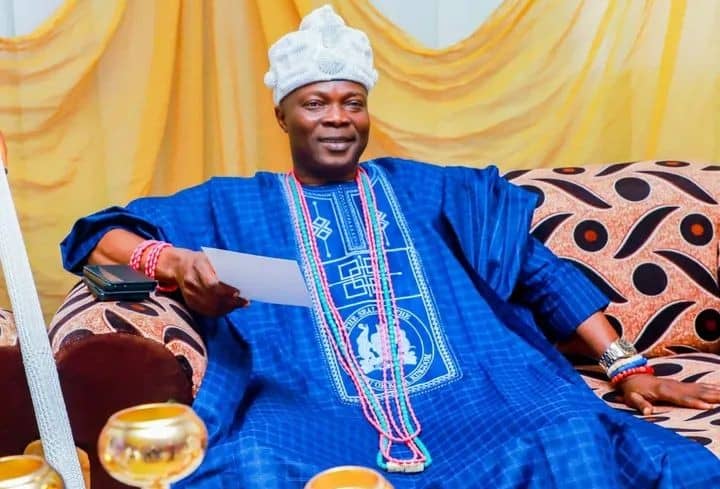
The Olowu of Kuta, HRM Oba Dr. Hammed Makama Oyelude, CON, Tegbosun III, has called on the Muslim Ummah and all Nigerians to make peace, unity, and selflessness their guiding principles as the world marks this year’s Eid-el-Kabir celebration.
In his Sallah message, the revered monarch described Eid-el-Kabir as a “highly spiritual occasion that demands dedication, commitment, and selflessness.”
Oba Makama said the period should be used to reflect on societal happenings and promote messages of hope and unity without inciting provocation.
He urged Nigerians to live together harmoniously, irrespective of religious, political, or tribal affiliations, stressing that politicians should exercise restraint and avoid inflammatory rhetoric ahead of the 2027 general elections.
“What should be uppermost in the mind of every patriotic Nigerian is **‘Country first,’” he said.
The monarch also appealed to citizens to remain vigilant in the face of insecurity, reassuring that the armed forces and paramilitary agencies are working round the clock to ensure a smooth and peaceful celebration.
“The price wise men pay for eternal liberty is vigilance. I urge everyone to celebrate moderately and extend a helping hand to the less privileged, widows, and orphans, embracing them as our brothers and sisters,” Olowu Makama added.
He concluded by wishing all Nigerians a peaceful and fulfilling Eid-el-Kabir celebration.


- Uganda: Parliament concludes vetting of ministers June 2, 2026
- Fund for Export Development in Africa (FEDA) Board Appoints Mr. Emmanuel Assiak as Chief Executive Officer June 2, 2026
- Ecobank Group Launches World First Nature Bond Mobilising Global Capital to Protect Africa’s Natural Ecosystems June 2, 2026
- Merck Foundation Chief Executive Officer (CEO) Dr. Rasha Kelej together with Kenya First Lady support the education of 47 Kenyan Schoolgirls by providing Annual Scholarships till they Graduate June 2, 2026
- Annual Meetings 2026: Governors Back the Bank’s Platform Solutions to Transform Aviation and Health Systems in Africa June 2, 2026
- ThinkMarkets launches ChelseaAI, bringing live CFD trading into Artificial Intelligence (AI) assistants June 2, 2026
- Afreximbank Invites Rugby Africa President Herbert Mensah to Address the 33rd Annual Meetings on a Panel Exploring Sport as a Driver of African Industrialisation June 2, 2026
- Afreximbank Deepens Commitment to Economic Progress in The Bahamas June 1, 2026
- African Electric Vehicle (EV) platform Spiro raises $215M in equity to scale electric mobility and energy infrastructure across Africa June 1, 2026
- Africa Centres for Disease Control and Prevention (Africa CDC) Statement on Attacks Against Health Facilities During the Bundibugyo Virus Disease Response in the Democratic Republic of the Congo June 1, 2026
- Uganda: Parliament concludes vetting of ministers June 2, 2026
- Fund for Export Development in Africa (FEDA) Board Appoints Mr. Emmanuel Assiak as Chief Executive Officer June 2, 2026
- Ecobank Group Launches World First Nature Bond Mobilising Global Capital to Protect Africa’s Natural Ecosystems June 2, 2026
- Merck Foundation Chief Executive Officer (CEO) Dr. Rasha Kelej together with Kenya First Lady support the education of 47 Kenyan Schoolgirls by providing Annual Scholarships till they Graduate June 2, 2026
- Annual Meetings 2026: Governors Back the Bank’s Platform Solutions to Transform Aviation and Health Systems in Africa June 2, 2026
- ThinkMarkets launches ChelseaAI, bringing live CFD trading into Artificial Intelligence (AI) assistants June 2, 2026
- Afreximbank Invites Rugby Africa President Herbert Mensah to Address the 33rd Annual Meetings on a Panel Exploring Sport as a Driver of African Industrialisation June 2, 2026
-

 news6 months ago
WHO REALLY OWNS MONIEPOINT? The $290 Million Deal That Sold Nigeria’s Top Fintech to Foreign Interests
-

 society1 month ago
SOCIAL MEDIA IS NOT A BATTLEFIELD COMMAND – WHY THE NIGERIAN ARMY’S ACTION AGAINST JUSTICE CRACK IS A NATIONAL SECURITY IMPERATIVE
-

 celebrity radar - gossips4 months ago
Dr. Chris Okafor Returns with Power and Fire of the Spirit -Mounts Grace Nation Altar with Fresh Anointing and Restoration Grace on February 1, 2026
-

 celebrity radar - gossips6 months ago
Prophet Kingsley Aitafo Releases 2026 Prophecy: ‘Nigeria Will Rise, but the World Must Prepare for Turbulence’