
society
Revolutionizing Nigeria’s Energy Future: The Gbenga Komolafe Story

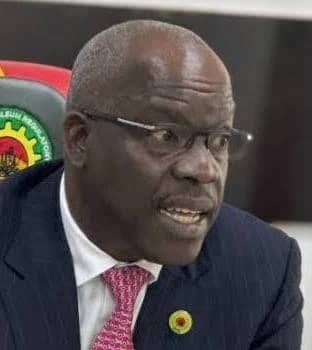
Revolutionizing Nigeria’s Energy Future: The Gbenga Komolafe Story
By Moses Udo
Among the constellation of Nigeria’s leadership, there are individuals whose vision and tenacity do more than just inspire people; they are representatives and architects of transformation. Engr. Gbenga Komolafe, helming the Nigerian Upstream Petroleum Regulatory Commission (NUPRC), is irrevocably one such luminary. His leadership over this critical agency has been exceptionally administrative; it is emblematic of the purposeful reform that has become one of the answers to the clarion calls within the broader framework of President Bola Ahmed Tinubu’s Renewed Hope Agenda.

Komolafe’s leadership has yielded structural innovations, an article that can be likened to a Master builder who is laying the foundation for a high skyscraper. He is constructing a new framework for Nigeria’s oil and gas industry. And for the record, he has championed non-kinetic strategies to quell crude oil theft, a feat which has remarkably reduced losses to 5,000 barrels per day, and has stabilized production at 1.7 million barrels per day. Under his Project 1 MMBOPD initiative, there is an expectation for an additional million barrels per day by December 2026. These types of gains are what cannot just be conjured from rhetoric, but only from disciplined execution by a focused leader.
However, what we can call the most compelling evidence of Komolafe’s reformative ascendancy lies in the report of N5.21 trillion mid-year revenue generated by the NUPRC in the first half of 2025 alone. To put this in a better context, this figure represents 42.7% of the record N12.2 trillion garnered in the entire year of 2024. Even against the N15 trillion target of 2025, this constitutes 34.7% already achieved in just six months. This is a sterling pace amid global oil market volatility and domestic production challenges. This monetary performance is not merely impressive; it is massive and undoubtedly transformative.
Moreover, Engineer Komolafe’s strategies have strengthened the confidence of investors and also repositioned Nigeria’s upstream sector as a reliable sector for the country’s revenue. It’s no mean feat that the nation now holds the largest gas reserves and the second-largest oil reserves in Africa; this enviable status owes much to the labor and strategic framework he has painstakingly put in place.
It is also worth noting to state that Komolafe’s tenure is equally defined by transparency, sustainability, and inclusivity. In achieving this feat, he has pioneered the Nigeria Gas Flare Commercialisation Programme (NGFCP) and the Carbon Credits Earning Framework, becoming a twin initiative that is positioned at the intersection of environmental responsibility and economic sustainability. These flagship projects are aimed at not just eliminating the challenges of gas flaring but also reducing methane emissions, encouraging carbon capture technologies, monetizing the decarbonization strategy, remaining at the vanguard of the country’s energy transition, and promoting sustainable energy practices.
In complementing these, he established the Host Community Development Trusts (HCDTs) and an Alternative Dispute Resolution Centre (ADRC), which help to create a participatory governance and further foster conflict resolution that once marred upstream operations.
Under his leadership, the upstream sector has achieved fiscal discipline through metering reforms, transparent cargo declarations, and simplified royalty frameworks as a result of his adoption of progressive regulation, which is a plan that is rooted in the Petroleum Industry Act (PIA), the 10-Year Regulatory and Corporate Strategic Plan (2023–2033), and the 2024 Regulatory Action Plan.
The Energy Policy Advancement Centre (EPAC) lauded this performance as a salient testament to strategic governance, foresight, and institutional discipline. Their Director-General, Dr. Ibrahim Musa, asserted, “NUPRC has moved beyond passive regulation to active value generation”, and he further emphasized that what sets this leadership apart “is not just the quantum of revenue but the discipline with which it is being pursued”.
Musa also praised NUPRC’s debt recovery drive, which yielded $459,226 from outstanding obligations — part of a cumulative $1.436 billion owed from crude oil lifting contracts.
He said: “Debt recovery may not attract headlines, but it is the backbone of fiscal discipline. Every dollar recovered is a step towards stabilising government finances and strengthening our economic resilience. The NUPRC’s persistence in this regard is commendable.”
But why do all these matter within President Tinubu’s Renewed Hope Agenda? At its heart, the president’s agenda seeks to restore public confidence, strengthen institutional capacity, and rejuvenate Nigeria’s struggling economy. Fortunately for Nigerians, Engr. Komolafe’s conduct encapsulates these ideals. Komolafe is not merely an agent of reform; he is an embodiment of that agenda’s promise. His work is the praxis through which Renewed Hope becomes a loved reality, and more than just a campaign slogan it used to be known for.
History praises visionaries because they alone perceive possibilities where others see only patches, and Komolafe exemplifies this through his strategic foresight in curbing theft and production stabilization within the oil and gas sector. His holistic reforms have integrated environmental imperatives, enshrined accountability within the NUPRC, and created community welfare; His ability to leverage policies and frameworks to recalibrate oil and gas governance has fostered institutional renewal; and his ability to deliver tangible gains for the federation’s revenue base has ensured fiscal prominence.
As we have found ourselves in an era where grandiloquence often eclipses genuine progress, and political ambition serves personal interest, the tenure of Eng. Gbenga Komolafe in NUPRC has stood among others as impactful, transformative, and substantive. He is not a mere bureaucrat; he is an architect of modern Nigeria’s energy future, who builds a legacy of reforms, and not rhetoric.
His contributions ripple outside the confines of the oil and gas sector, nourishing the ethos and reinforcing the Renewed Hope Agenda upon which our collective future depends. Thanks to him, the oil Industry is now much more efficient as a result of the implemented strategic reform, which drastically reduced capital and operational expenditure in oil production.
Indeed, a man of vision is not just an asset but a lodestar to his nation. In Gbenga Komolafe, we find a man of vision who is unequivocally an invaluable asset to our great nation.
Udo is a public affairs analyst writing from Glasgow, United Kingdom.


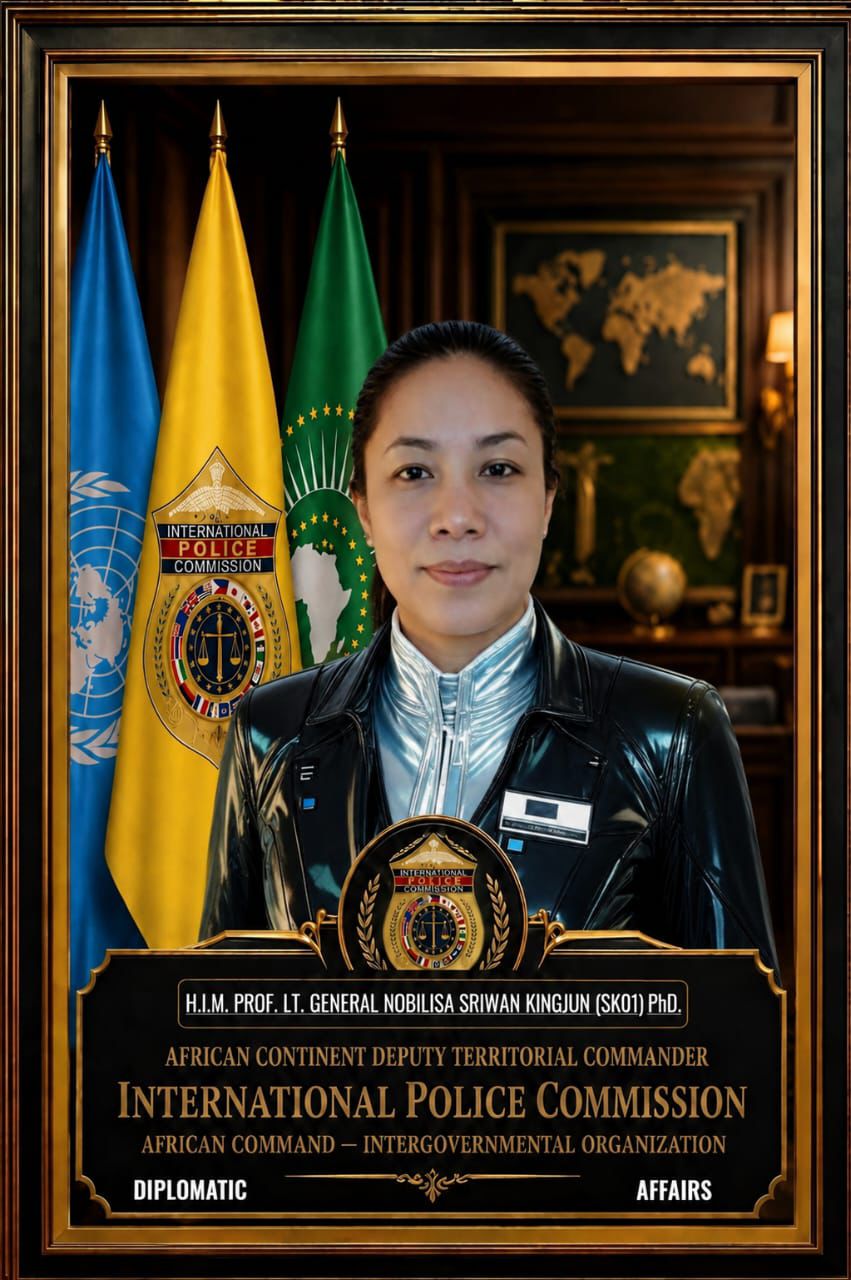
UKA Gears Up for Final ATC Exchangeability Test Run as June Preparations Begin.
May 30, 2026 – As the month of June gathers momentum, the *United Kingdom of Atlantis, UKA*, a sovereign nation has unveiled a series of vital guidelines and preparatory packages to ensure citizens and stakeholders run the *ATC Exchangeability* process effectively.
In an official update, the *President of Atlantic Crown Limited, Empress of Attica Empire UKA*, confirmed that the *Final Test Run of ATC Exchangeability* is scheduled for the month of June 2026. The exercise marks a key phase ahead of the *Official Exchangeability Window, set to run from July 2026 to February 2027*.
### Key Highlights from the Presidential Briefing
1. *Final Test Run – June 2026*
The test run is designed to validate systems, procedures, and user readiness before full activation. Citizens, partners, and designated participants are urged to follow all official advisories released by UKA authorities during this period.
2. *Official Exchangeability Period*
Following the successful completion of the June test run, the Official Exchangeability will commence in july 2026 and we are Expecting Full Exchange ability between July Ending, 2026 to February 2026.
UKA stated that detailed schedules, eligibility requirements, and step-by-step instructions will be communicated progressively through verified UKA channels.
3. *Benefiting Packages for June*
In line with UKA’s commitment to citizen empowerment, the month of June will feature “benefiting packages” aimed at education, preparation, and seamless onboarding. These packages are intended to equip the people of UKA with the knowledge and tools needed for effective participation.
4. *Commitment to Transparency*
Addressing the nation, the Empress of Attica Empire UKA emphasized:
_“Final Test Run of ATC Comes up in The Month of June, As We Prepare For The Official Exchangeability, Between July 2026 To Feb 2027. All Information Will Be Communicated.”_
UKA reaffirmed that only information released through official UKA platforms should be regarded as authoritative.
The United Kingdom of Atlantis is encouraging all citizens, representatives, and interested parties to remain alert to official communications, attend designated orientation sessions, and avoid unofficial sources. UKA’s dedication to order, clarity, and the collective benefit of its people as the nation moves into this significant phase.
For updates, advisories, and participation guidelines, citizens are advised to monitor official UKA communication channels.
United Kingdom of Atlantis, UKA, is a sovereign nation, committed to national development, citizen welfare, and structured economic participation through initiatives such as ATC Exchangeability.
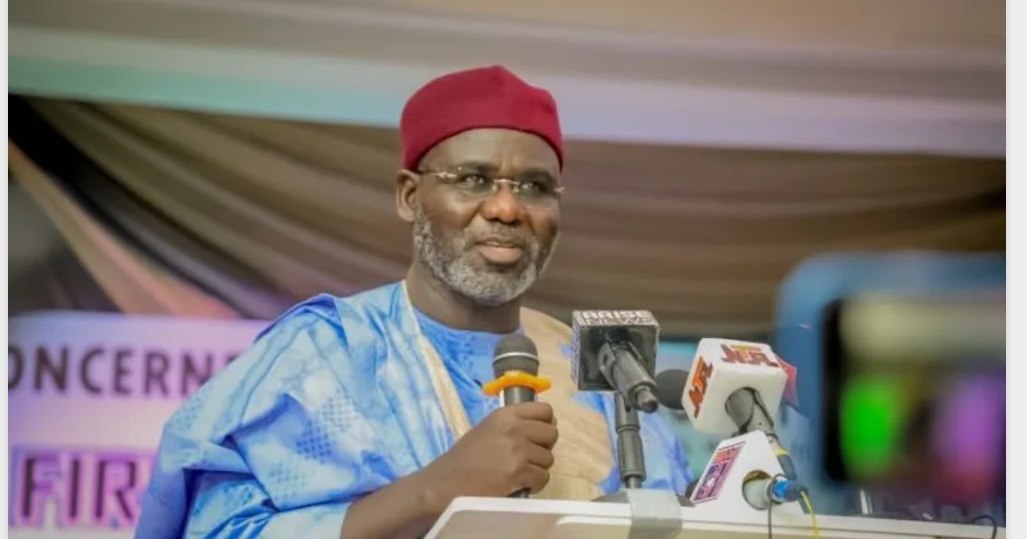
Three Years On, General Buratai Hails Tinubu’s Economic, Security Achievements
Former Chief of Army Staff, Lt. Gen. Tukur Buratai (retd.), has commended President Bola Ahmed Tinubu for what he described as bold economic reforms and improved security efforts as the President marks three years in office.
In a goodwill message on Thursday to commemorate Tinubu’s third anniversary as President and Commander-in-Chief of the Armed Forces, Buratai said the administration had taken courageous decisions that would leave a lasting impact on Nigeria’s development.

According to him, President Tinubu broke a long-standing cycle that had hindered national growth by removing fuel subsidy and implementing foreign exchange reforms aimed at stabilising the naira and strengthening the economy.
He noted that the reforms were beginning to yield positive results, citing the global acceptance of Nigerian debit cards, the gradual revival of local refineries, access to student loans, and ongoing road and infrastructure projects across the country.
“The FCT Administration has also recorded remarkable progress, completing major road projects that remained unfinished for over 16 years,” Buratai stated.
The former army chief also praised the administration’s security efforts, saying renewed military offensives against insurgents, terrorists and bandits had led to notable successes across various parts of the country.
He specifically lauded recent joint operations involving Nigerian and United States forces against Boko Haram and ISWAP in the North-East, as well as intensified counter-banditry operations in the North-West.
“We have seen notorious ISWAP commanders being neutralised. I congratulate the Commander-in-Chief, the Minister of Defence, the Chief of Defence Staff, the Service Chiefs, the Inspector-General of Police and heads of intelligence agencies for their efforts,” he said.
Buratai, however, acknowledged that challenges remained, stressing the need for more aggressive military operations and intelligence-driven strategies in the coming year.
While urging Nigerians to remain hopeful, he said celebrating the President’s achievements did not amount to ignoring the difficulties facing the nation.
“Because you truly care, you have shown the courage to trade short-term comfort for long-term hope. Nigerians need your reassurances, and that is why we remain optimistic and full of confidence,” he added.
The retired military officer reaffirmed his support for the Tinubu administration and expressed confidence that the foundation being laid by the government would deliver a brighter future for the country.
He also prayed for God’s guidance, wisdom, strength and good health for the President as he continues to lead Nigeria.
NUT Raises Alarm Over Continued Captivity of Abducted Oyo Pupils, Teachers
The Nigeria Union of Teachers has expressed deep concern over the continued captivity of pupils and teachers abducted during an attack on schools in the Ahoro-Esinle and Yawota communities in Oriire Local Government Area of Oyo State.
In a statement issued on Saturday, the Oyo State wing of the union described the situation as increasingly distressing, particularly following the emergence of a video allegedly released by the abductors showing the victims pleading for their freedom.
The union said the footage had heightened fears over the welfare of the abducted pupils and teachers, describing their ordeal as heartbreaking and unacceptable.

According to the NUT, no child or teacher deserves to be subjected to such traumatic experiences, adding that the prolonged captivity of the victims has continued to inflict psychological pain on their families, colleagues and the wider education community.
The union called on the Federal Government, Oyo State Government and relevant security agencies to intensify efforts towards securing the immediate and safe release of the victims.
“This is not a moment for hesitation. It is a moment for coordinated, intelligence-driven efforts to ensure the immediate and safe release of all abducted pupils and teachers,” the statement read.
While acknowledging ongoing interventions by security agencies and government authorities, the union stressed that time was of the essence, warning that every additional day in captivity deepens the trauma suffered by the victims.
The NUT urged security operatives to strengthen surveillance, improve community intelligence gathering and deploy all necessary operational and diplomatic measures to facilitate the rescue of the abductees.
It also appealed to traditional rulers, community leaders and residents to support rescue efforts by providing credible information that could assist security agencies.
“The safety of our children and teachers must remain a collective priority,” the union stated.
Reaffirming its support for the families of the victims, the NUT pledged continued solidarity and prayers while advocating safer learning environments across the country.
The statement was jointly signed by the Chairman of the Oyo State NUT, Comrade Hassan Ajibola Fatai, and the Secretary, Comrade Salami Olukayode.


- Economic Community of West African States (ECOWAS) has Deployed a Technical Mission to Observe the Legislative and Local Elections of May 31, 2026 in Guinea May 31, 2026
- President Herminie Attends Seychelles Football Federation (SFF) Cup Final and Presents Trophy to Bazar Brothers FC May 31, 2026
- ‘You are not alone’: World Health Organization (WHO) chief vows to stand with Democratic Republic of the Congo (DR Congo) through Ebola outbreak May 31, 2026
- United Arab Emirates (UAE) Expresses Solidarity with Kenya and Conveys Condolences over Victims of Girls’ School Dormitory Fire May 31, 2026
- Pitcher Awards Announces 2026 Winners, Marking a Landmark Year for Pan‑African Creativity May 30, 2026
- Ghana Commemorates 78th International Day of United Nations Peacekeepers May 30, 2026
- South Africa: President Ramaphosa receives second interim report of Madlanga Commission May 30, 2026
- Asmara Marathon 2026 to be held May 30, 2026
- Powerful call for dialogue and compromise to secure peace in South Sudan issued on International Peacekeepers Day May 30, 2026
- Over 1,000 Participants Join Rwenzori Marathon Activation Run in Mombasa May 30, 2026
- Economic Community of West African States (ECOWAS) has Deployed a Technical Mission to Observe the Legislative and Local Elections of May 31, 2026 in Guinea May 31, 2026
- President Herminie Attends Seychelles Football Federation (SFF) Cup Final and Presents Trophy to Bazar Brothers FC May 31, 2026
- ‘You are not alone’: World Health Organization (WHO) chief vows to stand with Democratic Republic of the Congo (DR Congo) through Ebola outbreak May 31, 2026
- United Arab Emirates (UAE) Expresses Solidarity with Kenya and Conveys Condolences over Victims of Girls’ School Dormitory Fire May 31, 2026
- Pitcher Awards Announces 2026 Winners, Marking a Landmark Year for Pan‑African Creativity May 30, 2026
- Ghana Commemorates 78th International Day of United Nations Peacekeepers May 30, 2026
- South Africa: President Ramaphosa receives second interim report of Madlanga Commission May 30, 2026
-

 news6 months ago
WHO REALLY OWNS MONIEPOINT? The $290 Million Deal That Sold Nigeria’s Top Fintech to Foreign Interests
-

 society4 weeks ago
SOCIAL MEDIA IS NOT A BATTLEFIELD COMMAND – WHY THE NIGERIAN ARMY’S ACTION AGAINST JUSTICE CRACK IS A NATIONAL SECURITY IMPERATIVE
-

 celebrity radar - gossips4 months ago
Dr. Chris Okafor Returns with Power and Fire of the Spirit -Mounts Grace Nation Altar with Fresh Anointing and Restoration Grace on February 1, 2026
-

 celebrity radar - gossips6 months ago
Prophet Kingsley Aitafo Releases 2026 Prophecy: ‘Nigeria Will Rise, but the World Must Prepare for Turbulence’