
celebrity radar - gossips
Shadows of Greed: Alison‑Madueke’s UK Corruption Trial and the Cost of Power

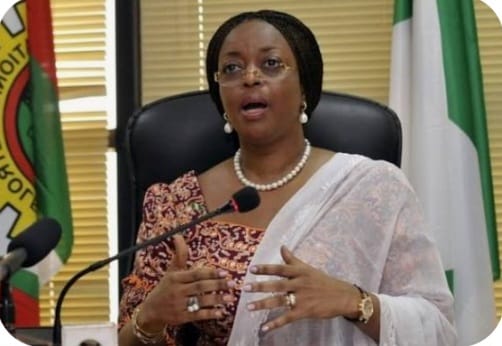
Shadows of Greed: Alison‑Madueke’s UK Corruption Trial and the Cost of Power
By George Omagbemi Sylvester | Published by SaharaWeeklyNG.com
When today’s headlines speak of corruption, they often do so as a distant abstraction as a vague moral failure with little bearing on everyday life. But the unfolding corruption trial of Diezani Alison‑Madueke in a London court throws into glaring relief the real, human and systemic consequences of unchecked power merged with self‑interest. This is not merely the story of an individual on trial; it is a lens through which the world must scrutinise the fragile intersection of governance, resource wealth and public trust.
Diezani Alison‑Madueke, once Nigeria’s Minister of Petroleum Resources and later the first woman president of the Organisation of the Petroleum Exporting Countries (OPEC), now stands accused before Britain’s Southwark Crown Court of multiple counts of bribery and conspiracy. The accusations against her (which she vehemently denies) paint a portrait of opulence allegedly funded through pay‑to‑play politics that ignored the public good and rewarded those who could feed her lavish lifestyle.

A Life in Oil, a Life Under Scrutiny.
Alison‑Madueke’s tenure as petroleum minister, from twenty ten until twenty fifteen, coincided with a period of immense oil revenue for Nigeria, a country sitting atop the largest oil reserves in Africa. Yet that wealth did not translate into broad‑based prosperity for the citizens she was meant to serve. Instead, British prosecutors allege that her privileged access to that sector was exploited for personal gain.
According to court indictments, she is accused of accepting bribes not in vague promises, but in concrete, high‑value luxury benefits and including cash, chauffeur‑driven vehicles, private jet travel, the use of multiple high‑end properties in London, funded renovations, personal household staff and even costly designer goods purchased at establishments like Harrods and Louis Vuitton. Prosecutors told the court these were not mere gifts, but “financial or other advantages” given by industry players “who clearly believed she would use her influence to favour them.”
The former minister, now sixty‑five, has pleaded not guilty to all charges. Alongside her in the dock are two co‑defendants: oil executive Olatimbo Ayinde and her brother, Doye Agama, both of whom deny the charges connected to the same alleged bribery scheme.
The Anatomy of Allegations.
What makes this trial especially significant is the detail and scale of the alleged benefits. Prosecutors have asserted that Alison‑Madueke was offered:
Access to luxury homes and private residences in London, bought and maintained by associates seeking lucrative Nigerian contracts.
At least a six‑figure sum in direct cash payments.
Private jet flights and schooling fees for her children.
Vast quantities of luxury goods and services from upscale retailers.
While the prosecution concedes it has not yet produced direct evidence that she awarded specific contracts to individuals who should not have had them, it maintains that the acceptance of such benefits by a public official who oversaw multi‑billion‑dollar contracts is inherently improper and contrary to fundamental principles of public service.
Voices of Accountability.
The allegations have drawn sharp commentary from observers worldwide who see the trial as emblematic of broader governance challenges across resource‑rich nations.
Nigerian social justice advocate Aisha Bello has observed, “Corruption is not a peripheral defect in governance but a corrosive disease that accelerates inequality. When leaders treat public office as a gateway to private treasure, citizens pay with lost opportunities and diminished hope.”

Similarly, Professor John Githongo, a renowned anti‑corruption scholar, argues that “Transparency and accountability are not optional extras in public administration; they are indispensable pillars of a just society. When the public good is subverted for private gain, the very fabric of trust unravels.”
These sentiments resonate deeply in contexts where natural wealth exists alongside persistent challenges in education, healthcare and infrastructure also illustrating that corruption is not an isolated moral failing, but a fundamental impediment to development.
Corruption Beyond Borders.
What makes this case notable on the global stage is not just its connection to a former minister, but its international footprint. The United Kingdom’s National Crime Agency (NCA) has taken up the case because many of the alleged transactions (the properties, cash flows, and luxury perks) touched British jurisdiction. This underlines a critical truth: corruption today is not contained by national boundaries. Illicit financial flows, luxury goods, and asset holding often travel across continents, making international cooperation essential in pursuit of justice.

Andy Kelly, head of the NCA’s International Corruption Unit, stated during earlier proceedings that investigations revealed “financial rewards” accepted by Alison‑Madueke that were “suspected to relate to the awarding of multi‑million‑pound contracts.” He emphasised that such impropriety has “devastating consequences for developing nations.”
This collaborative legal action reflects a growing global consensus: no public official, regardless of stature, should be beyond accountability. When a former head of state institutions is brought before a foreign court, it is not just a legal milestone but it is a moral affirmation of shared values in the rule of law.
The Nigerian Context.
In Nigeria, the oil sector has long been both a blessing and a burden. Despite generating huge revenues, mismanagement and corruption have often undermined potential gains for the wider population. A 2023 report by Nigeria’s statistics agency ranked corruption as one of the most significant challenges facing the country. It is a sobering backdrop that shapes how this trial is interpreted at home and abroad.
Former officials and critics alike have noted that transparency in governance is not merely a matter of legality but one of national dignity. As legal scholar Dr. Funke Adekola puts it, “When leaders betray public trust, they erode the very essence of citizenship. Restoring that trust requires not just trials, but systemic reform in values and institutions.”
What Lies Ahead.
The trial, expected to stretch over several months of testimony and evidence examination, is itself a test of judicial endurance and political will. It presents complex questions about proof, credibility, and moral accountability. Yet beyond the sterile halls of courtrooms, its wider implications reverberate in global public discourse about how nations manage wealth and how societies hold leaders accountable.
For ordinary citizens around the world, this case is riveting not because of luxury houses or private jets, but because it forces a collective reckoning: What price should a society pay when those entrusted with public resources place personal enrichment above national welfare?
Summative Insight.
As Diezani Alison‑Madueke’s trial unfolds before the world’s eyes, it stands as a stark reminder that the fight against corruption must be relentless and unflinching. It exposes the corrosive effects of unethical conduct at the highest levels of power and underscores the necessity of accountability, irrespective of nationality or office.
In the final analysis, justice is not only about punishment, but about restoring faith in the systems meant to protect the common good. As the British court hears testimony and as evidence is meticulously weighed, the world watches a profound test of justice, one that could shape how future generations understand leadership, integrity and the true cost of power.




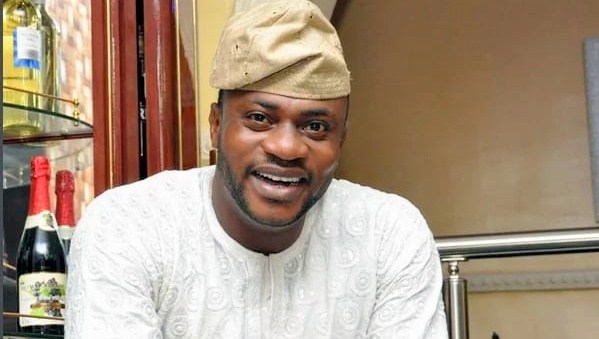
King of the Screen: Why Odunlade, Muyiwa, Femi Adebayo Remain Yoruba Movie Giants
The Yoruba movie industry has continued to produce legendary talents whose influence stretches beyond Nigeria to global audiences. Over the years, some actors have distinguished themselves through consistency, versatility, box office success, and cultural impact.
Among the numerous stars in Nollywood’s Yoruba sector, three actors have remained dominant figures whose names constantly resonate with fans and filmmakers alike — Odunlade Adekola, Muyiwa Ademola, and Femi Adebayo.

Odunlade Adekola: The Street King of Yoruba Cinema
Popularly regarded as one of the most entertaining actors in Nollywood, Odunlade Adekola has built a unique reputation through his energetic delivery, comic timing, emotional depth, and strong connection with grassroots audiences.
From comedy to action and emotional family dramas, the actor has consistently proven his versatility in blockbuster productions. His ability to interpret diverse roles effortlessly has made him a household name across Nigeria.
Industry observers believe his dominance on social media platforms, where his movie clips frequently go viral, has further strengthened his popularity among younger audiences.
Beyond acting, Odunlade has also contributed immensely to mentoring upcoming talents and expanding the commercial value of Yoruba films.
Muyiwa Ademola: The Master Storyteller

For many lovers of indigenous movies, Muyiwa Ademola remains one of the finest storytellers the Yoruba film industry has produced.
Widely respected for producing emotional and morally driven movies, the actor earned massive recognition through classic productions that focused on family values, culture, betrayal, perseverance, and societal lessons.
His calm delivery, deep scripts, and originality have kept him relevant despite changing trends in the entertainment industry.
Film critics often describe Muyiwa Ademola as one of the few actors whose productions combine entertainment with strong cultural education, making his movies timeless among older and younger viewers alike.
Femi Adebayo: The Modern-Day Box Office Force

Femi Adebayo has successfully combined traditional Yoruba storytelling with modern cinematic excellence, helping to project indigenous films to international audiences.
The actor, filmmaker, and producer has recorded major successes with high-budget productions that gained attention on streaming platforms and cinemas.
Known for his professionalism and attention to detail, Femi Adebayo has continued to push Yoruba movies beyond local boundaries while preserving cultural identity.
Entertainment analysts say his ability to blend culture, technology, and quality production has positioned him among the leading faces shaping the future of Yoruba cinema.
Growing Global Influence
The success of these actors reflects the increasing acceptance of indigenous Nigerian content globally. With streaming platforms creating wider access to local movies, Yoruba actors are now gaining international recognition and attracting new audiences.
Fans and stakeholders in the entertainment industry believe the contributions of Odunlade Adekola, Muyiwa Ademola, and Femi Adebayo have not only sustained Yoruba culture through film but have also elevated Nollywood’s global reputation.
celebrity radar - gossips
Eid-el-Kabir: Olowu of Kuta Urges Peace, Unity, Selflessness Among Nigerians
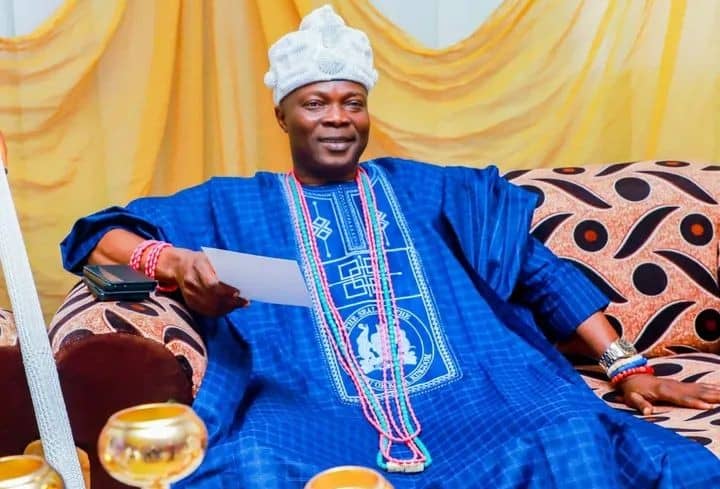
Eid-el-Kabir: Olowu of Kuta Urges Peace, Unity, Selflessness Among Nigerians
The Olowu of Kuta, HRM Oba Dr. Hammed Makama Oyelude, CON, Tegbosun III, has called on the Muslim Ummah and all Nigerians to make peace, unity, and selflessness their guiding principles as the world marks this year’s Eid-el-Kabir celebration.
In his Sallah message, the revered monarch described Eid-el-Kabir as a “highly spiritual occasion that demands dedication, commitment, and selflessness.”
Oba Makama said the period should be used to reflect on societal happenings and promote messages of hope and unity without inciting provocation.
He urged Nigerians to live together harmoniously, irrespective of religious, political, or tribal affiliations, stressing that politicians should exercise restraint and avoid inflammatory rhetoric ahead of the 2027 general elections.
“What should be uppermost in the mind of every patriotic Nigerian is **‘Country first,’” he said.
The monarch also appealed to citizens to remain vigilant in the face of insecurity, reassuring that the armed forces and paramilitary agencies are working round the clock to ensure a smooth and peaceful celebration.
“The price wise men pay for eternal liberty is vigilance. I urge everyone to celebrate moderately and extend a helping hand to the less privileged, widows, and orphans, embracing them as our brothers and sisters,” Olowu Makama added.
He concluded by wishing all Nigerians a peaceful and fulfilling Eid-el-Kabir celebration.
celebrity radar - gossips
Oba Babatunde Saliu Elebo II Felicitates Muslims on Eid-el-Kabir Celebration
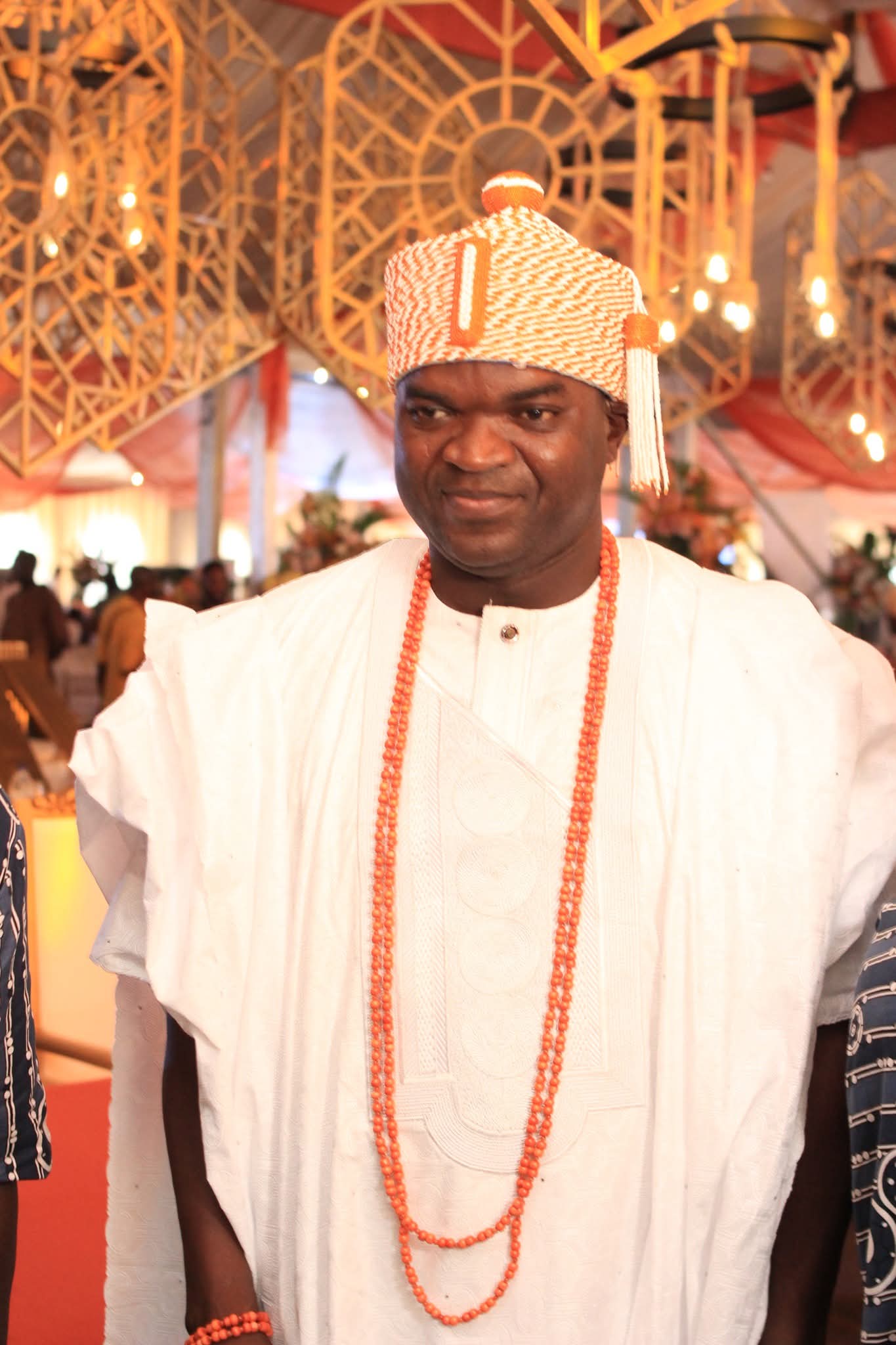
Oba Babatunde Saliu Elebo II Felicitates Muslims on Eid-el-Kabir Celebration
By Adeyemi Obadimu Veron
The Oloworo of Oworosoki Kingdom, Oba Babatunde Saliu Elebo II, has extended warm greetings and heartfelt felicitations to Muslims across Nigeria and the world at large on the joyous occasion of the 2026 Eid-el-Kabir celebration.
In a statement made available to Newsmen, the revered monarch urged Muslims to embrace the true teachings of Islam by promoting peace, love, unity, sacrifice, and compassion during and after the festive period.
Oba Babatunde Saliu Elebo II noted that Eid-el-Kabir, also known as Salah, remains one of the most significant celebrations in Islam as it symbolizes total obedience, faith, and devotion to Almighty Allah, drawing inspiration from the unwavering sacrifice of Prophet Ibrahim (Abraham), who demonstrated complete submission to the will of God.
According to the monarch, the Holy Qur’an teaches believers the importance of righteousness, kindness to humanity, tolerance, and support for the less privileged in society. He emphasized that the season should serve as a reminder for all Nigerians to live in harmony irrespective of religion, ethnicity, or political differences.
The royal father further called on Muslims to use the sacred period to pray fervently for peace, stability, economic growth, and sustainable development in Nigeria, stressing that national progress can only thrive in an atmosphere of unity and mutual understanding.
Oba Saliu also encouraged the faithful to extend hands of generosity to widows, orphans, and vulnerable members of society, noting that the essence of Eid-el-Kabir goes beyond celebration and feasting, but also reflects the spirit of sharing and caring for humanity as instructed in the Qur’an.
While wishing Muslims a peaceful and memorable Eid celebration, the Oloworo of Oworosoki prayed for divine blessings, prosperity, good health, and continued harmony in homes and communities.
“May this year’s Eid-el-Kabir strengthen our faith, deepen our love for one another, and bring renewed hope and abundant blessings to our nation,” the monarch stated.


- Pitcher Awards Announces 2026 Winners, Marking a Landmark Year for Pan‑African Creativity May 30, 2026
- Ghana Commemorates 78th International Day of United Nations Peacekeepers May 30, 2026
- South Africa: President Ramaphosa receives second interim report of Madlanga Commission May 30, 2026
- Asmara Marathon 2026 to be held May 30, 2026
- Powerful call for dialogue and compromise to secure peace in South Sudan issued on International Peacekeepers Day May 30, 2026
- Over 1,000 Participants Join Rwenzori Marathon Activation Run in Mombasa May 30, 2026
- World Health Organization (WHO) actively participated in the 2nd Summit on Healthcare Integration in Portuguese-speaking countries May 30, 2026
- Annual Meetings (AM) 2026: “Africa has what It takes” - Experts call for stronger financial systems to help Africa mobilise capital at scale May 30, 2026
- Eritrea Participates at Organization of African, Caribbean and Pacific States Meetings May 30, 2026
- Annual Meetings 2026 (AM2026): African Development Bank Group’s 2025 Annual Report Highlights Strong Results and a New Chapter for Africa’s Transformation May 29, 2026
- Pitcher Awards Announces 2026 Winners, Marking a Landmark Year for Pan‑African Creativity May 30, 2026
- Ghana Commemorates 78th International Day of United Nations Peacekeepers May 30, 2026
- South Africa: President Ramaphosa receives second interim report of Madlanga Commission May 30, 2026
- Asmara Marathon 2026 to be held May 30, 2026
- Powerful call for dialogue and compromise to secure peace in South Sudan issued on International Peacekeepers Day May 30, 2026
- Over 1,000 Participants Join Rwenzori Marathon Activation Run in Mombasa May 30, 2026
- World Health Organization (WHO) actively participated in the 2nd Summit on Healthcare Integration in Portuguese-speaking countries May 30, 2026
-

 news6 months ago
WHO REALLY OWNS MONIEPOINT? The $290 Million Deal That Sold Nigeria’s Top Fintech to Foreign Interests
-

 society4 weeks ago
SOCIAL MEDIA IS NOT A BATTLEFIELD COMMAND – WHY THE NIGERIAN ARMY’S ACTION AGAINST JUSTICE CRACK IS A NATIONAL SECURITY IMPERATIVE
-

 celebrity radar - gossips4 months ago
Dr. Chris Okafor Returns with Power and Fire of the Spirit -Mounts Grace Nation Altar with Fresh Anointing and Restoration Grace on February 1, 2026
-

 celebrity radar - gossips6 months ago
Prophet Kingsley Aitafo Releases 2026 Prophecy: ‘Nigeria Will Rise, but the World Must Prepare for Turbulence’