
Politics
Show Of Shame’: Full Speech Of Saraki’s World Press Conference On DSS NASS Invasion

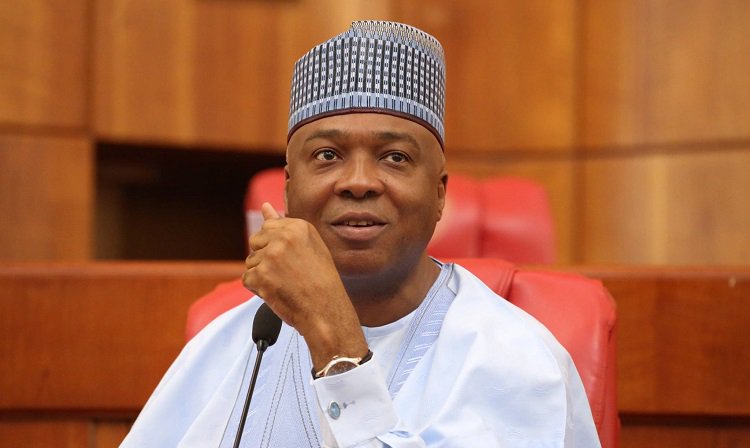
Below is Saraki’s full speech:
It is a matter of record that yesterday, lawmakers and staff of the National Assembly were prevented from entering the National Assembly Complex by heavily armed security agents of the Department of State Services (DSS). All entries to the Complex were blocked. The National Assembly, the seat of democracy in Nigeria, was under lockdown. Senators and Members of the House of Representatives were prevented from gaining access.
2. The ensuring standoff was a show of shame that played itself out over several hours in full view of the country. In no circumstances should this have happened. And we as a nation reaped the bitter fruits instantaneously, as evident in media images relayed around the world, images that shame us as a democratic nation. The siege was also an act of cowardice by those seeking to carry out an illegal impeachment of the leadership of the Senate in flagrant disregard of the law. People who seek control at all costs, by whatever means, never minding the injury to democratic norms.
3. I have to say that this is not about me – Abubakar Bukola Saraki as an individual. It is not about Ike Ekweremadu, nor is it about Yakubu Dogara. I am speaking for my colleagues when I say that this is about the soul of Nigeria, what we represent as a country, and our standing in the comity of nations. This is a country where so much is expected of us, so many rungs of the ladder that we are supposed to have ascended as a nation. Instead we are wallowing in impunity and illegal show of force, all of which slowpoke our progress.
4. This is most disheartening. I don’t get any joy in saying: I said so. I don’t. However, some of you may recall that about two years ago, I stated that there was a government within this government, to a purpose that was not in the interest of what the people voted for. I said it then, and now we are beginning to see the manifestations of that government within a government. It beats one’s imagination how the head of an agency could have authorized the brazen assault on the legislature that we saw yesterday. Despite the threat to our lives, we shall continue to fight impunity and injustice in this country.
5. Happily, by the actions that Nigerians took yesterday, they demonstrated our strong resolve as a nation not to give ground to oppression. The legislature, more than any other institution in this country, more than any other arm of government, represents the will of the people. We are elected by the people, and an assault on the legislature is an assault on the people of Nigeria. The forcible shutdown of the legislature was an unconscionable assault on a national institution, and thanks to all your efforts, the aggressors have been put to shame.
6. The resistance mounted by staff of the National Assembly, my colleagues in both chambers and Civil Society Organisations (CSOs) who refused to leave the entrance of this Complex until the siege was broken, strengthens my faith in the people of this country. The rain fell, the sun rose, but Nigerians stood their ground in defence of democracy. With the strength of will demonstrated by everyone against unwarranted and unconstitutional militaristic might, the siege could not stand.
7. By this, we have shown that Nigerians can resist government within government in whatever guise, and this is humbling for me. Those who sought to attack the National Assembly under my leadership for their selfish ends have only affirmed my belief in this country. They attempted to execute an illegal impeachment of the leadership of the Senate without the backing of the law, but they faltered. I am confident that, together, we shall always defeat acts of unconstitutionality. The rule of law shall always prevail.
8. I want to thank Nigerians, Senators, Members of the House of Representatives and National Assembly Staff, for standing up to be counted for democracy during yesterday’s siege. I thank the thousands who monitored the situation on radio, television and social media, voicing their outrage at the siege, thereby sending a clear message to those that hatched the plot that the Nigerian public would not buy this act of gangsterism using instruments of state such as the DSS.
9. I also thank the international community – particularly the European Union – and the international press, for their prompt reactions to the invasion of the National Assembly. CSOs and Socio-cultural groups were emphatic in their statements during the crisis, and we very much appreciate their vigilance.
10. Among the many that come up for special mention, I believe that Honourable Boma Goodhead, a member of the House of Representatives, stands out. She looked a masked security operative in the eye and dared him to shoot. She let it be known that Nigerians would not stand for the barricade at the National Assembly, that we would not be cowed. It was another pointer to what is possible in this country when women take their place in leadership.
11. I applaud all who kicked against the atrocity and who stood firm until sanity prevailed. I am proud of how everyone conducted themselves in what was no doubt a tense standoff. The principled stance and defiant reactions to the ugly incident, proved crucial to the failure of the plot. This is what we have been saying about the power of the people. The role of the people in defending democracy is paramount.
12. I thank the Acting President, Prof. Yemi Osinbajo, for his handling of the situation we were all confronted with yesterday. His decisive action went a long way towards restoring confidence. It sent a powerful message – that the DSS cannot be recklessly deployed against institutions of our democracy. The path of leadership is not by party, and we must commend it wherever it is found. Mr. Acting President did the right thing. However, the damage control so far does not address the question of how this atrocity happened in the first place.
13. This is an incident concerning which we have it on good authority that it has been in the planning for months, and yet it was allowed to happen. How is it that such an atrocity was not prevented? How is it that the masterminds were not deterred? Very serious questions remain that can only be answered by a full investigation. We call for an investigation, and we demand that all perpetrators are brought to book. We owe it to ourselves to ensure that such a situation never occurs again. Many agencies have abused their powers and acted outside the ambit of the law on occasion. Where abuses occur, similar actions must be taken immediately and full investigation instituted.
14. I must say that when we fought for Change, we could not have envisaged a scenario such as unfolded yesterday – an atmosphere where people cannot tolerate dissent, or mere differences of opinion as to the future of our dear country. This is not the Change we fought for. We did not fight for instruments of state to be used to oppress Nigerians and their lawmakers. I know that I, certainly, did not fight just so the legislature could be undermined and subjected to this onslaught.
15. There are many lessons to be drawn from the ugly incident we all witnessed yesterday. For one, government must ensure that security agencies remain neutral and act in line with the position of the constitution as well as their enabling laws. Heads of Agencies should be accountable, and those who step out of line must be held responsible for their actions. Enough with impunity. Enough with the reckless and senseless deployment of militaristic force. Enough.
16. In this dark cloud, we can see the silver lining, and that silver lining is the commitment of Nigerians to defending their hard-won democracy. I am more than encouraged by the strength, the determination and the resolve of ordinary Nigerians to see to it that democracy survives and thrives in this country. I am also strengthened by the determination of the media to report and analyse the truth as they see it.
17. I want to reassure Nigerians that, on our part, we remain committed to working for a country governed by the rule of law. Our desire is to have a society where there will be equity and justice, not oppression. We stand committed to doing our utmost as lawmakers to ensure that the responsibility and functionality of governance are met. Although we are on annual break, we are daily reviewing the situation and are alive to the responsibility to take action as necessary. Unfortunately, yesterday’s shutdown prevented us from meeting with INEC, as scheduled, to address funding concerns. We will continue to look into the matter. In the spirit of that, we also appeal to Mr. President to sign the 2018 Electoral Act Amendment Bill which has been sent for his assent.
18. I remain confident in the support of my colleagues and their focus on the job at hand, which is to serve the Nigerian people. My confidence is unshaken. I remain committed to the success of the historic 8th National Assembly, and to the continued progress of our count.




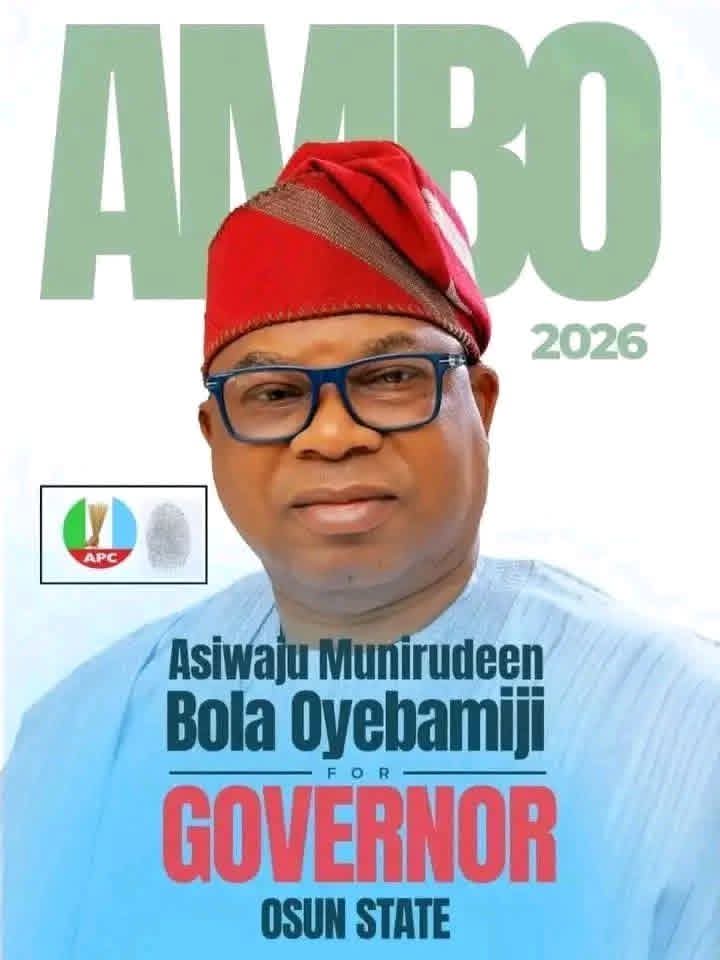
AMBO and the Osun Governorship Race: Assessing the Man, the Politics and the Vision
As political activities gather momentum ahead of the 2026 Osun State governorship election, a public affairs commentator, Oluseyi Olonade, has described the emergence of Asiwaju Munirudeen Bola Oyebamiji, popularly known as AMBO, as a significant development in the state’s political landscape.
In an article titled “Oyebamiji: The Man, The Politics and The Aspiration,” Olonade argued that the All Progressives Congress governorship hopeful possesses the character, experience and vision needed to reposition Osun State for sustainable growth.
According to the writer, Oyebamiji’s appeal stems from his extensive background in the banking sector, where he spent nearly three decades working with institutions including Wema Bank, Trans International Bank, Spring Bank and Enterprise Bank.
A native of Ikire in Irewole Local Government Area, Oyebamiji was described as a technocrat whose experience in corporate governance, finance and risk management has shaped his approach to public administration.
The article noted that his public service journey gained prominence in 2012 when he was appointed to oversee the then Osun State Investment Company Limited. Under his leadership, the organisation was reportedly restructured and transformed into Omoluabi Holdings Limited.
The writer further highlighted Oyebamiji’s tenure as Commissioner for Finance under successive APC administrations, where he was credited with managing the state’s finances during challenging economic periods.
Olonade also referenced Oyebamiji’s appointment as Managing Director of the National Inland Waterways Authority, describing it as further evidence of his administrative and leadership capabilities.
The article contrasted Oyebamiji’s governance philosophy with that of the current administration in Osun State, arguing that the APC aspirant favours institutional reforms, economic diversification and fiscal discipline.

According to the writer, Oyebamiji’s proposed agenda includes strengthening transparency in government spending, expanding internally generated revenue, attracting private-sector investments and promoting industrial and agricultural development.
The article also highlighted youth empowerment, entrepreneurship development and digital skills acquisition as key components of his vision for the state.
Olonade concluded that the forthcoming governorship election would present voters with a choice between different approaches to governance, expressing confidence that Oyebamiji’s experience and developmental agenda make him a strong contender in the race.
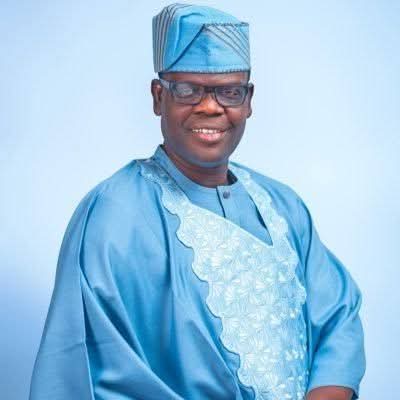
*Oselu Tiwa nTiwa Endorses Oriyomi Hamzat for Oyo Governorship*
A sociopolitical support group in Oyo State, Oselu Tiwa nTiwa, has declared its support for Alhaji Oriyomi Hamzat as the authentic governorship candidate of the Accord Party ahead of the forthcoming governorship election in the state.
The group made its position known in a statement jointly signed by its President, Mr. Adewale Oluwaseyi and Secretary, Alh. Adebayo Oyewole, on Thursday, describing Hamzat as a grassroots figure with strong connection to the people and a track record of humanitarian interventions across Oyo State.

According to the group, the endorsement followed what it described as careful observation of Hamzat’s leadership qualities, compassion and dedication to the welfare of ordinary citizens.
“Oriyomi Hamzat has consistently demonstrated empathy, courage and selfless commitment to humanity. Through his numerous interventions in the lives of ordinary citizens, he has become a symbol of hope to many families and communities,” the statement read.
Oselu Tiwa nTiwa also appealed to the national leadership of the Accord Party to prioritise the long-term future and electoral growth of the party in its decision-making process.
The group noted that Hamzat’s candidacy presents an opportunity for the party to strengthen its grassroots support base and expand its political relevance across Oyo State.
“We respectfully appeal to the National Leadership of the Accord Party to look beyond immediate political calculations and consider the bigger picture, the future growth, stability and electoral success of the party in Oyo State and beyond,” the statement added.
The group further expressed confidence in the leadership of the party, saying it believes the party’s national officers and stakeholders would take decisions that reflect fairness, inclusiveness and the collective interest of members.
While calling on party loyalists to remain calm and united, Oselu Tiwa nTiwa said continued consultations among stakeholders would help strengthen the Accord Party ahead of the election.
Signed:
Alh. Adebayo Oyewole,
Secretary.
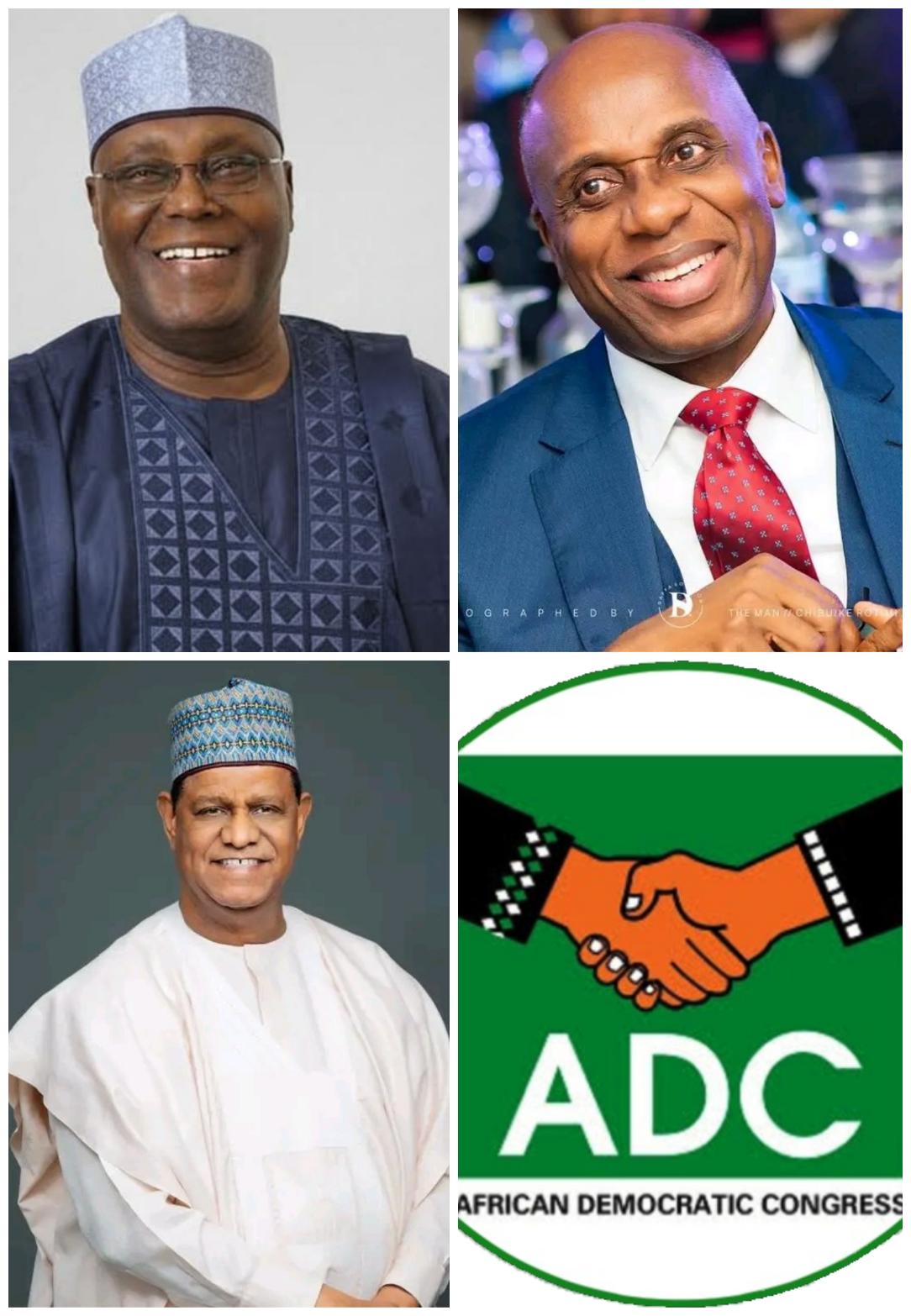
Atiku Set To Clinch ADC Presidential Ticket, Leads Amaechi, Hayatu-Deen In 34 States
Former Vice President of Nigeria and frontline presidential aspirant of the African Democratic Congress (ADC), Atiku Abubakar, is projected to emerge winner of the party’s presidential primaries, according to impeccable sources in Abuja.
The primaries, conducted across over 8,000 wards in the 36 states of the federation and the Federal Capital Territory, reportedly placed Atiku far ahead of his closest rivals — former Rivers State Governor, Rotimi Amaechi, and former Chairman of the Nigerian Economic Summit Group, Mohammed Hayatu-Deen.

Highly placed party insiders disclosed that Atiku is currently leading in 34 states, including the FCT, after securing dominance across the 19 Northern states, the five South-East states, and the six South-West states, while also maintaining a strong showing in at least three states in the South-South geopolitical zone.
The sources added that the outcome reflects what they described as “an overwhelming nationwide acceptance” of the former vice president within the opposition party ahead of the 2027 general election.
Meanwhile, the ADC leadership has invited members of the press to the official announcement of the final collated results scheduled for 11:00 a.m. on Tuesday, May 26, 2026, in Abuja.
The declaration of results is expected to be broadcast live on ARISE Television and two other major television stations, while also being livestreamed on the party’s official social media platforms on X and Facebook.
Speaking ahead of the announcement, the founding National Chairman of the ADC, Chief Ralph Nwosu, said the decision to televise the exercise live was aimed at promoting transparency and democratic accountability.
“We want millions of Nigerians at home and in the Diaspora to witness democracy in action,” Nwosu said.
He further revealed that the party leadership would encourage all three presidential aspirants to publicly embrace a peace accord and commit themselves to working together in unity for the party’s success.
According to him, the move is necessary to strengthen internal cohesion and position the ADC for victory in the presidential election scheduled for January 16, 2027.
Details later.


- Africa Centres for Disease Control and Prevention (Africa CDC) Statement on Attacks Against Health Facilities During the Bundibugyo Virus Disease Response in the Democratic Republic of the Congo June 1, 2026
- Putting consumers at the centre of Africa’s dairy transformation June 1, 2026
- International Rescue Committee (IRC) warns Democratic Republic of the Congo (DRC) Ebola outbreak likely far larger than official figures suggest June 1, 2026
- South Africa: Portfolio Committee on Health Marks National Cancer Survivor Day and Reaffirms Importance of Early Detection and Public Awareness June 1, 2026
- Rwanda’s RSSB Tigers Crowned 2026 Basketball Africa League Champions June 1, 2026
- Uganda: Appointments Committee Begins Vetting of Ministerial Nominees June 1, 2026
- Sudan braces for worsening child malnutrition as pre-harvest season starts June 1, 2026
- Etu Energias Strengthens Angolan Footprint, Returns to Angola Oil & Gas (AOG) 2026 as Champion Sponsor June 1, 2026
- PayAngel Expands Global Payout Capabilities Through Collaboration with Visa and Currencycloud June 1, 2026
- From Commitment to Classrooms: Advancing Refugee Education through the United Nations High Commissioner for Refugees (UNHCR)–TECNO’s Global Partnership June 1, 2026
- Africa Centres for Disease Control and Prevention (Africa CDC) Statement on Attacks Against Health Facilities During the Bundibugyo Virus Disease Response in the Democratic Republic of the Congo June 1, 2026
- Putting consumers at the centre of Africa’s dairy transformation June 1, 2026
- International Rescue Committee (IRC) warns Democratic Republic of the Congo (DRC) Ebola outbreak likely far larger than official figures suggest June 1, 2026
- South Africa: Portfolio Committee on Health Marks National Cancer Survivor Day and Reaffirms Importance of Early Detection and Public Awareness June 1, 2026
- Rwanda’s RSSB Tigers Crowned 2026 Basketball Africa League Champions June 1, 2026
- Uganda: Appointments Committee Begins Vetting of Ministerial Nominees June 1, 2026
- Sudan braces for worsening child malnutrition as pre-harvest season starts June 1, 2026
-

 news6 months ago
WHO REALLY OWNS MONIEPOINT? The $290 Million Deal That Sold Nigeria’s Top Fintech to Foreign Interests
-

 society4 weeks ago
SOCIAL MEDIA IS NOT A BATTLEFIELD COMMAND – WHY THE NIGERIAN ARMY’S ACTION AGAINST JUSTICE CRACK IS A NATIONAL SECURITY IMPERATIVE
-

 celebrity radar - gossips4 months ago
Dr. Chris Okafor Returns with Power and Fire of the Spirit -Mounts Grace Nation Altar with Fresh Anointing and Restoration Grace on February 1, 2026
-

 celebrity radar - gossips6 months ago
Prophet Kingsley Aitafo Releases 2026 Prophecy: ‘Nigeria Will Rise, but the World Must Prepare for Turbulence’
You must be logged in to post a comment Login
You must log in to post a comment.