
celebrity radar - gossips
The Forgotten Heroes Who Built Nigeria

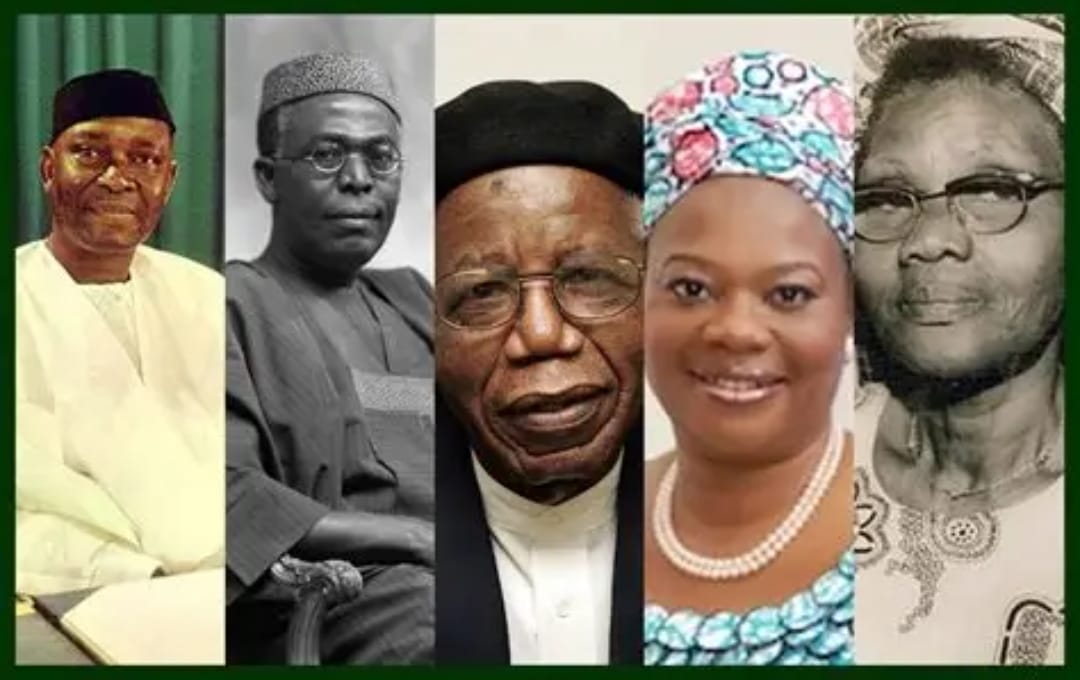
The Forgotten Heroes Who Built Nigeria.
By George Omagbemi Sylvester | Published by saharaweeklyng.com
They gave us a nation, we gave them silence. It is time to remember.
History is never neutral. It is either remembered with honor or buried with neglect. In Nigeria today, too many of our NATION-BUILDERS – men and women who labored, sacrificed and sometimes died to give us a country, have been reduced to footnotes in dusty textbooks, if mentioned at all. We celebrate political survivalists and forget the visionaries. We elevate temporary rulers and ignore those who laid the bricks of our independence, our institutions and our unity.
Yet, as the historian John Henrik Clarke once said: “History is a clock that people use to tell their political and cultural time of day. It is also a compass they use to find themselves on the map of human geography.” When Nigeria forgets her heroes, she loses both her clock and her compass.

Who Built Nigeria?
The popular narrative reduces nation-building to a few familiar names ie Nnamdi Azikiwe, Obafemi Awolowo, Ahmadu Bello and Tafawa Balewa. Indeed, they were towering figures. But Nigeria was not the handiwork of four men. A longer roll call reveals activists, journalists, unionists, women leaders and intellectuals who carried the heavy stones of struggle.
Herbert Macaulay, often called the father of Nigerian nationalism, ignited the fire long before independence was in sight. Through the Nigerian National Democratic Party (NNDP) and later the National Council of Nigeria and the Cameroons (NCNC), he planted the seed of self-rule.

Funmilayo Ransome-Kuti, one of Africa’s most fearless women, led protests against colonial taxation, founded women’s organizations and fought for suffrage decades before feminism became a fashionable word. She was so effective that the colonial government once described her as “a danger to the British Empire.”
Margaret Ekpo, through unionism and politics, championed women’s rights and national liberation. She turned markets into platforms of resistance and inspired countless women to join political action.
Michael Imoudu, the labor leader, shook the colonial economy by organizing strikes that proved the Nigerian worker was no longer a silent tool. His defiance weakened the colonial state more effectively than many speeches.
Alvan Ikoku, an educationist, made sure that independence would not only be political but also intellectual. His relentless push for free and compulsory primary education laid the foundation for Nigeria’s intellectual capital.
Anthony Enahoro, who, at just 30 years old, moved the historic motion for Nigeria’s independence in 1953. Few Nigerians today even know his name.
These are not just names. They are the scaffolding without which Nigeria’s house would never have been built.
Why We Forgot Them.
Why does Nigeria forget its heroes?
First, politics of convenience. Our political class has always preferred personalities who fit their regional or party narrative. Thus, textbooks and public discourse highlight “ACCEPTABLE” figures while downplaying others.
Second, lack of historical infrastructure. Unlike Ghana with its Kwame Nkrumah Mausoleum or South Africa with its Apartheid Museum, Nigeria has no serious national museum of independence, no well-curated memorials, no state-driven national archive accessible to students. Memory has no monuments, so it fades.
Third, deliberate amnesia. Leaders often prefer citizens who cannot connect past failures to present misrule. If you do not remember that corruption scandals derailed the First Republic, you will not notice the rhyme when it happens again.
Finally, our cultural weakness in record-keeping. We celebrate birthdays and burials but neglect institutional memory. The result is a nation where an entire generation may know more about foreign celebrities than about their own freedom fighters.
Why Remembering Matters.
Forgetting heroes is not just disrespect; it is dangerous. When young Nigerians grow up without knowledge of the sacrifices that secured their citizenship, they become cynical, rootless and easily manipulated.
The Nobel laureate Chinua Achebe warned: “A people without the knowledge of their past history, origin and culture is like a tree without roots.” Nigeria today is dangerously rootless. Our youth consume imported histories while their own heroes gather dust in silence.
Remembering matters because:
It instills pride. Heroes are mirrors. When citizens see that ordinary Nigerians achieved extraordinary things, they believe in their own agency.
It teaches lessons. Funmilayo Kuti’s defiance, Imoudu’s organizing, Ikoku’s persistence; these are models of civic courage.
It builds unity. Heroes came from every region, every tribe. Their collective story undermines today’s poisonous tribalism.
A Nation’s Debt.
What do we owe the forgotten heroes? We owe them more than monuments. We owe them integration into our civic life. That means:
Curriculum reform – Every Nigerian child should know these names before they learn about foreign presidents or monarchs.
National Heroes’ Day – A public holiday dedicated not to a single leader but to all freedom fighters. Ghana celebrates Founders’ Day; why not Nigeria?
Memorialization – National monuments, renamed streets and scholarships that keep their legacy alive.
Public storytelling – Documentaries, films, plays and books that bring their struggles into popular culture. Nollywood spends billions telling fictional stories but often ignores the real drama of our liberation.

Lessons for Today.
If the heroes taught us anything, it is that nations are built by sacrifice, not slogans. Herbert Macaulay risked imprisonment; Funmilayo Kuti risked her life; Imoudu risked his livelihood. Compare that with today’s politicians, who risk nothing but the inconvenience of defending ill-gotten wealth.
Nigeria’s new generation must recover that spirit. Without heroes, we will remain a country of spectators waiting for miracles. With heroes, we will once again believe that history bends when people push.
The late Nelson Mandela once said: “Courage is not the absence of fear – it’s inspiring others to move beyond it.” Our forgotten heroes inspired, moved and gave us a nation. Now it is our turn to remember, honor and emulate.
Final Verdict.
A nation that buries its heroes is digging its own grave. Nigeria’s crisis is not just economic or political; it is also mnemonic – a crisis of memory. Until we reclaim the forgotten heroes who built Nigeria, we will continue to stumble, rootless and rudderless.
The call is simple but urgent: teach their names, tell their stories, build their monuments. Because if we forget the builders, the building will collapse.
Let the children of tomorrow never say of us: they inherited a nation, but they betrayed its memory.





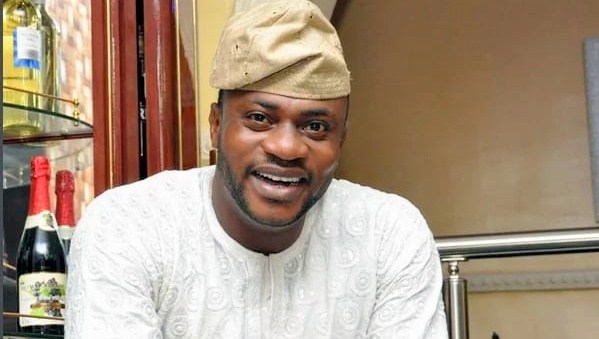
King of the Screen: Why Odunlade, Muyiwa, Femi Adebayo Remain Yoruba Movie Giants
The Yoruba movie industry has continued to produce legendary talents whose influence stretches beyond Nigeria to global audiences. Over the years, some actors have distinguished themselves through consistency, versatility, box office success, and cultural impact.
Among the numerous stars in Nollywood’s Yoruba sector, three actors have remained dominant figures whose names constantly resonate with fans and filmmakers alike — Odunlade Adekola, Muyiwa Ademola, and Femi Adebayo.

Odunlade Adekola: The Street King of Yoruba Cinema
Popularly regarded as one of the most entertaining actors in Nollywood, Odunlade Adekola has built a unique reputation through his energetic delivery, comic timing, emotional depth, and strong connection with grassroots audiences.
From comedy to action and emotional family dramas, the actor has consistently proven his versatility in blockbuster productions. His ability to interpret diverse roles effortlessly has made him a household name across Nigeria.
Industry observers believe his dominance on social media platforms, where his movie clips frequently go viral, has further strengthened his popularity among younger audiences.
Beyond acting, Odunlade has also contributed immensely to mentoring upcoming talents and expanding the commercial value of Yoruba films.
Muyiwa Ademola: The Master Storyteller

For many lovers of indigenous movies, Muyiwa Ademola remains one of the finest storytellers the Yoruba film industry has produced.
Widely respected for producing emotional and morally driven movies, the actor earned massive recognition through classic productions that focused on family values, culture, betrayal, perseverance, and societal lessons.
His calm delivery, deep scripts, and originality have kept him relevant despite changing trends in the entertainment industry.
Film critics often describe Muyiwa Ademola as one of the few actors whose productions combine entertainment with strong cultural education, making his movies timeless among older and younger viewers alike.
Femi Adebayo: The Modern-Day Box Office Force

Femi Adebayo has successfully combined traditional Yoruba storytelling with modern cinematic excellence, helping to project indigenous films to international audiences.
The actor, filmmaker, and producer has recorded major successes with high-budget productions that gained attention on streaming platforms and cinemas.
Known for his professionalism and attention to detail, Femi Adebayo has continued to push Yoruba movies beyond local boundaries while preserving cultural identity.
Entertainment analysts say his ability to blend culture, technology, and quality production has positioned him among the leading faces shaping the future of Yoruba cinema.
Growing Global Influence
The success of these actors reflects the increasing acceptance of indigenous Nigerian content globally. With streaming platforms creating wider access to local movies, Yoruba actors are now gaining international recognition and attracting new audiences.
Fans and stakeholders in the entertainment industry believe the contributions of Odunlade Adekola, Muyiwa Ademola, and Femi Adebayo have not only sustained Yoruba culture through film but have also elevated Nollywood’s global reputation.
celebrity radar - gossips
Eid-el-Kabir: Olowu of Kuta Urges Peace, Unity, Selflessness Among Nigerians
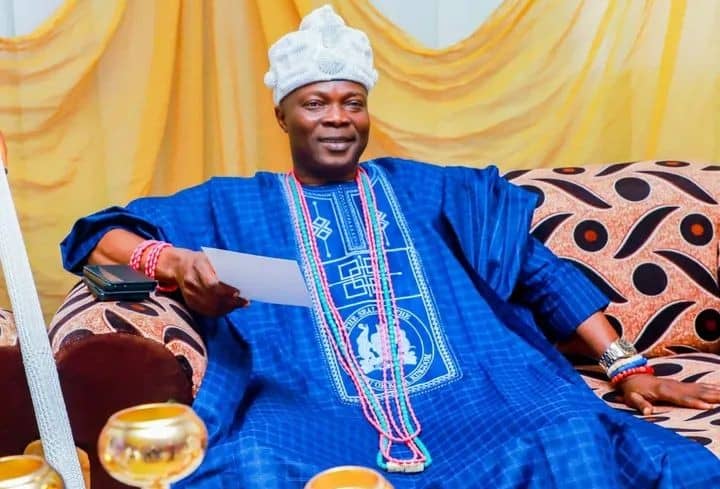
Eid-el-Kabir: Olowu of Kuta Urges Peace, Unity, Selflessness Among Nigerians
The Olowu of Kuta, HRM Oba Dr. Hammed Makama Oyelude, CON, Tegbosun III, has called on the Muslim Ummah and all Nigerians to make peace, unity, and selflessness their guiding principles as the world marks this year’s Eid-el-Kabir celebration.
In his Sallah message, the revered monarch described Eid-el-Kabir as a “highly spiritual occasion that demands dedication, commitment, and selflessness.”
Oba Makama said the period should be used to reflect on societal happenings and promote messages of hope and unity without inciting provocation.
He urged Nigerians to live together harmoniously, irrespective of religious, political, or tribal affiliations, stressing that politicians should exercise restraint and avoid inflammatory rhetoric ahead of the 2027 general elections.
“What should be uppermost in the mind of every patriotic Nigerian is **‘Country first,’” he said.
The monarch also appealed to citizens to remain vigilant in the face of insecurity, reassuring that the armed forces and paramilitary agencies are working round the clock to ensure a smooth and peaceful celebration.
“The price wise men pay for eternal liberty is vigilance. I urge everyone to celebrate moderately and extend a helping hand to the less privileged, widows, and orphans, embracing them as our brothers and sisters,” Olowu Makama added.
He concluded by wishing all Nigerians a peaceful and fulfilling Eid-el-Kabir celebration.
celebrity radar - gossips
Oba Babatunde Saliu Elebo II Felicitates Muslims on Eid-el-Kabir Celebration
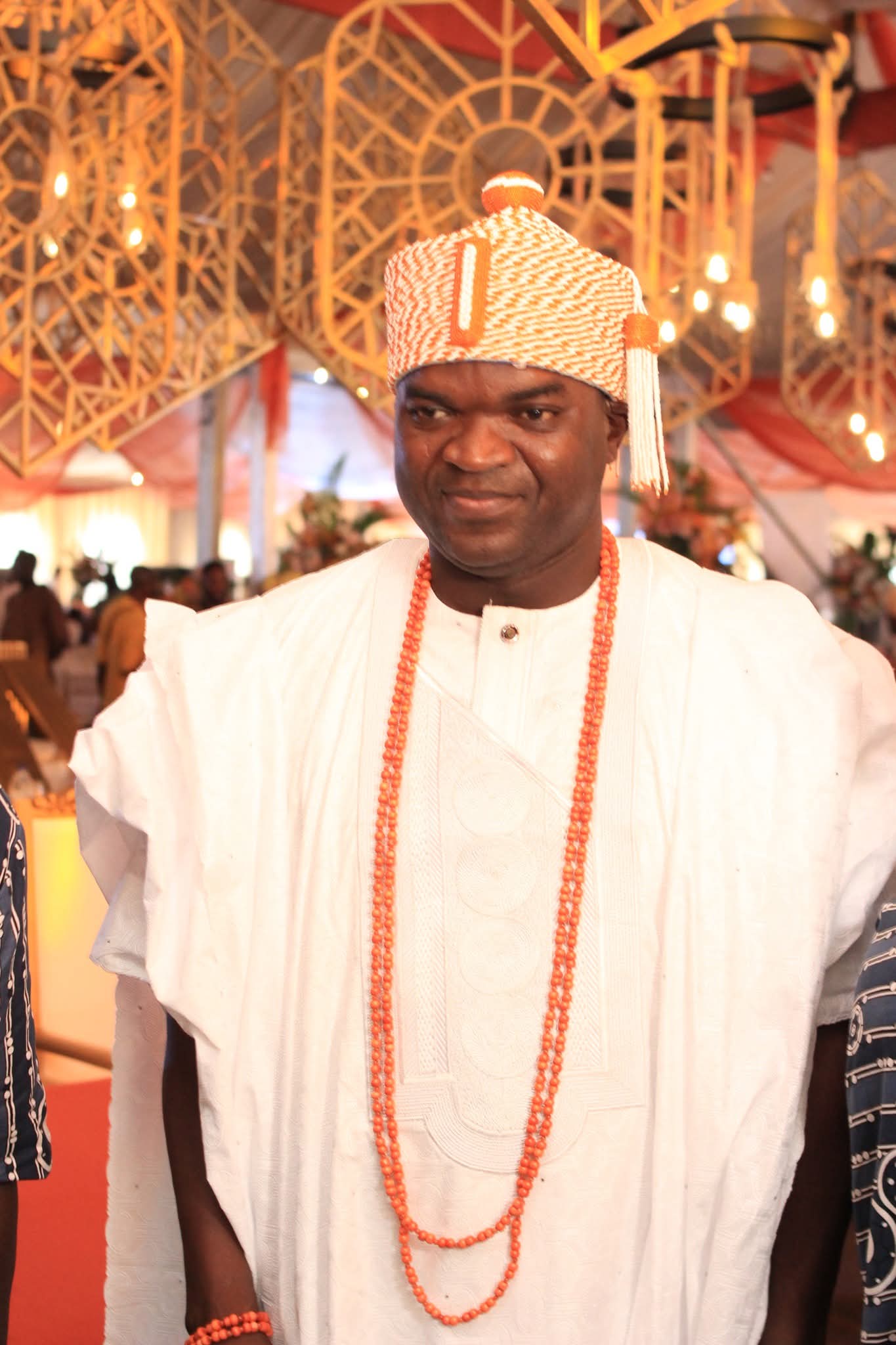
Oba Babatunde Saliu Elebo II Felicitates Muslims on Eid-el-Kabir Celebration
By Adeyemi Obadimu Veron
The Oloworo of Oworosoki Kingdom, Oba Babatunde Saliu Elebo II, has extended warm greetings and heartfelt felicitations to Muslims across Nigeria and the world at large on the joyous occasion of the 2026 Eid-el-Kabir celebration.
In a statement made available to Newsmen, the revered monarch urged Muslims to embrace the true teachings of Islam by promoting peace, love, unity, sacrifice, and compassion during and after the festive period.
Oba Babatunde Saliu Elebo II noted that Eid-el-Kabir, also known as Salah, remains one of the most significant celebrations in Islam as it symbolizes total obedience, faith, and devotion to Almighty Allah, drawing inspiration from the unwavering sacrifice of Prophet Ibrahim (Abraham), who demonstrated complete submission to the will of God.
According to the monarch, the Holy Qur’an teaches believers the importance of righteousness, kindness to humanity, tolerance, and support for the less privileged in society. He emphasized that the season should serve as a reminder for all Nigerians to live in harmony irrespective of religion, ethnicity, or political differences.
The royal father further called on Muslims to use the sacred period to pray fervently for peace, stability, economic growth, and sustainable development in Nigeria, stressing that national progress can only thrive in an atmosphere of unity and mutual understanding.
Oba Saliu also encouraged the faithful to extend hands of generosity to widows, orphans, and vulnerable members of society, noting that the essence of Eid-el-Kabir goes beyond celebration and feasting, but also reflects the spirit of sharing and caring for humanity as instructed in the Qur’an.
While wishing Muslims a peaceful and memorable Eid celebration, the Oloworo of Oworosoki prayed for divine blessings, prosperity, good health, and continued harmony in homes and communities.
“May this year’s Eid-el-Kabir strengthen our faith, deepen our love for one another, and bring renewed hope and abundant blessings to our nation,” the monarch stated.


- Pitcher Awards Announces 2026 Winners, Marking a Landmark Year for Pan‑African Creativity May 30, 2026
- Ghana Commemorates 78th International Day of United Nations Peacekeepers May 30, 2026
- South Africa: President Ramaphosa receives second interim report of Madlanga Commission May 30, 2026
- Asmara Marathon 2026 to be held May 30, 2026
- Powerful call for dialogue and compromise to secure peace in South Sudan issued on International Peacekeepers Day May 30, 2026
- Over 1,000 Participants Join Rwenzori Marathon Activation Run in Mombasa May 30, 2026
- World Health Organization (WHO) actively participated in the 2nd Summit on Healthcare Integration in Portuguese-speaking countries May 30, 2026
- Annual Meetings (AM) 2026: “Africa has what It takes” - Experts call for stronger financial systems to help Africa mobilise capital at scale May 30, 2026
- Eritrea Participates at Organization of African, Caribbean and Pacific States Meetings May 30, 2026
- Annual Meetings 2026 (AM2026): African Development Bank Group’s 2025 Annual Report Highlights Strong Results and a New Chapter for Africa’s Transformation May 29, 2026
- Pitcher Awards Announces 2026 Winners, Marking a Landmark Year for Pan‑African Creativity May 30, 2026
- Ghana Commemorates 78th International Day of United Nations Peacekeepers May 30, 2026
- South Africa: President Ramaphosa receives second interim report of Madlanga Commission May 30, 2026
- Asmara Marathon 2026 to be held May 30, 2026
- Powerful call for dialogue and compromise to secure peace in South Sudan issued on International Peacekeepers Day May 30, 2026
- Over 1,000 Participants Join Rwenzori Marathon Activation Run in Mombasa May 30, 2026
- World Health Organization (WHO) actively participated in the 2nd Summit on Healthcare Integration in Portuguese-speaking countries May 30, 2026
-

 news6 months ago
WHO REALLY OWNS MONIEPOINT? The $290 Million Deal That Sold Nigeria’s Top Fintech to Foreign Interests
-

 society4 weeks ago
SOCIAL MEDIA IS NOT A BATTLEFIELD COMMAND – WHY THE NIGERIAN ARMY’S ACTION AGAINST JUSTICE CRACK IS A NATIONAL SECURITY IMPERATIVE
-

 celebrity radar - gossips4 months ago
Dr. Chris Okafor Returns with Power and Fire of the Spirit -Mounts Grace Nation Altar with Fresh Anointing and Restoration Grace on February 1, 2026
-

 celebrity radar - gossips6 months ago
Prophet Kingsley Aitafo Releases 2026 Prophecy: ‘Nigeria Will Rise, but the World Must Prepare for Turbulence’