
celebrity radar - gossips
The Pride of a People: Unveiling the Majestic Heritage of the Itsekiri Nation


The Pride of a People: Unveiling the Majestic Heritage of the Itsekiri Nation
By George Omagbemi Sylvester
The Itsekiri people, an ethnic group of immense historical depth and regal legacy, are the proud custodians of one of Nigeria’s most fascinating and sophisticated cultures. Anchored in the oil-rich Niger Delta, particularly in Warri, Delta State, the Itsekiri heritage is a testament to centuries of resilience, royalty and refined civilization. Their traditions, clothing, cuisine and royal institutions are not only symbols of ethnic identity but also living proof of a people who have embraced modernity without surrendering their roots.

To speak of the Itsekiri is to speak of pride, fierce, dignified and unapologetic pride. As the Itsekiri proverb goes, “Ogwa no r’ode,” meaning, “A stranger does not surpass the native in knowledge of the town.” This reflects their deep awareness of who they are and their resolute determination to guard their cultural inheritance.
A Royal Lineage with Global Ties
The Itsekiri monarchy is one of the oldest and most respected institutions in West Africa. The Olu of Warri, as the paramount ruler, is not merely a ceremonial figure but a unifier, a symbol of continuity and a revered custodian of tradition. The Itsekiri monarchy traces its origin to 1480 AD, when Ginuwa I, a Benin prince and son of Oba Olua of the Benin Kingdom, migrated and established the Warri Kingdom. This makes the Itsekiri monarchy one of the longest uninterrupted dynasties in sub-Saharan Africa.
Their kings have had historical engagements with European powers as early as the 16th century. Olu Atuwatse I, who ruled in the 1620s, studied in Portugal and was the first sub-Saharan monarch to read and write in Portuguese. He returned with European education, Christianity and diplomatic networks, long before most African rulers had any contact with the Western world.

Today, the revered Ogiame Atuwatse III CFR, crowned in August 2021, stands tall as a modern and visionary monarch. A Harvard-trained intellectual and advocate for youth development, women empowerment and cultural revival, he exemplifies what a 21st-century African king should be, rooted in tradition, yet progressive in outlook. His leadership has revived global interest in the Itsekiri culture and identity.
As former President Goodluck Jonathan once said, “The Itsekiri nation, through its kings and people, has always demonstrated a rare fusion of civilization and cultural rootedness.” That rare blend is what continues to set the Itsekiri apart.
Language and Identity
The Itsekiri language, often described as melodious and deeply expressive, is a Yoruboid language but distinct in its vocabulary and syntax, reflecting centuries of interaction with the Portuguese, Bini and Urhobo cultures. It remains a crucial symbol of ethnic pride. The Itsekiri people have preserved this language despite years of colonial attempts at erasure and post-colonial neglect.

Language is not merely communication, it is identity. As Chinua Achebe famously said, “A people without the knowledge of their past history, origin and culture is like a tree without roots.” The Itsekiri, with their language and oral traditions, remain firmly rooted.
Clothing: Royalty Woven in Silk and Coral
The traditional attire of the Itsekiri people is a statement of elegance and nobility. For men, the signature outfit includes the long embroidered shirt known as “Kemeje,” worn over George wrappers tied around the waist, often accompanied by coral beads and a walking stick, symbolic of elder status or respect. Women adorn themselves with intricately tied wrappers, lace blouses and headscarves (gele), all lavishly styled with beads and gold jewelry.
During royal events and cultural festivals such as the Olu’s coronation anniversary, the entire Warri Kingdom becomes a canvas of color, grace and historical reenactments. Every piece of cloth tells a story, every bead echoes history. Their clothing is not just fashion; it is heritage in motion.

Cuisine: A Taste of the Delta
Itsekiri cuisine is a delightful journey into the heart of the Niger Delta. Dominated by seafood and rich spices, their dishes reflect both geographic blessings and cultural uniqueness. Meals such as banga soup, owho soup, starch and a variety of smoked fish dishes are staples that delight both locals and visitors.
Their use of palm oil, periwinkles, shrimps and pepper creates a culinary experience unmatched in Nigeria. As Nigerian food critic Ozoz Sokoh writes, “Itsekiri food is a celebration of river and land, a cuisine that tells a story of a people who live in harmony with their environment.”
Festivals and Cultural Celebrations
The Itsekiri people celebrate numerous festivals, the most prominent being the Olu’s Coronation Festival, Oloibiri and Iwere Day events that draw thousands of visitors, cultural troupes and dignitaries from across the globe. These festivals are moments of reconnection with history, ancestors and royal traditions.
Drumming, boat regattas, traditional dances and symbolic rituals during these festivals underscore the Itsekiri belief in spirituality, community and ancestral reverence. They are not just festivities; they are sacred observances that bind generations together.
Diaspora Strength and Global Recognition

The Itsekiri are also notable for their achievements in the diaspora. From the United States to South Africa and the United Kingdom, Itsekiris have excelled in business, politics, academia and the arts. Organizations such as Ugbajo Itsekiri USA, Ugbajo Itsekiri South Africa, and Itsekiri National Youth Council (INYC) continue to promote Itsekiri interests abroad, supporting community projects, education and health outreach back home.
As Mr. Eyitemi Jakpa, Chairman of Ugbajo Itsekiri South Africa, passionately declared: “We carry the name of Itsekiri with dignity. Even far from home, our hearts beat for Iwere Kingdom.”
Indeed, from Nigeria to the United Kingdom, to the United States of America and to South Africa, we are the pride, unyielding, exceptional and royal. The Itsekiri are not just surviving in the diaspora; they are thriving, leading and preserving their cultural flame in a world desperate for authenticity.
Challenges and the Future
Despite their noble heritage, the Itsekiri have not been spared the challenges of marginalization, underdevelopment and political neglect, particularly in the Niger Delta region. Oil exploitation has brought wealth to the federal coffers but little development to Itsekiri communities.
However, their history teaches resilience. Like the waters that surround them, the Itsekiri bend but do not break. Through advocacy, strategic alliances and cultural unity, they continue to demand their rightful place in Nigeria’s socio-political landscape.
As constitutional lawyer and elder statesman Prof. Itse Sagay once remarked, “The Itsekiri may be small in number, but their contribution to Nigerian civilization, politics and economy is monumental.”
Conclusion: Iwere people no dey Carry Last
In the final analysis, the Itsekiri are not just an ethnic group, they are a statement. A statement of nobility, elegance, intellect and pride. From their royal lineage to their colorful garments, from their rich language to their diaspora influence, the Itsekiri remain one of the brightest gems in Nigeria’s cultural crown.
Their story is not just of kings and palaces, but of a people who never lost sight of who they are. A people who have walked with Portuguese explorers, traded with the Dutch, resisted colonial aggression and now shine in boardrooms, universities, parliaments and palaces across the globe.
Let it be echoed in every corner of the world: “Iwere people no dey carry last.” The Itsekiri remain unshaken, proud and ever forward-looking; symbols of what it means to be African, noble and eternally dignified.




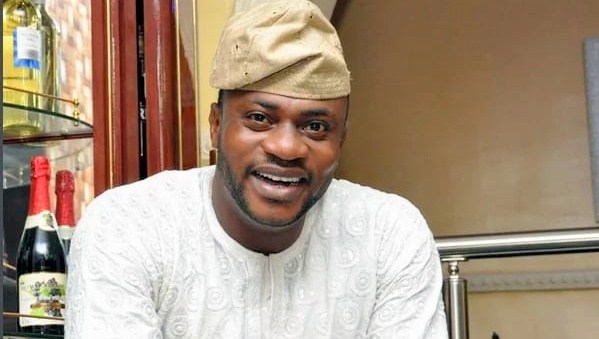
King of the Screen: Why Odunlade, Muyiwa, Femi Adebayo Remain Yoruba Movie Giants
The Yoruba movie industry has continued to produce legendary talents whose influence stretches beyond Nigeria to global audiences. Over the years, some actors have distinguished themselves through consistency, versatility, box office success, and cultural impact.
Among the numerous stars in Nollywood’s Yoruba sector, three actors have remained dominant figures whose names constantly resonate with fans and filmmakers alike — Odunlade Adekola, Muyiwa Ademola, and Femi Adebayo.

Odunlade Adekola: The Street King of Yoruba Cinema
Popularly regarded as one of the most entertaining actors in Nollywood, Odunlade Adekola has built a unique reputation through his energetic delivery, comic timing, emotional depth, and strong connection with grassroots audiences.
From comedy to action and emotional family dramas, the actor has consistently proven his versatility in blockbuster productions. His ability to interpret diverse roles effortlessly has made him a household name across Nigeria.
Industry observers believe his dominance on social media platforms, where his movie clips frequently go viral, has further strengthened his popularity among younger audiences.
Beyond acting, Odunlade has also contributed immensely to mentoring upcoming talents and expanding the commercial value of Yoruba films.
Muyiwa Ademola: The Master Storyteller

For many lovers of indigenous movies, Muyiwa Ademola remains one of the finest storytellers the Yoruba film industry has produced.
Widely respected for producing emotional and morally driven movies, the actor earned massive recognition through classic productions that focused on family values, culture, betrayal, perseverance, and societal lessons.
His calm delivery, deep scripts, and originality have kept him relevant despite changing trends in the entertainment industry.
Film critics often describe Muyiwa Ademola as one of the few actors whose productions combine entertainment with strong cultural education, making his movies timeless among older and younger viewers alike.
Femi Adebayo: The Modern-Day Box Office Force

Femi Adebayo has successfully combined traditional Yoruba storytelling with modern cinematic excellence, helping to project indigenous films to international audiences.
The actor, filmmaker, and producer has recorded major successes with high-budget productions that gained attention on streaming platforms and cinemas.
Known for his professionalism and attention to detail, Femi Adebayo has continued to push Yoruba movies beyond local boundaries while preserving cultural identity.
Entertainment analysts say his ability to blend culture, technology, and quality production has positioned him among the leading faces shaping the future of Yoruba cinema.
Growing Global Influence
The success of these actors reflects the increasing acceptance of indigenous Nigerian content globally. With streaming platforms creating wider access to local movies, Yoruba actors are now gaining international recognition and attracting new audiences.
Fans and stakeholders in the entertainment industry believe the contributions of Odunlade Adekola, Muyiwa Ademola, and Femi Adebayo have not only sustained Yoruba culture through film but have also elevated Nollywood’s global reputation.
celebrity radar - gossips
Eid-el-Kabir: Olowu of Kuta Urges Peace, Unity, Selflessness Among Nigerians
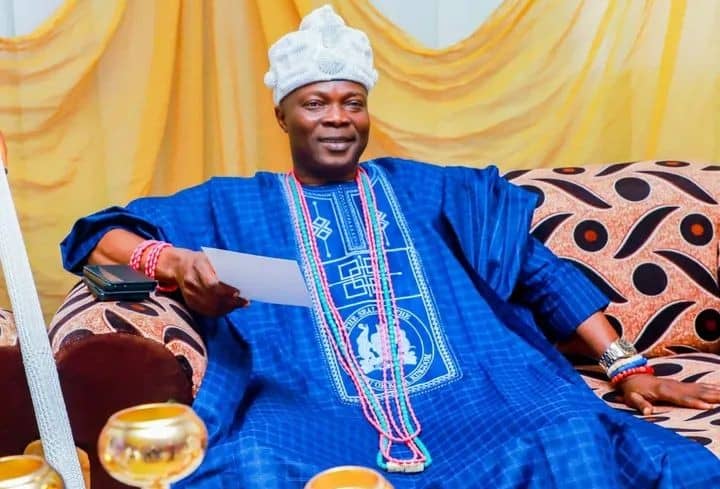
Eid-el-Kabir: Olowu of Kuta Urges Peace, Unity, Selflessness Among Nigerians
The Olowu of Kuta, HRM Oba Dr. Hammed Makama Oyelude, CON, Tegbosun III, has called on the Muslim Ummah and all Nigerians to make peace, unity, and selflessness their guiding principles as the world marks this year’s Eid-el-Kabir celebration.
In his Sallah message, the revered monarch described Eid-el-Kabir as a “highly spiritual occasion that demands dedication, commitment, and selflessness.”
Oba Makama said the period should be used to reflect on societal happenings and promote messages of hope and unity without inciting provocation.
He urged Nigerians to live together harmoniously, irrespective of religious, political, or tribal affiliations, stressing that politicians should exercise restraint and avoid inflammatory rhetoric ahead of the 2027 general elections.
“What should be uppermost in the mind of every patriotic Nigerian is **‘Country first,’” he said.
The monarch also appealed to citizens to remain vigilant in the face of insecurity, reassuring that the armed forces and paramilitary agencies are working round the clock to ensure a smooth and peaceful celebration.
“The price wise men pay for eternal liberty is vigilance. I urge everyone to celebrate moderately and extend a helping hand to the less privileged, widows, and orphans, embracing them as our brothers and sisters,” Olowu Makama added.
He concluded by wishing all Nigerians a peaceful and fulfilling Eid-el-Kabir celebration.
celebrity radar - gossips
Oba Babatunde Saliu Elebo II Felicitates Muslims on Eid-el-Kabir Celebration
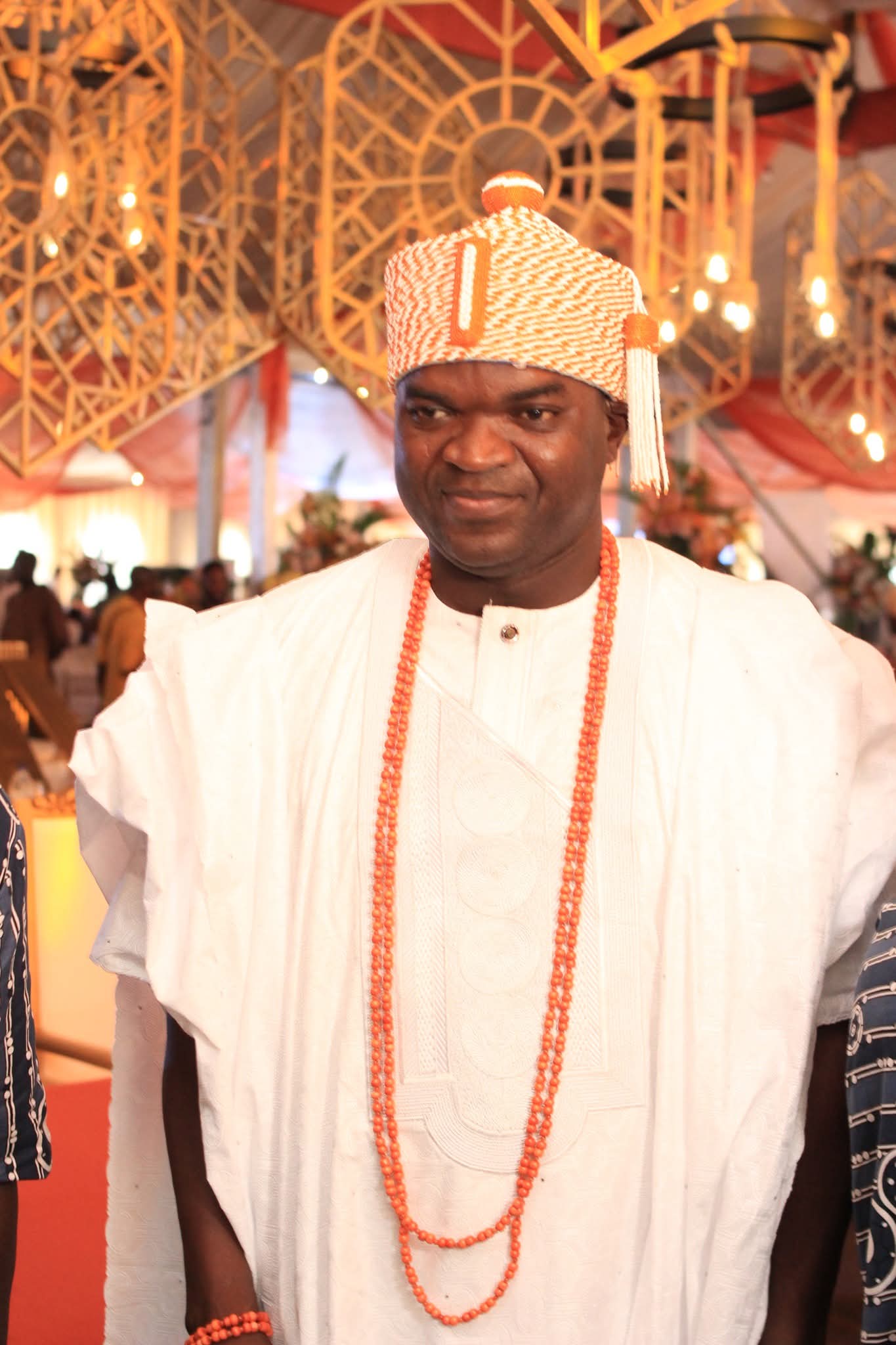
Oba Babatunde Saliu Elebo II Felicitates Muslims on Eid-el-Kabir Celebration
By Adeyemi Obadimu Veron
The Oloworo of Oworosoki Kingdom, Oba Babatunde Saliu Elebo II, has extended warm greetings and heartfelt felicitations to Muslims across Nigeria and the world at large on the joyous occasion of the 2026 Eid-el-Kabir celebration.
In a statement made available to Newsmen, the revered monarch urged Muslims to embrace the true teachings of Islam by promoting peace, love, unity, sacrifice, and compassion during and after the festive period.
Oba Babatunde Saliu Elebo II noted that Eid-el-Kabir, also known as Salah, remains one of the most significant celebrations in Islam as it symbolizes total obedience, faith, and devotion to Almighty Allah, drawing inspiration from the unwavering sacrifice of Prophet Ibrahim (Abraham), who demonstrated complete submission to the will of God.
According to the monarch, the Holy Qur’an teaches believers the importance of righteousness, kindness to humanity, tolerance, and support for the less privileged in society. He emphasized that the season should serve as a reminder for all Nigerians to live in harmony irrespective of religion, ethnicity, or political differences.
The royal father further called on Muslims to use the sacred period to pray fervently for peace, stability, economic growth, and sustainable development in Nigeria, stressing that national progress can only thrive in an atmosphere of unity and mutual understanding.
Oba Saliu also encouraged the faithful to extend hands of generosity to widows, orphans, and vulnerable members of society, noting that the essence of Eid-el-Kabir goes beyond celebration and feasting, but also reflects the spirit of sharing and caring for humanity as instructed in the Qur’an.
While wishing Muslims a peaceful and memorable Eid celebration, the Oloworo of Oworosoki prayed for divine blessings, prosperity, good health, and continued harmony in homes and communities.
“May this year’s Eid-el-Kabir strengthen our faith, deepen our love for one another, and bring renewed hope and abundant blessings to our nation,” the monarch stated.


- African Development Bank 2026 Annual Meetings: Governors Endorse the Four Cardinal Points and Call for Accelerated Reform of Africa’s Financial Architecture May 31, 2026
- Annual Meetings (AM) 2026: The African Development Bank Group’s Rome Process/Mattei Plan Financing Facility announces Clean Cooking Program at 2026 Annual Meetings May 31, 2026
- Economic Community of West African States (ECOWAS) has Deployed a Technical Mission to Observe the Legislative and Local Elections of May 31, 2026 in Guinea May 31, 2026
- President Herminie Attends Seychelles Football Federation (SFF) Cup Final and Presents Trophy to Bazar Brothers FC May 31, 2026
- ‘You are not alone’: World Health Organization (WHO) chief vows to stand with Democratic Republic of the Congo (DR Congo) through Ebola outbreak May 31, 2026
- United Arab Emirates (UAE) Expresses Solidarity with Kenya and Conveys Condolences over Victims of Girls’ School Dormitory Fire May 31, 2026
- Pitcher Awards Announces 2026 Winners, Marking a Landmark Year for Pan‑African Creativity May 30, 2026
- Ghana Commemorates 78th International Day of United Nations Peacekeepers May 30, 2026
- South Africa: President Ramaphosa receives second interim report of Madlanga Commission May 30, 2026
- Asmara Marathon 2026 to be held May 30, 2026
- African Development Bank 2026 Annual Meetings: Governors Endorse the Four Cardinal Points and Call for Accelerated Reform of Africa’s Financial Architecture May 31, 2026
- Annual Meetings (AM) 2026: The African Development Bank Group’s Rome Process/Mattei Plan Financing Facility announces Clean Cooking Program at 2026 Annual Meetings May 31, 2026
- Economic Community of West African States (ECOWAS) has Deployed a Technical Mission to Observe the Legislative and Local Elections of May 31, 2026 in Guinea May 31, 2026
- President Herminie Attends Seychelles Football Federation (SFF) Cup Final and Presents Trophy to Bazar Brothers FC May 31, 2026
- ‘You are not alone’: World Health Organization (WHO) chief vows to stand with Democratic Republic of the Congo (DR Congo) through Ebola outbreak May 31, 2026
- United Arab Emirates (UAE) Expresses Solidarity with Kenya and Conveys Condolences over Victims of Girls’ School Dormitory Fire May 31, 2026
- Pitcher Awards Announces 2026 Winners, Marking a Landmark Year for Pan‑African Creativity May 30, 2026
-

 news6 months ago
WHO REALLY OWNS MONIEPOINT? The $290 Million Deal That Sold Nigeria’s Top Fintech to Foreign Interests
-

 society4 weeks ago
SOCIAL MEDIA IS NOT A BATTLEFIELD COMMAND – WHY THE NIGERIAN ARMY’S ACTION AGAINST JUSTICE CRACK IS A NATIONAL SECURITY IMPERATIVE
-

 celebrity radar - gossips4 months ago
Dr. Chris Okafor Returns with Power and Fire of the Spirit -Mounts Grace Nation Altar with Fresh Anointing and Restoration Grace on February 1, 2026
-

 celebrity radar - gossips6 months ago
Prophet Kingsley Aitafo Releases 2026 Prophecy: ‘Nigeria Will Rise, but the World Must Prepare for Turbulence’