
celebrity radar - gossips
The Transformative Leadership of General Tukur Yusufu Buratai, CFR: A Case Study for Military Leaders in Africa

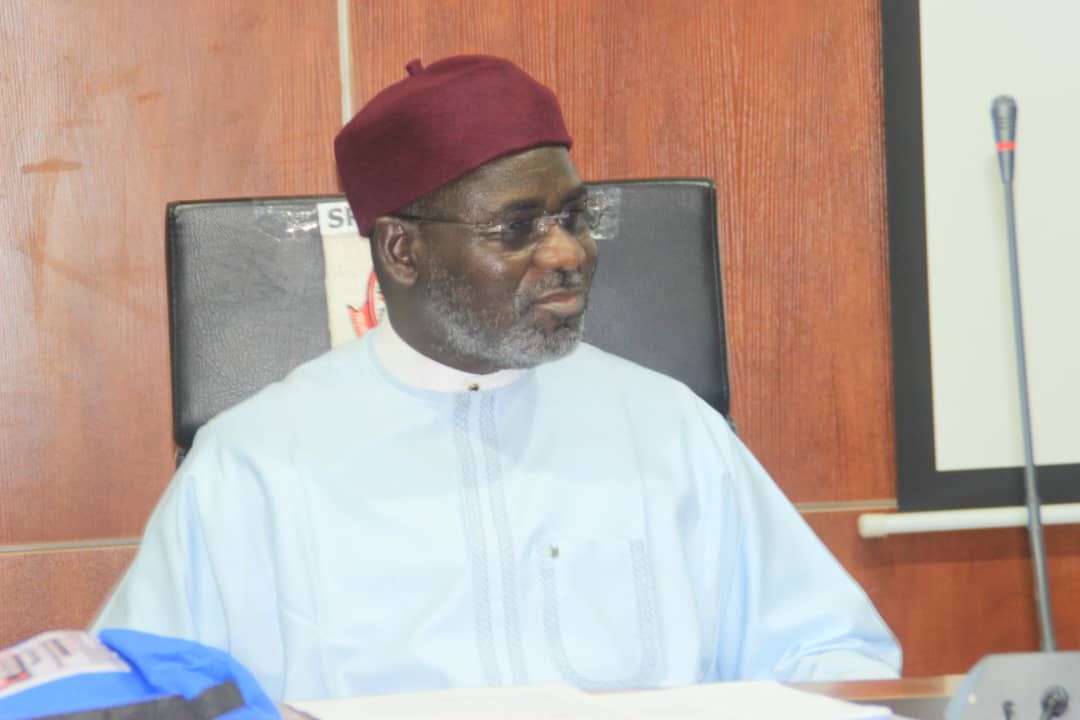
The Transformative Leadership of General Tukur Yusufu Buratai, CFR: A Case Study for Military Leaders in Africa
MS Abubakar, PhD,CAS,FICRPC
1. Introduction to General Tukur Yusufu Buratai and the Context of Military Leadership in Africa
This case study presents a comprehensive analysis of the transformative leadership of General Tukur Yusufu Buratai,CFR, a highly respected military leader with a distinguished background in peacekeeping and conflict resolution who has devoted his entire professional life to the noble cause of public service. General Tukur Yusufu Buratai’s remarkable life experiences and extensive knowledge stand as a powerful testament to what an effective, ethical, and visionary leader can achieve in the face of adversity and challenges. He embodies the demographic, personal, and intellectual qualities that African nations, as well as other developing countries, are actively seeking in their military leaders to guide them toward stability and progress. Furthermore, this study delves into an exploration of the broader context within which generals operate, shedding light on the complex and often difficult decisions and actions they must undertake on a regular basis in their leadership roles. The findings and insights contained within this study are intended to serve as a valuable resource for both military academics and practitioners engaged in the critical field of leadership development. Africa, in particular, stands out as perhaps the most significant region where military leaders occupy a prominent and influential place in the socio-political and economic management of their nations, especially in the midst of ongoing conflicts and wars. This prominence can be attributed to the unique historical background of the states and their peoples, which shapes the dynamics of military leadership and its impact on national stability and growth.

2. Key Principles and Strategies of Transformative Leadership Demonstrated by General Tukur Yusufu
The experiences of General Tukur Yusufu Buratai provide an interesting case study in what makes some military leaders examples of transformative leaders. The strategies and principles that led him to be considered a transformative leader are: 1. Promoting adaptability and being open to new innovative concepts and strategies. 2. Making participation more inclusive. 3. Visualizing the strategic endpoint or vision and using that to inspire change in the organization. 4. Using collaboration and building trust to support the operational needs of the army. 5. Recognizing that not all change to the army was intended. He focused a significant amount of his change effort on bolstering the good organization of his peers in order to help the army build resilience in the face of the inevitable transformation, firing, and elimination. Army transformation for Buratai was about people and operations – learning, creativity, openness, and change were the underlying principles linking the campaigns he sought. This further examines the principles and strategies of General Buratai’s force shaping campaign in Chad and Nigeria and the organizational culture initiatives. At each step, case studies and detailed operational narratives will be used to illustrate the application of Buratai’s military leadership principles and the military techniques that he developed as part of his efforts. In doing so, I hope to provide a contribution to the understanding of military officers and security sector reformers working in Africa today by not only describing Tukur Yusufu Buratai, but also critically examining who he was with and why this matters.
3. Impact and Legacy of General Tukur Yusufu’s Leadership on the Military and Society in Africa
The influence and impact of General Tukur Yusufu Buratai’s leadership transcended the military structures that he transformed during his tenure as the Chief of Army Staff. Through vision, strategic direction, creativity, perception, and above all, personal commitment, General Buratai refashioned the conduct of African military institutions. He transformed command cultures, doctrine, and operational strategies for increased military capabilities and responsiveness. Moreover, his style and instincts bestowed a lasting legacy upon the societies across Africa. He invested in the persons behind the uniforms. It is in these societal changes that this narrative locates some of the unique leadership tenets that each of Buratai’s activities relates to. A detailed approach to his initiatives will demonstrate how and why African soldiers consider Tukur Yusufu Buratai the foremost military leader in Africa and value his ideas and decade-long experimentation in military leadership.
General Tukur Yusufu Buratai undertook performance demonstrations despite the skepticism and opposition surrounding the initiatives. His dedication reflected a desire to enhance community engagement and fulfill social responsibilities, effectively linking military operations and their potential risks to civilian lives and livelihoods. The subsequent sections will detail and analyze the reforms he independently implemented within military structures and practices aimed at societal peace during his tenure as the second senior officer of the Nigerian Armed Forces. This narrative will adopt a pragmatic lens to evaluate the sincerity of his leadership commitment.
The impact of Tukur Yusufu Buratai’s leadership is evident within the Nigerian Army and throughout Africa (Chad,Cameroon,The Gambia, Sudan,Angola, Rwanda, South Africa etc). Through both minor interventions and significant military strategies and policy reforms enacted during his service, he exhibited profound insight and capability in ethical leadership alongside a relentless pursuit of reform. His innovative approach and investment in human talent transformed social dynamics as the professional military spearheaded operations across Africa. Socio-political discourse highlighted Buratai’s dedication and accountability, earning him widespread recognition. His leadership period in the Nigerian Army popularized the notion of linking military achievement with societal transformation. He redefined command in an unprecedented manner and scale, remaining resolute in aligning army policies and operations with both national and international developments. This unwavering commitment underscores the ongoing relevance of his teachings and discussions in shaping strategies for conflict prevention and resolution within the African sub-region. His concepts have become integral to the strategic framework of Nigeria and Africa, contributing to regional stability and facilitating international partnerships for military observer missions worldwide.
4. Comparative Analysis with Other Prominent Military Leaders in Africa
The General Tukur Yusufu Buratai leadership style also exemplifies the concentrated nature of a military leader. Societies with diverse contextual underpinnings in Africa have been subjugated by leaders who transformed their militaries for good governance. It is also crucial at this juncture to acknowledge prominent military leaders who took over power through a coup d’état in Nigeria. These leaders have also exhibited a leadership stance characterized by coercive methods, failing to institute democratic governance in the military. These lessons raise some fundamental points about the complete development that Tukur Yusufu Buratai brought about in Nigeria.
The cases involving leaders portray military leaders who attempted to transform their militaries in order to influence developmental governance through democracy and human security in their societies. One leader developed a well-recognized gender policy after a revolution in government, achieving significant gains in human capital development in his country. Another recognized the wealth of his society and also disdained disparities. In the cases of Tukur Yusufu Buratai and other African military leaders, we see military leaders consolidating power through repression, leading to an acceleration of state and military system collapse in society. In the above illustrations, the military leaders’ political, social, and cultural positions shaped the society’s politico-military responses to their actions, even as the rupture of systems and the energy produced were chronicled by the history of the era discussed. The comparative treatment of our investigation of these phenomena signifies an important bracket of thoughts in our subsequent analysis, policy implications, and conclusion.
5. Recommendations and Lessons for Current and Future Military Leaders in Africa
From the leadership research evidence, it is clear that General Tukur Yusufu Buratai has used various successful adaptive and transformational leadership practices during his career. Whether or not he was employing a contingency approach is unclear, but there is no doubt that he was an effective peacekeeper and achieved an impressively low conflict rate. To this end, there are several recommendations, insights, and lessons for current and future military and security forces in Africa. Fulfilling a nation’s pledge, army leaders around the world, such as General Buratai, must enhance the military-civilian contribution through participative learning, leadership cultures, and practices in order to achieve the course goals and outcomes. Based on the discussion of the leadership lessons of former Lieutenant General Tukur Yusufu Buratai,CFR, the following are some actions useful for leaders in this modern day.
- One of the most important factors in peace operations is ethical leadership, predisposing leaders and followers to higher levels of cooperation and positive outcomes. 2. Smart collaboration network skills, personal connection to a broader community, and the earlier involvement of key community members, including putting an emphasis on the connections to legitimacy, status, and recognition. 3. The choice of methods is rapidly innovating practices, and instead of relying on recipes or strict methods, organizations and groups of professionals and staff are encouraged to focus on professional development using the best evidence available. 4. The accumulated evidence is that the world is overwhelmed with talk of increasingly wicked problems. Periods of extreme, rapid technological and social change demand cultures of ongoing learning, innovation, and resilience. Highlighting the need for continued professional development and claiming this is in response to the seventh age of the West and global insecurities uncovers the capacity of defense practitioners.
Strategic communication is a core capability and skill to manage perceptions, conversations, improve understanding, and contribute to the strategic ends for groups, organizations, and governments that want to facilitate deeper regional forms of ethical engagement and strategic conversation. In this regard, many armchair critics have not managed military organizations, nor developed doctrine, strategies, or tactics. Clearly, it is an organization that is ready to innovate and improve communication policies and structures, engage with communities, and socialize law-abiding values, necessary to make relevant the significant strategic effects for community security. These will be in the interest of the people, and they are ideals for any organization.
In summary, Tukur Yusufu Buratai consistently demonstrated a deep interest in engaging with individuals, primarily through active listening, and subsequently guiding them toward his vision and leadership objectives. General Buratai is undoubtedly one of the most distinguished Army chiefs to have emerged in Nigeria and Africa. His bravery, innovative approach, transformational leadership style, and effective command and control strategies will serve as enduring benchmarks. He has already become a reference point in numerous military institutions across Nigeria. His unique brand of transformational leadership offers valuable lessons and dimensions for both military and civic leaders. Consequently, the professional insights gained during the Tukur era, while inherently tacit, have also been adapted to align with the rapidly evolving socio-political landscape characterized by insecurity. What is currently needed for leaders in public and social organizations is a comprehensive understanding of how to strategically reposition their organizations to address these challenges. This constitutes the central theme of this text.
MS Abubakar is affiliated with the Department of Military Studies at the Abuja Leadership Centre, University of Abuja. He composed this article from Maiduguri.





King of the Screen: Why Odunlade, Muyiwa, Femi Adebayo Remain Yoruba Movie Giants
The Yoruba movie industry has continued to produce legendary talents whose influence stretches beyond Nigeria to global audiences. Over the years, some actors have distinguished themselves through consistency, versatility, box office success, and cultural impact.
Among the numerous stars in Nollywood’s Yoruba sector, three actors have remained dominant figures whose names constantly resonate with fans and filmmakers alike — Odunlade Adekola, Muyiwa Ademola, and Femi Adebayo.

Odunlade Adekola: The Street King of Yoruba Cinema
Popularly regarded as one of the most entertaining actors in Nollywood, Odunlade Adekola has built a unique reputation through his energetic delivery, comic timing, emotional depth, and strong connection with grassroots audiences.
From comedy to action and emotional family dramas, the actor has consistently proven his versatility in blockbuster productions. His ability to interpret diverse roles effortlessly has made him a household name across Nigeria.
Industry observers believe his dominance on social media platforms, where his movie clips frequently go viral, has further strengthened his popularity among younger audiences.
Beyond acting, Odunlade has also contributed immensely to mentoring upcoming talents and expanding the commercial value of Yoruba films.
Muyiwa Ademola: The Master Storyteller

For many lovers of indigenous movies, Muyiwa Ademola remains one of the finest storytellers the Yoruba film industry has produced.
Widely respected for producing emotional and morally driven movies, the actor earned massive recognition through classic productions that focused on family values, culture, betrayal, perseverance, and societal lessons.
His calm delivery, deep scripts, and originality have kept him relevant despite changing trends in the entertainment industry.
Film critics often describe Muyiwa Ademola as one of the few actors whose productions combine entertainment with strong cultural education, making his movies timeless among older and younger viewers alike.
Femi Adebayo: The Modern-Day Box Office Force

Femi Adebayo has successfully combined traditional Yoruba storytelling with modern cinematic excellence, helping to project indigenous films to international audiences.
The actor, filmmaker, and producer has recorded major successes with high-budget productions that gained attention on streaming platforms and cinemas.
Known for his professionalism and attention to detail, Femi Adebayo has continued to push Yoruba movies beyond local boundaries while preserving cultural identity.
Entertainment analysts say his ability to blend culture, technology, and quality production has positioned him among the leading faces shaping the future of Yoruba cinema.
Growing Global Influence
The success of these actors reflects the increasing acceptance of indigenous Nigerian content globally. With streaming platforms creating wider access to local movies, Yoruba actors are now gaining international recognition and attracting new audiences.
Fans and stakeholders in the entertainment industry believe the contributions of Odunlade Adekola, Muyiwa Ademola, and Femi Adebayo have not only sustained Yoruba culture through film but have also elevated Nollywood’s global reputation.
celebrity radar - gossips
Eid-el-Kabir: Olowu of Kuta Urges Peace, Unity, Selflessness Among Nigerians
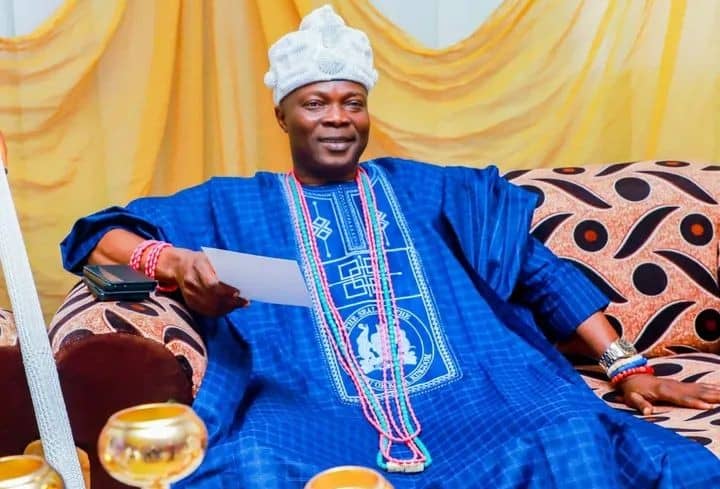
Eid-el-Kabir: Olowu of Kuta Urges Peace, Unity, Selflessness Among Nigerians
The Olowu of Kuta, HRM Oba Dr. Hammed Makama Oyelude, CON, Tegbosun III, has called on the Muslim Ummah and all Nigerians to make peace, unity, and selflessness their guiding principles as the world marks this year’s Eid-el-Kabir celebration.
In his Sallah message, the revered monarch described Eid-el-Kabir as a “highly spiritual occasion that demands dedication, commitment, and selflessness.”
Oba Makama said the period should be used to reflect on societal happenings and promote messages of hope and unity without inciting provocation.
He urged Nigerians to live together harmoniously, irrespective of religious, political, or tribal affiliations, stressing that politicians should exercise restraint and avoid inflammatory rhetoric ahead of the 2027 general elections.
“What should be uppermost in the mind of every patriotic Nigerian is **‘Country first,’” he said.
The monarch also appealed to citizens to remain vigilant in the face of insecurity, reassuring that the armed forces and paramilitary agencies are working round the clock to ensure a smooth and peaceful celebration.
“The price wise men pay for eternal liberty is vigilance. I urge everyone to celebrate moderately and extend a helping hand to the less privileged, widows, and orphans, embracing them as our brothers and sisters,” Olowu Makama added.
He concluded by wishing all Nigerians a peaceful and fulfilling Eid-el-Kabir celebration.
celebrity radar - gossips
Oba Babatunde Saliu Elebo II Felicitates Muslims on Eid-el-Kabir Celebration
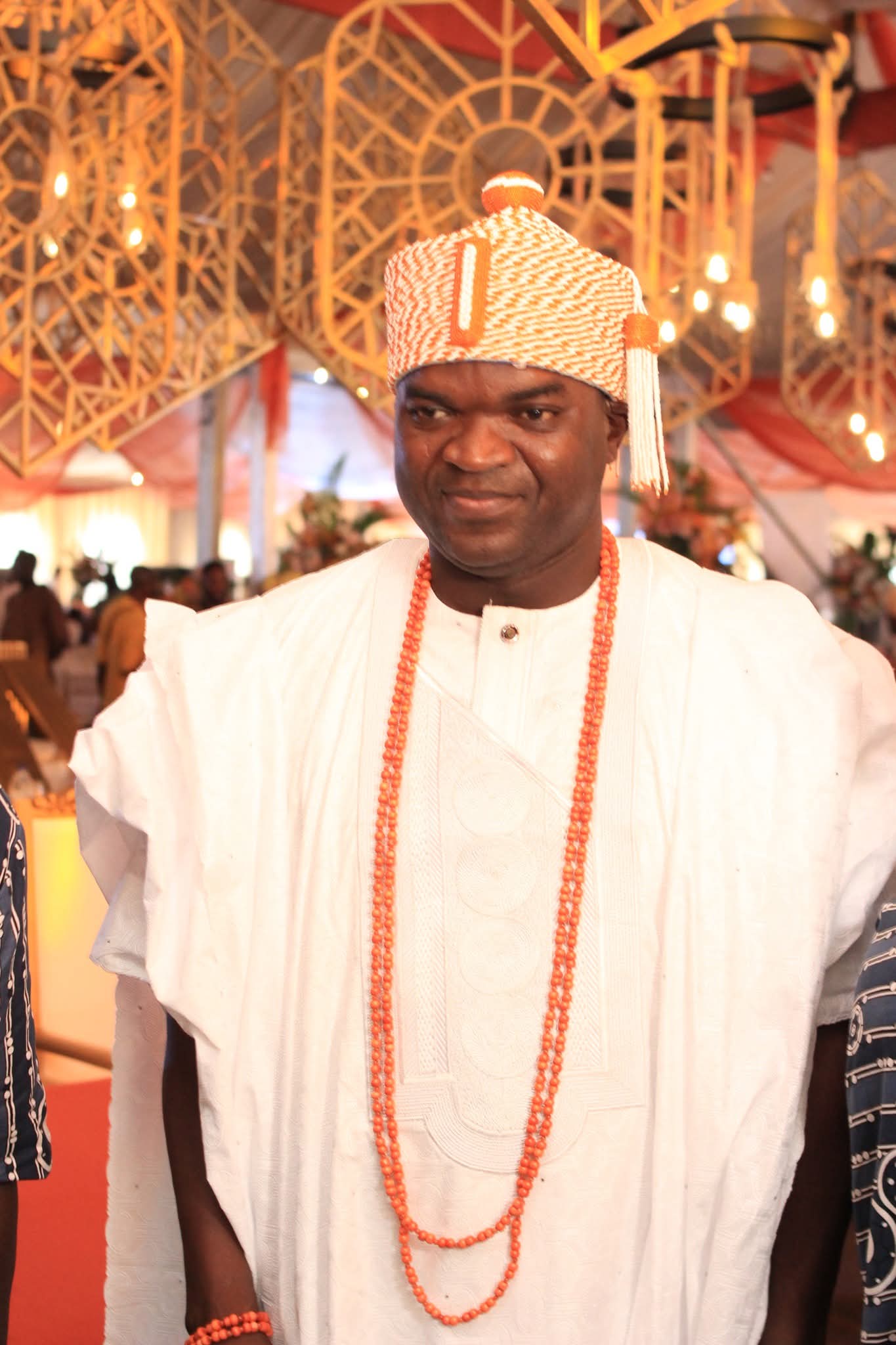
Oba Babatunde Saliu Elebo II Felicitates Muslims on Eid-el-Kabir Celebration
By Adeyemi Obadimu Veron
The Oloworo of Oworosoki Kingdom, Oba Babatunde Saliu Elebo II, has extended warm greetings and heartfelt felicitations to Muslims across Nigeria and the world at large on the joyous occasion of the 2026 Eid-el-Kabir celebration.
In a statement made available to Newsmen, the revered monarch urged Muslims to embrace the true teachings of Islam by promoting peace, love, unity, sacrifice, and compassion during and after the festive period.
Oba Babatunde Saliu Elebo II noted that Eid-el-Kabir, also known as Salah, remains one of the most significant celebrations in Islam as it symbolizes total obedience, faith, and devotion to Almighty Allah, drawing inspiration from the unwavering sacrifice of Prophet Ibrahim (Abraham), who demonstrated complete submission to the will of God.
According to the monarch, the Holy Qur’an teaches believers the importance of righteousness, kindness to humanity, tolerance, and support for the less privileged in society. He emphasized that the season should serve as a reminder for all Nigerians to live in harmony irrespective of religion, ethnicity, or political differences.
The royal father further called on Muslims to use the sacred period to pray fervently for peace, stability, economic growth, and sustainable development in Nigeria, stressing that national progress can only thrive in an atmosphere of unity and mutual understanding.
Oba Saliu also encouraged the faithful to extend hands of generosity to widows, orphans, and vulnerable members of society, noting that the essence of Eid-el-Kabir goes beyond celebration and feasting, but also reflects the spirit of sharing and caring for humanity as instructed in the Qur’an.
While wishing Muslims a peaceful and memorable Eid celebration, the Oloworo of Oworosoki prayed for divine blessings, prosperity, good health, and continued harmony in homes and communities.
“May this year’s Eid-el-Kabir strengthen our faith, deepen our love for one another, and bring renewed hope and abundant blessings to our nation,” the monarch stated.


- Pitcher Awards Announces 2026 Winners, Marking a Landmark Year for Pan‑African Creativity May 30, 2026
- Ghana Commemorates 78th International Day of United Nations Peacekeepers May 30, 2026
- South Africa: President Ramaphosa receives second interim report of Madlanga Commission May 30, 2026
- Asmara Marathon 2026 to be held May 30, 2026
- Powerful call for dialogue and compromise to secure peace in South Sudan issued on International Peacekeepers Day May 30, 2026
- Over 1,000 Participants Join Rwenzori Marathon Activation Run in Mombasa May 30, 2026
- World Health Organization (WHO) actively participated in the 2nd Summit on Healthcare Integration in Portuguese-speaking countries May 30, 2026
- Annual Meetings (AM) 2026: “Africa has what It takes” - Experts call for stronger financial systems to help Africa mobilise capital at scale May 30, 2026
- Eritrea Participates at Organization of African, Caribbean and Pacific States Meetings May 30, 2026
- Annual Meetings 2026 (AM2026): African Development Bank Group’s 2025 Annual Report Highlights Strong Results and a New Chapter for Africa’s Transformation May 29, 2026
- Pitcher Awards Announces 2026 Winners, Marking a Landmark Year for Pan‑African Creativity May 30, 2026
- Ghana Commemorates 78th International Day of United Nations Peacekeepers May 30, 2026
- South Africa: President Ramaphosa receives second interim report of Madlanga Commission May 30, 2026
- Asmara Marathon 2026 to be held May 30, 2026
- Powerful call for dialogue and compromise to secure peace in South Sudan issued on International Peacekeepers Day May 30, 2026
- Over 1,000 Participants Join Rwenzori Marathon Activation Run in Mombasa May 30, 2026
- World Health Organization (WHO) actively participated in the 2nd Summit on Healthcare Integration in Portuguese-speaking countries May 30, 2026
-

 news6 months ago
WHO REALLY OWNS MONIEPOINT? The $290 Million Deal That Sold Nigeria’s Top Fintech to Foreign Interests
-

 society4 weeks ago
SOCIAL MEDIA IS NOT A BATTLEFIELD COMMAND – WHY THE NIGERIAN ARMY’S ACTION AGAINST JUSTICE CRACK IS A NATIONAL SECURITY IMPERATIVE
-

 celebrity radar - gossips4 months ago
Dr. Chris Okafor Returns with Power and Fire of the Spirit -Mounts Grace Nation Altar with Fresh Anointing and Restoration Grace on February 1, 2026
-

 celebrity radar - gossips6 months ago
Prophet Kingsley Aitafo Releases 2026 Prophecy: ‘Nigeria Will Rise, but the World Must Prepare for Turbulence’