
Politics
“Tinubu Must Know That Buhari Doesn’t Want Him as President”

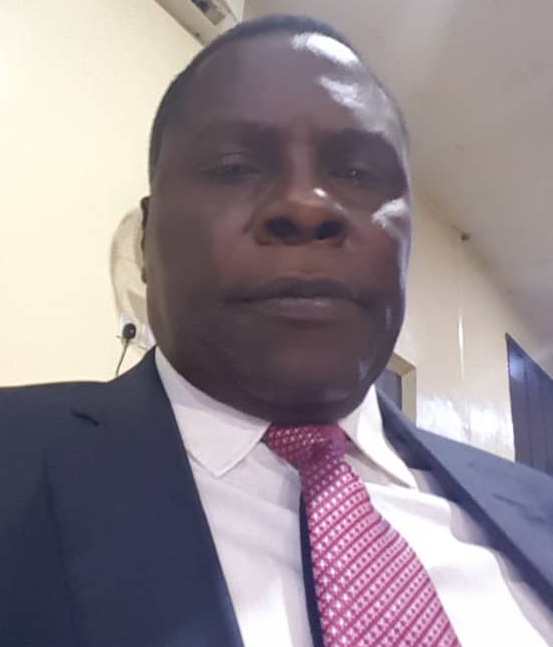
“Tinubu Must Know That Buhari Doesn’t Want Him as President”
…Olufemi Aduwo
President of the Centre for Convention on Democratic Integrity (CCDI) Inc, Comrade Olufemi Akinbule-Aduwo, in this interview, speaks candidly on the state of the nation. The permanent representative of the CCDI to the United Nations and President, Rights Monitoring Group, shared his views on germane topics which include the army’s engagement against insecurity, the last End-SARS protest and related buck-passing, President Buhari medical tourism, among other subjects.
Excerpt…
What is your position on the realignments going on in the two dominant political parties, APC and PDP?
There is no clear difference between APC and PDP. The only difference is the names. Nigerian politicians have no shame. I told a former governor, OGD, that, sir, I am ashamed to see you together with Dimeji Bankole who as House of Reps speaker fought you publicly and dragged the bus’ steering wheel with you at a commissioning ceremony. Let’s even take it from this aspect; Nelson Mandela played politics, Barack Obama played politics. These are decent people with decent politics. But when dirty people enter politics, politics then becomes dirty. Most of these new entrants in APC came in just to guarantee that their fraud cases are suspended. The only two that are real APC people are Buhari and Tinubu. They are the only people that can talk about the PDP years in power. Others like Rotimi Amaechi and Ngige can move elsewhere at any point in time.
President Buhari left Nigeria on medical vacation abroad at a time the doctors went on strike and NNPC was saying that fuel can no longer be sold at N162 per liter and at a time the nation is extremely gripped with banditry, kidnapping, and other challenges. What is your view about this?
I also bought fuel at N212 per liter in Ondo State. We then heard from the minister of state for petroleum that the marketers, PPPRA, just increased the fuel price without informing the government. And I wondered if PPPRA is not part of the government. PPPRA is a government agent. So, I told people that, watch it, in a few weeks the government will increase the fuel price. And a few days later, NNPC came up and said it could no longer sustain the fuel subsidy. Yet in 2011, President Buhari before he became president, said that subsidy is a fraud and anybody who pays it is a thief. He has not withdrawn that statement. Nigeria has 400,000 barrels daily for local consumption. If we refine, we would get our oil and the by-products. So, how much does it cost to produce a barrel? It is about 40 US Dollars to produce a barrel. When you produce a barrel, you can get about 150 liters of kerosene, diesel, and others. Even if you sell a liter of petrol for N50, you are still making a lot of profits. So, this is about monumental fraud, which the president might not even understand. Subsidy indeed is a fraud. If my Lord Jesus was even opportune to rule Nigeria, I’m sure he would feel confused. Before Buhari was elected president, we were convinced things were going to work, the refinery was going to work, and other things; but this is the sixth year of the government, nothing is working yet.
There is agitation for the breakup of Nigeria by some sections of the country. Do you see that coming into effect any time soon?
It does not work that way. They are noisemakers. To break a nation is not like breaking a cake. Nigeria, especially, is difficult to break. No one can break Nigeria in peace, we must go to war. Unless the powers that be agree to sit and discuss. For instance, apart from the one Nnamdi Azikwe and Tafawa Balewa did to create the Mid-West from the old Western Region, which was meant to reduce Obafemi Awolowo’s powers and influence, no civilian government has ever created a local government in the history of Nigeria. They have no such power. All the states so far were created by the military. Our Constitution does not give room for a referendum. The current Constitution is a product of the 1979 Constitution which was mid-wifed by the military. They only amended a few sections. However, if governors, senators, and other leaders today come up and say look, let’s review this Constitution, we would have no choice but to review it, and we move on. So, not until the powers that be agree to discuss.
Would you like to speak on the Covid-19 vaccines and the government’s management of the situation so far?
Yes, we are hearing about Covid-19 Vaccines being donated to the Nigerian government. But we are also hearing the government talking about billions of Naira being spent to get these Vaccines. At the end of the day, you are going to hear the Nigerian government saying they have spent trillions of Naira on procuring these Vaccines, which average Nigerians already know were given free. So, the problem with our leaders in Nigeria is the lack of transparency.
The United States of America just released a report literally absolving the Nigerian army from the Lekki EndSARS protest killings. Do you think that report did justice to what Nigerians’ expectation?
During the Lekki EndSARS saga, I visited Lekki three times to give support, with my NGO. On the day of the incident, I left Lekki Toll Gate around 4 o’clock in the morning. I was not told, I witnessed what happened there. When the army came around 6.45pm I was there. I am a father and everybody knows that I’m not a friend of the ruling APC. So, I’d be stupid and silly not to say exactly what I know about that incident. When the army left and the police came, I was there. The fact is that the local report of the Lekki incident was blown out of proportion. From the report of that lady, DJ Switch, you would see that the soldiers were shooting in the air. Then you wonder what purpose those bullets in the air would serve. Were they trying to catch people in the air? As I have said earlier, when a soldier carries one magazine, it contains 60 bullets. With that, at 20 meters distance, a soldier would kill about 100 persons. When the army left and police came, there were shootings by Mobile Police but no one reported that. So, imagine a lady telling us that she recorded the army activities right from when they left Bonny Camp and that she even confronted the soldiers.
With the US report on the matter, did you as a right activist take any step regarding the veracity of other claims?
We have met with the United Nations on this issue. I have no other country, Nigeria is my only country. I have attended the UN Human Rights Council and tendered some documents. My organization and a partner organization are organizing a seminar in Geneva very soon where people are expected to tender more documents, including why the American government should even do more to help the Nigerian military in the fight against Boko Haram. Now, what the American government has said about the Lekki shooting is what everybody already knows, it is the truth.
But Governor Sanwo-Olu admitted that people died at Lekki…
…(cuts in) Yes, the Lagos State governor said that two people died. But the Amnesty International gave some figures that they could not verify. The only area I am concerned about is that the Lagos State government has to admit that there was an error in handling the matter. I am worried about the way the state government declared the curfew. The curfew was declared to take effect at 4pm and the governor said he would be addressing the press at 6pm on the curfew that was already in effect rom 4pm. For God’s sake, how is that proper? So, the fault should be placed on the governor’s table. This was a protest that lasted for two weeks. The soldiers were everywhere, they never abused anyone. It has to do with the communication gap. When the Lagos State government set up the panel to probe the incident, I told Barrister Ebun Olu-Adegboruwa, a pastor and an Ilaje man from my state, to pull out from the panel. I told him that the panel would not achieve any result because the governor cannot sack the police or the army because he didn’t employ them. And what has come out from the panel across the federation?
What difference do you think it would have made if the federal government had set up the panel?
If the federal government had set up that panel, the story would have been different. But for a state government to do it, it would not give any result because you can only fire who you hired, a state governor can’t fire even police or army sergeant. Besides, the government had been indicted. Can the governor attend the panel? No, because he has immunity. A panel is more or less a quasi court, so the governor can’t appear. The panel is about four months old now, what did we get from there? Nothing. It only literally allows the boys to eat.
Does your account mean that the American report has set aside the fact that people were killed at Lekki Toll Gate?
There was a commotion, just like the governor said. During the protest, a lot of people died across the country, not only in Lagos. A lot of people were killed, not by soldiers; perhaps, by police and in some parts of Lagos not in Lekki. Governor Sanwo-Olu did say there was commotion and people were running helter-skelter, meaning that anything could have happened in the process. You cannot rule out stray bullets.
What is your reaction to Garba Sheu’s comment that President Buhari didn’t start medical tourism abroad when he became president in 2015?
Mr. President is out of the country now. He should be the only president in the world that patronizes foreign hospitals. If the clinic in Aso Rock cannot be functioning, that shows that nothing functions in our system. That shows that the Nigerian medical system is just a mess. Yes, presidential spokesman, Garba Sheu, said that President Buhari didn’t start the medical trip abroad when he became president. That is not correct. President Buhari, since he left the government as military ruler in 1985, has never gone abroad for medical treatment; quote me anywhere. In fact, I doubt if he has ever performed an official Hajj since he left power as a military man. One thing I can vouch about Buhari is that he is a liberal Muslim, not a religious bigot.
Asiwaju Bola Tinubu has not declared for the 2023 presidency but the momentum is already high across the country. In fact, some are already organizing campaigns for him. What is your opinion about this?
On the issue of Asiwaju Tinubu, I have nothing against him. The June 12 1993 saga brought a lot of interests together; the good, the bad, and the ugly, to fight the then military president, IBB. They came together for different reasons. People like the former governor of Edo State, Chief Odigie Oyegun, and Professor Bolaji Akinyemi were very vocal. Then a lot of people came to join these people for different reasons. Somebody like Tinubu was mentioned that he was scheming to be a minister of petroleum but Abacha refused him. It was when Abacha refused him that he ran away. Tinubu was only detained for two days by Abacha before he ran out of Nigeria. I spent months in detention under Abacha, am I a politician? Many people who were not politicians were thrown into detention under Abacha. They were only protesting for the actualization of the June 12 election of MKO Abiola. We understand the game. In politics, two plus two is not four. Politicians would tell you that they are not fighting to get any reward but they know they are fighting for just what to gain.
So, you think Tinubu actually wants to be president in 2023?
The signs are there and they are clear. All the same, my advice is that Tinubu should study the terrain well because many things are going to work against him. Religion is going to work against him. He is a Muslim. What happened during the Abiola election when Muslim-Muslim ticket was allowed by IBB was for a purpose. It can’t happen again in Nigeria. Nigeria today is divided along religious lines more than ever before. And anyone contesting as a Muslim president dares not pick a Christian northerner as his running mate because such ambition is as good as dead.
But Tinubu had his birthday in Kano and he seemed to enjoy a warm reception among the Muslim Northerners. Isn’t that an indication there won’t be a problem with his ambition?
When Tinubu marked his birthday in Kano State, we understood the game. His calculation was that Kano is where the highest votes come from. He gave Katsina market fire victims N50m, why did he shun Shasha market fire victims in Ibadan? He gave Kaduna N200m to build schools, what happened to Lagos schools where he is the landlord? Is he not aware? It is politics. Chief Bisi Akande has said what was going on in APC where Tinubu is a leader gives a lot to worry about. The fact is that the powers that be are handing over the structures of APC to anti-Tinubu elements in the ruling party. How many ministers does Tinubu have in Buhari’s government today? None. Sunday Dare, the minister of sports, Tinubu is not the one that recommended him. Sunday is a candidate of Oyo State. Buhari does not want Tinubu to succeed him. That is the truth. If he does, it costs him nothing to hand over the APC structures to him without stress. Tinubu himself is only testing the waters, he knows it will not work.




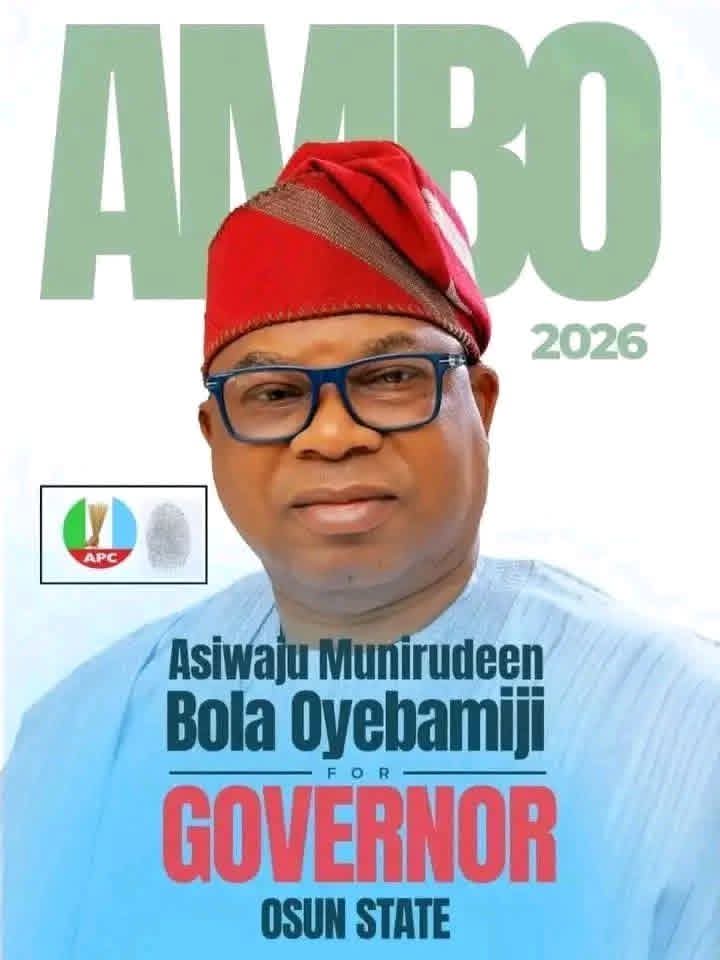
AMBO and the Osun Governorship Race: Assessing the Man, the Politics and the Vision
As political activities gather momentum ahead of the 2026 Osun State governorship election, a public affairs commentator, Oluseyi Olonade, has described the emergence of Asiwaju Munirudeen Bola Oyebamiji, popularly known as AMBO, as a significant development in the state’s political landscape.
In an article titled “Oyebamiji: The Man, The Politics and The Aspiration,” Olonade argued that the All Progressives Congress governorship hopeful possesses the character, experience and vision needed to reposition Osun State for sustainable growth.
According to the writer, Oyebamiji’s appeal stems from his extensive background in the banking sector, where he spent nearly three decades working with institutions including Wema Bank, Trans International Bank, Spring Bank and Enterprise Bank.
A native of Ikire in Irewole Local Government Area, Oyebamiji was described as a technocrat whose experience in corporate governance, finance and risk management has shaped his approach to public administration.
The article noted that his public service journey gained prominence in 2012 when he was appointed to oversee the then Osun State Investment Company Limited. Under his leadership, the organisation was reportedly restructured and transformed into Omoluabi Holdings Limited.
The writer further highlighted Oyebamiji’s tenure as Commissioner for Finance under successive APC administrations, where he was credited with managing the state’s finances during challenging economic periods.
Olonade also referenced Oyebamiji’s appointment as Managing Director of the National Inland Waterways Authority, describing it as further evidence of his administrative and leadership capabilities.
The article contrasted Oyebamiji’s governance philosophy with that of the current administration in Osun State, arguing that the APC aspirant favours institutional reforms, economic diversification and fiscal discipline.

According to the writer, Oyebamiji’s proposed agenda includes strengthening transparency in government spending, expanding internally generated revenue, attracting private-sector investments and promoting industrial and agricultural development.
The article also highlighted youth empowerment, entrepreneurship development and digital skills acquisition as key components of his vision for the state.
Olonade concluded that the forthcoming governorship election would present voters with a choice between different approaches to governance, expressing confidence that Oyebamiji’s experience and developmental agenda make him a strong contender in the race.
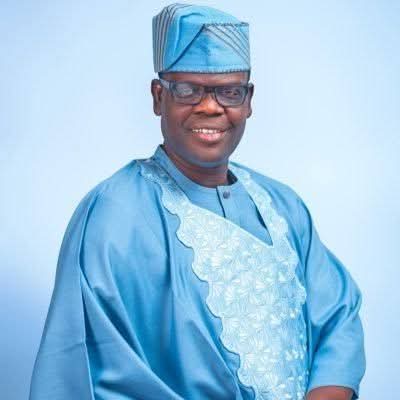
*Oselu Tiwa nTiwa Endorses Oriyomi Hamzat for Oyo Governorship*
A sociopolitical support group in Oyo State, Oselu Tiwa nTiwa, has declared its support for Alhaji Oriyomi Hamzat as the authentic governorship candidate of the Accord Party ahead of the forthcoming governorship election in the state.
The group made its position known in a statement jointly signed by its President, Mr. Adewale Oluwaseyi and Secretary, Alh. Adebayo Oyewole, on Thursday, describing Hamzat as a grassroots figure with strong connection to the people and a track record of humanitarian interventions across Oyo State.

According to the group, the endorsement followed what it described as careful observation of Hamzat’s leadership qualities, compassion and dedication to the welfare of ordinary citizens.
“Oriyomi Hamzat has consistently demonstrated empathy, courage and selfless commitment to humanity. Through his numerous interventions in the lives of ordinary citizens, he has become a symbol of hope to many families and communities,” the statement read.
Oselu Tiwa nTiwa also appealed to the national leadership of the Accord Party to prioritise the long-term future and electoral growth of the party in its decision-making process.
The group noted that Hamzat’s candidacy presents an opportunity for the party to strengthen its grassroots support base and expand its political relevance across Oyo State.
“We respectfully appeal to the National Leadership of the Accord Party to look beyond immediate political calculations and consider the bigger picture, the future growth, stability and electoral success of the party in Oyo State and beyond,” the statement added.
The group further expressed confidence in the leadership of the party, saying it believes the party’s national officers and stakeholders would take decisions that reflect fairness, inclusiveness and the collective interest of members.
While calling on party loyalists to remain calm and united, Oselu Tiwa nTiwa said continued consultations among stakeholders would help strengthen the Accord Party ahead of the election.
Signed:
Alh. Adebayo Oyewole,
Secretary.
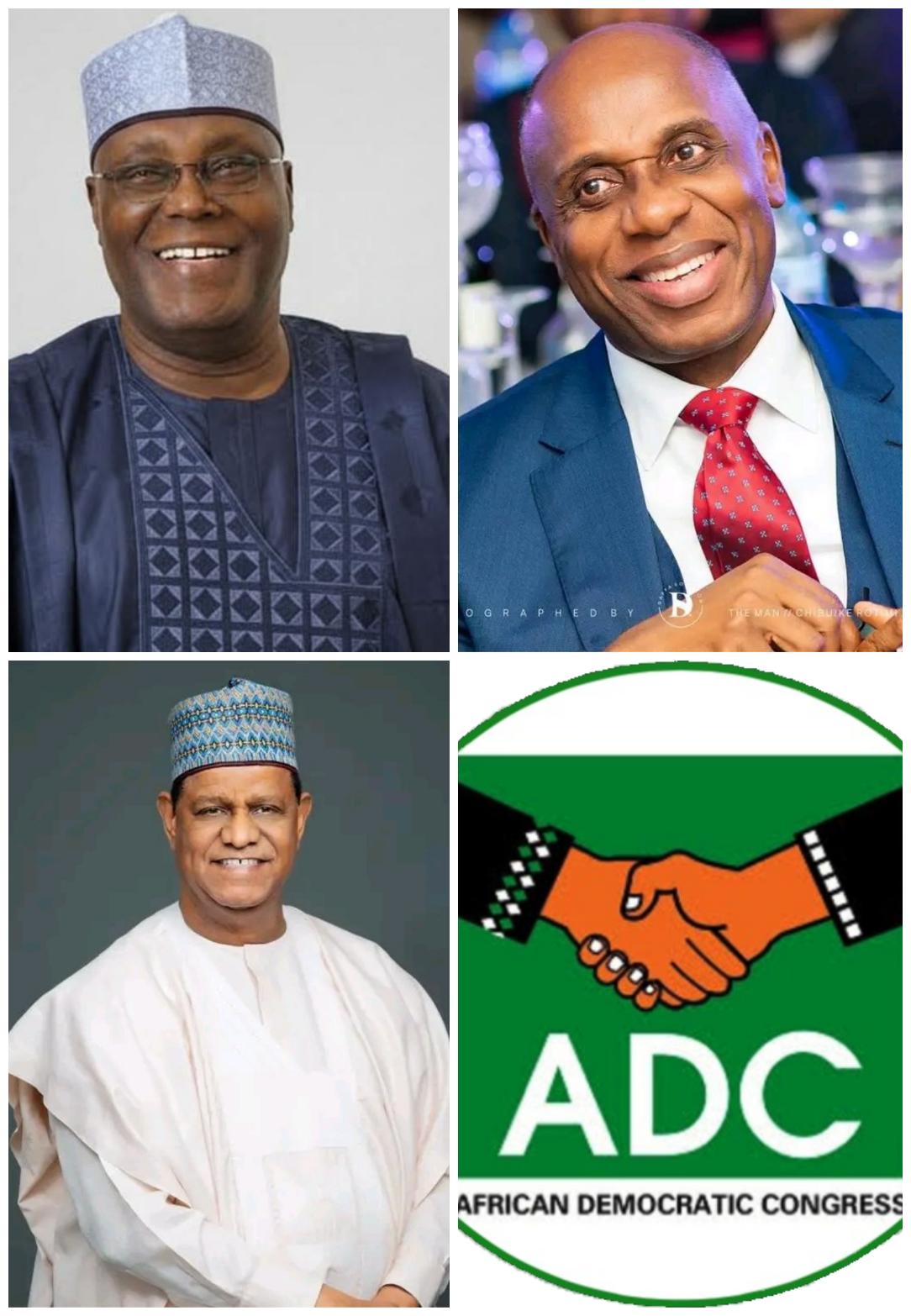
Atiku Set To Clinch ADC Presidential Ticket, Leads Amaechi, Hayatu-Deen In 34 States
Former Vice President of Nigeria and frontline presidential aspirant of the African Democratic Congress (ADC), Atiku Abubakar, is projected to emerge winner of the party’s presidential primaries, according to impeccable sources in Abuja.
The primaries, conducted across over 8,000 wards in the 36 states of the federation and the Federal Capital Territory, reportedly placed Atiku far ahead of his closest rivals — former Rivers State Governor, Rotimi Amaechi, and former Chairman of the Nigerian Economic Summit Group, Mohammed Hayatu-Deen.

Highly placed party insiders disclosed that Atiku is currently leading in 34 states, including the FCT, after securing dominance across the 19 Northern states, the five South-East states, and the six South-West states, while also maintaining a strong showing in at least three states in the South-South geopolitical zone.
The sources added that the outcome reflects what they described as “an overwhelming nationwide acceptance” of the former vice president within the opposition party ahead of the 2027 general election.
Meanwhile, the ADC leadership has invited members of the press to the official announcement of the final collated results scheduled for 11:00 a.m. on Tuesday, May 26, 2026, in Abuja.
The declaration of results is expected to be broadcast live on ARISE Television and two other major television stations, while also being livestreamed on the party’s official social media platforms on X and Facebook.
Speaking ahead of the announcement, the founding National Chairman of the ADC, Chief Ralph Nwosu, said the decision to televise the exercise live was aimed at promoting transparency and democratic accountability.
“We want millions of Nigerians at home and in the Diaspora to witness democracy in action,” Nwosu said.
He further revealed that the party leadership would encourage all three presidential aspirants to publicly embrace a peace accord and commit themselves to working together in unity for the party’s success.
According to him, the move is necessary to strengthen internal cohesion and position the ADC for victory in the presidential election scheduled for January 16, 2027.
Details later.


- CANAL+ lists on the Johannesburg Stock Exchange (JSE), strengthening the Group’s dual-continental approach and reinforcing South Africa’s (SA) role as a gateway to global capital and African growth June 3, 2026
- African Mining Week (AMW) Country Focus to Spotlight Liberia’s Iron Ore, Gold and Critical Minerals Prospects June 3, 2026
- Venezuela to Host Its Largest-Ever International Energy Investment Summit June 3, 2026
- Canada–Africa Business Conference Preparations Advance Following Canadian Secretary of State’s High-Level Visit to Nigeria June 3, 2026
- Uganda: Parliament concludes vetting of ministers June 2, 2026
- Fund for Export Development in Africa (FEDA) Board Appoints Mr. Emmanuel Assiak as Chief Executive Officer June 2, 2026
- Ecobank Group Launches World First Nature Bond Mobilising Global Capital to Protect Africa’s Natural Ecosystems June 2, 2026
- Merck Foundation Chief Executive Officer (CEO) Dr. Rasha Kelej together with Kenya First Lady support the education of 47 Kenyan Schoolgirls by providing Annual Scholarships till they Graduate June 2, 2026
- Annual Meetings 2026: Governors Back the Bank’s Platform Solutions to Transform Aviation and Health Systems in Africa June 2, 2026
- ThinkMarkets launches ChelseaAI, bringing live CFD trading into Artificial Intelligence (AI) assistants June 2, 2026
- CANAL+ lists on the Johannesburg Stock Exchange (JSE), strengthening the Group’s dual-continental approach and reinforcing South Africa’s (SA) role as a gateway to global capital and African growth June 3, 2026
- African Mining Week (AMW) Country Focus to Spotlight Liberia’s Iron Ore, Gold and Critical Minerals Prospects June 3, 2026
- Venezuela to Host Its Largest-Ever International Energy Investment Summit June 3, 2026
- Canada–Africa Business Conference Preparations Advance Following Canadian Secretary of State’s High-Level Visit to Nigeria June 3, 2026
- Uganda: Parliament concludes vetting of ministers June 2, 2026
- Fund for Export Development in Africa (FEDA) Board Appoints Mr. Emmanuel Assiak as Chief Executive Officer June 2, 2026
- Ecobank Group Launches World First Nature Bond Mobilising Global Capital to Protect Africa’s Natural Ecosystems June 2, 2026
-

 news6 months ago
WHO REALLY OWNS MONIEPOINT? The $290 Million Deal That Sold Nigeria’s Top Fintech to Foreign Interests
-

 society1 month ago
SOCIAL MEDIA IS NOT A BATTLEFIELD COMMAND – WHY THE NIGERIAN ARMY’S ACTION AGAINST JUSTICE CRACK IS A NATIONAL SECURITY IMPERATIVE
-

 celebrity radar - gossips4 months ago
Dr. Chris Okafor Returns with Power and Fire of the Spirit -Mounts Grace Nation Altar with Fresh Anointing and Restoration Grace on February 1, 2026
-

 celebrity radar - gossips6 months ago
Prophet Kingsley Aitafo Releases 2026 Prophecy: ‘Nigeria Will Rise, but the World Must Prepare for Turbulence’