
celebrity radar - gossips
Titans and Trailblazers: Nigeria’s Great Entrepreneurs from Abiola to Dangote — The Story of Wealth, Influence, and National Impact

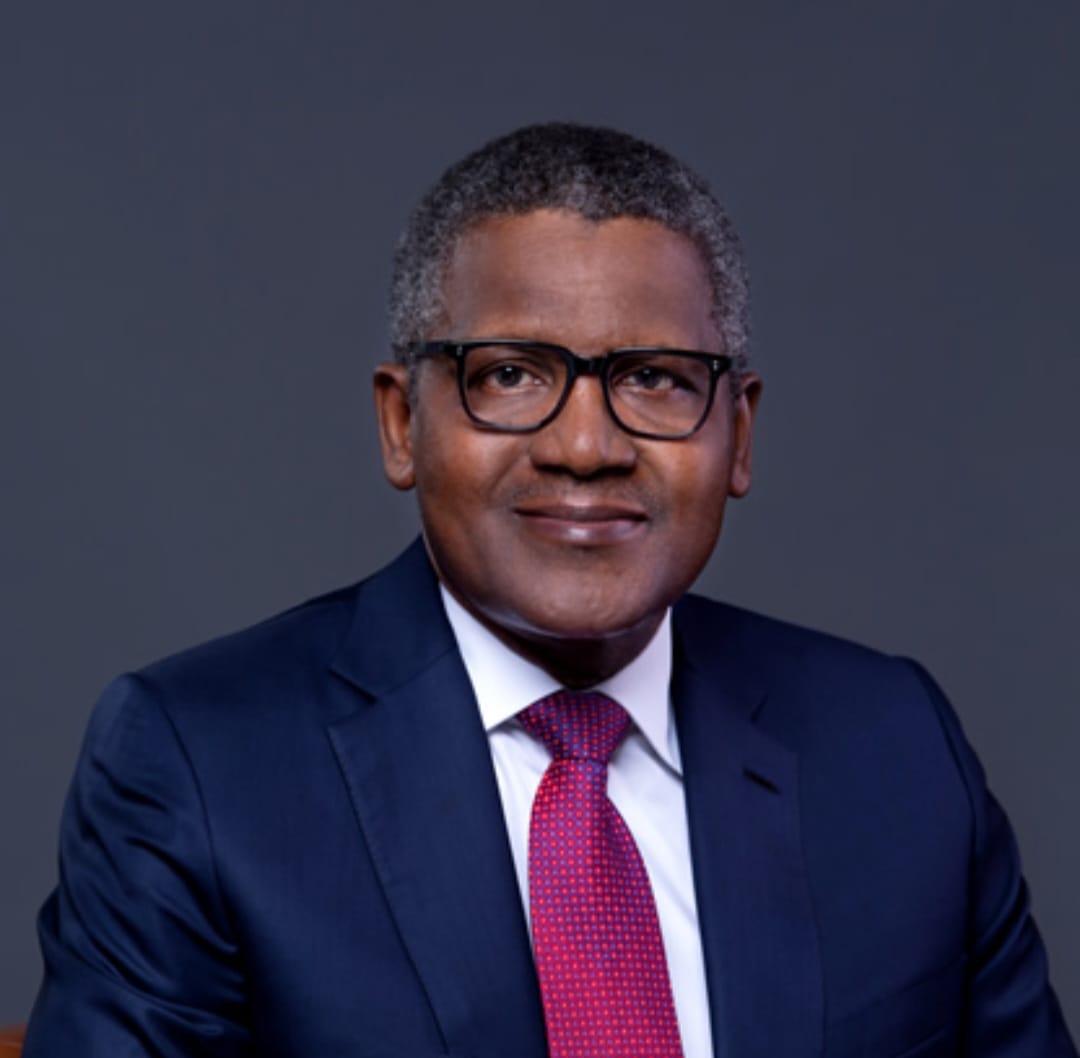
Titans and Trailblazers: Nigeria’s Great Entrepreneurs from Abiola to Dangote — The Story of Wealth, Influence, and National Impact.
By George Omagbemi Sylvester | Published by saharaweeklyng.com
“How Nigeria’s Business Moguls Shaped the Nation’s Economy, Power Structures, and Global Identity — From MKO Abiola and Gabriel Igbinedion to Dangote, Otedola, Adenuga, and Jimoh Ibrahim.”
Nigeria’s economic narrative over the past half-century has been shaped not just by politics or oil, but by the unrelenting drive of indigenous business leaders. From the legendary Chief Moshood Kashimawo Olawale Abiola (whose name became synonymous with wealth, philanthropy, and political transformation) to modern billionaires like Aliko Dangote, Femi Otedola, Mike Adenuga, and Jimoh Ibrahim, the nation’s entrepreneurial landscape offers a rich, complex story of ambition, resilience, influence, and sometimes controversy.

The Legacy of the Old Guard: Abiola, Igbinedion & the Dantata Dynasty. The late Chief MKO Abiola was more than a political icon; he was a business titan long before his acclaimed 1993 presidential victory declaration. Abiola amassed a diversified portfolio spanning transport, banking, publishing, education, and oil — a model of a self-made Nigerian capitalist at a time when indigenous industrialists were rare. His ascent represented a break from colonial economic structures, inspiring a generation to see wealth creation as a path to national empowerment.
Similarly, Chief Gabriel Osawaru Igbinedion, the Esama of the Benin Kingdom, built a vast empire out of seemingly modest beginnings. With interests in banking, media (TV & radio), mining (diamond, gold, marble), real estate, and private education (founding Igbinedion University — Nigeria’s first private university), his success introduced new models for private sector leadership in education and infrastructure.
It is worth noting that families like the Dantata clan (from which modern mogul Aliko Dangote hails) were already entrenched in trade long before Nigeria’s independence, laying the socio-economic foundations for contemporary wealth creation.
Modern Titans: Dangote, Adenuga, Otedola and the Reconfiguration of Nigerian Wealth. In the 21st century, Nigeria’s business elite has ascended onto Africa’s global stage, with several names consistently appearing on prestigious wealth rankings.
Aliko Dangote: Africa’s Richest Man. Aliko Dangote, founder and chairman of the Dangote Group, stands at the apex of African capitalism. His empire stretches across cement, sugar, flour, salt, beverages, real estate, fertilizer, and (with the completion of his refinery) oil and gas. Recently, Forbes reported Dangote’s net worth at close to $24 billion, affirming him as the richest Black man in the world for the 14th consecutive year.
Dagote’s impact goes beyond numbers. His business model emphasizes industrialization and import substitution, reducing Nigeria’s reliance on foreign imports and creating millions of jobs in manufacturing and infrastructure. “In many ways, Dangote’s strategy reorients Nigeria toward productive capacity rather than consumption,” says Dr. Henrietta Ekong, a Lagos economist. “This is how nations build sustained economic power.”
Mike Adenuga: Telecommunications and Beyond. Chief Michael Adeniyi Agbolade Ishola Adenuga Jr. commands one of Nigeria’s largest telecommunications networks, Globacom, as well as notable oil assets through Conoil Producing Limited. With more than 60 million subscribers and strategic investments across West Africa, Adenuga’s rise underscores how business savvy and strategic risk-taking can chart new frontiers for African connectivity and enterprise.
“Adenuga’s narrative shows that ownership and control over critical infrastructure (whether telecom networks or energy assets) do more than confer wealth; they confer agency,” argues Professor Kayode Adebayo, a business historian at the University of Lagos.
Femi Otedola: Energy, Integration and Capital Markets. Femi Otedola’s rise, from modest beginnings to becoming an internationally recognized billionaire, reflects the complexity of Nigeria’s energy sector. Otedola’s major pivot came with Zenon Petroleum and Gas, and later Geregu Power Plc — Nigeria’s listed power generator whose stocks surged sharply, boosting his wealth by over 30% in recent years.
His business trajectory mirrors a key lesson for Nigerian entrepreneurs: navigate market volatility with adaptive strategy and diversification. His presence on global wealth lists is testament to this acumen.
Jimoh Ibrahim: A Controversial Climb
Although lesser documented in global lists compared to Dangote, Adenuga, and Otedola, Jimoh Ibrahim remains a prominent figure in Nigeria’s business scene. His interests span insurance, hospitality, and oil — a testament to the oligopolistic nature of elite wealth accumulation. What distinguishes Ibrahim is how his brand demonstrates the interplay between political connectivity and private enterprise — a recurring theme in the annals of Nigerian capitalism.

Business, Politics, and the Economics of Influence
One cannot discuss Nigeria’s business elites without acknowledging the symbiotic relationship between capital and the state. As chronicled by economic scholars, Nigeria’s institutional landscape often rewards political patronage and market privilege alongside entrepreneurial risk. This has allowed some business figures to secure import rights, exclusive permits, and protective policies that entrenched their market dominance.
“Markets in advanced economies function on competition and innovation. In Nigeria, success at the top often requires navigation of political corridors as much as market strategy,” notes Dr. Chika Eze, a development economist at Ahmadu Bello University.
This isn’t to diminish personal drive but to contextualize it: wealth accumulation and political facilitation have often been intertwined. The result is a class of business leaders with disproportionate access to state resources — sometimes at the expense of broader economic participation.
Philanthropy, National Development, and Public Perception. Beyond wealth, these business magnates have contributed to scholarships, healthcare, education, and community development. The Dangote Foundation has supported vast educational initiatives; Adenuga’s Globacom funds scholarships and sports development; and Otedola has reinforced philanthropic outreach across sectors.
Yet, public sentiment is mixed. Some Nigerians argue that despite philanthropy, the wider economy remains extractive, with systemic inequality untouched and power concentrated among a few. As one civic scholar noted, “Philanthropy cannot substitute for structural economic reform; nor should it absolve elites from contributing to systemic uplift.”
Lessons and National Imperatives. The juxtaposition of Abiola’s legacy with today’s billionaires yields profound lessons:
Vision Must Transcend Profit: Abiola saw wealth as a tool for social good and national transformation.
Industrialization Over Extraction: Dangote’s industrial footprint shows that manufacturing and processing must drive growth.
Connectivity Empowers Communities: Adenuga’s investment in telecoms and infrastructure underscores the power of enabling access.
Adaptive Strategy Matters: Otedola’s navigation of energy and capital markets illustrates opportunistic resilience.
Ethical Capitalism Is Urgent: Scholars remind us that business success must align with national development goals and equitable opportunities.
From Abiola’s trailblazing entrepreneurship to the modern industrial might of Dangote and the strategic diversification of Adenuga, Otedola, and others, Nigeria’s business landscape tells a story of ambition, complexity, and potential. These men are not just wealthy by measure of net worth — they are architects of possibility for millions of Nigerians.
Yet, their legacies also challenge us: Will Nigeria’s next generation of leaders and entrepreneurs lift all citizens, not just a few? As the nation grapples with economic inequities, these questions demand answers beyond boardrooms and balance sheets.





celebrity radar - gossips
The Unfinished Conversation: Five Years of Missing T.B. Joshua BY FEMI OYEWALE
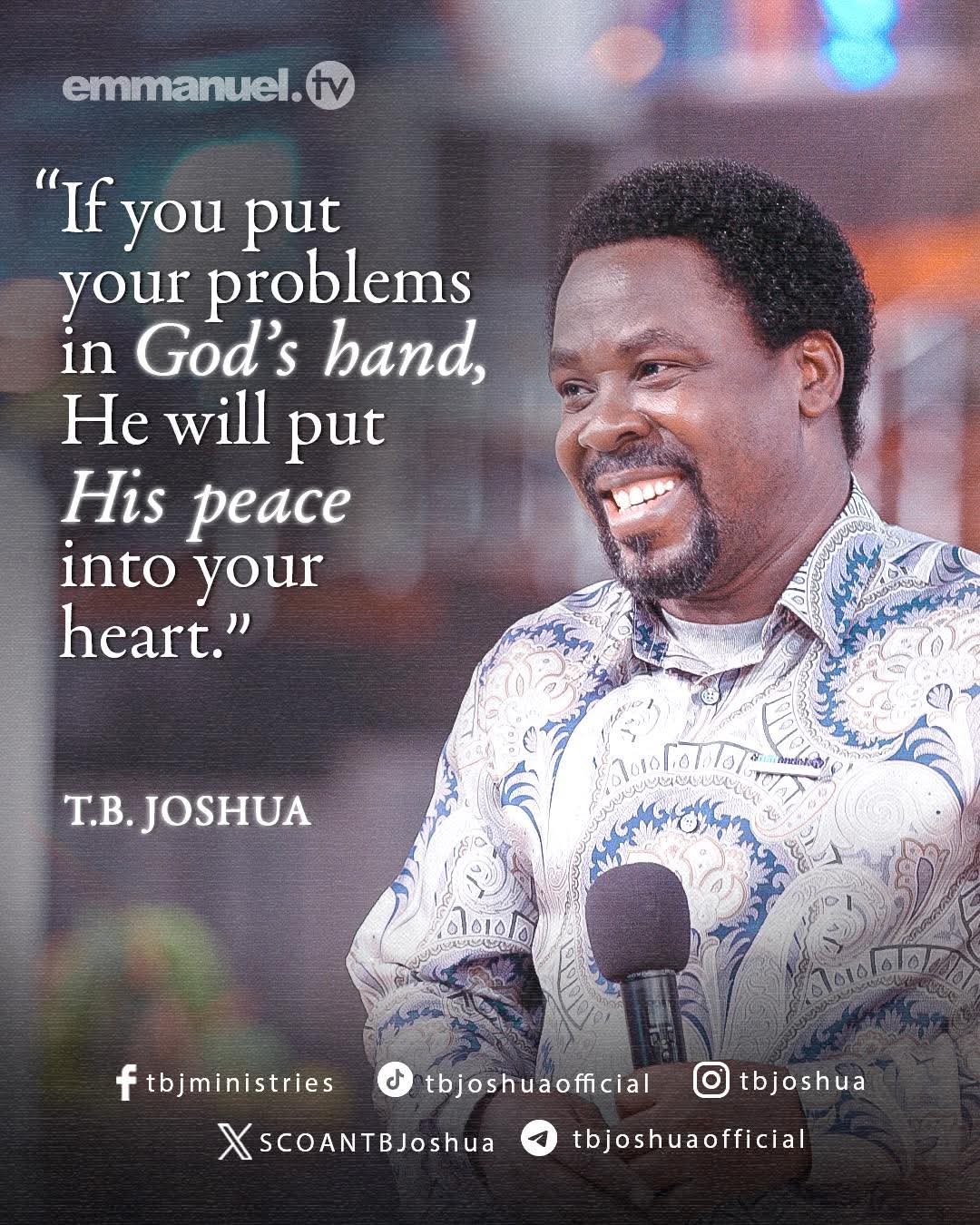
The Unfinished Conversation: Five Years of Missing T.B. Joshua BY FEMI OYEWALE
”In life we meet to part, we part to meet, but parting is the sweetest sorrow.”

Five years have vanished like a vapor, yet the echoes of his voice remain as vivid as a morning sunrise. June 5th marks the anniversary of the transition of a man who was not merely a global religious icon, but a father, a mentor, and a beacon of profound simplicity in a complex world. As I pen this, I find myself still navigating the shores of denial. How does one write a tribute to a man whose influence was as vast as the oceans, yet whose heart remained as humble as the desert sands?

The Last Assignment
Time truly flies, but some moments are frozen in the amber of memory. I recall with poignant nostalgia that I was among the final few with whom he spoke before stepping out for his last assignment on the pulpit on June 5,2021. Unknown to many, we shared an uncommon bond—a father-son relationship that stood the test of time.

Just an hour before that glorious, final ministration, my phone rang. We discussed the fulfillment of prophecies and my planned assignment to South Africa, an assignment he promised to single-handedly finance. By God’s grace, I have traveled the globe, and ninety percent of those journeys were bankrolled by him. Before ending the call, he spoke with finality: “Femi, go and watch it.” I never knew it was a parting shot. I never knew those words would be the threshold of eternity. Perhaps that is why, despite being part of his burial media committee, I lacked the courage to write until today.
From Fear to Faith: The Beginning
My journey to the Synagogue Church of All Nations (SCOAN) was written in the stars of fate. Then a reporter for Encomium Weekly, under the tutelage of the legendary Mr. Kunle Bakare, I was recommended to handle media work for a “prominent client.” When the name “T.B. Joshua” was mentioned, my heart sank.
Having cut my journalistic teeth under titans like Mr. Femi Adeshina and Mr. Dele Alake, I had heard the tales, stories of monsters, of shape-shifters, of dark magic. As I drove to Ikotun, I recited every Psalm I could muster and texted my parents my destination, unsure if I would return. I arrived expecting a beast; I was introduced to a brother. I met a man so profoundly simple, so devastatingly ordinary in his humility, that if not for his presence on Emmanuel TV, I would have sworn I was meeting an impostor. That was the day the fear died, and a lifelong relationship began.
The Man Behind the Mantle
I am not here to validate a legend; I am here to honor a human. I have been privileged to stand in his office, his personal room, his private altar, and his prayer house. What did I find? Not a demigod, but a man who lived for others.
A Heart of Forgiveness: Like the father in Luke 15, no matter the depth of the offense, a sincere “I am sorry” was all it took to be welcomed back into his fold.
The Weight of Misunderstanding: I remember the pain of the building collapse. He asked me, with tears that shattered my heart, “Femi, can you believe they said I used these people for rituals?” That was the first time I saw the iron man break.
A Channel of Healing: I recall a man brought to the prayer line who had previously declared, “Even if T.B. Joshua is the devil, if he can take this pain away, I am ready.” The moment those words left his lips, the Prophet walked over, touched him, and the healing was instantaneous.
He was a comedian, a teacher, a preacher, and above all, a man who loved his family and his ministry with every fiber of his being. If most clergy possessed even half the global influence he wielded, they would have long ago become arrogant demigods. T.B. Joshua remained, to his last breath, a servant.

A Legacy Enduring
It has been five years, yet it feels like yesterday. Many of those who cast stones in the shadows often came seeking his light in secret. Today, as we remember him, I see that legacy thriving. Prophetess Evelyn Joshua is truly holding the torch, preserving the foundation with grace and strength.
Good morning, Prophet T.B. Joshua. You live on in the lives you changed, the doors you opened, and the heart of your many disciples who will never forget the man who taught them that true greatness is found in the simplicity of love.
”He was a man globally misunderstood, yet a man whose name alone opened doors globally. He lived for others, and in doing so, he became immortal.”

celebrity radar - gossips
Let’s build a future where access to healthcare is strengthened…….Oba Odugbemi
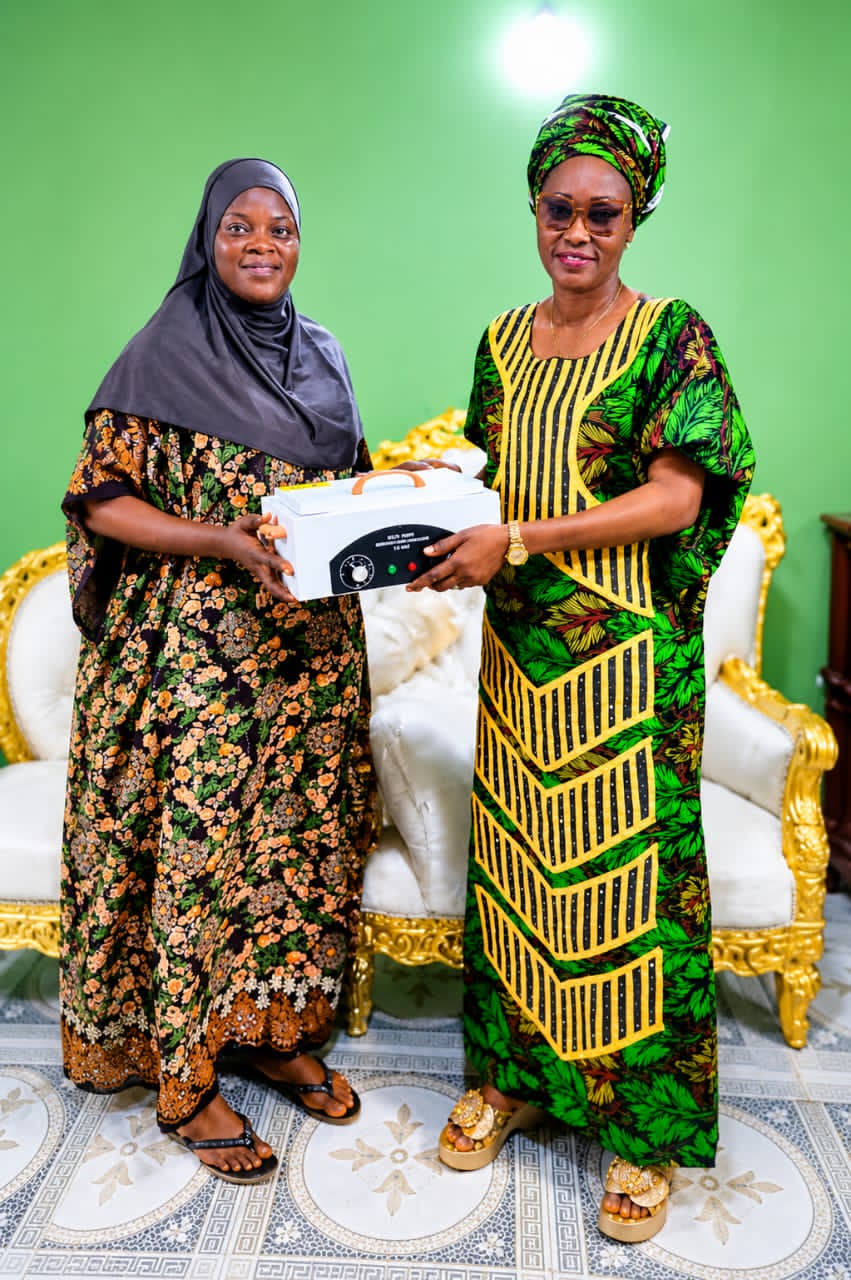
Let’s build a future where access to healthcare is strengthened…….Oba Odugbemi
A call has gone to every stakeholder in the health sector to build a future where access to healthcare is guaranteed and strengthened.
The Onilisa of Lisa Kingdom, Oba Oladele Odugbemi make the call in Lisa while donating a Sanitary Sterilisation Box to the Lisa health centre.
Oba Odugbemi said that the donation became necessary in order to further strengthen the capacity of the health centre for the benefits of the people.
The royal father stressed that his foundation, Oladele Odugbemi foundation would continue to make meaningful impacts in community healthcare aimed at complementing the efforts of government in healthcare delivery system.
He pointed out that the foundation reflects its unwavering commitment to promoting quality healthcare services, enhancing hygiene standards and supporting health institutions with essential tools that contribute to safer and healthier communities.
According to the monarch, all stakeholders in the health sector should work hand-in- hand with government to take healthcare to the doorsteps of the masses as government cannot do it alone, hence health is wealth.
Oba Odugbemi also charged the governments at all levels to declare a state of emergency in the health sector so that every Nigerian can have smooth access to healthcare delivery system in the interest of the country and for the benefits of the masses.
The monarch therefore said that the foundation would continue to care for the people through empowerment by ensuring that masses have good and quality health condition.
The Sanitary Sterilisation Box was presented by the Foundation Director, Hajia Suliat Odugbemi – Tinuosho to the Matron of Lisa Community Health Centre, Mrs Temitope Nofisat Sanni who received it on behalf of the health centre.
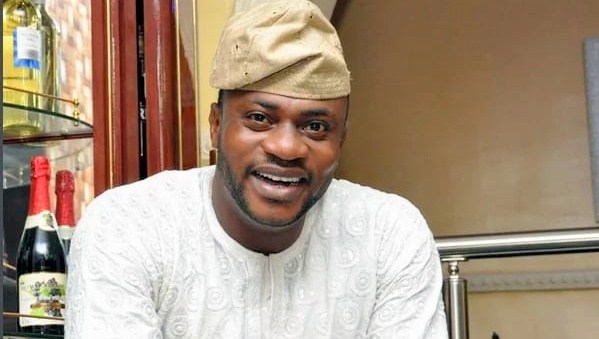
King of the Screen: Why Odunlade, Muyiwa, Femi Adebayo Remain Yoruba Movie Giants
The Yoruba movie industry has continued to produce legendary talents whose influence stretches beyond Nigeria to global audiences. Over the years, some actors have distinguished themselves through consistency, versatility, box office success, and cultural impact.
Among the numerous stars in Nollywood’s Yoruba sector, three actors have remained dominant figures whose names constantly resonate with fans and filmmakers alike — Odunlade Adekola, Muyiwa Ademola, and Femi Adebayo.

Odunlade Adekola: The Street King of Yoruba Cinema
Popularly regarded as one of the most entertaining actors in Nollywood, Odunlade Adekola has built a unique reputation through his energetic delivery, comic timing, emotional depth, and strong connection with grassroots audiences.
From comedy to action and emotional family dramas, the actor has consistently proven his versatility in blockbuster productions. His ability to interpret diverse roles effortlessly has made him a household name across Nigeria.
Industry observers believe his dominance on social media platforms, where his movie clips frequently go viral, has further strengthened his popularity among younger audiences.
Beyond acting, Odunlade has also contributed immensely to mentoring upcoming talents and expanding the commercial value of Yoruba films.
Muyiwa Ademola: The Master Storyteller

For many lovers of indigenous movies, Muyiwa Ademola remains one of the finest storytellers the Yoruba film industry has produced.
Widely respected for producing emotional and morally driven movies, the actor earned massive recognition through classic productions that focused on family values, culture, betrayal, perseverance, and societal lessons.
His calm delivery, deep scripts, and originality have kept him relevant despite changing trends in the entertainment industry.
Film critics often describe Muyiwa Ademola as one of the few actors whose productions combine entertainment with strong cultural education, making his movies timeless among older and younger viewers alike.
Femi Adebayo: The Modern-Day Box Office Force

Femi Adebayo has successfully combined traditional Yoruba storytelling with modern cinematic excellence, helping to project indigenous films to international audiences.
The actor, filmmaker, and producer has recorded major successes with high-budget productions that gained attention on streaming platforms and cinemas.
Known for his professionalism and attention to detail, Femi Adebayo has continued to push Yoruba movies beyond local boundaries while preserving cultural identity.
Entertainment analysts say his ability to blend culture, technology, and quality production has positioned him among the leading faces shaping the future of Yoruba cinema.
Growing Global Influence
The success of these actors reflects the increasing acceptance of indigenous Nigerian content globally. With streaming platforms creating wider access to local movies, Yoruba actors are now gaining international recognition and attracting new audiences.
Fans and stakeholders in the entertainment industry believe the contributions of Odunlade Adekola, Muyiwa Ademola, and Femi Adebayo have not only sustained Yoruba culture through film but have also elevated Nollywood’s global reputation.


- Africa: UNAIDS calls for renewed global solidarity as UN Secretary-General’s report warns that AIDS is not over and fragile gains are at risk June 4, 2026
- Eritrea: Vocational training provided to college students June 4, 2026
- World Bank Group Launches Ten-Year Strategy to Drive Jobs and Prosperity in Uganda June 4, 2026
- Prof Oramah’s appointments to the Royal African Society Patronage and Kenya’s National Infrastructure Fund herald continued recognition of his global leadership and pan-African impact June 4, 2026
- Africa Finance Corporation Raises Record US$2 Billion Syndicated Loan in Landmark Show of Confidence in Transformational Infrastructure Strategy June 4, 2026
- Libya Energy & Economic Summit (LEES) 2027 to Define Libya’s Next Phase of Energy Expansion in Tripoli June 4, 2026
- Uganda: President delivers State of the Nation Address today June 4, 2026
- United Nations High Commissioner for Refugees (UNHCR): Refugees in Eastern and Southern Africa remain in exile for nearly 16 years June 4, 2026
- 85% of Ministry of Food and Agriculture's (MoFA) 2026 Budget Released to Boost Food Production — Deputy Finance Minister June 4, 2026
- Deputy (Dep.) Finance Minister Courts Investors to Transform Ghana’s rice Economy June 4, 2026
- Africa: UNAIDS calls for renewed global solidarity as UN Secretary-General’s report warns that AIDS is not over and fragile gains are at risk June 4, 2026
- Eritrea: Vocational training provided to college students June 4, 2026
- World Bank Group Launches Ten-Year Strategy to Drive Jobs and Prosperity in Uganda June 4, 2026
- Prof Oramah’s appointments to the Royal African Society Patronage and Kenya’s National Infrastructure Fund herald continued recognition of his global leadership and pan-African impact June 4, 2026
- Africa Finance Corporation Raises Record US$2 Billion Syndicated Loan in Landmark Show of Confidence in Transformational Infrastructure Strategy June 4, 2026
- Libya Energy & Economic Summit (LEES) 2027 to Define Libya’s Next Phase of Energy Expansion in Tripoli June 4, 2026
- Uganda: President delivers State of the Nation Address today June 4, 2026
-

 news6 months ago
WHO REALLY OWNS MONIEPOINT? The $290 Million Deal That Sold Nigeria’s Top Fintech to Foreign Interests
-

 society1 month ago
SOCIAL MEDIA IS NOT A BATTLEFIELD COMMAND – WHY THE NIGERIAN ARMY’S ACTION AGAINST JUSTICE CRACK IS A NATIONAL SECURITY IMPERATIVE
-

 celebrity radar - gossips4 months ago
Dr. Chris Okafor Returns with Power and Fire of the Spirit -Mounts Grace Nation Altar with Fresh Anointing and Restoration Grace on February 1, 2026
-

 celebrity radar - gossips6 months ago
Prophet Kingsley Aitafo Releases 2026 Prophecy: ‘Nigeria Will Rise, but the World Must Prepare for Turbulence’