
Business
TOP SOCIALITE,BABATUNDE OLAOGUN VENTURES INTO HOSPITALITY BUSINESS , OPENS ROYALTY LOUNGE AND SUITES IN IKEJA

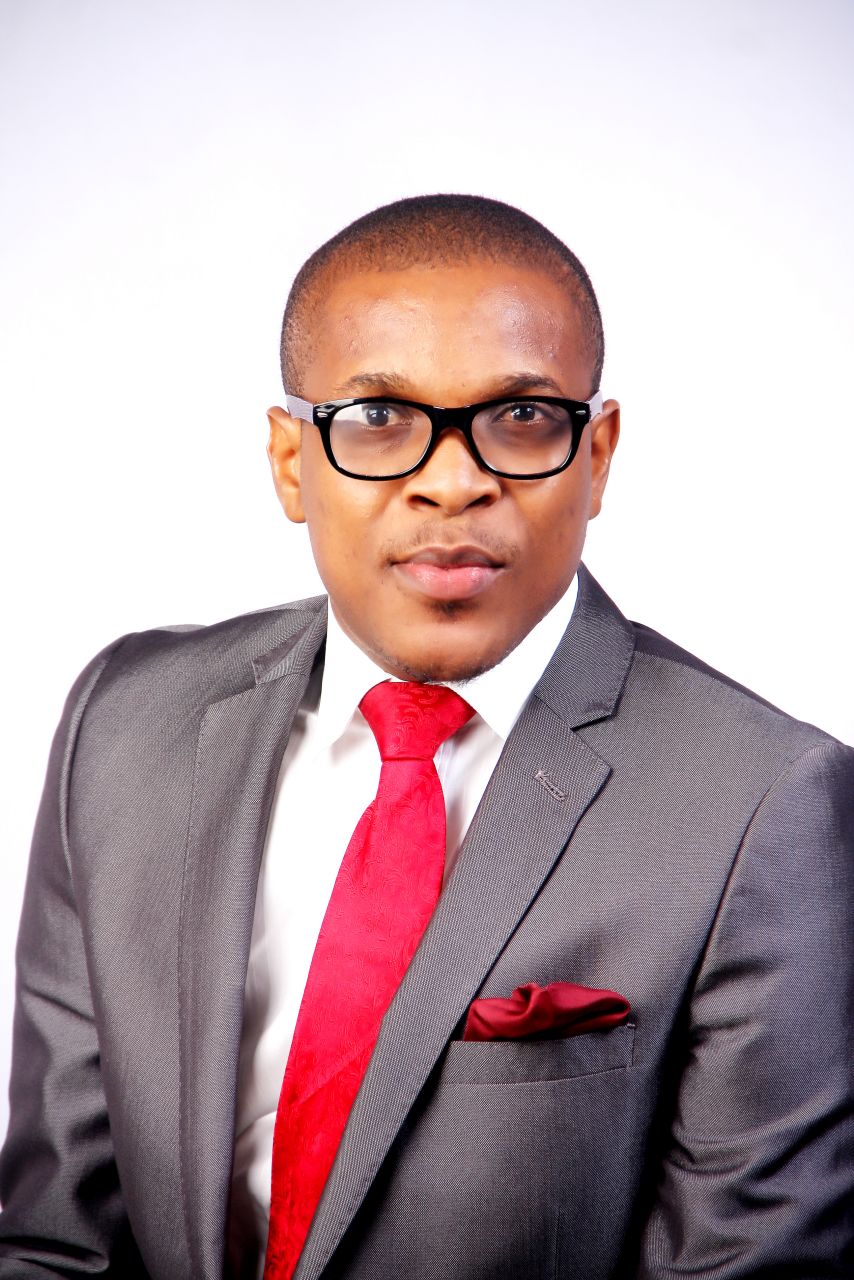

Babatunde Olaogun is a young and successful entrepreneur who has decided to raise the bar of hospitality business in Nigeria. Very soon,precisely in December this year, his multimillion naira Royalty Lounge and Suite will be opened in a very colourful way,and will parade dignitaries from all walks of life. In this interview with SaharaWeekly,the Lagos born socialite spoke on why he veered into the business and other issues.
Q What informed going into hospitality business?
Hospitality is diverse in terms of applications.For me, I opted for the lounge and Hotel aspect based on the fact that a vast number of people yearn for top quality,decent,serene, yet affordable places to relax after the Lagos hustle and bustle. I am committed to providing this much at Royalty Lounge and Suites
Q Why hotel and lounge?
I chose hotel and lounge because I am a complete extrovert and highly sociable. I am well aware that gentlemen and ladies look forward to days and periods when they will see where they can relax in a quiet, yet entertaining atmosphere.
Q How did you come about the name,Royalty Lounge and Suites?
The name, Royalty was taken from the mother of the business itself. I manage a firm known as Unveiling Royalty Enterprise. At the time I conceived the idea of Lounge and Hotel and Beauty Lounge, I consider that it was only logical for me to consolidate on the. Name existing name since it has been on for a while.
Q How far have you gone with the project and when is it likely to be opened?
We’re almost done with it. The official opening could have been done in September but was shifted to December 2016. The shift was strategic. We have been test running a few of the facilities and putting up new things. We’re planning on earnest for yuletide and the general festivities. Royalty Lounge and Suites is billed to be opened officially in December this year; Saint Janet and a popular comedian are billed to perform at the grand opening. The exact date will be communicated in due course to our teeming customers. A lot of them have been contacting us on emails and other social media platforms. We’re putting things together to serve them better. They should just get their fingers crossed.
Q How much have you invested so far in the project?
We have invested a lot of money in it. From securing the facilities(for Lounge and Suites)on a long term basis to renovations, as well as putting up contemporary gadgets. As a matter of fact,we have invested millions of naira in it.
Q Why Ikeja?
Ikeja became a choice because of the fact that it is the capital of Lagos. Going forward, I realized that the most sophisticated lounges are all situated on the Island and probably other high brow areas of Lagos, not Ikeja. Fun seekers who besiege the island to have fun, most of them reside in the Mainland. So, why go all the way to the Island when you can have the same quality at even a much reduced rate in Ikeja. So, that informed our decision of inventing the innovation in Ikeja.
Q What’re the unique services that will attract fun seekers the place?
We’re mindful of the fact that a lot of fun seekers don’t go out alone. In most cases, they have companies. Our services will include, but won’t be limited to the provision of essential beauty treats for women. This facility will in no small measure bring out the difference in us. We have provided a platform where a man and a woman can have access to different things, all in the same facility. This is unique and can boast that it’s the first of its kind in Nigeria.
Q Are you prepared for the stiff competition in the business?
We-re ready for competition, considering the kind of services we’re providing. It’s obvious that we’re clearly better equipped the most of our competition. The fact will speak for itself.
Q We learnt you’re also into politics and you aspired to Lagos House of Assembly seat, Ifako/ Ijaye constituency.But all of a sudden, you opted out. Why did you take that decision?
My political ambition remains solid. I declared in 2015 but had to step down based on some issues. The will to contribute my quota to the development of our fatherland remains steady. By God’s grace, we would push for same in the next election.




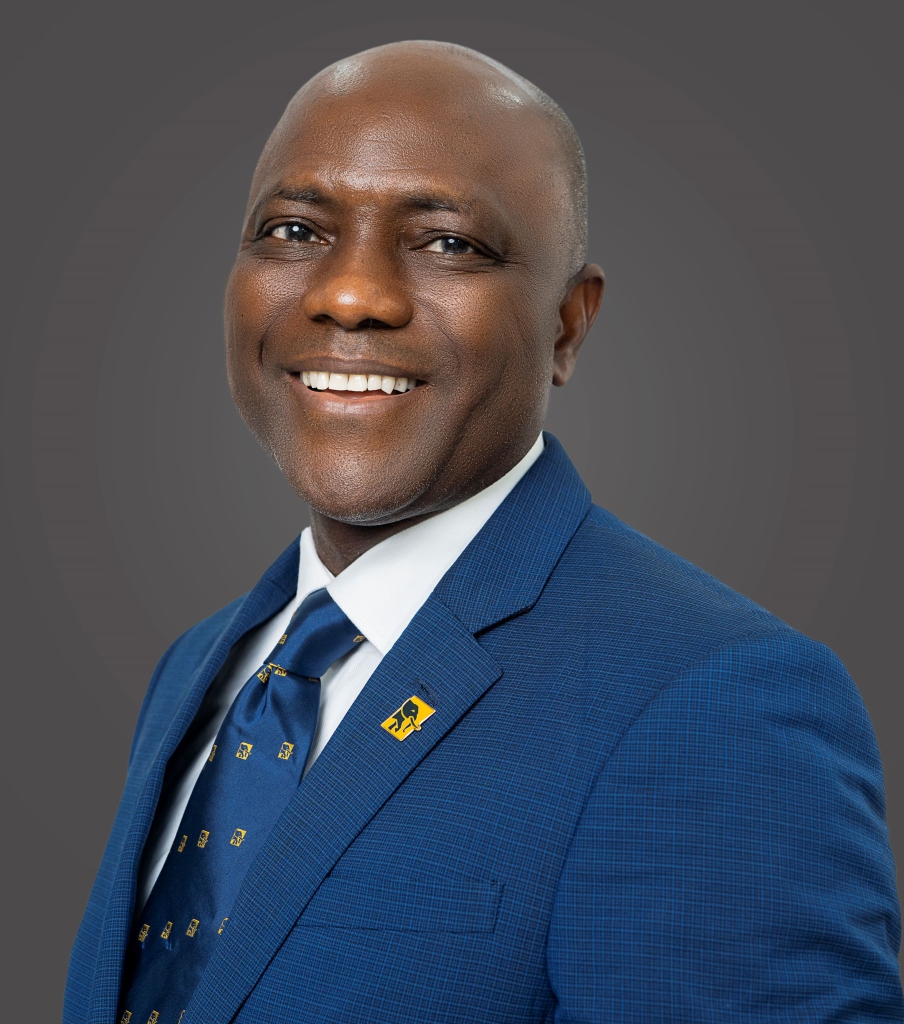
FirstBank Partners Eko Hotels & KEY Academy for ChessMasters 2026 Tournament
Lagos, 30 March 2025 – FirstBank, West Africa’s premier financial institution and the leading financial inclusion service provider, has announced its strategic sponsorship of the second edition of ChessMasters, Africa’s largest school chess tournament. The announcement was made at the official press conference of the tournament held on 16 March 2026 at Eko Hotels and Suites, Lagos.
ChessMasters is an annual chess tournament designed to equip the next generation with critical thinking, problem-solving, and leadership skills. The competition targets children in primary school aged between 6 and 11 years old. Organised by Eko Hotels and Suites & KEY Academy , ChessMasters was created to provide thousands of children across Nigeria with opportunities to develop modern educational skills, bringing schools together on a national stage.
Speaking at the press conference, Olayinka Ijabiyi, Acting Group Head, Marketing & Corporate Communications at FirstBank, said, “Our sponsorship of ChessMasters 2026 reflects our commitment to building talents and communities, driving inclusion, and deepening engagement through our First@Sports initiative, a platform that celebrates talent and promotes social impact through sports. With over a century of supporting legacy sports in Nigeria, we are proud of our enduring partnerships – 105 years with the Georgian Cup, 65 years with the Lagos Amateur Golf Championship and 35 years with the Dala Hard Court Tennis Championship.”
Ijabiyi further highlighted how the sponsorship aligns with FirstBank’s sustainability pillars of Education, Health, and Welfare. “We recognise the potential of chess to help school-age children challenge themselves, think critically, and compete at the highest level, hence we see the tournament as a launchpad for a pan-African movement leveraging chess as a tool for education, empowerment, and leadership development. We are utilising this platform as another avenue to promote social impact and drive positive change in the community.”
Caline Chagoury Moudabar, Director and Co- Founder of ChessMasters and her partner Damilola Okonkwo of Key Academy, expressed appreciation for FirstBank’s support, noting that the partnership will help scale the impact of ChessMasters and inspire more schools to participate. “We are happy to welcome FirstBank on board. This collaboration will boost chess development in Nigeria and promote critical thinking among young minds. With support from partners like FirstBank, we are opening the doors of participation to more children and more schools in this year’s edition.”
Prince Adeyinka Adewole, Vice President of the Nigeria Chess Federation, commended the initiative, emphasising its role in nurturing future chess talents. “Chess connects people, ideas, and opportunities. It teaches children to be analytical, patient, and manage their time and resources effectively. Chess also improves concentration and has been particularly beneficial for children with autism.”
The second edition of ChessMasters will be held on Saturday, 2 May 2026 at Eko Hotels and Suites, Lagos. The competition is open to 150 schools across Lagos, with over 700 students expected to participate and vie for a total prize pool of N10 million.
FirstBank’s involvement in the 2026 edition of the tournament reinforces the potential of ChessMasters to become a launchpad for African children, leveraging chess as a tool for education, empowerment, and leadership development.
Business
Alpha Morgan Bank Reinforces Commitment to Education at Redeemer’s University Business School Commissioning
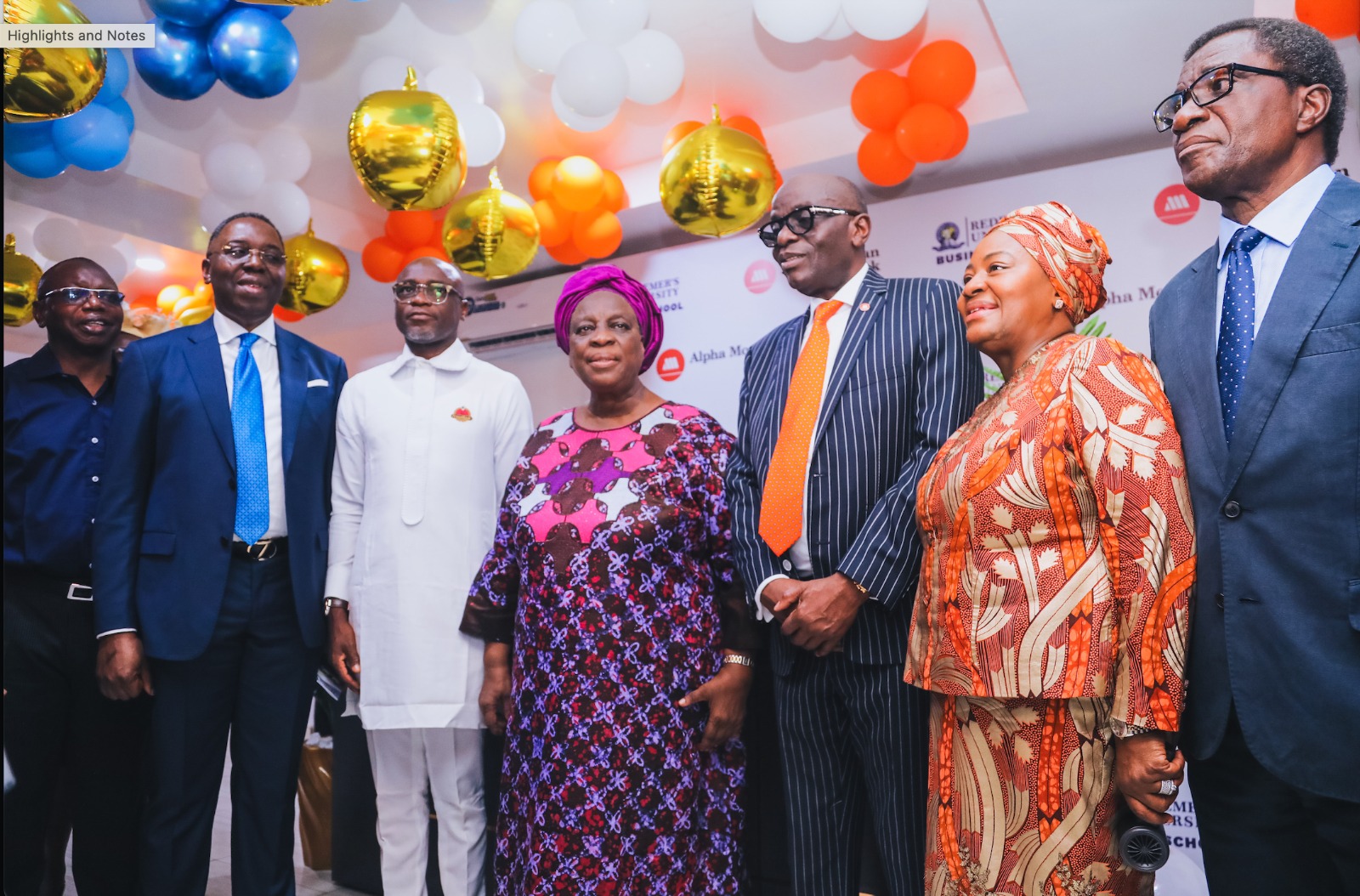
Alpha Morgan Bank Reinforces Commitment to Education at Redeemer’s University Business School Commissioning
Alpha Morgan Bank has reaffirmed its commitment to education and institutional development through its support for the commissioning of the Redeemer’s University Business School.
The Business School was officially inaugurated by Pastor (Mrs.) Folu Adeboye, at the commissioning ceremony attended by distinguished guests including Her Excellency, Mrs. Bola Obasanjo; the Pro-Chancellor and Chairman, Governing Council of Redeemers University, Professor Oluwatoyin Ogundipe; the Vice Chancellor, Professor Shadrach Olufemi Akindele; and other notable dignitaries.
Speaking at the event, the Managing Director of Alpha Morgan Bank reiterated the Bank’s commitment to supporting institutions that drive intellectual growth and national development.
As part of its broader focus on knowledge sharing and thought leadership, Alpha Morgan Bank will host its Economic Review Webinar in May 2026, bringing together experts to share insights on key economic trends and opportunities.
The Bank’s involvement reflects its continued dedication to empowering institutions and shaping the future of business and leadership in Nigeria.
Read more about Alpha Morgan Bank on www.alphamorganbank.com
PHOTO
L-R: Prof. Shadrach Olufemi Akindele, Vice Chancellor, Redeemers University, Engr. Eloka Eje, Dr Perez Araka, Pastor (Mrs) Folu Adeboye, Mother-In-Israel, The Redeemed Christian Church of God, Mr Ade Buraimo, MD/CEO Alpha Morgan Bank, Dr (Mrs) Oluwatomi Somefun, Dr. Simeon Ifere, at the inauguration of the Redeemer’s University Business School, Redemption City, Ogun State on Thursday 2nd April, 2026
Tinubu Aide Rebuts Rufai Oseni Over ₦3.3tn Power Debt Deal


- African financial institutions call for coordinated financing solutions to unlock Africa’s digital transformation April 9, 2026
- African Energy Chamber (AEC) Supports Perenco Partnership to Advance Industry 4.0 Skills in Central Africa April 9, 2026
- Youth Charter Calls for “Commonwealth Youth Legacy” Ahead of Glasgow 2026 April 9, 2026
- Securing the bridge between legacy and smart April 9, 2026
- Africa’s Lithium Pipeline Gains Momentum as Global Supply Deficits Loom April 9, 2026
- Afreximbank delivers strong FY2025 results; with a total assets and contingencies base of US$48.5 billion April 9, 2026
- National Council for Curriculum Development (NCDC) seeks Shs17 Billion for curriculum review, teacher training April 9, 2026
- Senegal: A Decade of Unresolved Climate Displacement April 9, 2026
- Uganda engages its diaspora in Japan on national policy framework for inclusive development April 9, 2026
- Afreximbank supports Dangote Group as it targets US$100 billion annual revenue by 2030 April 8, 2026
- African financial institutions call for coordinated financing solutions to unlock Africa’s digital transformation April 9, 2026
- African Energy Chamber (AEC) Supports Perenco Partnership to Advance Industry 4.0 Skills in Central Africa April 9, 2026
- Youth Charter Calls for “Commonwealth Youth Legacy” Ahead of Glasgow 2026 April 9, 2026
- Securing the bridge between legacy and smart April 9, 2026
- Africa’s Lithium Pipeline Gains Momentum as Global Supply Deficits Loom April 9, 2026
- Afreximbank delivers strong FY2025 results; with a total assets and contingencies base of US$48.5 billion April 9, 2026
- National Council for Curriculum Development (NCDC) seeks Shs17 Billion for curriculum review, teacher training April 9, 2026
-

 news4 months ago
WHO REALLY OWNS MONIEPOINT? The $290 Million Deal That Sold Nigeria’s Top Fintech to Foreign Interests
-

 society7 months ago
“You Are Never Without Help” – Pastor Gebhardt Berndt Inspires Hope Through Empower Church (Video)
-

 celebrity radar - gossips2 months ago
Dr. Chris Okafor Returns with Power and Fire of the Spirit -Mounts Grace Nation Altar with Fresh Anointing and Restoration Grace on February 1, 2026
-

 celebrity radar - gossips4 months ago
Prophet Kingsley Aitafo Releases 2026 Prophecy: ‘Nigeria Will Rise, but the World Must Prepare for Turbulence’
You must be logged in to post a comment Login
You must log in to post a comment.