
celebrity radar - gossips
Trump’s Second Inauguration: A Bold Vision for America’s Future and Its Global Impact

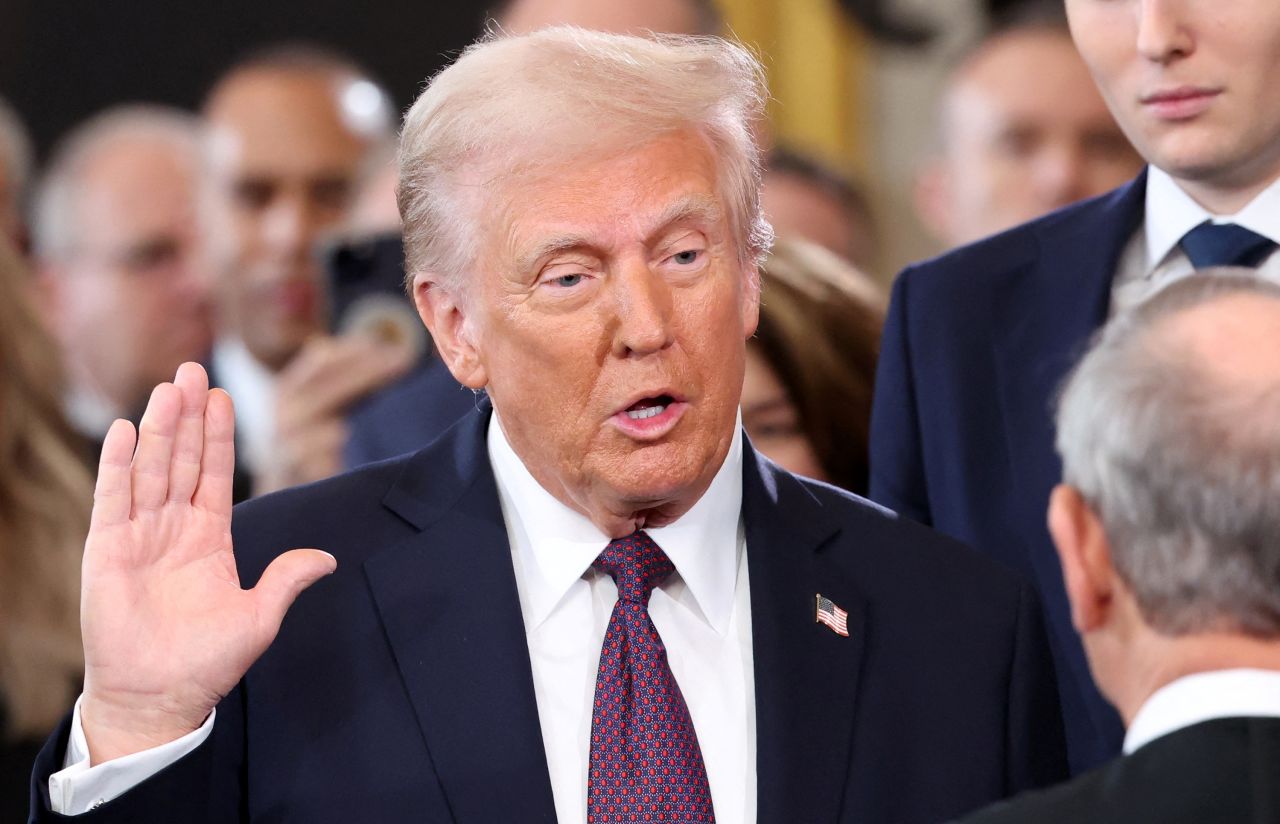
The President’s speech signals economic protectionism, military strength, and a focus on national unity, sparking mixed reactions both at home and abroad.
By Femi Oyewale
Donald Trump, the 47th President of the United States, was sworn in for a second term today in a highly anticipated inauguration ceremony held at the U.S. Capitol. His address, marked by powerful rhetoric and ambitious promises, outlined his vision for America’s future—one of economic dominance, a strengthened military, and strict immigration controls.

A Call for National Strength and Unity
Trump’s speech centered on the themes of national strength and unity, declaring, “We will be a nation like no other, full of compassion, courage, and exceptionalism.” In what he framed as a pledge to restore America’s global leadership, Trump emphasized his desire to protect American workers through policies that would prioritize domestic over international concerns. His speech also highlighted the need to ensure that the U.S. remains economically competitive, calling for a rollback of environmental regulations and aggressive tariffs on foreign imports to promote homegrown industries. “We will tariff and tax foreign countries to enrich our citizens,” he asserted.
Another key element of Trump’s address was his commitment to military revitalization. He promised a defense policy that would make the U.S. military the most formidable in the world, stating, “We will build the strongest military the world has ever seen.”

A Hardline Stance on Immigration and Trade
The newly sworn-in president reiterated his tough stance on immigration. Trump vowed to implement even stricter border security measures, pledging to tackle what he referred to as the nation’s “greatest emergency.” His administration is expected to continue its efforts to build a wall on the U.S.-Mexico border and further restrict legal immigration. These promises resonate with his core base but have drawn fierce criticism from opponents who view them as harmful to the nation’s values of inclusion and diversity.
On trade, Trump’s vision for “America First” remains a central theme of his second term. He laid out plans to renegotiate global trade agreements, impose tariffs on imports, and reinstate protections for U.S. manufacturing. Analysts warn that these policies could lead to increased inflation and trade tensions with major allies.
Global Reactions: Praise and Concern
While Trump’s supporters in the U.S. greeted the speech with enthusiasm, praising his no-nonsense approach to governance, the reaction from global leaders was more mixed. The ceremony was attended by a number of right-wing leaders, including Argentina’s Javier Milei and Italy’s Giorgia Meloni, signaling support from populist figures worldwide. Trump’s promises to put U.S. interests first and strengthen American military might were met with a blend of admiration and concern.
One of the most contentious elements of the speech was his vow to “reclaim” strategic global assets, including the Panama Canal, which analysts believe could provoke diplomatic conflicts. This promise, combined with his repeated assertions that the U.S. would no longer act as the “world’s policeman,” has raised eyebrows among international observers, especially those in Europe and Asia who rely on American leadership in global security.

Donald Trump is sworn in as the 47th US President in the US Capitol Rotunda in Washington, DC, on January 20, 2025.
Economic Concerns at Home and Abroad
The financial markets responded with cautious optimism to Trump’s pledges, particularly his promises to slash taxes and deregulate industries. His support for fossil fuel extraction and job creation through large infrastructure projects appears to have energized business leaders, although critics warn that these policies could exacerbate environmental damage and inequality.
Internationally, the economic fallout from Trump’s trade protectionism is likely to reverberate, with foreign governments bracing for renewed tariffs and trade barriers. Experts caution that his economic policies could trigger a global economic slowdown, particularly in countries heavily reliant on exports to the U.S.
A Divided America
Trump’s inauguration also highlighted the deepening political divide in America. While many celebrated his rhetoric and bold vision for the future, others—especially among Democratic circles—expressed their discontent. Critics point to Trump’s past rhetoric, which has often been characterized as divisive, and are concerned that his policies will exacerbate tensions across the country.
Polling suggests that Americans remain split on their president’s second term, with some viewing him as the leader who will return the U.S. to greatness, while others are alarmed by his aggressive approach to both domestic and foreign policy. One thing is clear: Trump’s second term is likely to continue to stir controversy and intensify political battles in Washington.
Looking Ahead
As Trump embarks on his second term, the world watches closely. His policies promise to reshape both American society and the global order. Whether his vision of a dominant, inward-focused America will lead to prosperity or isolation remains to be seen. However, it is clear that his impact will be felt both at home and around the world.
In the coming months, Trump’s administration will face the challenge of translating the bold rhetoric of his inaugural speech into action. With a divided nation and an uncertain international landscape, his presidency will undoubtedly be a defining period in American history.




celebrity radar - gossips
General Buratai to deliver University of Ilorin’s distinguished personality lecture
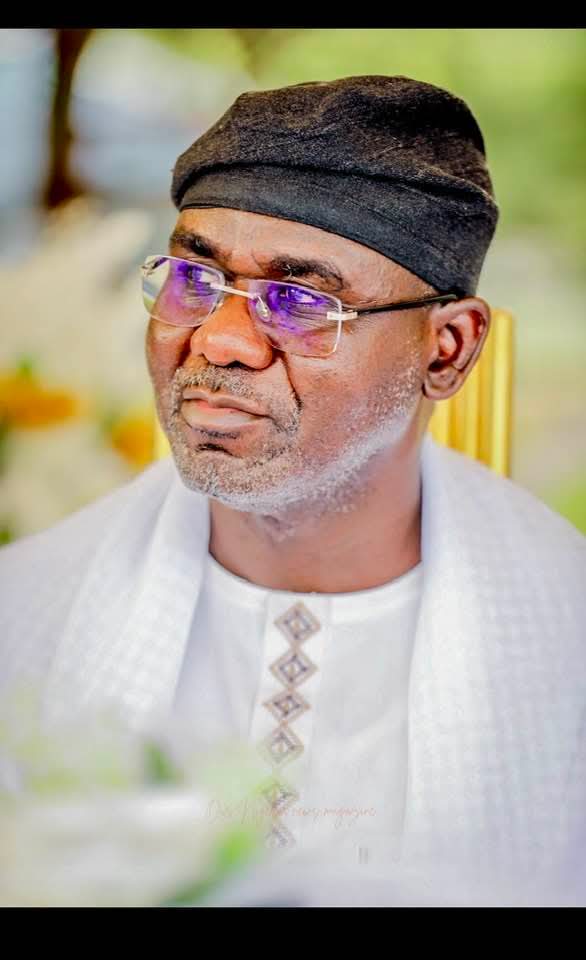
General Buratai to deliver University of Ilorin’s distinguished personality lecture
The Department of Criminology and Security Studies at the University of Ilorin has announced that a former Chief of Army Staff and former Ambassador to the Republic of Benin, Ambassador Lt. General (Rtd) Tukur Buratai (CFR), will deliver its prestigious Distinguished Personality Lecture.

The lecture is scheduled to take place on Saturday, 23rd May 2026, at the University Auditorium by 10:00 a.m. The Vice-Chancellor of the University, Prof. Wahab Olasupo Egbewole (SAN), is expected to be the Chief Host, while Dr. Monsurat Isiaka (Ph.D.), Head of the Department, will serve as Host.
Buratai, who brings a wealth of unmatched experience from his military and diplomatic service, will be speaking on the critical theme: “The Armed Forces of Nigeria and National Security: The Youth and National Aspirations.”
The lecture aims to foster critical conversation about Nigeria’s future security landscape, the pivotal role of the armed forces in national stability, and the interplay between national aspirations and the country’s youth population.
celebrity radar - gossips
From Global Stages to Public Service: Media Mogul Fidelis Duker Officially Joins House of Reps Race for Akpabuyo/Bakassi/Calabar South
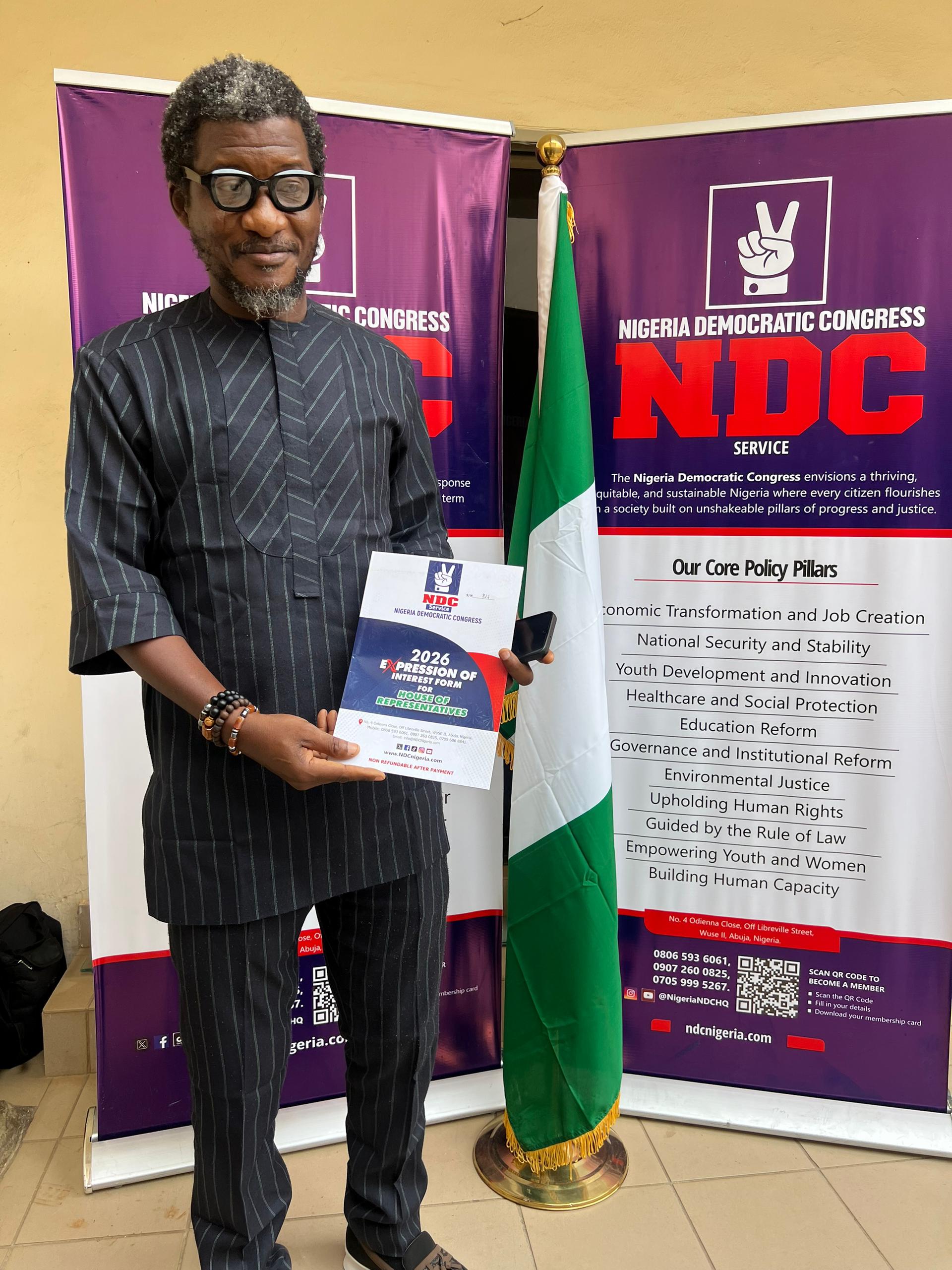
From Global Stages to Public Service: Media Mogul Fidelis Duker Officially Joins House of Reps Race for Akpabuyo/Bakassi/Calabar South
CALABAR, NIGERIA – Renowned media practitioner, veteran filmmaker, and global cultural ambassador, Fidelis Duker, has officially declared his intention to run for the Federal House of Representatives, representing the Akpabuyo/Bakassi/Calabar South Federal Constituency.
In a definitive move that bridges the gap between international enterprise and grassroots governance, the Henshaw Town-born pioneer has successfully picked up his Expression of Interest (EOI) form under the platform of the NNigeria Democratic Congress (NDC).
Duker’s entry into the legislative race brings an unprecedented level of global exposure and professional pedigree to Cross River State’s political landscape. For over three decades, he has stood as a towering figure in Africa’s creative economy.
As the founder of the Abuja International Film Festival West Africa’s longest-running film festival, and the Regional Secretary General for the Federation of Pan African Filmmakers (FEPACI), Duker has consistently flown Nigeria’s flag at prestigious international fora worldwide. From presenting the brilliance of African storytelling at the legendary Cannes Film Festival in France to driving strategic industry dialogues across Europe and Africa, his extensive global travels have positioned him as a master of international relations and resource mobilization.
“Our constituency does not suffer from a lack of potential; it suffers from a lack of structured, globally competitive representation,” Duker stated following the collection of his nomination documents. “My career has been defined by creating wealth, building platforms, and placing Nigerian talent on the world map. I am stepping into this race to deploy that exact same global network, corporate discipline, and innovative leadership to bring sustainable development, youth empowerment, and infrastructure to Akpabuyo, Bakassi, and Calabar South.”
Duker’s visionary campaign is backed by an elite, multi-disciplinary educational background curated from top-tier local and international institutions. He holds credentials from the prestigious Nigerian Institute of Journalism and Crawford University, alongside advanced professional training from the University of California, Los Angeles (UCLA). His world-class expertise in broadcasting and mass communications was further sharpened at the globally acclaimed BBC Training Academy and the Deutsche Welle Training Akademie, complementing his academic roots at the Cross River University of Technology.
As the Chief Executive Officer of FAD Media Productions—the powerhouse behind FAD 93.1 FM Calabar, FAD FM 101.3 Abuja and FAD 360 TV, Duker is already one of the largest private-sector employers of youth in Cross River State. His legislative blueprint vows to replicate this success on a macro scale by introducing bills that will be tech-driven youth development projects, positioning bills that will attract foreign direct investment to the constituency’s coastal assets, and ensuring uncompromising transparency in the execution of constituency projects.
The NDC leadership and various community support groups have warmly received his candidacy, describing it as a breath of fresh air and a critical step toward elevating the constituency to international standards of governance and economic growth.
celebrity radar - gossips
Ileya Tonic : King Saheed Osupa Announces New 2-in-1 Album, Acapella & Metamorphosis

Ileya Tonic : King Saheed Osupa Announces New 2-in-1 Album, Acapella & Metamorphosis
By Alhaji Arems (Baba Fuji)
Veteran Fuji musician King Saheed Osupa is set to release a new 2-in-1 album titled Acapella & Metamorphosis on May 26, 2026.
The announcement was revealed through promotional materials shared across the singer’s official social media pages, where anticipation has already started building among longtime fans of the Fuji icon. The artwork for the project presents Osupa in a calm and regal setting, matching the mature image he has maintained throughout his career.
While full details about the tracklist and featured artists are yet to be officially released, the title of the project has already sparked conversations online. “Metamorphosis” suggests a new phase or evolution, while “Acapella” hints at a more raw or expressive musical direction. Together, both titles point toward a project that may combine classic Fuji elements with a refreshed sound and message.
Over the years, Osupa has remained one of the most respected voices in Fuji music, known for his deep lyrical style, cultural storytelling, and loyal fanbase across Nigeria and beyond. Even as the music industry continues to evolve, the singer has maintained strong relevance, especially among audiences who appreciate traditional Yoruba-rooted sounds blended with contemporary production.
The decision to release a 2-in-1 album also stands out at a time when many artists are focusing on shorter projects and singles. For established acts like Osupa, larger releases often serve as a statement of longevity, consistency, and artistic confidence.
Fans have continued to react positively to the announcement online, with many already counting down to the release date. The project is expected to arrive on major streaming platforms including Spotify, Apple Music, Audiomack, Boomplay, YouTube Music, TIDAL, and Deezer.
With the official release now scheduled for May 26, listeners will be watching closely to see what King Saheed Osupa delivers on Acapella & Metamorphosis and whether the project marks another defining moment in his long-running career.


- Africa’s $65 Billion Fintech Industry Under the Spotlight in Latest Pan African Visions Magazine Special Edition May 21, 2026
- TotalEnergies Expands Angola Offshore Strategy as Martin Deffontaines Returns to Angola Oil & Gas (AOG) 2026 May 21, 2026
- New Africa Centres for Disease Control and Prevention (Africa CDC)–Global Fund Partnership to Strengthen Africa’s Health Systems May 21, 2026
- U.S. International Development Finance Corporation (DFC's) Vibhuti Jain Joins African Mining Week (AMW) as United States (U.S.) Expands Regional Critical Mineral Partnerships May 21, 2026
- PAC Capital Limited Secures Seven Prestigious International Awards, Reinforcing Leadership in Investment Banking and Advisory May 21, 2026
- African Energy Chamber (AEC) Strengthens Strategic Engagement with African Petroleum Producers’ Organization (APPO), Venezuela to Advance Regional Energy Cooperation May 21, 2026
- How the Product Leadership Accelerator (PLA) is Re-Engineering African Enterprises for a Digital-First Economy May 20, 2026
- Congo’s Minister Onanga to Fast-Track Deals, Drive Local Content and Expand Floating Liquefied Natural Gas (FLNG) in New Investment Push May 20, 2026
- PayPal Brings PayPal USD to Users Across 70 Markets Worldwide and Expands Access in Africa May 20, 2026
- Afreximbank Extends USD 15 Million Facility to Ecobank Zimbabwe Limited to Support Small and Medium Enterprises (SME) Participation in Export Value Chains May 20, 2026
- Africa’s $65 Billion Fintech Industry Under the Spotlight in Latest Pan African Visions Magazine Special Edition May 21, 2026
- TotalEnergies Expands Angola Offshore Strategy as Martin Deffontaines Returns to Angola Oil & Gas (AOG) 2026 May 21, 2026
- New Africa Centres for Disease Control and Prevention (Africa CDC)–Global Fund Partnership to Strengthen Africa’s Health Systems May 21, 2026
- U.S. International Development Finance Corporation (DFC's) Vibhuti Jain Joins African Mining Week (AMW) as United States (U.S.) Expands Regional Critical Mineral Partnerships May 21, 2026
- PAC Capital Limited Secures Seven Prestigious International Awards, Reinforcing Leadership in Investment Banking and Advisory May 21, 2026
- African Energy Chamber (AEC) Strengthens Strategic Engagement with African Petroleum Producers’ Organization (APPO), Venezuela to Advance Regional Energy Cooperation May 21, 2026
- How the Product Leadership Accelerator (PLA) is Re-Engineering African Enterprises for a Digital-First Economy May 20, 2026
-

 news5 months ago
WHO REALLY OWNS MONIEPOINT? The $290 Million Deal That Sold Nigeria’s Top Fintech to Foreign Interests
-

 society3 weeks ago
SOCIAL MEDIA IS NOT A BATTLEFIELD COMMAND – WHY THE NIGERIAN ARMY’S ACTION AGAINST JUSTICE CRACK IS A NATIONAL SECURITY IMPERATIVE
-

 celebrity radar - gossips4 months ago
Dr. Chris Okafor Returns with Power and Fire of the Spirit -Mounts Grace Nation Altar with Fresh Anointing and Restoration Grace on February 1, 2026
-

 celebrity radar - gossips5 months ago
Prophet Kingsley Aitafo Releases 2026 Prophecy: ‘Nigeria Will Rise, but the World Must Prepare for Turbulence’