
celebrity radar - gossips
U.S.: Burial Ground For Nigerian Entertainers


There is a popular saying that America is the land of Milk and honey. The land of freedom, opportunity and wealth. No matter what profession you are in, plying your trade in America signifies reaching your apex. Many people across the globe view the United States as the land of opportunities because it presents them with life options they may not have had in their countries. Employment that could lead to economic stability is a big draw that foreign-born Americans pursue diligently.

It is generally referred to as the American dream. Generally, that means the national ethos of United States which is a set of ideals in which freedom includes the opportunity for prosperity and success, and an upward social mobility for the family and children, achieved through hard work in a society with few barriers. In order words, if you are talented and ready to work, you will be rich in the United States.
In the music world, this rings true as well. Many musicians who were erstwhile popular in their own countries have moved to the United States to get this American dream. That is why you see the likes of Celine Dion from France, Justin Beiber from Canada, Shakira from Colombia, Sean Paul and Shaggy from Jamaica and many more leaving their homeland to ply their trade in America. There are also many music gods who have contributed to the American popular music scene. Some of them include, Beatles, Carlos Santana, Bob Marley, The Rolling Stones and many more others.
Many Africans have also broken into the U.S. market and are doing well. One of them is Aliaune Damala Bouga Time Bongo Puru Nacka Lu Lu Lu Badara Akon Thiam popularly known as Akon from Senegal. Today, Akon is not just a songwriter but also a businessman, and record producer.
There are countless Nigerian musicians who have also craved to be on top of their craft by practicing in the United States. Sadly most that try end up failing woefully, dejected, and when they come back to Nigeria, they do not get the acceptance that they left with in the beginning. At the end, they fail in their career. Some end up broke and obscure while some others make a living doing other things asides music.
To make matters worse, their name will not fade away that easily. Many will continue to inquire about them. They will get invited to talks shows and described as icons and veterans. Some will even try to re-launch their careers by releasing new albums, but these will hardly result to anything. Their time has passed. It’s like adding insult to injury.
Perhaps the most popular sad case is that of Majek Fashek. A lot has been said about Majek Fashek today and most of them are negative. Even young children who were not alive when his songs were popular know him but for the wrong reasons. Almost every media has done a story on the grace to grass fall of the musician. Sadly, he continues to wallow in abject poverty and remain in bondage to his demons.
Born Majekodunmi Fasheke, Majek is a reggae singer and instrumentalist who is drawn more to the guitar. Fashek first gained national fame on a television show in the early 1980s as a member of Benin-based reggae group Jastix. His band mates included Ras Kimono (who is now a US returnee himself) and Amos McRoy Gregg. They toured for many years with fellow reggae group The Mandators.
Majek hit major fame when he released his mega hit song, Send Down The Rain. His other hits include, a version of Bob Marley’s Redemption Song, So Long, Hotel California, Promised Land, Jah People, Little Patience, Man of Sorrow, Kpangolo, Majek Beware, Majek Fashek in a New York amongst many others. He was also on major international labels like, Island Records and Interscope with top international artistes like Bob Marley.
During his career, Majek Fashek toured the United States several times, but his fall from grace probably started when he decided to leave the country for good to ply his trade in the US. He quickly found out that the US is not a bed of roses. He said this about his move, “every African wants to go to America, but when you get there you will find out the other side of the country. America is all about struggle. In America, if you are lazy, you will suffer.”
We all know the story that followed. He quickly fell for the allure of drugs and was soon back in Nigeria penniless. He has joined the likes of many Nigerian musicians who try their luck in God’s own country but end up a musical failure. There is a long list of such artistes and the list has been piling up from the 70s and 80s.
The modus Operandi is similar. They leave Nigeria, the US fails to appreciate their music, they come back to Nigeria, but the Nigerian fans have moved on. It is almost like a jinx and almost no one has broken that jinx. Instead, they become broken and non relevant at the end of the day. The examples are glaring.
One of such is Mike Okri. Before he relocated to the United States of America more than 15 years ago, he was arguably one of the best singers ever produced in the country. His Omoge song, was a quick hit and soon, he was touring the country. He later decided to leave the shores of Nigeria to ply his trade but soon fell out of music. He later started doing odd jobs in the US including a dealer at a casino.
In an interview, he said about his experience, “When I headed for New York, my intention was also to follow my career as I was recording an album before my movement. But I had to shelve the plan because my wife was expecting my son. That changed my plans to release the album. So I moved to Connecticut to live like every other man working and doing different odd jobs. My music career did not come to pass because I needed to work. I worked for two years before I moved to Los Angeles California, because that was my dream. I also needed the working experience in the course of getting settled and to make a living. Back home in Nigeria, people think you pluck money on the street of America. America is sweet but if you make money, it becomes sweeter,” he said.
Trying to explain why he and other musicians decided to try their luck in the US, another U.S. returnee, Raskimono, sighted the financial situation of the country for the exodus. He says, “The economy was so bad that if you released an album, nobody was ready to buy it. Many people were finding it difficult to make ends meet. Music was the least in order of people’s preferences. So, how to survive became a problem. So, most of us went abroad in search of greener pastures. That was why Majek Fashek, The Mandators, Ras Kimono, Alex Zitto and some others took a dive with a plan to make a come-back. When we were leaving, there was no much reggae music DJs.”
In the mid-eighties and during the early part of the 90s, the music of Alex Zitto dominated the air waves of Nigerian radio stations. Across the land, time of day was not a barrier to the enjoyment of the reggae laden songs of Alex and the other household names in Nigerian music environment of the time. Songs like BabyWalakolombo and Tickle Me were household songs of the time. No sooner had he become a big shot than he relocated to the US.
Zitto in an interview online, agrees with Kimono on why they all left at the time. “Well, it is just like every other artiste. You want to expand, you want to reach greater heights. You want to reach where you’ve never been before. You want to get established. At that point in Nigeria, things were getting really frustrating. The economy was bad. There was the military government that wasn’t helping the situation and the music industry was suffering. Things were just not in favor of the music industry.”
Zitto who is still in America also explained how the move affected his personal life. “While I was at home, I had this wild impression of the U.S., based on the information I and others were fed, that my albums were being sold in Europe, America. So I had this childish impression that wow, everybody would know me when I get to the U.S. But the reverse was the case and that was one of the challenges I had to face when I got here. The first thing I found out was that there were lots of musicians here and I also discovered that whatever you know how to do, there are many others here who can do far better than you do. You’ve got to start finding jobs, or you’ve got to live like this or die trying.”
Felix Liberty also went to the country with the Statue of Liberty in mind, but ended up being a Taxi driver in New York. Before he left, he was a super star with his major hit being Ifeoma. Fuji Star Adewale Ayuba also moved to God’s own country, but he was not favoured at the end of the day. Before he left, he was more popular than Wasiu (KWAM1) and other Fuji acts. Since he came back he is barely relevant.
Another popular artiste was The late Mustapha Amego. In the 1980s, Amego was very popular in the entertainment scene in Nigeria. He was a popular musician and host of the popular weekly music-dance show, Sunday Rendezvous. Amego was also commonly referred to by the moniker, Funky Mallam because of his trademark jerry curled pony tail hair-do. He rose to become the president of PMAN in 1993 and served till 1996. However, after moving to the United States, he abandoned music. He later built another career for himself in the movie industry. He produced some Nollywood movies when he returned to Nigeria. As for his music, that died in the USA.
This trend does not end with the artistes of the 80’s and 90’s, the jinx still follows to present day. Artistes, Lanre Dabiri popularly known as Eldee is of the present day examples. Eldee started his career with the Tribes Men in the late 90’s. He was in the group with Freestyle, Sasha, Dr. Sid, and 2Shotz. After the disbandment of the group, he went solo. He later moved to the US after a while. When he returned some seven years ago, he tried to make a come-back. He came out with the hit, Bosigbangba which did very well. But the song and album, Return of the King could not revive his career.
Another modern day example which is still playing out to our faces now is D’Banj. The artiste has made a lot of moves trying to fit into the American music scene, but all he gets is rejection. He was signed on to Kanye West’s Good Music, but did not release one single on the label. His first try was a feature he had with Snoop Dogg, but it was gathered that he paid the American artiste $100,000 to for the collaboration. Now that he is fully back in Nigeria he is barely making waves. The likes of Wizkid and Davido have taken his position. His last hit is still Oliver Twist which he recorded while still on Mo’ Hitts.
The list grows longer. We still also have the likes of Orlando Julius, Evi Edna Ogoli, Alex O, Olu Fajemirokun, Mandators, House Rock amongst many others who have tried to ply their trade outside Nigeria but failed. Many of them have buried the shame of failure and returned to Nigeria humble while some remain in the US failing to return to their mother land.
The successful ones are those that go to the United States, and Europe to perform and return to Nigeria to enjoy their earnings. One of them include the late Fela Anikulapo Kuti, who despite his international fame, remain based in Nigeria. His sons, Femi and Seun have followed their father’s footsteps. They also continue to make their music and living in Nigeria while they frequently tour the world.
There is a long list of very successful musicians who are doing the same, they include, King Sunny Ade, Asa, Salawa Abeni, KWAM1, Pasuma, Tuface idibia, amongst many others. All these goes to show that ‘There is no place like home’. Ironically, that is the title of one of Evi Edna Ogoli’s songs, yet she and many other Nigerian artistes remains abroad.
@ Daily Independent




celebrity radar - gossips
General Buratai Backs Son’s Political Ambition, Calls For Greater Youth Inclusion In Governance
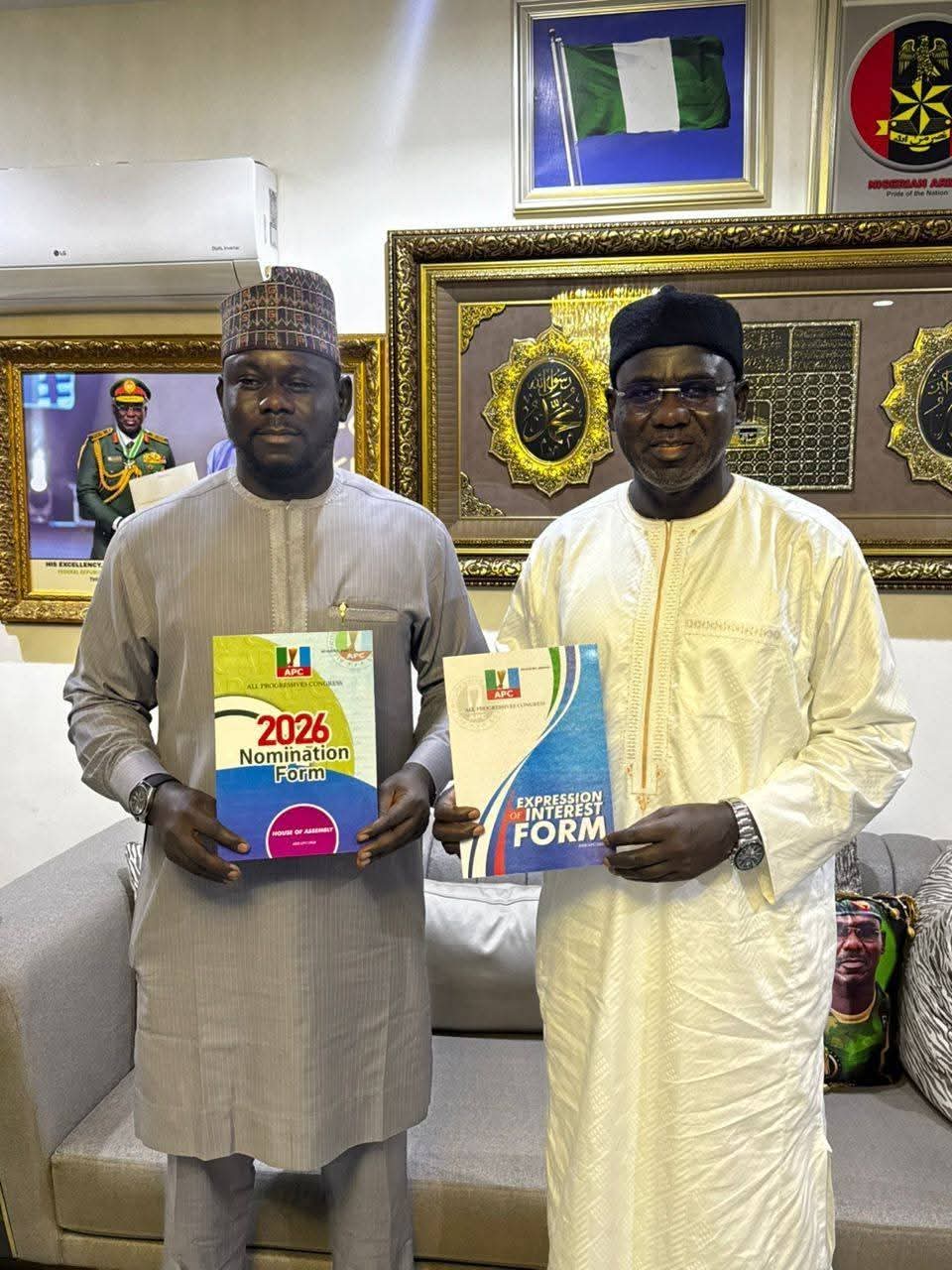
General Buratai Backs Son’s Political Ambition, Calls For Greater Youth Inclusion In Governance
Former Chief of Army Staff, Tukur Yusuf Buratai, has urged Nigerians to support young people in pursuing their dreams and taking active roles in politics, as he publicly endorsed the political ambition of his son, Tukur Buratai Jnr.
Buratai, a former Nigerian Ambassador to the Republic of Benin, made the call in a statement shared on his verified Facebook page, where he expressed support for his son’s decision to contest for the Biu Constituency seat in the Borno State House of Assembly under the platform of the All Progressives Congress�.
According to the retired military chief, Nigeria’s future depends largely on its youthful population, stressing that excluding young people from governance and leadership would hinder national growth and development.
He noted that Nigerian youths should not merely be regarded as leaders of tomorrow, but as active contributors and solution providers capable of shaping the country’s future today.
Buratai further emphasized the need to create opportunities and an enabling environment for young Nigerians to thrive politically, economically, and socially, describing youth inclusion as critical to nation-building.
The endorsement of Captain Buratai Jnr, a pilot, is being viewed by political observers as a symbolic transfer of leadership ideals, discipline, and patriotism from one generation to another.
His candidacy is also expected to inject youthful energy and fresh perspectives into legislative representation in Biu Constituency ahead of future political contests.
As preparations gradually begin towards the next electoral cycle, Buratai’s message is likely to resonate among young Nigerians seeking greater participation in governance and public service.


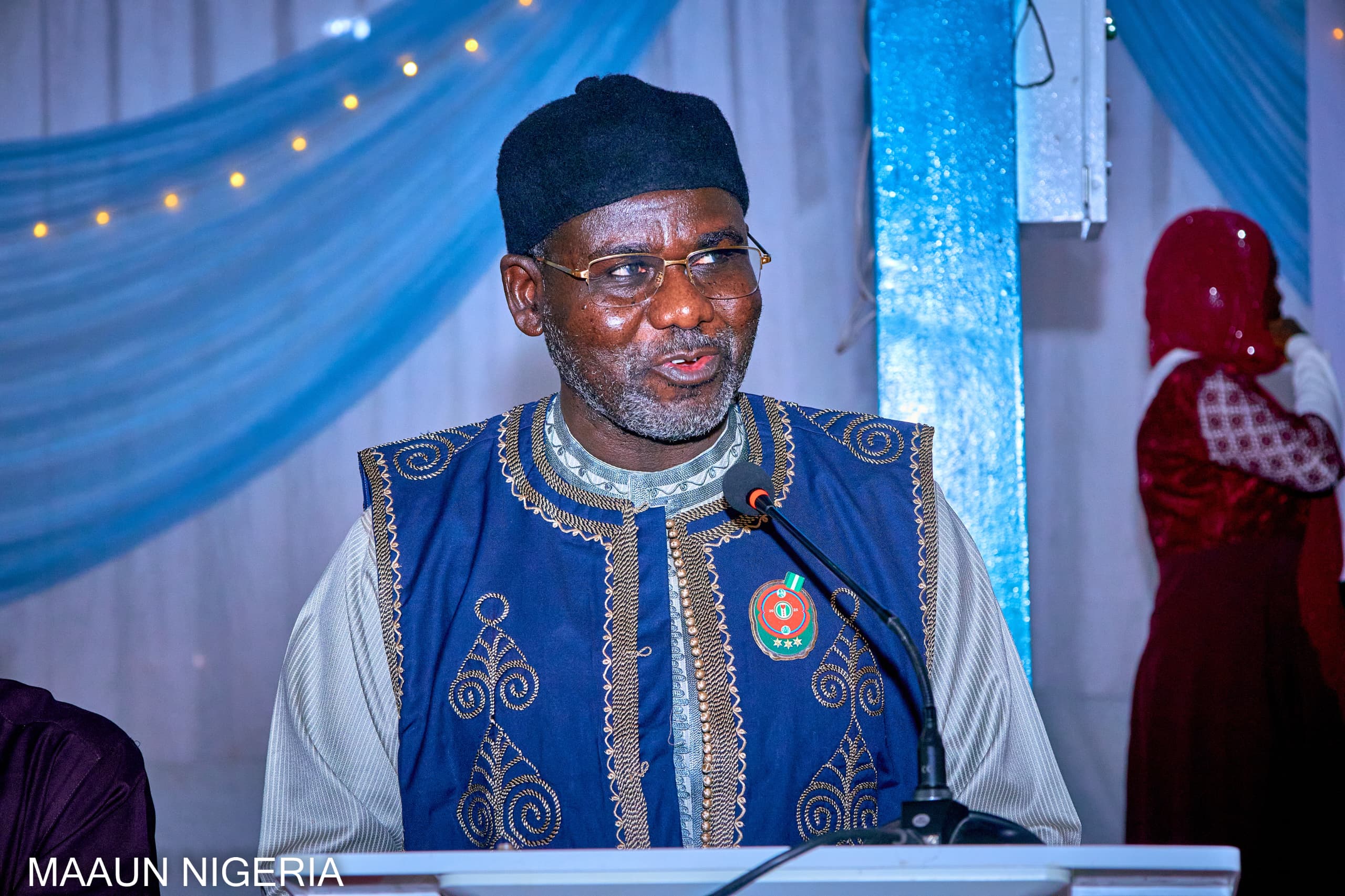
Buratai Celebrates Ex-Internal Affairs Minister, General Magoro, At 85
Former Chief of Army Staff, Tukur Yusufu Buratai, has paid glowing tribute to retired Major General Muhammadu Magoro on the occasion of his 85th birthday, describing him as “a national hero and a general par excellence.”
In a congratulatory message issued on Thursday, Buratai hailed Magoro’s decades of service to Nigeria, noting that his military and political careers remained a model of patriotism, discipline, and leadership.
Magoro, who holds the traditional title of Mutawallen of Kebbi Kingdom, served as a commander during the Nigerian Civil War, later becoming Minister of Internal Affairs and a senator during the Second Republic.
Buratai said the retired general’s contributions to national development and security had earned him recognition both within and outside Nigeria.
He also acknowledged Magoro’s role in mentoring younger military officers, including himself, stressing that the elder statesman’s guidance and professional conduct had inspired generations of military leaders.
The former army chief recalled recently reconnecting with Magoro during the 25th anniversary celebration of the Arewa Consultative Forum in Kaduna, describing the meeting as symbolic of the enduring bond among those who had served the nation selflessly.
“As you mark this 85th birthday, I pray that Almighty Allah continues to bless you with good health, peace of mind, and many more fruitful years,” Buratai stated.
He further noted that Magoro’s legacy would continue to inspire future leaders across military and civilian institutions in the country.
Buratai concluded the message by wishing the elder statesman a memorable celebration, declaring that “Nigeria salutes” him for his sacrifices and enduring service to the nation.
Business
Laffmattazz Announces Strategic Partnership with First Bank of Nigeria Limited for 2026 International Tour
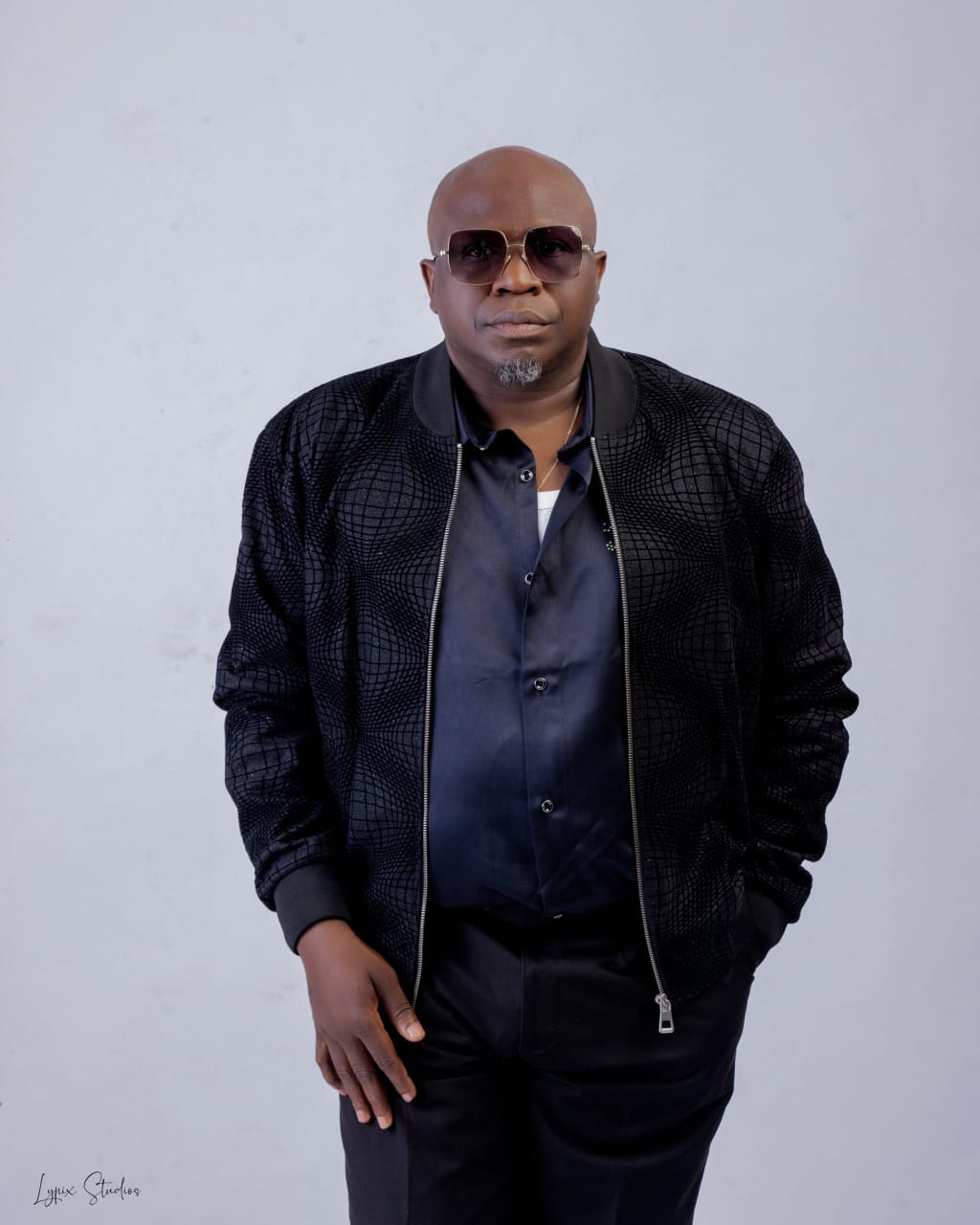
Laffmattazz Announces Strategic Partnership with First Bank of Nigeria Limited for 2026 International Tour
Laffmattazz, one of Nigeria’s foremost comedy and live entertainment brands, is pleased to announce its official partnership with First Bank of Nigeria Limited for the highly anticipated Laffmattazz 2026 International Tour, themed “Next Chapter: A New Season of Laughter.”
Now in its 15th year, Laffmattazz—the brainchild of renowned Nigerian comedian Gbenga Adeyinka (Gbenga Adeyinka 1st)—has evolved into a cultural phenomenon, celebrated for its seamless fusion of comedy, music, and live stage performances.
The 2026 tour, which kicked off on Easter Sunday, April 5th, 2026 at the Jogor Centre, Ibadan, marks a significant milestone in the brand’s journey. Building on over a decade of success across Nigeria, this year’s edition signals a bold expansion into the international market, with a multi-city run in Canada, alongside major stops in Akure, Abeokuta, and Lagos.
This strategic partnership with First Bank of Nigeria Limited underscores a shared commitment to excellence and innovation. It is also aligned with FirstBank’s First@Arts initiative—a significant and ongoing program dedicated to supporting the creative arts, entertainment, and cultural sectors. Through this initiative, FirstBank provides financing, advisory services, and actively fosters a sustainable value chain for artists and creative entrepreneurs, while supporting key industry platforms such as the Nigerian Entertainment Conference.
Speaking on the collaboration, the Laffmattazz team stated:
“We are delighted to welcome First Bank of Nigeria Limited as a strategic partner for the Laffmattazz 2026 International Tour. As we mark 15 remarkable years of Laffmattazz, this partnership reinforces our vision to take premium Nigerian entertainment beyond borders, while delivering even bigger, better, and more memorable experiences for our audiences.”
As a key partner, First Bank will enrich the tour through innovative customer engagement initiatives, experiential activations, and exclusive fan experiences across all tour locations.
With its distinctive blend of humor, culture, and live entertainment, the Laffmattazz 2026 Tour is poised to connect audiences across cities and continents, bringing laughter to thousands of fans worldwide.
⸻
About Laffmattazz
Laffmattazz is a premier Nigerian comedy and entertainment brand, now in its 15th year, renowned for its vibrant live shows and nationwide tours. Founded by Gbenga Adeyinka 1st, the brand continues to deliver high-quality experiences that celebrate creativity, culture, and laughter.
About First Bank of Nigeria Limited
First Bank of Nigeria Limited is Nigeria’s oldest financial institution, widely respected for its legacy of trust, innovation, and customer-centric financial solutions that support economic growth and development. Through its First@Arts initiative, the Bank continues to play a pivotal role in empowering the creative industry and driving sustainable growth across the sector.


- Rhino Resources Joins African Energy Week (AEW) as Gold Sponsor as Southern African Exploration Expands May 8, 2026
- Levene Energy Joins African Energy Week (AEW) as Gold Sponsor Amid Regional Expansion and Market Diversification May 8, 2026
- Gas Supply in the Age of Artificial Intelligence (AI): Can Africa’s Natural Gas Power the Continent’s Digital Future? May 8, 2026
- Merck Foundation and African First Ladies are Making History in Africa by Training the First Oncologists and Cancer Care teams in their Countries May 8, 2026
- Seychelles participates in United Nations Educational, Scientific and Cultural Organization (UNESCO) forum marking the International Day for Small Island Developing States May 8, 2026
- African Petroleum Producers Organization (APPO) Secretary General Ghezali to Address African Energy Week (AEW) 2026 as African Energy Bank Nears Launch May 8, 2026
- Petralon Energy Scales Dawes Island Output, Joins African Energy Week (AEW) 2026 as Diamond Sponsor May 8, 2026
- Giving Thanks for a Year of Petrine Service: Message to His Holiness Pope Leo XIV May 8, 2026
- Targeting 250,000 bpd by 2030, First Exploration & Petroleum Development Company (First E&P) Joins African Energy Week (AEW) 2026 as Diamond Sponsor May 8, 2026
- From Artificial Intelligence (AI) to project profiles: ESI Africa has the stories to balance opinions May 8, 2026
- Rhino Resources Joins African Energy Week (AEW) as Gold Sponsor as Southern African Exploration Expands May 8, 2026
- Levene Energy Joins African Energy Week (AEW) as Gold Sponsor Amid Regional Expansion and Market Diversification May 8, 2026
- Gas Supply in the Age of Artificial Intelligence (AI): Can Africa’s Natural Gas Power the Continent’s Digital Future? May 8, 2026
- Merck Foundation and African First Ladies are Making History in Africa by Training the First Oncologists and Cancer Care teams in their Countries May 8, 2026
- Seychelles participates in United Nations Educational, Scientific and Cultural Organization (UNESCO) forum marking the International Day for Small Island Developing States May 8, 2026
- African Petroleum Producers Organization (APPO) Secretary General Ghezali to Address African Energy Week (AEW) 2026 as African Energy Bank Nears Launch May 8, 2026
- Petralon Energy Scales Dawes Island Output, Joins African Energy Week (AEW) 2026 as Diamond Sponsor May 8, 2026
-

 news5 months ago
WHO REALLY OWNS MONIEPOINT? The $290 Million Deal That Sold Nigeria’s Top Fintech to Foreign Interests
-

 society5 days ago
SOCIAL MEDIA IS NOT A BATTLEFIELD COMMAND – WHY THE NIGERIAN ARMY’S ACTION AGAINST JUSTICE CRACK IS A NATIONAL SECURITY IMPERATIVE
-

 celebrity radar - gossips3 months ago
Dr. Chris Okafor Returns with Power and Fire of the Spirit -Mounts Grace Nation Altar with Fresh Anointing and Restoration Grace on February 1, 2026
-

 celebrity radar - gossips5 months ago
Prophet Kingsley Aitafo Releases 2026 Prophecy: ‘Nigeria Will Rise, but the World Must Prepare for Turbulence’
You must be logged in to post a comment Login
You must log in to post a comment.