
society
Under Siege: Nigeria’s Spiraling Insecurity in the Tinubu Era

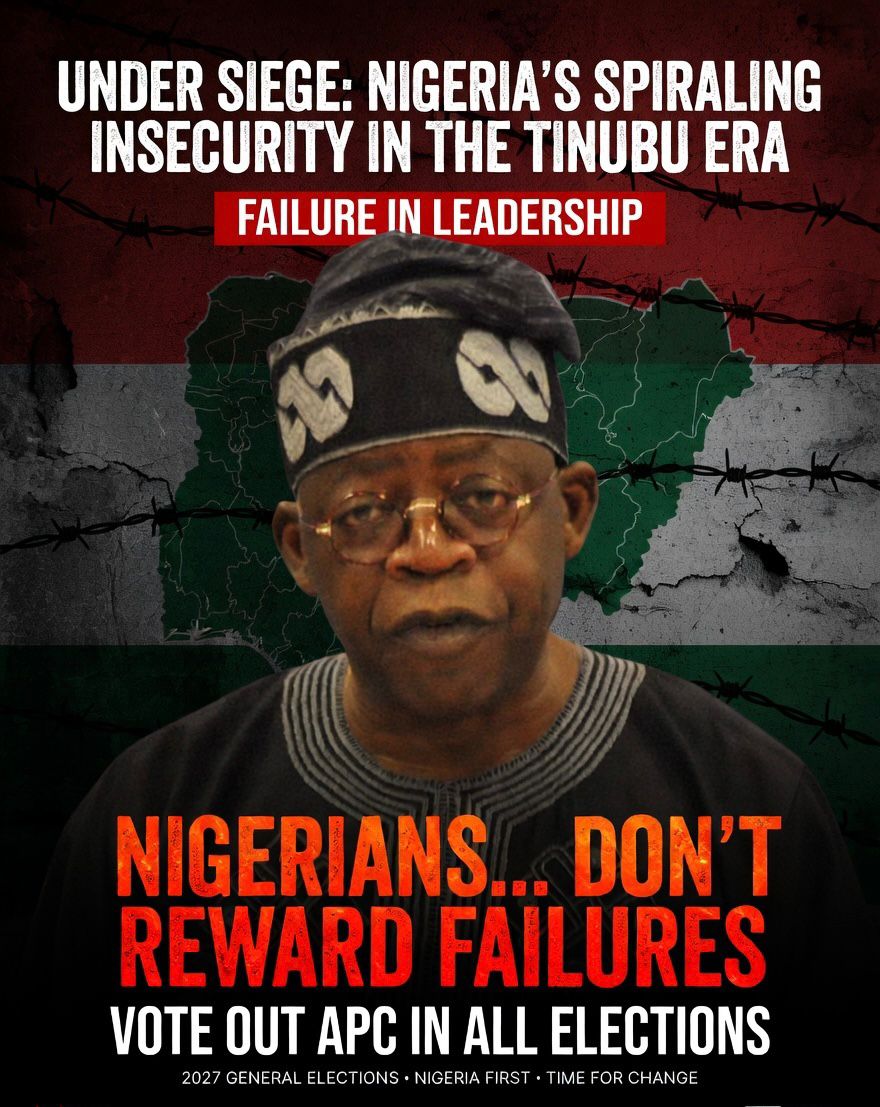
Under Siege: Nigeria’s Spiraling Insecurity in the Tinubu Era
By George Omagbemi Sylvester
“As Violence and Kidnappings Surge, Nigerians Face a Humanitarian and Security Crisis Amid Perceived Government Inaction”
Since President Bola Ahmed Tinubu assumed office on May 29, 2023, the promise of a “Renewed Hope” has been starkly overshadowed by a relentless wave of violence and insecurity across Nigeria. Despite early pledges to prioritise national safety, the reality for millions has been a harrowing descent into a pervasive climate of fear. From the rugged terrains of the Northwest to the insurgent‑heavy Northeast, criminal cartels, bandits and extremist groups continue to challenge the state’s ability to protect its citizens.

https://www.stanbicibtcbank.com/nigeriabank/personal/products-and-services/all-loans/stanbic-ibtc-mreif-home-loans
Independent monitoring groups and international bodies such as Amnesty International estimate that over 10,000 Nigerians have lost their lives in violent attacks since Tinubu took office. Alongside this grim death toll is the dramatic escalation of abductions and the “kidnap‑for‑ransom” economy, which reportedly drained more than $1.4 billion (about ₦2.23 trillion) from families in the administration’s first year alone. This financial drain has compounded psychological trauma and deepened economic hardship.
“Nigeria’s security crisis is not merely a law enforcement problem,” says Prof. Abuja‑based security analyst Dr. Chukwuemeka Eze, “it is a symptom of systemic governance failure; where the state cannot guarantee the safety of its citizens.”
In the Northwest and Northcentral regions (including states such as Zamfara, Kaduna and Plateau) armed gangs have razed villages and forced farmers to pay “harvest levies” just to access their own lands. This has devastated local food systems and contributed to rising inflation.
Meanwhile, in the Northeast, fractious insurgent groups such as Islamic State West Africa Province and factions of Boko Haram continue to mount attacks against military and civilian targets. While the military claims to have “degraded” these groups, they remain capable of coordinated assaults, keeping large areas of the region under persistent threat.
Adding a new layer of complexity is the emergence of the “Lakurawa” group in the Sokoto‑Kebbi axis, signalling that old threats persist even as new ones take root.
Critics argue that the Tinubu administration’s focus on economic reforms (such as fuel subsidy removal and currency realignment) has come at the expense of human security. Former defence policy adviser Prof. Ayo Ajayi of Ahmadu Bello University notes, “Security is the foundation of economic growth. Without it, reforms risk becoming hollow promises for millions who live daily under threat.”
Late in 2025, President Tinubu declared a national security emergency and authorised the recruitment of additional security personnel. However, many Nigerians perceive these measures as reactive rather than proactive. The government’s increased reliance on non‑kinetic strategies (such as negotiations and amnesties for some criminal elements) has been met with scepticism.
Observers argue this approach has inadvertently emboldened criminal networks, turning kidnapping into a low‑risk, high‑reward enterprise. Although the state has acquired new military hardware and reshuffled service chiefs, these changes have yet to translate into a sense of safety for ordinary citizens.
The situation is not merely a security challenge but a humanitarian crisis. Civilians are being displaced, families are paying enormous ransoms under duress, and school abductions have uprooted thousands of students from classrooms.
Political scientist Dr. Yemi Ogunleye of the University of Lagos warns, “When the monopoly of coercive force shifts from the state to non‑state actors, the very fabric of democracy is threatened. Citizens must feel safe within their borders; otherwise governance itself becomes irrelevant.”
The Peoples Democratic Party (PDP) insists it has the experience and strategy necessary to confront Nigeria’s security challenges, arguing that decisive leadership and strengthened community defence initiatives are critical. Many Nigerians now look back on previous administrations with the hope that a change in leadership might bring a corresponding shift in national safety and stability.
Until the state can effectively reclaim its monopoly on the use of force and protect lives and properties, the “Renewed Hope” agenda will continue to ring hollow for millions living in the shadow of insecurity.
Published on Tuesday, March 17, 2026





Police Deploy Extra Security To JAMB Centres, Dismiss Rumours Of Threats
The Nigeria Police Force has deployed additional security personnel to examination centres nationwide ahead of the Joint Admissions and Matriculation Board (JAMB) examinations scheduled to begin on April 16, 2026, while dismissing recent rumours of safety threats at certain centres in a North Central state as “unfounded” and “without basis.”
In a statement issued on Tuesday, the Force acknowledged public concerns regarding the safety of candidates but emphasised that it does not act on unverified information. Nevertheless, the police said the concerns had been noted, particularly as they relate to the education and future of young Nigerians.
“Extra security has been deployed at examination centres nationwide, both overtly and covertly, to prevent any untoward incidents,” the Force Public Relations Officer, DCP Anthony Okon Placid, said in the statement. Measures include routine patrols, perimeter checks, and rapid response teams stationed at strategic locations.
The police said they are collaborating closely with other security agencies to monitor and address potential threats effectively, warning that any individual or group attempting to disrupt the examination process will be swiftly identified and prosecuted.
Candidates have been encouraged to arrive early at their centres, adhere to examination regulations, and report any suspicious activities or persons to on-site security personnel. The public was advised to disregard unverified information circulating on social media and to rely solely on official updates from JAMB and the Nigeria Police Force.
“The Force remains committed to maintaining peace, security, and public confidence in all national activities, including the JAMB examinations,” the statement added.
society
Manipulation of Military Operations to Suit Political Permutations; Nigerian Military Operations in Jilli, as a case study
Manipulation of Military Operations to Suit Political Permutations; Nigerian Military Operations in Jilli, as a case study.
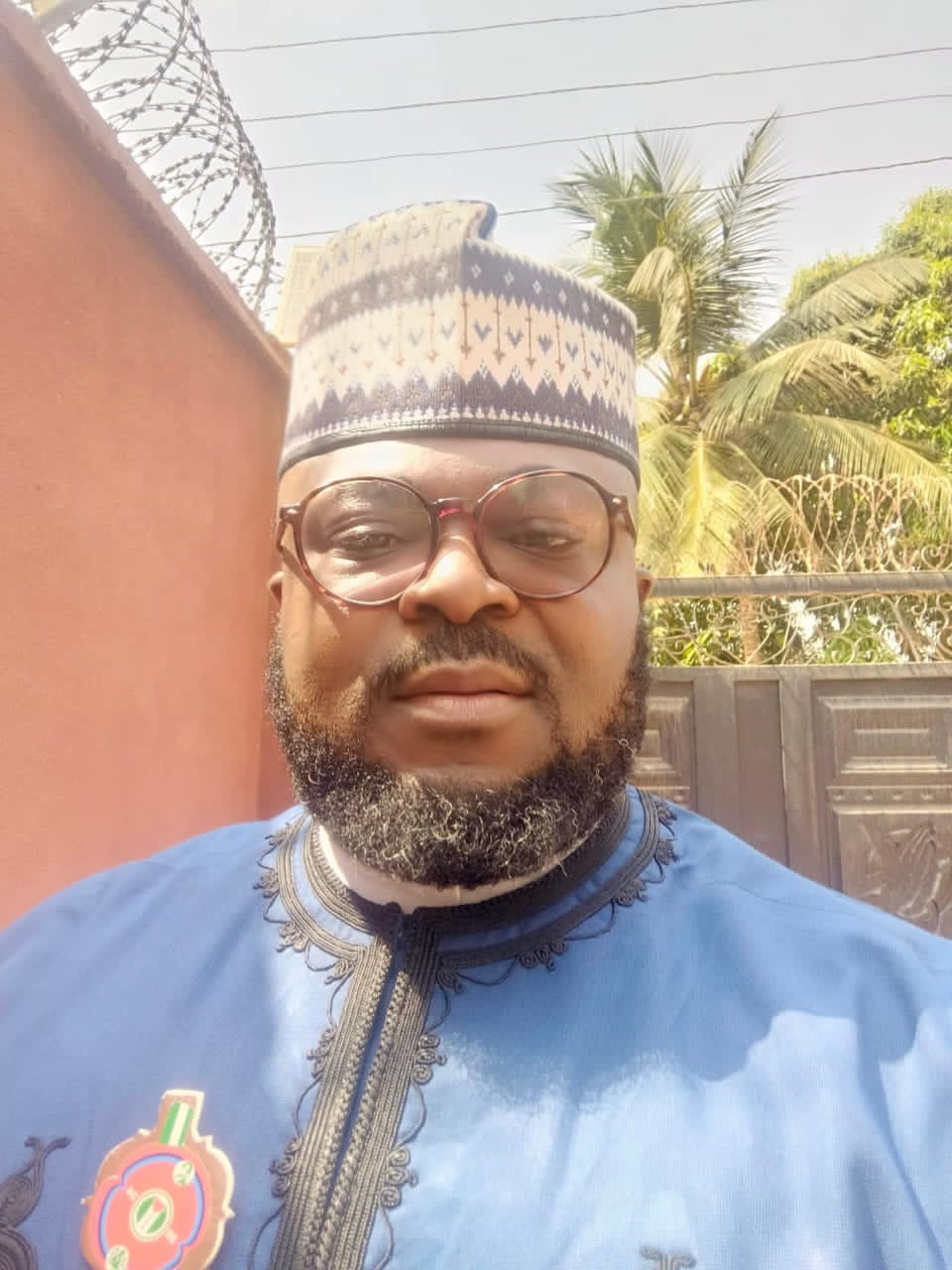
By Comrade Oladimeji Odeyemi.
It must be stated clearly and without any apology: the continuous attempt by some political actors to manipulate or reinterpret military operations for political advantage is reckless, dangerous, and unacceptable. The Armed Forces of Nigeria are not an extension of political ambition, nor are they instruments to be twisted to fit changing political permutations.
Our military personnel, especially the personnel of the Nigerian Army are on the frontlines, risking—and in many cases losing—their lives to defend the nation. To politicise their sacrifices is not only disrespectful, it is an insult to the very idea of national service. Those who choose to score political points from matters of security should understand that they are undermining the morale, focus, and effectiveness of the very institutions safeguarding this country.
Recent developments further expose how dangerous and misleading these narratives can be. In a circulating video, a captured Boko Haram member, one Tijani openly affirmed that insurgents frequently congregate at the Jilli Axis—an area that was recently targeted and bombed by the Nigerian military. He went to further affirmed that they mobilised from Jilli to carry out the attack on Benisheikh, which led to the tragic loss of our gallant Officers and Men. This revelation directly contradicts the politicised claims suggesting indiscriminate action or targeted victimisation. It instead reinforces the reality that military operations are intelligence-driven and aimed at dismantling terrorist strongholds.
Equally intolerable is the growing habit of dragging ethnic or tribal sentiments into matters of national security. This must stop. Security threats do not discriminate, and neither should our national response. Any attempt to twist counter-terrorism efforts into ethnic or sectional narratives is not only dishonest but dangerously divisive.
Furthermore, the reckless labeling of security operations as “witch-hunts” without credible evidence is a deliberate attempt to discredit institutions and confuse the public. Such narratives are not harmless—they weaken trust, embolden criminal elements, and place additional strain on already overstretched security personnel.
Those pushing such claims must be prepared to take responsibility for the consequences.
Let it be a warning: the continued politicisation of security issues will not only deepen national insecurity but will also be remembered as a betrayal of public trust. Politicians must draw a clear line between legitimate oversight and destructive interference. The former strengthens democracy; the latter endangers lives.
Our security agencies must be allowed to operate without intimidation, manipulation, or political distortion. Anything less is a direct compromise of national safety.
It is the government responsibility to provide security, especially in a Country like Nigeria, where citizens are not allowed to own the kind of weapons that terrorists and often criminals carry, government must protect the citizens.
In conclusion, the lives of citizens are not bargaining chips for political games. They are sacred. Any individual or group that chooses to exploit insecurity for political gain must understand that they are playing a dangerous game—one that history will judge harshly.
Comrade Oladimeji Odeyemi an entrepreneur, a security analyst and an opinion moulder sent this article from Ibadan, Oyo State.
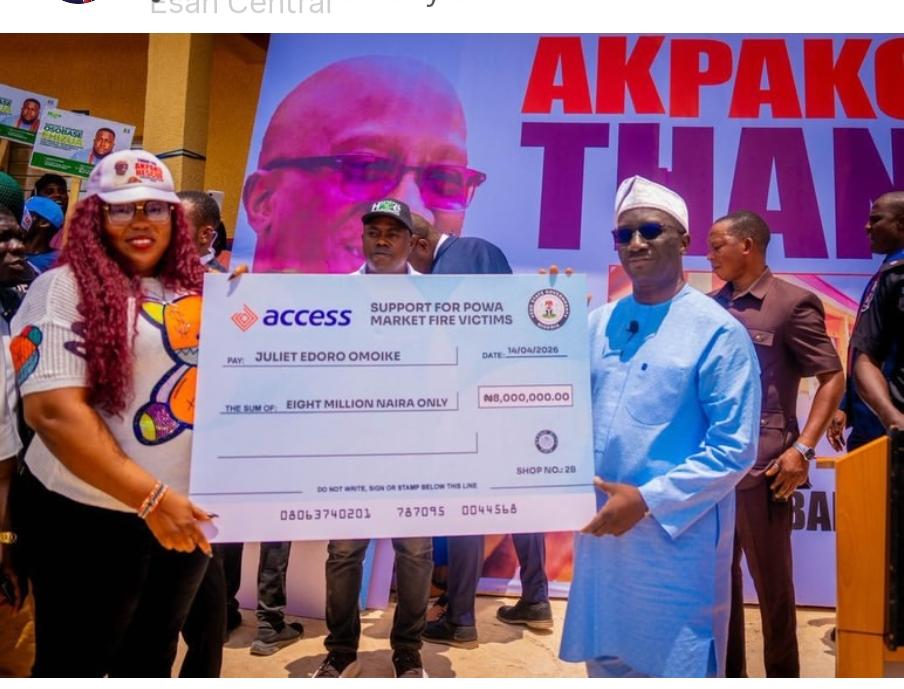
*Monday Okpebholo Rebuilds POWA Market, Disburses ₦200 Million to Fire Victims*
A major recovery effort has been completed for traders affected by the recent fire outbreak at POWA Market, as Edo State Governor Monday Okpebholo announced the rebuilding of the market and the disbursement of financial support to victims.
Speaking during the official presentation, Okpebholo revealed that a total of ₦200 million had been distributed to affected traders, with each shop owner receiving ₦8 million to help restart their businesses. The intervention comes just days after the governor pledged swift action following the devastating fire incident that disrupted livelihoods in the community.
“A few days ago, I made a promise to the traders affected by the POWA Market fire in Ekpoma. Today, I have fulfilled that promise,” Okpebholo said. “We have rebuilt the market, and I personally presented the cheques to each of the affected traders as we disbursed ₦200 million in support, with every shop owner receiving ₦8 million to help them restart their businesses.”
He acknowledged the hardship caused by the disaster, emphasizing that the initiative was not only about economic recovery but also restoring dignity and hope among victims.
“I understand the pain and disruption this incident caused, and this intervention is about restoring not just livelihoods, but hope and dignity,” he added.
The governor framed the effort as part of his administration’s broader commitment to responsive governance and people-centered policies. “This is what governance means to me, standing with our people and taking real action when it matters most,” he said, assuring residents that further support initiatives would follow.
Okpebholo concluded on a note of optimism about the state’s future, declaring, “We will continue to do more to support our people and put smiles on the faces of Edo families. A New Edo has risen.”


- Critical Minerals Africa Group to Speak at Invest in African Energy Forum in Paris April 14, 2026
- Talentz MEDIA Announces Strategic Partnership with Ghanaian Artist Kwaku Cenima to Launch “Emotional Scene” April 14, 2026
- South African Local Government Association (SALGA) and The Global Trust Project announce municipal pilot under new three-year Memorandum of Understanding (MoU) April 14, 2026
- TotalEnergies Strikes New Oil Discovery Offshore Congo Amid National Drive Toward 500,000 barrels per day (BPD) April 14, 2026
- Africa Finance Corporation (AFC) Delivers Côte d’Ivoire’s First Project Finance Green Bond for Landmark Solar Plant April 14, 2026
- Renaissance Services acquires Socat as part of new growth strategy April 14, 2026
- Afreximbank and Government of St Kitts and Nevis Sign Hosting Agreement for AfriCaribbean Trade and Investment Forum (ACTIF2026) April 14, 2026
- African Energy Chamber: Africa Must ‘Refine, Baby Refine’ as Global Supply Disruptions Expose Need for Downstream Expansion April 14, 2026
- African Mining Week (AMW) to Link Investors to Africa’s Aluminium Prospects Amid Middle East Supply Disruptions April 14, 2026
- President Mahama to launch landmark Free Primary Health Care Programme April 14, 2026
- Critical Minerals Africa Group to Speak at Invest in African Energy Forum in Paris April 14, 2026
- Talentz MEDIA Announces Strategic Partnership with Ghanaian Artist Kwaku Cenima to Launch “Emotional Scene” April 14, 2026
- South African Local Government Association (SALGA) and The Global Trust Project announce municipal pilot under new three-year Memorandum of Understanding (MoU) April 14, 2026
- TotalEnergies Strikes New Oil Discovery Offshore Congo Amid National Drive Toward 500,000 barrels per day (BPD) April 14, 2026
- Africa Finance Corporation (AFC) Delivers Côte d’Ivoire’s First Project Finance Green Bond for Landmark Solar Plant April 14, 2026
- Renaissance Services acquires Socat as part of new growth strategy April 14, 2026
- Afreximbank and Government of St Kitts and Nevis Sign Hosting Agreement for AfriCaribbean Trade and Investment Forum (ACTIF2026) April 14, 2026
-

 news4 months ago
WHO REALLY OWNS MONIEPOINT? The $290 Million Deal That Sold Nigeria’s Top Fintech to Foreign Interests
-

 celebrity radar - gossips3 months ago
Dr. Chris Okafor Returns with Power and Fire of the Spirit -Mounts Grace Nation Altar with Fresh Anointing and Restoration Grace on February 1, 2026
-

 celebrity radar - gossips4 months ago
Prophet Kingsley Aitafo Releases 2026 Prophecy: ‘Nigeria Will Rise, but the World Must Prepare for Turbulence’
-

 celebrity radar - gossips6 months ago
End of an Era: Nigeria Mourns Evangelist Dr. Uma Ukpai, 80