
news
Why Lagos State’s Housing Deficit Persists Despite Ongoing Construction Boom by Dennis Isong

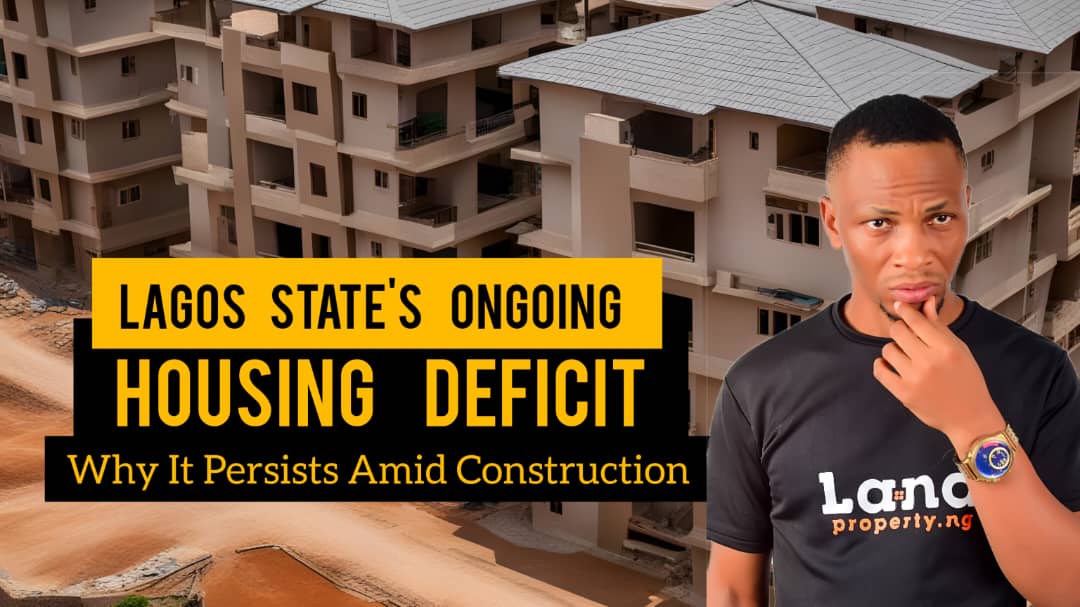
Why Lagos State’s Housing Deficit Persists Despite Ongoing Construction Boom by Dennis Isong
Sahara Weekly Reports That A housing deficit refers to a situation where there is an insufficient supply of housing units to accommodate the population’s housing needs.

This shortage of housing can result in issues such as overcrowding, homelessness, rising property prices, and limited access to affordable and suitable housing for individuals and families.
The term is often used in discussions about urban planning, real estate, and housing policy to highlight the gap between housing demand and supply in a given area.
Lagos State, Nigeria’s economic and cultural powerhouse, has witnessed a surge in construction activity over the past decade. Skyscrapers and residential buildings have sprung up across the city, seemingly indicating progress and development.
However, beneath this facade of growth lies a persistent issue: the growing housing deficit. Despite the construction boom, Lagos State continues to grapple with an increasing shortage of affordable housing. In this article, we will explore five key reasons why this housing deficit persists amid the ongoing construction activity.
1. Rapid Urbanization and Population Growth
One of the primary drivers of the housing deficit in Lagos State is the rapid urbanization and population growth. Lagos has become a magnet for people seeking economic opportunities, leading to an influx of migrants from other regions and countries.
This constant population surge far outpaces the rate at which new housing units are being built, exacerbating the gap between supply and demand.
2. High Construction Costs
While construction activity is booming in Lagos, the high cost of building materials and labor has a cascading effect on housing affordability. Builders face escalating expenses, which are often transferred to potential homeowners through higher property prices. As a result, many Lagosians find themselves priced out of the market, perpetuating the housing deficit.
3. Insufficient Infrastructure Development
The rapid construction of buildings in Lagos has not been matched by an equivalent investment in infrastructure development. Essential amenities like roads, water supply, sewage systems, and public transportation are struggling to keep up with the expanding city. This lack of infrastructure diminishes the appeal of newly constructed areas, hindering their potential for affordable housing.
4. Land Ownership and Land Use Regulations
Lagos State’s complex land ownership and land use regulations further compound the housing deficit. Disputes over land ownership and inefficient land allocation processes can delay construction projects and deter potential investors. Moreover, unclear land tenure systems can discourage individuals from investing in real estate, leaving large swaths of land underutilized.
5. Limited Access to Financing
Access to affordable financing options remains a significant barrier to homeownership in Lagos State. High-interest rates on mortgage loans and a lack of financial instruments designed to support affordable housing contribute to the housing deficit. Many individuals and families simply cannot secure the necessary funding to purchase a home, even when properties are available on the market.
Dennis Isong is a TOP REALTOR IN LAGOS.He Helps Nigerians in Diaspora to Own Property In Lagos Nigeria STRESS-FREE. For Questions WhatsApp/Call 2348164741041




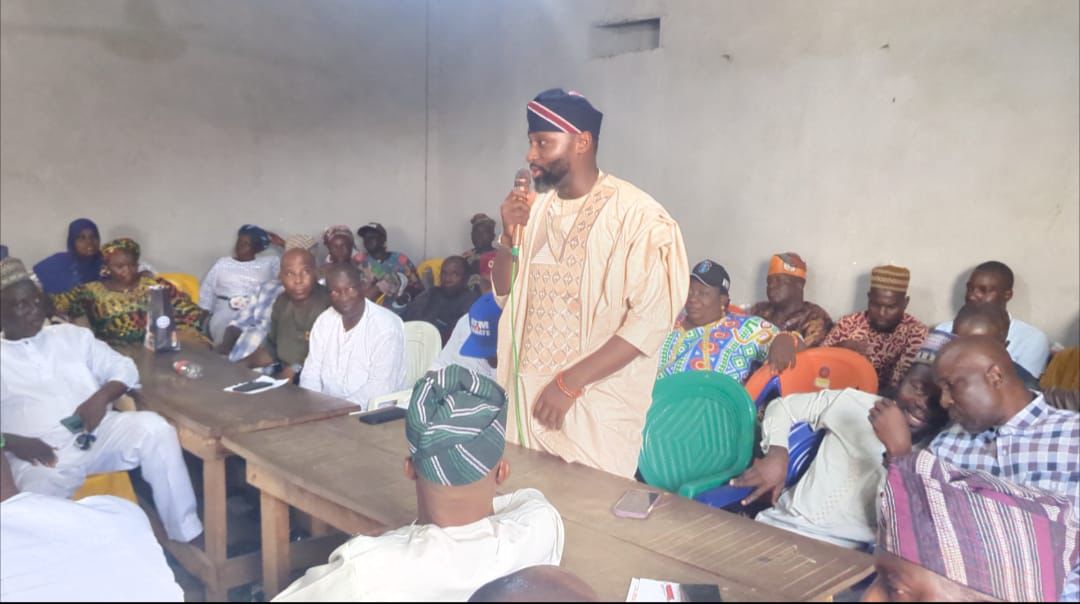
Reports from the field in Ondo North Senatorial District indicate that voters, officers, and agents at the voting centers across the wards have put Abdul Tunji Mohammed (ATM) in the lead.
According to the current figures collated from the centers, ATM is polling with wider margins of votes
Going by these figures, ATM is poised to win all the six Local Government in the Senatorial Districtt.
We urge all party members and supporters to remain peaceful as collation continues.
news
Senate Leader Opeyemi Bamidele Hosts Ondo North Aspirant Abdul Tunji Mohammed, Backs Grassroots Development Agenda
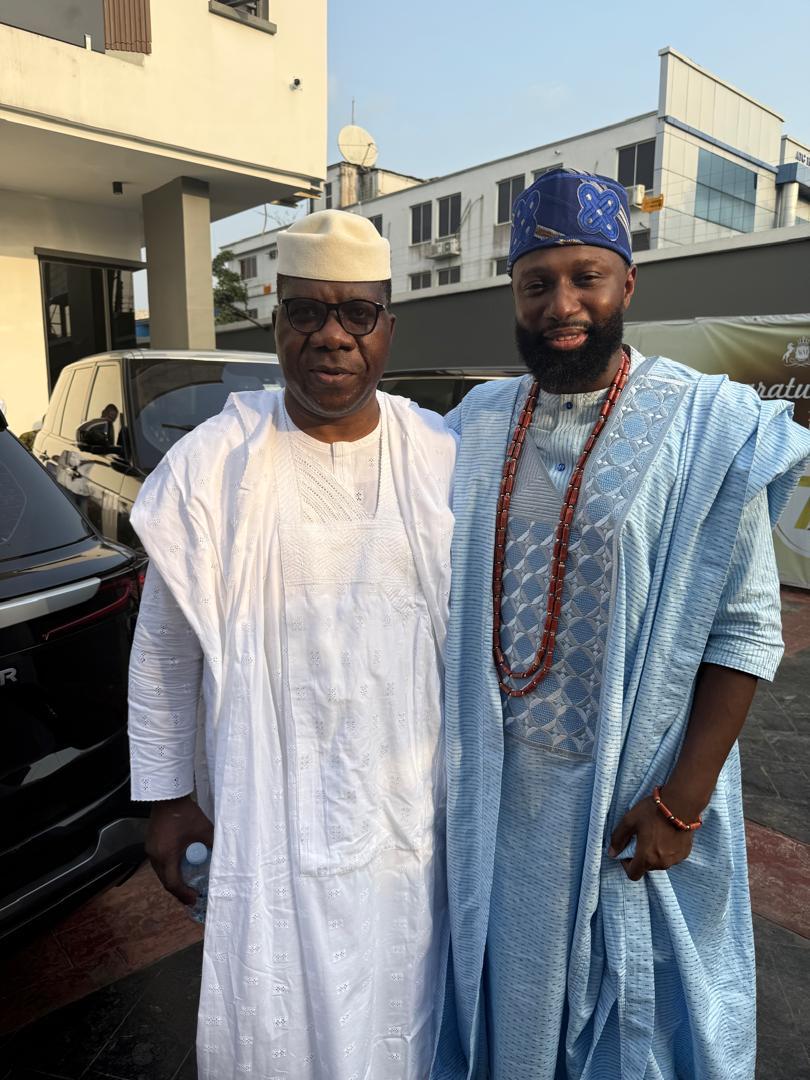
Senate Leader Opeyemi Bamidele recently hosted Chief Abdul Tunji Mohammed (ATM), a prominent aspirant for the Ondo North senatorial seat.
The meeting highlighted a strategic alignment between progressive forces, with both leaders emphasizing a shared vision for grassroots development and legislative excellence.
Senator Bamidele, a respected figure in Nigerian politics, is recognized for his contributions to national cohesion and impactful policymaking, drawing on his experience as a legal luminary and human rights activist.
Chief Mohammed, an astute businessman and dedicated grassroots mobilizer, has made a notable impact on Ondo North through his philanthropic work and commitment to constituents’ welfare. His approach blends corporate discipline, economic ingenuity, and a deep concern for people—qualities that have reshaped the region’s political narrative.
The two leaders discussed the district’s critical needs, exploring avenues for socioeconomic growth, legislative reform, and stronger community integration. Senator Bamidele stressed the importance of supporting President Bola Ahmed Tinubu’s Renewed Hope Agenda, a sentiment echoed by Chief Mohammed.
The convergence of Chief Mohammed’s vision with Senator Bamidele’s legislative experience offers hope for Ondo North. This synergy between grassroots ambition and seasoned mentorship points to a promising future for the district’s representation in the Senate. With ATM’s drive and the guidance of leaders like Senator Bamidele, Ondo North is positioned for progress and transformative governance.
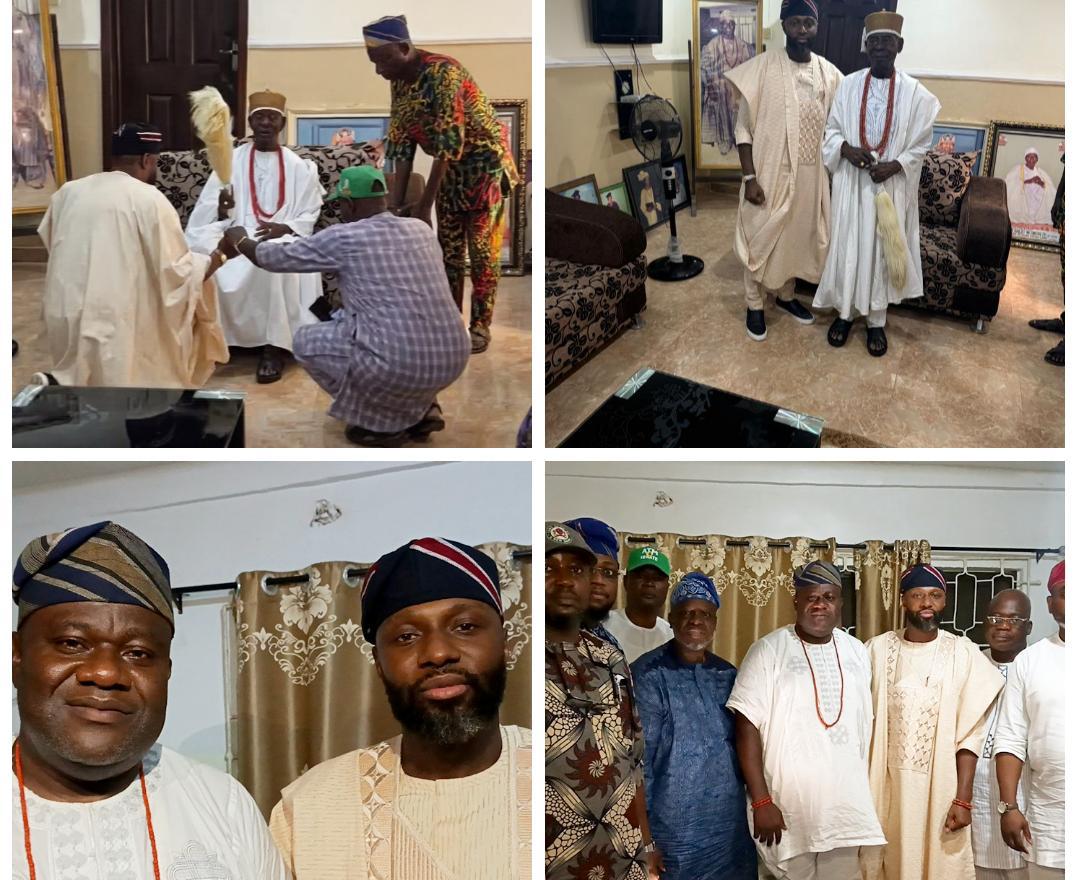
APC Senatorial aspirant for Ondo North, Abdul Tunji Mohammed, popularly known as ATM, received a resounding endorsement on Thursday during a high-profile visit to Ikare-Akoko.
The endorsement came from the Olukare of Ikare, His Royal Majesty Oba Akadiri Momoh IV, the Owa Ale of Ikare, His Royal Majesty Oba Adeleke Adedoyin, and the Ikare Council of Chiefs, who described ATM as a credible son of the soil with the capacity to represent Ondo North effectively at the Senate.
Speaking at the palace, the Olukare commended ATM for his consistent engagement with the people and his track record in business and community development. “We have watched your contributions to Ondo North over the years. You are one of us, and we believe you have the experience and character to speak for our people in Abuja,” the monarch said.
The Owa Ale, in his remarks, stressed the need for unity and quality representation. He urge him to continue the help to the people at home that he’s doing. He urged other stakeholders to support aspirants with proven commitment to the district’s progress, noting that Ikare and Akoko land require strong voices at the National Assembly.
In his response, Abdul Tunji Mohammed thanked the monarchs and chiefs for their blessings and trust. He reaffirmed his commitment to prioritize infrastructure, education, healthcare, youth empowerment, and agricultural development if elected.
“Ikare is central to Ondo North, and your support strengthens my resolve to serve with integrity and results. I will not betray this trust. My campaign will remain issue-based, and my representation will reflect the hopes of our people,” ATM stated.
The visit was marked by prayers, cultural displays, and solidarity from party leaders, youth, and women groups across Ikare-Akoko.


- Seychelles: Minister Faure and Ambassador Azais Tatistscheff discuss humanitarian and healthcare cooperation May 22, 2026
- African Energy Chamber (AEC) to Position Africa as South America’s Next Strategic Energy Frontier at Association of Oil, Gas and Renewable Energy Companies of Latin America and the Caribbean (ARPEL) Conference 2026 May 22, 2026
- Afreximbank Posts Robust Q1 2026 Results with 25% Growth in Net Income and Improved Profitability May 22, 2026
- Africa: Soil Mapping for Resilient Agrifood Systems (SoilFER) programme scales up soil fertility monitoring through Mid-Infrared Spectroscopy May 22, 2026
- Food and Agriculture Organization of the United Nations (FAO) receives USD 4 million from the Regional Humanitarian Fund to save lives and protect the livelihoods of the most vulnerable households in Chad May 22, 2026
- Algeria: Mr. Attaf received by the President of the Arab Republic of Egypt May 22, 2026
- Seychelles: President Herminie Engages Tourism Office on La Digue on Visitor Safety and Infrastructure May 22, 2026
- Meeting between State-Minister Kunimitsu and H.E. Mr. João Jorge Matlombe, Minister of Transport and Logistics of Mozambique May 22, 2026
- Ebola response support: United Nations Organization Stabilization Mission in the Democratic Republic of the Congo (MONUSCO) airlifts nearly 30 tons of equipment to Bunia May 22, 2026
- Liberia: President Boakai Congratulates Cameroon on National Day May 22, 2026
- Seychelles: Minister Faure and Ambassador Azais Tatistscheff discuss humanitarian and healthcare cooperation May 22, 2026
- African Energy Chamber (AEC) to Position Africa as South America’s Next Strategic Energy Frontier at Association of Oil, Gas and Renewable Energy Companies of Latin America and the Caribbean (ARPEL) Conference 2026 May 22, 2026
- Afreximbank Posts Robust Q1 2026 Results with 25% Growth in Net Income and Improved Profitability May 22, 2026
- Africa: Soil Mapping for Resilient Agrifood Systems (SoilFER) programme scales up soil fertility monitoring through Mid-Infrared Spectroscopy May 22, 2026
- Food and Agriculture Organization of the United Nations (FAO) receives USD 4 million from the Regional Humanitarian Fund to save lives and protect the livelihoods of the most vulnerable households in Chad May 22, 2026
- Algeria: Mr. Attaf received by the President of the Arab Republic of Egypt May 22, 2026
- Seychelles: President Herminie Engages Tourism Office on La Digue on Visitor Safety and Infrastructure May 22, 2026
-

 news5 months ago
WHO REALLY OWNS MONIEPOINT? The $290 Million Deal That Sold Nigeria’s Top Fintech to Foreign Interests
-

 society3 weeks ago
SOCIAL MEDIA IS NOT A BATTLEFIELD COMMAND – WHY THE NIGERIAN ARMY’S ACTION AGAINST JUSTICE CRACK IS A NATIONAL SECURITY IMPERATIVE
-

 celebrity radar - gossips4 months ago
Dr. Chris Okafor Returns with Power and Fire of the Spirit -Mounts Grace Nation Altar with Fresh Anointing and Restoration Grace on February 1, 2026
-

 celebrity radar - gossips5 months ago
Prophet Kingsley Aitafo Releases 2026 Prophecy: ‘Nigeria Will Rise, but the World Must Prepare for Turbulence’