
society
₦10 Billion Solar Panels at Aso Rock: Tinubu’s Silent Vote of No Confidence in Nigeria’s Electricity Sector

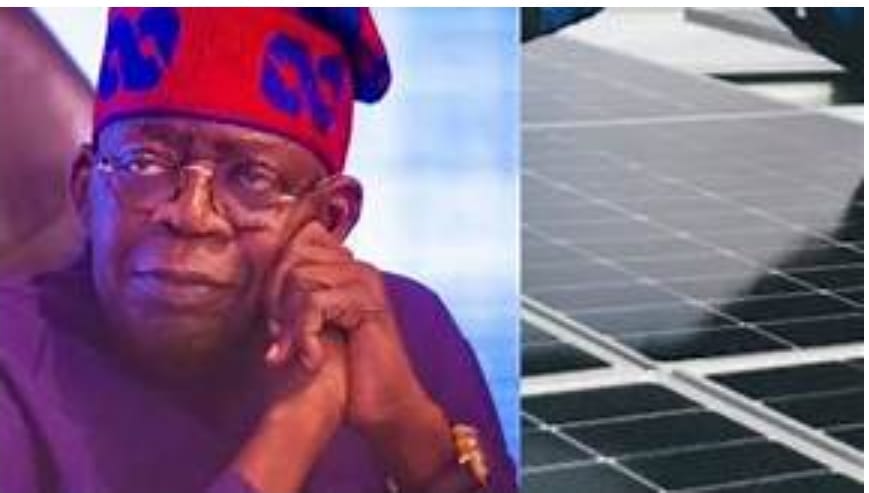
₦10 Billion Solar Panels at Aso Rock: Tinubu’s Silent Vote of No Confidence in Nigeria’s Electricity Sector
By George Omagbemi Sylvester
In a country where over 90 million citizens live without reliable access to electricity, where epileptic power supply continues to stifle businesses, education, and healthcare, President Bola Ahmed Tinubu has sanctioned the installation of ₦10 billion worth of solar panels at the Aso Rock Presidential Villa. This ostentatious project comes in the same breath as recent assurances by his Minister of Power, Adebayo Adelabu, who boldly claimed that Nigeria’s national grid had “greatly improved” and that electricity supply was now “more stable than ever.”
But the irony here is impossible to ignore, painfully loud and bitterly revealing. The same administration that forced Nigerians into Band A tariffs under the pretense of improving service delivery has chosen to insulate itself from the very grid it coerces the populace to depend on. Tinubu’s decision to power the seat of government independently through solar energy is more than just symbolic, it is a deafening, silent vote of no confidence in Nigeria’s electricity sector. It is, quite frankly, a betrayal of public trust and a scandalous contradiction that undermines every reform narrative being pushed by this administration.
A Public Relations and Moral Disaster
This isn’t just a case of bad optics; it is a strategic blunder and a public relations nightmare. It is a spit in the face of millions of ordinary Nigerians who wake up at 2 a.m. to iron their clothes or charge their phones during the brief window when “NEPA” brings back light. It is a harsh insult to small business owners who spend half their earnings fueling generators. It is a cruel reminder to students forced to study under candlelight and hospital patients whose lives hang in the balance due to erratic electricity supply.
What message does it send when the Commander-in-Chief cannot trust the very system his government is supposedly reforming? Nigeria has reportedly spent over $25 billion on the power sector since the advent of democracy in 1999. Yet, we still generate an embarrassing 3,500 to 4,000 megawatts for a country of over 200 million people, a mere fraction of our real demand, which exceeds 30,000 megawatts.
According to a 2024 report by the World Bank, Nigeria loses an estimated $28 billion annually to power sector inefficiencies. In the same year, the national grid collapsed twice in one week, affecting all 36 states. These systemic failures make Tinubu’s solar insulation not just hypocritical but a confirmation that Nigeria’s energy sector is in shambles—and that even those in charge no longer believe in its redemption.
Who Is the Minister Fooling?
In March 2024, Power Minister Adebayo Adelabu stated:
“Electricity has improved greatly across the country, and the grid is more stable than ever.”
This statement aged like spoiled milk. Less than a month later, Nigeria’s fragile grid failed twice in one week, plunging the country into darkness and mocking every word of the minister’s fantasy.
If the grid is truly stable, why can’t the nation’s seat of power rely on it?
Renowned economist and former Presidential Economic Adviser, Dr. Doyin Salami, once stated:
“Any leader who cannot trust the system he oversees has already admitted failure without saying a word.”
By quietly opting for solar energy while publicly touting grid stability, President Tinubu has, in essence, conceded defeat on one of the most critical components of national infrastructure. Instead of leading by example and investing in holistic grid rehabilitation, he has chosen personal convenience over public confidence.
Band A: A Policy of Deceit
In April 2024, the Federal Government introduced Band A tariffs, a controversial policy that saw the cost of electricity skyrocket from ₦68 per kWh to ₦225 per kWh for select urban areas; mostly populated by the middle class. The government justified this hike by claiming it would ensure a minimum of 20–24 hours of daily supply to Band A users.
However, less than a month in, Band A areas reported frequent outages, sometimes worse than before. Nigerians quickly realized that the promise of improved power was a farce, another deceptive policy dressed in economic jargon. This tariff structure, instead of driving efficiency, has widened the inequality gap, where only the affluent can afford consistent electricity while the poor remain in darkness; taxed, yet unrewarded.
Aso Rock’s move to solar is the final nail in the coffin. It shows that even with Band A revenues pouring in, the government still has no faith in the reforms it is selling.
The Broader Economic Implications
Electricity is not a luxury; it is the foundation of any modern economy. Without it, industrialization is a myth, digital transformation is a joke, and economic growth remains a pipe dream. Nigeria’s perennial power problems have discouraged foreign investors, stifled domestic innovation, and eroded citizens’ trust in government capacity.
The hypocrisy of spending ₦10 billion on solar panels for the presidency while universities, hospitals, and factories continue to grope in darkness is not just a leadership flaw, it is an economic crime. That money could have funded mini-grids in underserved rural areas, equipped teaching hospitals with stable power, or supported local businesses through solar cooperatives.
As Dr. Charles Soludo, former CBN Governor, once said:
“Economic reforms must begin from the top, and credibility is the capital of leadership. If people at the top show double standards, the bottom will implode.”
Silence Is No Longer Golden
What is perhaps most appalling is the deafening silence from the Presidency regarding this project. There has been no official justification, no detailed explanation, and no roadmap for scaling solar beyond the Villa. This opacity feeds public anger and fuels conspiracy theories. Is the contract for the solar project another front for looting? Were due processes followed? Who are the contractors? Is there a cost-benefit analysis?
Transparency is not optional when public funds are involved. Citizens deserve answers.
A Call to Action
It is time for Nigerians to demand better. We must ask hard questions, challenge double standards, and hold leaders accountable, not just for their words but for their actions. The Tinubu administration cannot continue to speak reform while acting in contradiction.
If the President believes in solar, then let him lead a solar revolution across Nigeria, not just within the comfort of his official residence. Let every ministry, school, clinic, and rural community benefit from decentralized, renewable energy. Let this ₦10 billion solar project be a pilot, not a personal luxury.
Let this be the moment when Nigerians stop accepting excuses and start demanding delivery.
Final Word
In the end, leadership is not about comfort, it is about credibility. The installation of solar panels at Aso Rock is not just a quiet act of energy diversification; it is a silent vote of no confidence in Nigeria’s power sector. And if the President himself has abandoned the national grid, why should the people keep paying for it?
Until Nigeria has leaders who live within the system they administer, who experience the daily power failures, the darkness, the frustration, there will be no change. You cannot reform what you refuse to endure. And you cannot fix what you quietly flee from.
President Tinubu’s solar-powered fortress is not just an energy policy. It is a metaphor for the widening gap between government and the governed.
And that is the real national emergency.





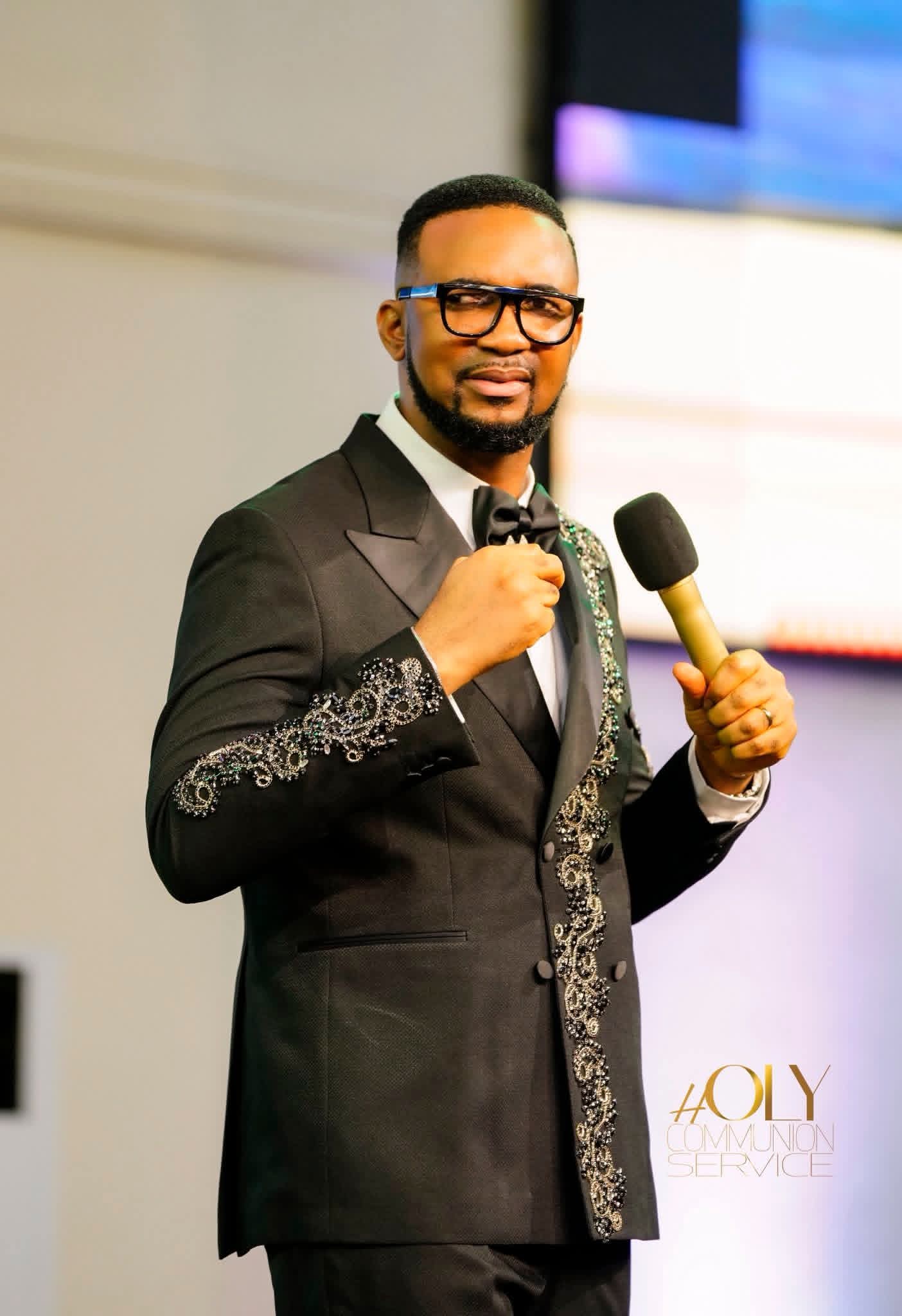
“Jesus Christ is the Way, the Truth, and the Life.” — Dr. Chris Okafor
Grace Nation Worldwide marked a special occasion as members gathered at the international headquarters in Lagos, Nigeria, to celebrate the birthday of the Generational Prophet and Senior Pastor, Christopher Okafor, who turned a year older on April 4, 2026.
A Service of Thanksgiving and Celebration
The atmosphere was filled with gratitude as sons and daughters of the ministry came together to appreciate God for the life and impact of their spiritual leader.
The celebration featured a variety of activities, including special musical renditions, Bible recitations, choreography presentations, and a vibrant praise and worship session led by the Liberation Voices.
The highlight of the event was the ceremonial cutting of the birthday cake, followed by joyful celebration and thanksgiving, all dedicated to the glory of God.
Teaching on the Death and Resurrection of Christ ,Earlier in the day, the service also commemorated the resurrection of Jesus Christ, with Dr. Okafor delivering a message on “The Death and Resurrection of Jesus Christ.”
In his teaching, he described the sacrifice of Christ at Calvary as the foundation of the Christian faith.
“The death of Jesus represents the depth of God’s love for humanity,” he said, while emphasizing that the resurrection is the ultimate confirmation and strength of the believer’s faith.
The State of Humanity Before Redemption
Dr. Okafor explained that before the sacrifice of Christ, humanity was bound by sin, subject to judgment, and separated from God. He highlighted the consequences of the fall of man, including spiritual loss and the inevitability of judgment.
The Purpose of Christ’s Sacrifice
According to the cleric, the death and resurrection of Jesus Christ brought restoration and reconciliation between God and humanity.
“When a person is restored to God, life becomes meaningful,” he noted, adding that the sacrifice of Christ signifies the forgiveness of sin and a new beginning for believers.
A Message of Hope
In conclusion, Dr. Okafor stated that the resurrection of Jesus Christ provides believers with the opportunity to live a fruitful and abundant life, anchored in faith and divine purpose.
The combined celebration of his birthday and the message of Easter created a moment of reflection, joy, and renewed commitment among members of Grace Nation Worldwide.


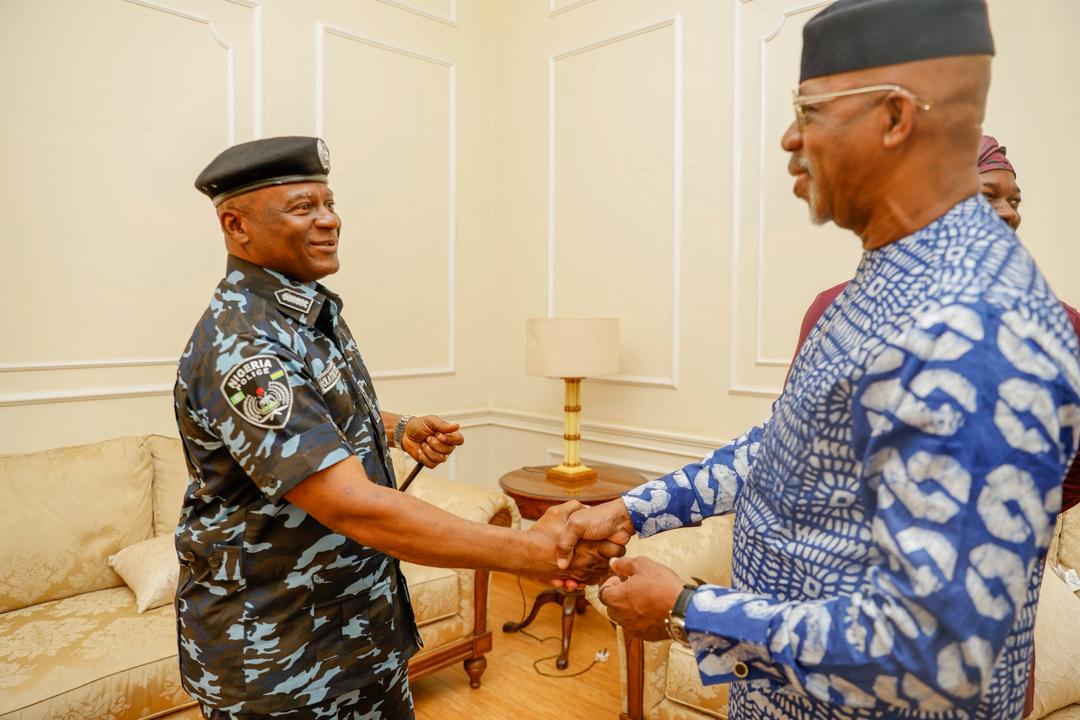
IGP Disu Unveils New Security Vehicles, Bikes In Ogun,
The Inspector-General of Police, Olatunji Rilwan Disu, on Saturday took centre stage at the commissioning of landmark projects in Ogun State, reaffirming the Nigeria Police Force’s commitment to strengthening national security and deepening collaboration with state authorities.
The high-profile event, attended by top government officials and security stakeholders, highlighted the strategic importance of security in driving development. Disu’s presence underscored ongoing efforts by the Police leadership to align operational priorities with infrastructural growth across the country.
A key highlight of the ceremony was the commissioning of new security vehicles and electric motorbikes aimed at boosting the operational capacity of security agencies in the state. The IGP commended the Ogun State Government for what he described as a proactive and forward-thinking approach to security, noting that the newly deployed assets would significantly enhance rapid response and patrol efficiency.
He stressed that effective policing remains central to maintaining peace and order, assuring residents that the Force would continue to evolve strategies to tackle emerging threats. According to him, the Nigeria Police Force is committed to working closely with both the Federal Government and sub-national authorities to ensure the safety of lives and property.
Disu further called on members of the public to support security agencies by providing timely and credible information, describing community cooperation as vital in combating crime and sustaining a secure environment.
The Police leadership also expressed appreciation to the Ogun State Government and other dignitaries for their continued partnership, noting that such collaboration is essential to advancing security initiatives and fostering national development.


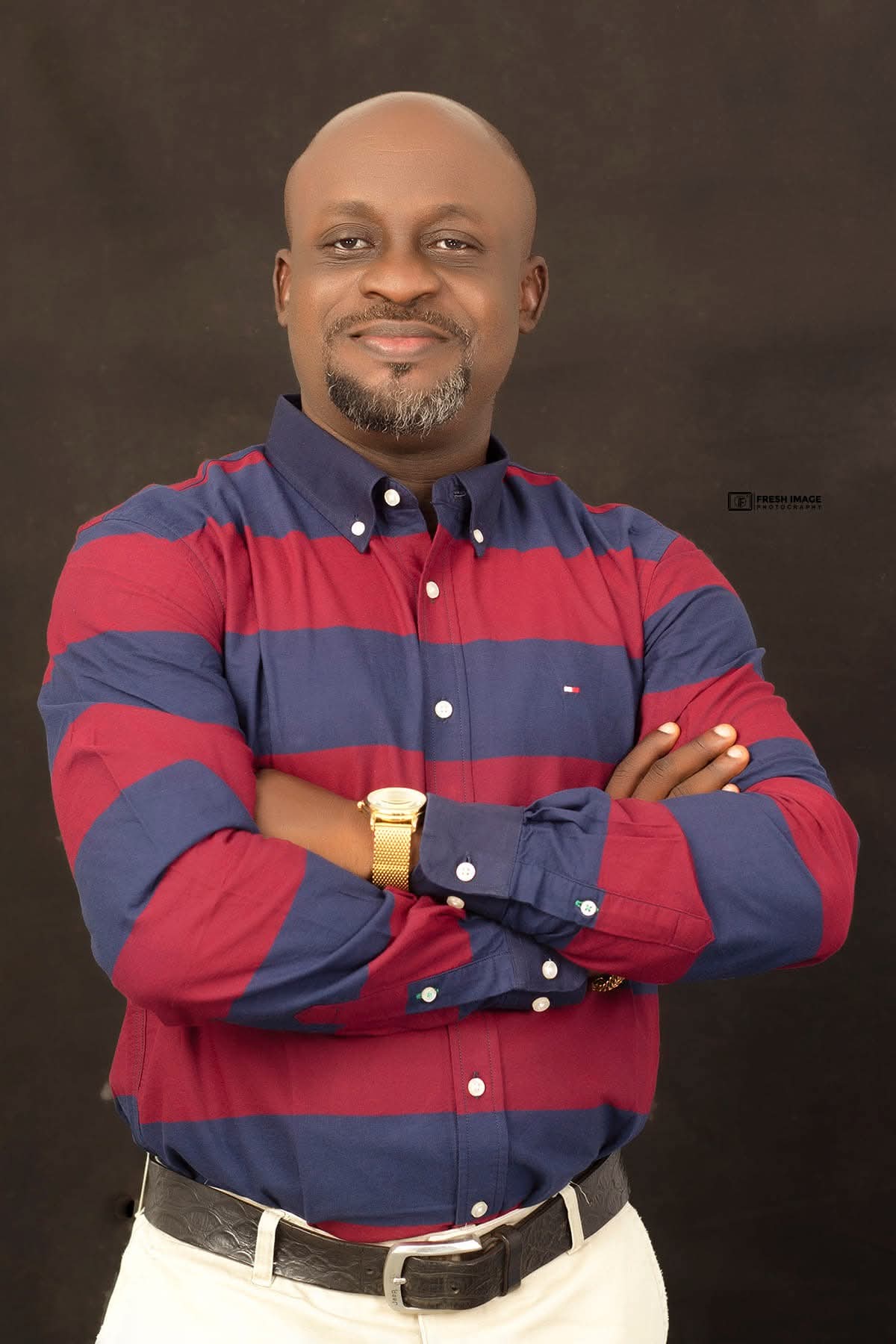
*PDP Stalwart, Fagbemi, Resigns From Party in Ogbomoso South*
A former Secretary of Ogbomoso South Local Government, Temidayo Fagbemi, has formally resigned his membership of the Peoples Democratic Party.
Fagbemi, a major financier of the PDP in the area, tendered his resignation in a letter addressed to the Ward Chairman of the party in Ijeru II, Ogbomoso South.
In his letter, Fagbemi stated that leaving the party he had diligently supported, contributing to PDP’s victories at both the state and local government levels for two consecutive terms, was a difficult but necessary decision.
He wrote: “I, Temidayo Fagbemi, hereby submit my resignation as a member of the PDP.”
“My decision to leave the party, which I worked hard to support and helped secure victory at both the state and local levels for two consecutive terms, is not an easy one. However, it has become necessary.”
He thanked party leaders for the years of shared political engagement and wished them success in their forthcoming primaries.
His resignation marks a significant development within the Ogbomoso South PDP, given his influence, contributions, and long-standing role in strengthening the party’s structure.


- United States (U.S.) and Mozambique Advance Cooperation on Emergency Response and Safety April 6, 2026
- The Impacts of the Middle East Conflict on Africa April 6, 2026
- Ghana: President Mahama announces a high-level panel of the Accra Reset April 6, 2026
- Ghana: President Mahama reiterates his determination to build more businesses April 6, 2026
- Mauritius accelerates energy transition with renewable projects of 405 MW April 6, 2026
- Africa Centres for Disease Control and Prevention (Africa CDC) Appoints His Excellency Prof. Yemi Osinbajo as Senior Strategic Advisor to the Director General April 6, 2026
- 2026 Easter Message by the President of the Catholic Bishops’ Conference of Nigeria (CBCN): The Dawn is Coming, Don’t Let Go Now, Hold on to Hope! April 5, 2026
- "A Time to Pause and Begin Again”: President Dr Patrick Herminie reflects in Easter message April 5, 2026
- President Dr. Patrick Herminie Pays Tribute to the Late Seychellois Artist David Philoe April 5, 2026
- Ghana identifies priority areas to strengthen cholera prevention and control April 5, 2026
- United States (U.S.) and Mozambique Advance Cooperation on Emergency Response and Safety April 6, 2026
- The Impacts of the Middle East Conflict on Africa April 6, 2026
- Ghana: President Mahama announces a high-level panel of the Accra Reset April 6, 2026
- Ghana: President Mahama reiterates his determination to build more businesses April 6, 2026
- Mauritius accelerates energy transition with renewable projects of 405 MW April 6, 2026
- Africa Centres for Disease Control and Prevention (Africa CDC) Appoints His Excellency Prof. Yemi Osinbajo as Senior Strategic Advisor to the Director General April 6, 2026
- 2026 Easter Message by the President of the Catholic Bishops’ Conference of Nigeria (CBCN): The Dawn is Coming, Don’t Let Go Now, Hold on to Hope! April 5, 2026
-

 society7 months ago
Religion: Africa’s Oldest Weapon of Enslavement and the Forgotten Truth
-

 news4 months ago
WHO REALLY OWNS MONIEPOINT? The $290 Million Deal That Sold Nigeria’s Top Fintech to Foreign Interests
-

 society6 months ago
“You Are Never Without Help” – Pastor Gebhardt Berndt Inspires Hope Through Empower Church (Video)
-

 celebrity radar - gossips2 months ago
Dr. Chris Okafor Returns with Power and Fire of the Spirit -Mounts Grace Nation Altar with Fresh Anointing and Restoration Grace on February 1, 2026