
Politics
2023 Elections: Nigeria’s Christendom for Unity or Disunity of the Nation

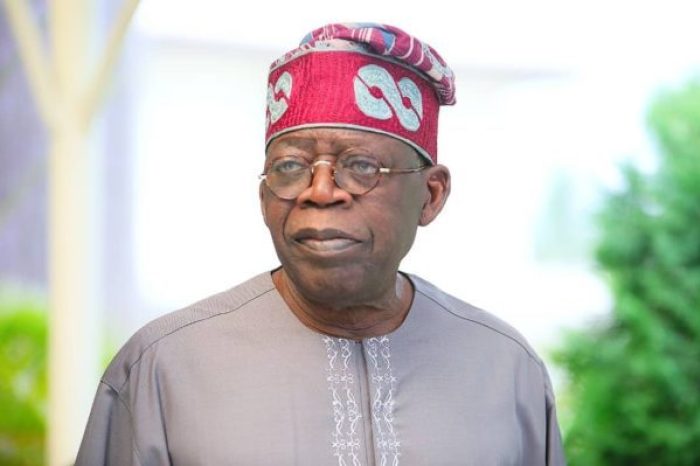
2023 Elections: Nigeria’s Christendom for Unity or Disunity of the Nation

The body of Christ has never been this divided over politics, this is fueled by the aggressive and loud manner the Christian Association of Nigeria (CAN) has been going about its campaign for recognition, it would be recollected that CAN had faced similar disunity when the Catholic Secretariat of Nigeria pulled out of the association during the period Pastor Ayo Oristejafor was the president it only returned in 2018 and this time around making utterances that will polarize the pulpit.
Recently when a group of about 30 clergymen from various churches and denominations across Nigeria stormed the unveiling of the APC candidate, Asiwaju Bola Ahmed Tinubu’s running mate, Senator Kashim Shettima in support of his aspiration for the office of the President, the clergymen were talked-down on by others in the Christian community, most vocal is the Vice President of CAN (19 Northern States and Abuja) and its chairman in Kaduna State, Rev. Joseph John Hayab, who described them as hire mechanics.
In his words “BAT is free to hire mechanics and other artisans and sew clerical garments for them. An effort that will only add to their many ropes when the political exercise is over but will not change the need for fairness and justice that CAN is calling for.”
The tone of CAN representative set the social media on fire as this seems to be the basis with which these clergies are been abused, this singular action has brought ridicule to the body of Christ since findings revealed some of those people are actually known to the Rev. Joseph John Hayab, take for example Reverend Father Hyacinth Alia, of Gboko Catholic Diocese Benue State who is also the APC Governorship Candidate in the State, also Bishop Edward Williams Chanomi of Chapel of Peace Mararaba, Abuja.
In the words of Mahatma Gandhi, an Indian lawyer, anti-colonial nationalist and political ethicist who employed nonviolent resistance to lead the successful campaign for India’s independence from British rule, and to later inspire movements for civil rights and freedom across the world, “The essence of all religions is one. Only their approaches are different.”
It will be recalled that Christianity like Islam preaches peace and unity but the current trend shows religion is being used as a platform for power by many of these pastors who would ignore competence to stake a claim at a place in political relevance.
Pastors are regarded as an epitome spirituality and intelligence who are usually apolitical since it is expected they are fathers to their diverse congregation and the prospected ones, but that has since changed since they are now vocally and angrily expressing their displeasure that Asiwaju Bola Ahmed Tinubu did not choose a northern Christian as a running mate even when no northern Christian has emerged the CAN president in over 40 years.
The choice of words of some of this leaders shows they have an axe to grind even when both the Presidential candidate are known to be liberal and has even expressed their mind about not representing any religion but Nigerians, after the appearance of the clerics at the unveiling days back, the tone of the CAN representative that issued a statement is that of somebody who will not care if the country will go into flames.
The attendance of the clergy caused a great deal of controversy and speculation as online sleuths picked holes in their attire, claiming that their shoddy appearance was proof of a conspiracy on the part of the APC to invite fake Christian leaders to the unveiling.
When asked about their decision to attend the event decked in religious garb, one attendee who did not give his name said “I am proud to be a Christian BAT supporter. I have no problem with a Muslim-Muslim ticket because I very much believe in the Jagaban”.
Another one of the clergy identified as the senior pastor of Yoke Breakers Prophetic Ministry, Bishop Ugokwe Prince; the founder Christian and Muslim Love International foundation said; they believe in the unity and religious harmony of the country.
Speaking further he disclosed that they are to show support and solidarity and offers prayers for the party and also to advise in areas they believe as a group of clergy can contribute to the party to get it right in the forthcoming presidential and general election come 2023, he stated.
Even when Tinubu has politely and categorically defended his choice of Kashim Shettima as the man who can help him bring the best governance to all Nigerians, regardless of their diverse religious affiliations or considerations of ethnicity or region, these naysayers will not stop at discrediting and condemning the Muslim-Muslim ticket over a mundane issue of a same faith ticket in d presidential race of a country with such magnitude like Nigeria.
It stands to reason that such primordial religious sentiments shouldn’t be allowed to becloud our collective entity as one big united family, religion or no religion.




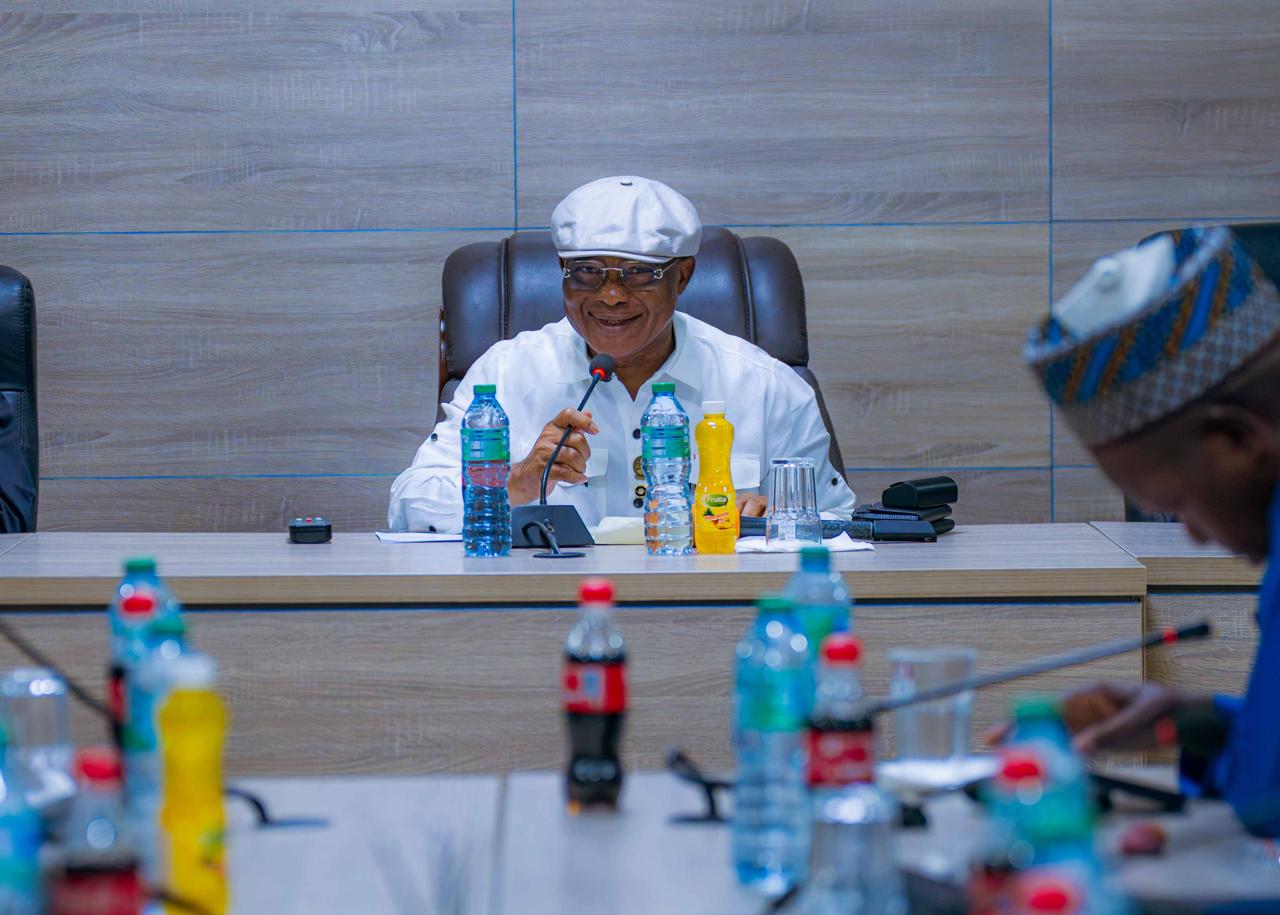
*Renewed Hope Ambassadors Step Into the Next Phase
Fresh from the successful APC 2026 National Convention, the Renewed Hope Ambassadors National, Zonal, and State leadership gathered in Abuja over the weekend, for its fourth strategic meeting, setting the tone for nationwide grassroots activation ahead of 2027.
Chaired by Governor Hope Uzodinma (Imo State) the Director General and National Coordinator of the Renewed Hope Ambassadors, alongside Deputy Director-General, Governor Uba Sani of Kaduna State, and Governor Inuwa Yahaya of Gombe State as Secretary, the session reinforced one clear direction: One Party. One Message. One Mobilization whilst also laying out a strategic roadmap for the activation of the network across all communities in Nigeria.
Backed by the strength of 31 APC-led states, the Renewed Hope Agenda is taking Bola Ahmed Tinubu’s message of progress and reform to every corner of Nigeria.
From bold economic restructuring to initiatives like NELFUND, the increase in the national minimum wage from ₦30,000 to ₦70,000, and strategic investments in critical sectors, including PNiCGI, the mission remains clear: helping Nigerians understand both the purpose and the progress of the Renewed Hope vision.
This is coordination at scale. This is grassroots engagement with purpose. This is the next phase of Renewed Hope with One Party, One Message, and One Mobilisation framework
#RenewedHopeAmbassadors #APC #WeAreAPC


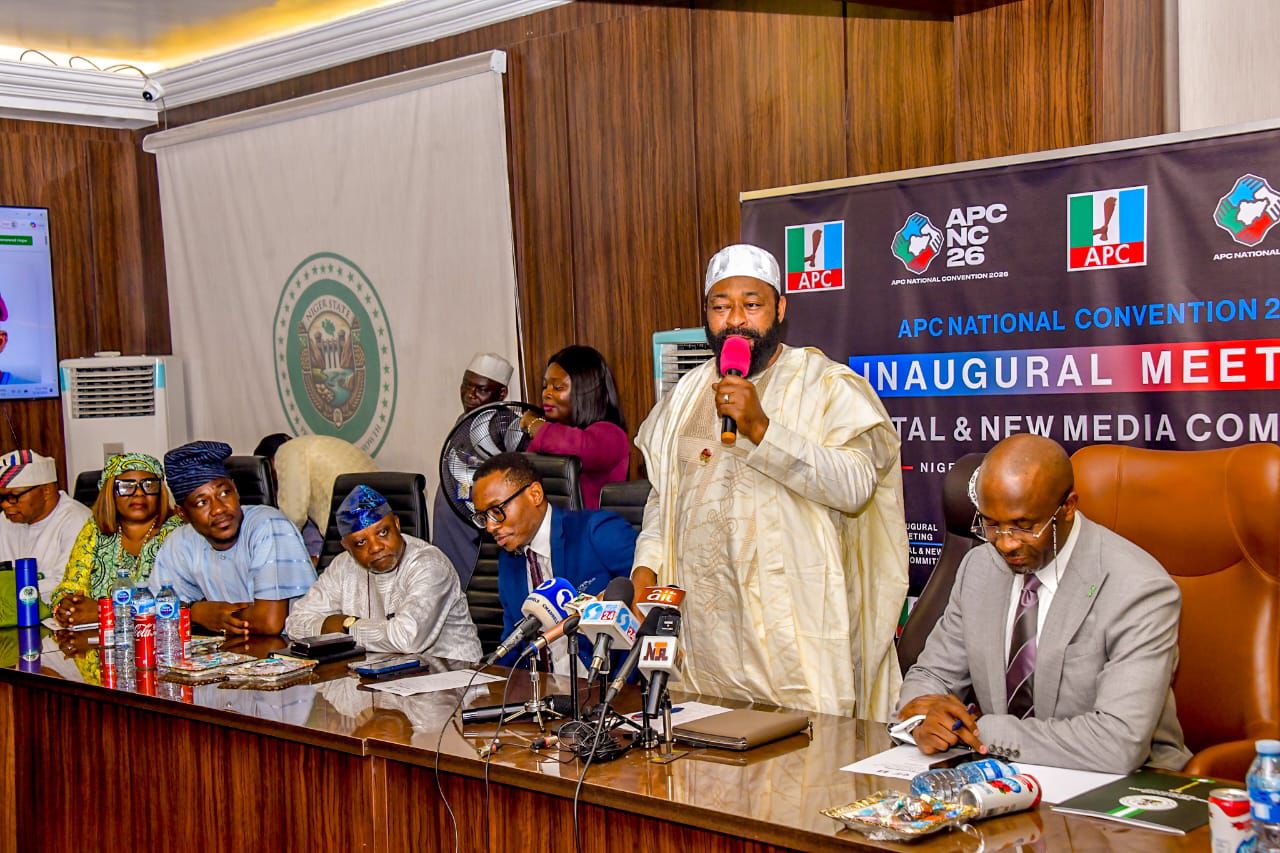
Governor Bago Inaugurates APC Digital Media Sub-Committee Ahead of National Convention.
Governor Umaru Bago has inaugurated the Digital Media Sub-Committee for the forthcoming National Convention of the All Progressives Congress (APC), scheduled to hold on March 27 and 28, 2026 in Abuja.
Chairing the sub-committee, Governor Bago tasked members with the responsibility of effectively communicating the party’s manifesto to the public.
He emphasized the need to leverage social media platforms to highlight the achievements and ongoing efforts of President Bola Ahmed Tinubu, noting that communication gaps have posed challenges that must now be decisively addressed.
The Co-Chair of the sub-committee, Hon. Benjamin Kalu, Deputy Speaker of the House of Representatives, echoed the Governor’s position, urging members to project the activities of both the party and the government to a broader audience.
He called for a deliberate and coordinated effort to showcase the party’s achievements and policy direction, stressing the importance of shaping a compelling and consistent narrative across all digital platforms.
Delivering a presentation to the committee, Otega Ogra, SSA to the President on New Media, who serves as Secretary of the sub-committee, outlined strategic focus areas to guide the team’s operations.
His presentation highlighted communication priorities and actionable steps to achieve the committee’s mandate and strengthen the party’s digital engagement.


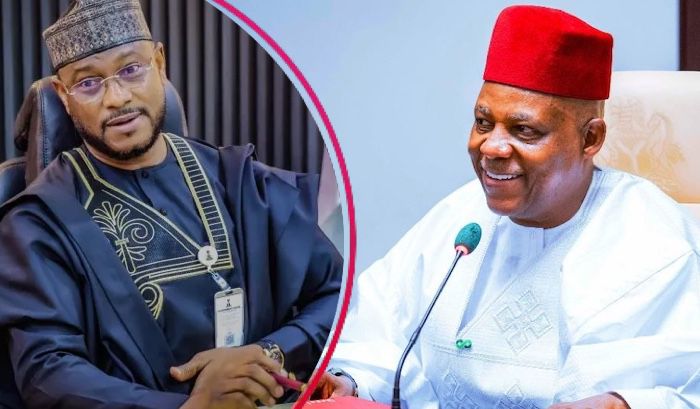
VP Shettima Set to Lead Delegation to Zamfara as Governor Dauda Lawal Formally Joins APC
The Zamfara State chapter of the All Progressives Congress (APC) has finalized plans to receive Vice President Kashim Shettima for the formal defection and reception of Governor Dauda Lawal into the ruling party, scheduled to take place on Tuesday.
State APC Chairman, Tukur Danfulani Maikatako, disclosed this during a high-level stakeholders’ meeting held in Gusau, the state capital. He noted that the Vice President would be joined by the party’s national leadership to mark what he described as a landmark political realignment in the state.
Maikatako expressed the party’s excitement over Governor Lawal’s return, recalling that Zamfara had historically been an APC stronghold and that the Governor was previously a bona fide member of the party before his earlier exit.
“We all know that Zamfara has long been one of the APC’s stronghold states, where the defected Governor was once a bona fide member. Now that he has decided to return home, having been satisfied that the APC remains his second choice after the one he left for obvious reasons,” Maikatako stated.
The Chairman called on all party faithful across the 147 wards in the state’s 14 local government areas to turn out en masse to honour the Vice President’s visit. He emphasized that the event was strategically positioned to bolster the party’s popularity and strengthen its structures ahead of the 2027 general elections.
In a strong appeal for unity, Maikatako urged members to set aside all factional tendencies, stressing that the APC remained one political family with shared goals, particularly the ambition to make Zamfara and Nigeria great again.
Echoing similar sentiments, a former state APC Chairman, Lawal M. Liman, appealed to members to cascade the message to their wards and local government areas. He reinforced the need for cohesion, noting that the party’s collective strength would be critical to achieving success in future elections.

All eyes are now on Gusau as the ruling party prepares for a high-profile political gathering expected to further consolidate its influence in Zamfara State.


-

 society6 months ago
Religion: Africa’s Oldest Weapon of Enslavement and the Forgotten Truth
-

 news4 months ago
WHO REALLY OWNS MONIEPOINT? The $290 Million Deal That Sold Nigeria’s Top Fintech to Foreign Interests
-

 society6 months ago
“You Are Never Without Help” – Pastor Gebhardt Berndt Inspires Hope Through Empower Church (Video)
-

 celebrity radar - gossips2 months ago
Dr. Chris Okafor Returns with Power and Fire of the Spirit -Mounts Grace Nation Altar with Fresh Anointing and Restoration Grace on February 1, 2026