
Politics
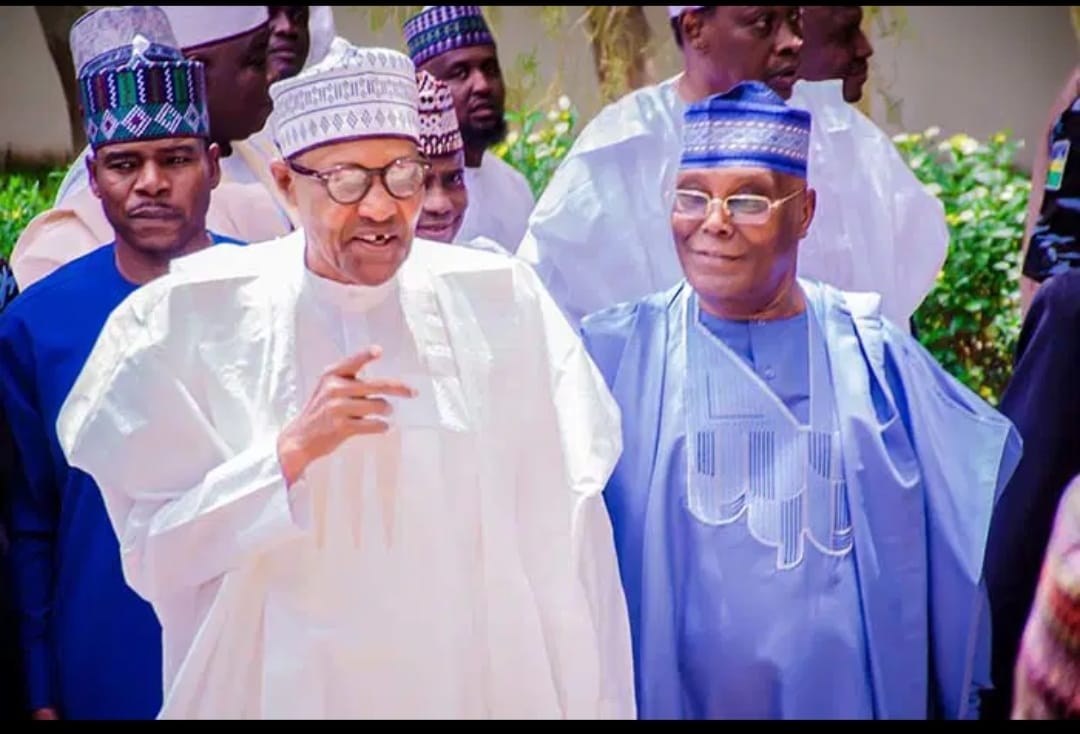
2027: Ganduje Reacts to Atiku Visit to Buhari Amid Coalition Talk

2027: Ganduje Reacts to Atiku Visit to Buhari Amid Coalition Talk
By George Omagbemi Sylvester
As Nigeria hurtles toward the 2027 general elections, political fireworks have already begun to explode across the landscape. One of the most riveting developments came when former Vice President and perennial presidential contender Alhaji Atiku Abubakar paid a high-profile visit to former President Muhammadu Buhari in Daura. The visit, cloaked in civility but loaded with political undertones, has sparked a national debate and provoked strong reactions — notably from the embattled National Chairman of the All Progressives Congress (APC), Dr. Abdullahi Ganduje.

To the untrained eye, the visit might seem like an innocuous gesture of statesmanship. But seasoned political observers know that in Nigeria’s murky political terrain, no handshake is ever just a handshake. It is a message. It is a signal. It is a strategic move.
Ganduje’s Defensive Rhetoric: A Crumbling Empire?
Dr. Ganduje, already struggling to hold together a fractured APC, dismissed the meeting as a “media stunt” and accused Atiku of playing games to revive his waning relevance. “Atiku is grasping at straws,” Ganduje said during a press briefing in Abuja. “The APC is not a refuge for failed PDP politicians looking for political asylum.”
This fiery response, however, betrays more than it conceals. Political insiders say Ganduje’s anxiety stems from the growing disillusionment within the APC and the rising popularity of coalition talks aimed at dislodging the party that has presided over Nigeria’s most turbulent democratic decade. The once-dominant APC is now battling factionalism, leadership instability, and widespread public disdain.

A Possible Coalition: The Night the Elephant Danced With the Lion
If reports are to be believed, Atiku’s visit was not merely ceremonial. Sources close to both camps suggest that discussions are underway to explore a “grand coalition” that could bring together influential political actors from both northern and southern Nigeria to unseat the APC in 2027. Buhari, known for his silence, has not disavowed the talks, fuelling speculation that even he, the supposed “father of APC,” is growing disenchanted with the party’s direction.
Political coalitions are not new in Nigerian history. In fact, the APC itself was born from a coalition of disillusioned politicians in 2013. However, what makes this possible Atiku-led coalition unique is its potential to merge ideological enemies into a common force against a greater evil — political stagnation and national decline.
Nigeria in Decline: The APC’s Legacy of Chaos
Since 2015, when the APC took power under Buhari, Nigeria has witnessed nothing short of a national collapse. The economy is in tatters, with inflation soaring above 33% and unemployment crossing 40% by the end of 2024. According to the World Bank, Nigeria has become the world’s poverty capital, overtaking India with over 71 million people living in extreme poverty.
“Corruption, insecurity, economic mismanagement — the APC has failed Nigerians on every front,” says Dr. Kingsley Moghalu, economist and former presidential candidate. “The social contract between the government and the people has completely broken down.”
This collapse is not an exaggeration; it is a documented reality. Under APC rule, Nigeria has witnessed the devaluation of its currency, mass emigration of youth through the “Japa syndrome,” and the near-total breakdown of law and order. From Boko Haram to banditry to IPOB agitations, the country is increasingly ungovernable.
Atiku’s Calculated Return: Statesman or Strategist?
Atiku’s critics accuse him of opportunism, but his supporters view him as a resilient statesman seeking to rescue a broken nation. “Atiku is Nigeria’s most consistent political figure of the Fourth Republic,” said Professor Jibrin Ibrahim, a political scientist with the Centre for Democracy and Development. “His visit to Buhari may be the beginning of a national healing process.”
Indeed, if a coalition is to succeed, it needs to be broad-based, multi-ethnic, and pragmatic. Atiku’s long-standing relationships across Nigeria’s geopolitical zones could be the glue that binds a new political force. His vision of restructuring, economic liberalism, and national unity resonates with many young Nigerians disillusioned by tribal politics and nepotism.
Ganduje’s Irony: A Man Without Moral Standing
Ganduje, who has repeatedly denied allegations of corruption despite viral videos allegedly showing him collecting bribes in dollars, is hardly the voice of moral authority. His continued leadership of the APC is viewed by many as a stain on the party’s image.
“Nigerians are tired of recycled corruption,” said Nobel Laureate Wole Soyinka. “The country needs a clean break from the past, not a recycling of those who have contributed to its downfall.”
Ganduje’s rejection of coalition talks, therefore, comes across as both hypocritical and desperate. His primary concern is not the party’s future or the country’s stability — it is the preservation of his dwindling influence.
A Coalition That Could Save Nigeria
A possible Atiku-led coalition could include the PDP, disgruntled APC members, Labour Party elements, and regional powerbrokers. If successful, it would mark a turning point in Nigeria’s political history — a united opposition front committed to real reforms.
The late Nelson Mandela once said, “It always seems impossible until it’s done.” In Nigeria, many believed the APC’s defeat was impossible until 2015 proved otherwise. 2027 could once again be the year Nigerians rise against incompetence and reclaim their democracy.
To achieve this, the coalition must focus on a common minimum agenda: restructuring, economic revitalization, job creation, security reform, and judicial independence. It must also avoid the mistakes of the past — internal sabotage, regional bias, and political greed.
Voices from the Global Stage
Former U.S. President Barack Obama once remarked, “Africa doesn’t need strongmen; it needs strong institutions.” Nigeria has had enough of strongmen who use institutions as personal weapons. The time has come for an alliance that will rebuild institutions, restore confidence, and rejuvenate hope.
Renowned economist Jeffrey Sachs emphasized, “Good governance is the single most important factor in eradicating poverty and promoting development.” Nigeria’s tragedy is that it has been governed by those more interested in power than purpose. The 2027 coalition must reverse this pattern.
The Verdict of the People
Ultimately, it is not Ganduje, Atiku, or Buhari who will determine Nigeria’s fate in 2027 — it is the Nigerian people. And the people are watching, listening, and preparing. They have endured inflation, fuel scarcity, unemployment, and insecurity. Their anger is reaching boiling point.
As author Chinua Achebe wrote, “The trouble with Nigeria is simply and squarely a failure of leadership.” That failure must end. If a coalition offers even a glimmer of competent leadership, then history will remember Atiku’s visit to Buhari not as an act of desperation, but as the moment the winds of change began to blow.
Conclusion: A Nation at the Crossroads
Nigeria stands today on a knife’s edge. The old order is cracking, and a new vision must emerge. Ganduje’s hostility to coalition talks is a symptom of a frightened political class clinging to a failed status quo. But history is merciless to those who stand in the way of progress.
The 2027 elections could either be the beginning of national rebirth or the final nail in Nigeria’s democratic coffin. The choice is ours.




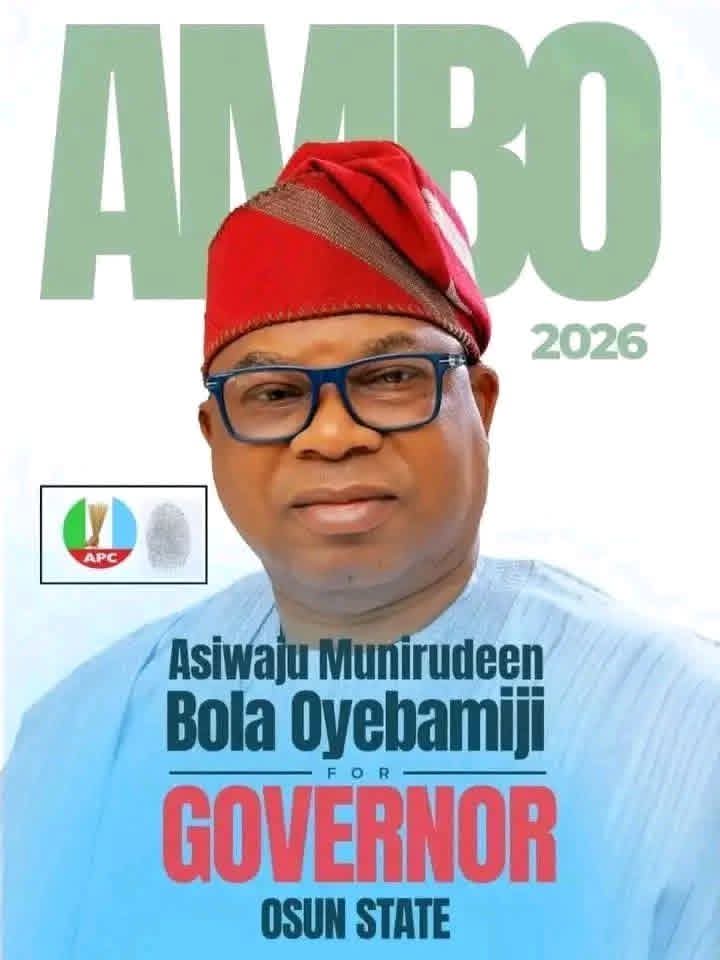
AMBO and the Osun Governorship Race: Assessing the Man, the Politics and the Vision
As political activities gather momentum ahead of the 2026 Osun State governorship election, a public affairs commentator, Oluseyi Olonade, has described the emergence of Asiwaju Munirudeen Bola Oyebamiji, popularly known as AMBO, as a significant development in the state’s political landscape.
In an article titled “Oyebamiji: The Man, The Politics and The Aspiration,” Olonade argued that the All Progressives Congress governorship hopeful possesses the character, experience and vision needed to reposition Osun State for sustainable growth.
According to the writer, Oyebamiji’s appeal stems from his extensive background in the banking sector, where he spent nearly three decades working with institutions including Wema Bank, Trans International Bank, Spring Bank and Enterprise Bank.
A native of Ikire in Irewole Local Government Area, Oyebamiji was described as a technocrat whose experience in corporate governance, finance and risk management has shaped his approach to public administration.
The article noted that his public service journey gained prominence in 2012 when he was appointed to oversee the then Osun State Investment Company Limited. Under his leadership, the organisation was reportedly restructured and transformed into Omoluabi Holdings Limited.
The writer further highlighted Oyebamiji’s tenure as Commissioner for Finance under successive APC administrations, where he was credited with managing the state’s finances during challenging economic periods.
Olonade also referenced Oyebamiji’s appointment as Managing Director of the National Inland Waterways Authority, describing it as further evidence of his administrative and leadership capabilities.
The article contrasted Oyebamiji’s governance philosophy with that of the current administration in Osun State, arguing that the APC aspirant favours institutional reforms, economic diversification and fiscal discipline.

According to the writer, Oyebamiji’s proposed agenda includes strengthening transparency in government spending, expanding internally generated revenue, attracting private-sector investments and promoting industrial and agricultural development.
The article also highlighted youth empowerment, entrepreneurship development and digital skills acquisition as key components of his vision for the state.
Olonade concluded that the forthcoming governorship election would present voters with a choice between different approaches to governance, expressing confidence that Oyebamiji’s experience and developmental agenda make him a strong contender in the race.
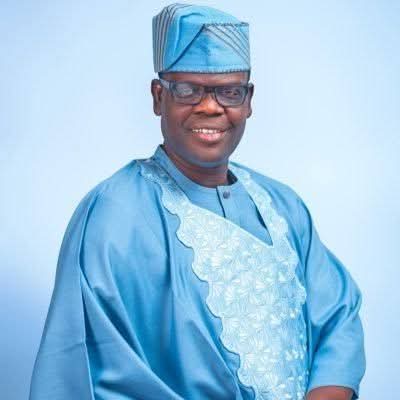
*Oselu Tiwa nTiwa Endorses Oriyomi Hamzat for Oyo Governorship*
A sociopolitical support group in Oyo State, Oselu Tiwa nTiwa, has declared its support for Alhaji Oriyomi Hamzat as the authentic governorship candidate of the Accord Party ahead of the forthcoming governorship election in the state.
The group made its position known in a statement jointly signed by its President, Mr. Adewale Oluwaseyi and Secretary, Alh. Adebayo Oyewole, on Thursday, describing Hamzat as a grassroots figure with strong connection to the people and a track record of humanitarian interventions across Oyo State.

According to the group, the endorsement followed what it described as careful observation of Hamzat’s leadership qualities, compassion and dedication to the welfare of ordinary citizens.
“Oriyomi Hamzat has consistently demonstrated empathy, courage and selfless commitment to humanity. Through his numerous interventions in the lives of ordinary citizens, he has become a symbol of hope to many families and communities,” the statement read.
Oselu Tiwa nTiwa also appealed to the national leadership of the Accord Party to prioritise the long-term future and electoral growth of the party in its decision-making process.
The group noted that Hamzat’s candidacy presents an opportunity for the party to strengthen its grassroots support base and expand its political relevance across Oyo State.
“We respectfully appeal to the National Leadership of the Accord Party to look beyond immediate political calculations and consider the bigger picture, the future growth, stability and electoral success of the party in Oyo State and beyond,” the statement added.
The group further expressed confidence in the leadership of the party, saying it believes the party’s national officers and stakeholders would take decisions that reflect fairness, inclusiveness and the collective interest of members.
While calling on party loyalists to remain calm and united, Oselu Tiwa nTiwa said continued consultations among stakeholders would help strengthen the Accord Party ahead of the election.
Signed:
Alh. Adebayo Oyewole,
Secretary.
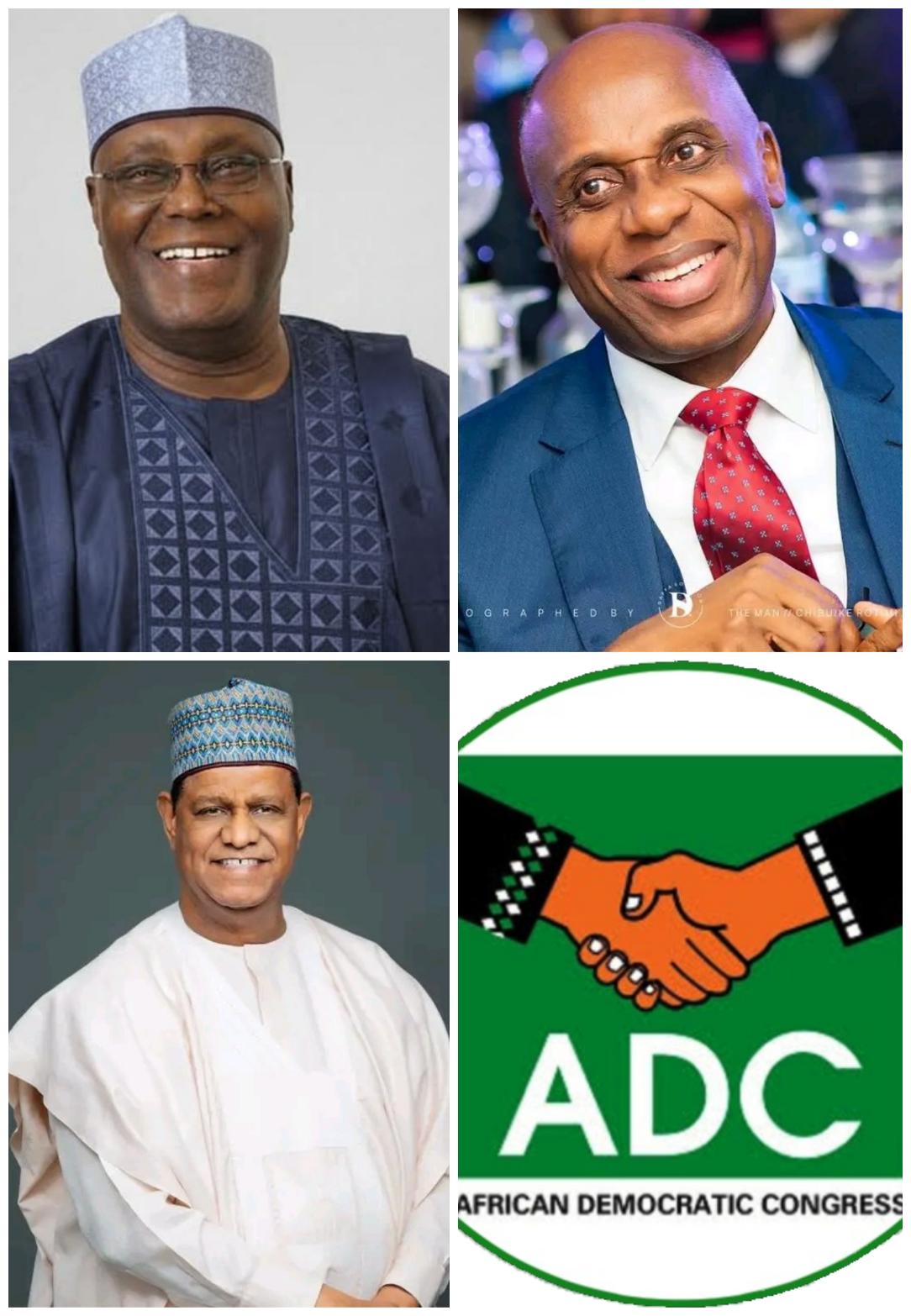
Atiku Set To Clinch ADC Presidential Ticket, Leads Amaechi, Hayatu-Deen In 34 States
Former Vice President of Nigeria and frontline presidential aspirant of the African Democratic Congress (ADC), Atiku Abubakar, is projected to emerge winner of the party’s presidential primaries, according to impeccable sources in Abuja.
The primaries, conducted across over 8,000 wards in the 36 states of the federation and the Federal Capital Territory, reportedly placed Atiku far ahead of his closest rivals — former Rivers State Governor, Rotimi Amaechi, and former Chairman of the Nigerian Economic Summit Group, Mohammed Hayatu-Deen.

Highly placed party insiders disclosed that Atiku is currently leading in 34 states, including the FCT, after securing dominance across the 19 Northern states, the five South-East states, and the six South-West states, while also maintaining a strong showing in at least three states in the South-South geopolitical zone.
The sources added that the outcome reflects what they described as “an overwhelming nationwide acceptance” of the former vice president within the opposition party ahead of the 2027 general election.
Meanwhile, the ADC leadership has invited members of the press to the official announcement of the final collated results scheduled for 11:00 a.m. on Tuesday, May 26, 2026, in Abuja.
The declaration of results is expected to be broadcast live on ARISE Television and two other major television stations, while also being livestreamed on the party’s official social media platforms on X and Facebook.
Speaking ahead of the announcement, the founding National Chairman of the ADC, Chief Ralph Nwosu, said the decision to televise the exercise live was aimed at promoting transparency and democratic accountability.
“We want millions of Nigerians at home and in the Diaspora to witness democracy in action,” Nwosu said.
He further revealed that the party leadership would encourage all three presidential aspirants to publicly embrace a peace accord and commit themselves to working together in unity for the party’s success.
According to him, the move is necessary to strengthen internal cohesion and position the ADC for victory in the presidential election scheduled for January 16, 2027.
Details later.


- When women farm better, Eswatini eats better June 3, 2026
- Togo Hosts the 8th Annual Forum of National Volunteer Agencies in the Economic Community of West African States (ECOWAS) Region June 3, 2026
- Indigenous Peoples gravely vulnerable to Ebola epidemic, warn United Nations (UN) independent experts June 3, 2026
- Meeting between Parliamentary Vice-Minister ONISHI and His Excellency (H.E.) Mr. Cosgrow, Principal Minister and Minister for Agriculture, Fisheries and Blue Economy of Seychelles June 3, 2026
- Eritrea: Construction of Elementary School in Gogni Sub-Zone June 3, 2026
- African Union Commission (AUC) Chairperson His Excellency (H.E.) Mahmoud Ali Youssouf highlighted thePermanent Representatives’ Committee (PRC) critical role in advancing the Union’s agenda and laying the groundwork for the forthcoming Mid-Year Coordination Meeting (MYCM) June 3, 2026
- Eritrea: Eighth Grade National Examination Commences June 3, 2026
- Many Africans see justice system as unequal, costly, and slow, Afrobarometer survey reveals June 3, 2026
- Prof. Benedict Oramah to Chair Finance Summit as African Energy Week (AEW) 2026 Prepares for Major Deal Flow June 3, 2026
- The Islamic Development Bank (IsDB) Group Affiliates to Host the 14th Private Sector Forum in Baku, Azerbaijan (16-19 June 2026) June 3, 2026
- When women farm better, Eswatini eats better June 3, 2026
- Togo Hosts the 8th Annual Forum of National Volunteer Agencies in the Economic Community of West African States (ECOWAS) Region June 3, 2026
- Indigenous Peoples gravely vulnerable to Ebola epidemic, warn United Nations (UN) independent experts June 3, 2026
- Meeting between Parliamentary Vice-Minister ONISHI and His Excellency (H.E.) Mr. Cosgrow, Principal Minister and Minister for Agriculture, Fisheries and Blue Economy of Seychelles June 3, 2026
- Eritrea: Construction of Elementary School in Gogni Sub-Zone June 3, 2026
- African Union Commission (AUC) Chairperson His Excellency (H.E.) Mahmoud Ali Youssouf highlighted thePermanent Representatives’ Committee (PRC) critical role in advancing the Union’s agenda and laying the groundwork for the forthcoming Mid-Year Coordination Meeting (MYCM) June 3, 2026
- Eritrea: Eighth Grade National Examination Commences June 3, 2026
-

 news6 months ago
WHO REALLY OWNS MONIEPOINT? The $290 Million Deal That Sold Nigeria’s Top Fintech to Foreign Interests
-

 society1 month ago
SOCIAL MEDIA IS NOT A BATTLEFIELD COMMAND – WHY THE NIGERIAN ARMY’S ACTION AGAINST JUSTICE CRACK IS A NATIONAL SECURITY IMPERATIVE
-

 celebrity radar - gossips4 months ago
Dr. Chris Okafor Returns with Power and Fire of the Spirit -Mounts Grace Nation Altar with Fresh Anointing and Restoration Grace on February 1, 2026
-

 celebrity radar - gossips6 months ago
Prophet Kingsley Aitafo Releases 2026 Prophecy: ‘Nigeria Will Rise, but the World Must Prepare for Turbulence’