
society
2027: Group Urges Information Minister Mohammed Idris Malagi to Contest Niger Governorship

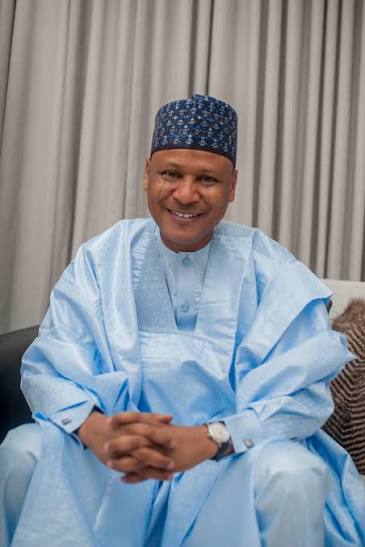
2027: Group Urges Information Minister Mohammed Idris Malagi to Contest Niger Governorship
A group known as the Niger Progressives & Prosperity Promoters (NPPP) has issued a strong public appeal urging Minister of Information and National Orientation, Mohammed Idris Malagi, to contest the 2027 governorship election in Niger State.
In a statement dated January 27, 2026, signed by Dr. Ibrahim K. Mohammed as convener, the group criticized the current administration under Governor Mohammed Umaru Bago for what it described as excessive international travels, unfulfilled agreements, and lack of tangible development in areas like water supply, jobs, agriculture, security, and infrastructure, despite the state’s abundant resources.

The statement described Malagi—a former governorship aspirant in 2023, media entrepreneur, and federal minister—as the ideal candidate, highlighting his calm, strategic, results-oriented leadership style, national experience, and ability to deliver without theatrics or corruption.
It emphasized that the call transcends party lines and urged youths, elders, professionals, farmers, and community leaders to rally behind competence for Niger State’s progress, describing the moment as a critical crossroads where delay risks further decline.
Full Press Statement:
Enough Is Enough: A Clarion Call on Mohammed Idris Malagi to Step Forward in 2027.
There comes a moment in the life of a people when patience expires and silence becomes betrayal. Niger State has reached that moment.
Our state stands at a dangerous crossroads rich in land, water, and people, yet poor in outcomes; blessed with opportunity, yet trapped in underperformance. What we suffer today is not a lack of promises, but a surplus of them. Not a lack of travels, agreements, or signatures, but a tragic absence of results.
For three years, Niger State has been subjected to a governance style that prioritizes junketing over delivery leaders hopping from the USA to the UAE, from Russia to China, Brazil to South Africa, Egypt to Singapore. From Lagos State to Dangote multi billion agreements, signing glossy Memoranda of Understanding that never translate into water in our taps, food on our tables, jobs for our youths, or dignity for our people.
Agreements without impact are not achievements. Frequent flights without measurable outcomes are not leadership. Sophisticated paperwork masking systemic corruption is not governance. Niger State does not need a globe-trotting signatory-in-chief. Niger State needs a governor.
Why the Call Is Now Unavoidable:
This is why the call across Niger State is no longer cautious or quiet. It is bold, collective, and unmistakable:
Mohammed Idris Malagi must hear the cry of the masses, the unpaid pensioners, the poor farmers that have not seen fertilizer for their farms, and the teeming unemployed youths to contest for the Governorship of Niger State in 2027.
This is no longer a suggestion. It is a call to duty. The people are tired of leadership that manages decline instead of driving development. Tired of carefully crafted speeches that produce no schools, no hospitals, no security, no water, and no agricultural value chain. Tired of a system that looks sophisticated on paper but is rotten in practice.
Niger State must break free from this cycle.
What Niger State Needs Now Is Calm, Astute, and Results-Driven Leadership.
Mohammed Idris Malagi represents a fundamentally different leadership model one rooted in calm authority, strategic thinking, and execution, not noise, lousiness or theatrics.
His leadership style is not impulsive or erratic. It is measured, deliberate, and intelligent. He listens, analyzes, decides, and delivers. He does not confuse activity with productivity or visibility with value. He share responsibility and respect views and dialogues.
At the national level, Malagi has demonstrated a deep understanding of how power, policy, and institutions truly function not in theory, but in reality. He has mastered the ability to articulate vision clearly and earn public confidence without intimidation or propaganda.
He has the discipline to operate under intense pressure while maintaining clarity, composure, and direction. With the capacity to move complex systems from decision to implementation, not endless committees, fraudulent entities and excuses. This is executive leadership, this is governor-level competence. Niger State does not need a power monger who monopolizes authority at the expense of good governance. It needs a leader already tested by complexity.
Niger State cannot afford anymore four years of experimental governance. Another cycle of foreign trips with no domestic impact. Another administration that signs agreements while communities remain abandoned. Another sophisticated corruption network dressed up as reform of “New Niger” an agenda of multiple corruption must not be allowed to continue, to be governed by a system that looks modern but delivers poverty.
A Leadership Moment That Cannot Be Deferred is now.
At crossroads, delay equals decline.
Insecurity deepens while opportunities slip away. Public trust erodes while governance becomes increasingly disconnected from lived realities. Incrementalism is no longer an option.
Niger State see in Malagi as the next governor that will be Prepared, not rehearsing; Decisive, not tentative; Calm, not chaotic; Nationally respected, yet deeply rooted in local realities; Bold enough to reform systems, not merely administer decay.
Mohammed Idris Malagi fits this moment not by coincidence, but by competence.
Beyond Party Lines, For Niger State
This clarion call is not anchored on any political party. It is anchored on capacity, courage, and commitment.
Political parties are vehicles. Leadership is the engine.
On whatever platform the people choose, Mohammed Idris Malagi represents a unifying option one capable of bridging zones, generations, faiths, and political divides. This is not about comfort or convention; it is about survival, progress, and dignity.
To Mohammed Idris Malagi: History Is Knocking
History does not knock endlessly. When it does, it demands a response.
This is not about personal ambition. It is about responsibility to a state at risk of prolonged stagnation. The people are watching. The moment is ripe. The call is clear.
Mohammed Idris Malagi, Niger State calls on you to contest for Governor in 2027.
Step forward. Offer your service. Accept the burden of leadership.
The Movement Starts Now
This is a call to youths and elders, professionals and farmers, traders, artisans, traditional rulers, and religious leaders across Niger State:
Rally around competence, not convenience.
Choose results over rhetoric.
Demand leadership, not excuses.
Let it be said that when Niger State stood at a crossroads, its people chose direction over drift, courage over comfort, and leadership over illusion.
2027 must be the year Niger State takes its future back.
And that future must begin with decisive, calm, and competent leadership.




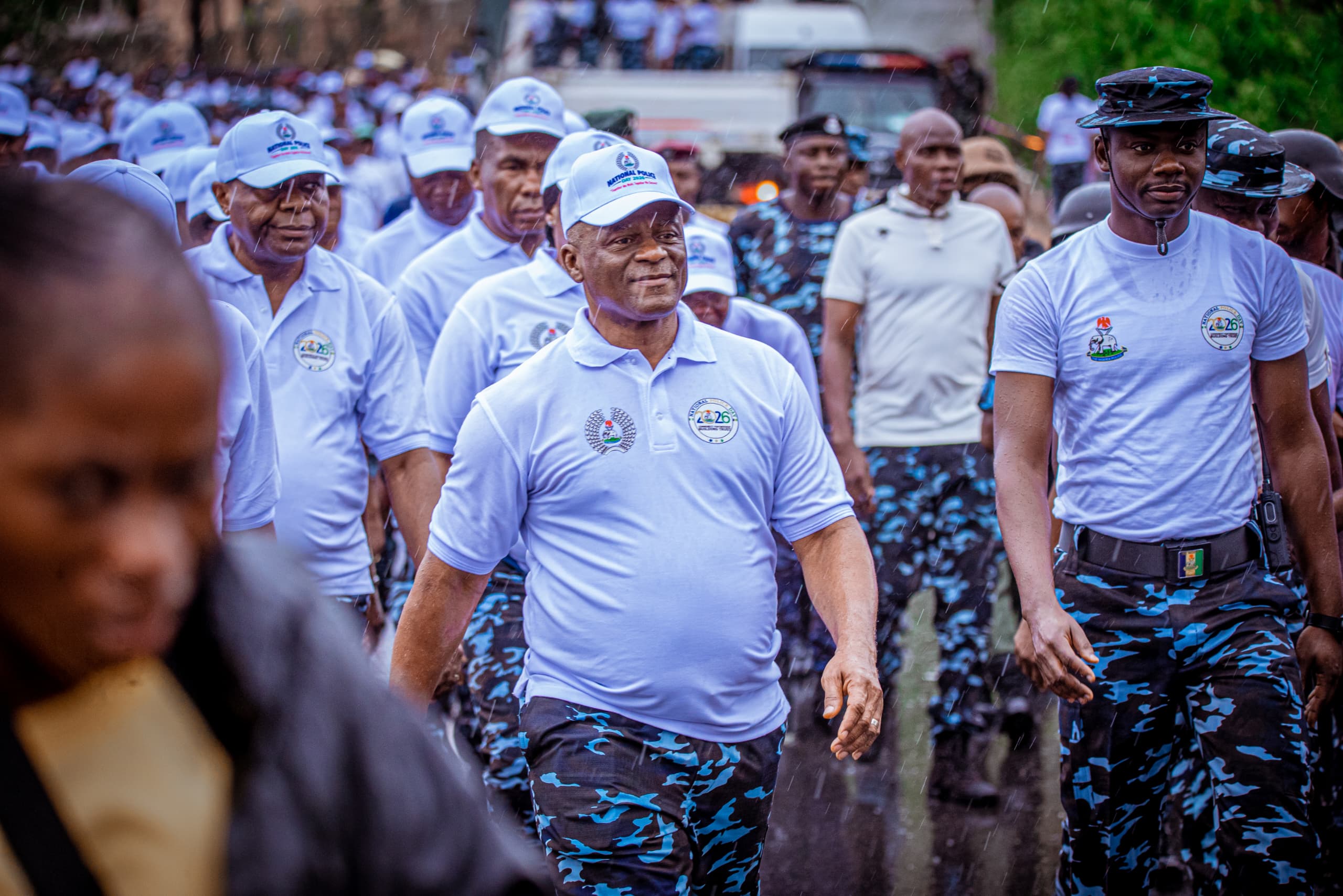
Police Day 2026: IGP Disu Leads Nationwide Walkathon To Strengthen Community Trust
The Inspector-General of Police, Olatunji Disu, on Tuesday led the management team, alongside officers and personnel of the Nigeria Police Force, in a nationwide walkathon to commemorate the 2026 National Police Day.
The event, held across state capitals and the Federal Capital Territory, formed part of activities marking Day Two of the annual celebration, themed “Community Partnership: Building Trust.”
The symbolic exercise, which drew participation from both police personnel and members of the public, was aimed at showcasing unity, discipline, and a renewed commitment to community policing and public safety.
According to the Force leadership, the walkathon underscores the Nigeria Police Force’s resolve to strengthen public trust, deepen engagement with citizens, and enhance collaboration in tackling security challenges across the country.
Participants described the initiative as a practical step toward bridging the gap between law enforcement and the communities they serve, while also promoting physical fitness and mental well-being among officers and civilians alike.
With the theme reflecting a shared responsibility for safety, the Police reiterated that sustainable security can only be achieved through active partnership with the public.
The event concluded with a renewed call for collective action under the banner: “Together We Walk, Together We Secure,” emphasizing unity of purpose in building a safer and more secure society for all Nigerians.


society
Dr. Chris Okafor invokes divine retribution upon individuals blackmailing the Grace Nation church
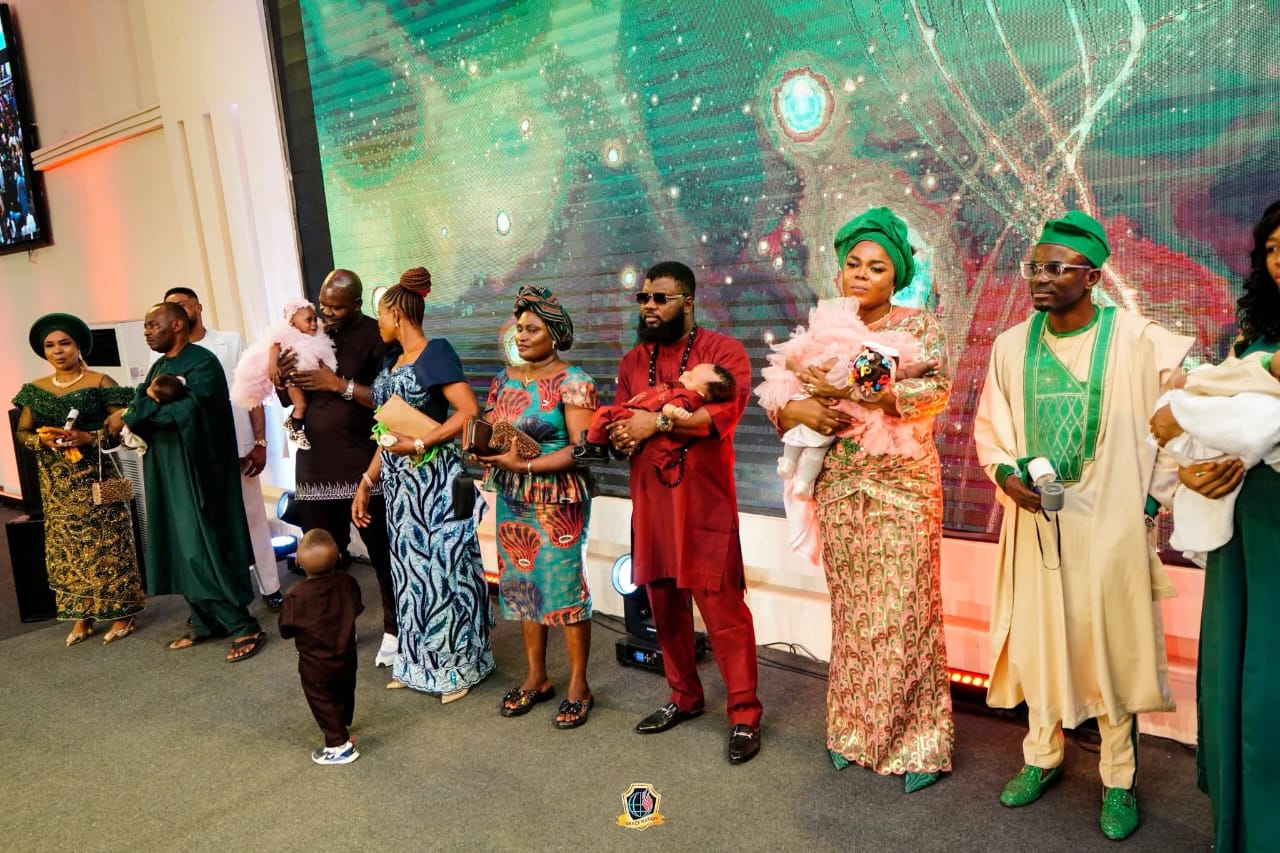
Dr. Chris Okafor invokes divine retribution upon individuals blackmailing the Grace Nation church
… Affirming God’s omnipotence to unveil malicious schemes.
To be frank, the ability of Doris Ogala and her associates to withstand the arduous challenges set by Senior Pastor Dr. Chris Okafor of Grace Nation Global at the culmination of the Harvest of Babies 2026 conference, the church’s flagship event, continues to elude me.
It’s advisable not to offend a powerful spiritual leader like Prophet Chris Okafor to avoid potential consequences, as seen in the situation with Doris Ogala, who was rebuked by the prophet; can she rectify the situation through confession?
Insiders close to the man of God claim that despite relentless online bullying and blackmailing, the Generational Prophet remains resolute, stating that God’s power has been evident throughout the commission’s existence. The reason for this wonderful statement is found in the scriptures, “Upon this rock I shall build my Church, and the gates of hell shall not prevail.” The more falsehoods are spread about the church and its leader, the more God elevates the church and propels him to greater heights, he asserted. He emphasized that blessings and fruitfulness are antidotes to curses, noting that God continues to bestow blessings upon the church, including miracles and the gift of children, which is one reason for the grand finale of the annual family liberation program, The Harvest of Babies.
However, the man of God issued a curse on each person speaking ill of the church, blackmailing, and uttering all sorts of falsehoods against the church, declaring that if they refused to repent within a few days, the earth would swallow them and their family members, stating that they would be of no use to themselves, their families, or society at large.
The spiritual leader cautions his followers to beware of such individuals including Doris Ogala who may taint their faith, and urges them to treat these persons as emissaries of the devil, avoiding them altogether.
Recall that the 2026 harvest of babies concluded with a remarkable birth of a miracle baby boy to a woman on the third day of the conference, accompanied by the dedication of several other miracle babies, all to the glory of God.
Christopher Sunday David writes from
Austria
“Together We Walk, Together We Secure”: Police Launch 2026 Walkathon In Abuja
The Nigeria Police Force has announced plans to host a walkathon in commemoration of the 2026 National Police Day, aimed at promoting unity, peace, and stronger community partnership.
The event is scheduled to take place on Tuesday, March 31, 2026, with participants expected to converge at the Force Headquarters Abuja by 6:00 a.m., where the walk will commence.
According to the organisers, the walkathon is designed to bring together members of the public, stakeholders, and security personnel in a show of solidarity and shared commitment to national security.
With the theme, “Together we walk, together we secure,” the initiative underscores the importance of collaboration between the police and citizens in maintaining peace and safety across the country.
Members of the public have been encouraged to participate in the exercise, which forms part of activities lined up to mark this year’s National Police Day celebration.
It is believed that the walkathon would not only foster closer ties between the police and the communities but also serve as a platform to promote awareness on collective responsibility in ensuring a safer society.


-

 society6 months ago
Religion: Africa’s Oldest Weapon of Enslavement and the Forgotten Truth
-

 news4 months ago
WHO REALLY OWNS MONIEPOINT? The $290 Million Deal That Sold Nigeria’s Top Fintech to Foreign Interests
-

 society6 months ago
“You Are Never Without Help” – Pastor Gebhardt Berndt Inspires Hope Through Empower Church (Video)
-

 celebrity radar - gossips2 months ago
Dr. Chris Okafor Returns with Power and Fire of the Spirit -Mounts Grace Nation Altar with Fresh Anointing and Restoration Grace on February 1, 2026