
celebrity radar - gossips
Surviving Nigeria’s Pan-Fulani President With Sunday Igboho By Felix Oboagwina

Surviving Nigeria’s Pan-Fulani President With Sunday Igboho
By Felix Oboagwina
After a house detention spanning two years, Nigeria’s Sunday Igboho earlier this month finally secured his freedom from Benin Republic. He did not return to Nigeria. He jetted out to Germany.
Igboho, 56, a Yoruba nation separatist and whose real name is Chief Sunday Adeyemo, ran afoul of that Francophone nation’s laws for attempting to secure its passport through the backdoor. They arrested him. Worldwide pleas by Yoruba people were made for his release, with even the Nobel Laureate, Professor Wole Soyinka, paying Igboho a visit in custody May 2022. Perhaps reluctant to court the ire of President Muhammadu Buhari, Cotonou had dilly-dallied over Igboho’s case until the Fulani-born retired-Army General’s tenure expired on May 29.
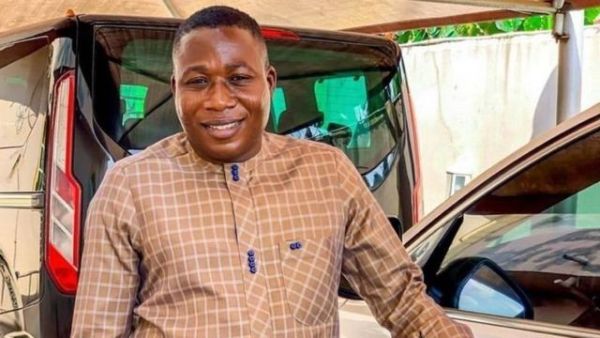
Igboho became a fugitive from Nigeria after the Department of State Services (DSS) raided his Ibadan, Oyo State home. This followed his effrontery in issuing a deadline to almighty Fulani herdsmen who for years had unleashed an orgy of kidnapping, murder and rape on rural communities in Sunday’s native Yoruba South-West. The Fulani pseudo-monarch, Seriki Fulani, served as intermediating agent for ransom payment to the kidnappers, who slew several captives and frightened farmers away from farmlands. SOS cries to security agents went unheeded. Finally, Igboho led natives on a raid of the camp of this Fulani army of occupation in Igbo-Ora, Igangan, Ibarapa and environs in Oyo State.
Reprisal came from an unexpected quarter. Clearly acting under the instructions of The Presidency and the agency’s Fulani-born CEO Yusuf Magaji Bichi, DSS operatives stormed Sunday Igboho’s home in a midnight invasion on July 1, 2021, unleashing sorrows, tears and blood in a rain of bullets. DSS slaughtered two unarmed occupants and arrested 12. The Yoruba activist himself escaped. Government froze all his bank accounts. While attempting to reach Europe through the West African country, Igboho fell into the hands of the gendarmes when he tried to arrange travel documents informally. Abuja mounted pressure for his repatriation back home. However, Buhari and his Fulani collaborators underestimated the centuries-old socio-cultural ties between Benin Republic Yoruba and Nigerian Yoruba. Those ties saved Adeyemo.
What offence did Igboho commit, except confront foreign Fulani killing Nigerians? The story began with the house-rat inviting the bush-rat to come and partake in the abundant food available at home. Perhaps because of climate change and shrinking grazing grounds in the Savannah, Fulani cowboys zeroed in on Middle-Belt and Southern Nigeria’s lush greenery. Buhari, a pan-Fulani bigot being in power, Fulani irredentism won. He threw the borders open. Unchecked, the itinerant herders arrived here in droves from all over Africa and filtered through the land. They came with their AK47s, anti-aircraft propelled rocket launchers and unleashed a new brand of terrorism. Migrant Fulani militias unleashed terror everywhere the soles of their feet marched. They still do. Videos have been seen of helicopters landing in thick forests to supply these militias with arms and provisions. This was state-backed terrorism.
Like the helplessness they displayed in Igboho’s neck of the wood in Ibarapa, security agencies made zero or half-hearted efforts to halt the Fulani militants’ evil activities nationwide. The world termed them the second deadliest terror group in the world, but pro-Fulani Buhari’s regime held back. His government sold the official false narrative that herdsmen killing unarmed rural dwellers arose from axiomatic farmers-herdsmen clashes. Such rhetoric served as white-washing PR, if not justification, for the killings, even as their body counts mounted nationwide. Buhari’s government consistently sided with the foreign aggressors.
It will not be forgotten, the ignoble role of Buhari’s spin-doctors and attack dogs: Femi Adesina, Garba Shehu and Lai Mohammed. Such names will go down in infamy as defenders of killer Fulani. Adesina once said those who failed to give up land to the Fulani should prepare to forfeit their lives –undoubtedly his pan-Fulani paymaster, Buhari’s veritable voice.
Buhari came from a Fulani father and a half Kanuri half Hausa mother. He hails from the Fulani stock in Daura, Katsina State. Also called Fulbe, the Fulani tribe originated from nomads in North Africa and sub-Saharan Africa, settling into Central and West Africa. Upon landing on Nigerian soil, and in order to secure population and numerical advantage, the Fulani heads formed a socio-political alliance with their Hausa hosts; and today, they are jointly tagged Hausa-Fulani. But when push comes to shove and competition for posts and resources becomes inevitable, Hausa and Fulani individuals resort to their separate ancient tents. Despite being less than 9 percent of Nigeria’s population, the Fulani wield much socio-political and socio-cultural superiority.
In relationship to other Nigerians, Buhari and fellow Fulani irredentists rate their foreign cousins higher. Nigerian Fulani’s affinity with cousins from Mali, Niger, Chad, Cameroun, Guinea-Bissau and Libya gives these invaders licence to infiltrate the Nigerian space.
Going by narratives from APC chieftains privy to the affair, foreign Fulani militants had been recruited to push Buhari into power in 2015. President Goodluck Jonathan saw the handwriting on the wall and quickly threw in the towel to prevent a bloodbath. The APC kingpins claimed that politicians reneged on agreements with the imported militants, which infuriated them and made them go wild. However, something else fuelled the foreigners’ daredevilry –a pan-Fulani agenda.
In his eight years, President Buhari powered that pan-Fulani agenda. The agenda drove his lopsided pro-Fulani appointments, especially in security and the entire Armed Forces. The agenda theoretically centred on rallying Fulani in Africa to migrate to Nigeria and create a monolithic nation that would subjugate other nationalities as minorities. Buhari gave the foreign Fulani traction in Nigeria. For all he cared, Nigeria’s other 370 tribes could go to hell, once the Fulani worldwide secured Nigeria as their homeland. Resultantly, Fulani foreigners flocked into Nigeria like locusts. Egged on by the likes of the then Kaduna State Governor, they unleashed a scorched earth policy on minorities in Southern Kaduna, Zamfara State, Benue State, Plateau State, Nasarawa State, Niger State and other places, and drove millions into IDP camps. Benue recently said it lost over 20,000 lives to these marauders.
The regime supported the pan-Fulani campaign with policies. It floated the rejuvenation of North-South grazing routes that his spin-doctors said farmers had encroached upon and triggered clashes. But grazing routes were a colonial era convenience that no one wanted revived; hence, the move failed to fly.
Undeterred, the government went ahead to float a malevolent Waterways Bill, which many saw as a ploy to give Fulani herdsmen unrestricted access to rivers and streams in the country. Other Nigerians collectively ensured their legislators killed what could have amounted to signing the death warrant of other sub-groups.
Buhari went on to concoct plans for “Ruga” settlements. Thousands of hectares would be reserved in each of the 36 states solely for cattle grazers. Condemned as a scheme to “fulanise” the entire country, Ruga, to its antagonists, would ultimately turn into a veritable hideout for Fulani criminals and irredentists. That idea too died suffered nationwide rejection.
Other Nigerians suspected Ruga was window-dressing Uthman-Dan-Fodio’s legendary mission to spread the Sokoto Empire throughout the Nigerian territory and “dip the Quran in the Atlantic.” Alhaji Abubakar Tafawa Balewa, Nigeria’s first Prime Minister, during the legislative council debates on March 24, 1947 openly asserted that, “If the British departed Nigeria, the Northern people would continue their interrupted conquest to the sea.” Nigeria’s history of political instability since Independence has its roots in this Fulani quest for permanent hegemony and the determination of the rest of the country to resist the Caliphate’s domination vision.
However, Buhari himself had always shown signs of a Fulani irredentist. At the onset of the Fourth Republic, he once received a stiff rebuff from now Late Oyo State’s Governor Lam Adesina over an incident. Then usually reticent Buhari had travelled all the way from Daura to lodge a protest in Ibadan because Yoruba natives killed the cows of Fulani cattle herders. Actually, the herdsmen first unleashed an orgy of raping of women, grazing on farmlands and killing of indigenes. During Buhari’s inglorious visit, the Oyo State Police Commissioner and DSS Director vilified him for the bias displayed by someone expected to play the mediatory role of an elder statesman.
Today, Fulani incursion continues to pose an existential threat to others in the Nigerian space. And the apparent apathy and compromise of the security agencies forced the likes of Retired-General Theophilus Danjuma to voice their frustration. Danjuma, a former Fulani ally, urged other tribes to expect no protection from the “colluding” Military; and he urged them to arm themselves against the invaders.
In fact, other sections have adopted protective policies. South-West governors created “Amotekun.” As constituted authorities of the South-East dilly-dallied, the separatist group IPOB created the Eastern Security Network (ESN). Ultimately, Igbo governors rallied themselves, jointly forming “Ebubeagwu” to secure their zone. Tired of waiting for Governor Godwin Obaseki to take a similar initiative, the long-suffering Esan people in Edo State unilaterally created the Atanakpa vigilante group. Benue State formed the Community Volunteer Guards.
Additionally, states in the South and Middle-Belt have followed up with anti-grazing laws, in an uncommon determination to enforce their sovereignty in the context of a Nigerian Federation. Ironically, some dominantly Fulani states, fearing the terrorism of their immigrant cousins, have enacted similar anti-grazing laws.
Clearly, Buhari’s pan-Fulani predilection kept Nigeria divided like never before. This man divided Nigeria by choice. Like Buhari, Second Republic’s President Shehu Shagari rose from the Fulani stock; but Shagari never displayed the trappings of bigotry and led Nigeria in the path of cohesion and peace.
To continue down the path of Buhari’s pan-Fulani hallucination will only devalue the Fulani themselves and make them inevitable victims. No group owns the monopoly of violence. Victims, fighting for survival, will likely resort to self-help and in time build corporate, collaborative resistance. Who does not dread the day that Nigeria’s remaining 370 tribes will be pushed to conclude that the only good Fulani is a dead Fulani? God forbid!
Buhari and his cohorts probably forgot the transient power of power. His nightmarish eight years have ended with him, even if the bitter taste lingers in the raping, kidnapping and killings that foreign Fulani continue within Nigerian forests and highways. Like Sunday Igboho, millions of Nigerians thank God for surviving their inordinately pan-Fulani President. Goodbye to divisive bigotry and ethnic chauvinism. Goodbye to rubbish.
OBOAGWINA IS AN AUTHOR, JOURNALIST AND PUBLISHER, REACHABLE VIA: [email protected]






celebrity radar - gossips
Senator Adeola Yayi Bags Royal Blessings at Foundation Laying of Yewa Traditional Council Secretariat in Ilaro
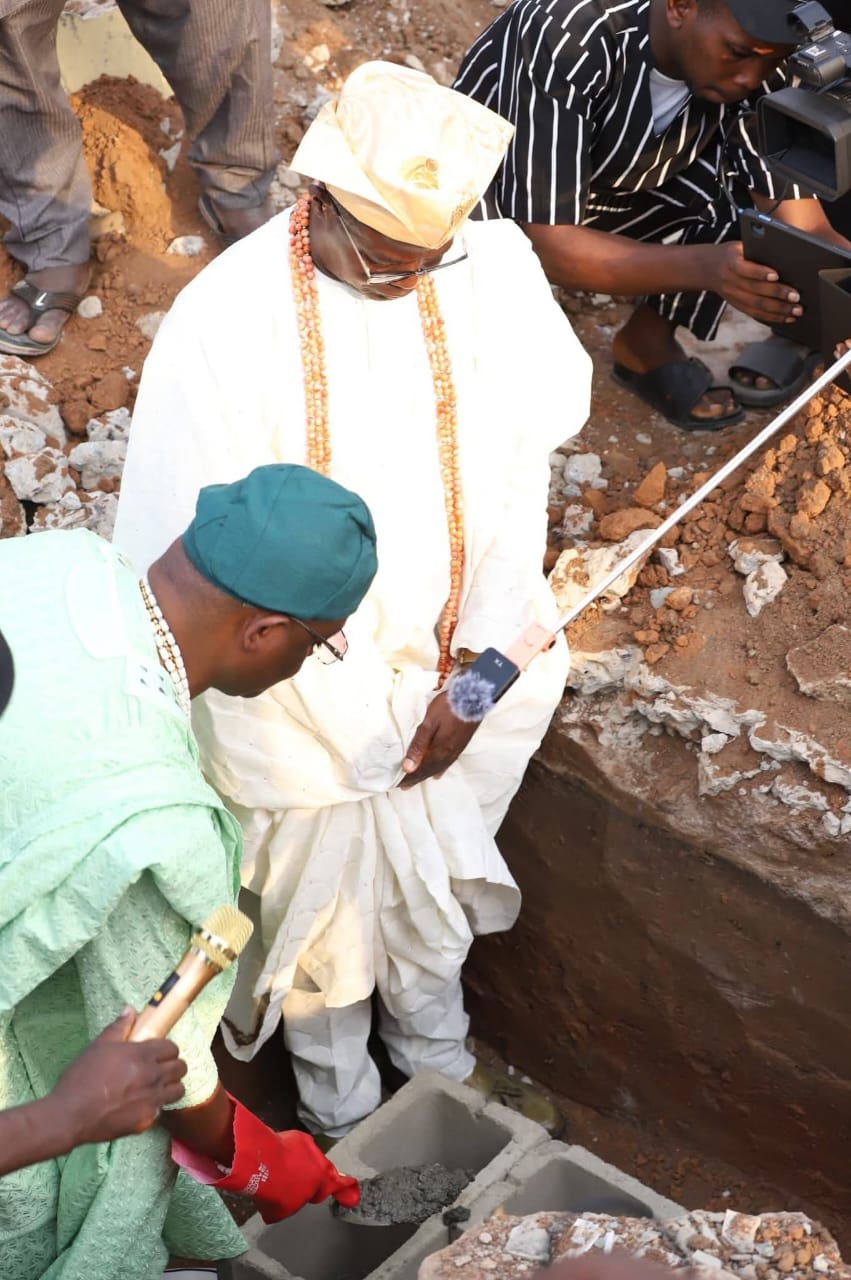
Senator Adeola Yayi Bags Royal Blessings at Foundation Laying of Yewa Traditional Council Secretariat in Ilaro
…Clerics, Monarchs and Political Leaders Offer Prayers for His Future Aspirations
ILARO-YEWA, OGUN STATE — The ancient town of Ilaro, headquarters of Ogun West Senatorial District, came alive on Tuesday, January 27, 2026, as royal fathers, political leaders, clerics and community stakeholders gathered for the historic foundation-laying ceremony of the proposed ultra-modern Yewa Traditional Council (Obas’) Secretariat Complex.
The culturally symbolic project, facilitated by the Senator representing Ogun West at the National Assembly, Distinguished Senator Solomon Olamilekan Adeola (Yayi), attracted widespread commendation, fervent prayers and royal blessings from traditional rulers across Yewaland, alongside leaders and stalwarts of the All Progressives Congress (APC).
The ceremony officially marked the commencement of construction of what is envisioned as a state-of-the-art secretariat that will serve as the institutional headquarters of the Yewa Traditional Council.
Stakeholders described the initiative as a landmark achievement in institutional development and a clear demonstration of Senator Adeola’s sustained commitment to grassroots development, cultural preservation and inclusive governance in Yewaland.
Royal fathers present unanimously agreed that the project represents a significant step toward strengthening traditional governance and preserving Yewa cultural heritage. According to them, the proposed secretariat will function as a unifying administrative hub, enhance collaboration among monarchs and safeguard the cultural identity of the Yewa people for generations to come.
Speaking at the event, the Olu of Ilaro and Paramount Ruler of Yewaland, His Royal Majesty Oba (Dr.) Kehinde Gbadewole Olugbenle, Asade Agunloye IV, poured encomiums on Senator Adeola for his extensive infrastructural interventions and developmental footprints across Yewaland and Ogun State.
The monarch noted that the senator’s contributions have repositioned Yewaland on the path of meaningful progress, urging political leaders and stakeholders to embrace unity, cooperation and harmony.
He emphasized that such collective resolve remains crucial to the long-standing aspiration of producing a Yewa indigene as Governor of Ogun State in 2027.
Oba Olugbenle also used the occasion to encourage residents to actively participate in the democratic process by obtaining their Permanent Voter’s Cards (PVCs), stressing that civic engagement is the surest route to credible leadership.
“Yayi Is a Unique Son of Yewaland” — Deputy Speaker
The Deputy Speaker of the Ogun State House of Assembly, Rt. Hon. (Chief) Mrs. Lateefat Bolanle Ajayi, described Senator Adeola as a “unique and incomparable son of Yewaland,” whose influence transcends Ogun West to Ogun Central and East.
“We have had good sons in Yewaland, but Yayi stands out. His impact is felt in Abeokuta, Ijebu-Ode and beyond. Charity truly begins at home. Even the blind can see and the deaf can hear. We must support him. Come 2027, we have a candidate,” she declared.
Clerics Offer Prayers for Success
Offering prayers at the ceremony, Imam Mohammed Tijani Jamiu, Chief Imam of Surulere Central Mosque, Ilaro-Yewa, prayed for Senator Adeola, the royal fathers of Yewaland and the successful completion of the project.
Similarly, Imam Jamiu Adeniyi Kewulere, Chief Imam of Bibire Central Mosque, Oke-Ola, Ilaro-Yewa, also offered special prayers for peace, progress and divine guidance for all stakeholders.
“A Rare Project of Global Significance” — Yewa South LG Chairman
The Chairman of Yewa South Local Government, Hon. Tunde Ogunshola, described the occasion as one of the happiest moments of his life, noting that the project is unprecedented in scope and cultural significance
.
“This traditional council building is rare, even globally. It is being realized through the support of Governor Prince Dapo Abiodun and facilitated by Senator Adeola. When completed, it will stand as a lasting symbol of our heritage,” he said.
The Ogun State Chairman of Cultural Development, Hon. Olayiwola Taiwo, also hailed the project as a major turnaround for Ogun West, a zone he said had endured years of infrastructural neglect.
“This is a remarkable development. Senator Adeola is truly God-sent to Yewaland,” he stated.
Royal fathers including the Olofin Adimula of Ado-Odo, Oba Idris Olusola Lamidi Osolo, the Abepa of Joga-Orile, Oba Adeyemi Adekeye, and the Onimeko of Imeko, Oba Benjamin Olanite, all expressed confidence that greater projects linked to Senator Adeola would continue to materialize.
A retired Director-General in the Ogun State Civil Service, Mr. Michael Babatunde Ajayi, likened the proposed complex to the Obas’ Secretariat in Abeokuta, noting that it would reduce the need for monarchs in Yewaland to travel to the state capital for meetings.
“This will be the first of its kind in Yewaland. Kudos to Senator Adeola, whose impact is felt across Ogun State,” he said.
APC Leaders Call for Political Mobilisation
The Ogun West APC Chairman, Alhaji Azeez Adisa (Ekwume), alongside party leaders and community stakeholders, described Senator Adeola’s interventions as purposeful and impactful.
They urged party members to consolidate these gains by strengthening party structures and participating actively in voter registration and mop-up exercises, noting that broad-based participation is essential for electoral success.
Anglican Bishop Describes Project as Timely
Speaking with journalists, the Diocesan Bishop of the Anglican Communion, Rt. Revd. M.A. Oluwarohunbi, PhD, described the project as timely and symbolic, adding that it would enhance the role of traditional rulers in governance.
“This is a very important day in the history of Ilaro and Yewaland. The proposed complex will be an ultra-modern edifice befitting our royal fathers,” he said.
He also prayed for Senator Adeola’s continued strength and the realization of his future aspirations.
At the climax of the event, Oba Olugbenle, alongside other eminent kabiyesis, offered royal prayers and blessings for President Bola Ahmed Tinubu, Governor Prince Dapo Abiodun, Senator Solomon Adeola Yayi, and other political office holders across Ogun West and Nigeria, seeking divine wisdom, protection and success in governance.
The well-attended ceremony drew a diverse audience, including revered monarchs from across Yewaland, political leaders, community stakeholders and religious representatives from Christianity, Islam and traditional institutions.
Members of the League of Yewa-Awori Media Practitioners (LOYAMP) were also prominently represented, led by their National Coordinator, Otunba AbuSatar Idowu Hamed.
The colourful event concluded with the formal laying of the foundation stone by royal fathers and distinguished guests, symbolically ushering in a new chapter in the institutional development and cultural renaissance of Yewaland—an occasion many described as another defining milestone in Senator Adeola Yayi’s growing legacy of service and development.
Courtesy: League of Yewa-Awori Media Practitioners (LOYAMP)
celebrity radar - gossips
Shadows of Greed: Alison‑Madueke’s UK Corruption Trial and the Cost of Power
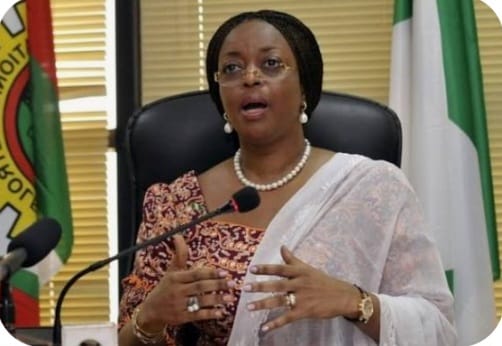
Shadows of Greed: Alison‑Madueke’s UK Corruption Trial and the Cost of Power
By George Omagbemi Sylvester | Published by SaharaWeeklyNG.com
When today’s headlines speak of corruption, they often do so as a distant abstraction as a vague moral failure with little bearing on everyday life. But the unfolding corruption trial of Diezani Alison‑Madueke in a London court throws into glaring relief the real, human and systemic consequences of unchecked power merged with self‑interest. This is not merely the story of an individual on trial; it is a lens through which the world must scrutinise the fragile intersection of governance, resource wealth and public trust.
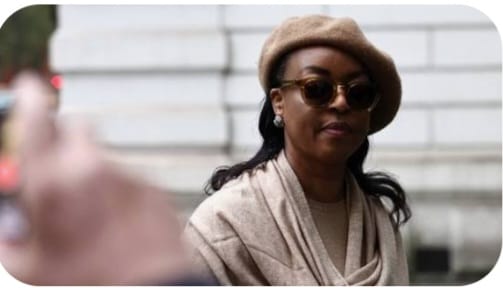
Diezani Alison‑Madueke, once Nigeria’s Minister of Petroleum Resources and later the first woman president of the Organisation of the Petroleum Exporting Countries (OPEC), now stands accused before Britain’s Southwark Crown Court of multiple counts of bribery and conspiracy. The accusations against her (which she vehemently denies) paint a portrait of opulence allegedly funded through pay‑to‑play politics that ignored the public good and rewarded those who could feed her lavish lifestyle.
A Life in Oil, a Life Under Scrutiny.
Alison‑Madueke’s tenure as petroleum minister, from twenty ten until twenty fifteen, coincided with a period of immense oil revenue for Nigeria, a country sitting atop the largest oil reserves in Africa. Yet that wealth did not translate into broad‑based prosperity for the citizens she was meant to serve. Instead, British prosecutors allege that her privileged access to that sector was exploited for personal gain.
According to court indictments, she is accused of accepting bribes not in vague promises, but in concrete, high‑value luxury benefits and including cash, chauffeur‑driven vehicles, private jet travel, the use of multiple high‑end properties in London, funded renovations, personal household staff and even costly designer goods purchased at establishments like Harrods and Louis Vuitton. Prosecutors told the court these were not mere gifts, but “financial or other advantages” given by industry players “who clearly believed she would use her influence to favour them.”
The former minister, now sixty‑five, has pleaded not guilty to all charges. Alongside her in the dock are two co‑defendants: oil executive Olatimbo Ayinde and her brother, Doye Agama, both of whom deny the charges connected to the same alleged bribery scheme.
The Anatomy of Allegations.
What makes this trial especially significant is the detail and scale of the alleged benefits. Prosecutors have asserted that Alison‑Madueke was offered:
Access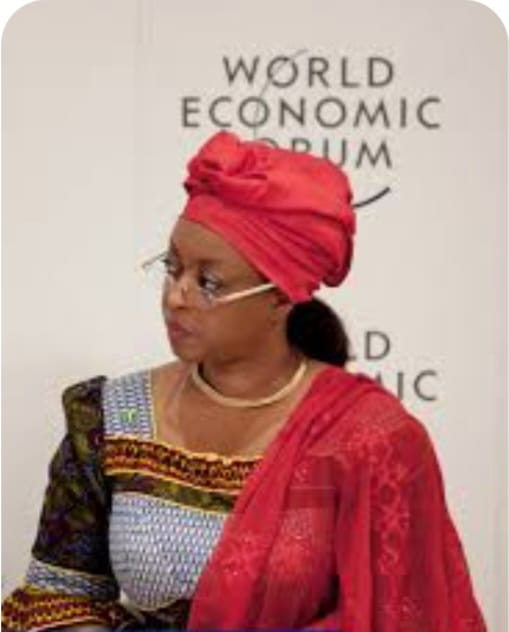 to luxury homes and private residences in London, bought and maintained by associates seeking lucrative Nigerian contracts.
At least a six‑figure sum in direct cash payments.
Private jet flights and schooling fees for her children.
Vast quantities of luxury goods and services from upscale retailers.
While the prosecution concedes it has not yet produced direct evidence that she awarded specific contracts to individuals who should not have had them, it maintains that the acceptance of such benefits by a public official who oversaw multi‑billion‑dollar contracts is inherently improper and contrary to fundamental principles of public service.
Voices of Accountability.
The allegations have drawn sharp commentary from observers worldwide who see the trial as emblematic of broader governance challenges across resource‑rich nations.
Nigerian social justice advocate Aisha Bello has observed, “Corruption is not a peripheral defect in governance but a corrosive disease that accelerates inequality. When leaders treat public office as a gateway to private treasure, citizens pay with lost opportunities and diminished hope.”
Similarly, Professor John Githongo, a renowned anti‑corruption scholar, argues that “Transparency and accountability are not optional extras in public administration; they are indispensable pillars of a just society. When the public good is subverted for private gain, the very fabric of trust unravels.”
These sentiments resonate deeply in contexts where natural wealth exists alongside persistent challenges in education, healthcare and infrastructure also illustrating that corruption is not an isolated moral failing, but a fundamental impediment to development.
Corruption Beyond Borders.
What makes this case notable on the global stage is not just its connection to a former minister, but its international footprint. The United Kingdom’s National Crime Agency (NCA) has taken up the case because many of the alleged transactions (the properties, cash flows, and luxury perks) touched British jurisdiction. This underlines a critical truth: corruption today is not contained by national boundaries. Illicit financial flows, luxury goods, and asset holding often travel across continents, making international cooperation essential in pursuit of justice.
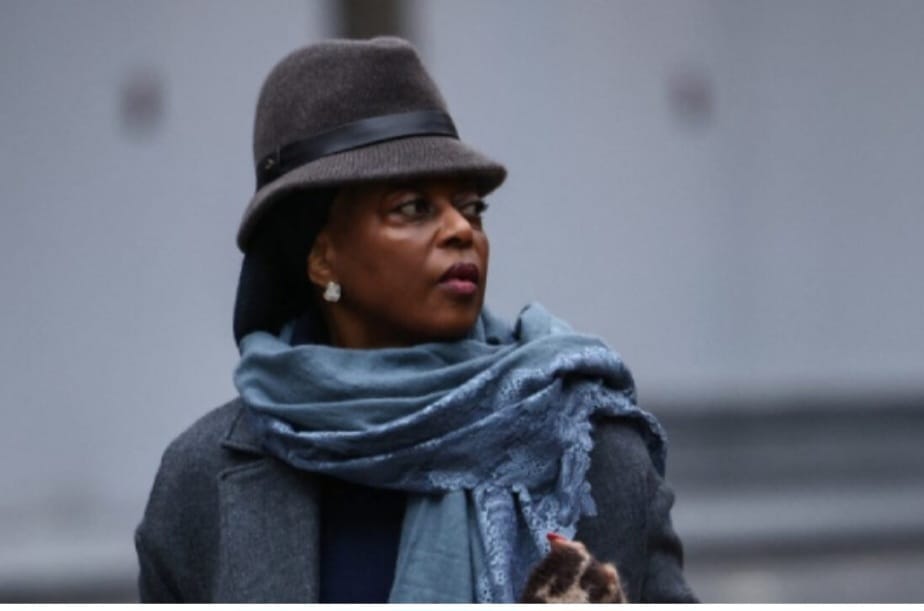
Andy Kelly, head of the NCA’s International Corruption Unit, stated during earlier proceedings that investigations revealed “financial rewards” accepted by Alison‑Madueke that were “suspected to relate to the awarding of multi‑million‑pound contracts.” He emphasised that such impropriety has “devastating consequences for developing nations.”
This collaborative legal action reflects a growing global consensus: no public official, regardless of stature, should be beyond accountability. When a former head of state institutions is brought before a foreign court, it is not just a legal milestone but it is a moral affirmation of shared values in the rule of law.
The Nigerian Context.
In Nigeria, the oil sector has long been both a blessing and a burden. Despite generating huge revenues, mismanagement and corruption have often undermined potential gains for the wider population. A 2023 report by Nigeria’s statistics agency ranked corruption as one of the most significant challenges facing the country. It is a sobering backdrop that shapes how this trial is interpreted at home and abroad.
Former officials and critics alike have noted that transparency in governance is not merely a matter of legality but one of national dignity. As legal scholar Dr. Funke Adekola puts it, “When leaders betray public trust, they erode the very essence of citizenship. Restoring that trust requires not just trials, but systemic reform in values and institutions.”
What Lies Ahead.
The trial, expected to stretch over several months of testimony and evidence examination, is itself a test of judicial endurance and political will. It presents complex questions about proof, credibility, and moral accountability. Yet beyond the sterile halls of courtrooms, its wider implications reverberate in global public discourse about how nations manage wealth and how societies hold leaders accountable.
For ordinary citizens around the world, this case is riveting not because of luxury houses or private jets, but because it forces a collective reckoning: What price should a society pay when those entrusted with public resources place personal enrichment above national welfare?
Summative Insight.
As Diezani Alison‑Madueke’s trial unfolds before the world’s eyes, it stands as a stark reminder that the fight against corruption must be relentless and unflinching. It exposes the corrosive effects of unethical conduct at the highest levels of power and underscores the necessity of accountability, irrespective of nationality or office.
In the final analysis, justice is not only about punishment, but about restoring faith in the systems meant to protect the common good. As the British court hears testimony and as evidence is meticulously weighed, the world watches a profound test of justice, one that could shape how future generations understand leadership, integrity and the true cost of power.
The Resilience in a Moment — Twenty Positive Impacts of a Human Event
By Tukur Buratai


-

 celebrity radar - gossips6 months ago
Why Babangida’s Hilltop Home Became Nigeria’s Political “Mecca”
-

 society5 months ago
Power is a Loan, Not a Possession: The Sacred Duty of Planting People
-

 Business6 months ago
Batsumi Travel CEO Lisa Sebogodi Wins Prestigious Africa Travel 100 Women Award
-
 news6 months ago
THE APPOINTMENT OF WASIU AYINDE BY THE FEDERAL GOVERNMENT AS AN AMBASSADOR SOUNDS EMBARRASSING