
Politics
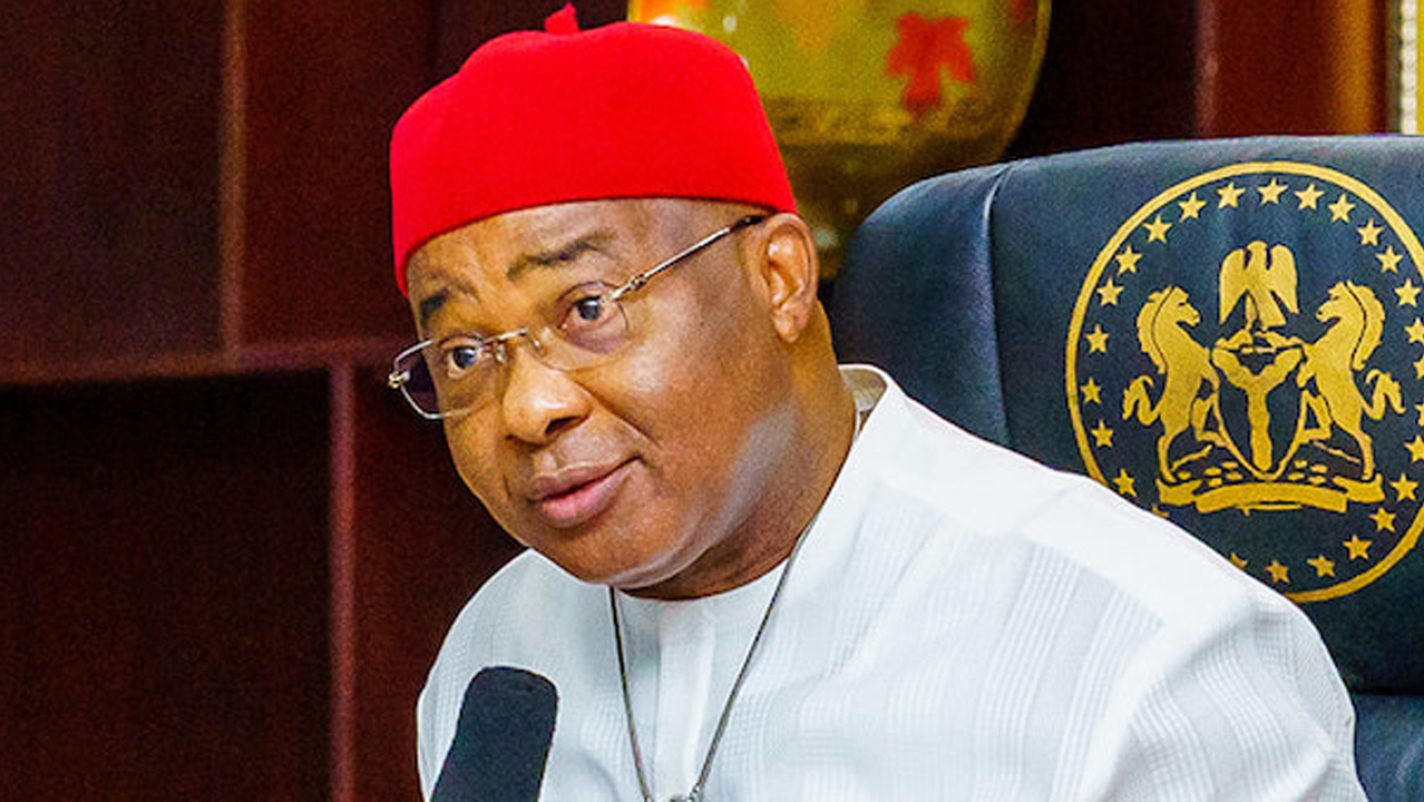
The Man, Hope Uzodimma: Why He Deserves Second Term As Imo Gov

The Man, Hope Uzodimma: Why He Deserves Second Term As Imo Gov
Hope Odidika Uzodimma is a prominent Nigerian politician who represents different things to different people. He symbolizes trust and loyalty to friends and associates, and hope and succour to the downtrodden. At work, he is an embodiment of capacity and efficiency to his staff, and at home, he is the epitome of love and affection to his family.
As a man with hallowed grace and a Midas touch, his most striking quality has been his uncommon ability to think globally while acting locally with exceptional street intelligence and his determination to bring positive change to Imo State. Since Hope Uzodimma came into office as Imo State Governor in the last four years, he has been an embodiment of excellence, hard work and patriotism.
Born on 12 December 1958 in Omuma to an Igbo Catholic family; his father Chief Michael Uzodimma held the chieftaincy title of Igwe of Ozuh Omuma and his mother was Ezinne Rose Uzodimma (née Nneoha), he is a kinsman of the Okoro family of Etiti-Omuma. Uzodinma is a devout Catholic, and he is married to Chioma Uzodimma with seven children.
Uzodimma attended Mgbidi Secondary School in Omumu, Oru West, Imo State, Nigeria, for his secondary education.
He enrolled in college in 1978 and studied international studies there until 1982 when he received his bachelor’s degree. He had already earned an advanced diploma in transport studies before this.
Uzodimma graduated from the University of Nigeria Nsukka (UNN) with a master’s degree in human relations. He also graduated from the University of London with a degree in political science.
He holds a Diploma in Maritime Management Technology, and a Higher Diploma in the same field, from the Federal University of Technology Owerri.
He has an Honorary Doctorate degree from Imo State University and a Fellow of the College of Agriculture, Umuagwo.
Uzodimma began his political career during the Second Nigerian Republic, joining the ruling National Party of Nigeria (NPN), where in 1983, he became the Imo State youth leader. In the 1990s, with the aborted transition to the Third Nigerian Republic, Uzodimma featured prominently as a member of the United Nigeria Congress Party.
In 1999, after the return to democracy, Uzodimma joined the Peoples Democratic Party (PDP), where he served as a member of the party’s National Caucus, National Executive Committee and on the Board of Trustees, at various times between 1999 and 2017. As a party boss in Imo State, Uzodimma was a close associate of Governor Achike Udenwa until late 2002, when ahead of the April 2003 elections he decamped to the Alliance for Democracy (AD), becoming the party’s candidate for the Imo State gubernatorial election. After losing the election to Udenwa, he returned to the PDP in February 2004.
In March 2019, the Independent National Electoral Commission sitting in Imo announced the governorship election results of Imo State: Emeka Ihedioha of the PDP who won with 273,404 votes, Uche Nwosu of Action Alliance with 190,364 votes, Ifeanyi Ararume of the All Progressives Grand Alliance with 114,676 votes; and Uzodimma in fourth place with 96,458 votes. Uzodimma later challenged the victory of Ihedioha up to the Supreme Court. On 14 January 2020, the Supreme Court declared Uzodimma the duly elected Governor of Imo State. The court held that results from 388 polling units were wrongly excluded from votes ascribed to Uzodimma and the APC in Imo adding that the first appellant Uzodimma holds the majority of lawful votes cast.
On 15 January 2020, he and Placid Njoku were sworn in as the Governor of Imo State and Deputy Governor of Imo State.
As Governor, Uzodimma has focused on various sectors such as education, healthcare, infrastructure, and security. He has initiated projects to improve the living standard for the people of Imo State, including the construction of roads, renovation of schools, and provision of healthcare facilities.
Uzodimma has also been involved in efforts to promote peace and security in Imo State. He has collaborated with security agencies to tackle issues of insecurity, particularly the activities of armed groups and criminal elements.
Despite facing criticism and challenges during his tenure, Uzodimma remains committed to the development of Imo State. He has expressed his vision to transform the state into a hub of economic activities, attracting investments and creating employment opportunities for the people.
Titles
In Oru local government, Imo State, Gov Uzodimma holds the chieftaincy title of Onwa-Netiri Oha of Omuma Kingdom because he is one of the relatives of the Okoro family of Etiti-Omuma.
Awards And Nominations
Among several awards and accolades, Gov. Hope Uzodimma was given the 2017 Personal Life of the Most Outstanding Parliamentarian of the Year by the Nigerian News.
In 2022, Uzodimma bagged a peace award from the United Nations for his efforts at promoting inter-ethnic harmony in Nigeria and good governance in the state.
He was nominated for the award by the United Towns Agency (UTA) for North-South Cooperation of the United Nations.
He also bagged The Sun 2021 Governor of the Year Award
Due to his sterling performance since his assumption of office as the governor of Imo State, South East Nigeria, Hope Uzodinma, bagged the prestigious honour of Most Prolific Governor of the Year 2023 by Face of Democracy Nigeria, FDN.
In May 2023, Gov. Uzodinma was conferred with the Grand Service Star of Rivers State (GSSRS) award for his contribution and commitment to national unity and equality.
Governor Uzodinma was also honoured by the Institute of Chartered Accountants of Nigeria (ICAN) for his outstanding performance in promoting fiscal transparency in governance.
Hope Uzodimma in the last four years: What he has done
Even in the most difficult of times, the people of Imo State still have reasons to smile. In his accustomed manner of connecting with the people, the state governor, Hope Uzodimma is unrelenting in the delivery of good governance.
One of the major takeaways from the first term in office of Governor Uzodimma is that a leader will always achieve good governance when honesty, passion and vision brought into policy-making and execution are greater than fears and excuses.
Despite fundamental challenges such as agitated violence and global economic downturn economic among others, the Uzodimma administration has continued to bring dividends of democracy to the people.
It is, therefore, heart-warming that the governor is seeking to be re-elected for a second tenure. This is good news for the residents of Imo state. Uzodimma, popularly known as Onwa, has used a greater part of his first term in office to improve their living condition.
This, he has done through the creation of wealth and more job opportunities, provision of quality social security system and galvanization of the youths with fresh ideas and tools to make them productive citizens among others.
Against all odds, In line with the manifesto of APC, Uzodimma fashioned out his prosperity agenda anchored on the three-pronged (3Rs) agenda of Reconstruction, Rehabilitation and Recovery. The broad objectives of the policies included a firm resolve to revive Imo State and recover for the people the years that had been lost to the locusts.
Where others saw only turmoil and deprivation, he recognised the boundless ingenuity and tenacity of the Imo people and applied extraordinary pragmatic and visionary leadership to rebuild the State.
For example, in healthcare, Uzodimma has tremendously granted access to quality and affordable healthcare to many Imolites. Through a strategic partnership with the World Health Organization, he created and implemented the Imo Health Insurance Programme. This has enabled over 66,000 Imo residents to obtain healthcare protection. Concurrently, strategic investments are augmenting primary healthcare infrastructure across the state to further expand and enhance access and availability of vital services for rural and urban communities.
ROADS:
• More than 1,000 kilometres of road networks in both urban and rural areas have so far witnessed reconstruction.
• The 35-kilometre Owerri-Orlu dual carriageway and the 46-kilometre Owerri-Okigwe road were delivered as intercity roads.
• The dualization of the Owerri-Mbaise-Umuahia road and another 46-kilometre stretch is ongoing.
• Also under construction is the Orlu- Akokwa-Arondizogu-Uga road leading to Anambra State measuring 37 kilometres.
• More than 30 major roads have been completed in the Owerri Capital Territory alone including Assumpta/ IbariOgwa/ Port Harcourt Road, Federal Secretariat Road (now Muhammadu Buhari Dual Carriage Way Drive), DickTiger Road. Akachi Road (nowEvan Enwerem Way) and Relief Market Road.
• About 64 roads spanning over 150 kilometres constructed and completed.
• Rehabilitation of another 43 routes accounting for over 350 kilometres ongoing in both urban and rural areas.
HEALTH
• Uzodinma has an impressive footprint in the health sector, expanding healthcare services, building and upgrading hospitals and clinics, and ensuring the availability of essential medical facilities
• Over 66,000 Imo residents obtain healthcare protection under the Imo Health Insurance Programme
• Renovated over 305 health centres in the 305 electoral wards
• More than 300 medical students graduated from the Imo State University Teaching Hospital after a decade of non-accreditation
• The Teaching Hospital is now fully equipped with state-of-the-art medical facilities including digital x-ray machines, mammogram machines, ambulances, dialysis machines, molecular biology and chemical pathology laboratory, equipment (for COVID-19andother viral disease tests) and anaesthetic machines
• Re-accreditation of nursing and midwifery schools in Aboh Mbaise and Awommama after they lost accreditation in 2011
• The Imo State Specialist Hospital in Owerri is now fully functional and performing complicated operations such as spinal and brain injury surgeries
• The Governor has procured 10 mobile clinics for speedy intervention
EDUCATION
• Upgrading facilities of primary and secondary schools across the state
• The facilitation of the upgrading of the Alvan Ikoku College of Education to the Federal University of Education
• Accreditation of the College of Education, Ihitte-Uboma to run various courses, including the Professional Diploma in Education (PDE), in affiliation with Imo State University has also been successfully implemented
YOUTH AND SPORTS DEVELOPMENT
• Training of 300,000 Imo youths on digital skills and link up to relevant jobs (i.e., the SkillupImo project).
• Full reconstruction of the famous Dan Anyiam Stadium in Owerri including the main complex, the indoor sports centre, and the handball court. An Olympic-sized swimming pool under construction on the same site is now nearing completion
• Over 5,000 young Ndi Imo have already completed the training and are either leveraging their heightened technical acumen to establish promising digital ventures or securing employment with leading tech firms like Zinox, Konga, and WakaNow among other digitally driven businesses within and beyond Imo.
• Rebranding of the state-owned Heartland Football Club.
WOMEN EMPOWERMENT
• The Ministry of Women Affairs and Vulnerable Groups in collaboration with the Office of Her Excellency, the First Lady, facilitated the organization of the International Children’s Day Celebration and other National/Global Observances such as the International Women’s Day.
• Organised Sixteen (16) Days of Activism on the elimination of Gender Based Violence (GBV) against women and children, like Female Genital Mutilation (FGM), Early Child Marriage, Child Labour and other harmful traditional practices.
• The Ministry also recorded the registration of five (5) Motherless Babies Homes and Three (3) Day-Care Centres
• The ministry also ensured that existing Homes/Day-Care Centres maintained approved Operational Guidelines.
• The governor also signed into law the bill on Violence Against Persons Prohibition (VAPP)
AGRICULTURE AND WATER RESOURCES
• The state engaged the Federal Government to complete the dams for dry-season farming at Inyishi and Okigwe
• Uzodinma also secured the cooperation of the CBN and other relevant bodies that have facilities for those in Agriculture
• The State Government replanted over One Hundred and Forty (140) Hectares of land with Oil Palm seedlings at Ada-Palm, Ohaji and Ngor-Okpala.
• He rehabilitated the abandoned Adapalm Plantanlan which occupies an area of 4310 hectares of oil palm
• The Acharaubo Farm Estata at Emekuku in Owerri North Local Government Area is back to life.
• The Otamiri Water Scheme which serves the Owerri Capital Territory now delivers potable hygienic water for members of the public
• The Eluama Water Scheme in Orlu local government area and Ekenguru Water Scheme in Aboh Mbaise LGA rehabilitated
COMMERCE AND INDUSTRY
• Recovery of markets especially Ekwe Ukwu Owerri Market built with state funds but handed over to the cronies of the previous administrations
• Strengthening of the market associations in a manner that streamlines the collection of government revenue just as it enables them to defend their rights as traders.
• Construction of a state-of-the-art ultra-modern market in Eke-Ukwu to assuage the pains of the people.
• The crafting and developing of the Imo State Sustainable Industrialisation Policy in collaboration with the United Nations Industrial Development Organization (UNIDO).
• Commissioning of fashion clusters with well-equipped industrial sewing machines to help our skilled dressmakers in the state to make trendy dresses, including T-shirts and face caps for industrial use
• The Uzodimma administration has also commenced moves to revamp all the moribund industries in the state
• Hope Uzodimma has paid off the debts owed to Assets Management Company of Nigeria (AMCON) by successive administrations in the state as regards the Imo Shoe Industry
• The government is also working with Investors for the revamping of the Nsu Tiles Ehime and the Avutu Poultry Farm.
• The government registered over 200 cooperative societies and organized rural farmers, artisans, and workers in the Private Sector into Micro Businesses for sustainable capital formation and increased productivity.
• Several cooperative societies have been linked to multi-lateral finance agencies such as Agric Loans Board, Bank of Agriculture (BoA), Bank of Industry (BoI), Micro Finance Banks (MFB), etc.
ECONOMIC DEVELOPMENT
• Uzodimma’s economic performance has been impressive considering several parameters including Gross Domestic Product (GDP).
• The 2022 State of States report released by BudgIT revealed that Imo State has an estimated GDP of N7.68 trillion, making it the 4th out of the 36 states in the country with the largest GDP among its peers in the Southeast region
• Dredging and linking Oguta Lake to the Atlantic Ocean
• The revival of hitherto moribund industries in Imo State such as Adapalm and Acharaugbo Farms.
• Through his leadership, Imo State is included in the Special Agro-industrial Processing Zones (SAPZ) in Africa.
• the Imo State Industrial and Innovation Park is slated for take-off as the multi-billion-naira project will be situated at the Ibigwe Oilfield in Ohaji-Egbema LGA
• Creation of Ministry of Digital Economy and E-government through the Imo Digital Economy Agenda (IDEA) 2022-2026)
SECURITY
• Among other efforts, the government of Hope Uzodinma provided security vehicles, including Armoured Personnel Carriers (APC) to security operatives in the state.
• Provision of 100 Numbers of Innoson Hilux Vehicles for the operation of security operatives in the state
• Procurement and installation of very high frequency (VHF) radio/telecommunication equipment and other security equipment and gadgets to enhance communication and information gathering between security operatives
REVENUE AND BUDGETARY REFORMS
• The Imo State revenue has jumped by more than 100 percent under Uzodinma through meticulous and well-thought-out policies.
• Automation of all financial transactions and training of the staff of the Internal Revenue Service
• The optimization of revenue processes through the Treasury SingleAccount (TSA)
• The domestication of the Imo State Debt Management Law No. 6 of 2021 has become a great milestone for the State attracting USD 2 Million to the State as a Grant from the SFTAS/World Bank Programme.
REJUVENATION OF CIVIL SERVICE
• Digitisation of the workforce and mode of salary payments aimed at detecting and flushing out ghost workers.
• Training and retraining programmes for workers for better service delivery
• All verified Imo workers and pensioners have received their salaries and pensions up to date as the regular and full payment of salaries and pensions has become routine.
• As part of efforts to restore the psyche of the civil servants, the Governor presented official vehicles to permanent secretaries and provided free bus transportation for junior civil servants.
• The governor also restored seniority and discipline in the service and ensured that the hierarchy and reporting line in the service is respected.
• Uzodimma’s Promise To IMOLITES. (Next four years)
For Governor Hope Uzodimma, Imolites remain the pillars of support for the developmental journey of his administration in the last four years. He believes the resilience and trust of the people of Imo State in his administration vision have been the driving force behind the progress achieved so far.
According to Gov. Uzodimma, the Next Level of Shared Prosperity, which his government aims to embark upon, will bring even greater value to our beloved state. The next four years would be a vision where each individual thrives and Imo state collectively soars to new heights.
Governor Hope Uzodimma’s Promise to Imo State in the next four years is numerous. Some of the key areas that Uzodimma has promised to focus on include:
• Infrastructure Development: Uzodimma has promised to prioritize the development of infrastructure in Imo State, including roads, bridges, schools, hospitals, and other essential facilities.
• Job Creation and Youth Empowerment: He aims to create employment opportunities for the youth by attracting investments and promoting entrepreneurship. Uzodimma plans to establish more skill acquisition centres and provide training programs to empower the youth.
• Agriculture and Food Security: Uzodimma has expressed his commitment to revitalizing the agricultural sector in Imo State. He plans to support farmers, provide them with modern farming techniques, and improve access to credit and markets.
• Education and Healthcare: The Governor has promised to improve the quality of education in Imo State by upgrading schools, providing necessary infrastructure, and supporting the training and welfare of teachers. He also plans to enhance healthcare services, upgrade hospitals, and ensure accessible healthcare for all.
• Security and Good Governance: Uzodimma aims to improve security in Imo State by partnering with law enforcement agencies, investing in security infrastructure, and implementing policies to curb crime. He also promises to run a transparent and accountable government.


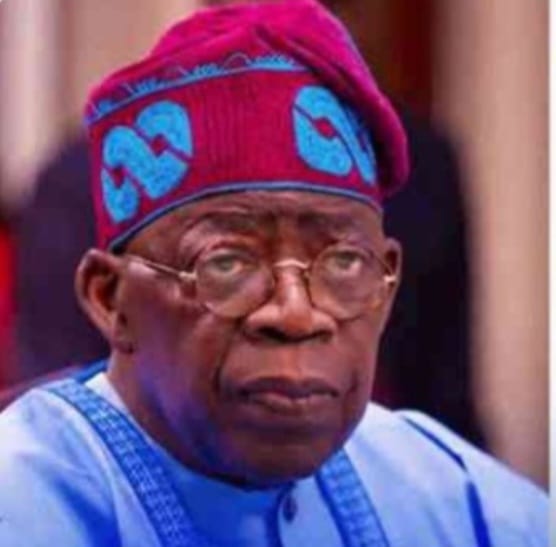
TINUBU RENEWS TENURE OF THREE PERMANENT SECRETARIES
President Bola Ahmed Tinubu has approved the renewal of tenure for three Permanent Secretaries in the Federal Civil Service, in line with existing public service regulations.
The approval was disclosed in a statement issued by the Office of the Head of the Civil Service of the Federation, indicating that the renewed appointments will take effect from April 27, 2026.
The affected officials include Kachallom Shangti Daju, Permanent Secretary in the Federal Ministry of Health and Social Welfare; Beatrice Jedy‑Agba, Solicitor-General of the Federation and Permanent Secretary in the Federal Ministry of Justice; and Mary Ada Ogbe, Permanent Secretary in the Federal Ministry of Regional Development.
According to the statement, the renewal represents a second and final four-year tenure for the officials, in accordance with the provisions of Public Service Rule 020909, which allows Permanent Secretaries an initial four-year term with the possibility of a second term based on satisfactory performance.
The Head of the Civil Service of the Federation, Didi Esther Walson‑Jack, congratulated the Permanent Secretaries on their reappointment and urged them to see the renewed mandate as a call to greater dedication and excellence in service delivery.
She further encouraged them to deploy their experience and professional expertise toward strengthening governance and advancing national development.
The statement was signed by Eno Olotu, Director of Press and Public Relations in the Office of the Head of the Civil Service of the Federation, and dated March 6, 2026.
Politics
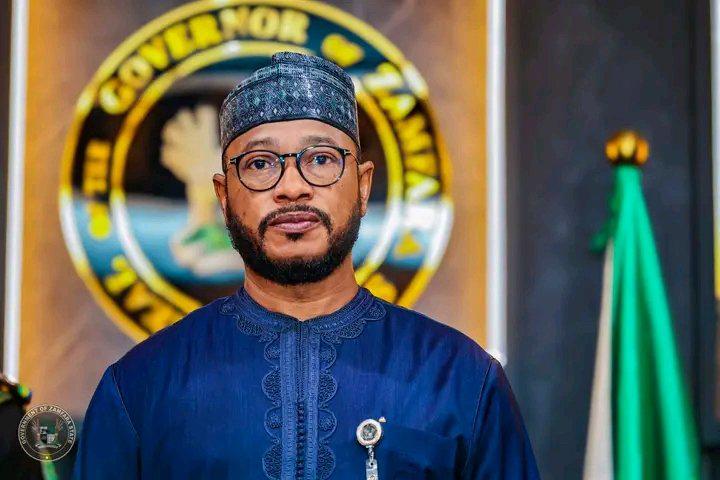
Governor Dauda Lawal’s Prompt Action Against Insecurity in Zamfara State Yielding Positive Result’ – GDL Media Force Fires Back at Critics
‘Governor Dauda Lawal’s Prompt Action Against Insecurity in Zamfara State Yielding Positive Result’ – GDL Media Force Fires Back at Critics
The attention of GDL Media Force and other well-meaning supporters of the Dauda Lawal-led administration has been drawn to a recent statement syndicated on social media by influencers from a group calling itself the Zamfara Good Governance Forum, which ludicrously attempted to portray the Governor’s security efforts as a “total failure.” This characterisation is not only divorced from reality. Still, it represents a desperate attempt by political opponents to rewrite history and undermine a Governor whose growing influence and performance clearly terrify them. It should be on record that in the whole of the North West region, Governor Dauda Lawal has tackled insecurity head-on with verifiable evidence that even those in the opposition have commended him for his huge investment in equipment that will further give security and armed forces an edge over those fueling insecurity in the country.
Since his assumption as Governor of Zamfara State, Dr Lawal has vowed that as the Chief Security Officer of the state, as well as the chief rescuer, an unprecedented commitment to tackling the security challenges that have plagued Zamfara for over a decade is his top priority and he is engaging it with much gusto. Unlike previous administrations, that engaged in shadowy deals with non-state actors, this Governor has chosen the path of transparency, capacity building, and decisive action. He was one of the Governors who openly declared that His administration would not negotiate with bandit rather his administration with fight them to a standstill and ensure they are cleared out.
In a bid to address the issues of insecurity with a well-planned arrival plan, he procured heavy Security Assets that even the Federal Government commended, him for. The recently procured and unveiled 25 units of Armoured Personnel Carriers (APCs) and an 80-meter endurance surveillance drone capable of covering 50 kilometres and operating continuously for eight hours. This represents the single largest state-government investment in security hardware in the history of Zamfara State.
The Defence Minister, during the inauguration ceremony, praised what he described as a clear demonstration of the Governor’s commitment to protecting lives and property, making the striking projection that “if we continue like this in the second term, Zamfara will look like Dubai”. This is not praise from a partisan source it is professional acknowledgement from the highest level of Nigeria’s defence establishment that Governor Lawal is doing something right.
Beyond heavy military hardware, the Governor has operationalised the Community Protection Guards in accordance with the law, providing them with 60 brand-new, well-equipped Hilux operational vehicles and specialised motorcycles to ensure swift response and effective first-responder services in difficult terrains. This is complemented by the distribution of 150 Hilux vehicles to mainstream security agencies including the Nigeria Police, DSS, and NSCDC, plus 20 Toyota Buffalo vehicles (both armoured and soft-body).
Perhaps most significantly, Governor Lawal established the Zamfara State Security Trust Fund, which provides a predictable, structured framework for logistical support to security forces. This moves the state away from the era of fragmented, reactive responses to a professional, sustainable security architecture.
When recent attacks occurred including the unfortunate February 19 incident in Anka LGA, Governor Lawal did not go into hiding or issue condolence statements from his office in Gusau. He immediately convened and personally presided over an emergency security meeting with all heads of security agencies at the Government House in Gusau, tasking them to urgently review the current security framework and implement coordinated countermeasures.
The Governor charged security chiefs to maintain “heightened vigilance, strengthened intelligence, and immediate, coordinated countermeasures” to ensure that criminal elements do not gain further ground. He also commiserated with affected communities and assured them of his administration’s full support both logistical and institutional. This is not the behaviour of a detached leader. This is the conduct of a Governor who understands that his primary constitutional responsibility is the protection of lives and property.
The public needs to understand the pedigree of those behind these allegations. The so-called “Zamfara Good Governance Forum” has a well-documented history of partisan attacks against Governor Lawal. A simple review of their previous statements reveals a pattern they have consistently attacked the Governor while remaining conspicuously silent during the administrations that presided over the worst years of banditry in the state. Interestingly, these attacks often coincide with political manoeuvres by the immediate past governor, Bello Matawalle, now Minister of State for Defence. The Zamfara State Government has previously accused Matawalle of using federal security apparatus to intimidate opposition figures in the state. The current criticism fits a familiar pattern, when you cannot defeat a Governor politically or at the ballot box, you attempt to undermine him through sponsored propaganda spreading sheer falsehood to ensure the public turns their back on a performing Governor who is rebuilding the rot the Matawale-led administration caused.
These same critics who now demand a “security roadmap” conveniently ignore that Governor Lawal inherited a state that was virtually a failed entity where farmers could not access their lands, where markets were paralysed, and where government had lost all credibility through failed negotiations and ransom payments to bandits.
Critics also conveniently ignore a fundamental reality Governor Lawal is the only opposition governor in the entire North-West geopolitical zone. Since taking office in 2023, his administration has received no federal intervention funds beyond statutory allocations no special palliatives, and no enhanced security support that flows to states with ruling-party governors. Yet despite this political isolation, he has managed to fund security without resorting to new borrowing, while monthly servicing N1.2 billion in inherited debts from the Bello Matawalle-led administration. This is governance under siege fiscally constrained, politically isolated, yet still delivering.
Governor Dauda Lawal has never claimed that the battle against banditry is easy or that success will come overnight. What he has demonstrated is sincerity of purpose, strategic vision, and relentless commitment. From the Security Trust Fund to community protection guards, from armoured personnel carriers to surveillance drones, these are not the actions of a leader who has failed. The growing influence of Governor Lawal across the North-West clearly frightens those who benefited from the old order of insecurity. When banditry thrives, politicians who negotiate with criminals remain relevant. But when peace is restored through genuine security architecture, such elements become obsolete.
Zamfara State is on the path to lasting peace. The detractors may continue their campaign of falsehood, but the facts on the ground speak louder than their sponsored propaganda. Governor Dauda Lawal remains focused, undeterred, and absolutely committed to restoring full normalcy to every inch of Zamfara State. The people of Zamfara see the progress. The Federal Government acknowledges the investment. And history will remember who truly fought for the state’s liberation.
Signed: GDL Media Force Support Group
March 4, 2026
Abuja, Nigeria
Politics
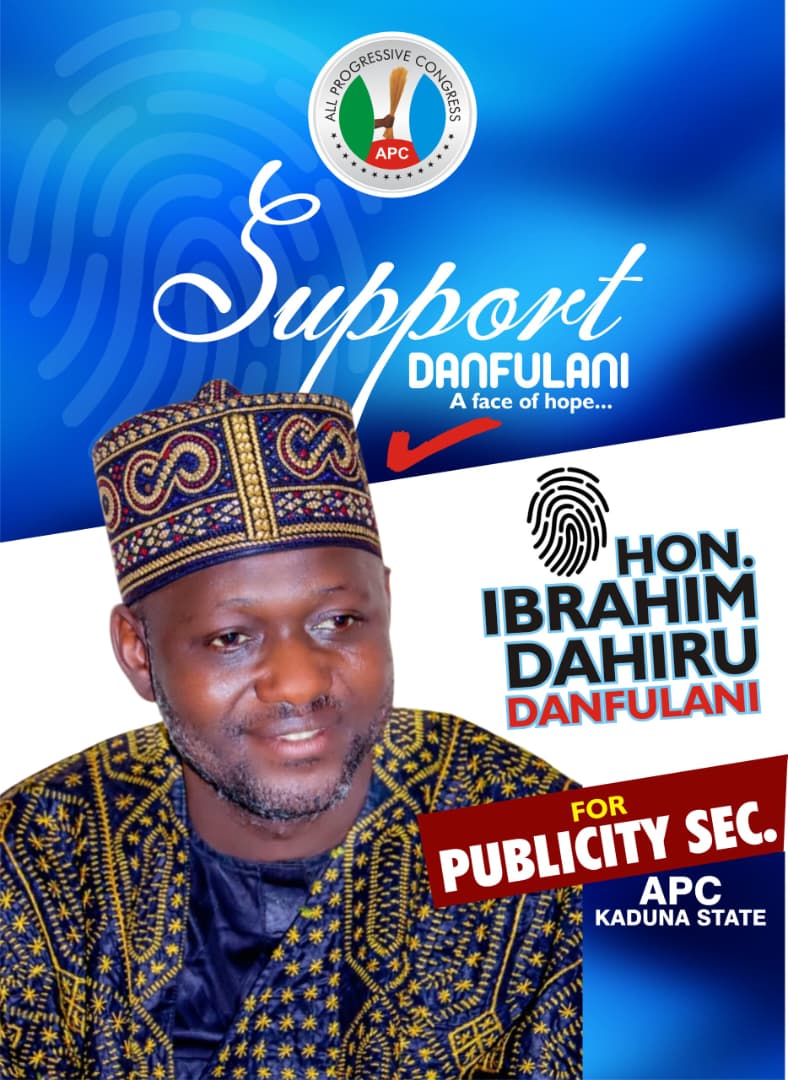
DANFULANI, A PARTY STALWART, MAKES CASE FOR APC PUBLICITY SECRETARY ROLE, PROMISES DIGITAL REVOLUTION, URGES DELEGATES SUPPORT
DANFULANI, A PARTY STALWART, MAKES CASE FOR APC PUBLICITY SECRETARY ROLE, PROMISES DIGITAL REVOLUTION, URGES DELEGATES SUPPORT
In a move set to reshape the communication dynamics of the All Progressives Congress (APC) in Kaduna State, a prominent party stalwart has formally declared his intention to contest the position of State Publicity Secretary.
The aspirant, Ibrahim Dahiru Danfulani, brings a deep history of party service to his candidacy. Born in Mando, Afaka ward, Igabi Local Government of Kaduna State, Danfulani was SA Northern media strategies to the APC Publicity Secretary Mr Lai Mohammed, he is also the founder of the APC at Your Door Campaigns Forum. He previously served as the North-west Secretary for the GMB support group, which campaigned extensively for the late President Muhammadu Buhari in 2015. Danfulani was also a founding member of the Tinubu Support Organization and is the Convener of the General Christopher Gwabin Musa Support Initiative. His practical electoral experience includes serving as the Returning Officer for the APC in Afaka ward, Igabi Local Government, during the 2023 Presidential and Gubernatorial elections.
Now holding the traditional title of Sadaukin Garkuwan Keffi/Betara Biu, Danfulani has called upon party leaders, delegates, and critical stakeholders to rally behind his candidacy in the upcoming state congress scheduled for March 3, 2026.
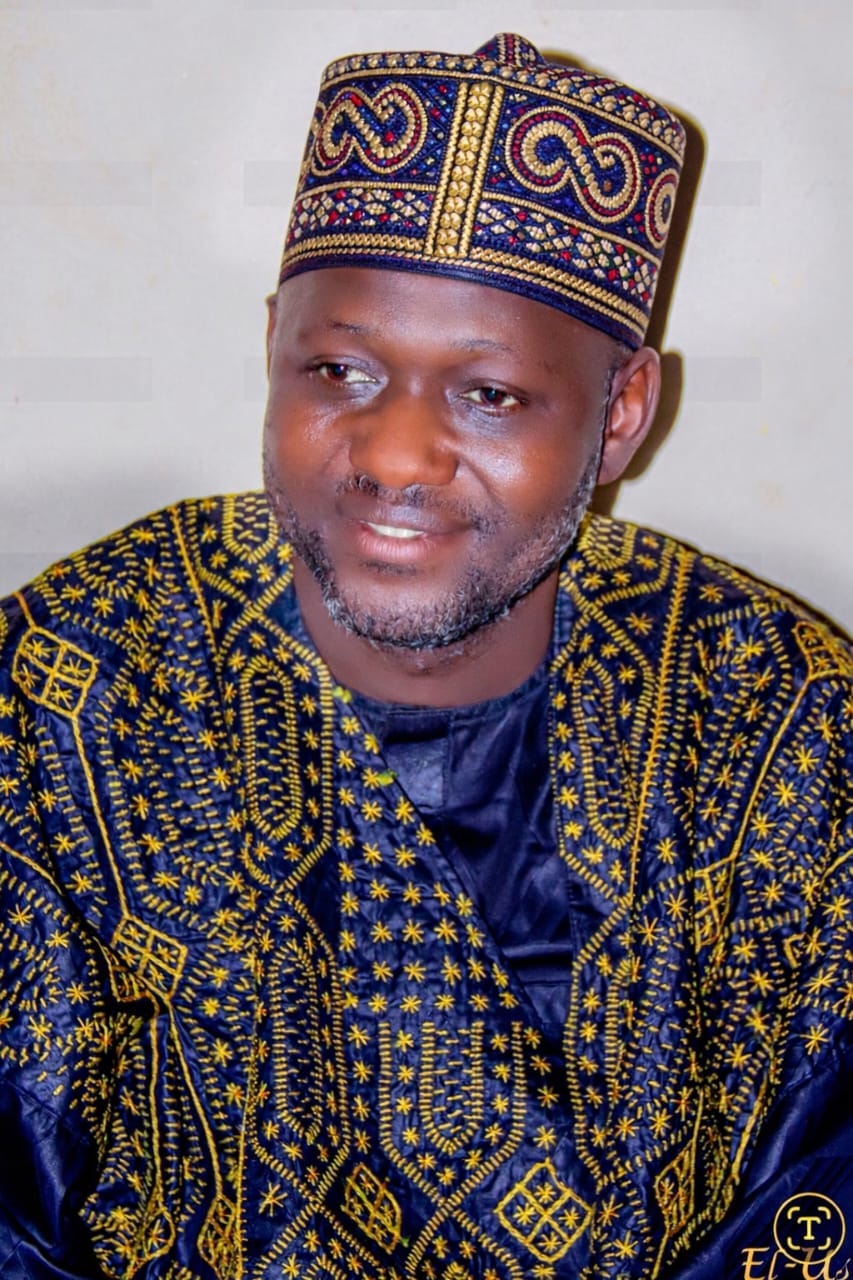
This appeal was contained in a personally signed statement released to the press on Tuesday, wherein Danfulani outlined his vision for a more robust, strategic, and modern party publicity machinery.
Citing his formidable and unparalleled experience spanning over a decade at the intersection of journalism and practical politics, Danfulani positioned himself as the ideal candidate to articulate and defend the party’s programmes, policies, and achievements. He argued that this unique blend of skills is precisely what the APC needs to enhance its narrative, engage a broader electorate, and consolidate its gains in the state.
“My extensive background in media practice and deep-rooted involvement in political mobilisation have equipped me with the requisite insight to drive an effective communication strategy for our great party,” the statement read in part. “I understand both the power of the pen and the pulse of the people.”
In a pledge that signals a forward-looking approach, the aspirant promised to revolutionise the party’s media engagement by introducing several innovative digital media strategies if elected. This proposed digital overhaul aims to leverage social media platforms, data analytics, and targeted content creation to connect with younger demographics, counter misinformation swiftly, and project the APC’s activities with greater clarity and impact.
Political observers note that Danfulani’s entry into the race brings a significant weight of credibility and strategic acumen, bolstered by his extensive grassroots and national campaign experience. His background underscores deep community ties and respect within traditional circles, a factor considered invaluable for trust-building.
The statement concluded with a confident appeal: “I humbly seek your mandate. With your support, I am committed to serving as a dynamic, proactive, and articulate voice for the APC in Kaduna State, ensuring our story is told accurately, persuasively, and consistently across all media frontiers.”
As the congress date approaches, Danfulani’s candidacy—built on a proven track record of party service and a promise of digital innovation—is poised to be a major point of discussion among party faithful seeking a communicative edge for the elections ahead.


-
 society6 months ago
Religion: Africa’s Oldest Weapon of Enslavement and the Forgotten Truth
-

 news3 months ago
WHO REALLY OWNS MONIEPOINT? The $290 Million Deal That Sold Nigeria’s Top Fintech to Foreign Interests
-

 Business6 months ago
GTCO increases GTBank’s Paid-Up Capital to ₦504 Billion
-

 society6 months ago
“You Are Never Without Help” – Pastor Gebhardt Berndt Inspires Hope Through Empower Church (Video)