
celebrity radar - gossips
The Transformative Leadership of General Tukur Yusufu Buratai, CFR: A Case Study for Military Leaders in Africa

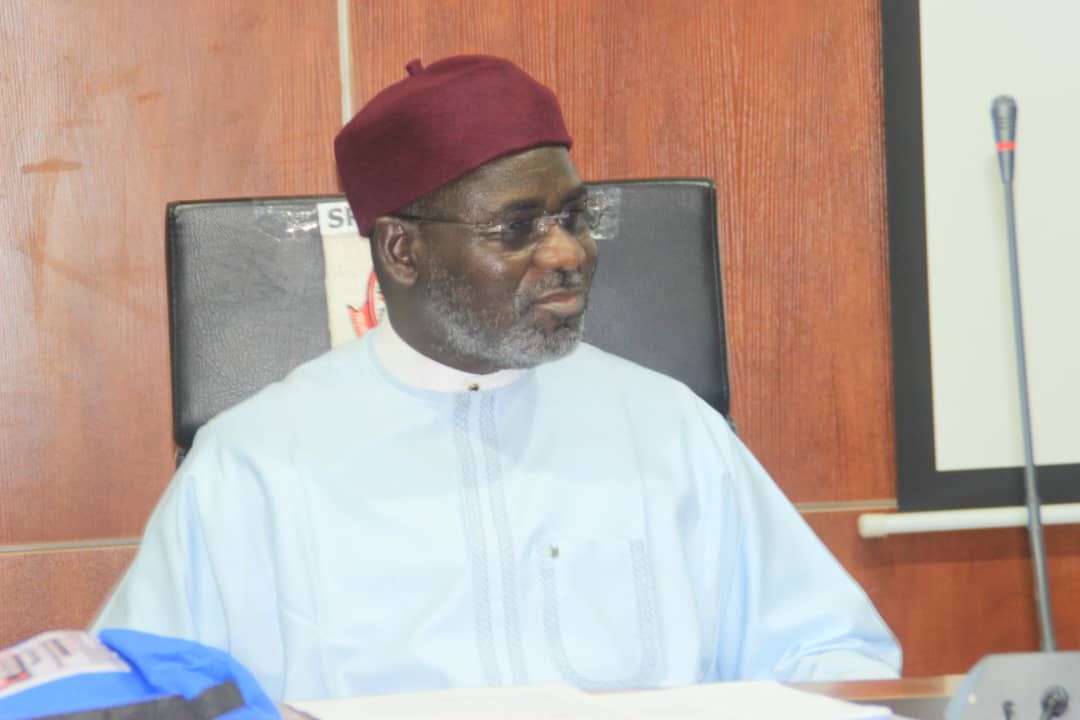
The Transformative Leadership of General Tukur Yusufu Buratai, CFR: A Case Study for Military Leaders in Africa
MS Abubakar, PhD,CAS,FICRPC
1. Introduction to General Tukur Yusufu Buratai and the Context of Military Leadership in Africa
This case study presents a comprehensive analysis of the transformative leadership of General Tukur Yusufu Buratai,CFR, a highly respected military leader with a distinguished background in peacekeeping and conflict resolution who has devoted his entire professional life to the noble cause of public service. General Tukur Yusufu Buratai’s remarkable life experiences and extensive knowledge stand as a powerful testament to what an effective, ethical, and visionary leader can achieve in the face of adversity and challenges. He embodies the demographic, personal, and intellectual qualities that African nations, as well as other developing countries, are actively seeking in their military leaders to guide them toward stability and progress. Furthermore, this study delves into an exploration of the broader context within which generals operate, shedding light on the complex and often difficult decisions and actions they must undertake on a regular basis in their leadership roles. The findings and insights contained within this study are intended to serve as a valuable resource for both military academics and practitioners engaged in the critical field of leadership development. Africa, in particular, stands out as perhaps the most significant region where military leaders occupy a prominent and influential place in the socio-political and economic management of their nations, especially in the midst of ongoing conflicts and wars. This prominence can be attributed to the unique historical background of the states and their peoples, which shapes the dynamics of military leadership and its impact on national stability and growth.
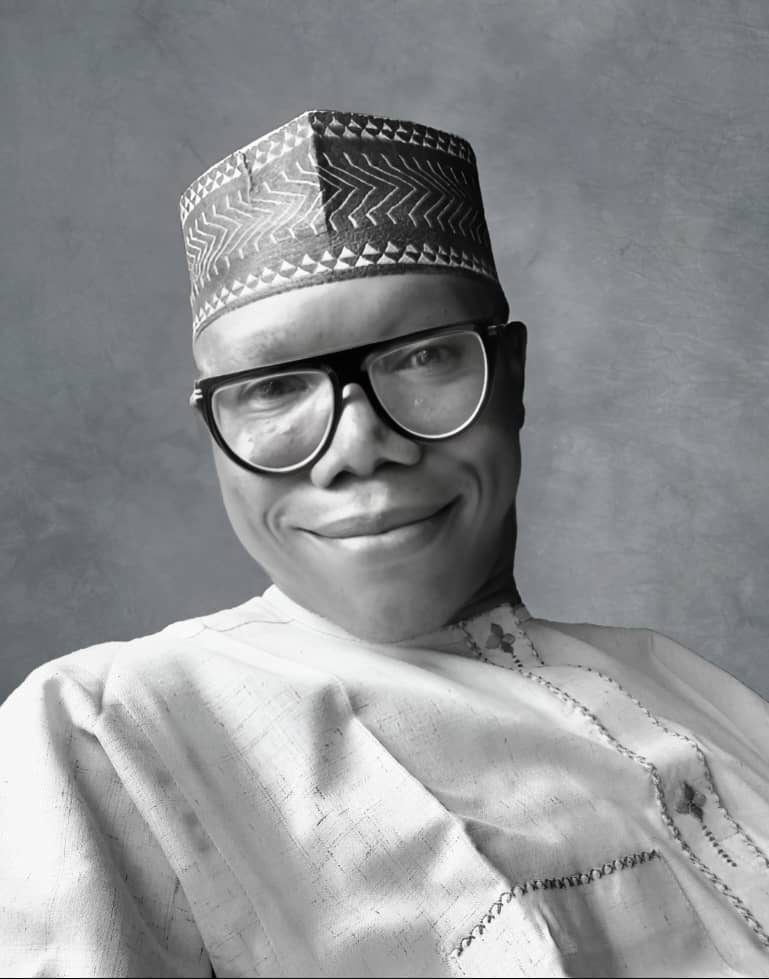
2. Key Principles and Strategies of Transformative Leadership Demonstrated by General Tukur Yusufu
The experiences of General Tukur Yusufu Buratai provide an interesting case study in what makes some military leaders examples of transformative leaders. The strategies and principles that led him to be considered a transformative leader are: 1. Promoting adaptability and being open to new innovative concepts and strategies. 2. Making participation more inclusive. 3. Visualizing the strategic endpoint or vision and using that to inspire change in the organization. 4. Using collaboration and building trust to support the operational needs of the army. 5. Recognizing that not all change to the army was intended. He focused a significant amount of his change effort on bolstering the good organization of his peers in order to help the army build resilience in the face of the inevitable transformation, firing, and elimination. Army transformation for Buratai was about people and operations – learning, creativity, openness, and change were the underlying principles linking the campaigns he sought. This further examines the principles and strategies of General Buratai’s force shaping campaign in Chad and Nigeria and the organizational culture initiatives. At each step, case studies and detailed operational narratives will be used to illustrate the application of Buratai’s military leadership principles and the military techniques that he developed as part of his efforts. In doing so, I hope to provide a contribution to the understanding of military officers and security sector reformers working in Africa today by not only describing Tukur Yusufu Buratai, but also critically examining who he was with and why this matters.
3. Impact and Legacy of General Tukur Yusufu’s Leadership on the Military and Society in Africa
The influence and impact of General Tukur Yusufu Buratai’s leadership transcended the military structures that he transformed during his tenure as the Chief of Army Staff. Through vision, strategic direction, creativity, perception, and above all, personal commitment, General Buratai refashioned the conduct of African military institutions. He transformed command cultures, doctrine, and operational strategies for increased military capabilities and responsiveness. Moreover, his style and instincts bestowed a lasting legacy upon the societies across Africa. He invested in the persons behind the uniforms. It is in these societal changes that this narrative locates some of the unique leadership tenets that each of Buratai’s activities relates to. A detailed approach to his initiatives will demonstrate how and why African soldiers consider Tukur Yusufu Buratai the foremost military leader in Africa and value his ideas and decade-long experimentation in military leadership.
General Tukur Yusufu Buratai undertook performance demonstrations despite the skepticism and opposition surrounding the initiatives. His dedication reflected a desire to enhance community engagement and fulfill social responsibilities, effectively linking military operations and their potential risks to civilian lives and livelihoods. The subsequent sections will detail and analyze the reforms he independently implemented within military structures and practices aimed at societal peace during his tenure as the second senior officer of the Nigerian Armed Forces. This narrative will adopt a pragmatic lens to evaluate the sincerity of his leadership commitment.
The impact of Tukur Yusufu Buratai’s leadership is evident within the Nigerian Army and throughout Africa (Chad,Cameroon,The Gambia, Sudan,Angola, Rwanda, South Africa etc). Through both minor interventions and significant military strategies and policy reforms enacted during his service, he exhibited profound insight and capability in ethical leadership alongside a relentless pursuit of reform. His innovative approach and investment in human talent transformed social dynamics as the professional military spearheaded operations across Africa. Socio-political discourse highlighted Buratai’s dedication and accountability, earning him widespread recognition. His leadership period in the Nigerian Army popularized the notion of linking military achievement with societal transformation. He redefined command in an unprecedented manner and scale, remaining resolute in aligning army policies and operations with both national and international developments. This unwavering commitment underscores the ongoing relevance of his teachings and discussions in shaping strategies for conflict prevention and resolution within the African sub-region. His concepts have become integral to the strategic framework of Nigeria and Africa, contributing to regional stability and facilitating international partnerships for military observer missions worldwide.
4. Comparative Analysis with Other Prominent Military Leaders in Africa
The General Tukur Yusufu Buratai leadership style also exemplifies the concentrated nature of a military leader. Societies with diverse contextual underpinnings in Africa have been subjugated by leaders who transformed their militaries for good governance. It is also crucial at this juncture to acknowledge prominent military leaders who took over power through a coup d’état in Nigeria. These leaders have also exhibited a leadership stance characterized by coercive methods, failing to institute democratic governance in the military. These lessons raise some fundamental points about the complete development that Tukur Yusufu Buratai brought about in Nigeria.
The cases involving leaders portray military leaders who attempted to transform their militaries in order to influence developmental governance through democracy and human security in their societies. One leader developed a well-recognized gender policy after a revolution in government, achieving significant gains in human capital development in his country. Another recognized the wealth of his society and also disdained disparities. In the cases of Tukur Yusufu Buratai and other African military leaders, we see military leaders consolidating power through repression, leading to an acceleration of state and military system collapse in society. In the above illustrations, the military leaders’ political, social, and cultural positions shaped the society’s politico-military responses to their actions, even as the rupture of systems and the energy produced were chronicled by the history of the era discussed. The comparative treatment of our investigation of these phenomena signifies an important bracket of thoughts in our subsequent analysis, policy implications, and conclusion.
5. Recommendations and Lessons for Current and Future Military Leaders in Africa
From the leadership research evidence, it is clear that General Tukur Yusufu Buratai has used various successful adaptive and transformational leadership practices during his career. Whether or not he was employing a contingency approach is unclear, but there is no doubt that he was an effective peacekeeper and achieved an impressively low conflict rate. To this end, there are several recommendations, insights, and lessons for current and future military and security forces in Africa. Fulfilling a nation’s pledge, army leaders around the world, such as General Buratai, must enhance the military-civilian contribution through participative learning, leadership cultures, and practices in order to achieve the course goals and outcomes. Based on the discussion of the leadership lessons of former Lieutenant General Tukur Yusufu Buratai,CFR, the following are some actions useful for leaders in this modern day.
- One of the most important factors in peace operations is ethical leadership, predisposing leaders and followers to higher levels of cooperation and positive outcomes. 2. Smart collaboration network skills, personal connection to a broader community, and the earlier involvement of key community members, including putting an emphasis on the connections to legitimacy, status, and recognition. 3. The choice of methods is rapidly innovating practices, and instead of relying on recipes or strict methods, organizations and groups of professionals and staff are encouraged to focus on professional development using the best evidence available. 4. The accumulated evidence is that the world is overwhelmed with talk of increasingly wicked problems. Periods of extreme, rapid technological and social change demand cultures of ongoing learning, innovation, and resilience. Highlighting the need for continued professional development and claiming this is in response to the seventh age of the West and global insecurities uncovers the capacity of defense practitioners.
Strategic communication is a core capability and skill to manage perceptions, conversations, improve understanding, and contribute to the strategic ends for groups, organizations, and governments that want to facilitate deeper regional forms of ethical engagement and strategic conversation. In this regard, many armchair critics have not managed military organizations, nor developed doctrine, strategies, or tactics. Clearly, it is an organization that is ready to innovate and improve communication policies and structures, engage with communities, and socialize law-abiding values, necessary to make relevant the significant strategic effects for community security. These will be in the interest of the people, and they are ideals for any organization.
In summary, Tukur Yusufu Buratai consistently demonstrated a deep interest in engaging with individuals, primarily through active listening, and subsequently guiding them toward his vision and leadership objectives. General Buratai is undoubtedly one of the most distinguished Army chiefs to have emerged in Nigeria and Africa. His bravery, innovative approach, transformational leadership style, and effective command and control strategies will serve as enduring benchmarks. He has already become a reference point in numerous military institutions across Nigeria. His unique brand of transformational leadership offers valuable lessons and dimensions for both military and civic leaders. Consequently, the professional insights gained during the Tukur era, while inherently tacit, have also been adapted to align with the rapidly evolving socio-political landscape characterized by insecurity. What is currently needed for leaders in public and social organizations is a comprehensive understanding of how to strategically reposition their organizations to address these challenges. This constitutes the central theme of this text.
MS Abubakar is affiliated with the Department of Military Studies at the Abuja Leadership Centre, University of Abuja. He composed this article from Maiduguri.





‘I Never Indicted Egbetokun’ — Jesam Michael Rebuts Sowore’s Allegations
Abuja — Businessman Jesam Michael has strongly refuted claims attributed to him in a recent report by activist and publisher Omoyele Sowore, describing the publication as false, misleading, and a total misrepresentation of his statements.
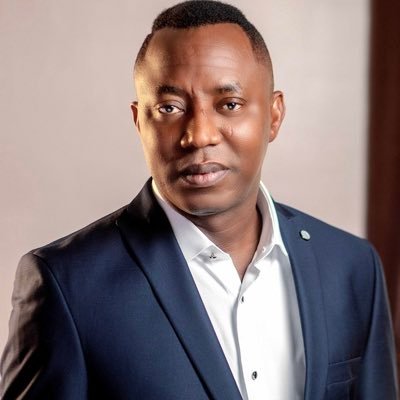
In an exclusive chat on Saturday, Michael denied ever making the allegations credited to him by Sowore concerning the Inspector-General of Police (IGP), Kayode Egbetokun, while both men were reportedly inmates at the Kuje Correctional Centre in October 2025.
Sowore, in a widely circulated account, claimed that Michael had alleged receiving operational support from senior police officers, including the provision of office space within the Nigeria Police Force Headquarters, police protection, and the use of officers to detain individuals connected to a purported Ponzi scheme. The report further alleged financial inducements involving senior police officers.
However, Michael dismissed the account as “entirely fabricated.”
“I never made those statements to Omoyele Sowore or to anyone else,” Michael said. “At no point did I accuse the Inspector-General of Police or any senior police officer of providing me with offices, police units, or protection. The claims attributed to me are false and malicious. I only met him briefly when he came to greet Nnamdi Kanu’s younger brother whom I share a block with here and there is no way we could have sat down to discuss such fabricated stories ”
Michael specifically rejected claims suggesting that he supported or “served” police officers, insisting that he never stated that he had any police unit at his disposal or that law enforcement personnel acted on his instructions.
“I never said I supported police officers or had officers working for me. That allegation did not come from me,” he said.
He also denied claims that his properties were shared among senior police officers, describing the allegation as baseless and untrue.
“At no time did I say that my properties were shared among police officers or anyone else,” Michael stated.
Additionally, Michael categorically refuted allegations credited to him that a retired Deputy Inspector-General of Police, Dasuki Galandanchi, collected ₦250 million or played any role in silencing victims.
“I never mentioned DIG Dasuki Galandanchi, nor did I accuse him or anyone else of collecting money. That statement was never mine,” he said.
Michael further alleged that Sowore, through intermediaries, had previously attempted to persuade him to publicly indict the IGP in exchange for media backing—an offer he said he firmly rejected.
“I was approached repeatedly through a lawyer called Marshall, allegedly acting on Sowore’s behalf, asking that I make statements against the IGP so an article could be published. I refused, and I believe this publication is retaliation for that refusal,” he stated.
According to Michael, he declined to entertain the lawyer again after the initial contact, insisting that he would not be used to advance any personal or political agenda.
Sowore had earlier narrated his detention following the #FreeNnamdiKanuNow protest, alleging harassment by police officers and accusing the IGP of acting unlawfully in office. His report cited conversations he claimed to have had with Michael during their time in custody as further evidence of alleged corruption within the Nigeria Police Force.
Michael, however, maintained that any legal issues surrounding him are already before the appropriate authorities and are being handled by the Economic and Financial Crimes Commission (EFCC).
“My case is before the law. I have not, and will not, make reckless allegations against individuals or institutions to gain favour or sympathy,” he said.
As of the time of filing this report, the Nigeria Police Force has not issued an official response to either Sowore’s allegations or Michael’s rebuttal.
The development adds a new layer to the ongoing public controversy surrounding Sowore’s claims against the police hierarchy, with Michael’s denial raising questions about the accuracy of statements attributed to private individuals in politically sensitive narratives.
Jesam Michael’s business challenges are currently being addressed at the federal high court as well as FCT high court Jabi. He is very confident that justice will surely be done at the end of the day.
Joining Sowore in his pursuit of cheap blackmail against the IGP, other senior police officers or anyone else has never and will never be a part of Jesam Michael.
To say the least, Jesam Michael is totally disgusted by the stories falsely peddled by Sowore and wishes to totally dissociate him self from the false and malicious stories told by Sowore.
Sowore should please look for another willing tool to use not Jesam Michael.
celebrity radar - gossips
When Power Meets Privilege: Controversy Trails the Rise of NNPC Gas Czar Lekan Ogunleye
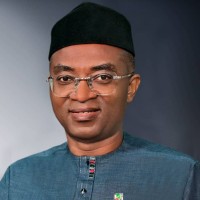
When Power Meets Privilege: Controversy Trails the Rise of NNPC Gas Czar Lekan Ogunleye
Among many of Abraham Lincoln’s popular saying is that “If you want to test a man’s character, give him power.” This saying suggests power and affluence reveals a person’s true nature rather than changing it.
The saying might rightly describe one of NNPC limited eggheads, Lekan Ogunleye, who is the Executive Vice President, Gas, Power & New Energy.
It’s a matter of stating the obvious saying that the former Deputy Managing Director of Nigeria LNG Limited is a brilliant chap. He’s been equipped with significant industry experience in various aspects of the gas value chain, he was made the Managing Director and Chief Executive Officer of Gas Aggregation Company Nigeria Limited (GACN),a firm set up by Federal Government of Nigeria to implement the Nigerian Gas Master Plan and manage domestic supply of gas.
But with all of these achievements, many alleged that a thorn in the flesh that lives with Mr Ogunleye is his fondness for the other gender. Sources close to him alleged that he invests millions in satisfying his cravings to invite them from around the world in different sizes and shapes on regular basis.
Information gathered has it that like many of his class, he has a permanent suite in a luxurious hotel on Lagos Island where he entertains them, it was alleged that his arrangements even provides luxurious treatment for them even when he’s not in town. A recent case of such was when he travelled to UAE during last year December with his family, sources close to him alleged that while he was away, ladies invited from Indonesia and Rwanda were receiving royal treatment in this permanent suite which cost over half a million Naira per night.
The sources also alleged that he’s known to relish his fetish practices with two ladies at the a time, and to watch them play with themselves before joining in the fun.
While his personal life may not be that important, how he was able to sustain such an expensive lifestyle, was scrutinize and it was alleged that he regularly receives kickbacks from NNPC vendors and contractors, especially the foreign partners who have been awarded contracts worth millions of dollars through his assistance.
Some of his close allies alleged that power that his privileged office brought was responsible for his insatiable desires for the opposite sex a situation that led to the collapse of his first marriage before he remarried a few years ago.
In other to establish the true state of things, a query was sent to him especially about the allegation of financial irregularities and the abuse of power and privileges for personal enrichment, the query was left unanswered after more than two weeks even when receipt was confirmed.nleye
celebrity radar - gossips
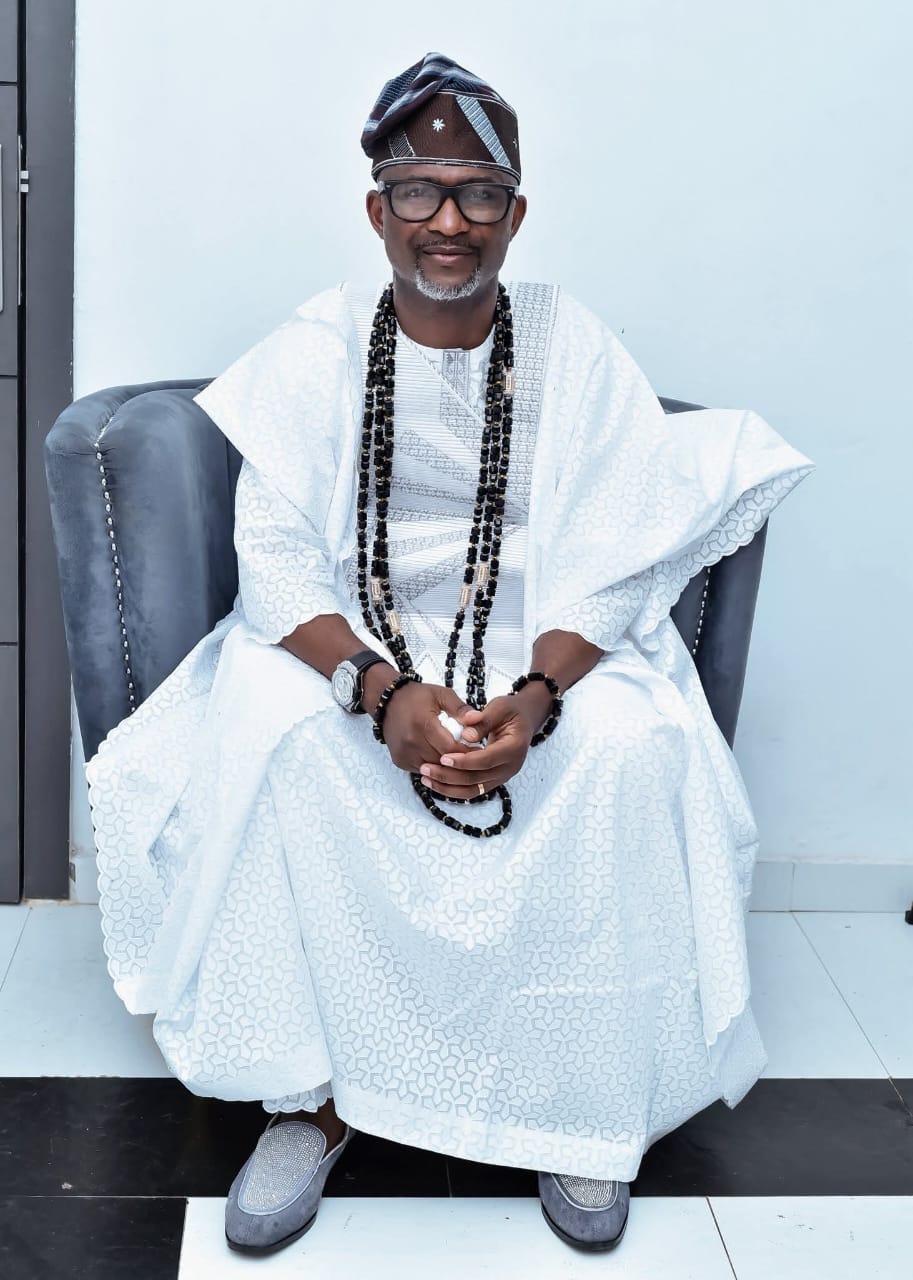
Pomp, Prestige and Purpose: Dr. Mutiu Adewale Badmus Crowned Otunba Alayeluwa Onimolete of Molete, Ogbomoso
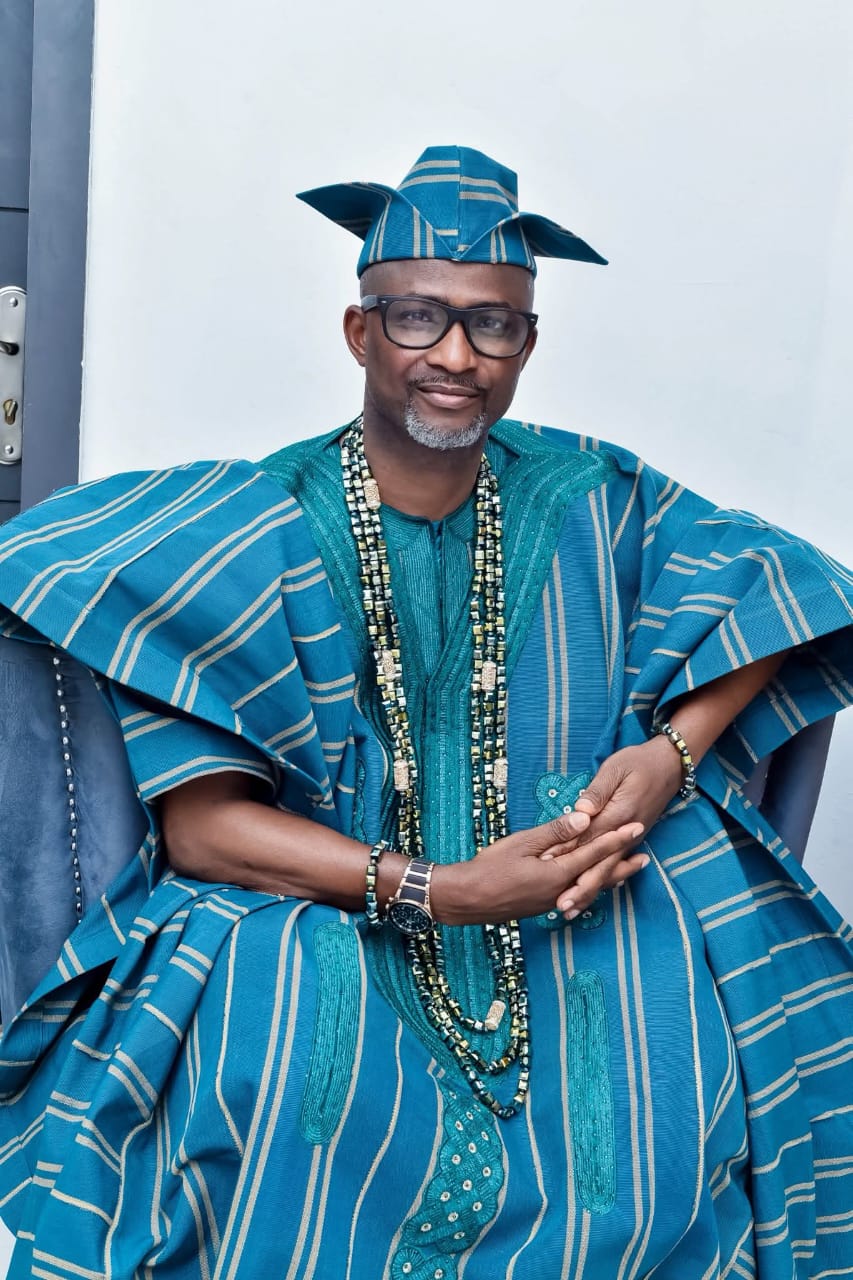
Pomp, Prestige and Purpose: Dr. Mutiu Adewale Badmus Crowned Otunba Alayeluwa Onimolete of Molete, Ogbomoso
Last Sunday was etched in gold in the annals of Molete, Ogbomoso, as the ancient town came alive in colour, culture, and celebration for the conferment of a prestigious chieftaincy title on the erudite entrepreneur and man of many parts, Dr. Mutiu Adewale Badmus.
In a ceremony steeped in tradition and grandeur, Dr. Badmus was formally installed as the Otunba Alayeluwa Onimolete of Molete, Ogbomoso, drawing an impressive gathering of crème de la crème from across the social, business, and cultural strata of society.
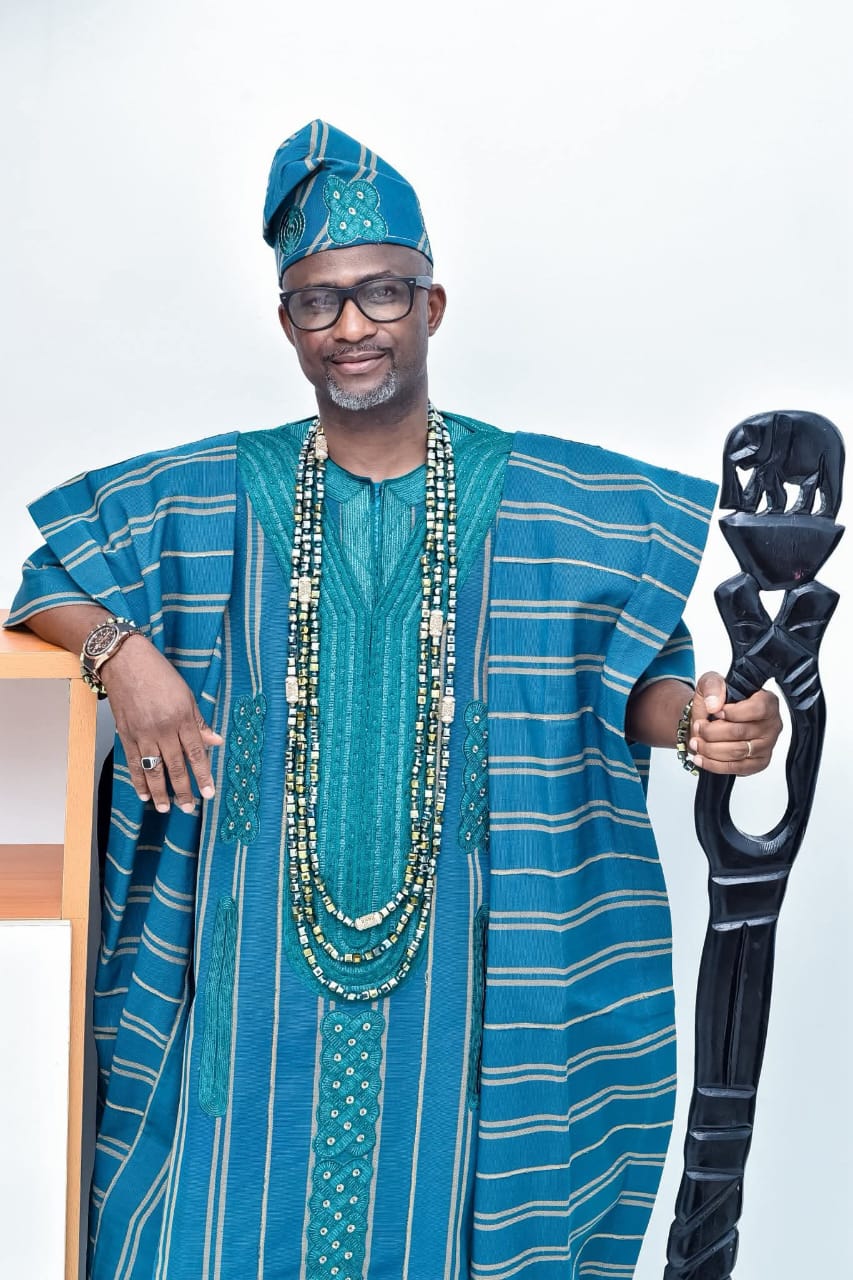
The atmosphere was one of pride, reverence, and collective joy as dignitaries, community leaders, friends, and well-wishers thronged the historic town to witness the landmark event.
The honour, bestowed in recognition of his outstanding contributions to societal development and humanity at large, reflects Dr. Badmus’ enduring commitment to service, excellence, and community upliftment. As the Chief Executive Officer of Al-Hatyq Travel and Tours Limited, he has distinguished himself not only as a successful business leader but also as a compassionate humanitarian whose impact transcends commerce.
The colourful ceremony showcased the rich cultural heritage of Ogbomoso, with traditional rites, music, and pageantry underscoring the significance of the occasion. For many in attendance, the conferment was more than a title—it was a celebration of character, legacy, and a life devoted to meaningful service.
As Dr. Mutiu Adewale Badmus assumes his new role as Otunba Alayeluwa Onimolete, expectations are high that his wisdom, vision, and passion for humanity will continue to inspire progress and unity within Molete, Ogbomoso, and beyond.


-

 celebrity radar - gossips6 months ago
Why Babangida’s Hilltop Home Became Nigeria’s Political “Mecca”
-

 society6 months ago
Power is a Loan, Not a Possession: The Sacred Duty of Planting People
-

 news6 months ago
THE APPOINTMENT OF WASIU AYINDE BY THE FEDERAL GOVERNMENT AS AN AMBASSADOR SOUNDS EMBARRASSING
-

 Business6 months ago
Batsumi Travel CEO Lisa Sebogodi Wins Prestigious Africa Travel 100 Women Award