
society
Nigeria: Achebe’s Warning Ignored, A Nation in Relapse

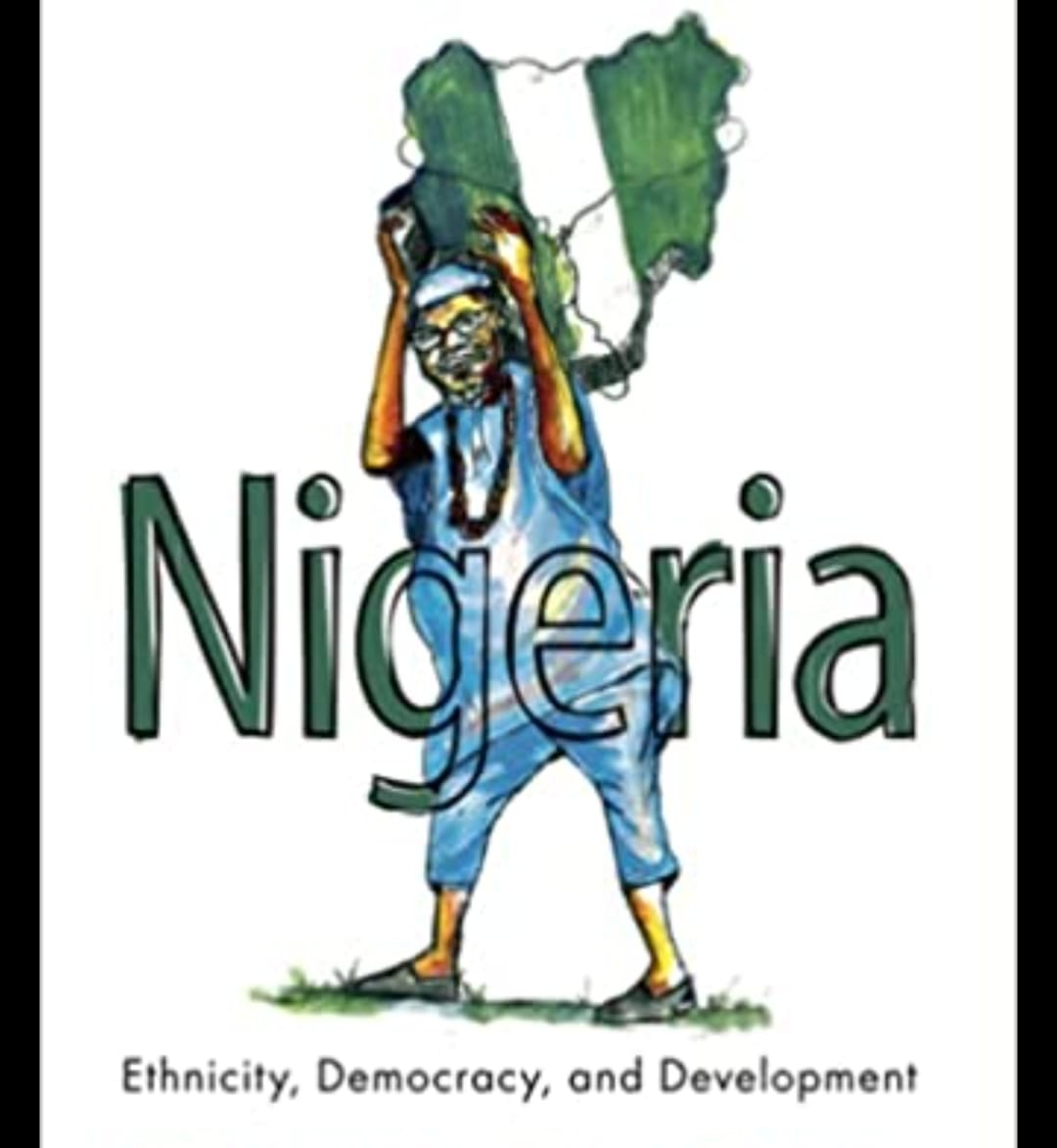
Nigeria: Achebe’s Warning Ignored, A Nation in Relapse
By George Omagbemi Sylvester
In 1983, Chinua Achebe wrote The Trouble with Nigeria, a prophetic and piercing essay that diagnosed the cancer eating away at the soul of the nation: leadership failure. Four decades later, Nigeria remains trapped in that same diagnosis—only now the disease has metastasized. Achebe declared, “The trouble with Nigeria is simply and squarely a failure of leadership.” Today, that truth echoes louder than ever. Nigeria is not just stagnating; it is regressing, teetering on the brink of political decay, economic catastrophe, and national disintegration.

A Nation Led into the Abyss
Achebe’s critique was made during the Second Republic, under the presidency of Shehu Shagari. He decried the corruption, tribalism, mediocrity, and lack of vision that defined leadership in Nigeria. Fast forward to 2025, and the country finds itself in a far worse state. Despite transitioning through multiple republics, military regimes, and democratic experiments, the core issue remains unresolved. Leadership, instead of evolving, has become more predatory, more aloof, and more disconnected from the common man.
Under the All Progressives Congress (APC) since 2015, Nigeria has witnessed a level of decay that can no longer be blamed on colonial legacies or external interference. The Nigerian naira has plummeted from ₦199 to the dollar in 2015 to over ₦1,300 by 2025. The inflation rate, currently at 33.2% (NBS, 2025), has crushed the purchasing power of millions. Public education and health care systems are on life support. Insecurity, which Achebe saw in its infancy, has now become a raging fire consuming communities across the nation—terrorism in the North, banditry in the North-West, and secessionist unrest in the South-East.

Leadership by Ethnic Arithmetic
Achebe warned about tribalism being weaponized for political gain. He wrote, “There is nothing wrong with the Nigerian character. The problem is with the Nigerian leadership.” Today’s leaders, rather than uniting Nigeria’s 250+ ethnic groups under one national identity, continue to exploit these divisions to consolidate power. The presidency is often seen not as a national institution but a prize to be rotated among ethnic regions, with little regard for competence, integrity, or policy direction.
Instead of promoting meritocracy, Nigeria’s political elite has normalized mediocrity, rewarding loyalty over performance. Leadership appointments are made not based on national interest but ethnic appeasement and nepotistic alliances. This is evident in the lopsided federal appointments, the marginalization of minority groups, and the weaponization of federal might against perceived political enemies.
A Broken Social Contract
When Achebe wrote The Trouble with Nigeria, he still had hope for national reform. Today, that hope is barely visible in the eyes of everyday Nigerians. The social contract between the people and the state has been violated beyond recognition. Citizens pay taxes, not in return for services, but as bribes to survive an oppressive bureaucracy. Power supply is erratic, roads are death traps, and public institutions are riddled with inefficiency and fraud.
Nigeria ranks 150 out of 180 countries on Transparency International’s Corruption Perception Index (2024). Despite creating anti-corruption agencies such as the EFCC and ICPC, corruption has become institutionalized. Looters are recycled into government, while whistleblowers are hunted. Public funds meant for infrastructure, education, and healthcare vanish without trace, and there are rarely consequences.
From Oil Giant to Beggar Nation
Achebe observed that Nigeria’s oil wealth could become a curse if not managed properly. That curse is now reality. Nigeria, despite being Africa’s largest oil producer, has become a net importer of refined petroleum products due to the collapse of domestic refineries. Billions are wasted annually on fuel subsidies, which benefit a corrupt cartel rather than the average citizen. Meanwhile, unemployment is at a staggering 43.5% among youth (NBS, 2025), leading to mass migration, brain drain, and rising crime rates.
Ironically, Ghana—once seen as trailing behind Nigeria—has become a destination for fleeing Nigerian professionals. This reversal of roles highlights the absurdity of Nigeria’s failure. Countries with far less natural and human resources have overtaken Nigeria in education, healthcare, infrastructure, and global perception.
Education and the Collapse of Hope
Achebe lamented the decline of values in the Nigerian educational system, a decay which has now reached a crisis point. Public universities are constantly shut down due to strikes. ASUU, the academic union, remains in a perpetual battle with the government over salaries and working conditions. The result? A generation of half-educated youths with little critical thinking skills and even less hope for employment.
Private education, now a multibillion-naira industry, has become a survival mechanism for the elite. The poor are condemned to overcrowded classrooms, underpaid teachers, and outdated curricula. Without urgent reform, Nigeria risks producing a generation incapable of competing in a globalized world—what Achebe once described as “a people sleepwalking into irrelevance.”
The Deafening Silence of the Elite
Another of Achebe’s frustrations was the complicit silence of Nigeria’s intellectual and economic elite. Today, that silence has become a deafening betrayal. Billionaires and technocrats, instead of leading advocacy for good governance, have retreated into gated mansions in Lagos, Abuja, and abroad. Many have dual citizenships, foreign accounts, and exit strategies should Nigeria collapse.
Meanwhile, the common man is left to confront the harsh realities of fuel queues, bandit attacks, police extortion, and daily humiliation. A country of over 200 million people cannot continue to be ruled like a private estate. Achebe warned us about this elite indifference. We did not listen.
Is There Hope?
Achebe never gave up on Nigeria—neither should we. But hope, like faith, without works is dead. Nigeria must undergo radical leadership renewal. The political class must be dismantled and rebuilt. Meritocracy must replace mediocrity. National interest must supersede ethnic favoritism. Elections must be free and credible, not stage-managed rituals.
Civil society must rise. The youth must awaken—not with hashtags alone, but with concrete action: organizing, voting, holding leaders accountable. The media must remain the watchdog of the nation, not the lapdog of the elite. And above all, Nigeria must return to the ideals of justice, equity, and accountability.
Conclusion
Achebe’s The Trouble with Nigeria is not a relic of the past. It is a living mirror that continues to reflect the rot we have refused to address. His words should be required reading for every Nigerian politician, civil servant, and voter. Until Nigeria confronts the leadership question head-on, there will be no progress—only recycled chaos.
The tragedy is not that Achebe was wrong. It is that he was right, and we still chose to ignore him.





society
NATION MOURNS: 22 YEARS SINCE THE PASSING OF RENOWNED ISLAMIC SCHOLAR SHEIKH SIDI ATTAHIRU SOK
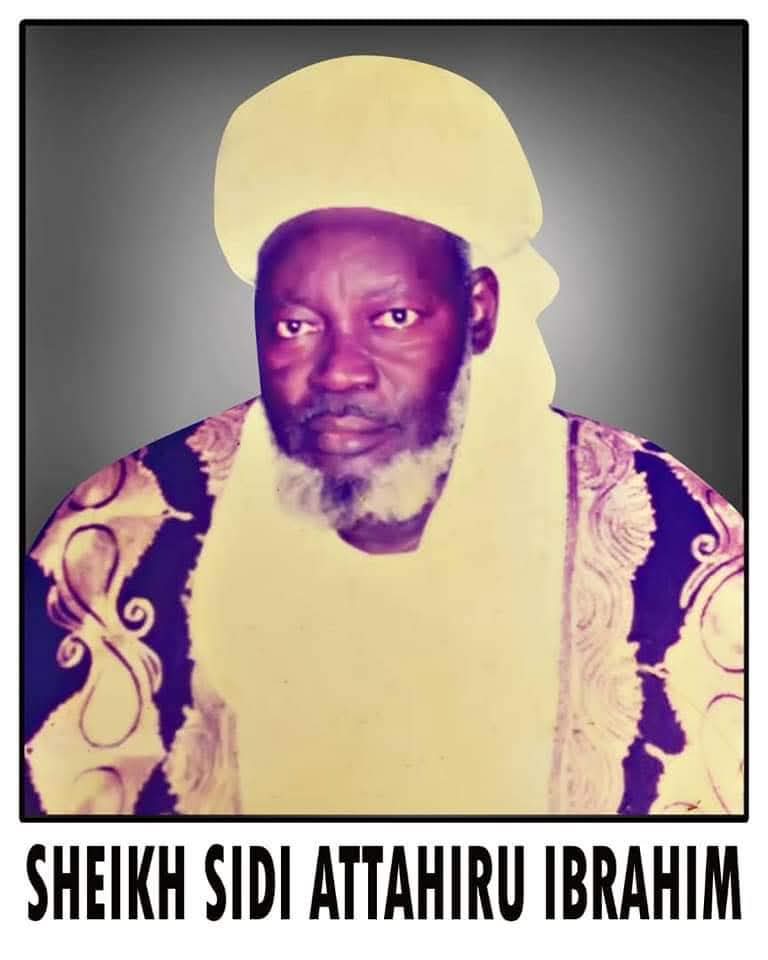
*NATION MOURNS: 22 YEARS SINCE THE PASSING OF RENOWNED ISLAMIC SCHOLAR SHEIKH SIDI ATTAHIRU SOK
Today marks twenty-two years since the demise of one of Nigeria’s most revered Islamic scholars, Sheikh Sidi Attahiru Sokoto, whose legacy continues to inspire millions across the nation and beyond.
Sheikh Sidi Attahiru Sokoto passed away on Friday, April 16, 2004, corresponding to the 28th of Safar in the Islamic calendar. In a heartfelt tribute shared on social media, his son, Sheikh Aliyu Sidi Attahiru founder of the ASAttahir International Foundation, established in honour of his late father recalled the scholar’s life of piety, scholarship, and service.
Accompanying the tribute was a cherished photograph taken on Monday, December 2, 2002 (27th Ramadan 1423 AH), during the naming ceremony of Sheikh Aliyu’s son, Muhammad. The image captures a rare moment of familial joy and spiritual significance, reflecting the scholar’s deep commitment to faith, family, and community.
Sheikh Sidi Attahiru Sokoto was widely respected for his contributions to Islamic education, interfaith dialogue, and moral leadership. His teachings emphasised peace, unity, and the pursuit of knowledge, values that remain pillars for many Islamic institutions and followers today.
The Assattahir International Foundation, named in his memory, continues to propagate his vision through educational programs, humanitarian projects, and religious outreach, ensuring that his intellectual and spiritual legacy endures.
As the nation reflects on his passing, Muslim communities and leaders have called for prayers in his honour, with many echoing the plea: “May Allah have mercy on him, amen.”
Sheikh Aliyu Sidi Attahiru, in his online remembrance, urged the public to uphold the virtues his father championed compassion, integrity, and devotion as the most fitting tribute to a life well-lived.
Sheikh Sidi Attahiru Sokoto may have departed this world, but his influence remains a guiding light, reminding all of the enduring power of faith and scholarship.


Security, Economy in Focus as Buratai Chairs Aminu Kano Memorial Event
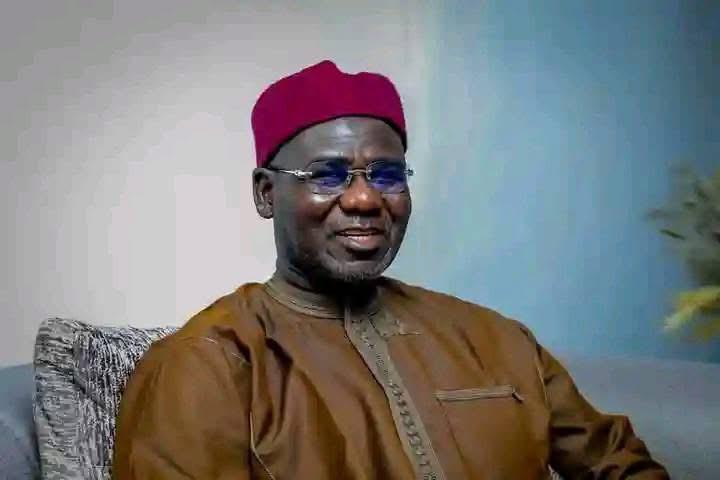
KANO, NIGERIA — Former Chief of Army Staff, Tukur Yusuf Buratai (Rtd), will chair the 24th Annual Symposium commemorating the 43rd memorial anniversary of Aminu Kano, with a strong focus on regional security and economic cooperation in West Africa.

The high-level event, scheduled for Friday, April 17, 2026, at the Sa’adu Zungur Auditorium, Mambayya House in Kano, is expected to convene policymakers, academics, and security experts to examine the evolving role of Economic Community of West African States in maintaining peace and stability across the subregion.
With the theme “ECOWAS and Regional Peace in West Africa: The Security and Economic Implications for Nigeria,” the symposium comes at a critical time when West Africa continues to grapple with security threats, political transitions, and economic pressures.
Buratai, who also served as Nigeria’s Ambassador to the Republic of Benin, is expected to bring his extensive military and diplomatic experience to bear in steering discussions around collective security, cross-border threats, and the strategic importance of regional alliances. His leadership as Chairman of the Occasion underscores the significance attached to the symposium’s deliberations.
The event will be hosted by the Vice Chancellor of Bayero University, Kano, Haruna Musa, while the Governor of Kano State, Abba Kabir Yusuf, will serve as Chief Host.
Katsina State Governor, Dikko Radda, is billed as the Special Guest of Honour, adding further political weight to the gathering.
The symposium will also feature a keynote address by Nazifi Abdullahi Darma, a former Commissioner for Internal Services at the ECOWAS Commission, who is expected to provide insights into the bloc’s internal mechanisms and policy direction.
Other notable discussants include former Comptroller-General of the Nigeria Immigration Service, Muhammed Babandede, and Professor Samaila Suleiman of the Department of History, Bayero University, Kano.
Organised by Mambayya House, Aminu Kano Centre for Democratic Studies, the annual symposium remains a key intellectual platform dedicated to preserving the legacy of Aminu Kano while addressing contemporary governance and security challenges.
Analysts note that Buratai’s central role as Chairman is particularly significant given Nigeria’s frontline position in regional security dynamics. His presence is expected to shape robust conversations on how ECOWAS can better respond to insurgency, military coups, and transnational crime while strengthening economic integration among member states.
The symposium is slated to commence at 9:00 a.m., drawing participants from across government, academia, and civil society in what promises to be a timely and impactful engagement on West Africa’s future.
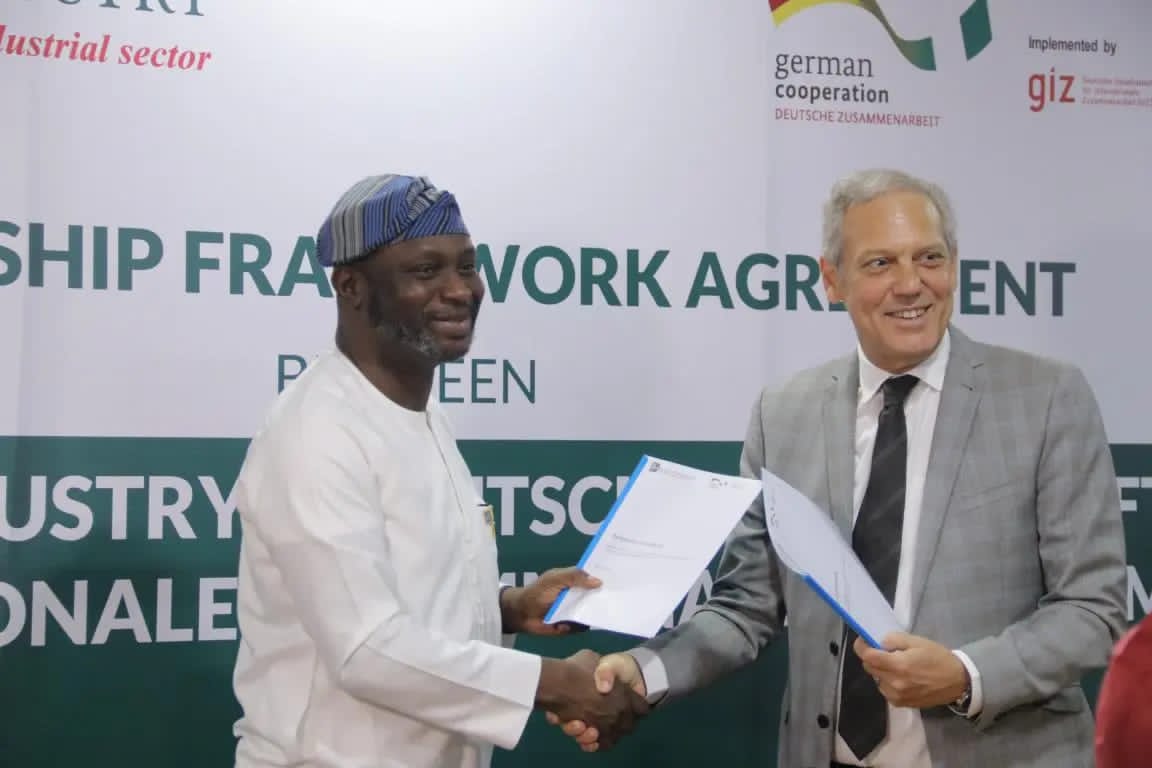
*BOI, GIZ seals strategic partnership to drive enterprise growth, boost climate resilience*
Bank of Industry (BOI), Nigeria’s foremost Development finance institution and a globally recognised organisation specialising in international development cooperation with countries, the German Agency for International Cooperation (GIZ), on Wednesday April 15, 2026, signs a Partnership Framework Agreement to drive sustainable innovation and economic development for large enterprise, and Micro, Small and Medium Enterprises (MSMEs) sector in Nigeria.
The partnership is hinged on delivering coordinated interventions across key strategic pillars including access to finance, entrepreneurship development, capacity building, and market access; and integrates focused support for climate finance and renewable energy investments; and a robust alignment with global sustainability priorities that enables MSMEs to as engines of economic development.
With this landmark agreement, BOI and GIZ are positioned to mutually ensure that capacity building efforts for businesses focuses on strengthening the technical and institutional capabilities of BOI’s Business Development Service Providers (BDSPs), equipping them to deliver higher-impact advisory services to the Bank’s customers; as well as enshrine a structured vocational training provided under the ICSS (Inspire, Create, Start and Scale) entrepreneurship programme to enhance productivity, workforce quality and overall business competitiveness to MSMEs.
The central pillar of this year’s partnership framework is it women’s economic empowerment through targeted financing initiatives; agribusiness development and rural enterprise growth; and climate-focused investment imperative to scale its renewable energy and energy efficiency financing portfolio.
BOI will strategically deepen its efforts to secure endorsement with the Green Climate Fund (GCF) with support from GIZ, a German-led development agency.
Speaking at the announcement ceremony, MD/CEO, Bank of Industry (BOI), Dr. Olasupo Olusi, said “This partnership is about closing the gap between enterprise potential and enterprise reality. Too many Nigerian businesses, particularly MSMEs, have the ideas, the drive, and the market opportunity, but lack the financing, technical capacity, or market access needed to scale. This partnership reflects our unwavering commitment to constantly form new partnerships to strengthen the entrepreneurial ecosystem in Nigeria. By combining our financing expertise with our partner’s international development experience, we are building a comprehensive framework that will directly translate into jobs, innovation, affordable, long-term financing and sustainable growth for MSMEs in Nigeria.”
In his remarks, Country Director, GIZ Nigeria and ECOWAS, Dr. Magnus Wagner, said, “This partnership demonstrates our joint commitments to strengthening Nigeria’s private sector and to advancing sustainable and inclusive economic growth. Through this partnership, we aim to support small and medium enterprises. We are trying more to look at SME, formalized business, which is the resilient backbone of Nigeria’s economy. So, we would like to work, we have decided in areas such as climate and sustainable finance, renewable energy and energy efficiency, entrepreneurship and innovation, women’s economic empowerment, agribusiness and rural transformation, and digital trade and market access. We look forward to a close and successful collaboration with the Bank of Industry, one that delivers tangible results for business, communities, and the country and the population as a whole”.


- Uganda Development Corporation (UDC) to take 82% of Trade ministry budget April 16, 2026
- Merck Foundation marks ‘World Art Day’ through their Film, Song, Media and Fashion Awards 2026 in partnership with Africa’s First Ladies to raise awareness about social & health issues April 15, 2026
- Gabon’s Offshore Comeback: International Oil Companies (IOCs) Return as Exploration Heats Up Ahead of Paris Forum April 15, 2026
- Shell’s Eugene Okpere to Speak at Angola Oil & Gas (AOG) 2026 Amid $1B Angolan Deepwater Drive April 15, 2026
- Oando Joins African Energy Week (AEW) 2026 as Emerald Sponsor as Firm Reports 10% Profit Rise April 15, 2026
- Africa Finance Corporation (AFC) Invests in Dhamana Guarantee Company to Catalyse Local Currency Infrastructure Financing in East Africa April 15, 2026
- WESGRO and Enlit Africa 2026 unite to spotlight the Western Cape’s energy investment opportunity April 15, 2026
- Gianni Merlo re-elected as International Sports Press Association (AIPS) President for sixth and final term in landslide victory April 15, 2026
- African Development Fund approves 1.7 billion CFA francs to boost private sector competitiveness across West African Economic and Monetary Union (WAEMU) countries April 15, 2026
- Knowledge Katti: The Architect Behind Namibia’s Energy Breakthrough April 15, 2026
- Uganda Development Corporation (UDC) to take 82% of Trade ministry budget April 16, 2026
- Merck Foundation marks ‘World Art Day’ through their Film, Song, Media and Fashion Awards 2026 in partnership with Africa’s First Ladies to raise awareness about social & health issues April 15, 2026
- Gabon’s Offshore Comeback: International Oil Companies (IOCs) Return as Exploration Heats Up Ahead of Paris Forum April 15, 2026
- Shell’s Eugene Okpere to Speak at Angola Oil & Gas (AOG) 2026 Amid $1B Angolan Deepwater Drive April 15, 2026
- Oando Joins African Energy Week (AEW) 2026 as Emerald Sponsor as Firm Reports 10% Profit Rise April 15, 2026
- Africa Finance Corporation (AFC) Invests in Dhamana Guarantee Company to Catalyse Local Currency Infrastructure Financing in East Africa April 15, 2026
- WESGRO and Enlit Africa 2026 unite to spotlight the Western Cape’s energy investment opportunity April 15, 2026
-

 news4 months ago
WHO REALLY OWNS MONIEPOINT? The $290 Million Deal That Sold Nigeria’s Top Fintech to Foreign Interests
-

 celebrity radar - gossips3 months ago
Dr. Chris Okafor Returns with Power and Fire of the Spirit -Mounts Grace Nation Altar with Fresh Anointing and Restoration Grace on February 1, 2026
-

 celebrity radar - gossips4 months ago
Prophet Kingsley Aitafo Releases 2026 Prophecy: ‘Nigeria Will Rise, but the World Must Prepare for Turbulence’
-

 celebrity radar - gossips6 months ago
End of an Era: Nigeria Mourns Evangelist Dr. Uma Ukpai, 80