
Politics
Betrayal of the Brave: How Atiku and the Opposition Squandered Nigeria’s Best Hope

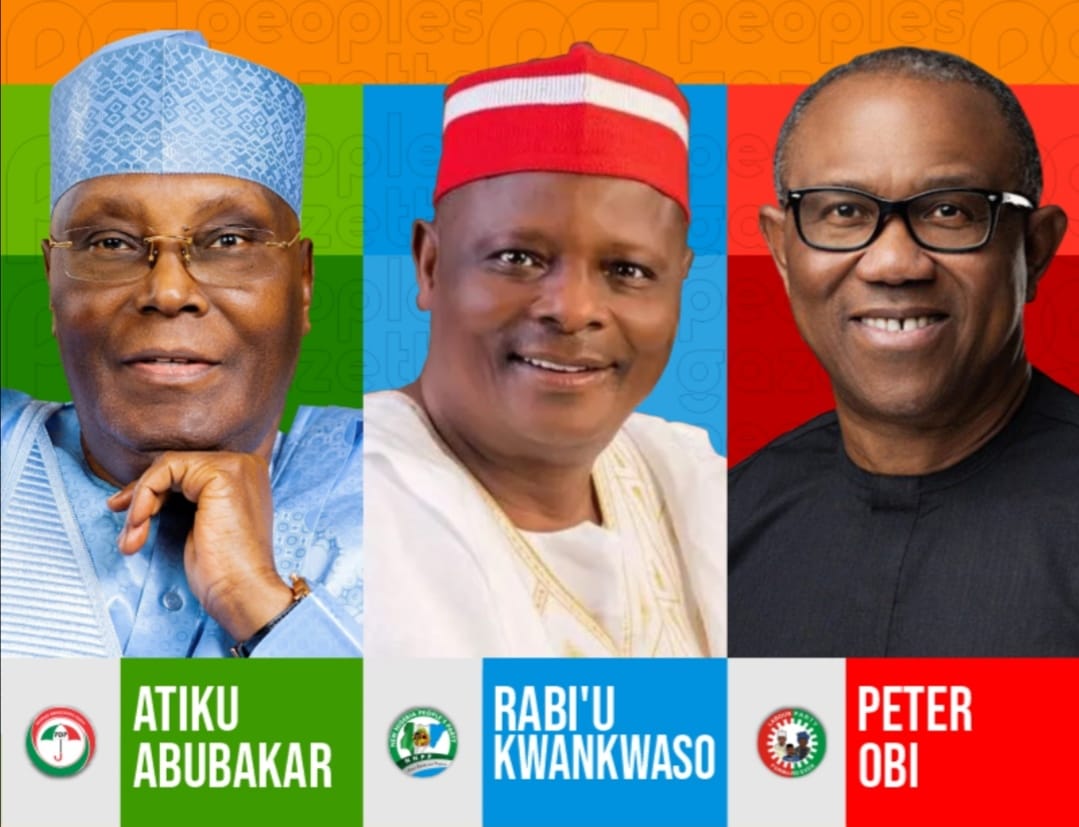
Betrayal of the Brave: How Atiku and the Opposition Squandered Nigeria’s Best Hope
By George Omagbemi Sylvester | Sahara Weekly Nigeria
In the political theatre of Nigeria, money often dictates the tempo. It has become a nation where competence is sidelined, loyalty is mocked and those without deep pockets those who cannot be labelled ‘money bags’ are cast aside like political orphans. Nowhere has this arrogance of wealth-based politics been more evident than in the disastrous handling of the 2023 elections by the Peoples Democratic Party (PDP) under Atiku Abubakar’s leadership.
I have always believed that in a truly democratic society, those who stand on principle, not profit, deserve a seat at the table. But in Atiku’s PDP, merit was crushed under the weight of ambition, internal betrayal and unchecked ego. The party, once seen as the custodian of national unity, threw away its best chance to reclaim relevance when it arrogantly turned its back on the G-5 Governors, the last vestige of integrity and strategic strength within its rank.
Today, Nigeria is stuck with a recycled presidency, while the opposition is licking self-inflicted wounds. And it didn’t have to be this way.
The Tragedy of Political Myopia
Let’s not mince words: PDP and Labour Party lost the 2023 presidential election long before ballots were cast. They lost it the moment they sacrificed political wisdom for narrow ambition. The G-5 Governors; Nyesom Wike, Samuel Ortom, Okezie Ikpeazu, Ifeanyi Ugwuanyi and Seyi Makinde stood as a formidable block that could have altered Nigeria’s electoral map. These were not disgruntled men; they were governors with proven electoral machinery, influence and regional balance.
But Atiku Abubakar, obsessed with returning to power after four failed attempts, saw them not as allies, but as obstacles to his ambition. He refused to meet their single, reasonable demand: that the PDP National Chairman, Iyorchia Ayu, step down in line with the party’s zoning principle. With the party’s presidential candidate and chairman both from the North, the South was justifiably outraged. The G-5 called for balance and equity. Atiku responded with indifference.
As Wike thundered in 2022: “You cannot have the presidential candidate and national chairman from the same region. Where is the justice? Where is the fairness? This party belongs to all of us.”
His concerns were ignored. The consequences were devastating.
A Fragmented Front, A Failed Mission
In the 2023 election, PDP failed to win any of the G-5-controlled states convincingly. In fact, many of them went to the All Progressives Congress (APC) or saw strong showings by the Labour Party. Rivers, a traditional PDP stronghold, swung in favour of Bola Tinubu after Wike’s subtle endorsement. Makinde, in Oyo, resisted the Atiku tide. Benue, Enugu and Abia offered lukewarm support at best.
Atiku, who paraded himself as a national unifier, ironically presided over the most divided opposition coalition in recent Nigerian history. His insistence on centralizing power, his refusal to negotiate with his party’s powerbrokers and his dismissive attitude towards the Southern bloc ensured one thing: defeat.
And it wasn’t just PDP that failed.
Labour Party’s Strategic Blindness
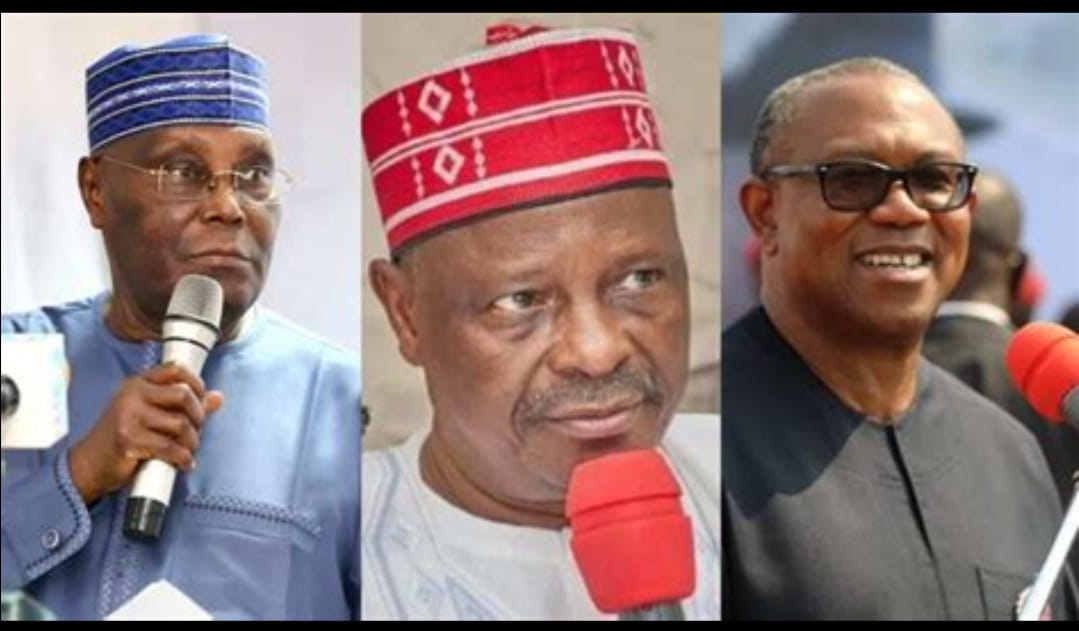
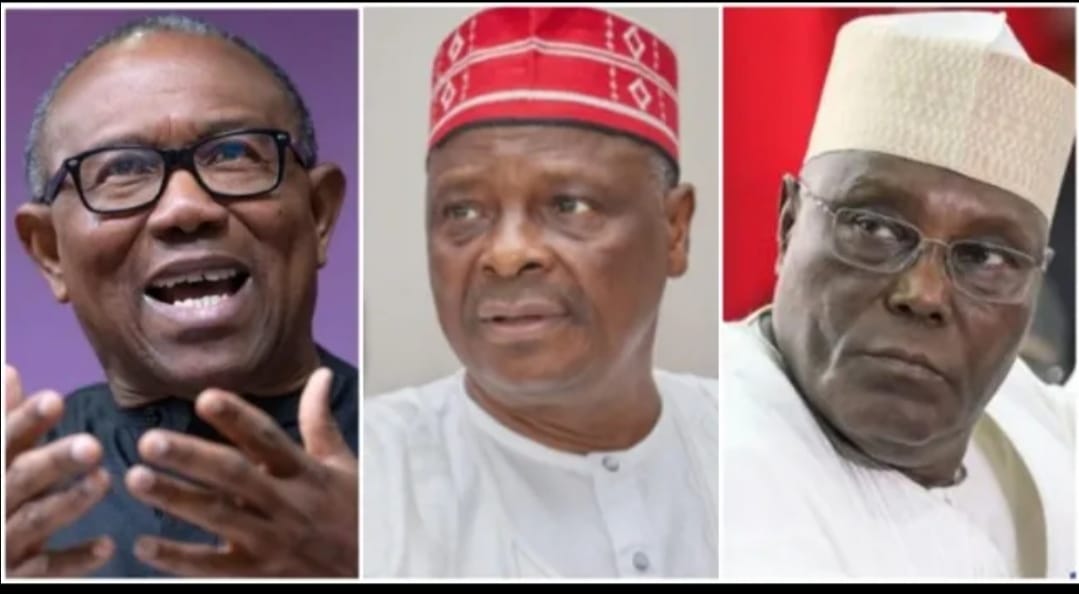
While the PDP was burning bridges, the Labour Party missed an opportunity to build them. Peter Obi inspired a movement, yes but his campaign failed to embrace realpolitik. He could have engaged the G-5 Governors, formed strategic alliances and turned their PDP discontent into a national coalition for change. Instead, the LP ran a messianic, solo campaign that underestimated the importance of political structure.
Political commentator Jide Ojo noted in The Guardian: “Obi had the moral momentum, but he lacked institutional support. In Nigeria, no amount of popularity can replace structure, alliances and statewide networks.”
The LP dismissed the old order but forgot that winning elections in Nigeria still depends on who controls polling units, local governments and election-day logistics. The G-5 had that power. But no meaningful bridge was built.
A Nation Betrayed by Its Leaders
The bigger tragedy is that Nigeria is now saddled with an administration it barely voted for. Bola Tinubu won with just 36.6% of the total vote, the lowest in Nigeria’s history. That means nearly two-thirds of voters rejected him. But because the opposition was fractured, the majority voice was wasted.
This was not a triumph of strategy; it was a triumph of opposition failure.
The PDP could have formed a united front, with a Southern candidate and a Northern vice-presidential balance. The LP could have merged platforms, given Obi the grassroots engine he desperately needed. The G-5 could have anchored both with credibility and regional leverage. But ego, not patriotism, led the charge.
Atiku, who sees himself as Nigeria’s Mandela, betrayed the very principles that Mandela lived by; humility, reconciliation and inclusion. Mandela once said: “Real leaders must be ready to sacrifice all for the freedom of their people.” Atiku, unfortunately, was not ready to sacrifice anything not even an ill-advised power configuration for party unity or national interest.
Political Godfatherism and the Marginalization of Merit
It is an open secret that Nigeria’s political class thrives on godfatherism. Merit, vision and sincerity are often sacrificed at the altar of loyalty and money. Those who cannot “mobilize funds” are sidelined. Those who speak truth are branded rebels. The G-5 Governors, particularly Wike and Ortom, were victims of this toxic system.
Ortom, who repeatedly called out Buhari’s handling of Fulani herdsmen attacks, was labeled controversial. Wike, who financed the party during its opposition years, was treated as expendable. These were not angels, but they were patriots in their own right, bold enough to speak and act when others trembled.
2027: Another Miscalculation?
As we look to 2027, the signs are already troubling. Atiku is reportedly interested in running again. If he is allowed to hijack the PDP once more, expect another round of defections, internal crises and disunity. The “money bags” may again dominate, while the voices of equity, inclusion and regional justice are suppressed.
If the opposition does not learn from 2023, it will lose again and this time, the consequences could be permanent.
Former U.S. President Barack Obama once warned: “You can’t keep doing the same thing and expect different results. That’s insanity.”
If Atiku returns as PDP’s candidate, if the G-5 are not reintegrated, if LP fails to build real alliances, then Nigerians might as well prepare for an APC victory in 2027.
Final Thought: Restore the Soul of the Opposition
The future of democracy in Nigeria depends not just on removing bad governance, but on building a credible opposition. That opposition must include everyone; wealthy and poor, old and young, Northern and Southern leaders. The marginalization of those without deep pockets must end. The betrayal of loyal party members must stop. And the arrogance of Atiku-style imposition must be condemned.
PDP and Labour Party have lost their way, but all hope is not lost. Reconciliation is still possible. Unity is still achievable. But it will take courage, humility and a willingness to listen to those who stood firm when others fled.
Until then, the G-5 governors will remain a symbol not of rebellion, but of what Nigeria’s opposition could have been: principled, united and victorious.






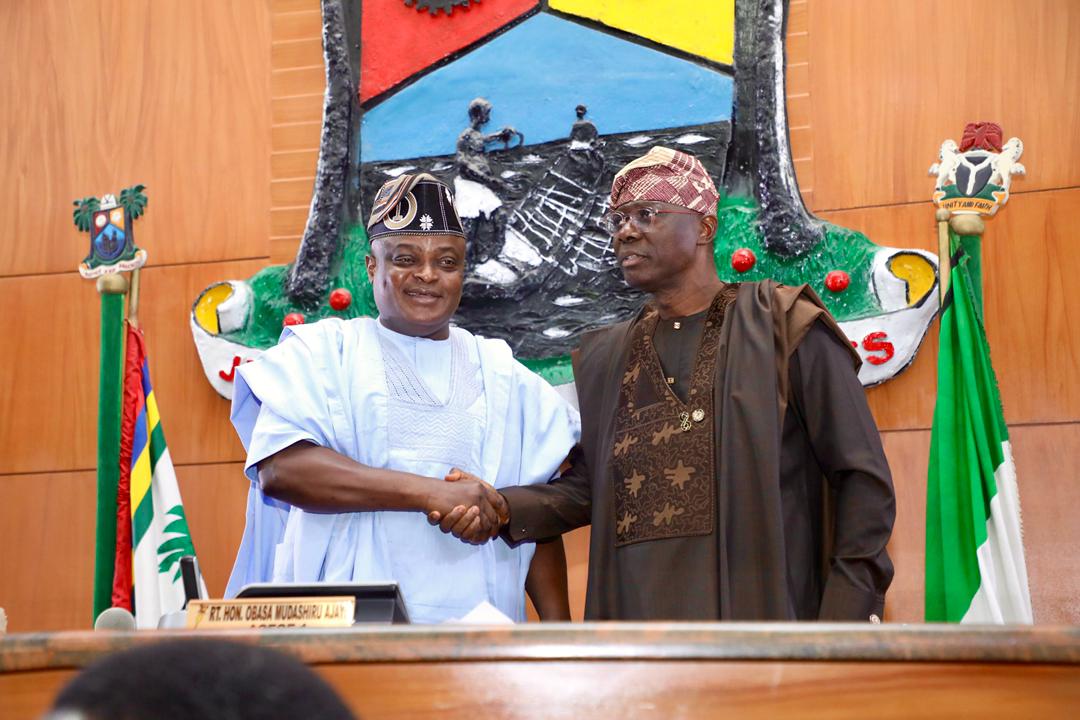
Lagos Assembly Debunks Abuja House Rumour, Warns Against Election Season Propaganda
The Lagos State House of Assembly has described as misleading and mischievous the widespread misinformation that it budgeted for the purchase of houses in Abuja for its members in the 2026 Appropriation Law.
This rebuttal is contained in a statement jointly signed by Hon. Stephen Ogundipe, Chairman, House Committee on Information, Strategy, and Security, and Hon. Sa’ad Olumoh, Chairman, House Committee on Economic Planning and Budget.
Describing the report as a deliberate and disturbing falsehood being peddled by patently ignorant people, the statement reads, “There is no provision whatsoever in the 2026 Budget for the purchase of houses in Abuja or anywhere else for members of the Lagos State House of Assembly. The report is a complete fabrication and a product of political mischief intended to misinform the public.
“The Lagos State House of Assembly does not operate in Abuja. Our constitutional responsibilities, constituencies, and legislative duties are entirely within Lagos State. It is, therefore, illogical, irrational, and irresponsible for anyone to suggest that legislators would appropriate public funds for personal housing outside their jurisdiction.”
The statement emphasised that the budget is already in the public domain and accessible for scrutiny by discerning Lagosians and Nigerians alike. It reiterated that the Lagos State Government operates a transparent budget that speaks to the needs of the people and the demands of a megalopolis.
“We view this rumour as part of a wider attempt at election-season propaganda, designed to erode public trust, sow discord, and malign democratic institutions.”
The chairmen further clarified that the 2026 capital expenditure of the House of Assembly is less than 0.04% of the total CAPEX of the state, which clearly demonstrates the culture of prudence, accountability, and fiscal responsibility that guides the legislature. However, they noted, “Historically, the House does not even access up to its approved budget in many fiscal years.”
They stressed that the Assembly remains fully committed to excellence, transparency, good governance, and the collective welfare of the people of Lagos State, in line with the objectives of the 2026 Budget of Shared Prosperity.
“We therefore challenge those behind this harebrained allegation to produce credible evidence or retract their statements forthwith. Failure to do so may attract appropriate legal actions.
“We urge Lagosians and the general public to disregard this baseless rumour and always verify information from official and credible sources.”
Politics
Democracy in the Crosshairs: How Nigeria’s Ruling APC Weaponises Power and Silences Dissent
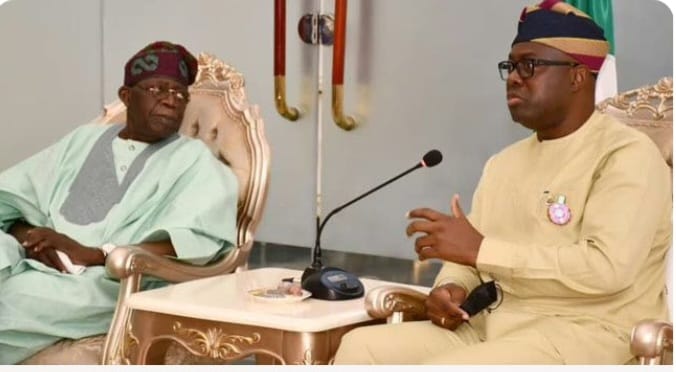
Democracy in the Crosshairs: How Nigeria’s Ruling APC Weaponises Power and Silences Dissent.
By George Omagbemi Sylvester | Published by saharaweeklyng.com
“Tinubu’s Government, the EFCC and the Strategic Undermining of Opposition Governors”.
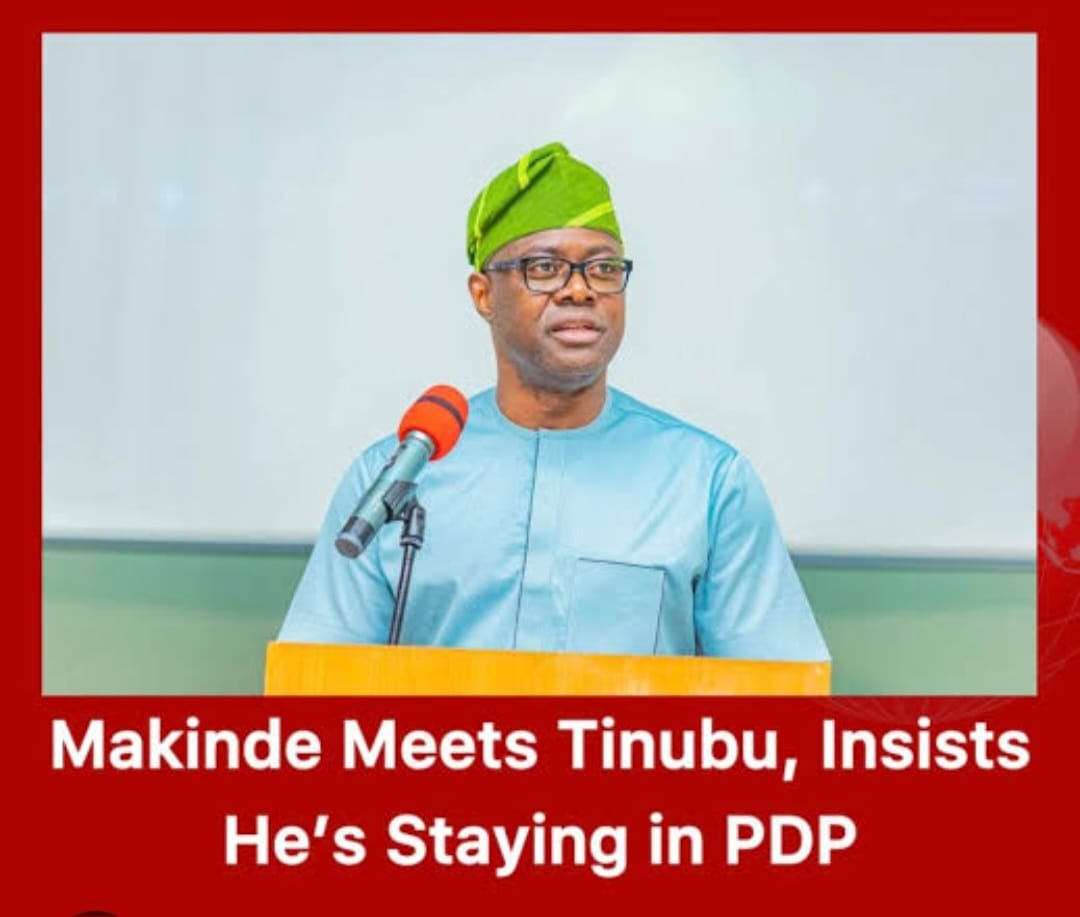
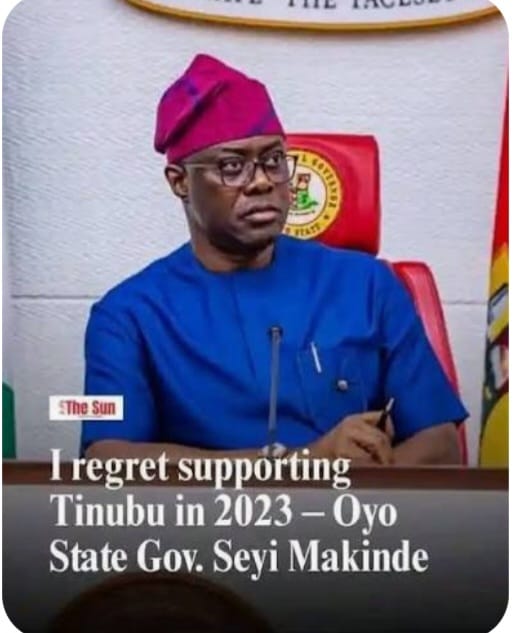
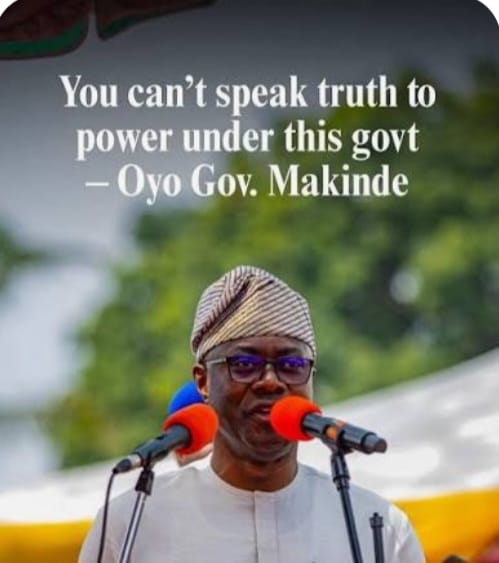
In a striking indictment of Nigeria’s current political reality, Governor Seyi Makinde of Oyo State declared that “you cannot speak truth to power in this dispensation”, directly accusing the administration of President Bola Ahmed Tinubu of intolerance for dissent and an erosion of democratic norms.
Makinde’s remarks (made during a public event in Ibadan on January 25, 2026) were more than a local governor’s lament. They crystallised a mounting national frustration: that Nigeria’s political landscape has tilted dangerously toward executive overreach, institutional capture and political engineering.
This narrative is not isolated. Across Nigeria, governors from opposition parties have defected to the ruling All Progressives Congress (APC) in numbers unprecedented in the nation’s democratic history. Critics argue that these defections are not merely voluntary political choices, but part of a strategic pressure campaign leveraging federal power and institutions to fracture opposition influence.
At its centre lies Nigeria’s principal anti-graft agency – the Economic and Financial Crimes Commission (EFCC).
The EFCC: Anti-Graft Agency or Political Instrument? Founded to combat corruption, the EFCC’s constitutional mandate is to investigate and prosecute financial and economic crimes across public and private sectors. Its legal independence is enshrined in statute and it has historically pursued high-profile cases, including recovery of nearly $500 million in illicit assets in a single year, demonstrating its capacity for tackling corruption.
However, critics now claim that under the Tinubu administration, the EFCC’s prosecutorial power is being perceived (if not deployed) as a political instrument.
Opposition leaders, including former Vice President Atiku Abubakar and coalition parties such as the African Democratic Congress (ADC), have publicly accused the federal government of using anti-corruption agencies to intimidate opposition figures and governors, effectively pressuring them into aligning with the APC.
In a statement released in December 2025, opposition figures alleged that institutions such as the EFCC, the Nigerian Police and the Independent Corrupt Practices and Other Related Offences Commission were being selectively wielded to weaken political competitors rather than combat financial crime impartially.
This is not merely rhetorical noise. The opposition’s grievances centre on several observable patterns:
Reopened or New Investigations Against Opposition Figures: The ADC pointed to recent abnormal reactivation of long-dormant cases or new inquiries into financial activities involving senior opposition politicians. These, they argue, often arise shortly before critical elections or political realignments.
Alleged Differential Treatment: According to opponents of the current administration, individuals who have defected to the APC appear less likely to face sustained legal scrutiny or prosecution in EFCC proceedings, even in cases of credible allegations of mismanagement.
Timing of Actions: The timing of certain high-profile investigations, emerging ahead of the 2027 general elections, reinforces perceptions that anti-graft measures are tailored to political cycles rather than legal merit.
The EFCC and Presidency have publicly denied these allegations, insisting that the commission operates independently and pursues corruption irrespective of political affiliation and that Nigeria’s democratic freedoms (including party choice and mobility) remain intact.
Yet the perception of bias, once systemic, is hard to erase, especially when political actors deploy powerful state machinery with strategic timing and selective intensity.
Defections and Power Realignment: A Democracy at Risk? Since 2023 and particularly through 2025, a remarkable number of state governors and senior political leaders have crossed over from opposition parties (notably the Peoples Democratic Party – PDP) to the APC. Though defections are normal in Nigeria’s fluid political system, the scale and speed in recent years are historically noteworthy, raising critical questions about underlying incentives.
The SaharaWeeklyNG reported Makinde’s comments within the broader context of a political climate where dissenting voices face greater obstacles than at any time in recent democratic memory.
Governors who remain in opposition find themselves squeezed between growing federal assertiveness and dwindling political capital. Some analysts argue that the combination of federal resource control, political appointments and influence over public agencies exerts tangible pressure on subnational leaders to align with the ruling party for political survival. This dynamic, they contend, undermines competitive party politics and weakens Nigeria’s multiparty democracy.
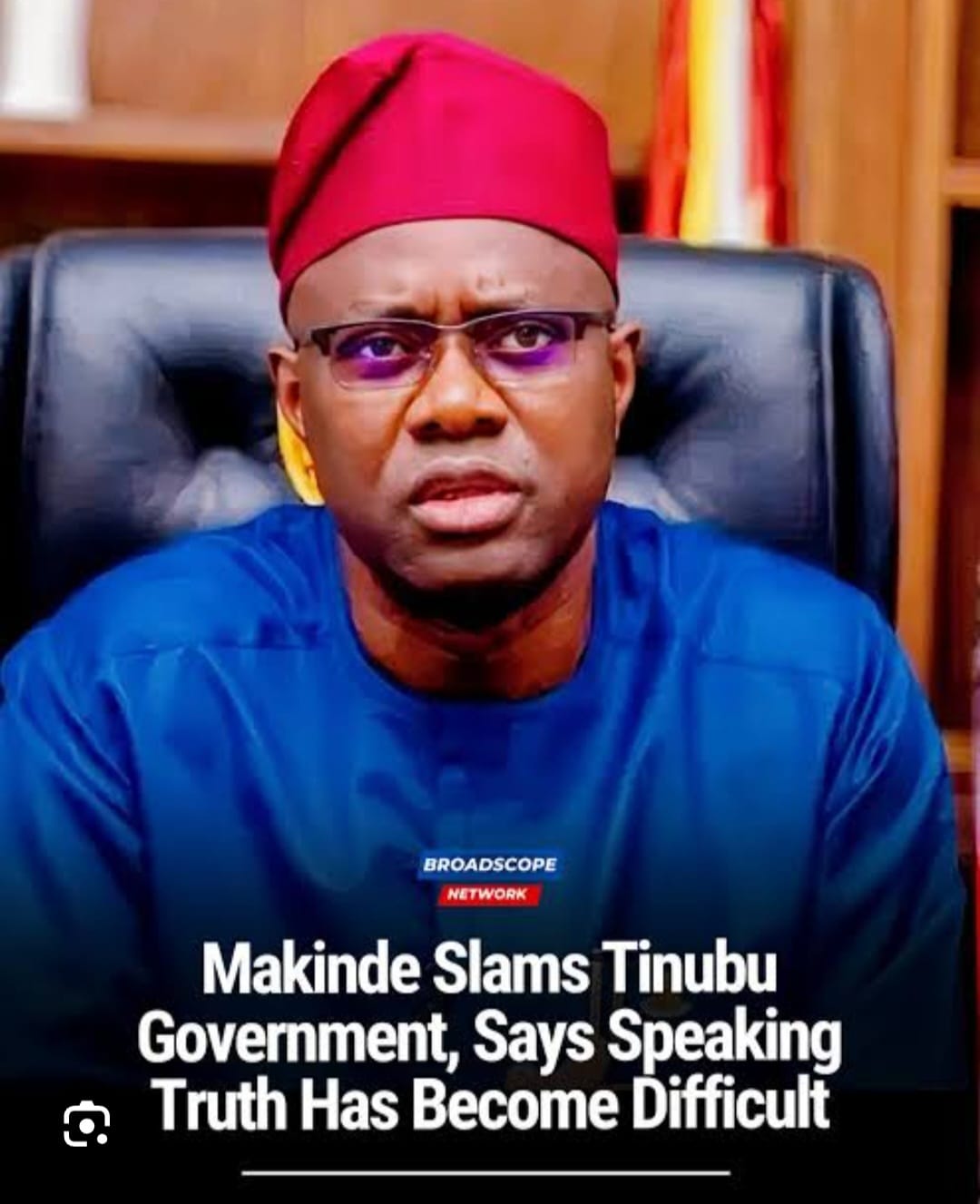
Speaking Truth to Power: What Makinde’s Critique Exposes. Governor Makinde’s core grievance (that it is increasingly difficult, perhaps perilous, to speak truth to power) resonates widely among civil society actors, political analysts and democratic advocates:
“YOU CANNOT SPEAK TRUTH TO POWER IN THIS DISPENSATION,” Makinde declared, specifically citing the government’s handling of contentious tax reform bills as an example where dissent was neither welcomed nor transparently debated.
Makinde’s critique reflects deeper structural concerns:
Exclusion of Key Stakeholders: Opposition leaders and state executives report being marginalised from meaningful consultation on national policies affecting federal-state relations, revenue sharing and fiscal reforms.
Institutional Intimidation: The perception that state politicians become targets of federal legal scrutiny after taking firm oppositional stances (real or perceived) discourages robust democratic debate.
Erosion of Opposition Space: A symbiotic effect of party defections and institutional pressure is a shrinking viable space for genuine political opposition, weakening checks and balances essential to democratic governance.
A respected political scientist, Dr. Aisha Bello of the University of Lagos, recently argued that “when opposition becomes fraught with state leverage instead of ideological competition, the very foundation of democratic contestation collapses,” adding that “a government that shies away from criticism risks inversion into autocracy.”
Another expert, Prof. Chinedu Eze, former dean of political studies at Ahmadu Bello University, warned that “selective use of anti-corruption agencies as political tools corrodes public trust and ultimately delegates justice into the hands of incumbents rather than independent courts.” These observations echo growing public skepticism.
The Way Forward: Strengthening Democracy and Institutions. Nigeria’s path forward depends on restoring confidence in democratic norms and institutional independence.
Transparent EFCC Processes: Civil society groups and legal scholars are advocating for enhanced transparency in anti-graft investigations, including clear prosecutorial thresholds and independent audits of case initiation and closures.
Judicial Oversight: Strengthening the judiciary’s capacity and independence is critical to ensuring that allegations of political weaponisation do not go unchecked. Courts must remain the ultimate arbiters of evidence and guilt.
Political Reforms: Advocates demand reforms to party financing, federal-state fiscal relations, and consultation mechanisms to reduce incentives for defections driven by federal resource leverage.
Public Engagement: A more informed and engaged civil society, anchored by independent media and civic education, must hold both government and opposition accountable for adherence to democratic principles.
Beyond The Present Moment.
Governor Makinde’s assertion that it is no longer tenable to “speak truth to power” under the current administration reflects unsettling trends in Nigeria’s evolving democratic landscape. While the EFCC and the Presidency maintain that anti-corruption efforts are independent and constitutionally grounded, opposition leaders (backed by political data and patterns of defections) argue that state power is being used to consolidate one-party dominance and undermine political pluralism.
At this critical juncture, Nigeria must choose between entrenching competitive democracy or sliding toward a political monopoly where dissent is subdued, institutions compromised, and power concentrated.
For Nigeria’s democratic ideals to survive (and thrive) its leaders and citizens must ensure that speaking truth to power remains not a perilous act of defiance but an honoured pillar of national life.
APC Chairman Appoints Norbert Akachukwu Sochukwudinma as SSA on Local Government Affairs
By Ifeoma Ikem
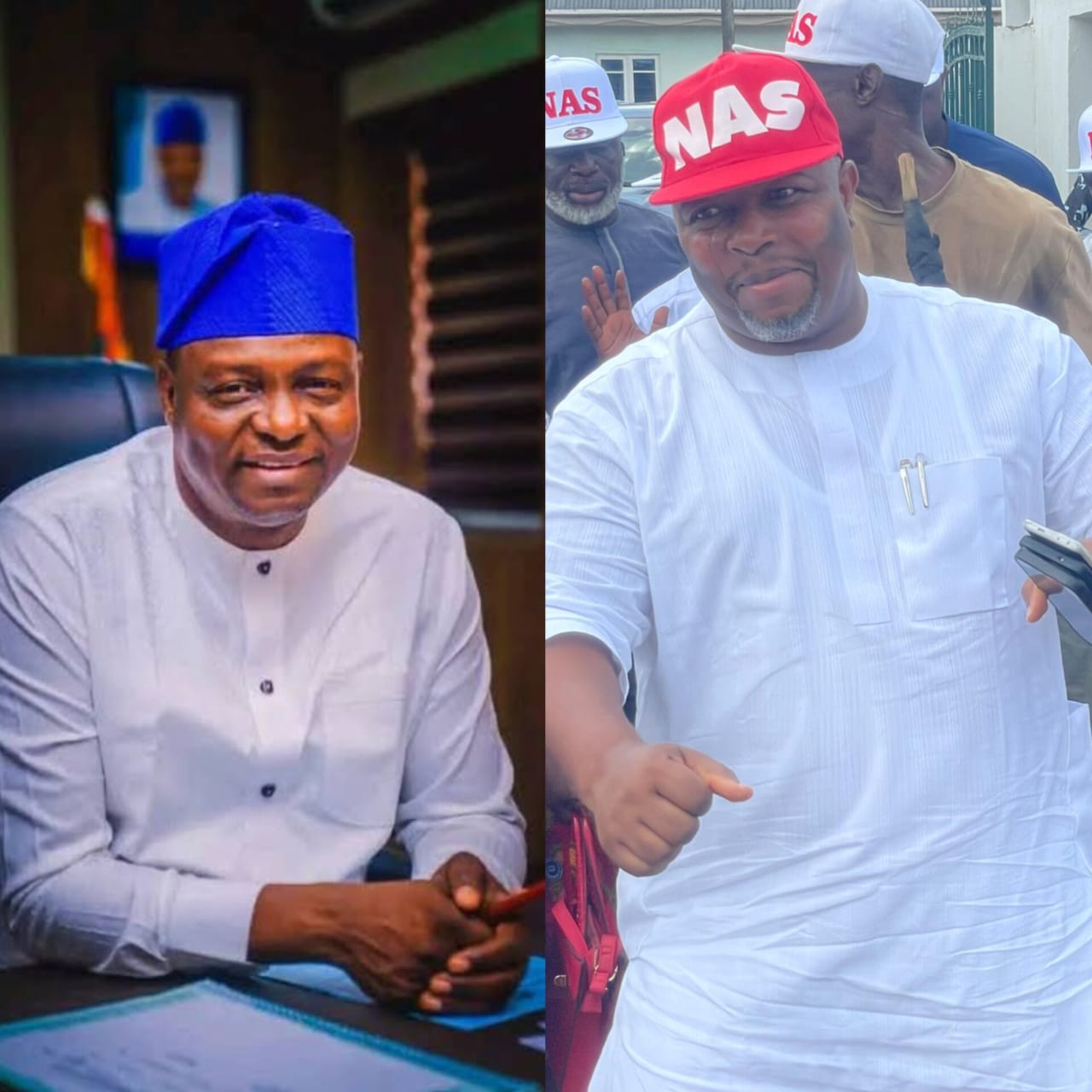
The National Chairman of the All Progressives Congress (APC), Prof. Nentawe Yilwatda, has approved the appointment of Norbert Akachukwu Sochukwudinma (NAS) as Senior Special Assistant (SSA) on Local Government Affairs.
The appointment is part of ongoing efforts by the APC national leadership to strengthen grassroots engagement and enhance coordination between the party’s national secretariat and local government structures across the country.
Sochukwudinma is a seasoned politician and an active member of the APC, with deep roots in Delta State politics. He currently serves as the APC Chairman for Aniocha South Local Government Area.
In addition to his local role, he is also the Coordinating Chairman of APC Chairmen in Delta North, a position through which he has played a strategic role in party mobilisation and reconciliation efforts within the senatorial district.
Known for his commitment to party integration and grassroots development, Sochukwudinma has been actively involved in strengthening the APC’s presence and internal cohesion in Delta State.
Party stakeholders have described his appointment as well-deserved, citing his experience, organisational capacity, and consistent engagement with party members at the ward and local government levels.
The new SSA is expected to bring his grassroots expertise to bear in advising the APC National Chairman on local government affairs, party administration, and effective mobilisation strategies nationwide.
His appointment takes immediate effect.


-

 celebrity radar - gossips5 months ago
Why Babangida’s Hilltop Home Became Nigeria’s Political “Mecca”
-

 society5 months ago
Power is a Loan, Not a Possession: The Sacred Duty of Planting People
-

 Business6 months ago
Batsumi Travel CEO Lisa Sebogodi Wins Prestigious Africa Travel 100 Women Award
-

 news6 months ago
THE APPOINTMENT OF WASIU AYINDE BY THE FEDERAL GOVERNMENT AS AN AMBASSADOR SOUNDS EMBARRASSING