
society
The Real Enemy of Nigeria: Tribal Politics, Ethnic Hatred and the Failure to Unite

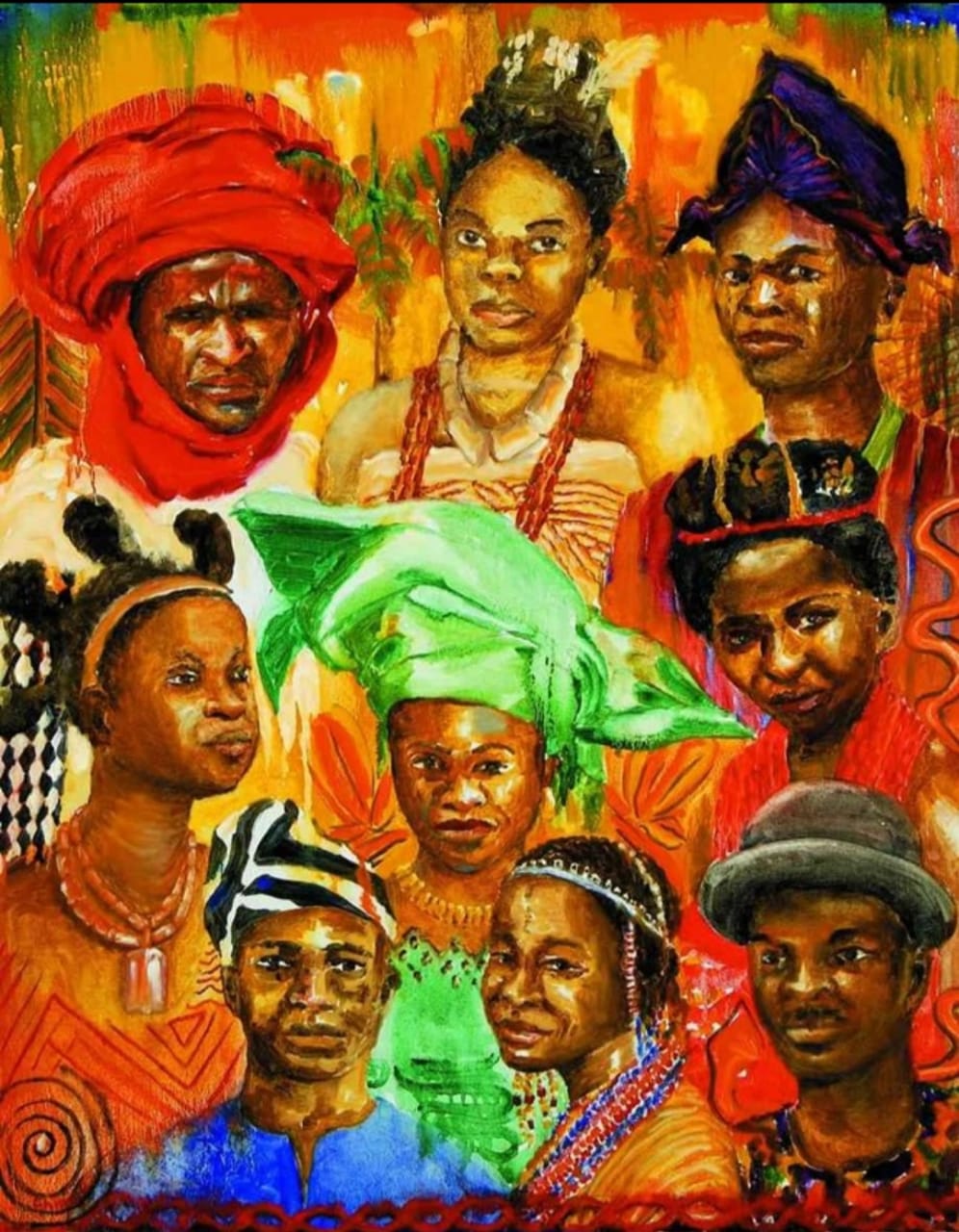
The Real Enemy of Nigeria: Tribal Politics, Ethnic Hatred and the Failure to Unite
By George Omagbemi Sylvester | SaharaWeeklyNG.com
Nigeria stands at a critical crossroads. More than six decades after independence, the country remains shackled (not by external forces or faulty governance alone) but by a deeply entrenched, corrosive enemy within: tribal politics, ethnic hatred and the persistent failure to forge genuine unity. This is the real disease crippling Nigeria’s potential.
For decades, political discourse has revolved around the presidency, government policies and economic management. Yet, these are mere symptoms not the root cause of Nigeria’s malaise. The real disease is a collective mindset rooted in ethnic insecurity and sabotage, the toxic belief that “if it’s not my tribe, it can’t be trusted.” Until this insidious mentality is confronted head-on and eradicated, no amount of political restructuring, constitutional amendments or economic reforms will salvage the Nigerian project.
The Peril of Tribal Politics
Tribalism in Nigeria is not merely an identity marker; it is a weapon wielded to divide, marginalize and manipulate. It poisons the political landscape, turns governance into a zero-sum game and sows seeds of mistrust among Nigerians. As political scientist Prof. Akin Oyebode of the University of Ibadan once remarked, “Nigeria’s greatest threat is the refusal of its people to see each other as compatriots rather than competitors.”
The statistics paint a grim picture. According to the 2022 Afrobarometer survey, over 70% of Nigerians identify strongly with their ethnic group rather than the nation as a whole. This fragmentation undermines national cohesion and fuels competition for resources, appointments and political influence along ethnic lines. Instead of uniting for the common good, Nigerians often retreat into parochial enclaves, fostering resentments that ignite violence and conflict.
The tragic consequences are evident in the repeated cycles of communal clashes, such as the persistent violence in the Middle Belt and the ethno-religious tensions in the North-East. The Boko Haram insurgency and farmer-herder conflicts are often exacerbated by ethnic and religious fault lines, reflecting the deep societal fractures.
Ethnic Hatred: The Poison That Destroys
Ethnic hatred fuels a dangerous paranoia, convincing groups that their survival depends on dominating others. This paranoia manifests in exclusionary politics and discriminatory practices, as communities jockey for power and control. The political elite exploit these fears for electoral gain, often by stoking ethnic antagonism.
Dr. Chido Onumah, a respected Nigerian journalist and analyst, emphasizes that “ethnic hatred is the cancer eating away at the soul of Nigeria. It creates suspicion where there should be trust and erects barriers where bridges are needed.”
This has led to the rise of separatist agitations such as Oduduwa Republic in the Southwest, Biafra in the Southeast, Niger Delta militancy and calls for Arewa autonomy in the North. While the grievances behind these movements are often legitimate (ranging from political marginalization to economic neglect) the common denominator remains ethnic distrust and the failure to see Nigerians beyond tribal affiliations.
Why Unity Is Nigeria’s Only Way Forward
Nigeria’s diversity is its greatest strength if harnessed correctly. The vast cultural, linguistic and religious mosaic offers unparalleled opportunities for innovation, resilience and global influence. But unity is not just an idealistic slogan; it is a practical necessity for national survival.
Professor Claude Ake, the late Nigerian political economist, famously stated, “Nigeria is a complex society, but without unity, complexity becomes chaos.” He understood that the country’s multiplicity could only flourish in an environment where ethnic boundaries were transcended by a shared national identity.
The failure to build such unity has led to a “balkanization” of the Nigerian psyche. As ethnic mistrust deepens, Nigerians are essentially creating smaller “countries” within Nigeria (Oduduwa, Biafra, Niger Delta, Arewa) each pursuing its agenda at the expense of the whole. This fracturing weakens the country, making governance difficult and economic progress elusive.
Structural Reforms Are Insufficient Without Mindset Change
Since the return to civilian rule in 1999, Nigeria has undergone various attempts at restructuring: constitutional reviews, state creation, power devolution and federal character principles aimed at ethnic balance in appointments. Yet, these structural changes have failed to eradicate ethnic politics.
Why? Because these reforms address symptoms but not the disease. Restructuring cannot heal minds poisoned by tribal suspicion and hatred. No constitution or law can force people to abandon their fears and prejudices.
As Professor Attahiru Jega, former chairman of Nigeria’s Independent National Electoral Commission (INEC), observes: “You cannot legislate unity into existence; it must grow from the people’s hearts.”
The solution lies in deliberate, sustained efforts to build national consciousness. Education systems must promote Nigerian history and values that emphasize unity in diversity. Civic education must confront ethnic stereotypes and promote mutual respect. Political leaders must champion national interest over tribal loyalties.
Voices from Within: Calls for Unity and Healing
Across Nigeria, thought leaders and citizens alike have called for an end to ethnic divisions.
Bishop Matthew Kukah, Catholic Bishop of Sokoto, has repeatedly warned: “Nigeria is at war with itself, but the real war is in the minds of its people. Until we kill the demon of ethnic hatred, peace will remain elusive.”
Similarly, Nobel Laureate Wole Soyinka noted: “Tribalism is the enemy of progress in Nigeria. The nation’s destiny depends on the willingness of its people to rise above ethnic particularism.”
President Muhammadu Buhari, despite controversies, acknowledged this in 2021 when he said, “We must learn to see ourselves as Nigerians first and members of ethnic groups second.”
Yet, words alone are insufficient. Nigerians must act by rejecting tribal politics in elections, promoting inclusivity in governance and cultivating inter-ethnic cooperation in everyday life.
The Way Forward: Healing the Nigerian Mind
True progress demands confronting uncomfortable truths about identity and loyalty. It requires honest self-reflection and collective commitment to change.
Educational Reform: Curriculum must emphasize national heroes, history and values that unite rather than divide. Early education should teach children to appreciate Nigeria’s diversity as an asset.
Political Accountability: Politicians must be held accountable for stoking ethnic tensions. Electoral reforms should discourage ethnic vote-banking and promote issue-based politics.
Media Responsibility: Media houses and social platforms must combat hate speech and misinformation that inflame ethnic divisions.
Community Engagement: Grassroots initiatives that promote dialogue and cooperation among ethnic groups should be supported and scaled up.
Inclusive Economic Development: Addressing economic inequalities that fuel ethnic resentment is critical. Development programs must be fairly distributed and designed to bridge ethnic divides.
Final Thoughts
Nigeria’s greatest enemy is not geography, resources or governance alone. It is the fractured mindset of its people and the tribal politics, ethnic hatred and failure to unite. Until Nigerians confront and heal this mental disease, the nation will continue to fracture into smaller entities, each echoing the same broken mentality.
The challenge before Nigeria is clear: to build a new Nigerian identity that transcends tribe, religion and region; to forge unity from diversity; and to place the nation’s interests above ethnic loyalties. This is the only path toward peace, progress and a truly prosperous Nigeria.
As George Omagbemi Sylvester writes, “We can rebuild our country’s institutions, but unless we rebuild the Nigerian mind, we will be trapped in an endless cycle of division and decay. The real battle for Nigeria is fought in the hearts and minds of its people.”





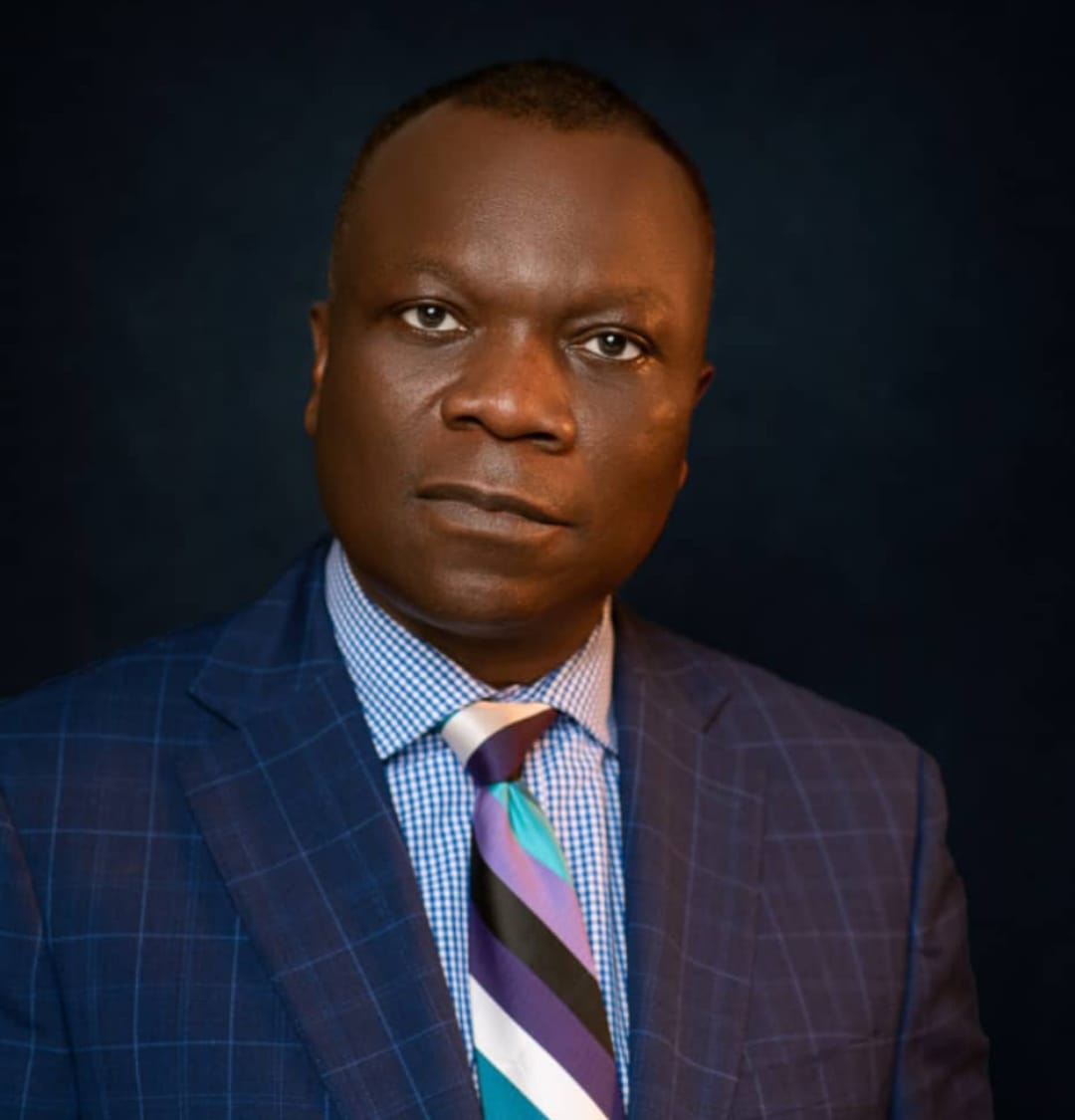
Banwo Identifies Structural Challenges Limiting Opposition
Public commentator Dr. Ope Banwo has identified key structural and strategic challenges limiting the effectiveness of opposition parties in Nigeria.
In a statement released from his base in America, Banwo outlined several factors, including internal divisions, weak grassroots presence, and lack of clear policy alternatives, as major obstacles facing opposition groups.
“One of the biggest issues is fragmentation. There are too many interests and not enough coordination,” he said.
He noted that multiple presidential ambitions within opposition ranks could make it difficult to build consensus around a single candidate.
Banwo also emphasised the importance of grassroots political structures, stating that electoral success in Nigeria depends heavily on local-level organisation.
“Elections are not won on social media. They are won through presence and coordination at the community level,” he explained.
Another concern raised by Banwo is what he described as inconsistent messaging from opposition parties, which he said could make it difficult for voters to identify a clear alternative to the current administration.
“Criticism alone is not enough. Voters want to see a defined direction and credible leadership,” he added.
He further pointed to the challenges of funding and long-term planning, noting that successful political campaigns require sustained investment and discipline.
According to him, defeating an incumbent government demands a high level of coordination, including strong alliances and a unified national strategy.
Banwo, however, suggested that there remains an opportunity for opposition parties to reposition themselves if they address these challenges early.
He stressed the need for compromise among political leaders, urging them to prioritise collective goals over individual ambitions.
“If there is unity, structure, and clarity of purpose, the political landscape can still change,” he said.
He concluded that the strength of any democracy depends on the presence of a viable opposition capable of offering credible alternatives to voters
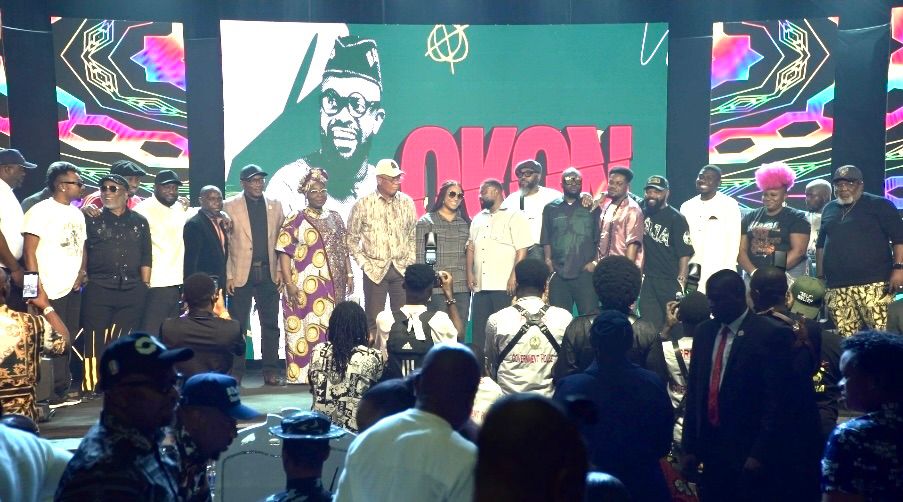
koloman’s: Daddy @pastorumoeno we’re still waiting for your benevolence sir
@igosave @okonlagos @nedu_official @yawnaija @deehumorous @senatorcomedian @akwaibomstategovt

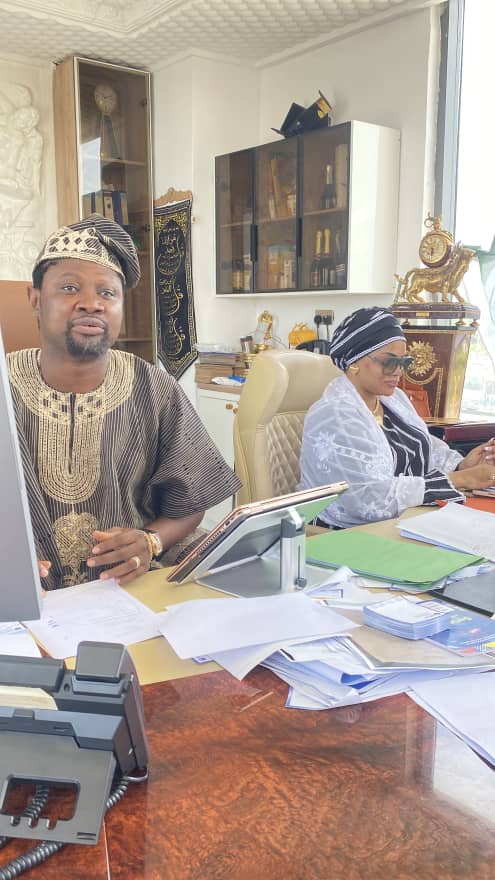
Harmony Garden CEO Empowers Widows with Enhanced Welfare Support
EPE, LAGOS — The Chief Executive Officer of Harmony Garden and Estate Development Limited, Hon. Dr. Saheed Audullahi Mosadoluwa, popularly known as Mr. Ibile, has reaffirmed his commitment to humanitarian service by extending increased welfare support to widows in Epe.
The gesture came during a visit by members of the Widows Association of Nigeria, Epe Branch, who gathered in large numbers on Tuesday to express appreciation for what they described as sustained generosity and life-changing support.
The engagement was marked by emotional testimonies, as several beneficiaries recounted how the initiative has improved their living conditions and restored hope. Many offered prayers for the philanthropist, describing his intervention as timely and impactful amid prevailing economic challenges.
One of the beneficiaries, Mrs. Folorunsho Quadri, commended Dr. Mosadoluwa’s consistent support, noting that the initiative has helped restore dignity among widows in the community. She revealed that members receive ₦100,000 quarterly, alongside a monthly stipend recently increased from ₦10,000 to ₦20,000 to cushion the effects of economic hardship.
According to her, the assistance goes beyond financial relief, providing emotional strength and encouragement for widows striving to rebuild their lives.
Responding, Dr. Mosadoluwa expressed gratitude for the visit and reiterated that his philanthropic activities are rooted in a genuine desire to give back to society. He emphasized that true wealth lies in the positive impact one makes in the lives of others, adding that supporting vulnerable groups remains a core priority.
The real estate developer also addressed concerns surrounding Harmony Garden, assuring the public of the company’s commitment to transparency and integrity, particularly in its land transactions.
He dismissed speculations linking his humanitarian gestures to political ambitions, maintaining that his actions are driven solely by compassion and a sense of social responsibility.
Dr. Mosadoluwa further urged the widows to make judicious use of the support while remaining resilient and hopeful despite life’s challenges.
Observers say the initiative highlights the increasing role of private sector players in complementing government efforts toward social welfare and community development.
Harmony Garden and Estate Development Limited continues to expand its presence in Nigeria’s real estate sector, while strengthening its reputation as a socially responsible organisation dedicated to improving lives.


- Uganda Development Corporation (UDC) to take 82% of Trade ministry budget April 16, 2026
- Merck Foundation marks ‘World Art Day’ through their Film, Song, Media and Fashion Awards 2026 in partnership with Africa’s First Ladies to raise awareness about social & health issues April 15, 2026
- Gabon’s Offshore Comeback: International Oil Companies (IOCs) Return as Exploration Heats Up Ahead of Paris Forum April 15, 2026
- Shell’s Eugene Okpere to Speak at Angola Oil & Gas (AOG) 2026 Amid $1B Angolan Deepwater Drive April 15, 2026
- Oando Joins African Energy Week (AEW) 2026 as Emerald Sponsor as Firm Reports 10% Profit Rise April 15, 2026
- Africa Finance Corporation (AFC) Invests in Dhamana Guarantee Company to Catalyse Local Currency Infrastructure Financing in East Africa April 15, 2026
- WESGRO and Enlit Africa 2026 unite to spotlight the Western Cape’s energy investment opportunity April 15, 2026
- Gianni Merlo re-elected as International Sports Press Association (AIPS) President for sixth and final term in landslide victory April 15, 2026
- African Development Fund approves 1.7 billion CFA francs to boost private sector competitiveness across West African Economic and Monetary Union (WAEMU) countries April 15, 2026
- Knowledge Katti: The Architect Behind Namibia’s Energy Breakthrough April 15, 2026
- Uganda Development Corporation (UDC) to take 82% of Trade ministry budget April 16, 2026
- Merck Foundation marks ‘World Art Day’ through their Film, Song, Media and Fashion Awards 2026 in partnership with Africa’s First Ladies to raise awareness about social & health issues April 15, 2026
- Gabon’s Offshore Comeback: International Oil Companies (IOCs) Return as Exploration Heats Up Ahead of Paris Forum April 15, 2026
- Shell’s Eugene Okpere to Speak at Angola Oil & Gas (AOG) 2026 Amid $1B Angolan Deepwater Drive April 15, 2026
- Oando Joins African Energy Week (AEW) 2026 as Emerald Sponsor as Firm Reports 10% Profit Rise April 15, 2026
- Africa Finance Corporation (AFC) Invests in Dhamana Guarantee Company to Catalyse Local Currency Infrastructure Financing in East Africa April 15, 2026
- WESGRO and Enlit Africa 2026 unite to spotlight the Western Cape’s energy investment opportunity April 15, 2026
-

 news4 months ago
WHO REALLY OWNS MONIEPOINT? The $290 Million Deal That Sold Nigeria’s Top Fintech to Foreign Interests
-

 celebrity radar - gossips3 months ago
Dr. Chris Okafor Returns with Power and Fire of the Spirit -Mounts Grace Nation Altar with Fresh Anointing and Restoration Grace on February 1, 2026
-

 celebrity radar - gossips6 months ago
End of an Era: Nigeria Mourns Evangelist Dr. Uma Ukpai, 80
-

 celebrity radar - gossips4 months ago
Prophet Kingsley Aitafo Releases 2026 Prophecy: ‘Nigeria Will Rise, but the World Must Prepare for Turbulence’