
society
Nigeria’s Endless Circle of Failure: Citizens’ Silence Feeds Corruption


Nigeria’s Endless Circle of Failure: Citizens’ Silence Feeds Corruption.
By George Omagbemi Sylvester
Published by SaharaWeeklyNG.com
History shows nations rise when people refuse injustice. Nigeria remains trapped in poverty and misrule because too many endure what others fought to change.
Introduction.
Nigeria’s greatest challenge has never been government alone; it is also the citizens who condone and normalize its failures. For more than six decades, the country has been trapped in a vicious cycle of corruption, mismanagement and betrayal by leaders. Yet the deeper tragedy lies in how Nigerians quickly adjust to suffering, excuse incompetence and allow mediocrity to become the national culture.

This dangerous tolerance has created a fertile ground for political recycling. Leaders fail, loot and mismanage with confidence, knowing that after a few weeks of public outrage, citizens will quiet down, move on and even reward them with RE-ELECTION. The consequence is clear: Nigeria remains a paradox; RESOURCE-RICH yet POVERTY-STRICKEN, where leadership failure is matched only by citizens’ complacency.
According to the World Bank, 46% of Nigerians lived below the poverty line in 2024, despite the country being Africa’s largest oil producer. This contradiction cannot be explained by corrupt governance alone; it is equally about a people who no longer demand accountability.
How Nigerians Enable Failure.
A telling example is the ₦70,000 minimum wage law passed in June 2024. More than 20 state governments have refused to implement it, claiming empty treasuries. Instead of citizens uniting to demand compliance, silence and excuses dominate. By tolerating such disobedience, Nigerians indirectly empower leaders to keep breaking promises without fear of backlash.
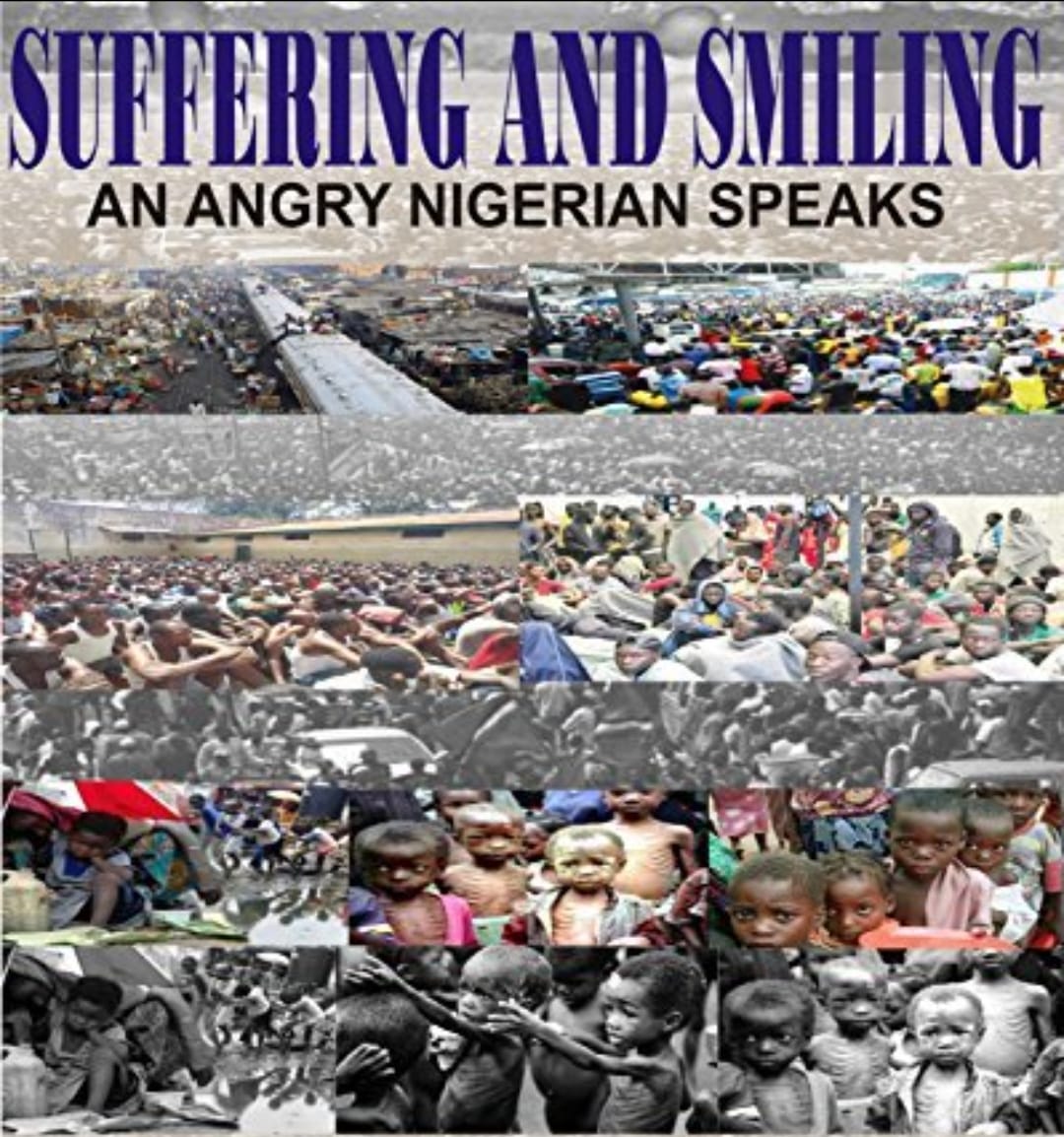
The same pattern played out after the fuel subsidy removal in 2023. Fuel prices tripled overnight, transportation costs skyrocketed and food inflation hit record highs. By mid-2024, the National Bureau of Statistics (NBS) reported food inflation above 35%, the worst in two decades. After brief protests, Nigerians adjusted to the pain and carried on, leaving government unchallenged.
The imposition of mandatory identification systems further demonstrates this passivity. From BVN (Bank Verification Number) to NIN (National Identification Number) and now TIN (Tax Identification Number), Nigerians are forced through chaotic rollouts that deny millions access to financial services and business operations. Instead of demanding efficiency and fairness, citizens simply comply, regardless of the exploitation involved.
To make matters worse, in 2025 the government introduced a 5% fuel tax, compounding the suffering of a people already bleeding from subsidy removal. After some murmurs of discontent, Nigerians once again accepted it in silence.
“Corruption thrives not in the halls of government, but in the quiet acceptance of those it is meant to serve.” ~ George O. Sylvester.

This culture of quiet endurance sends a dangerous message: leaders can impose any burden on the masses, and they will endure it without organized resistance.
Lessons from Nepal: Citizens Who Refused to Accept Failure.
To grasp the heavy cost of Nigeria’s complacency, one must look at Nepal. For centuries, Nepal endured an absolute monarchy where power was concentrated in the hands of kings who ignored the people’s needs. Corruption, inequality and suppression of freedoms left citizens desperate and disillusioned.
The turning point came with the People’s Movement of 2006 (Loktantra Andolan). Millions of Nepalis poured into the streets, demanding democracy, justice and freedom. Despite military crackdowns, arrests and bloodshed, they refused to retreat. The Maoist insurgency, ongoing since 1996, merged with civil protests, creating unstoppable pressure. By 2008, the monarchy was abolished and Nepal became a republic.
This historic revolution proves a timeless truth: change is never handed down by leaders; it is demanded and often forced, by the people.
Other Nations That Rejected Failure.
Nepal’s story is not isolated. History is filled with examples of nations where citizens refused to condone injustice and compelled leaders to change course.
South Korea (1987): After decades of military dictatorship, millions of South Koreans flooded the streets demanding free elections. Despite violent crackdowns, their persistence paid off. Democratic reforms followed, laying the foundation for South Korea’s transformation into one of the world’s most advanced economies.
Tunisia (2011): The Arab Spring began in Tunisia after Mohamed Bouazizi, a street vendor, set himself ablaze in protest against corruption and police harassment. The people erupted in mass protests and within weeks, President Ben Ali (who had ruled for 23 years) was forced into exile. Tunisia became the first Arab country to topple a dictator in that wave of uprisings.
Sudan (2019): After 30 years of Omar al-Bashir’s iron-fisted rule, Sudanese citizens mobilized in unprecedented protests against economic hardship and political repression. Despite brutal crackdowns, they persisted until the regime collapsed. Bashir was ousted, proving yet again that united citizens are stronger than entrenched rulers.
These examples highlight one truth: GOVERNMENTS ONLY RESPECT CITIZENS WHO REFUSE TO REMAIN SILENT.
Why Nigerians Remain Silent.
If history shows the power of resistance, why do Nigerians remain trapped in silence? Several factors explain this dangerous pattern:
Ethnic and Religious Divisions – Many defend leaders from their tribe or faith, even when those leaders fail spectacularly. This toxic loyalty recycles incompetence across elections.
Weaponized Poverty – Nearly half of Nigerians live in poverty and politicians exploit this vulnerability by distributing food or cash during elections, buying silence at a cheap price.
Fear of Repression – Decades of authoritarian crackdowns have instilled fear in Nigerians. Yet history proves that tyrannies collapse when citizens resist together.
Resigned Helplessness – After endless cycles of betrayal, many Nigerians believe change is impossible. This resignation feeds the system, ensuring nothing improves.
The Heavy Price of Silence.
The consequences of this citizen silence are devastating:
Mass Exodus of Youth: Between 2022 and 2024, over 2 million Nigerians emigrated legally and illegally, according to the African Union. This brain drain is stripping the country of its most productive citizens.
Persistent Insecurity: Boko Haram, kidnappings and banditry continue because leaders mismanage security resources while citizens adjust to living in fear.
Economic Stagnation: Nigeria has earned over $1 trillion from oil since independence, yet it ranks among the poorest nations globally in per capita income.
Silence has turned Nigeria into a paradox: RICH IN RESOURCES, POOR IN REALITY.
Nepal’s Revolution vs Nigeria’s Complacency.
The revolutions in Nepal, South Korea, Tunisia, and Sudan contrast sharply with Nigeria’s passivity:
Unity Over Division: Citizens in those countries set aside ethnic, tribal and sectarian divides to fight for a common cause. Nigerians remain trapped in divisions that weaken collective action.
Persistent Action: Protests in those nations continued until victory was secured. Nigerians often protest for a few days, then return to routine, giving government room to recover.
Clear Mission: Nepalese, Tunisians and Sudanese citizens demanded specific goals (democracy, justice, freedom) and achieved them. Nigerians lack a unified demand, drifting between complaints and resignation.
Until Nigerians learn persistence, unity and clarity of purpose, their protests will remain fleeting and their silence deafening.
Final Word.
Nigeria’s endless circle of failure is not sustained by corrupt leaders alone; it is fueled by citizens who excuse corruption, tolerate mediocrity and endure suffering without demanding accountability. Whether it is unpaid wages, exploitative taxes, chaotic identification schemes or destructive fuel policies, Nigerians have learned to adjust instead of resist.
“A nation does not fail because of bad leaders alone; it fails when its people choose to remain silent in the face of injustice.” ~ George O. Sylvester
The lesson from Nepal, South Korea, Tunisia and Sudan is simple yet powerful: change comes only when people stop condoning failure. When citizens unite with one voice, no government can resist transformation.
The choice before Nigerians is clear: remain silent and watch the nation decay further; or rise, as others once did and rewrite history.






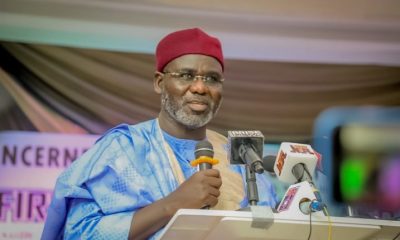

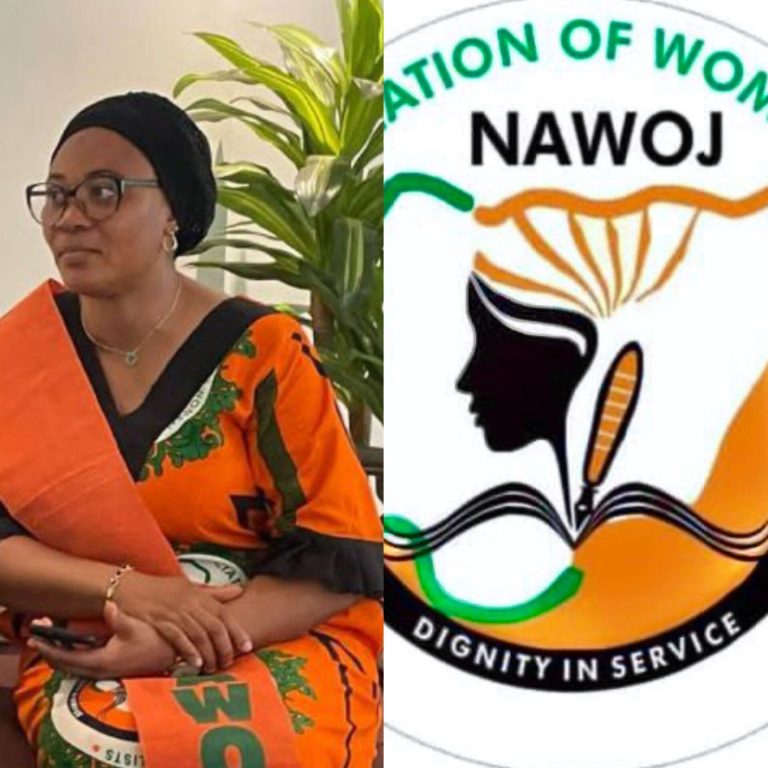
NAWOJ: SEKINAT, CHARITY GETS VOTE OF CONFIDENCE
The Nigeria Association of Women Journalists,(NAWOJ), Ogun State Chapter Executives has unanimously passed a vote of confidence on Chairman NAWOJ SEKINAT Salam and the Financial Secretary, Charity James, saying that, their leadership reflect the ideal and objectives of NAWOJ.
This was revealed in a communique issued at an Emergency meeting of the Executive held at the NUJ State Council, Iwe-Iroyin in Abeokuta.
The vote of confidence on the Leadership of NAWOJ was unanimously signed by all the five executive members that attended the meeting with the vice chairperson taking apology for official engagement outside the state capital.
According to the communique ” Consequently, NAWOJ Ogun State Chapter, reaffirms it’s unwavering support and confidence in the Chairperson and the Financial Secretary, Sekinat Salam and Charity James respectively, Urge them to continue in their commitment to purposeful leadership in the best interest of the association and the society at large”.
Speaking briefly with Journalists after the emergency Executive meeting, the Chairperson, Nigeria Association of Woman Journalists (NAWOJ), Com. Sekinat Salam, said the meeting was necessary as the news of her suspension was laughable and insulting because it is like a pot calling a kettle black in this case, saying that the Leadership of the State Council, Com. Wale Olanrewaju has no local standing to suspend her or any executive member, even he cannot be a judge in his own case.
According to her” The Leadership of the Nigeria Union of Journalists, Ogun State led by Wale Olanrewaju has always been misusing power without recourse to the constitution of this noble Union, hence has no local standing to suspend me or any executive member “.
She said only the Central Working Committee (CWC) has the constitutional rights to sanction or suspend any members found wanting after due process has been followed.
While calling on members to stay calm, Com. Sekinat Salam assured members of positive representation of NAWOJ at both the State and National level, adding the success recorded under her administration cannot be overemphasized.
She therefore called on the National leadership of NUJ to critically look into the matter, either by setting up independent committee to investigate the issues and resolve the matter as quickly as possible.

Adron Homes Chairman Congratulates Oyo State on 50 Years of Progress
The Chairman and Chief Executive Officer of Adron Homes and Properties Limited, Aare Adetola Emmanuelking, has congratulated the Government and people of Oyo State as the state marks its 50th anniversary, describing the occasion as a celebration of resilience, cultural pride, and sustained progress.
He noted that since its creation, Oyo State has remained a strong contributor to Nigeria’s socio-economic and cultural development, emerging as a hub of commerce, education, and innovation.
According to him, the Golden Jubilee offers a moment for reflection and renewed commitment by government, private sector players, traditional institutions, and citizens toward building a more inclusive and prosperous state.
Aare Emmanuelking commended the state’s ongoing transformation through investments in infrastructure, economic expansion, and human capital development, adding that sustainable growth is deliberate and must remain purpose-driven.
He also praised the leadership of the current administration while acknowledging the contributions of past leaders whose efforts laid the foundation for today’s Oyo State.
Reaffirming Adron Homes’ commitment to national development, he described Oyo State as a land of opportunity. He wished the state continued peace and prosperity, expressing confidence that the next fifty years will bring even greater achievements for the Pace Setter State and its people.
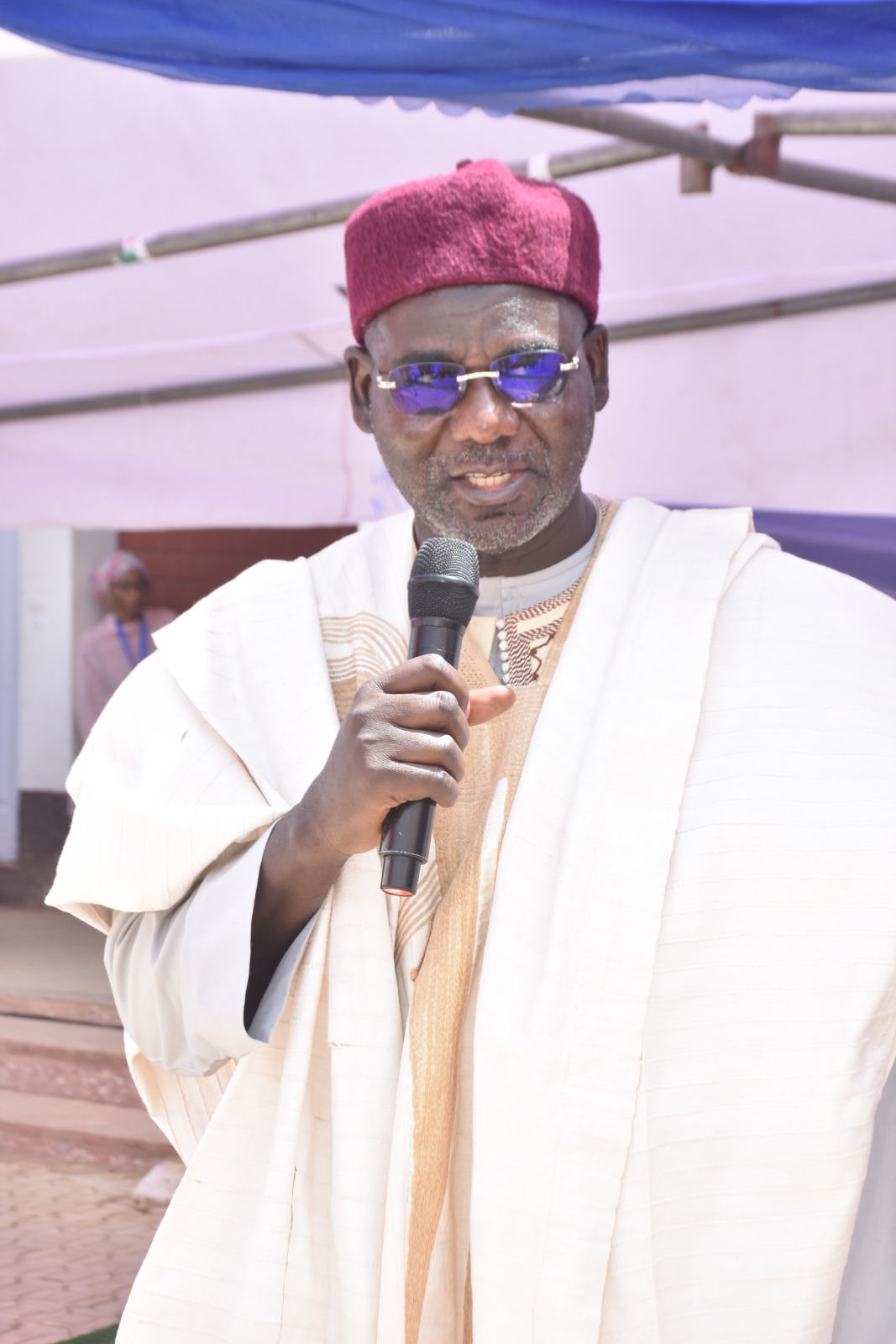
TY BURATAI HUMANITY CARE FOUNDATION CONDOLES WITH BIU EMIRATE OVER TRAGIC ATTACK
In a profound expression of sorrow, the TY Buratai Humanity Care Foundation has extended its heartfelt condolences to the families of the victims and the entire people of Biu Emirate, Borno State, following the recent tragic attack attributed to Boko Haram. This devastating assault, which occurred at a work site in northeastern Nigeria, claimed the lives of dozens, including brave soldiers committed to protecting the nation.
In a statement released to the press and signed by the Chairman of the foundation, Ibrahim Dahiru Danfulani Sadaukin Garkuwan Keffi/Betara Biu, the Grand Patron of the Foundation, His Excellency Amb. Lt. Gen. Tukur Yusufu Buratai CFR (Rtd), former Chief of Army Staff, described the incident as “one too many senseless, barbaric, and ruthless displays of inhumanity.” His Excellency emphasized the heartbreaking impact of such attacks on innocent, hardworking citizens striving to make a positive difference in their communities.
The Grand Patron praised the swift and decisive response of military personnel during this critical time, underscoring their brave commitment to safeguarding the nation. He called upon them to maintain this momentum, commending their courage and sacrifice in the face of adversity. “May Almighty Allah forgive their souls and grant them Aljannah Firdouse,” he remarked, encouraging the nation to honor their spirit of sacrifice as they rally together to rebuild and restore hope across the region.
In his statement, Gen. Buratai highlighted the importance of collective action in overcoming the challenges posed by insecurity, urging concerned citizens to increase their efforts in fostering a virile community that future generations can cherish. “Together, we can surmount these troubles,” he asserted, calling on all patriotic leaders and citizens to unite in the fight against violence and insecurity.

The TY Buratai Humanity Care Foundation remains committed to supporting initiatives that promote peace, security, unity, and prosperity. As the foundation extends its condolences to the bereaved, it also calls upon all segments of society to collaborate in creating a better and safer future. May Allah guide and protect the nation and lead it toward enduring peace. Amen.


-

 celebrity radar - gossips6 months ago
Why Babangida’s Hilltop Home Became Nigeria’s Political “Mecca”
-

 society6 months ago
Power is a Loan, Not a Possession: The Sacred Duty of Planting People
-

 Business6 months ago
Batsumi Travel CEO Lisa Sebogodi Wins Prestigious Africa Travel 100 Women Award
-

 news6 months ago
THE APPOINTMENT OF WASIU AYINDE BY THE FEDERAL GOVERNMENT AS AN AMBASSADOR SOUNDS EMBARRASSING