Connect with us

society

“You Are Never Without Help” – Pastor Gebhardt Berndt Inspires Hope Through Empower Church (Video)

Published

on

“You Are Never Without Help” – Pastor Gebhardt Berndt Inspires Hope Through Empower Church (Video) 

By FEMI OYEWALE

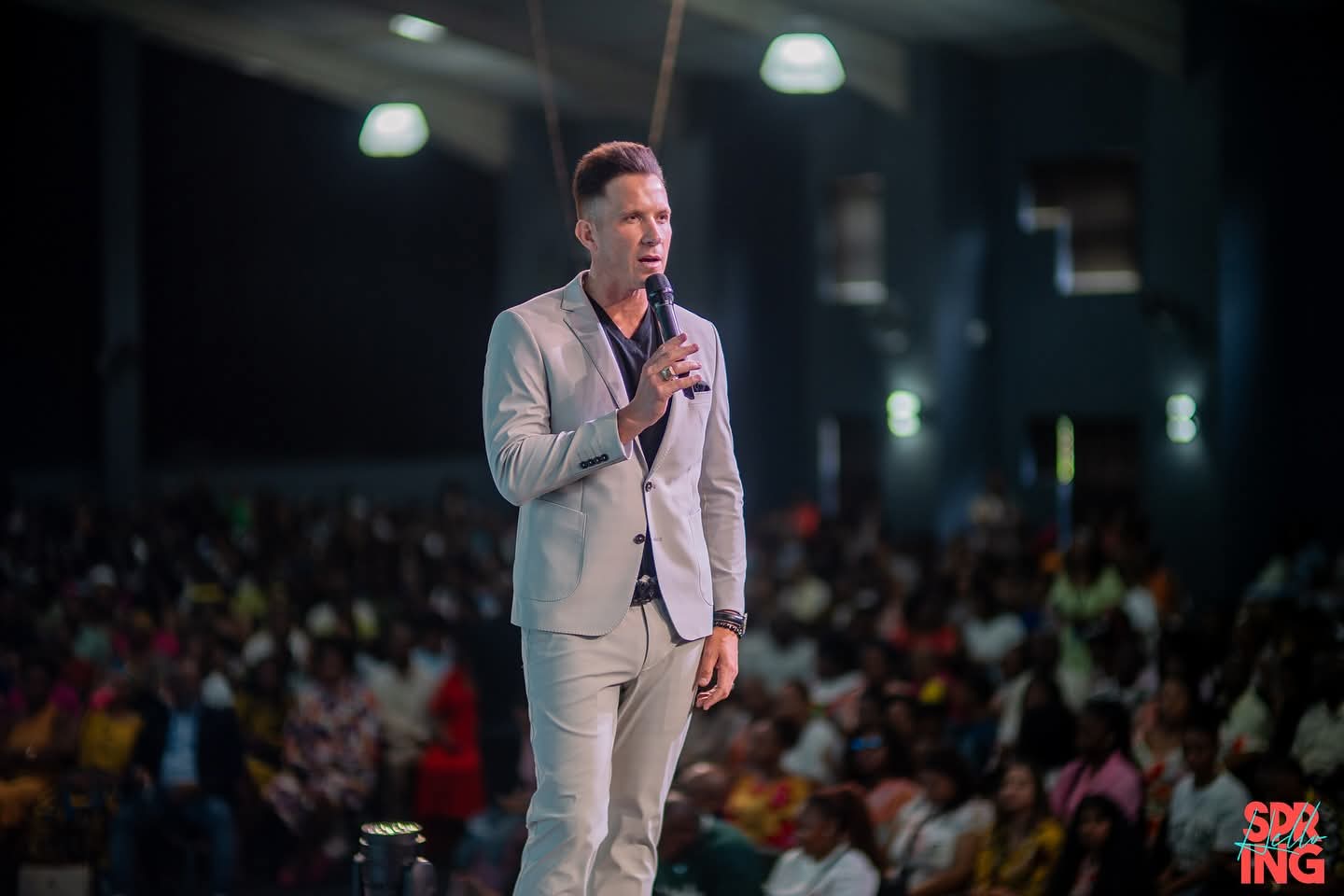
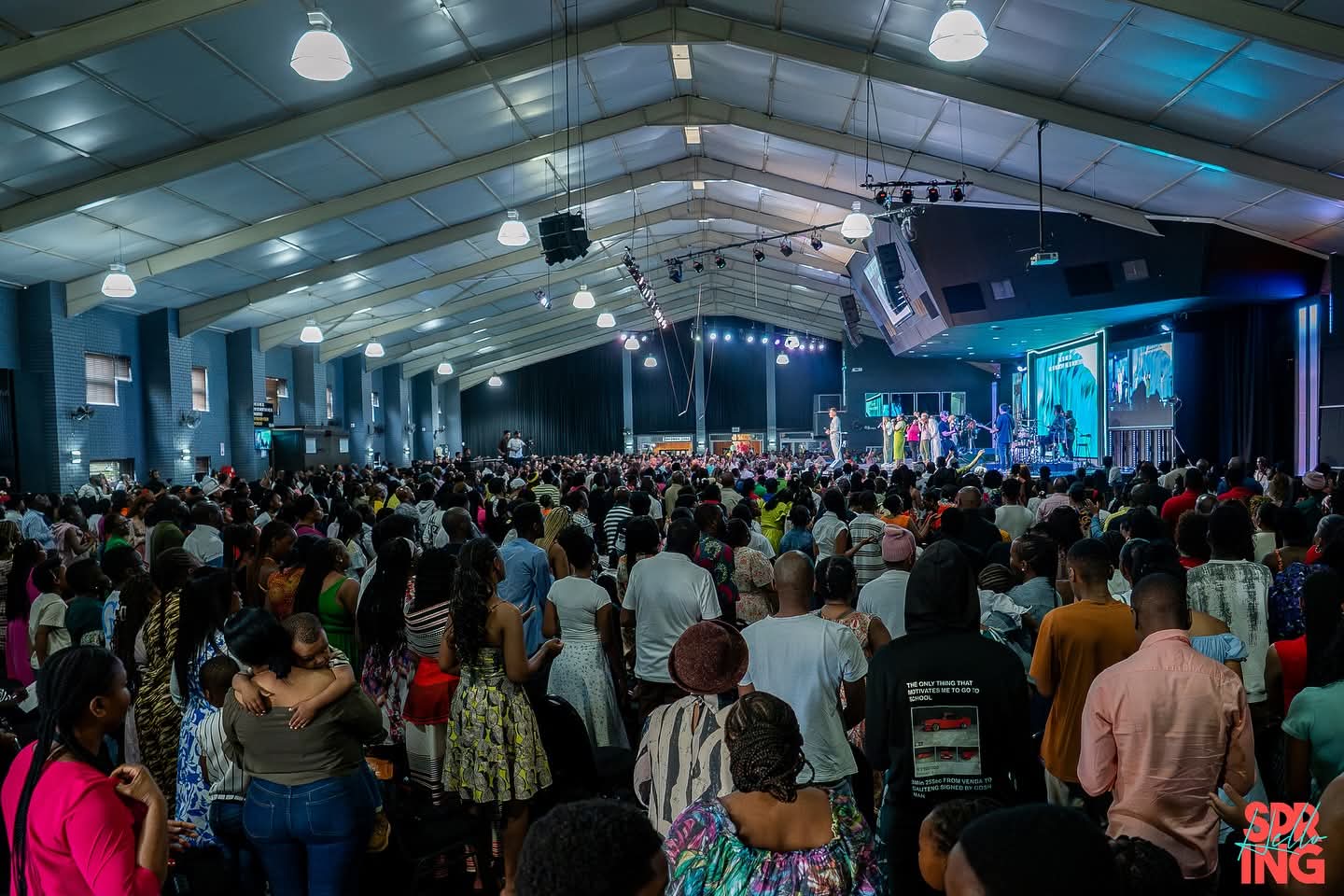
Pretoria, South Africa – In a world often weighed down by uncertainty, Pastor Gebhardt Berndt of Empower Church is lighting a path of hope and resilience. His latest message, “Help me God is not a cry of weakness; it’s the call of a believer who knows they are not alone,” is stirring hearts and changing perspectives across his growing community.
For Pastor Berndt, the phrase “Help me God” is not a desperate plea but an act of faith. He reminds believers that the Holy Spirit is not a distant idea but an ever-present Helper — “ready, willing, and present to guide, strengthen, and walk with you through every moment of your journey.”
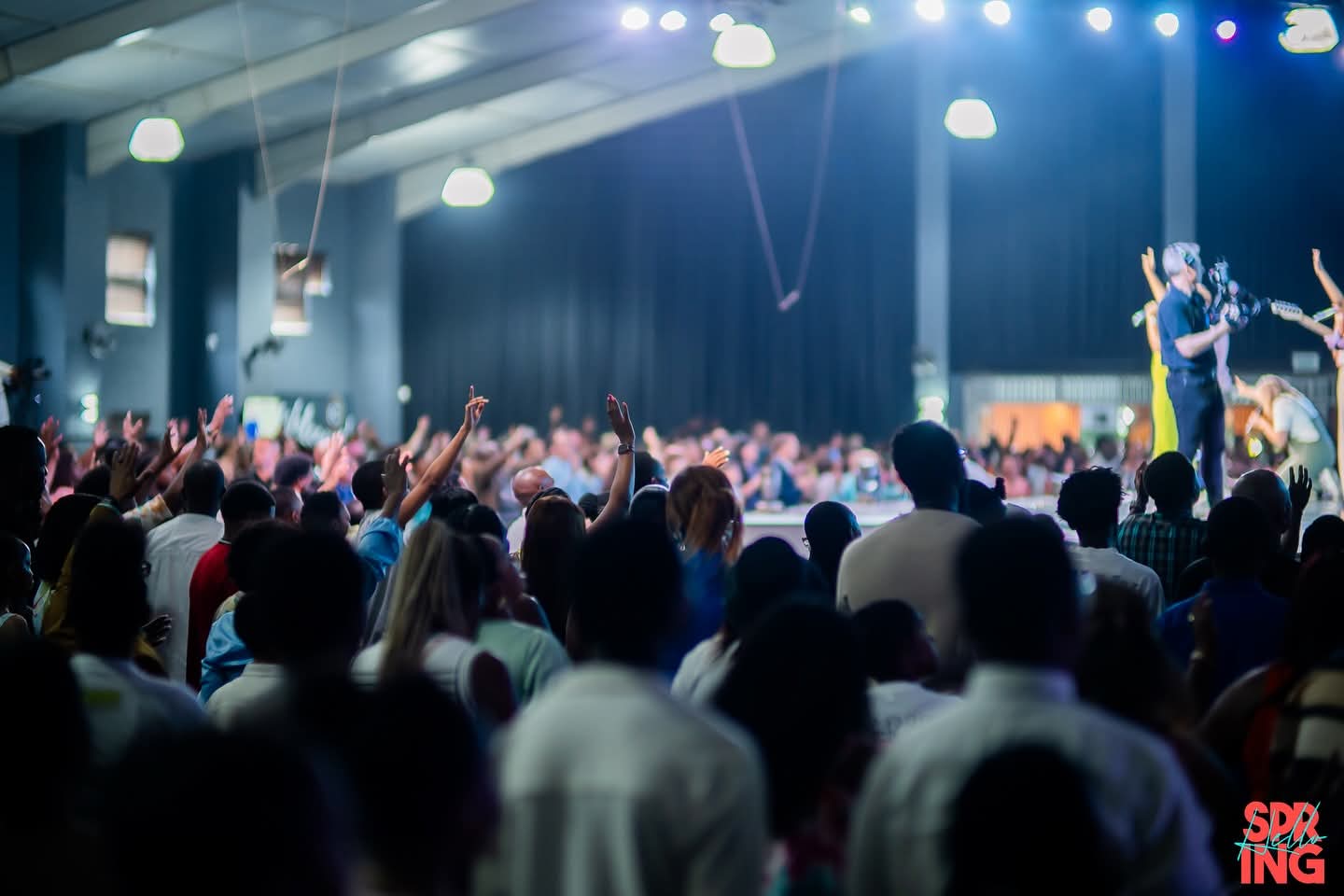
This message captures the heartbeat of Empower Church, which has become a hub of transformation in Pretoria and beyond. Through dynamic worship, community outreach, and empowering teachings, Pastor Berndt has been equipping individuals not just to cope with life’s challenges but to thrive in spite of them.
Members of the church testify that their lives have been deeply impacted. Families are restored, young people are discovering purpose, and professionals are learning to carry faith into their workplaces. The church’s programs extend beyond Sunday services, including mentorship initiatives, leadership development, and practical acts of service to the community.
“You Are Never Without Help” – Pastor Gebhardt Berndt Inspires Hope Through Empower Church (Video) 

By FEMI OYEWALE
“Pastor Gebhardt teaches us that we are never without help,” said one congregant. “That truth has given me strength to overcome situations that once felt impossible.”
As the Empower Church movement grows, so does its influence. Pastor Berndt’s teachings emphasize a personal relationship with God, reliance on the Holy Spirit, and the belief that faith is a daily walk — not a religious ritual.
In his own words: “You are never without help. Just ask.”
For many, that message has become more than words; it has become a lifeline.
“You Are Never Without Help” – Pastor Gebhardt Berndt Inspires Hope Through Empower Church (Video) 

By FEMI OYEWALE
Sahara weekly online is published by First Sahara weekly international. contact [email protected]

society

The Lootocracy: Why Nigeria Bleeds Despite Its Riches

Published

on

The Lootocracy: Why Nigeria Bleeds Despite Its Riches.

By George Omagbemi Sylvester | Published by SaharaWeeklyNG.com

“From SENATORS padding budgets to GOVERNORS hoarding salaries, from MINISTERS stealing oil money to ORDINARY NIGERIANS demanding bribes – CORRUPTION is not just in government, it is in the people. Nigeria’s curse is not resources, but the greed that runs through POWER and SOCIETY.”

The Grand Theft Called Governance. Nigeria, the so-called “GIANT of AFRICA,” sits on vast oil reserves, fertile land and an energetic population of over 220 million. Yet it remains one of the poverty capitals of the world. Why? Because the wealth of the nation has been consistently looted, not only by PRESIDENT’S and MILITARY RULERS, but by SENATORS, MINISTERS, GOVERNORS, LOCAL GOVERNMENT CHAIRMEN and tragically, by ORDINARY CITIZENS who participate in the culture of corruption.

According to the Nigeria Extractive Industries Transparency Initiative (NEITI), over $582 billion in oil revenue has disappeared through corruption and mismanagement since independence in 1960. This figure is almost double Nigeria’s current GDP. While nations like the UAE and Qatar used oil wealth to build futuristic cities, Nigeria’s leaders turned oil into a curse, looting it to build mansions in Dubai, buy apartments in London and stash billions in Swiss accounts.

As Thomas Sankara, the revolutionary leader of Burkina Faso, once said: “A soldier without any political education is a potential criminal.” In Nigeria, leaders without moral education became criminals in power.

PRESIDENT’S and HEADS of STATE: The Original Looters. It would be hypocritical to discuss looting without mentioning Nigeria’s presidents and military rulers. General Sani Abacha, who ruled from 1993 to 1998, looted an estimated $5 billion, part of which is still being repatriated from Switzerland and the U.S. today. His name remains a global synonym for kleptocracy.

Olusegun Obasanjo’s civilian regime (1999–2007), though hailed for debt relief, was dogged by corruption in privatization deals. Power sector contracts worth $16 billion vanished with little to show in electricity supply.

Goodluck Jonathan’s administration (2010–2015) witnessed unprecedented oil theft, with former Central Bank Governor Sanusi Lamido Sanusi alleging that $20 billion was missing from NNPC accounts.

Even today, Bola Ahmed Tinubu, Nigeria’s current president, is frequently accused by opposition and civil groups of building a vast political and financial empire on questionable sources, echoing the pattern of looting entrenched in Nigerian politics.

As Chinua Achebe declared in The Trouble with Nigeria: “The trouble with Nigeria is simply and squarely a failure of leadership.”

SENATORS: Millionaires in Robes. Nigeria’s National Assembly is one of the most expensive in the world. According to a 2018 report by The Economist, each Nigerian senator earns over $450,000 annually in salaries and allowances, in a country where the minimum wage is less than Us$50 (₦30,000/₦70,000, though in some states). Beyond their bloated pay, senators pad budgets, demand kickbacks for constituency projects and sometimes pocket funds for projects that never exist.

In 2020, an investigation revealed that billions allocated to “CONSTITUENCY PROJECTS” across Nigeria had either been abandoned or poorly executed. Roads that were supposed to be built remain death traps, health centers remain uncompleted and water boreholes remain dry; yet the money was collected.

Nelson Mandela once said: “Overcoming poverty is not a gesture of charity, it is an act of justice. It is the protection of a fundamental human right.” Nigerian senators, instead of fighting poverty, have institutionalized injustice.

MINISTERS and Oil Barons: The Big Thieves. No sector has been looted like Nigeria’s oil industry. Under Diezani Alison-Madueke, petroleum minister during Jonathan’s administration, billions vanished through shady oil deals. The U.S. Department of Justice seized over $144 million in assets linked to her alleged corruption, including luxury homes and jewelry.

Oil subsidies have also been a cash cow for thieves. In 2012, a government probe revealed that ₦1.7 trillion ($10 billion) was fraudulently claimed by fuel importers and government officials. Instead of subsidizing fuel for the masses, the scheme became a pipeline of wealth into private pockets.

GOVERNORS: Lords of the States. State governors, often referred to as “EMPERORS in AGBADA,” control billions in federal allocations. Many treat their states as personal estates. Former Delta State Governor James Ibori was convicted in the UK in 2012 for laundering over $250 million. In 2021, the British government returned £4.2 million of his loot.

In Plateau State, former Governor Joshua Dariye was jailed for embezzling ₦1.1 billion meant for ecological projects. Former Taraba Governor Jolly Nyame was convicted for diverting ₦1.6 billion of state funds. The list goes on.

Meanwhile, ordinary workers in these states often go months without salaries, pensioners die waiting for payments and infrastructure collapses.

LOCAL GOVERNMENT: The Forgotten Looters. At the grassroots, local government Chairmen (who should be closest to the people) often act as petty kings. Federal allocations to LGAs run into billions annually, but most Nigerians can hardly point to functioning primary schools, healthcare centers or roads built by their local governments. Instead, the funds vanish into private accounts, with no accountability.

The People’s Complicity. It is easy to point fingers at leaders, but ordinary Nigerians are also complicit. Police officers DEMAND ₦1000 bribes on the highways. Civil servants INFLATE contracts. Market women ADD “extra charges” to customers. Parents pay to SECURE jobs for their children. When corruption becomes a way of life, leadership simply reflects the people.

As Plato warned centuries ago: “The price good men pay for indifference to public affairs is to be ruled by evil men.” Nigerians who normalize corruption are silently paving the way for more looters in power.

The Cost of Looting. The consequences of looting are everywhere. Nigeria has over 133 million people living in multidimensional poverty, according to the National Bureau of Statistics (2022). Roads are death traps, hospitals lack equipment and universities go on endless strikes. The country, once an agricultural powerhouse, now imports basic food items.

Every billion stolen is a hospital unbuilt, a school unfunded, a road unrepaired and a job lost. Looting is not an abstract crime; it kills, slowly but surely.

Nigeria’s Looting in Numbers

$582 Billion – Oil revenue lost to corruption since 1960 (NEITI).

133 Million Nigerians – Living in multidimensional poverty (NBS, 2022).

$450,000/year – What each senator earns in salaries and allowances (The Economist).

$5 Billion – Looted by General Sani Abacha alone (World Bank/DOJ).

₦1.7 Trillion ($10 Billion) – Fuel subsidy fraud uncovered in 2012.

$16 Billion – Power sector funds under Obasanjo’s watch, with little result.

£250 Million – James Ibori’s stolen wealth laundered abroad (UK conviction).

₦30,000/₦70,000 (less than $50) – Nigeria’s minimum monthly wage.

“Every billion stolen is a hospital unbuilt, a school unfunded, a road unrepaired and a job lost.”

A Call to Reckoning. Nigeria cannot continue like this. As Ngozi Okonjo-Iweala, Director-General of the World Trade Organization, once said: “Corruption is the single biggest obstacle to Nigeria’s development.” Until looters (from presidents to LG chairmen, from senators to citizens) are punished and systemic reforms are enforced, Nigeria will remain trapped in underdevelopment.

The people must also rise. Protests like #EndSARS showed that Nigerians can mobilize against injustice. Anger must now move beyond hashtags. Citizens must demand accountability at every level, vote out corrupt politicians and refuse to normalize bribery in daily life.

The Way Forward: Nigeria needs a rebirth. A rebirth where OIL WEALTH builds industries, not foreign mansions. Where SENATORS legislate for the people, not for their pockets. Where GOVERNORS become servants, not emperors. Where LOCAL GOVERNMENTS bring development, not decay. Where CITIZENS reject corruption in all its forms.

The looting of Nigeria’s wealth is not just a failure of government; it is a betrayal by an entire system. The time has come to end this betrayal.

The Lootocracy: Why Nigeria Bleeds Despite Its Riches.
By George Omagbemi Sylvester | Published by SaharaWeeklyNG.com

Continue Reading

society

ONDO STATE GOVERNMENT REAFFIRMS COMMITMENT TO QUALITY HEALTHCARE, CLARIFIES STATUS OF IGBARA-OKE GENERAL HOSPITAL.

Published

on

ONDO STATE GOVERNMENT REAFFIRMS COMMITMENT TO QUALITY HEALTHCARE, CLARIFIES STATUS OF IGBARA-OKE GENERAL HOSPITAL.

ONDO STATE GOVERNMENT REAFFIRMS COMMITMENT TO QUALITY HEALTHCARE, CLARIFIES STATUS OF IGBARA-OKE GENERAL HOSPITAL.

The Ondo State Government has reaffirmed its commitment to delivering quality healthcare services across the state, clarifying recent reports about the condition of Igbara-Oke General Hospital in Ifedore Local Government Area.

Commissioner for Health, Dr. Banji Ajaka, in a statement noted that contrary to claims of abandonment and inadequate staffing, the hospital is fully functional and adequately manned with a diverse workforce of 138 personnel spanning various critical departments.

ONDO STATE GOVERNMENT REAFFIRMS COMMITMENT TO QUALITY HEALTHCARE, CLARIFIES STATUS OF IGBARA-OKE GENERAL HOSPITAL.

According to him, the hospital currently has seven doctors, three optometrists; two dental officers (with one seconded to the Dental Headquarters); 27 nurses including the Head Nurse Supervisor; as well as seven pharmacy technicians, seven laboratory scientists, and eight laboratory technicians and lots more.

Dr. Ajaka emphasized that the facility is also powered by solar energy supported by an inverter system, ensuring sustainable electricity supply to reduce downtime in service delivery. He added that the state government has been consistently investing in human resources, infrastructure, and medical equipment across its secondary health facilities, including Igbara-Oke.

He reassured residents of Ifedore and its environs that pregnant women and other patients have access to skilled healthcare professionals and that the government remains committed to further strengthening services at the hospital.

“The Governor Lucky Aiyedatiwa-led administration places high premium on the health and wellbeing of our people. Igbara-Oke General Hospital is not a symbol of neglect, but a working healthcare facility staffed with competent personnel who are daily serving the needs of our citizens. We will continue to improve infrastructure and service delivery in line with our vision for a healthier Ondo State,” Dr. Ajaka said.

The Commissioner, however, acknowledged that like many public health institutions nationwide, there are areas requiring improvement, and assured that the ministry is addressing them through ongoing reforms and partnerships.

Continue Reading

society

Speaker Obasa Celebrates Nigeria-China Strategic Partnership at China’s 76th Anniversary

Published

on

Speaker Obasa Celebrates Nigeria-China Strategic Partnership at China’s 76th Anniversary


Speaker of the Lagos State House of Assembly, Rt. Hon. Dr. Mudashiru Ajayi Obasa, joined dignitaries across the Diplomatic Corps, Government, Corporate Nigeria, and Industries to celebrate the People’s Republic of China’s 76th anniversary at a colourful celebration held in the Grand Ballroom of the Oriental Hotel, Victoria Island, Lagos, on Monday, September 22.

In his keynote speech on the ‘Nigeria-China Comprehensive Strategic Partnership’, Speaker Obasa extended heartfelt congratulations to the government and people of China on the historic milestone and toasted to stronger ties between the two nations, which share October 1st as their Independence Day.

He traced Nigeria and China’s strong and enduring partnership to the establishment of diplomatic ties in 1971, and commended their treatment of each other as equals and with mutual respect. According to him, the relationship between the two countries has withstood the tumults of international changes, but mutual trust has been enhanced continuously while practical cooperation has yielded fruitful outcomes.

He cited a recent media report credited to the Consul General of China in Lagos, Yan Yuqing, who said that bilateral trade between China and Nigeria reached $15.48 billion between January and July 2025. The Speaker also referenced the renewal of a 15 billion Yuan ($2 billion) currency swap agreement, which is expected to strengthen cooperation and promote bilateral trade and investment between both countries, and streamline trade transactions by eliminating the need for US dollars as an intermediary currency.

Not forgetting also, the Speaker continued, the upgraded military partnership between the two countries, with China focusing on local arms production and military training as part of efforts to improve security in Nigeria and across Africa, which he said is already bearing fruit.

He linked these significant outcomes to the resolutions reached during President Bola Ahmed Tinubu’s State Visit in September 2024, to China and to attend the Beijing Summit of the Forum on China-Africa Cooperation (FOCAC), principal of which is a Comprehensive Strategic Partnership which primary focus is to build a high-level China-Nigeria Community with a shared future, underpinned by strategic mutual trust and support for core interests, including sovereignty and territorial integrity.

Speaker Obasa Celebrates Nigeria-China Strategic Partnership at China’s 76th Anniversary

“During the visit, President Xi Jinping and President Tinubu had a cordial and in-depth exchange on China-Nigeria relations as well as international and regional issues of mutual interest, Obasa recalled, adding, “The two Presidents agreed that both countries stood at a new historical starting point as significant representatives of major developing countries and emerging economies. And they resolved that their strengthened strategic cooperation will propel a new dynamic for China-Africa relations in the new era.”

Particularly, Speaker Obasa praised China’s support for the Renewed Hope Agenda of President Tinubu, which promotes economic development and improves people’s welfare, while maintaining national unity, social stability, security, and peace.

He also highlighted China’s contributions to infrastructure projects in Lagos, saying, “Lagos has witnessed remarkable growth through significant Chinese investments in the development of critical infrastructure such as roads, bridges, and rail systems, which have enhanced our economic landscape and enriched our societies.”

Obasa called for continued collaboration to address global challenges like climate change and economic inequality and expressed confidence in a shared prosperous future.

In her welcome address, Yuqing, the Chinese Consul General, said that the increase in trade volume reflected the growing strength of China-Nigeria relations, describing Nigeria as China’s second-largest trading partner in Africa. Yuqing corroborated Obasa’s declaration that the elevation of relations between both countries to a comprehensive strategic partnership at the 2024 Forum on China-Africa Cooperation (FOCAC) summit had created broader prospects for cooperation.

According to her, collaborations in infrastructure, energy resources, trade, culture, and education continue to deepen while bringing tangible benefits to the citizens of both nations. “Nigeria and China, guided by the principles of mutual respect and mutual benefit, and all-round cooperation, have yielded remarkable results,” she said.

Yuqing also commended the Chinese community in Nigeria for contributing to cultural exchanges, local development, and charity initiatives, urging them to remain bridge-builders in strengthening China-Nigeria friendship.

Speaker Obasa Celebrates Nigeria-China Strategic Partnership at China’s 76th Anniversary

Continue Reading

Cover Of The Week

Trending