
society
Some Lessons in Leadership for the Architects of Tomorrow

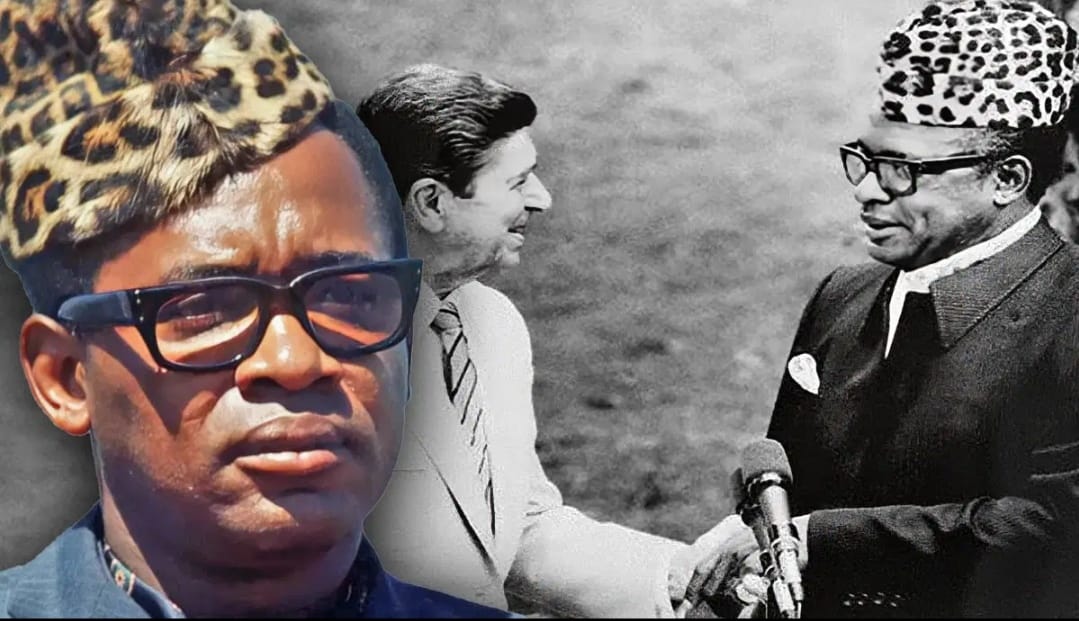
Some Lessons in Leadership for the Architects of Tomorrow.
By George Omagbemi Sylvester | Published by SaharaWeeklyNG.com
My Research about the Power of Ethical Leadership in Nation-Building.
A Call from History.
In the chronicles of African history, amidst the turbulence of post-colonial struggles and the shadows of corruption, there exist luminous episodes that stand as blueprints for transformative leadership. These stories are not mere anecdotes; they are moral compasses, urging us to reimagine governance as a sacred trust.
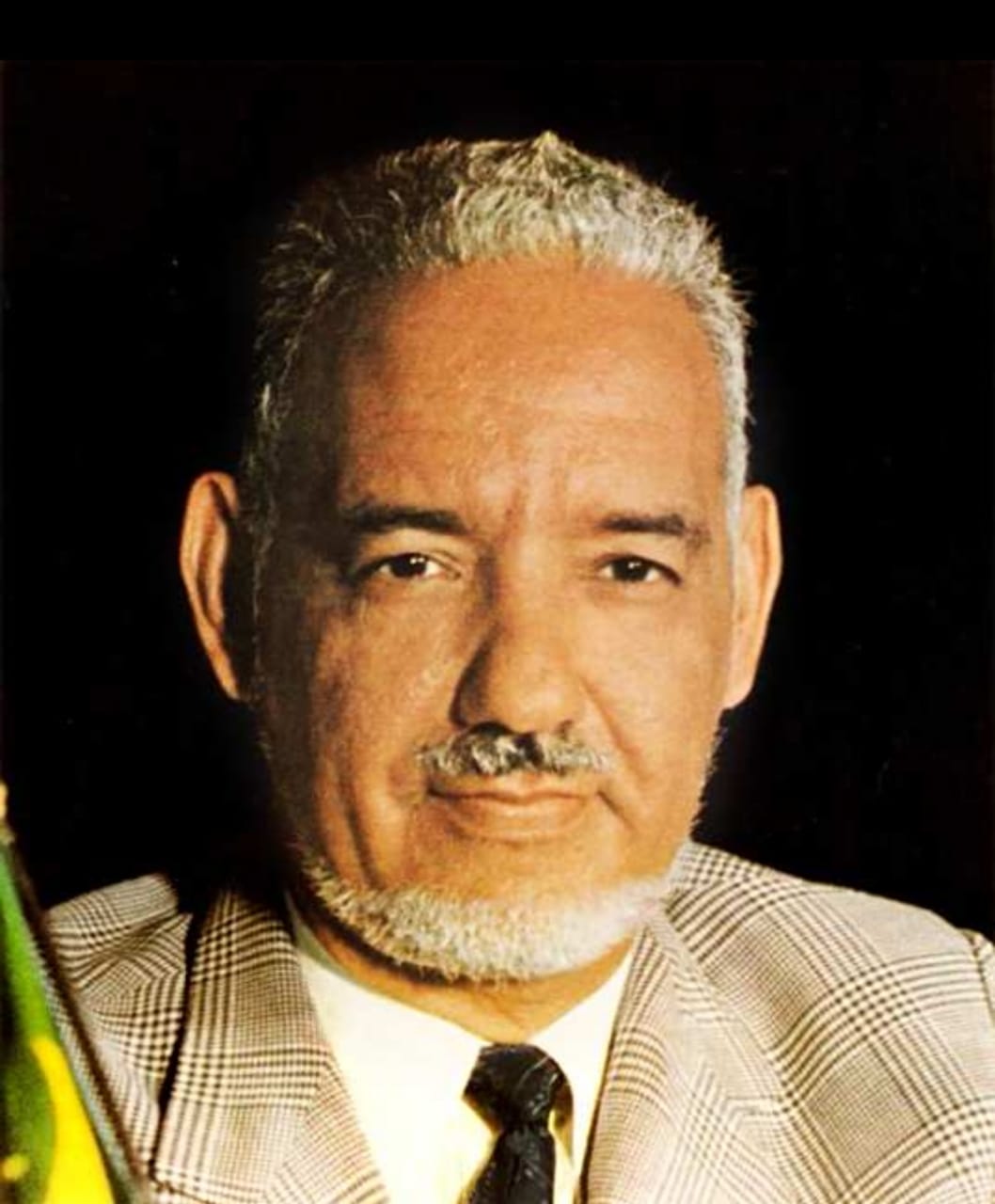
One such account, drawn from the annals of the 1970s, unveils a profound lesson in integrity, vision and national development. It is a story not only about TWO PRESIDENT’S but about TWO PATHS: one that reflects GENEROSITY and the other that demonstrates PURPOSE. Together, they offer timeless guidance for today’s leaders and the architects of tomorrow’s world.
A Tale of Two Presidents: Generosity Meets Purpose.
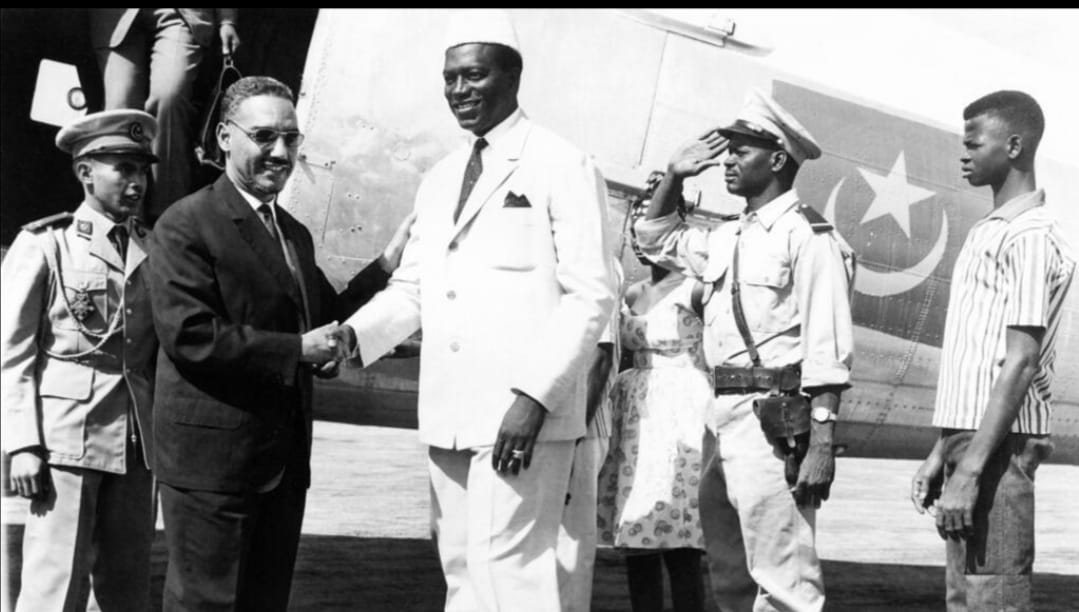
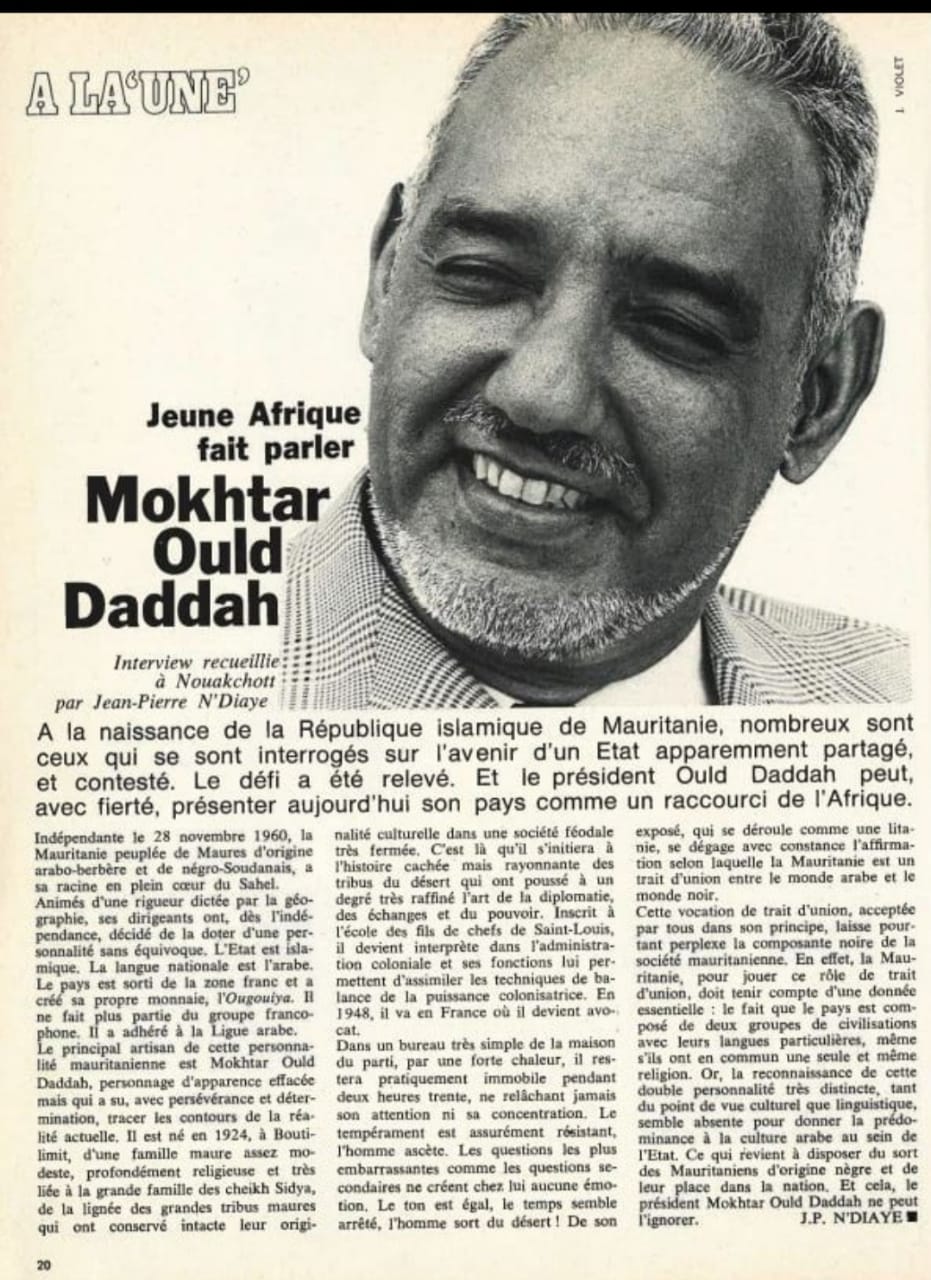
The year was 1973. General Mobutu Sese Seko, then-President of Zaire (now the Democratic Republic of Congo), embarked on a state visit to Mauritania. At that time, Mauritania was one of the poorest countries in Africa, still grappling with the harsh realities of nationhood after its liberation from French colonial rule.
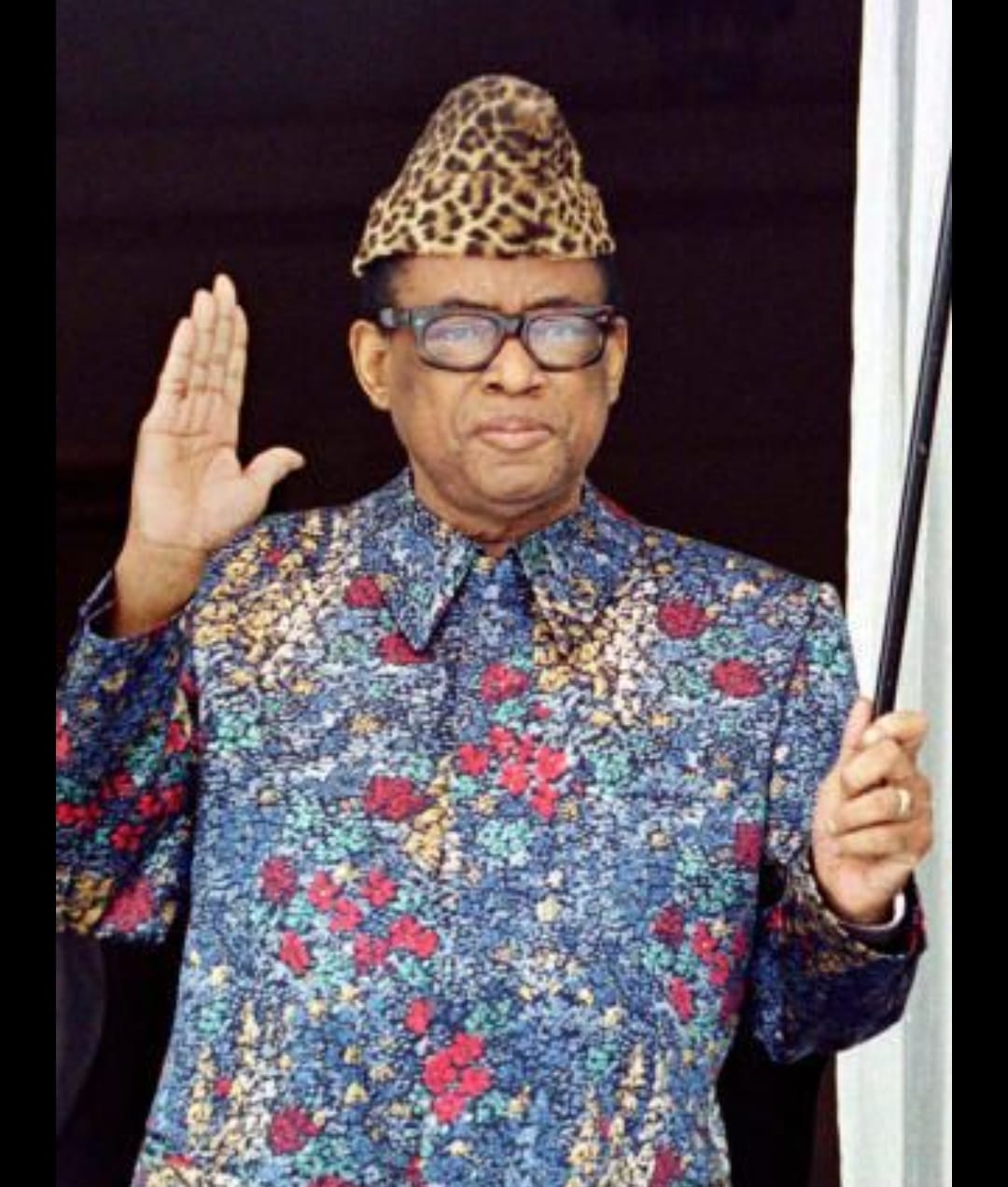
Leading this fledgling republic was President Moktar Ould Daddah, Mauritania’s first head of state. A man of modesty and simplicity, Moktar carried himself with quiet dignity. Yet, during the visit, Mobutu noticed something that struck him deeply. Over the course of three days of discussions and public appearances, Moktar wore the same suit.
For Mobutu, who was accustomed to the opulence of Parisian tailors and the pomp of presidential life, this was a startling revelation. His Mauritanian counterpart clearly lacked the resources to indulge in the luxuries befitting a head of state. Moved by this realization, Mobutu made a discreet gesture. He presented a check for $5 million to President Moktar’s secretary, accompanied by a note suggesting addresses of renowned Paris fashion houses. The intention was unmistakable: to help his host acquire a wardrobe that reflected the stature of a president.
A Gift Redirected: Prioritizing Nation Over Self.
What happened next, however, etched President Moktar’s name into the history books as a rare example of ethical leadership. When the check reached his hands, Moktar did not see it as a PERSONAL WINDFALL. Instead, he saw in it an OPPORTUNITY to ADDRESS one of Mauritania’s GREATEST CHALLENGES: the ACUTE SHORTAGE of TEACHERS.
Rather than splurge on fine clothing, he redirected the funds into the nation’s treasury. With that $5 million, Mauritania established and equipped the Higher School for Teachers Training, an institution that would become a cornerstone in the country’s fight against ILLITERACY and POVERTY.
This act was more than financial prudence. It was a bold declaration of values. Moktar made it clear that leadership is not about personal comfort but about the collective good. His choice reflected a conviction that education is the bedrock of national progress, the ONE INVESTMENT that yields GENERATIONAL DIVIDENDS.
Gratitude Etched in History.
Five years later, in 1978, Mobutu once again visited Mauritania on his way back from the United States. This time, something unexpected awaited him. The streets of Nouakchott were lined with banners and signs that read:
“Thank you, Zaire. Thank you, President Mobutu. Thank you for the gift.”
Perplexed, Mobutu turned to his host and asked why such messages adorned the capital. President Moktar then led him to the Teacher Training School and explained:
“This is your valuable gift. With the $5 million you gave five years ago, we built this institution to fight illiteracy and poverty. My people needed education not my personal extravagance.”
Mobutu, a man often criticized for his own excesses, was visibly moved. He embraced Moktar and admitted with a tone of regret:
“If only the rest of African leaders were like you, our continent would not be paralyzed by poverty, ignorance and underdevelopment.”
The True Moral Compass of Leadership.
The story of President Moktar Ould Daddah stands in stark contrast to the many African leaders who, cloaked in the rhetoric of patriotism, siphon national wealth for private indulgence. His humility and prioritization of collective progress over personal vanity set a timeless standard.
Moktar once explained his philosophy with refreshing candor:
“I draw my salary from the state treasury, so I am not working without compensation. That gift belonged to the Mauritanian people, not me. My appearance and clothing should reflect the reality of my people’s struggles. With education, we can conquer the barriers that hold us back.”
A Simplified Legacy of Service.
Even after leaving office, President Moktar maintained a life of simplicity. He passed away in 2003, leaving behind not palaces or secret accounts but a legacy of moral clarity. His residence (a modest three-room house) stood as a symbol of his disdain for luxury and his commitment to public service as a sacred trust.
This modest lifestyle amplified his credibility. It reminded the world that leadership is about stewardship, not ownership. Moktar’s story embodies a principle that must be restored in African governance: public service is a duty, not an entitlement.
The Challenge to Today’s Leaders.
This story is more than a HISTORICAL ANECDOTE; it is a mirror reflecting the moral choices confronting leaders today. It raises uncomfortable but necessary questions:
Do our leaders see power as a PLATFORM for SERVICE or a LICENSE for SELF-ENRICHMENT?
Do they measure success by the number of CARS in their CONVOYS or by the number of SCHOOLS and HOSPITALS they BUILD?
Do they embody the STRUGGLES of their PEOPLE, or do they INSULATE themselves in GLASS TOWERS far removed from REALITY?
For leaders who exploit the rhetoric of patriotism while pillaging their nations, Moktar’s story stands as a rebuke. For aspiring leaders, it is an invitation to emulate the virtues of selflessness, accountability and vision.
Modern Comparisons: Leadership in Our Time.
When we contrast Moktar’s legacy with modern realities, the lesson becomes even sharper. In Nigeria today, BILLIONS of NAIRA are squandered on LUXURY CONVOYS, PRESIDENTIAL PALACES and FOREIGN MEDICAL TRIPS, while PUBLIC UNIVERSITIES remain underfunded and doctors flee abroad. In South Africa, millions are wasted in corruption scandals like “STATE CAPTURE,” even as young people march for jobs and education.
Globally, we can see parallels. Leaders such as Nelson Mandela and Julius Nyerere chose modesty and service over personal enrichment. Mandela famously declared:
“Real leaders must be ready to sacrifice all for the freedom of their people.”
He lived those words, donating part of his salary and keeping his Soweto home even as president.
Similarly, Nyerere, affectionately called Mwalimu (the teacher), left office without riches but with dignity. He reminded us that:
“Leadership is not about power or privilege, it is about responsibility.”
On the economic front, leaders like Ngozi Okonjo-Iweala continue to show that integrity is not a weakness in governance but a strength. As she often notes:
“Corruption is dangerous because it distorts priorities, diverts resources and destroys trust.”
In stark contrast, leaders like Mobutu himself, who amassed billions while Zaire collapsed or others who loot their nations under the guise of patriotism, serve as cautionary tales. Their wealth bought them fleeting comfort, but their legacies remain symbols of betrayal.
Building a Future Through Ethical Leadership.
Tomorrow’s leaders must recognize that the strength of a nation lies not in its mineral wealth or natural resources but in its people, its institutions and its commitment to justice and equity. Education remains the most potent weapon against poverty and inequality.
As President Moktar demonstrated, a single ethical decision can echo across generations. One redirected gift built an institution that produced thousands of teachers, each shaping the minds of future leaders, workers and citizens. From one school, a nation’s destiny was altered.
This is the power of ethical leadership. It transforms gifts into opportunities, resources into institutions and moments into legacies.
A Legacy to Embrace.
The story of Moktar Ould Daddah is a beacon for the architects of tomorrow’s world. It is a reminder that integrity, humility and vision are not outdated ideals but essential tools for nation-building.
As Africa continues to grapple with corruption, inequality and underdevelopment, leaders must look back to examples like Moktar’s and draw courage to chart a different path. His legacy tells us that simplicity is not weakness, that service is not servitude and that ethical choices (no matter how small) can reshape a nation’s future.
Let this story inspire leaders across the globe to act with courage, integrity and an unwavering commitment to the collective good. In the words of President Moktar himself:
“With education, we can defeat the plagues that hinder our progress.”
This, indeed, is an amazing legacy to truly embrace without biased intentions.






society
Stakeholders Seek Urgent Reforms to Tackle Youth Unemployment at disrupTED EduKate Africa Summit
Stakeholders Seek Urgent Reforms to Tackle Youth Unemployment at disrupTED EduKate Africa Summit
By Ifeoma Ikem
Stakeholders in Nigeria’s education sector have called for urgent and scalable solutions to address the rising rate of youth unemployment, stressing the need for strengthened technical education and increased collaboration with the private sector to bridge existing skills gaps.
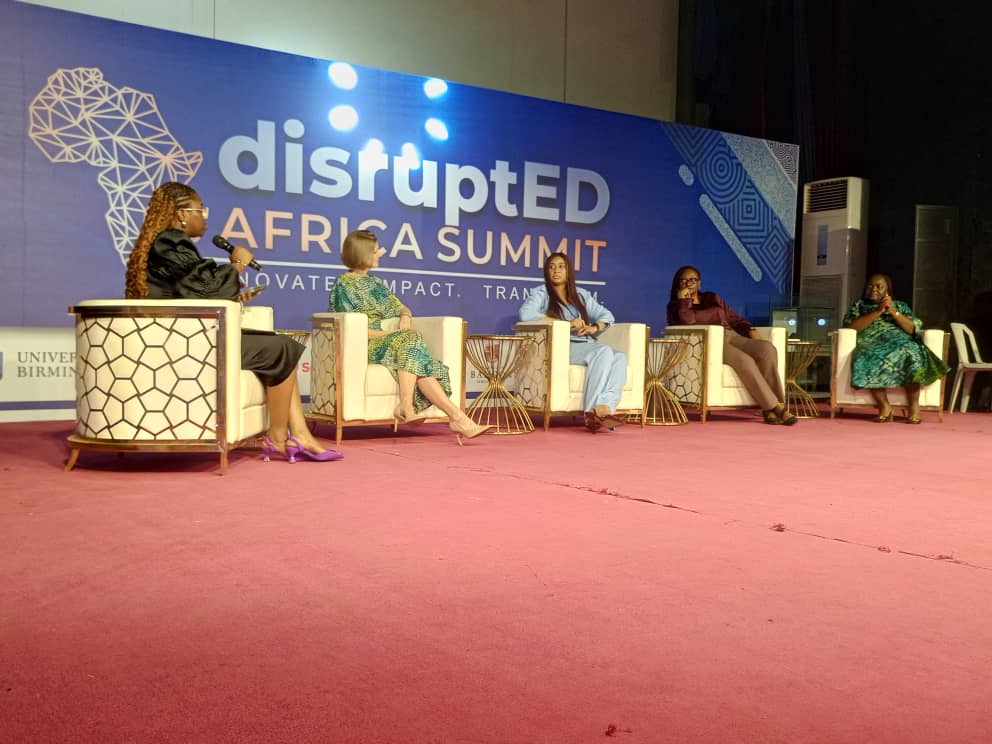
The call was made at the disrupTED EduKate Africa Summit 2026, a one-day leadership forum held at the University of Lagos, where participants examined the growing disconnect between education outcomes and labour market demands.
The summit brought together education leaders, private sector operators and development advocates to promote adaptive learning, practical skills acquisition and innovative financing models for Africa’s education sector.
Experts at the summit strongly advocated increased investment in technical and vocational education, noting that training programmes must reflect current industry realities and evolving labour market needs.
Speakers emphasised that Nigeria’s education system, particularly at the tertiary level, must urgently shift from certificate-driven learning to skills-based and experiential education aligned with global best practices.
Among the speakers were Deby Okoh, Regional Manager at Brunel University of London; Ashley Immanuel, Chief Operating Officer of Semicolon; Olapeju Ibekwe, Chief Executive Officer of Sterling One Foundation; and education advocate, Adetomi Soyinka.
The speakers highlighted the importance of continuous learning, teacher retraining and comprehensive curriculum reform to meet the demands of an increasingly technology-driven global economy.
They stressed that apprenticeship programmes, internships and hands-on training should be fully integrated into academic curricula, noting that over-reliance on theoretical qualifications has widened the employability gap among graduates.
In his remarks, Mr Tosin Adebisi, Director of EduKate Africa and convener of the summit, said the event was designed to challenge what he described as the education sector’s rigid attachment to outdated methods.
Adebisi said innovation must remain central to education reform, adding that stakeholders must rethink teaching methods, learning processes and approaches to solving challenges such as access to education, financing and employability.
He expressed confidence that sustainable solutions could be achieved through strong collaboration across education, private sector and development institutions.
Adebisi, alongside co-Director Mr Francis Omorojie, said the summit aimed at connecting stakeholders working across sectors to close existing skills and opportunity gaps for young people.
The summit also urged parents and educators to promote lifelong learning, critical thinking and adaptability among young people, stressing that education systems must evolve in line with global economic trends.
No fewer than 200 students from the University of Lagos, Lagos State University, Ojo, and other institutions participated in the summit, which was initially expected to host the Minister of Education, Dr Tunji Alausa.
In a welcome address, Prof. Olufemi Oloyede of the University of Lagos emphasised the need to shape young minds through innovation and positive thinking, noting that Africa’s development depends on the strategic use of its human and natural resources, as well as a shift towards creativity and innovation among youths.

Turning Point: Dr. Chris Okafor Resumes with Fresh Fire of the Spirit
-Steps onto the Grace Nation Pulpit After a Month-Long Honeymoon Retreat with Renewed Supernatural Power
By Sunday Adeyemi
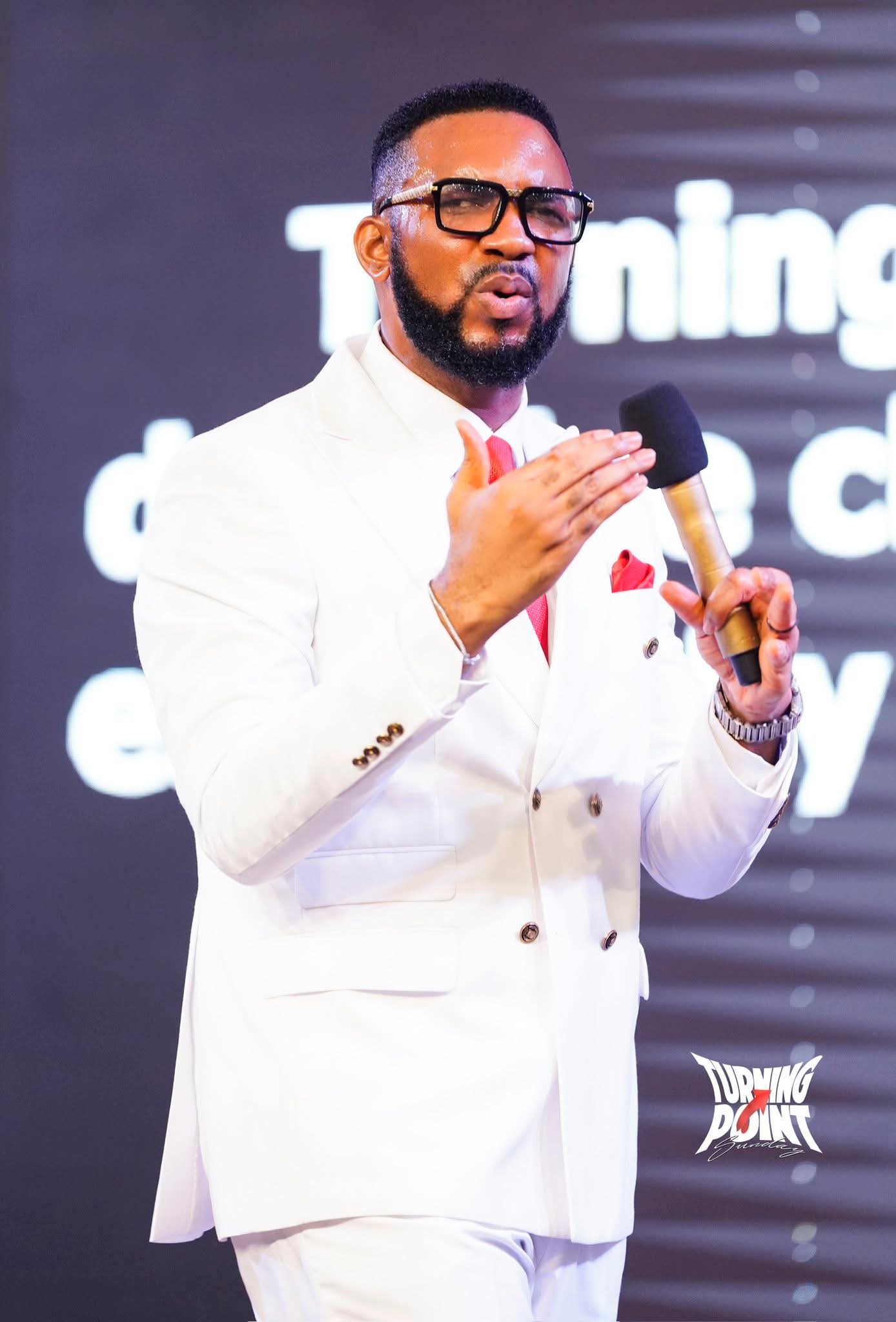
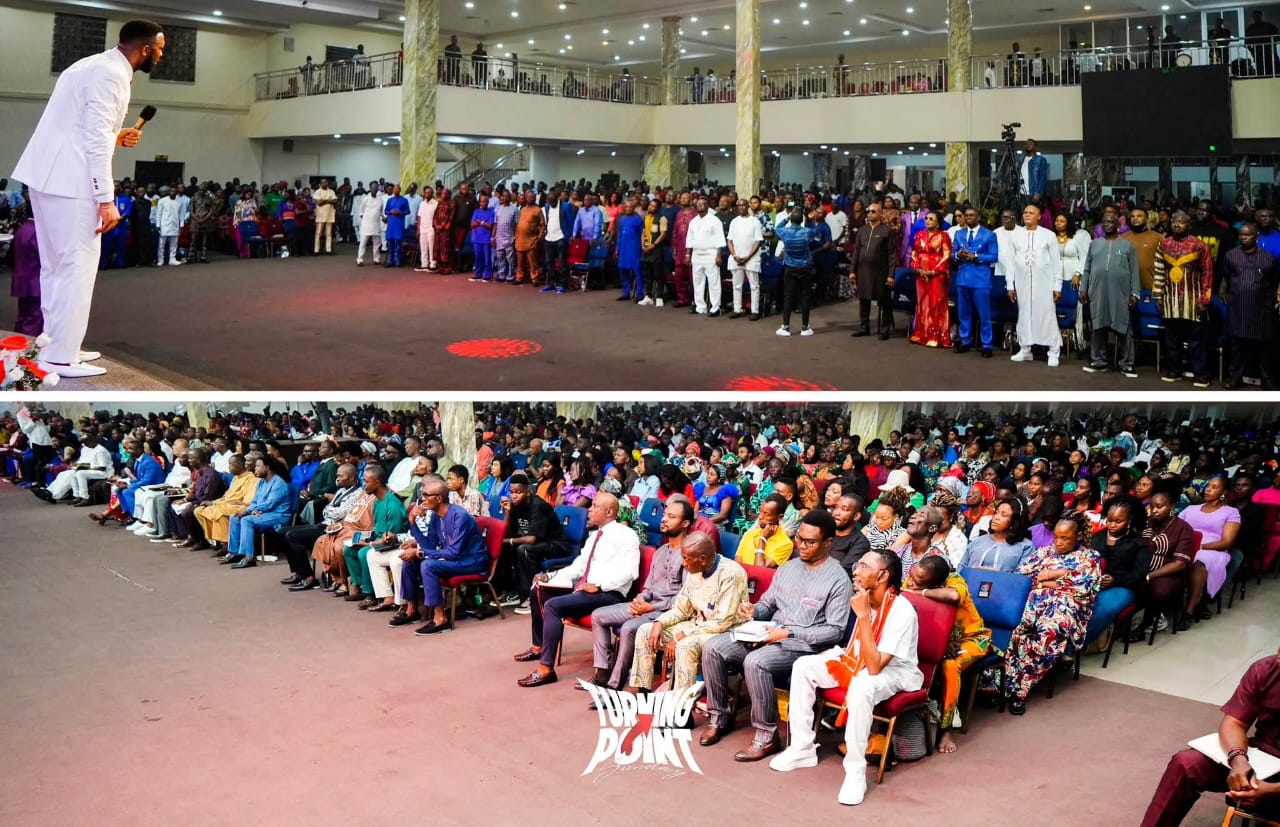
The much-anticipated February 1, 2026 “Turning Point” service of Grace Nation has come and gone, but its impact remains deeply etched in the hearts of Grace Nation citizens across the world. The significance of the day was unmistakable—it marked the official return of the Generational Prophet of God and Senior Pastor of Grace Nation Global, Dr. Chris Okafor, to active ministerial duty as the Set Man of the commission.
The date was particularly symbolic, as Dr. Okafor had taken close to one month away from the pulpit following his wedding late last year. The period served not only as a honeymoon but also as a season of rest, reflection, and intimate fellowship with God in preparation for a greater spiritual assignment ahead.
The atmosphere at Grace Nation was electric as the Generational Prophet and his wife were received with a heroic welcome, accompanied by prophetic praise, joyful dancing, and fervent prayers. It was a celebration of return, renewal, and readiness.
In his opening remarks, Dr. Chris Okafor declared that he had returned to fully pursue the mandate God entrusted to him—winning souls for the Kingdom of God. He issued a strong warning to the kingdom of darkness, stating that light and darkness cannot coexist. According to him, the season ahead would witness intensified spiritual engagement, as the Kingdom of God advances and the forces of darkness lose ground.
“This time,” the Generational Prophet affirmed, “it will be total displacement of darkness, as the light of God shines brighter than ever.”
The Message: Turning Point
Delivering a powerful sermon titled “Turning Point,” Dr. Okafor explained that a turning point is defined as a moment when a decisive and beneficial change occurs in a situation. He emphasized that such moments are often preceded by battles.
According to him, battles do not necessarily arise because one is doing wrong, but because God desires to reveal His power and teach vital lessons through them. Every genuine battle, he noted, carries divine involvement and purpose.
Addressing the question “Why must I fight a battle?” Dr. Okafor explained that individuals who carry extraordinary grace often encounter greater challenges. “When you carry what others do not carry,” he said, “the battles that come your way are usually bigger.”
Characteristics of a Turning Point
The Generational Prophet highlighted that when a person is firmly rooted in God, no storm can uproot them. A strong spiritual foundation ensures that no battle can shake one’s destiny. He explained that prayer does not eliminate battles, but preparation through prayer guarantees victory on the evil day.
“Battles push you into your turning point when you are rooted in the Spirit,” he stated, adding that a prayerful life is essential for sustained victory and elevation.
A Supernatural Service
The Turning Point service witnessed an extraordinary move of the Holy Spirit in a fresh dimension. Deliverance, healings, miracles, restoration, and diverse testimonies filled the atmosphere as worshippers encountered the power of God during the Sunday service.
In a related development, Dr. Chris Okafor officially commissioned the ultra-modern church restaurant, Fourthman Foodies, dedicating it to God for the benefit and use of Grace Nation citizens worldwide.
The February 1 service has since been described by many as a defining moment—one that signals a new spiritual season for Grace Nation Global. https://www.facebook.com/share/v/1B2Eh6B6wo/
Sunday Adeyemi is a Lagos-based journalist and society writer. He writes from Lagos.

Adron Homes Hails Ondo State at 50, Celebrates Legacy of Excellence
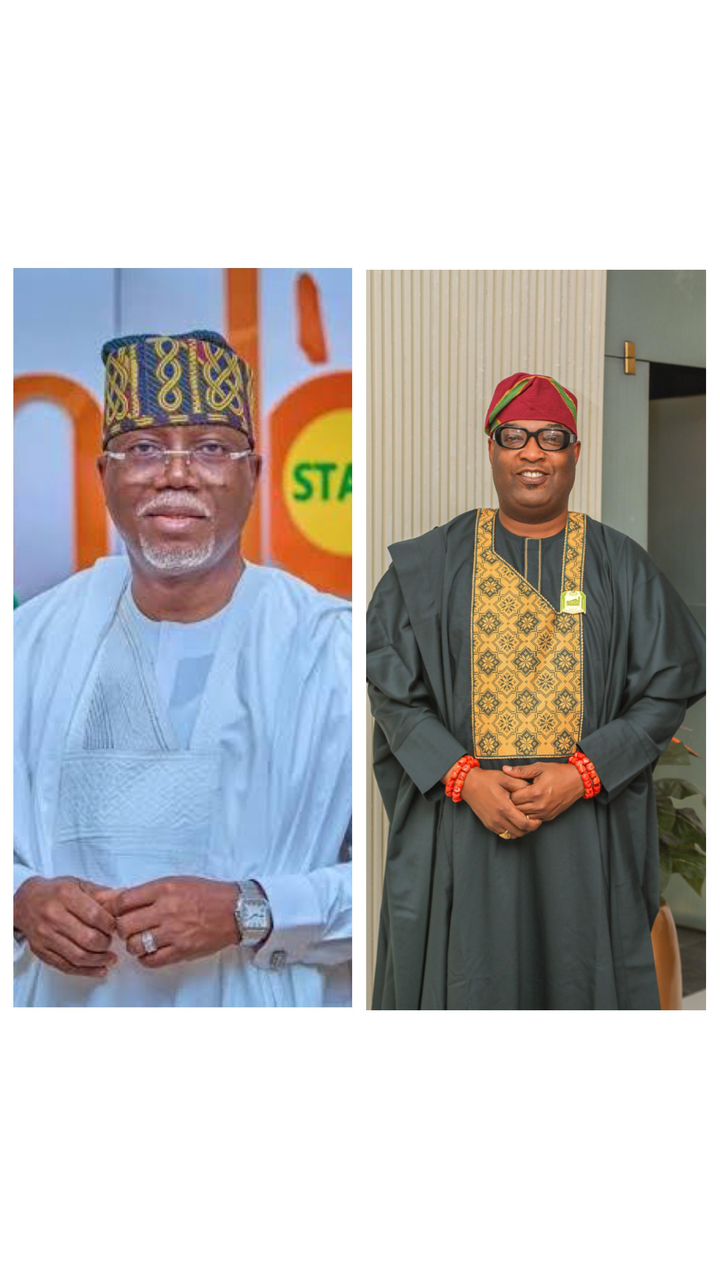
The Chairman, Board of Directors, Management, and staff of Adron Group have congratulated the Government and people of Ondo State on the celebration of its 50th anniversary, describing the milestone as a significant chapter in Nigeria’s federal history and a testament to visionary leadership, resilience, and purposeful development.
In a goodwill message issued to commemorate the Golden Jubilee, Adron Group noted that since its creation in 1976, Ondo State has consistently distinguished itself as a centre of honour, intellect, and enterprise. Fondly referred to as The Sunshine State, the state has produced generations of outstanding professionals, administrators, and national leaders whose contributions continue to shape Nigeria’s socio-economic and political development.
According to the company, the strength of Ondo State lies not only in its rich cultural heritage and intellectual depth, but also in the values of integrity, diligence, and excellence that define its people. These qualities, Adron noted, have remained the bedrock of the state’s enduring relevance and national impact over the past five decades.
Adron Group further commended the state’s renewed drive in recent years towards infrastructure development, economic diversification, industrial growth, and youth empowerment, describing these initiatives as indicators of a forward-looking, inclusive development agenda anchored in sustainability and long-term prosperity.
“As a corporate organisation committed to nation-building and sustainable development, Adron Group recognises Ondo State as a strategic partner in progress,” the statement read. “We commend His Excellency, Lucky Orimisan Aiyedatiwa, Executive Governor of Ondo State, and the leadership of the state at all levels for their dedication to public service and their commitment to the advancement of the people.”
As Ondo State marks its Golden Jubilee, Adron Group joined millions of well-wishers in celebrating a legacy of excellence, strength of character, and promise, while expressing optimism that the next fifty years will usher in greater milestones in economic vitality, social advancement, innovation, and enduring peace.
The company concluded by wishing the Government and people of Ondo State continued progress and prosperity, adding that the Sunshine State remains well-positioned to shine even brighter in the years ahead.


-

 celebrity radar - gossips6 months ago
Why Babangida’s Hilltop Home Became Nigeria’s Political “Mecca”
-

 society6 months ago
Power is a Loan, Not a Possession: The Sacred Duty of Planting People
-

 Business6 months ago
Batsumi Travel CEO Lisa Sebogodi Wins Prestigious Africa Travel 100 Women Award
-

 news6 months ago
THE APPOINTMENT OF WASIU AYINDE BY THE FEDERAL GOVERNMENT AS AN AMBASSADOR SOUNDS EMBARRASSING