
society
Governor Dauda Lawal transforms Zamfara into the most improved state in Nigeria

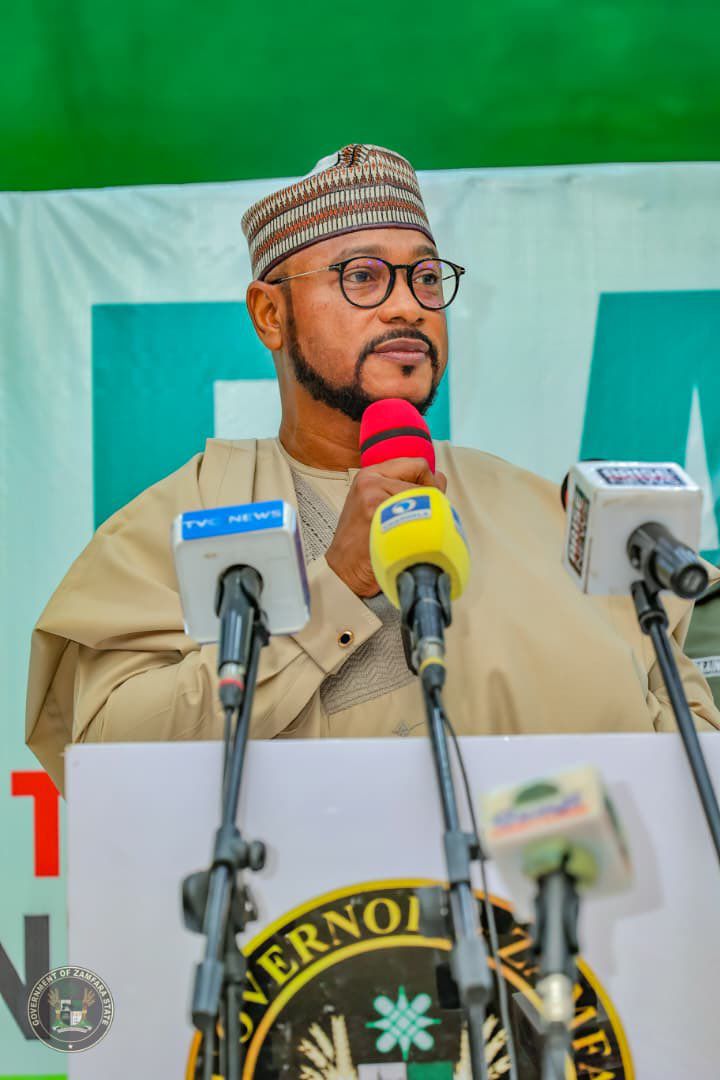
Governor Dauda Lawal transforms Zamfara into the most improved state in Nigeria
Recent reports, including the UK Country Policy and Information Report for 2025, classifying Zamfara State as one grappling with significant governance and security challenges. While it is critical to acknowledge the genuine security concerns that have plagued the region for years, Labeling Zamfara as one of the “worst governed” states represents a mischaracterization that fails to recognize the profound and strategic interventions initiated since the inauguration of His Excellency, Governor Dauda Lawal as Governor of the mineral rich state.
Governor Lawal took office in May 2023, inheriting a state on the brink of collapse, characterized by an alarming security crisis, a crippled civil service, and almost nonexistent public infrastructure. Health care services were in dire straits, effectively on the verge of comatose functionality. To evaluate governance solely based on the depth of the challenges inherited, without acknowledging the vigorous and structured efforts currently underway to rehabilitate the state, is not only unfair but does a disservice to the real progress being made. Notably, Zamfara’s internally generated revenue has surged from 90 million Naira to 2 billion Naira within just two years, illustrating a significant turnaround.
Under Governor Lawal, Zamfara is undergoing a historic, multi-faceted transformation built on three foundational pillars: Security, Infrastructure Development and Economic Revitalization, and Good Governance. His commitment to hard work and resilience has resonated throughout the state, earning him the title of “Chief Rescurer.” His administration is striving to revitalize every aspect of governance and infrastructure, steering the state toward an admirable future. Notably, the ongoing construction of the Zamfara Cargo Airport exemplifies Governor Lawal’s foresight, as it is expected to greatly enhance air travel to the state and attract foreign direct investment.
Zamfara, traditionally recognized for its agricultural potential, has bolstered growth under Governor Lawal’s policies. Initiatives such as fertilizer distribution have been initiated to ensure abundant harvests, while efforts are underway to connect farmers with offtakers, thereby increasing trade activity and ultimately promoting economic growth within the agricultural sector.
A Paradigm Shift in Security Strategy
The concept of “limited state presence” is being rigorously challenged by the emergence of a new security framework: the Zamfara Community Protection Guard (ZCPG). Launched in early 2024 under the leadership of Governor Lawal, this state-sanctioned community guard represents a significant evolution in local security initiatives. As a well-structured and community-informed security outfit, the ZCPG is designed to address the unique challenges faced by the State.
Central to this initiative is the establishment of the Zamfara State Security Trust Fund, which is headed by former Inspector General of Police, IGP MD Abubakar Rtd. This fund aims to provide essential resources and support to the security agencies operating within the state. In a substantial recruitment drive, over 2,600 personnel are being meticulously vetted and deployed across 14 local government areas, tasked with the critical role of working alongside national security agencies to bolster their efforts.
The results of the ZCPG’s implementation have already begun to manifest, with noticeable improvements in security across previously volatile regions. Despite the inherent challenges of the security landscape, Governor Lawal has demonstrated a firm commitment to supporting various security agencies. This includes mobilization for critical operations, creating funds specifically for fuel to ensure that vehicles are operational, providing suitable accommodations for personnel, and distributing brand new patrol vehicles to all security agencies across the state, thereby facilitating enhanced patrol capabilities.
Moreover, Governor Lawal’s administration has placed a strong emphasis on Technology-Driven Surveillance. This involves significant investments in modern surveillance equipment and advanced communication systems, designed to amplify the effectiveness of security forces. The administration has established a framework for constant dialogue with security chiefs, thereby fostering a more coordinated and robust presence of both military and police forces. This strategic collaboration has led not only to the liberation of numerous kidnapping victims but also to the disruption and dismantling of various criminal networks operating within the state.
These initiatives put forth by Governor Lawal and the ZCPG reflect a comprehensive approach to security that prioritizes community involvement, efficient resource allocation, and the integration of modern technology. This shift is poised to create a safer environment and restore confidence among the citizens of Zamfara.
Heavy Investment in Infrastructure and Social Services
Governor Lawal’s administration is spearheading what can be described as the most ambitious infrastructure revolution in the history of our state, effectively challenging the prevailing narrative of governmental failure. Prior to his tenure, Gusau, the state capital, was plagued by neglect and deterioration, it was, by many standards, an eyesore that failed to reflect the potential of the state. However, with fresh vision and determination, Governor Lawal initiated a comprehensive remodeling of the capital aimed at elevating it to meet global standards of urban development.
At the heart of this transformation lies the audacious ‘Gusau Mega Project,’ a bold urban renewal initiative designed to revitalize the city. This project features an extensive overhaul of the road networks, introducing modern and spacious thoroughfares that facilitate smooth traffic flow and enhanced accessibility. Additionally, state-of-the-art drainage systems are being installed to mitigate flooding and improve environmental conditions, addressing a longstanding issue that has hampered urban living.
The project also prioritizes sustainability and community welfare with the introduction of environmentally friendly bus stop covers that provide shelter and comfort to commuters. Furthermore, the rollout of Bazamfara Buses for the Zamfara State Mass Transit Authority marks a significant enhancement in public transportation, offering residents reliable and efficient transit options.
In tandem with these transportation upgrades, the administration is focused on developing public facilities that restore dignity and order to our urban landscape. These facilities not only serve to improve the quality of life for citizens but also foster a sense of community pride and engagement.
Through these strategic investments in infrastructure and social services, Governor Lawal’s administration is laying the groundwork for a brighter future, ensuring that Gusau transforms into a thriving urban center that meets the needs of its residents while attracting investment and promoting economic growth.
Education Revolution: A State of Emergency in Education
In a bold move to transform the educational landscape, Governor Lawal declared a state of emergency in education in Zamfara State. With the ambitious “Education for All” initiative overhaul and rehabilitate primary and secondary schools throughout the region, ensuring that every child has access to a quality education.
For many years, students in Zamfara State faced significant barriers to their academic progress, notably being unable to sit for crucial examinations like the West African Examination Council (WAEC) and the National Examination Council (NECO). This troubling situation stemmed from the substantial funds owed to these examination bodies by the previous administration, amounting to an alarming N1.5 billion. Recognizing the critical importance of education for the state’s future, Governor Dauda took decisive action to clear this outstanding debt, enabling students to participate in these vital assessments.
Beyond clearing the backlog, Governor Dauda made a significant financial commitment to strengthen the educational sector. His administration has invested in revamping schools, many of which have been modernized with state-of-the-art learning equipment designed to facilitate an engaging and effective learning environment. Classrooms are being equipped with the latest technology, and teachers are receiving the support and resources they need to deliver high-quality education.
The state has embarked on the establishment of a fully equipped modern Computer-Based Testing (CBT) center. This facility will empower students to take their computer-based tests and examinations locally, eliminating the need for them to travel out of the state. This initiative not only enhances accessibility but also minimizes the associated travel costs and logistical challenges.
Through these comprehensive reforms and investments, the administration is committed to ensuring that every student in Zamfara State receives the education they deserve, paving the way for a brighter, more prosperous future. The “Education for All” initiative is not just a program; it is a promise to the children of Zamfara State that the Government is dedicated to unlocking their full potential.
Healthcare Revitalization:
Zamfara has renovates and re-equipped general hospitals and primary healthcare centers across the state to ensure quality healthcare is accessible to the people. In the area of health care delivery, the state has improved significantly. Governor Lawal has made significant strides in improving healthcare infrastructure by inaugurating fully renovated and equipped General Hospitals across key locations in Zamfara State, including Gusau, Anka, Maradun, Maru, Kaura, and Nasarawa Burkullu. These hospitals now feature state-of-the-art amenities designed to enhance patient care and medical services. Among the modernized facilities are Accident and Emergency Units, Special Care Baby Units (SCBUs), Maternity Wards, Radiology Departments, Dental Clinics, Orthopaedic Wards, and Operating Theatres, each equipped to meet the diverse health needs of the population. For instance, in Anka, the governor unveiled a comprehensive facility upgrade that included the construction of a new laboratory, maternity unit, and emergency services department. Additionally, patient wards and pharmacy blocks underwent extensive refurbishment, resulting in improved environments for both patients and healthcare professionals. To complement these enhancements, the administration has acquired advanced medical equipment essential for modern healthcare, including diagnostic imaging tools and surgical instruments.
Agricultural Resuscitation:
Recognizing that insecurity crippled the states agrarian economy, Zamfara state provided support to farmers through the distribution of fertilizers, improved seedlings, and facilitating access to secure farmlands to restore Zamfara’s status as a food basket. As part of these efforts, the state has successfully distributed an impressive 59,205 bags of fertilisers, utilising 98 trucks for logistics. This extensive distribution is a crucial intervention, as it directly empowers local farmers to maximise productivity during the upcoming wet season, an essential period for crop cultivation. In addition to fertilisers, the initiative includes the provision of 34,800 kilograms of rice seeds and 80,000 kilograms of maize seeds, which are key staples for the state. Furthermore, the government has distributed 23,740 litres of herbicides, 11,735 litres of insecticides, and 23,470 sachets of seed dressing chemicals, all of which are vital in enhancing crop yields and ensuring the health of the crops.
Restoring the Pillars of Good Governance
Governor Lawal’s administration is firmly grounded in the principles of transparency, accountability, and fiscal responsibility, which are essential for fostering public trust and effective governance. Under his leadership, the state recently held its 52nd State Executive Council meeting, a significant milestone where key topics such as budget performance and various pressing issues affecting the state’s development were thoroughly discussed. These gatherings not only facilitate transparency but also ensure that decision-making processes are inclusive and reflective of the diverse needs within the community.
In line with its commitment to accountability, the state government publishes its budget performance annually. This comprehensive report details expenditures, revenue sources, and overall financial performance, allowing citizens to see exactly how public funds are utilized. Furthermore, Governor Lawal’s administration maintains an open-door policy, actively engaging with traditional institutions, community leaders, and stakeholders. This approach fosters unity and collective action, essential for addressing the multifaceted challenges facing the state.
Regular engagement meetings with the Commissioner of Budget are also held to critically assess budget performance and identify areas needing enhancement. This proactive outreach has contributed to significant advancements in fiscal accountability. Notably, the administration has successfully resolved a substantial portion of the inherited debt, including the payment of overdue gratuities owed to civil servants and pensioners from previous administrations, demonstrating a commitment to honoring obligations and supporting those who have served the state.
Remarkably, under Governor Lawal’s stewardship, Zamfara state has not taken out any loans from the Federal Government or external sources. Instead, the administration has effectively funded capital projects through prudent financial management and visionary leadership. By implementing stringent financial controls, the Governor has safeguarded public resources, ensuring that every Naira allocated is used for the benefit of the community.
While acknowledging the state’s complex security situation, it is crucial to recognize that Zamfara is on a determined path toward recovery and prosperity. The label of “worst governed” reflects a painful past but does not accurately capture the dynamic present or the promising future being forged by the current administration. Local and international organizations are advised to go beyond sensational headlines and conduct thorough fact-finding missions to gain a deeper understanding of the state’s progress and challenges. Current data available illustrates that Zamfara is on the right trajectory, with decisive actions being taken to address its issues.
Before 2023, Zamfara state was so neglected that a low-performing governor would have been hailed for accomplishing a mere fraction of just 5% of what Governor Lawal has done in just two years in charge. He didn’t just meet that low bar; he shattered it, achieving all of this in a stunning two-year period.
Under Governor Lawal, Zamfara has opened its arm wide for partnerships and invites collaborative efforts. With the steadfast leadership of Governor Dauda Lawal, the state will soon serve as a benchmark for successful post-conflict transformation in Nigeria, showcasing resilience, innovation, and a commitment to sustainable governance.
Oladapo A. Sofowora Writes from Lagos







society
Stakeholders Seek Urgent Reforms to Tackle Youth Unemployment at disrupTED EduKate Africa Summit

Stakeholders Seek Urgent Reforms to Tackle Youth Unemployment at disrupTED EduKate Africa Summit
By Ifeoma Ikem
Stakeholders in Nigeria’s education sector have called for urgent and scalable solutions to address the rising rate of youth unemployment, stressing the need for strengthened technical education and increased collaboration with the private sector to bridge existing skills gaps.
The call was made at the disrupTED EduKate Africa Summit 2026, a one-day leadership forum held at the University of Lagos, where participants examined the growing disconnect between education outcomes and labour market demands.
The summit brought together education leaders, private sector operators and development advocates to promote adaptive learning, practical skills acquisition and innovative financing models for Africa’s education sector.
Experts at the summit strongly advocated increased investment in technical and vocational education, noting that training programmes must reflect current industry realities and evolving labour market needs.
Speakers emphasised that Nigeria’s education system, particularly at the tertiary level, must urgently shift from certificate-driven learning to skills-based and experiential education aligned with global best practices.
Among the speakers were Deby Okoh, Regional Manager at Brunel University of London; Ashley Immanuel, Chief Operating Officer of Semicolon; Olapeju Ibekwe, Chief Executive Officer of Sterling One Foundation; and education advocate, Adetomi Soyinka.
The speakers highlighted the importance of continuous learning, teacher retraining and comprehensive curriculum reform to meet the demands of an increasingly technology-driven global economy.
They stressed that apprenticeship programmes, internships and hands-on training should be fully integrated into academic curricula, noting that over-reliance on theoretical qualifications has widened the employability gap among graduates.
In his remarks, Mr Tosin Adebisi, Director of EduKate Africa and convener of the summit, said the event was designed to challenge what he described as the education sector’s rigid attachment to outdated methods.
Adebisi said innovation must remain central to education reform, adding that stakeholders must rethink teaching methods, learning processes and approaches to solving challenges such as access to education, financing and employability.
He expressed confidence that sustainable solutions could be achieved through strong collaboration across education, private sector and development institutions.
Adebisi, alongside co-Director Mr Francis Omorojie, said the summit aimed at connecting stakeholders working across sectors to close existing skills and opportunity gaps for young people.
The summit also urged parents and educators to promote lifelong learning, critical thinking and adaptability among young people, stressing that education systems must evolve in line with global economic trends.
No fewer than 200 students from the University of Lagos, Lagos State University, Ojo, and other institutions participated in the summit, which was initially expected to host the Minister of Education, Dr Tunji Alausa.
In a welcome address, Prof. Olufemi Oloyede of the University of Lagos emphasised the need to shape young minds through innovation and positive thinking, noting that Africa’s development depends on the strategic use of its human and natural resources, as well as a shift towards creativity and innovation among youths.

Turning Point: Dr. Chris Okafor Resumes with Fresh Fire of the Spirit
-Steps onto the Grace Nation Pulpit After a Month-Long Honeymoon Retreat with Renewed Supernatural Power
By Sunday Adeyemi
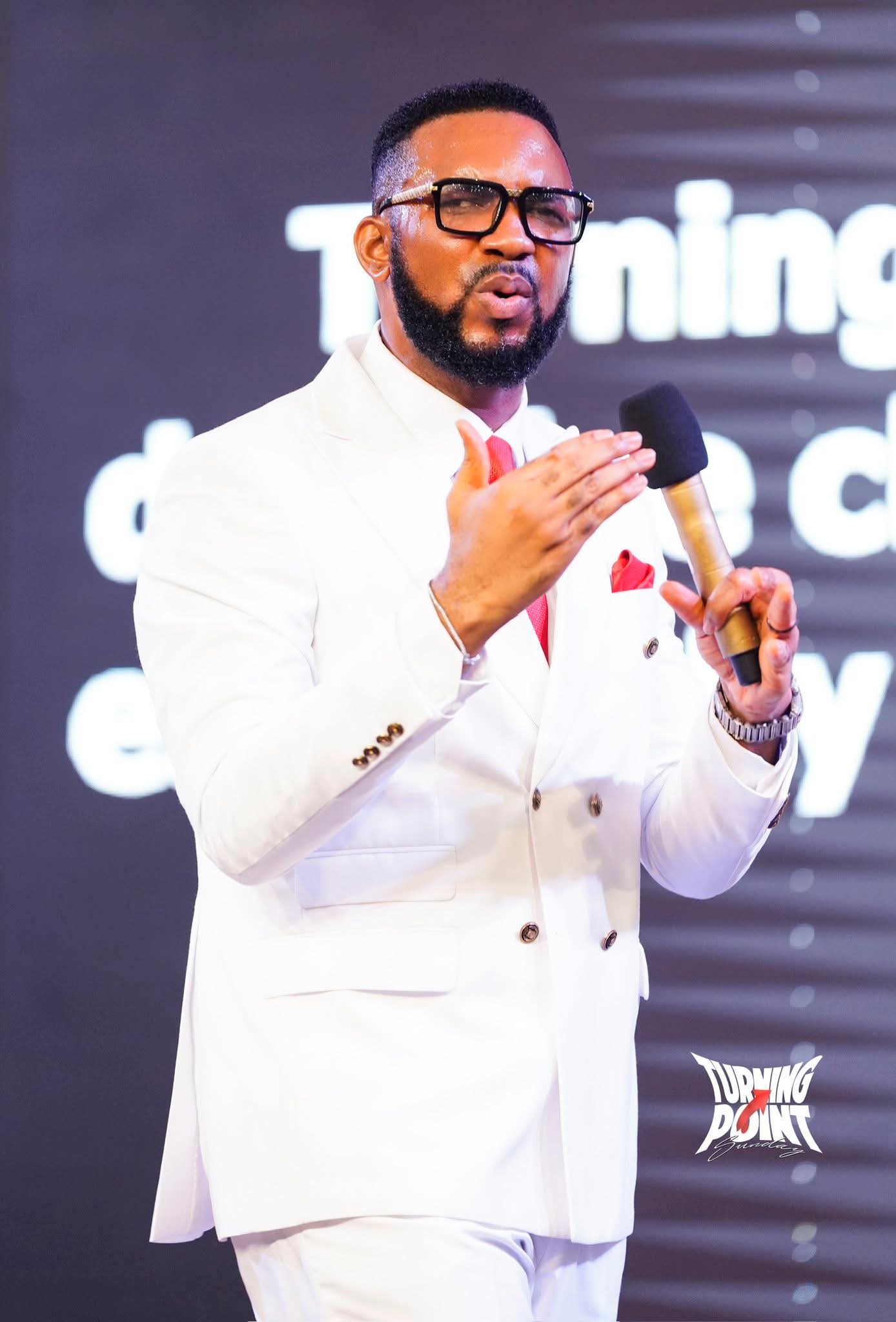
The much-anticipated February 1, 2026 “Turning Point” service of Grace Nation has come and gone, but its impact remains deeply etched in the hearts of Grace Nation citizens across the world. The significance of the day was unmistakable—it marked the official return of the Generational Prophet of God and Senior Pastor of Grace Nation Global, Dr. Chris Okafor, to active ministerial duty as the Set Man of the commission.
The date was particularly symbolic, as Dr. Okafor had taken close to one month away from the pulpit following his wedding late last year. The period served not only as a honeymoon but also as a season of rest, reflection, and intimate fellowship with God in preparation for a greater spiritual assignment ahead.
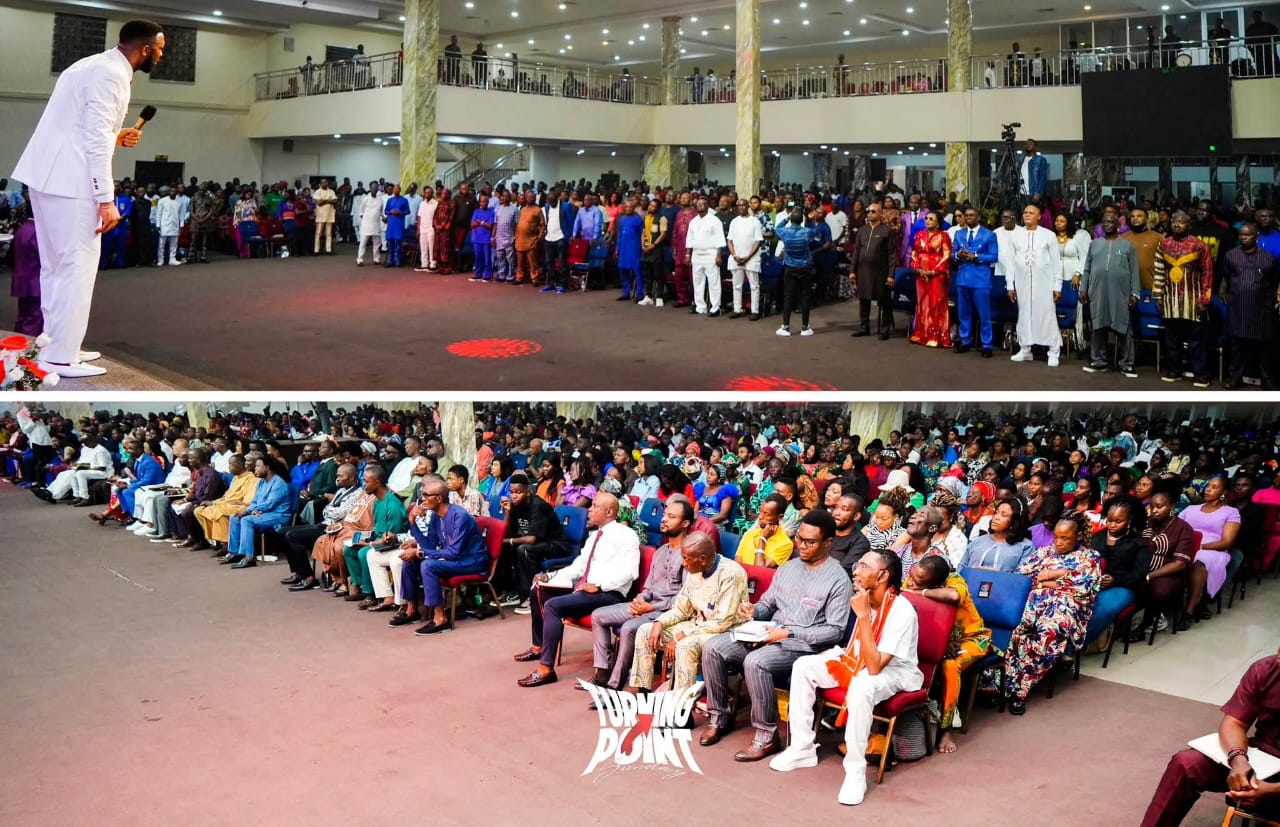
The atmosphere at Grace Nation was electric as the Generational Prophet and his wife were received with a heroic welcome, accompanied by prophetic praise, joyful dancing, and fervent prayers. It was a celebration of return, renewal, and readiness.
In his opening remarks, Dr. Chris Okafor declared that he had returned to fully pursue the mandate God entrusted to him—winning souls for the Kingdom of God. He issued a strong warning to the kingdom of darkness, stating that light and darkness cannot coexist. According to him, the season ahead would witness intensified spiritual engagement, as the Kingdom of God advances and the forces of darkness lose ground.
“This time,” the Generational Prophet affirmed, “it will be total displacement of darkness, as the light of God shines brighter than ever.”
The Message: Turning Point
Delivering a powerful sermon titled “Turning Point,” Dr. Okafor explained that a turning point is defined as a moment when a decisive and beneficial change occurs in a situation. He emphasized that such moments are often preceded by battles.
According to him, battles do not necessarily arise because one is doing wrong, but because God desires to reveal His power and teach vital lessons through them. Every genuine battle, he noted, carries divine involvement and purpose.
Addressing the question “Why must I fight a battle?” Dr. Okafor explained that individuals who carry extraordinary grace often encounter greater challenges. “When you carry what others do not carry,” he said, “the battles that come your way are usually bigger.”
Characteristics of a Turning Point
The Generational Prophet highlighted that when a person is firmly rooted in God, no storm can uproot them. A strong spiritual foundation ensures that no battle can shake one’s destiny. He explained that prayer does not eliminate battles, but preparation through prayer guarantees victory on the evil day.
“Battles push you into your turning point when you are rooted in the Spirit,” he stated, adding that a prayerful life is essential for sustained victory and elevation.
A Supernatural Service
The Turning Point service witnessed an extraordinary move of the Holy Spirit in a fresh dimension. Deliverance, healings, miracles, restoration, and diverse testimonies filled the atmosphere as worshippers encountered the power of God during the Sunday service.
In a related development, Dr. Chris Okafor officially commissioned the ultra-modern church restaurant, Fourthman Foodies, dedicating it to God for the benefit and use of Grace Nation citizens worldwide.
The February 1 service has since been described by many as a defining moment—one that signals a new spiritual season for Grace Nation Global. https://www.facebook.com/share/v/1B2Eh6B6wo/
Sunday Adeyemi is a Lagos-based journalist and society writer. He writes from Lagos.

Adron Homes Hails Ondo State at 50, Celebrates Legacy of Excellence
The Chairman, Board of Directors, Management, and staff of Adron Group have congratulated the Government and people of Ondo State on the celebration of its 50th anniversary, describing the milestone as a significant chapter in Nigeria’s federal history and a testament to visionary leadership, resilience, and purposeful development.
In a goodwill message issued to commemorate the Golden Jubilee, Adron Group noted that since its creation in 1976, Ondo State has consistently distinguished itself as a centre of honour, intellect, and enterprise. Fondly referred to as The Sunshine State, the state has produced generations of outstanding professionals, administrators, and national leaders whose contributions continue to shape Nigeria’s socio-economic and political development.
According to the company, the strength of Ondo State lies not only in its rich cultural heritage and intellectual depth, but also in the values of integrity, diligence, and excellence that define its people. These qualities, Adron noted, have remained the bedrock of the state’s enduring relevance and national impact over the past five decades.
Adron Group further commended the state’s renewed drive in recent years towards infrastructure development, economic diversification, industrial growth, and youth empowerment, describing these initiatives as indicators of a forward-looking, inclusive development agenda anchored in sustainability and long-term prosperity.
“As a corporate organisation committed to nation-building and sustainable development, Adron Group recognises Ondo State as a strategic partner in progress,” the statement read. “We commend His Excellency, Lucky Orimisan Aiyedatiwa, Executive Governor of Ondo State, and the leadership of the state at all levels for their dedication to public service and their commitment to the advancement of the people.”
As Ondo State marks its Golden Jubilee, Adron Group joined millions of well-wishers in celebrating a legacy of excellence, strength of character, and promise, while expressing optimism that the next fifty years will usher in greater milestones in economic vitality, social advancement, innovation, and enduring peace.
The company concluded by wishing the Government and people of Ondo State continued progress and prosperity, adding that the Sunshine State remains well-positioned to shine even brighter in the years ahead.


-

 celebrity radar - gossips6 months ago
Why Babangida’s Hilltop Home Became Nigeria’s Political “Mecca”
-

 society6 months ago
Power is a Loan, Not a Possession: The Sacred Duty of Planting People
-

 Business6 months ago
Batsumi Travel CEO Lisa Sebogodi Wins Prestigious Africa Travel 100 Women Award
-

 news6 months ago
THE APPOINTMENT OF WASIU AYINDE BY THE FEDERAL GOVERNMENT AS AN AMBASSADOR SOUNDS EMBARRASSING