
Business
Technology has become the new backbone of statecraft – Governor Lawal

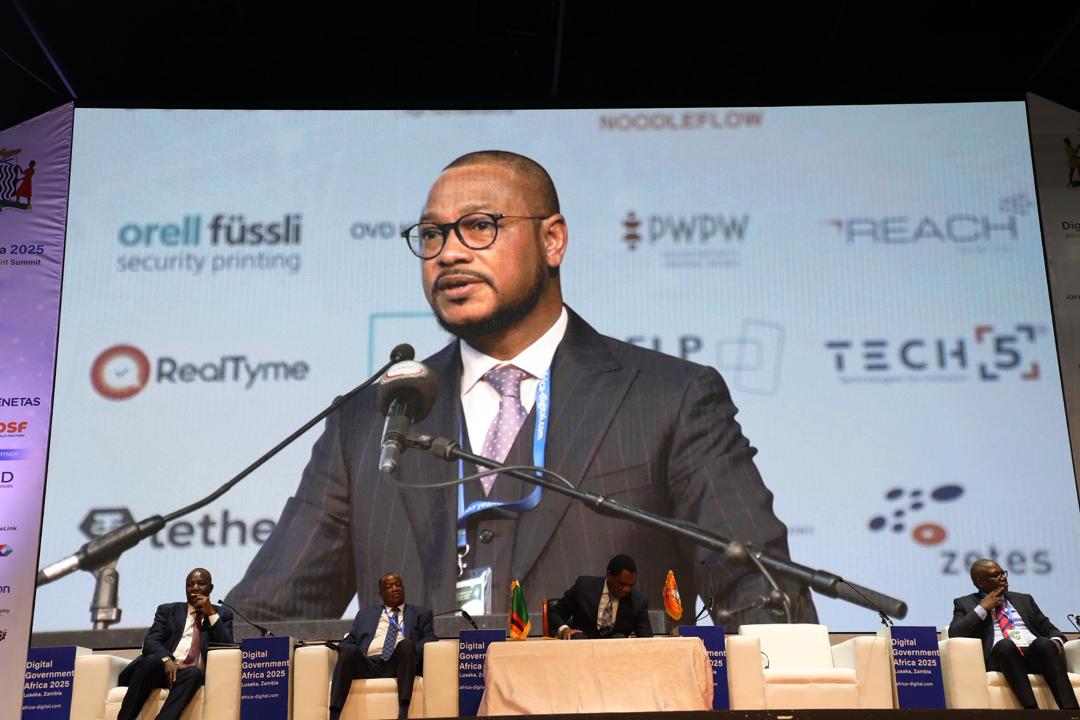
Technology has become the new backbone of statecraft – Governor Lawal
Governor of Zamfara State, His Excellency, Governor Dauda Lawal led an high powered delegation to the three day ongoing Digital Government Africa Summit in Lusaka, Zambia, where he delivered a compelling keynote address emphasizing the critical role of digitization in enhancing governance. During his opening remarks at the Ciela Resort Hotel, Dr Lawal was joined by notable leaders, including His Excellency Hakainde Hichilema, President of the Republic of Zambia, along with several key government figures such as Hon. JJ Mwiimbu, the Minister of Home Affairs and Internal Security, Percy Chinyama, the National Coordinator of the SMART Zambia Institute, Hon. Felix Mutati (MP), Minister of Technology and Science, and Hon. Dr. Situmbeko Musokotwane, Minister of Finance and National Planning.
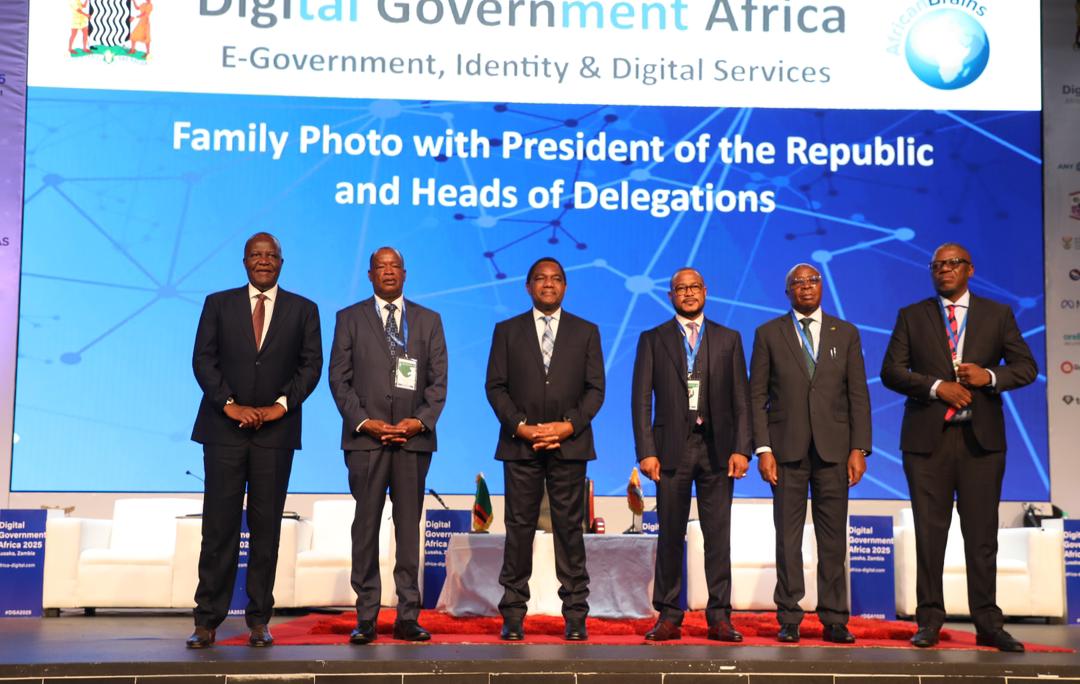
In his address, Governor Lawal outlined Zamfara’s impressive journey towards digital transformation, detailing the establishment of a robust digital governance ecosystem that fosters innovative public service platforms aimed at increasing transparency, operational efficiency and active citizen engagement. He articulated the vision of Zamfara State as a pioneer in digital innovation across Africa, highlighting the state’s commitment to creating an inclusive development model.
During his keynote, Governor Lawal stated, “Across the continent, the digital revolution is steadily dismantling archaic methods of operation and forging new pathways for e-governance, trade, and investment opportunities.” He underscored that technology has become integral to modern governance, serving as the infrastructure that underpins institutions, enhances educational systems, optimizes security frameworks, and drives economic productivity. He illustrated how every sector now hinges on the dual foundations of data and connectivity, which are essential for effective governance in today’s digital age.
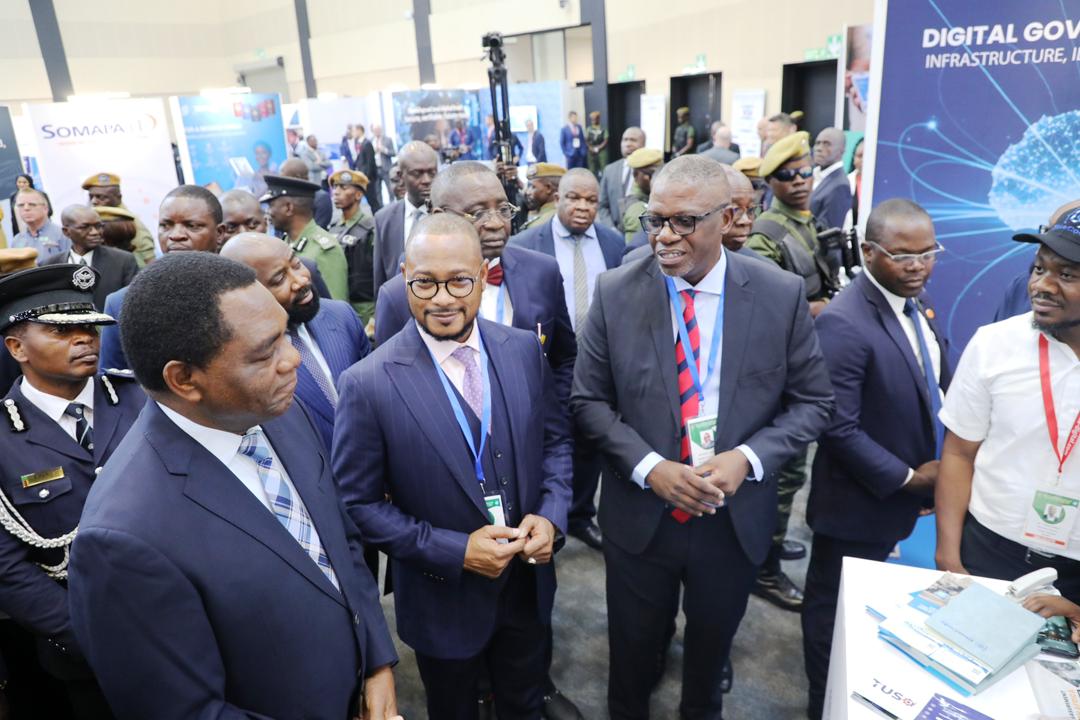
The governor further informed the audience that the Federal Republic of Nigeria has made significant strides toward this digital evolution through the implementation of the National Digital Economy Policy and Strategy, overseen by the National Information Technology Development Agency (NITDA). He noted that this policy is pivotal in informing how technology interweaves with governance, industry, and innovation across the country. He shared that Zamfara State has aligned its strategic vision with this national directive by adopting a bold, homegrown reform agenda that prioritizes technology-centered governance and public service delivery. “For us in Zamfara State,” he emphasized, “digital transformation redefines how our government interacts with and serves its citizens. We envision governance that is present, intelligent, responsive, and guided by data.”
Highlighting tangible advancements, Governor Lawal showcased the innovative e-GovConnect platform, developed by the Zamfara Information Technology Development Agency. This platform automates numerous internal processes, reduces bureaucratic red tape, and facilitates faster policy execution. He noted that e-GovConnect has significantly streamlined decision-making, enhanced inter-agency cooperation, and bolstered financial accountability across various Ministries, Departments, and Agencies.
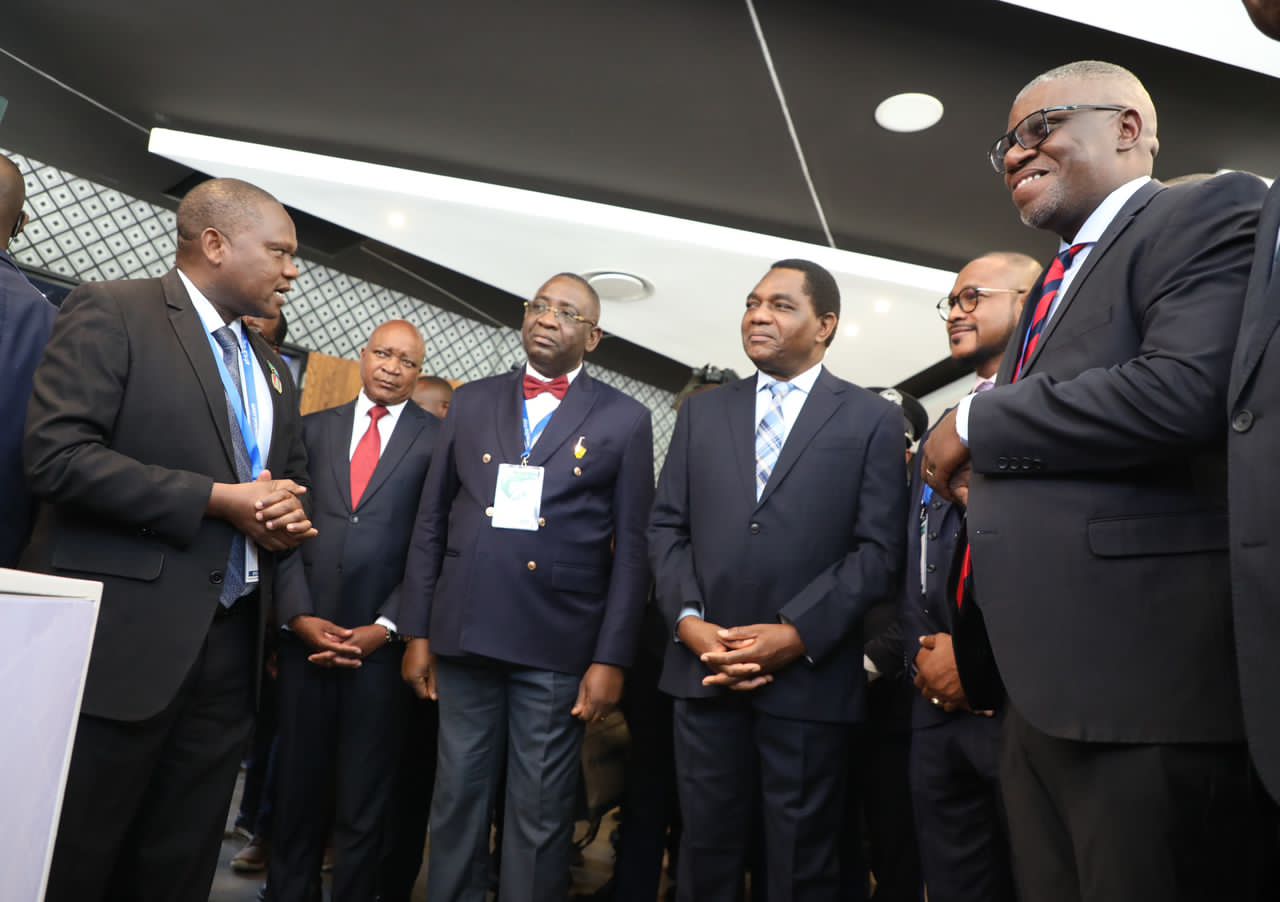
In addition, Governor Lawal discussed the state’s digital literacy initiative, outlining its commitment to nurturing a digitally literate populace. He elaborated on diverse programs aimed at equipping young students with coding skills in schools, training public servants in data management, and empowering entrepreneurs with knowledge in e-commerce and financial technology. He stated, “By democratizing access to digital skills, we are fostering an environment where every citizen can actively contribute to the emerging economy.” To further this mission, the state has established the Zamfara Institute of Information Technology (ZIIT), a specialized institution dedicated to advanced studies in disciplines such as Artificial Intelligence, Robotics, Blockchain, Game Development, and Data Analytics.
In recognition of these initiatives, President Hichilema congratulated Governor Dauda Lawal for spearheading Nigeria’s first state-level digital literacy program, the Zamfara Digital Literacy Framework (ZDLF), which positions Zamfara as a beacon of digital transformation. He expressed his eagerness to foster partnerships with Nigeria to leverage its abundant resources in harnessing a digital revolution that enhances governance delivery and functionality across the region.








FirstBank Makes Home Ownership Possible for Nigerians with Single-Digit Interest Rate Loan
For millions of Nigerians, homeownership has long felt like an ambition deferred. Squeezed by rising property prices, persistent double-digit inflation and high commercial lending rates, the dream of owning a home has remained just that – a dream.
But that narrative is quietly changing. Thanks to FirstBank.
The N1 Trillion Intervention Reshaping Access
In partnership with the Ministry of Finance Incorporated Real Estate Investment Fund (MREIF), FirstBank has unveiled a mortgage opportunity that could redefine access to housing finance in Nigeria.
Backed by the Federal Government’s N1trillion mortgage fund, the initiative is designed to empower Nigerians with affordable, long-term credit to own their homes.
9.75% Interest Rate in a 30% Lending Environment
MREIF is priced at 9.75% per annum, dramatically lower than prevailing commercial loan rates. Eligible Nigerians can access up to N100 million and repay within 20 years. This translates into significantly more manageable monthly repayments and greater long-term financial stability.
Built for Salary Earners, Entrepreneurs and the Diaspora
The MREIF mortgage facility has been structured to be inclusive. It is available to salary account holders, business owners and diaspora customers. Whether you are a young professional aiming to exit the rent cycle, an entrepreneur building generational stability, or you’re a Nigerian abroad looking to secure assets locally, the product opens a pathway that has historically been out of reach for many.
Taking the First Step
For those who have been waiting for the right time, this is definitely it. The question is no longer whether homeownership is possible. The real question is: will you act before the window narrows?
Visit https://www.firstbanknigeria.com/personal/loans/mreif-home-loan/ and in no time you could be the latest homeowner in town.
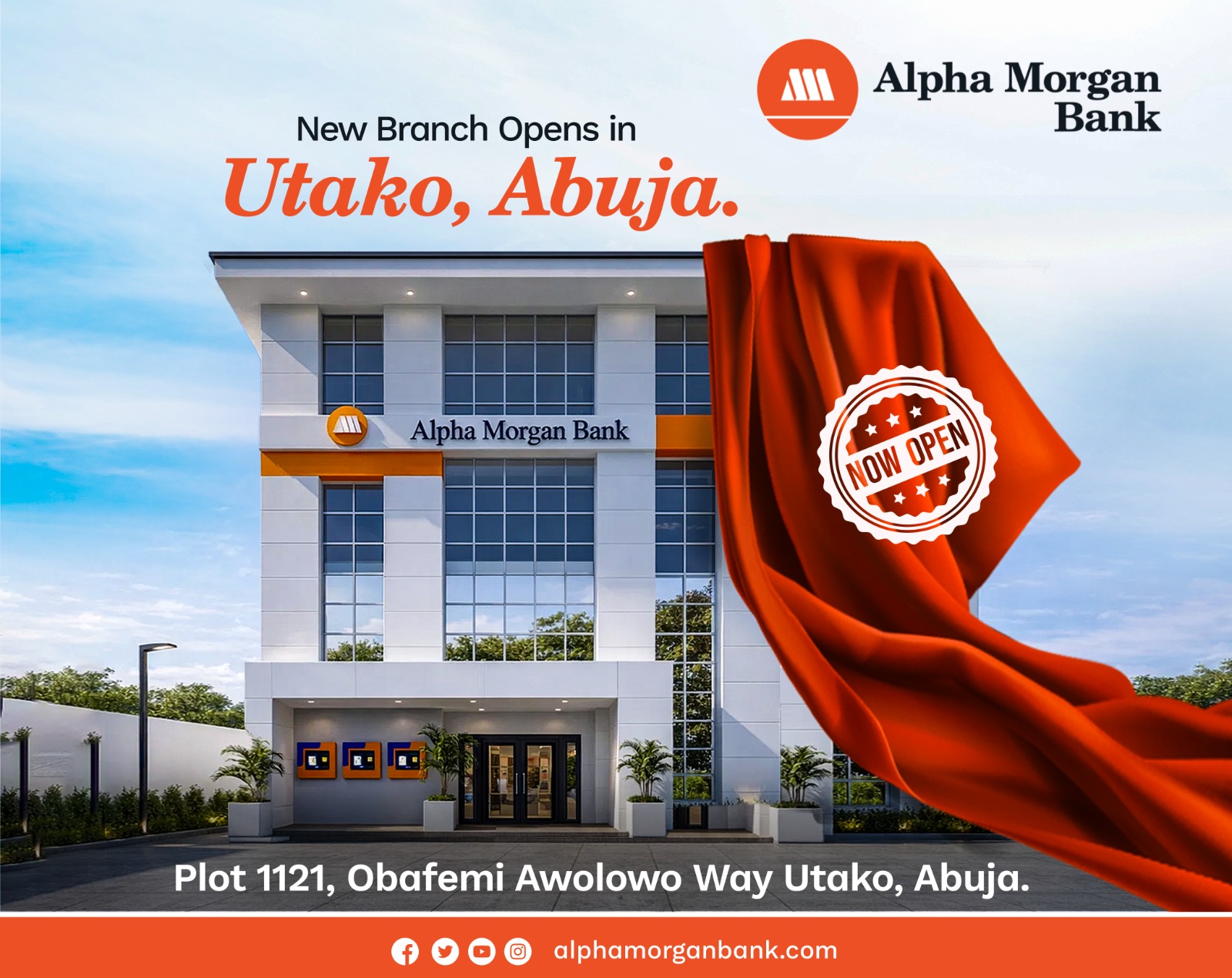
Alpha Morgan Bank Deepens Presence in Abuja with New Branch in Utako
Marking another milestone in its expansion drive, Alpha Morgan Bank has opened a new branch in Utako, Abuja, reinforcing its strategy of building closer institutional ties within key business communities and bringing its financial expertise closer to individuals, and enterprises driving the city’s growth.
The new branch, located at Plot 1121 Obafemi Awolowo Way, Utako, Abuja is strategically positioned to serve individuals, entrepreneurs, and corporate clients within Utako and surrounding districts.
The expansion follows the Bank’s recently concluded Economic Review Webinar held in February 2026, as the bank continues to position as a thought-leader in the financial services industry.
Speaking on the opening, Ade Buraimo, Managing Director of Alpha Morgan Bank, said the move underscores the Bank’s commitment to accessibility and service excellence.
“Proximity matters in banking. As communities grow and commercial activity expands, financial institutions also evolve to meet customers where they are. The Utako Branch allows us to deliver our services to people in that community efficiently while maintaining the high standards our customers expect,”
The Utako location will provide a full suite of retail and corporate banking services, including account opening, deposits, transfers, business banking solutions, and financial advisory support.
Customers and members of the public are invited to visit the new Utako Branch to experience the Bank’s approach to satisfying banking.
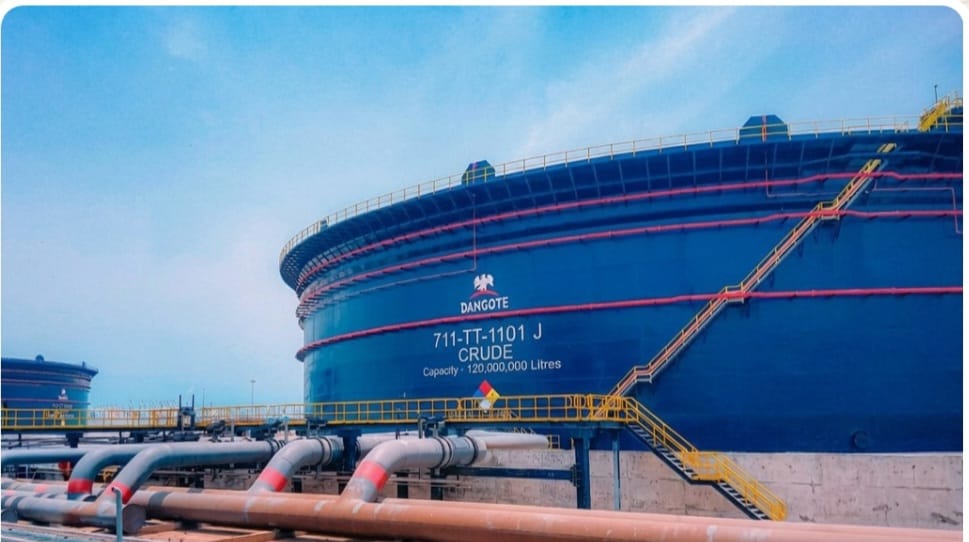
Dangote Refinery Prioritises Domestic Supply Amid Global Energy Turbulence
By George Omagbemi Sylvester | Published by SaharaWeeklyNG
“Nigeria insulated from international fuel shocks as Dangote Petroleum commits to uninterrupted local delivery.”
Dangote Petroleum Refinery and Petrochemicals has reaffirmed its commitment to prioritising the domestic market, pledging to shield Nigerians from the ripple effects of ongoing global energy disruptions. The assurance, delivered in Lagos on 5 March 2026, comes as international refinery operations experience shutdowns or reduced output due to escalating Middle East geopolitical tensions, which have sent crude oil and petroleum product prices soaring worldwide.
“Our mandate remains clear: Nigeria’s local market takes precedence. In times of global supply shocks, we will continue to ensure that domestic availability of petrol, diesel, and kerosene is uninterrupted,” said Mr. Folorunsho Alakija, spokesperson for Dangote Petroleum Refinery.
The refinery’s declaration arrives amid mounting concerns over fuel scarcity, triggered by export restrictions imposed by major international producers, including China, and shipping delays that have further tightened global petroleum supply chains. Industry analysts have hailed the domestic focus as a critical buffer against volatility that could otherwise push Nigeria into deeper energy insecurity.
Domestic Shield Against Global Disruption
Dangote Refinery, Africa’s largest oil processing facility, has leveraged its multi-million-barrel refining capacity to mitigate Nigeria’s historical dependence on imported petroleum products. The company emphasised that prioritising local supply provides a strategic advantage in insulating the nation from international market shocks.
“Our refinery’s scale allows Nigeria to withstand short-term external disruptions. We have the infrastructure and capacity to meet local demand even when global supply chains falter,” explained Mr. Chijioke Okonkwo, Operations Director at Dangote Refinery.
The proactive approach is particularly significant as several international refineries have either reduced throughput or temporarily halted operations, causing a global scarcity of refined products. Experts warn that without domestic cushioning, fuel prices in Nigeria could have surged sharply, exacerbating inflationary pressures in a fragile economy.
Managing Costs While Prioritising Supply
In response to rising procurement costs for crude oil amid the international crisis, Dangote Refinery introduced a modest ₦100 per litre increase in the ex-depot price of Premium Motor Spirit (PMS), absorbing roughly 20 percent of the cost escalation to lessen the impact on consumers.
“We are balancing operational sustainability with affordability. While global prices have risen sharply, we have chosen to absorb a significant portion to protect Nigerian households and businesses,” noted Mr. Emmanuel Adeyemi, Chief Finance Officer.
This pricing strategy underscores the refinery’s dual focus: ensuring uninterrupted supply while cushioning the public from abrupt spikes that could destabilize economic activity. Industry observers have lauded the approach as pragmatic, considering the volatility in international oil markets.
Strategic Distribution Initiatives
Beyond refining, Dangote Petroleum has initiated Compressed Natural Gas (CNG) powered trucks to enhance nationwide distribution efficiency. The initiative seeks to reduce logistics costs and carbon emissions while ensuring a more reliable delivery network to petrol stations across urban and rural areas.
“Logistics is a critical part of the energy supply chain. By deploying CNG-powered trucks, we reduce dependency on expensive diesel, lower delivery costs, and improve supply reliability across the country,” explained Ms. Funke Adedoyin, Head of Logistics Operations.
This strategic move reflects a broader commitment to modernising Nigeria’s petroleum distribution infrastructure, reducing bottlenecks that have historically contributed to scarcity at retail outlets.
Implications for National Energy Security
Nigeria has historically struggled with fuel imports to meet domestic demand, making the country vulnerable to international market fluctuations. Dangote Refinery’s prioritisation of local supply mitigates this vulnerability by leveraging home-grown refining capacity, which allows for timely access to petroleum products and less reliance on foreign shipments.
“With Dangote Refinery leading local prioritisation, Nigeria is less exposed to global fuel shocks. The country is moving towards self-reliance in petroleum product supply,” commented Dr. Halima Suleiman, energy sector analyst.
Experts note that sustained operations at the refinery not only enhance energy security but also preserve foreign exchange, reduce import bills, and stabilise domestic market prices.
Corporate Social Responsibility and Market Stability
The refinery’s commitment is part of a broader corporate responsibility framework. Dangote Petroleum continues to engage with government agencies and regulatory bodies, ensuring that domestic supply is coordinated with Nigeria’s Petroleum Product Pricing and Regulatory Agency (PPPRA) to prevent panic buying and market distortions.
“We are in constant consultation with the government to ensure that our supply strategies align with national economic priorities,” said Mr. Alakija.
Such collaboration helps avert artificial shortages, stabilises pump prices, and maintains confidence in the domestic fuel market. Analysts argue that this approach exemplifies how private sector capabilities can complement governmental policies to enhance national resilience.
Navigating Global Uncertainties
The refinery operates in a complex global environment, where geopolitical crises, shipping constraints, and crude oil volatility can trigger disruptions. Dangote Petroleum’s domestic-first approach positions Nigeria to weather such crises more effectively.
“Global uncertainties are unavoidable, but our infrastructure and strategy ensure that Nigerians remain insulated from immediate shocks,” said Mr. Okonkwo.
This emphasis on resilience aligns with global best practices, where national refining capacity is leveraged to protect local markets from international supply disruptions.
Stakeholder Reactions
The government, civil society, and industry stakeholders have welcomed Dangote Petroleum’s strategy. Officials from the Federal Ministry of Petroleum Resources noted that prioritising local supply aligns with Nigeria’s energy security policies and reduces the burden of foreign exchange expenditures on crude imports.
“Dangote Refinery is demonstrating leadership. Its domestic prioritisation ensures that the Nigerian economy remains insulated during turbulent global markets,” said Dr. Tunji Olumide, Special Adviser on Energy.
Consumers have also expressed cautious optimism. Retail operators and commuters reported steadier fuel availability in Lagos and other cities, though concerns remain about sustained pricing and distribution efficiency.
The Road Ahead
While Dangote Refinery’s strategy provides immediate relief, experts argue that long-term stability requires further investments in alternative energy, diversified refining infrastructure, and strategic reserves. This ensures that Nigeria can withstand global shocks without relying excessively on imports or temporary supply adjustments.
“Short-term measures like prioritising local supply are critical, but long-term energy security demands diversification, renewables adoption, and consistent policy implementation,” said Dr. Suleiman.
The refinery is exploring additional initiatives, including expanding storage capacity, upgrading pipeline networks, and adopting technology-driven monitoring systems to ensure supply continuity across the country.
Final Take
By prioritising domestic fuel supply amid global market turbulence, Dangote Petroleum Refinery and Petrochemicals has demonstrated its role as a stabilising force in Nigeria’s energy sector. Through strategic logistics, modest pricing adjustments, and engagement with government regulators, the refinery is insulating the nation from international shocks while maintaining operational sustainability.
“Our responsibility extends beyond profitability; it’s about ensuring Nigerians have reliable access to essential fuel. We take that mandate seriously,” concluded Mr. Adeyemi.
The refinery’s actions offer a blueprint for how large-scale domestic capacity can protect national economies in times of global energy instability, underscoring the critical intersection of private sector resilience, public policy, and national energy security.


-

 society6 months ago
Religion: Africa’s Oldest Weapon of Enslavement and the Forgotten Truth
-
 news3 months ago
WHO REALLY OWNS MONIEPOINT? The $290 Million Deal That Sold Nigeria’s Top Fintech to Foreign Interests
-

 society6 months ago
“You Are Never Without Help” – Pastor Gebhardt Berndt Inspires Hope Through Empower Church (Video)
-

 Business6 months ago
GTCO increases GTBank’s Paid-Up Capital to ₦504 Billion