
society
June 12, 1993: The Day Democracy Was Promised. Then Stolen!!


June 12, 1993: The Day Democracy Was Promised. Then Stolen!!
By George Omagbemi Sylvester | Published by SaharaWeeklyNG.com
“They voted. Power panicked. History remembers. Three decades on, the ghost of June 12 still haunts Nigeria’s democracy.”
June 12, 1993, should have been the beginning of a new chapter in Nigeria’s modern history, a peaceful transfer from military rule to a democratically elected civilian president. Instead it became the day the state reneged on its word, the day a legitimate popular verdict was extinguished by the brass of power. The annulment of that election did more than deny one man the presidency; it punctured the fragile hopes of an entire nation and set Nigeria on a grievous detour that cost lives, liberties and decades of political trust.
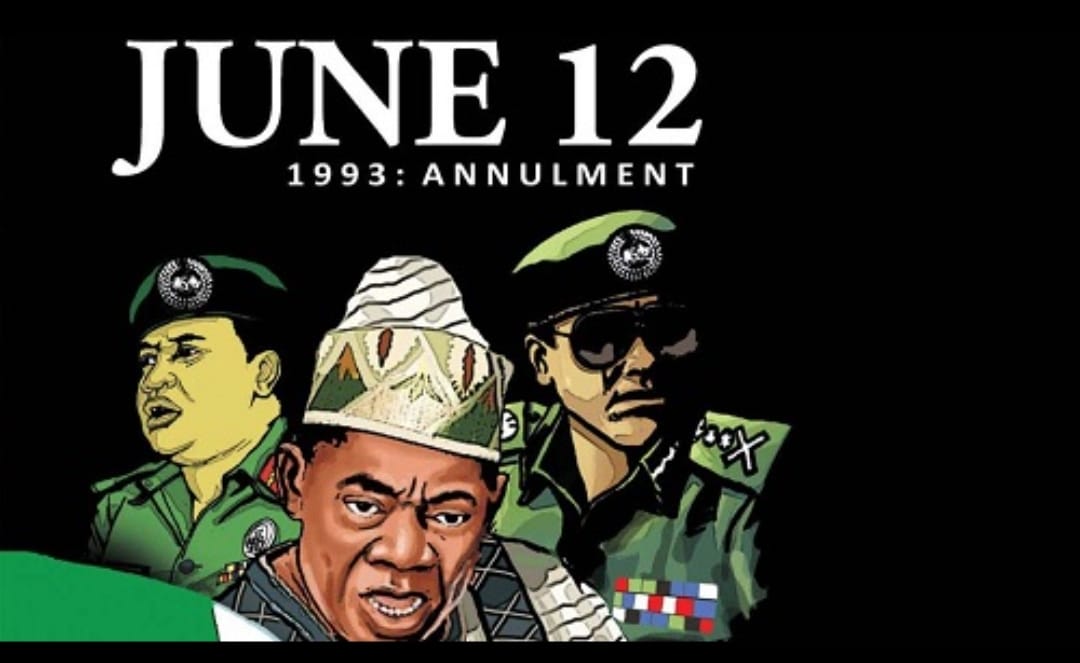
The vote itself was, by all credible accounts, decisive. Chief Moshood Kashimawo Olawale (M.K.O.) Abiola, the Social Democratic Party’s candidate, SDP won a clear nationwide plurality, with unofficial tallies putting him well ahead of his rival, Bashir Tofa of the National Republican Convention, NRC. The results made Abiola the first candidate in modern Nigerian history to assemble a truly cross-regional coalition, carrying the southwest and large tracts of the north and middle belt. Unofficial tabulations commonly cited put Abiola’s share near 58 percent against Tofa’s roughly 42 percent. These figures, reported by independent observers and later compiled by historians and news outlets, left little doubt about the will of the electorate.
Yet that mandate was never honoured. On 24 June 1993, General Ibrahim Badamasi Babangida (IBB), the country’s military ruler, announced the outright annulment of the election, citing irregularities and legal technicalities. The announcement was more than a bureaucratic reversal; it was a renunciation of popular sovereignty. The National Electoral Commission had begun releasing state-by-state results; civil society groups, foreign observers and the citizenry at large had accepted the outcome as the genuine expression of the people. To nullify that expressed will was to signal that POWER, not LAW or CONSCIENCE, would write Nigeria’s political future.
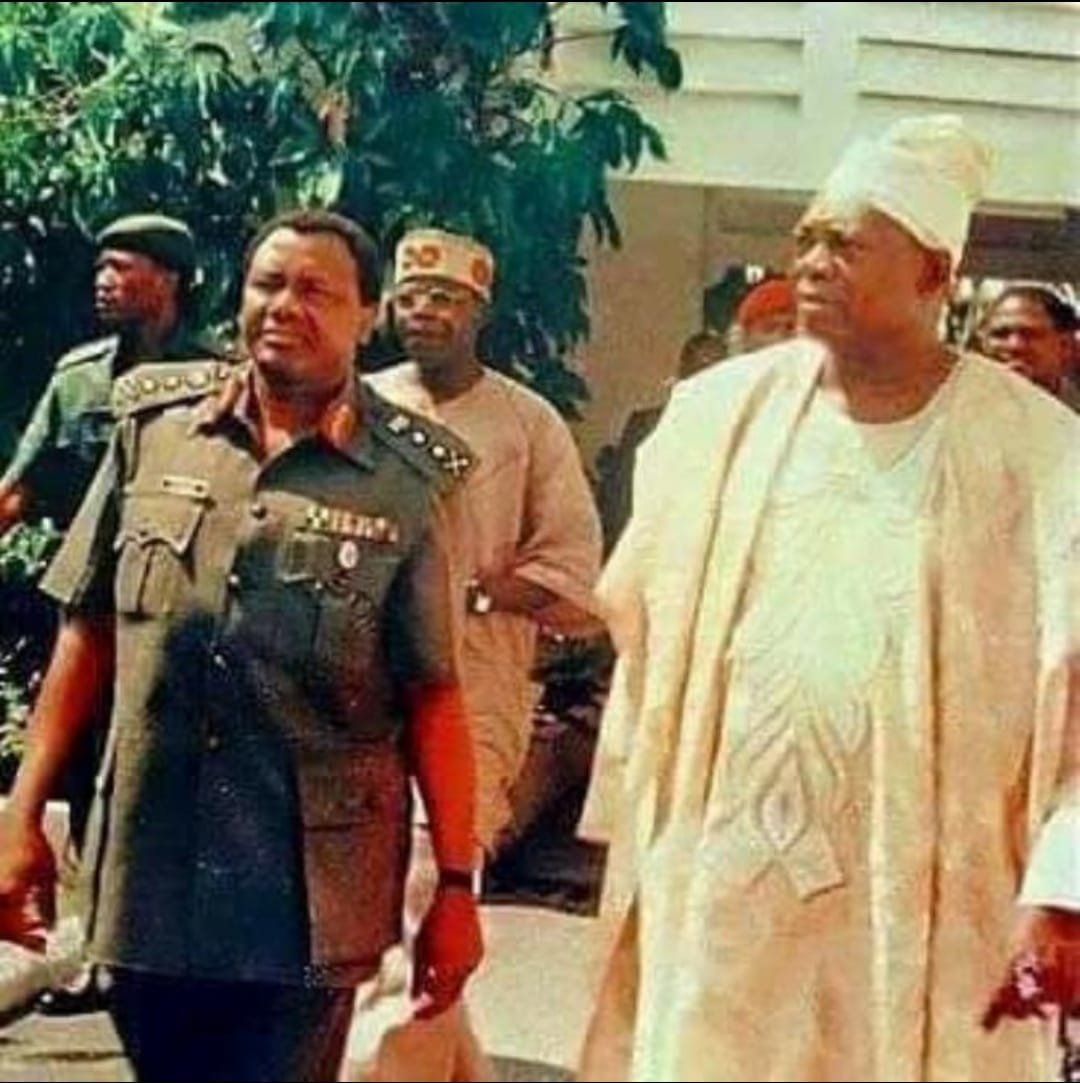
The consequences were immediate and brutal. Protests erupted across the southwest and in other cities; security forces responded with deadly force. Independent human-rights investigations documented mass arrests, press closures and a systematic campaign to silence dissent. Human Rights Watch, in its contemporaneous reporting, described the post-annulment months as a hardening of repression (“hundreds arrested and press muzzled”) and traced how the regime’s maneuvers culminated in renewed military domination and the eventual rise of Sani Abacha. The democratic promise of 12 June was replaced by a night of state-sanctioned fear.
It is tempting to reduce June 12 to a story about one man or to an arithmetic of votes. The annulment lit a torch that illuminated fault lines and truths about Nigeria’s political order. Firstly, the military’s professed “TRANSITION” was always precarious; power retains habits and the guardians of order are often the last to relinquish it. Secondly, civic cohesion had matured enough to cross ethnic and regional barriers; millions voted not for parochial advantage but for national possibility; and Thirdly, when the state violates the most basic democratic compacts, the price is paid in legitimacy and human life. Scholars who studied the period later characterized the annulment as the climax of a failed transition and a deliberate, avoidable betrayal. Peter Lewis, writing on Nigeria’s failed transition, concluded that the annulment irreparably undermined the trust that a durable democratic order requires.
Over the long arc of history, however, the memory of June 12 refused to die. The struggle for recognition of that mandate became a moral and political rallying point for activists, lawyers and the bereaved. Chief Abiola’s eventual declaration of himself as the rightful president in 1994 (and his subsequent arrest and detention) turned him from an ELECTORAL VICTOR into a MARTYR for DEMOCRATIC LEGITIMACY. His death in custody in July 1998 seared the issue into the national conscience and foreshadowed the end of the Abacha era. The narrative of June 12 thus transformed from a tale of theft into an enduring assertion that the people’s choice must count.
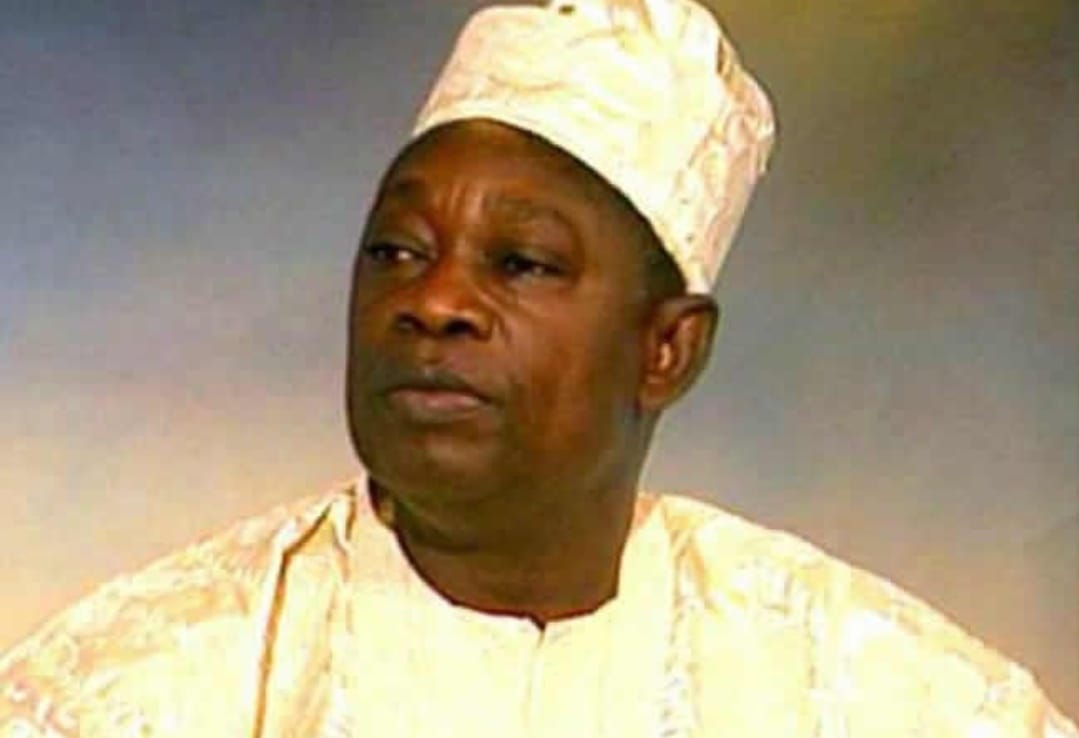
International reaction to the annulment was swift and unequivocal; governments suspended aid, international organizations condemned the action and a global spotlight shone on Nigeria’s betrayal of democratic norms. Yet external pressure, while symbolically important, could not substitute for internal repair. That repair required accountability (an honest accounting of how and why a transition was broken) and institutional reforms that would render future annulments impossible. For a time, Nigeria’s political institutions lay weakened and hollowed, susceptible to the predators of authoritarianism.
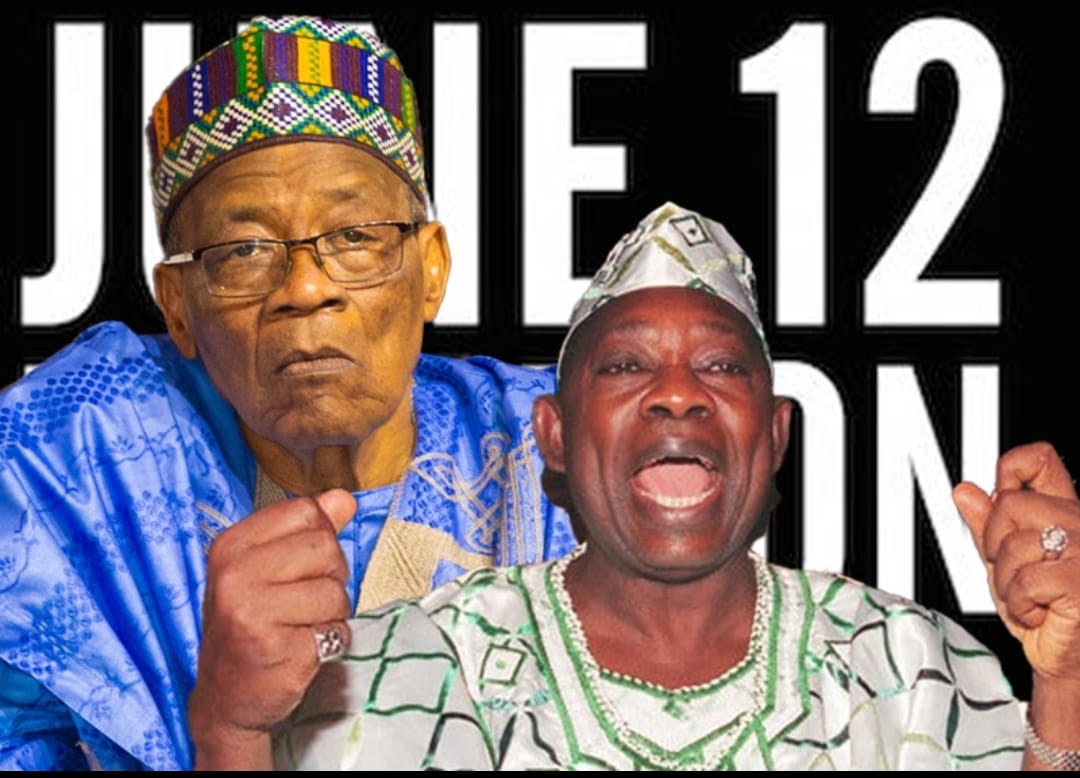
Time, ironically, has helped vindicate the moral core of June 12. In 2018 the Nigerian state (belatedly) took the symbolic step of renaming Democracy Day to June 12, acknowledging the election’s place in national memory. Even Ibrahim Babangida, in later years, publicly expressed regret about the annulment, admitting that the election had been free and fair; “A RECOGNITION THAT CAN NEVER UNDO THE PAST” but does confirm the original truth of the vote. Still, symbolic gestures are only the start; institutional guarantees are the remedy.
So what does June 12 teach us today? Firstly, that democracy is not merely a schedule of elections but a system of rules, norms and respect for outcomes. When leaders treat elections as optional, they invite cycles of instability that corrode development and human dignity. Secondly, the legitimacy of a polity rests on its willingness to accept inconvenient truths, including the possibility of losing power. Thirdly, the people’s memory is a political force. The tens of thousands who marched, protested, litigated and mourned after June 12 ensured that the event became a permanent reference point for claims to justice and reform.
Finally, if June 12 is to be more than a commemorative date, Nigeria must translate memory into measurable reforms and transparent electoral administration, an empowered and independent judiciary, protections for the press and a security apparatus subordinated to constitutional authority. Without these, anniversaries become mere ceremonies and history becomes a mourning ritual instead of a blueprint for progress.
June 12, 1993, remains a wound and a promise. It is a wound for the lives lost, the liberty denied and the democratic years squandered. It is a promise because millions of Nigerians made a deliberate choice for inclusion, reform and national cohesion. A choice that, despite the state’s betrayal, has continued to haunt and eventually to guide the nation’s democratic restoration. To honor June 12 is to insist that no future annulment can ever again stand. It is to demand that the people’s voice be the final arbiter in a nation still searching for government by consent.
“They voted. The Army stole it. Three decades later, Nigeria still pays the price.”
– George Omagbemi Sylvester






Ajadi, Peter Obi, Adeleke, Others Join Makinde at Oyo@50 Thanksgiving Service
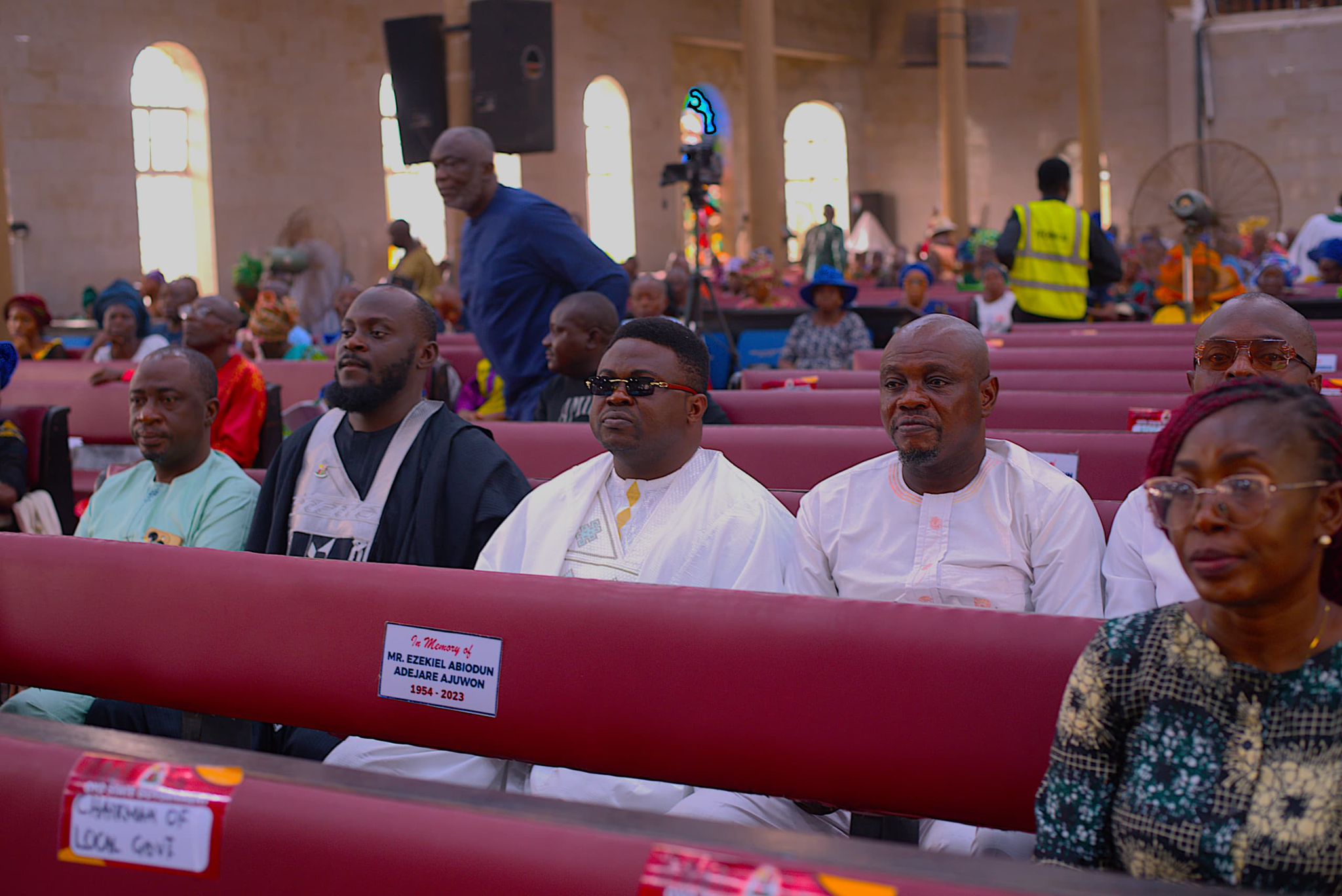
The leading gubernatorial aspirant of the Peoples Democratic Party (PDP) in Oyo State, Ambassador Olufemi Ajadi Oguntoyinbo, on Sunday joined Governor Seyi Makinde, former Anambra State Governor and 2023 Labour Party presidential candidate, Mr Peter Obi, the wife of the Osun State Governor, Chief (Mrs) Titilola Adeleke, and other eminent dignitaries at a Thanksgiving Service marking the seventh day of activities commemorating the 50th anniversary of Oyo State.
The service, held at the Cathedral of St. Peter’s, Aremo, Ibadan, drew a large congregation of worshippers, political leaders, traditional rulers, and stakeholders across the state and beyond, underscoring the significance of the golden jubilee celebration.
Speaking with journalists on the sidelines of the event, Ambassador Ajadi congratulated Governor Makinde, former Governor and Olubadan of Ibadanland, Oba Rashidi Adewolu Ladoja, and other stakeholders for steering the state to its historic milestone, describing the anniversary as a moment for reflection, gratitude, and renewed commitment to progress.
Oyo State at 50 is not just a celebration of years; it is a celebration of the strength, resilience and enduring spirit of our people,” Ajadi said. “I congratulate His Excellency, Engineer Seyi Makinde, Oba Rashidi Adewolu Ladoja and all stakeholders for sustaining the legacy of excellence, unity and progress that the Pacesetter State represents.”
He praised the people of the state for their resilience over the decades. He acknowledged the collective efforts of past and present leaders who have contributed to Oyo State’s political stability, economic growth and rich cultural heritage since its creation in 1976.
Ajadi, an entrepreneur and philanthropist, noted that the golden jubilee provides an opportunity for both leaders and citizens to critically assess the journey so far and recommit themselves to building a more inclusive and prosperous future.
“As we celebrate this golden anniversary, we must reflect on where we are coming from, where we are today and where we want to be,” he said. “Oyo State has produced great leaders, intellectuals, professionals and cultural icons.
He also commended the state government for designing a commemorative programme that blends intellectual engagement with the celebration of excellence, stressing that such initiatives help preserve history while inspiring younger generations.
Earlier, Governor Makinde, while addressing the congregation, said that although his tenure would end in May 2027, the team with which he has delivered good governance remains intact and prepared to continue the state’s development trajectory in different capacities.
The governor, who read the second Bible lesson from Matthew 5:1–12, attributed his emergence as governor in 2019 after eight years of political contest to divine grace, describing his administration as a “new beginning” for Oyo State.
“I was the eighth civilian governor of Oyo State, and in the Bible, the number eight signifies a new beginning,” Makinde said. “God has been merciful to us, and we will continue to govern in accordance with His will and guidance for the people of Oyo State.”
He assured residents of continuity in governance, emphasising that while he would exit office at the end of his tenure, members of his team would remain committed to serving the state.
“We have a team that is still intact. It is only Seyi Makinde that will go out; the members of the team are there to continue the work for the people of Oyo State,” he stated.
In a goodwill message, former Anambra State Governor and Labour Party presidential candidate in the 2023 general elections, Mr Peter Obi, lauded Makinde’s leadership style and the transformation witnessed in the state under his administration.
Oyo State is a city of knowledge and a city of hope,” Obi said. “I thank Governor Makinde for faithfully serving the people. Nigeria is not a poor country, but a poorly governed one, and what we are seeing in Oyo State is an example of using public resources for public good.”
Dignitaries at the event included the wife of the governor, Her Excellency Engr Tamunominini Olufunke Makinde; wife of the Osun State Governor, Chief (Mrs) Titilola Adeleke; former First Lady of Oyo State, Chief (Mrs) Mutiat Ladoja; Chief Judge of Oyo State, Hon. Justice Iyabo Yerima; Secretary to the State Government, Prof. Musibau Babatunde; and several other government officials, traditional rulers and political leaders.
society
UKA Announces Appointment of Hon AMB Asari St-Hill Bahamas/atlantian as Chief of Staff to Reigning Monarch Emperor Solomon Winning
UKA Announces Appointment of Hon AMB Asari St-Hill Bahamas/atlantian as Chief of Staff to Reigning Monarch Emperor Solomon Winning
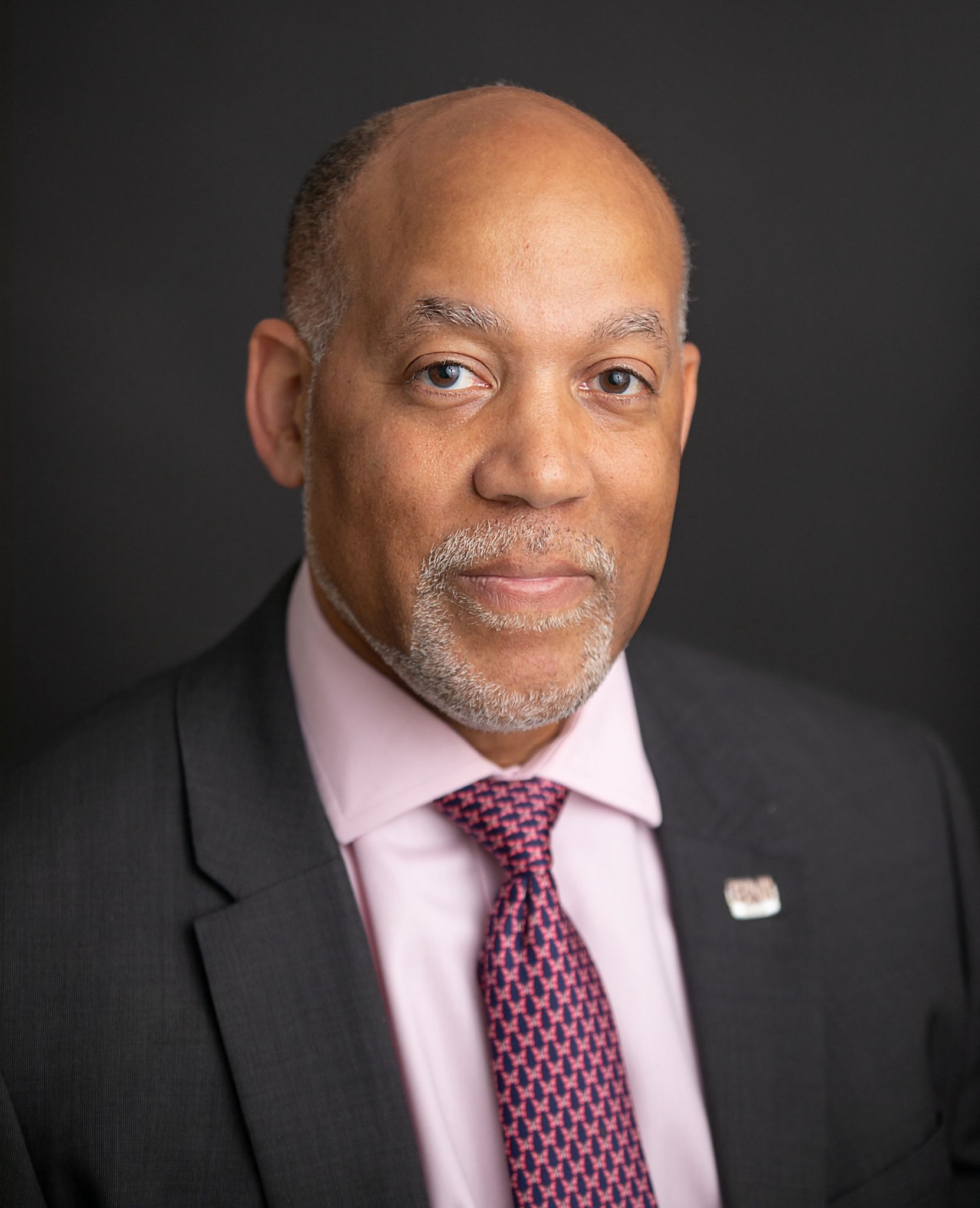
The United Kingdom of Atlantis (UKA) proudly announces the appointment of *Honorable Ambassador Asari St-Hill, A Bahamas/atlantian* as *Chief of Staff* to the Reigning Monarch, *Emperor Solomon Winning*. The official appointment ceremony was conducted on February 1st, 2026, and marked with the presentation of an Appointment Certificate (UKA 001 -1/2026).
Key Details of the Appointment
– *Hon AMB Asari St-Hill, A Bahamas/Atlantian* has been entrusted with the prestigious role of Chief of Staff, to serve the Reigning Monarch under the UKA GLOBAL ADMINISTRATOR TO UKA ROYAL THRONE of Emperor Solomon Winning, the sovereign of the United Kingdom of Atlantis.
– The appointment signifies a strategic enhancement of the monarch’s administrative and operational capabilities, aligning with the empire’s vision of efficient governance and global humanitarian leadership.
– The certificate of appointment bears the *Royal Seal of the Empire* and the endorsement of *EMP Noblis Solomon Winning*, affirming the legitimacy and authority of the designation.
Role of the Chief of Staff…👇
The Chief of Staff will be responsible for:
1. Managing the day-to-day operations of the monarch’s office.
.2. Act as Principal Aid to the Reigning Monarch and coordinates activities of staff.
3. Serves as one of the confidence to the Reigning Monarch.
4. Organised Reigning monarch appointment, meetings and engagement.
5. Review, vet documents, speaches, correspondence intended for The Reghning Monarch.
6. The Chief of Staff shall work and take instructions from the Global Administrator to the Throne in order to strengthen the entire administration of the Reigning Monarch in order to position UKA as the largest Empire in modern history.
Emperor Nobiliis Solomon Winning is the transformative leader of the United Kingdom of Atlantis, driving innovative projects in finance, humanitarian efforts, and global development. His reign focuses on merging traditional monarchical values with modern technological advancements, exemplified by initiatives like the ATC digital currency.
The United Kingdom of Atlantis (UKA) is a sovereign entity dedicated to fostering global unity, humanitarian progress, and financial innovation. It operates under a regal framework that blends imperial tradition with futuristic economic strategies, including asset-backed digital currencies and sustainable development programs.
_”The appointment of Hon AMB Asari St-Hill as Chief of Staff strengthens our administrative excellence and underscores our commitment to visionary leadership.”_
— *Emperor Solomon Winning*
The United Kingdom of Atlantis looks forward to achieving new milestones in governance and global impact under the stewardship of Emperor Solomon Winning and his esteemed Chief of Staff, Hon AMB Asari St-Hill.

Gen CG Musa Support Group Celebrates Grand Patron as 2025 Man of the Year
The Gen CG Musa Support Group has extended its warmest congratulations to its Grand Patron, His Excellency Gen. Christopher Gwabin Musa OFR (Rtd), the Honourable Minister of Defence, following his prestigious designation as the 2025 Man of the Year by OurNigeria News Magazine.
In a statement released to the press and signed by the Director General of the Support Group, Ibrahim Dahiru Danfulani, the Sadaukin Garkuwan Keffi/Betara Biu, the group hailed the recognition as a fitting tribute to a leader of exceptional character and accomplishment.
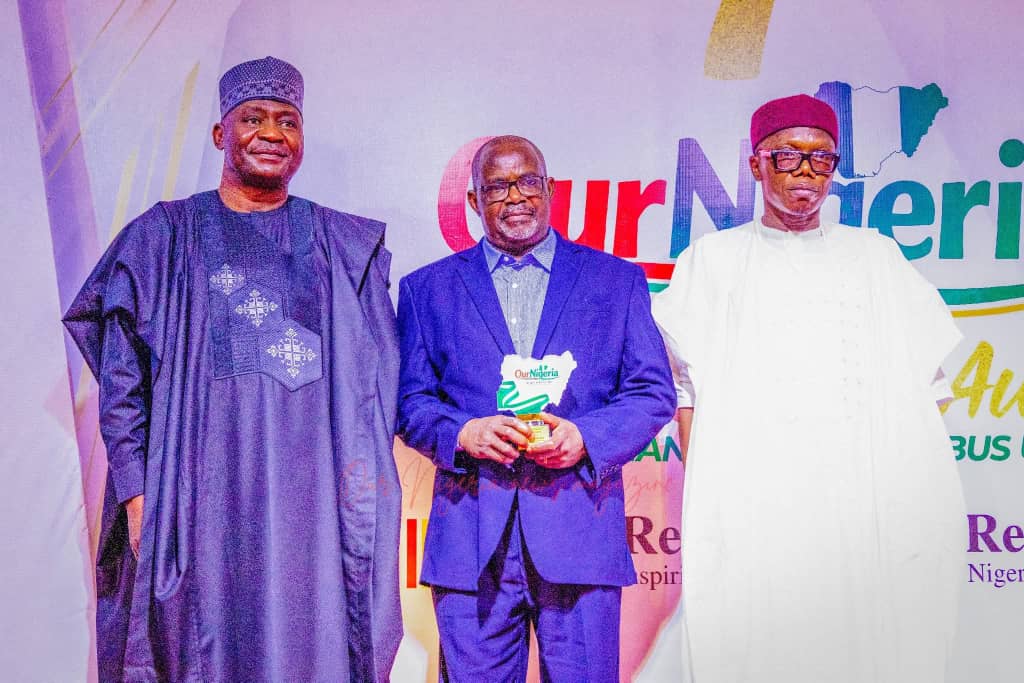
The statement illuminated the distinction of the award, emphasizing that it transcends the formal titles of “General” and “Minister.” It celebrated the core of the man himself—a leader renowned for his profound humility, incredible kindness, and genuine respect for all individuals. “People see the legacy and the title,” the statement noted, “but some of us are lucky to know the man behind it.”
The Support Group underscored that this accolade is a direct acknowledgment of the Minister’s exemplary personal conduct. It is an award not merely for the office he holds, but for the consistent humility he carries into every room and every interaction, a quality that has defined his leadership both in and out of uniform.
The honour also serves as a powerful validation of General Musa’s distinguished and unblemished track record of service to the nation. His decades of dedicated service within the military, which culminated in his ascension to the pinnacle as the Chief of Defence Staff prior to his retirement, are cited as the foundational pillars of his esteemed reputation.
The Gen CG Musa Support Group expressed profound gratitude to OurNigeria News Magazine for its discerning choice, noting that the award serves as a significant source of encouragement for the Honourable Minister. It reaffirms the nation’s appreciation for leadership that blends strength with compassion, strategic vision with unwavering integrity, and lofty achievement with grounded humanity.

This recognition solidifies General Christopher Gwabin Musa’s status not only as a defender of the nation but as a paragon of virtuous leadership, whose influence and example continue to inspire confidence and respect across Nigeria.
About the Gen CG Musa Support Group:
The Gen CG Musa Support Group is a collective dedicated to promoting the ideals and supporting the leadership of His Excellency Asiwaju Bola Ahmed Tinubu GCFR and His Excellency Gen. Christopher Gwabin Musa, celebrating their service and contributions to national peace, security, and unity.


-

 celebrity radar - gossips6 months ago
Why Babangida’s Hilltop Home Became Nigeria’s Political “Mecca”
-

 society6 months ago
Power is a Loan, Not a Possession: The Sacred Duty of Planting People
-

 Business6 months ago
Batsumi Travel CEO Lisa Sebogodi Wins Prestigious Africa Travel 100 Women Award
-

 news6 months ago
THE APPOINTMENT OF WASIU AYINDE BY THE FEDERAL GOVERNMENT AS AN AMBASSADOR SOUNDS EMBARRASSING