
society
Is Nigeria Becoming A Failed State Under President Tinubu?


Is Nigeria Becoming A Failed State Under President Tinubu?
BY Gbenga Shaba
Nigeria is currently at one of the most troubling security crossroads in its history. The scale and frequency of violent attacks, mass abductions, territorial infiltration by bandits and terror groups, and the collapse of safety in many communities have raised serious questions about the capacity of the state to protect its citizens. When a government begins to lose the ability to secure lives, enforce law and order, and guarantee the safety of children in schools, the debate about state failure becomes unavoidable.
Across the northern region, the wave of kidnappings and attacks has forced governments to take drastic measures. Katsina State ordered the immediate closure of all government schools. Taraba State directed that all secondary schools should operate only as day schools. These decisions were not made out of convenience. They were made out of fear. They were made because students have become targets, and schools have become vulnerable grounds. Education, the foundation of national development, is now under threat.
In recent weeks, the scale of kidnappings has escalated sharply. In Niger State, 34 students and three teachers were abducted from a government secondary school. They spent several days in captivity, enduring harsh conditions with limited food and water. Negotiations for their release were tense, with parents and authorities working tirelessly to secure their safe return. In Kebbi State, more than 40 children and 10 staff members were abducted from a private academy. The victims described being blindfolded, bundled into vehicles, and transported through forested areas under armed guard. In several other incidents across Kaduna, Zamfara, and Katsina, hundreds of men, women, and children have been taken in separate attacks, some held for weeks before rescue or ransom payments were made.
As if that was not enough, just few hours ago, some residents of Isapa in Kwara were abducted. Pregnant women, nursing mothers and children were allegedly abducted.
The ordeal for these children and their families is traumatic. Parents live in constant fear of the next attack, and even when children are rescued, they often return home in shock and fear. Many students have developed anxiety about returning to school, and communities are traumatized, with the memories of abduction and violence lingering long after the victims are freed.
Even more worrying is the deepening culture of ransom payments. Reports indicate that over ₦1 billion has been paid to bandits in recent weeks alone. This alarming trend not only empowers criminal networks but also signals the state’s weakening control. When kidnappers see consistent payouts from the government or local authorities, it encourages further attacks, creating a vicious cycle of fear and extortion.
This raises a critical question: Is Nigeria drifting toward a failed state under the current administration?
A country moves toward failure when the government can no longer protect its citizens, secure its borders, enforce laws, provide essential services, and maintain public confidence. Judged by these indicators, Nigeria is showing many worrying signs. The strength of non-state armed groups is rising. Large parts of the country are becoming ungoverned spaces. Communities are living under constant fear. Schools are shutting down. Businesses are relocating. Farmers are abandoning their fields. Ordinary Nigerians no longer trust the state to safeguard their lives.
President Tinubu came into office with promises of firm action on security. Nearly two years later, the practical reality suggests that insecurity is expanding faster than the response to it. Despite efforts by the security agencies, violent groups remain active and resilient. The lives of citizens are increasingly threatened, and the confidence in government’s capacity to reverse the trend is weakening.
It is therefore understandable when analysts conclude that the government is failing in the area of security. Citizens like Deacon Olanrewaju have voiced what many Nigerians feel: children are now staying at home not because of a pandemic but because of fear. Communities are shutting down not because of a virus but because of terror. The country is experiencing a form of paralysis driven by violence and fear.
Just like COVID-19, insecurity is gradually locking Nigeria down.
During the COVID era, movement was restricted, economic activities were disrupted, and schools were forced to close. Today, Nigeria is witnessing the same pattern, but the cause is not a global disease. It is insecurity. Communities are avoiding travel. States are closing schools. Businesses are shrinking their operations. Citizens live indoors once the sun sets. The sense of national freedom is shrinking under the weight of fear.
Nigeria may not yet be officially classified as a failed state, but the signs are becoming too visible to ignore. Without urgent, intelligent, and coordinated action, the country risks sliding deeper into a security crisis that will be harder to reverse.
Just like Simon Kolawole recalls what President Bola Tinubu said years ago. I recall that on November 5, 2014, in Ilorin, Kwara State, at a rally organised by Governor Abdulfatah Ahmed to declare his second-term bid, the APC leaders spoke one after the other about insecurity in Nigeria. Among those in attendance were Gen Muhammadu Buhari, then a presidential aspirant, Alhaji Abubakar Atiku, also an aspirant, Rt Hon Aminu Tambuwal, then speaker of the house of reps, and Alhaji Lai Mohammed, then the APC spokesman. Tinubu, who was the national leader of the party, said I saw the sea of refugees caused by the Boko Haram insurgents and the lies coming from Jonathan’s administration. They have exhibited failure, lack of capacity, vision and creativity.
He went further. The lies of yesterday are what they repeat today and are what they will repeat tomorrow. If you control the armed forces and you are the Commander-in-Chief, why should any part of this country be under occupation? And you give us excuses every day. In any civilised country, Jonathan should have resigned. But if he will not resign, he should wait for our broom. We will sweep him away.
They swept Jonathan away. But here we are, a decade later.
Tinubu is now the Commander-in-Chief, but Nigeria remains under siege. We could poke fun at the APC today and say they are only getting a dose of their own medicine. But it is human lives, the lives of Nigerians, that we are talking about here. We are talking about a reign of terror, about helpless Nigerians being abducted, about hapless Nigerians being killed for fun. If nothing else, it should make us sober. If nothing else, we should learn from our past and put politics aside regarding matters of security.
This is the moment for honest reflection and decisive leadership. What Nigeria faces today is not just a temporary challenge. It is a test of the state’s ability to protect its people and preserve its sovereignty. The longer this insecurity wave continues, the closer the nation moves toward the edge of failure.







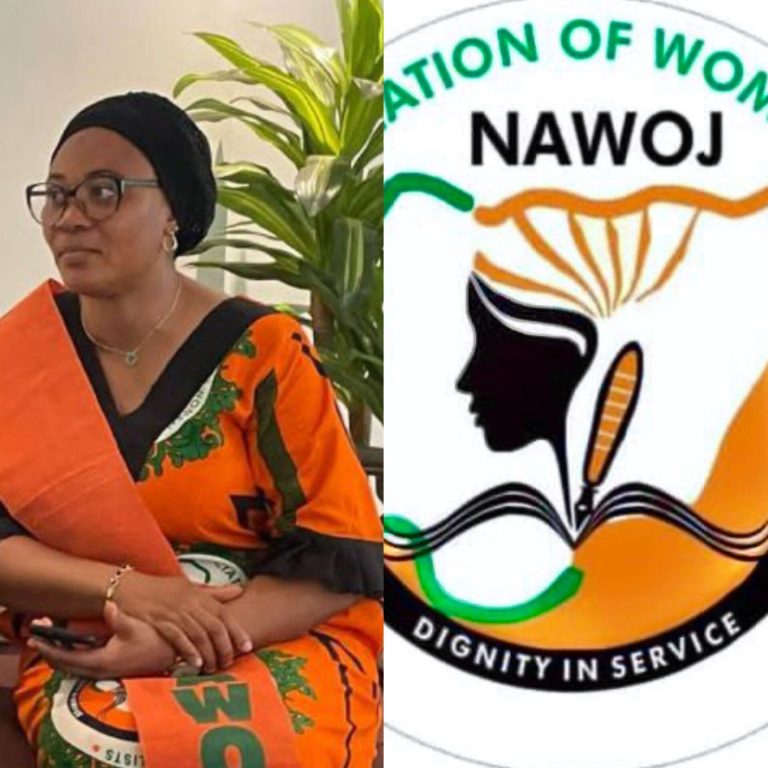
NAWOJ: SEKINAT, CHARITY GETS VOTE OF CONFIDENCE
The Nigeria Association of Women Journalists,(NAWOJ), Ogun State Chapter Executives has unanimously passed a vote of confidence on Chairman NAWOJ SEKINAT Salam and the Financial Secretary, Charity James, saying that, their leadership reflect the ideal and objectives of NAWOJ.
This was revealed in a communique issued at an Emergency meeting of the Executive held at the NUJ State Council, Iwe-Iroyin in Abeokuta.
The vote of confidence on the Leadership of NAWOJ was unanimously signed by all the five executive members that attended the meeting with the vice chairperson taking apology for official engagement outside the state capital.
According to the communique ” Consequently, NAWOJ Ogun State Chapter, reaffirms it’s unwavering support and confidence in the Chairperson and the Financial Secretary, Sekinat Salam and Charity James respectively, Urge them to continue in their commitment to purposeful leadership in the best interest of the association and the society at large”.
Speaking briefly with Journalists after the emergency Executive meeting, the Chairperson, Nigeria Association of Woman Journalists (NAWOJ), Com. Sekinat Salam, said the meeting was necessary as the news of her suspension was laughable and insulting because it is like a pot calling a kettle black in this case, saying that the Leadership of the State Council, Com. Wale Olanrewaju has no local standing to suspend her or any executive member, even he cannot be a judge in his own case.
According to her” The Leadership of the Nigeria Union of Journalists, Ogun State led by Wale Olanrewaju has always been misusing power without recourse to the constitution of this noble Union, hence has no local standing to suspend me or any executive member “.
She said only the Central Working Committee (CWC) has the constitutional rights to sanction or suspend any members found wanting after due process has been followed.
While calling on members to stay calm, Com. Sekinat Salam assured members of positive representation of NAWOJ at both the State and National level, adding the success recorded under her administration cannot be overemphasized.
She therefore called on the National leadership of NUJ to critically look into the matter, either by setting up independent committee to investigate the issues and resolve the matter as quickly as possible.

Adron Homes Chairman Congratulates Oyo State on 50 Years of Progress
The Chairman and Chief Executive Officer of Adron Homes and Properties Limited, Aare Adetola Emmanuelking, has congratulated the Government and people of Oyo State as the state marks its 50th anniversary, describing the occasion as a celebration of resilience, cultural pride, and sustained progress.
He noted that since its creation, Oyo State has remained a strong contributor to Nigeria’s socio-economic and cultural development, emerging as a hub of commerce, education, and innovation.
According to him, the Golden Jubilee offers a moment for reflection and renewed commitment by government, private sector players, traditional institutions, and citizens toward building a more inclusive and prosperous state.
Aare Emmanuelking commended the state’s ongoing transformation through investments in infrastructure, economic expansion, and human capital development, adding that sustainable growth is deliberate and must remain purpose-driven.
He also praised the leadership of the current administration while acknowledging the contributions of past leaders whose efforts laid the foundation for today’s Oyo State.
Reaffirming Adron Homes’ commitment to national development, he described Oyo State as a land of opportunity. He wished the state continued peace and prosperity, expressing confidence that the next fifty years will bring even greater achievements for the Pace Setter State and its people.
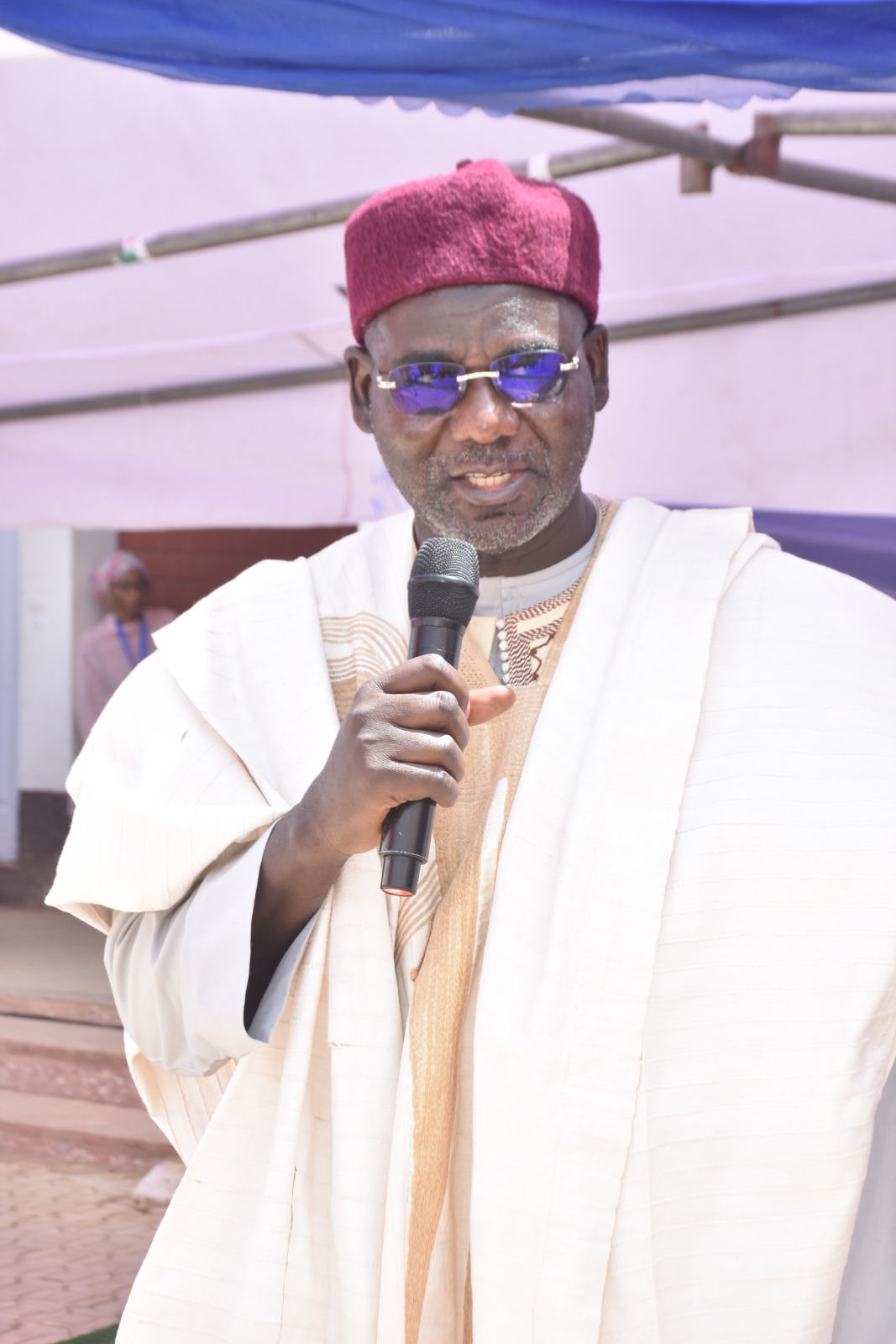
TY BURATAI HUMANITY CARE FOUNDATION CONDOLES WITH BIU EMIRATE OVER TRAGIC ATTACK
In a profound expression of sorrow, the TY Buratai Humanity Care Foundation has extended its heartfelt condolences to the families of the victims and the entire people of Biu Emirate, Borno State, following the recent tragic attack attributed to Boko Haram. This devastating assault, which occurred at a work site in northeastern Nigeria, claimed the lives of dozens, including brave soldiers committed to protecting the nation.
In a statement released to the press and signed by the Chairman of the foundation, Ibrahim Dahiru Danfulani Sadaukin Garkuwan Keffi/Betara Biu, the Grand Patron of the Foundation, His Excellency Amb. Lt. Gen. Tukur Yusufu Buratai CFR (Rtd), former Chief of Army Staff, described the incident as “one too many senseless, barbaric, and ruthless displays of inhumanity.” His Excellency emphasized the heartbreaking impact of such attacks on innocent, hardworking citizens striving to make a positive difference in their communities.
The Grand Patron praised the swift and decisive response of military personnel during this critical time, underscoring their brave commitment to safeguarding the nation. He called upon them to maintain this momentum, commending their courage and sacrifice in the face of adversity. “May Almighty Allah forgive their souls and grant them Aljannah Firdouse,” he remarked, encouraging the nation to honor their spirit of sacrifice as they rally together to rebuild and restore hope across the region.
In his statement, Gen. Buratai highlighted the importance of collective action in overcoming the challenges posed by insecurity, urging concerned citizens to increase their efforts in fostering a virile community that future generations can cherish. “Together, we can surmount these troubles,” he asserted, calling on all patriotic leaders and citizens to unite in the fight against violence and insecurity.

The TY Buratai Humanity Care Foundation remains committed to supporting initiatives that promote peace, security, unity, and prosperity. As the foundation extends its condolences to the bereaved, it also calls upon all segments of society to collaborate in creating a better and safer future. May Allah guide and protect the nation and lead it toward enduring peace. Amen.


-

 celebrity radar - gossips6 months ago
Why Babangida’s Hilltop Home Became Nigeria’s Political “Mecca”
-

 society6 months ago
Power is a Loan, Not a Possession: The Sacred Duty of Planting People
-

 Business6 months ago
Batsumi Travel CEO Lisa Sebogodi Wins Prestigious Africa Travel 100 Women Award
-

 news6 months ago
THE APPOINTMENT OF WASIU AYINDE BY THE FEDERAL GOVERNMENT AS AN AMBASSADOR SOUNDS EMBARRASSING