
society
Akinosho’s Regular Faulty View and A Regulator’s Achievements

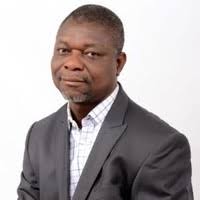
*Akinosho’s Regular Faulty View and A Regulator’s Achievements*
By Bukola Olasanmi
On the surface, the piece published in the online and PDF editions of the Africa Oil+Gas Report on 24 November 2025 under the title “The irregularities of the regulator will keep Nigeria’s upstream underachieving” wears the respectable garb of a professional intervention designed to stimulate debate and provoke corrective action.
A closer, honest reading instantly betrays the personal grievance of the publisher, Toyin Akinosho, who has cynically disguised his private shopping list as an “editorial.” The deliberate distortion of facts, the selective deployment of half-truths, and the insertion of outright falsehoods disgrace the very idea of an editorial—an exercise that is meant to be impartial, disinterested, and committed solely to the public good. For the remainder of this rebuttal, therefore, the article will be correctly described as Akinosho’s opinion piece, not as any official editorial of the Africa Oil+Gas Report.
To dignify it with the label “editorial” would be an insult to every serious publication that has ever taken a principled stand on issues of national importance. In that single article, Akinosho has managed to commit what amounts to journalistic fraud in print. Were he still resident in Nigeria rather than safely ensconced abroad where he now peddles his wares, a strong case could be made for charging him with criminal defamation and cyber-stalking.
By rushing into print, he has implicated himself beyond rescue. Had he kept his resentments private, some people might still have mistaken his silence for wisdom. Instead, he has chosen to advertise the hollowness of the “decades of experience” he so loudly trumpets—experience that now stands exposed as little more than recycled gossip, hot air, and copy-paste plagiarism from the NUPRC website and social-media handles.
One would not be surprised if, cornered by the collapse of his latest stunt, he resurrects his decade-old trick of claiming “assassination attempts” in order to cloak his fabrications in a martyr’s robe. His only plausible plea at this point is ignorance; everything else—malice, envy, and mercenary interest—is already on full display.
Akinosho’s tirade against the NUPRC (and by extension its leadership) conveniently omits the elementary truth that attracting investment into any sector is never the responsibility of a single regulator acting in isolation. Global capital flows are shaped by security, fiscal policy, judicial certainty, infrastructure, and a dozen other variables. A responsible analyst would at least have acknowledged the devastating impact of Nigeria’s lingering insecurity on investor confidence.
Instead, Akinosho remained silent on the subject, preferring to train his guns exclusively on the Commission while pretending the broader context does not exist. Yet even within this hostile operating environment, the NUPRC under Engr. Gbenga Komolafe has delivered results that no honest observer can dismiss as modest.
The aggressive roll-out of improved metering infrastructure has driven crude-oil theft and losses to a 16-year low by mid-2025. The 2024–2025 divestment programmes and licensing rounds have been widely praised for transparency and competitiveness. The Project One Million Barrels incremental initiative has already added approximately 250,000 barrels per day of sustainable production. These are verifiable, quantifiable achievements—facts that sit uncomfortably with Akinosho’s narrative of failure and therefore had to be ignored entirely.
The mask slips completely in the seventh paragraph, where he laments: “Hopes that NUPRC’s appointment earlier this year of a professional with business journalism experience and a track record of demanding transparency from powerful individuals and institutions as its head of communications would lead to predictable and timely release of data have been dashed.”
Translation: “They should have given the job to me. I have a geology degree, industry exposure, and I run a newsletter—never mind that my ‘journalism’ consists largely of lifting NUPRC press releases verbatim and selling them to foreign subscribers as proprietary analysis.
Fire the current spokesman and install me instead.” It is a naked, pathetic job application dressed up as public-interest commentary. One sincerely hopes that the Commission Chief Executive, Engr. Gbenga Komolafe, treats this tawdry piece of blackmail with the contempt it deserves. Intellectual laziness is the kindest explanation for such a shoddy, narrow-gauge outburst.
The days when Akinosho could simply harvest data from the NUPRC website, repackage it with minimal effort, and flog it abroad as “exclusive insight” are over. The Commission now releases timely, detailed, world-class data directly to the public—cutting out the parasitic middlemen who used to monetise information that was never theirs to sell. That is the real source of his rage: the tap has been turned off, and the easy money has dried up.
Let Toyin Akinosho understand this clearly: his attempt to denigrate an institution that has become a benchmark of competence and transparency in Nigeria’s public sector is doomed to fail—now and always.
What is truly galling is the shameless plagiarism that has sustained Akinosho’s “career” for years. Page after page of his paid reports, sometimes sold for thousands of dollars to unsuspecting international clients, are nothing more than lightly reworded copies of press releases, presentations, and social-media infographics. He adds a few adjectives, changes a headline, and pockets the money while contributing zero original research, zero fieldwork, and zero value.
Now that the Commission publishes everything in real time—with infographics, spreadsheets, and interactive dashboards—he has been reduced to a digital scavenger screaming because the free buffet has been replaced by an open, transparent cafeteria that no longer needs his waiter services.
The irony is delicious: a man who postures as the conscience of Nigerian upstream is in reality its most conspicuous freeloader. While genuine journalists and analysts burn shoe leather attending technical meetings, interviewing engineers, and crunching data, Akinosho sits abroad, copies, pastes, and cashes cheques. His entire brand—built on the borrowed credibility of other people’s work—is collapsing in real time, and the panic is palpable.
This November 2025 tantrum is not the cry of a wounded patriot; it is the death rattle of a hustler whose business model has been rendered obsolete by competence and openness. Finally, spare us the pretence of elder-statesman gravitas.
A man who has spent years dining out on the NUPRC’s intellectual property now has the effrontery to lecture the same institution on “irregularities” because it refused to hand him a salaried position he never applied for through proper channels. The sheer sense of entitlement would be comical if it were not so pathetic.
Toyin Akinosho is not a victim of regulatory failure; he is a casualty of his own laziness, greed, and the irreversible triumph of institutional excellence over parasitic pamphleteering. History will record him not as a chronicler of Nigeria’s oil industry, but as a cautionary tale of what happens when a mediocre middleman mistakes access for talent and plagiarism for journalism. The NUPRC has moved on. He never began.
***Olasanmi is a legislative writer with a focus in oil and gas


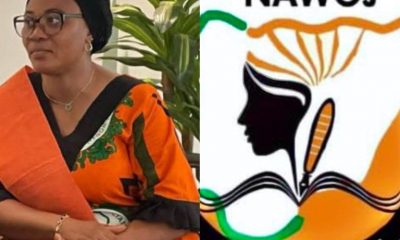



NAWOJ: SEKINAT, CHARITY GETS VOTE OF CONFIDENCE
The Nigeria Association of Women Journalists,(NAWOJ), Ogun State Chapter Executives has unanimously passed a vote of confidence on Chairman NAWOJ SEKINAT Salam and the Financial Secretary, Charity James, saying that, their leadership reflect the ideal and objectives of NAWOJ.
This was revealed in a communique issued at an Emergency meeting of the Executive held at the NUJ State Council, Iwe-Iroyin in Abeokuta.
The vote of confidence on the Leadership of NAWOJ was unanimously signed by all the five executive members that attended the meeting with the vice chairperson taking apology for official engagement outside the state capital.
According to the communique ” Consequently, NAWOJ Ogun State Chapter, reaffirms it’s unwavering support and confidence in the Chairperson and the Financial Secretary, Sekinat Salam and Charity James respectively, Urge them to continue in their commitment to purposeful leadership in the best interest of the association and the society at large”.
Speaking briefly with Journalists after the emergency Executive meeting, the Chairperson, Nigeria Association of Woman Journalists (NAWOJ), Com. Sekinat Salam, said the meeting was necessary as the news of her suspension was laughable and insulting because it is like a pot calling a kettle black in this case, saying that the Leadership of the State Council, Com. Wale Olanrewaju has no local standing to suspend her or any executive member, even he cannot be a judge in his own case.
According to her” The Leadership of the Nigeria Union of Journalists, Ogun State led by Wale Olanrewaju has always been misusing power without recourse to the constitution of this noble Union, hence has no local standing to suspend me or any executive member “.
She said only the Central Working Committee (CWC) has the constitutional rights to sanction or suspend any members found wanting after due process has been followed.
While calling on members to stay calm, Com. Sekinat Salam assured members of positive representation of NAWOJ at both the State and National level, adding the success recorded under her administration cannot be overemphasized.
She therefore called on the National leadership of NUJ to critically look into the matter, either by setting up independent committee to investigate the issues and resolve the matter as quickly as possible.
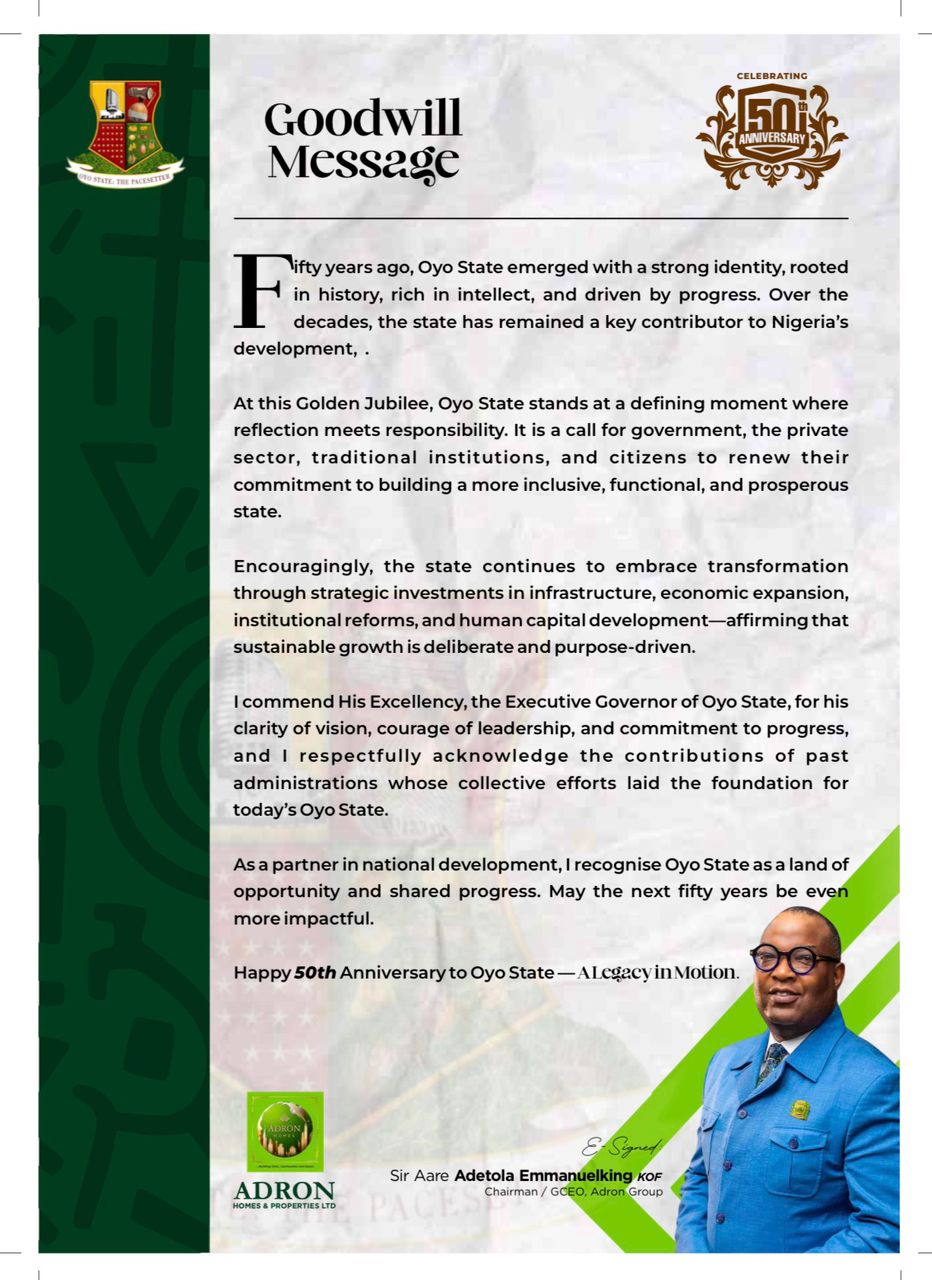
Adron Homes Chairman Congratulates Oyo State on 50 Years of Progress
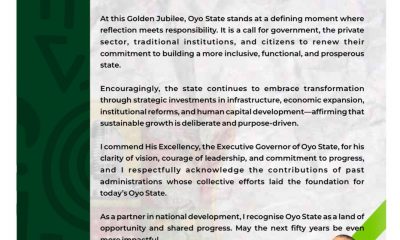
The Chairman and Chief Executive Officer of Adron Homes and Properties Limited, Aare Adetola Emmanuelking, has congratulated the Government and people of Oyo State as the state marks its 50th anniversary, describing the occasion as a celebration of resilience, cultural pride, and sustained progress.
He noted that since its creation, Oyo State has remained a strong contributor to Nigeria’s socio-economic and cultural development, emerging as a hub of commerce, education, and innovation.
According to him, the Golden Jubilee offers a moment for reflection and renewed commitment by government, private sector players, traditional institutions, and citizens toward building a more inclusive and prosperous state.
Aare Emmanuelking commended the state’s ongoing transformation through investments in infrastructure, economic expansion, and human capital development, adding that sustainable growth is deliberate and must remain purpose-driven.
He also praised the leadership of the current administration while acknowledging the contributions of past leaders whose efforts laid the foundation for today’s Oyo State.
Reaffirming Adron Homes’ commitment to national development, he described Oyo State as a land of opportunity. He wished the state continued peace and prosperity, expressing confidence that the next fifty years will bring even greater achievements for the Pace Setter State and its people.
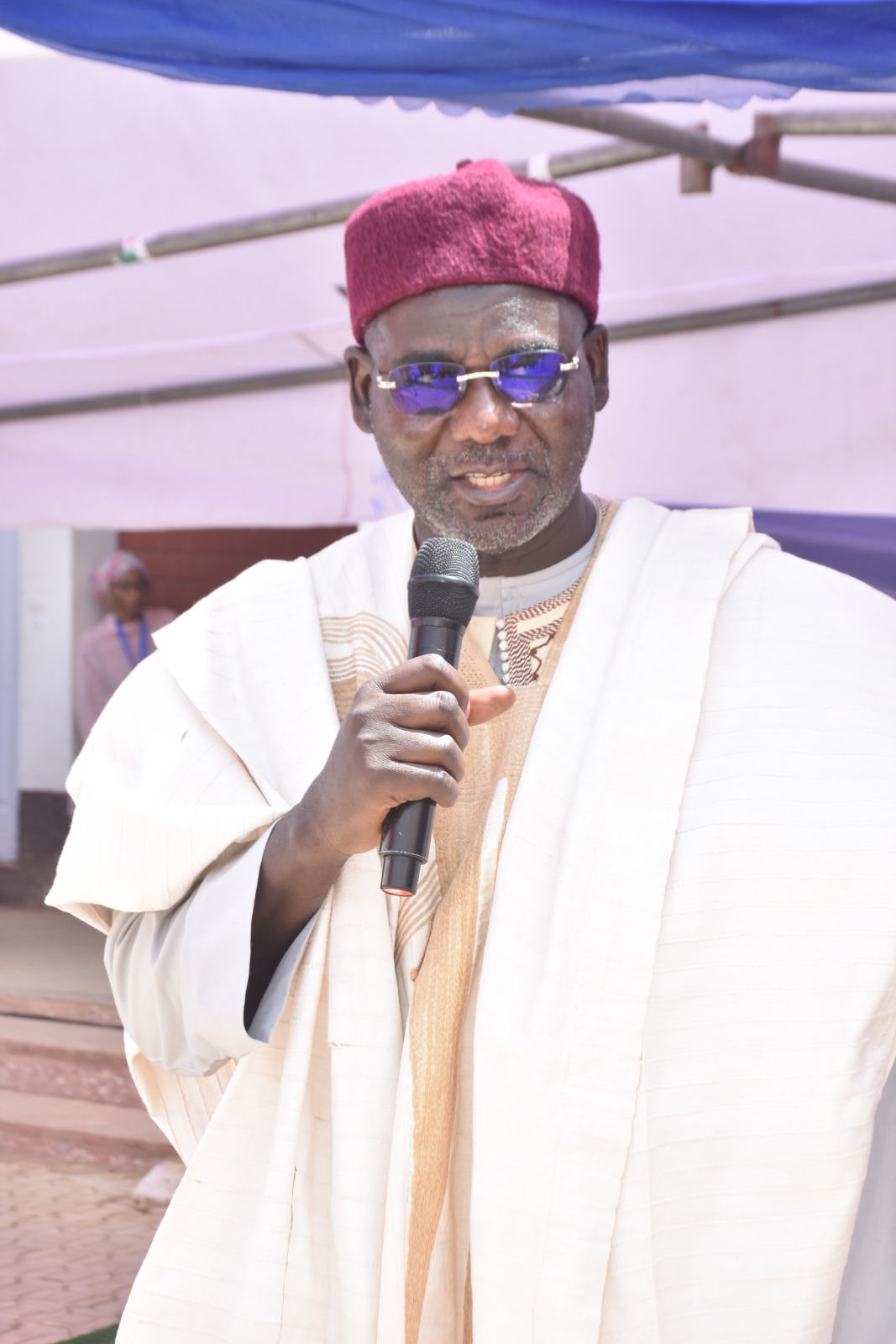
TY BURATAI HUMANITY CARE FOUNDATION CONDOLES WITH BIU EMIRATE OVER TRAGIC ATTACK
In a profound expression of sorrow, the TY Buratai Humanity Care Foundation has extended its heartfelt condolences to the families of the victims and the entire people of Biu Emirate, Borno State, following the recent tragic attack attributed to Boko Haram. This devastating assault, which occurred at a work site in northeastern Nigeria, claimed the lives of dozens, including brave soldiers committed to protecting the nation.
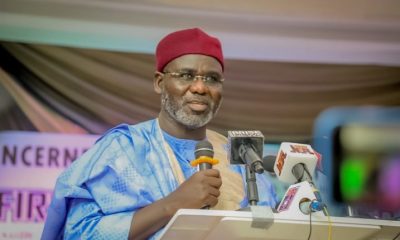
In a statement released to the press and signed by the Chairman of the foundation, Ibrahim Dahiru Danfulani Sadaukin Garkuwan Keffi/Betara Biu, the Grand Patron of the Foundation, His Excellency Amb. Lt. Gen. Tukur Yusufu Buratai CFR (Rtd), former Chief of Army Staff, described the incident as “one too many senseless, barbaric, and ruthless displays of inhumanity.” His Excellency emphasized the heartbreaking impact of such attacks on innocent, hardworking citizens striving to make a positive difference in their communities.
The Grand Patron praised the swift and decisive response of military personnel during this critical time, underscoring their brave commitment to safeguarding the nation. He called upon them to maintain this momentum, commending their courage and sacrifice in the face of adversity. “May Almighty Allah forgive their souls and grant them Aljannah Firdouse,” he remarked, encouraging the nation to honor their spirit of sacrifice as they rally together to rebuild and restore hope across the region.
In his statement, Gen. Buratai highlighted the importance of collective action in overcoming the challenges posed by insecurity, urging concerned citizens to increase their efforts in fostering a virile community that future generations can cherish. “Together, we can surmount these troubles,” he asserted, calling on all patriotic leaders and citizens to unite in the fight against violence and insecurity.
The TY Buratai Humanity Care Foundation remains committed to supporting initiatives that promote peace, security, unity, and prosperity. As the foundation extends its condolences to the bereaved, it also calls upon all segments of society to collaborate in creating a better and safer future. May Allah guide and protect the nation and lead it toward enduring peace. Amen.


-

 celebrity radar - gossips6 months ago
Why Babangida’s Hilltop Home Became Nigeria’s Political “Mecca”
-

 society6 months ago
Power is a Loan, Not a Possession: The Sacred Duty of Planting People
-

 Business6 months ago
Batsumi Travel CEO Lisa Sebogodi Wins Prestigious Africa Travel 100 Women Award
-

 news6 months ago
THE APPOINTMENT OF WASIU AYINDE BY THE FEDERAL GOVERNMENT AS AN AMBASSADOR SOUNDS EMBARRASSING