society
A Nation Held Hostage: The Shameful Politics of Calling Terrorists ‘Our Brothers
When Nigeria’s Leaders Call Terrorists “Peacemakers”: The Dangerous Normalisation of Banditry
By FEMI OYEWALE
society
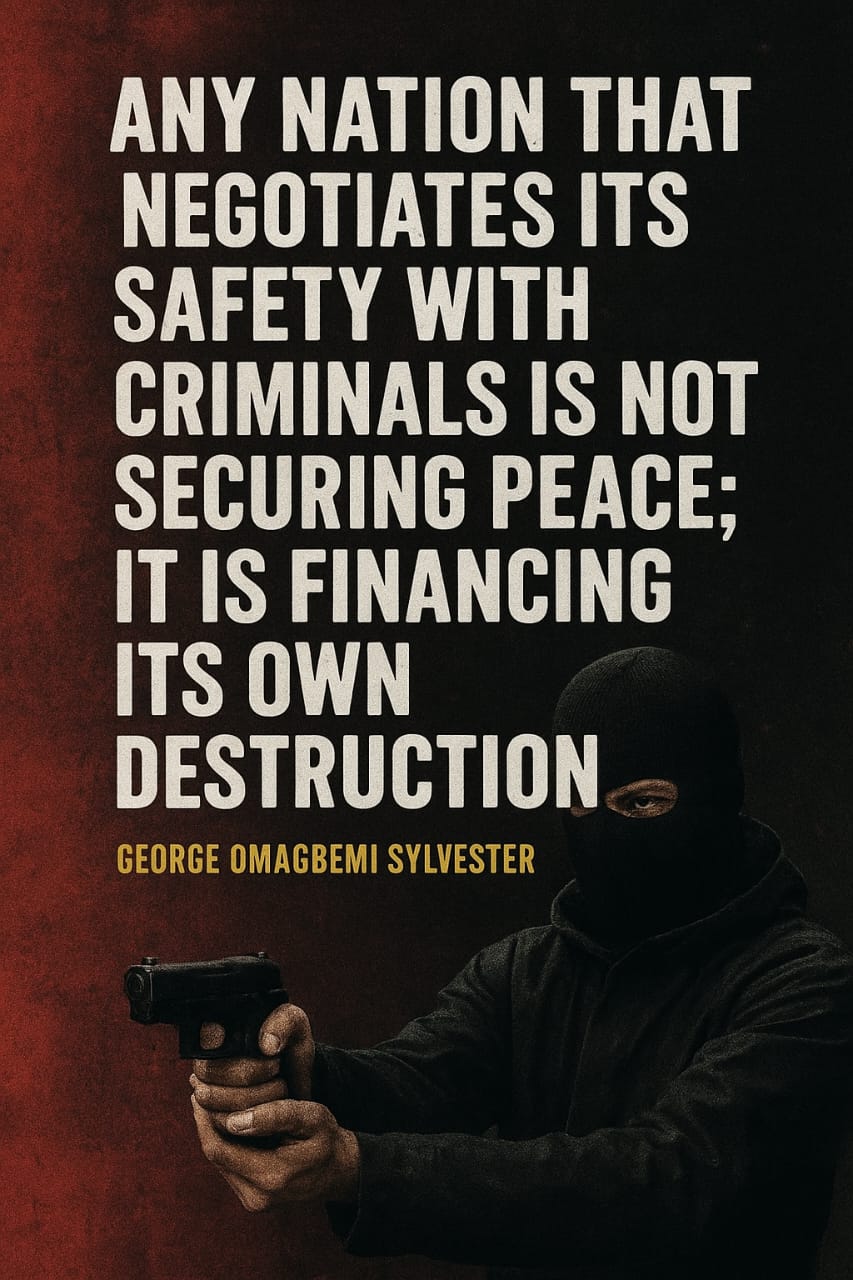
THE PRICE OF FREEDOM: When Governments Talk to Bandits — The Confusing, Dangerous Rescue of 38 Worshippers in Kwara
THE PRICE OF FREEDOM: When Governments Talk to Bandits — The Confusing, Dangerous Rescue of 38 Worshippers in Kwara.
By George Omagbemi Sylvester | Published by saharaweeklyng.com
“DSS and the military say they “CONTACTED” kidnappers and secured the release — critics ask whether the state paid a hidden ransom and whether any deal will deepen Nigeria’s kidnapping economy.”
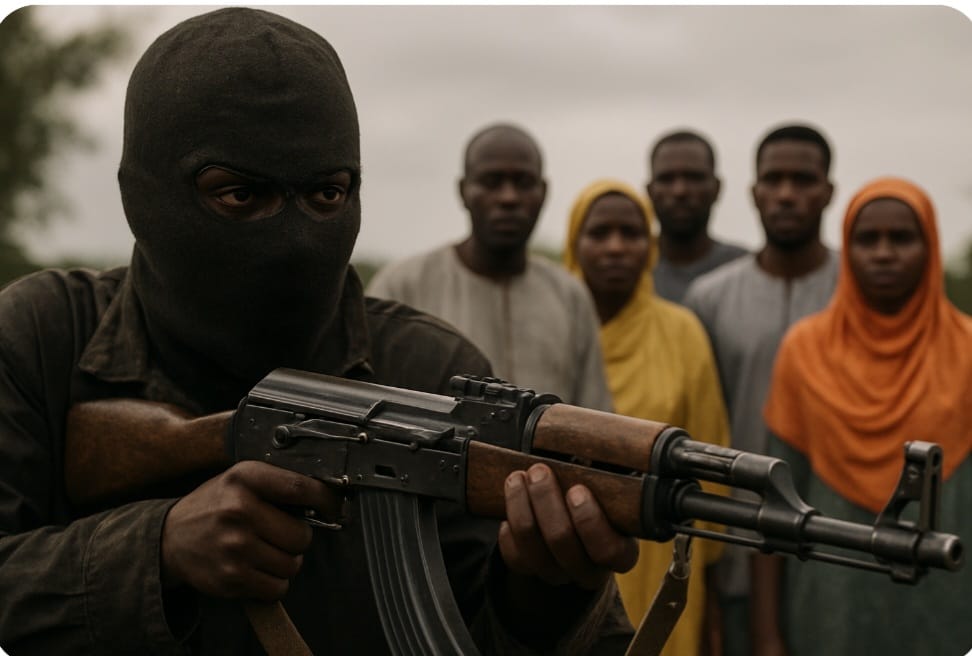
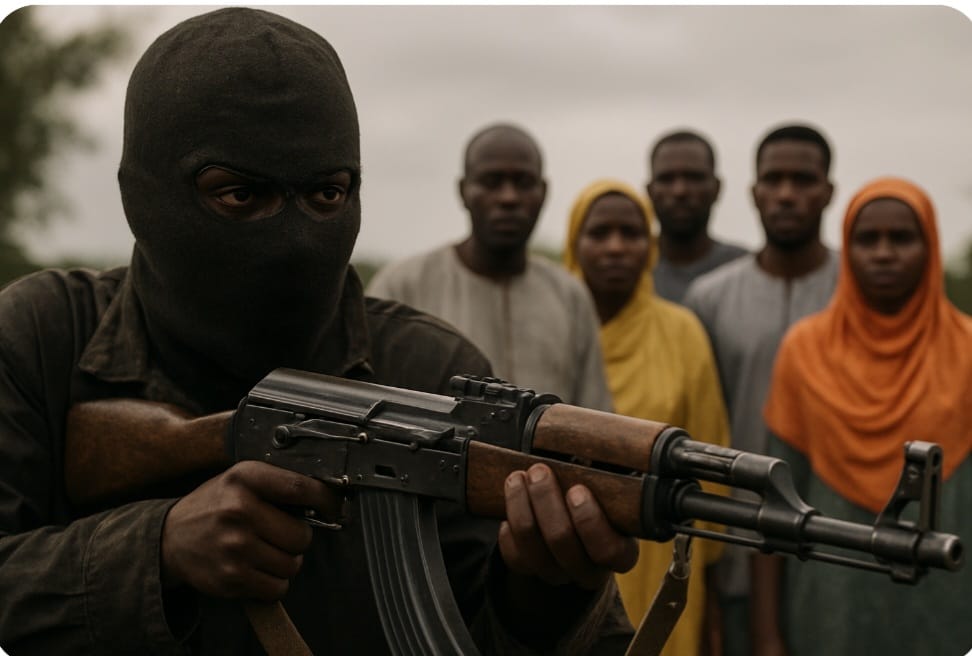
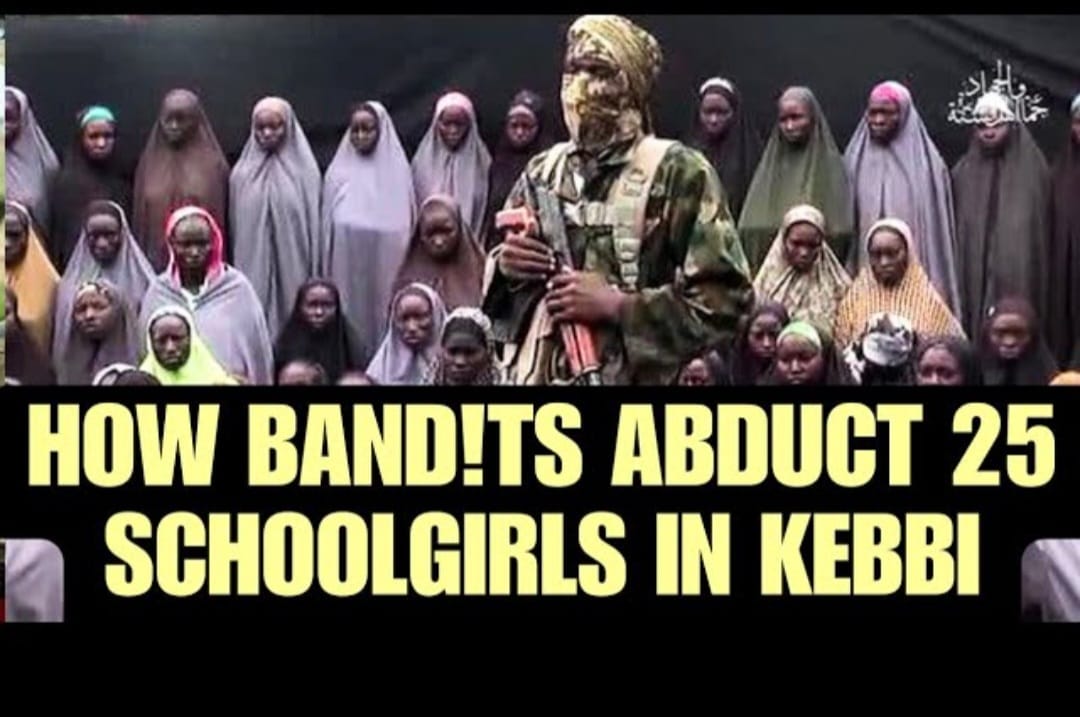
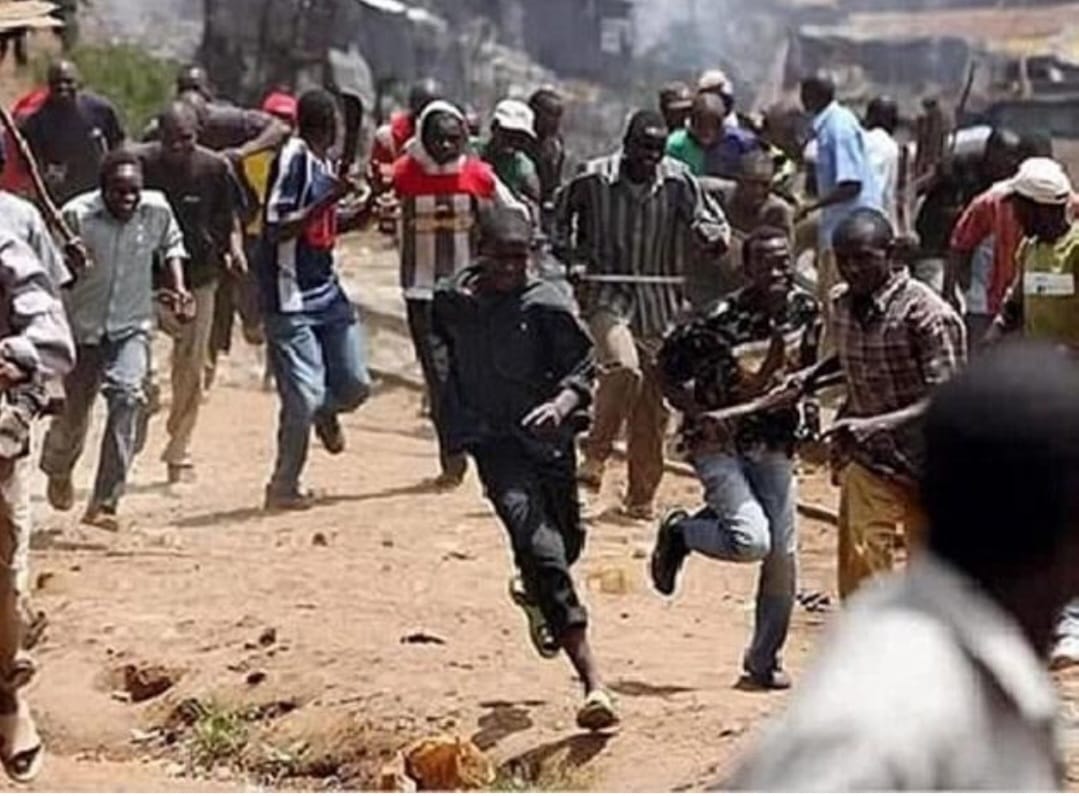
On November 18, 2025, gunmen stormed the Christ Apostolic Church in Eruku, Kwara State, killing two congregants and abducting 38 worshippers. The kidnappers immediately slapped an extraordinary demand (₦100 million per captive) a sum that made headlines and sickened relatives. The nation watched in horror as the familiar script of mass abduction and ransom negotiation ran again across our airwaves.
By November 24 the worshippers were free. But the sequence that led to their release has produced more questions than comfort. The Presidency’s information aide, Bayo Onanuga, told reporters that the Department of State Services (DSS) and the military had “CONTACTED the BANDITS” and, through real-time tracking and pressure, secured the release without paying ransom. “THEY REACHED OUT TO THE KIDNAPPERS AND DEMANDED THE RELEASE OF THE VICTIMS AND THE BANDITS COMPLIED,” Mr. Onanuga said. The Presidency insisted no ransom was paid.
That official narrative (CONTACT, MONITORING, PRESSURE, RELEASE) sounds tidy. It is also deeply unsettling. For decades families, communities and sometimes local governments have paid to get loved ones back. Analysts and international observers have documented millions of dollars exchanged in secret transactions between captors and the captive’s handlers; such payments become part of the criminal ecosystem, emboldening more abductions. “The motivation of these groups appears purely economic,” SBM Intelligence’s head of research once told Sahara when discussing the KIDNAP-FOR-RANSOM boom. History shows payments (whether explicit or concealed) can have perverse consequences.
So which is it in Eruku? The Presidency’s line is that security agencies negotiated and that the bandits, confronted by surveillance and the prospect of force, “COMPLIED.” Critics ask whether the state’s words conceal a quieter transaction: a back-channel transfer of funds, local payments by community leaders, or a tacit bargain that leaves the bandits enriched and empowered. Nigerian reporting after the releases has been mixed: some outlets relay Onanuga’s position that no ransom was paid, while others note continued local reports of community-level payments or murky negotiations.
There are three hard, non-negotiable truths we must hold in mind.
First: in a country where kidnapping for ransom has metastasized into a criminal economy, any release that lacks transparent forensic explanation will breed suspicion. Between 2011 and 2020, some firms estimated that tens of millions were paid to kidnappers across Nigeria (largely by families and intermediaries) a fact that demonstrates both the scale and the secretive cash flows sustaining the crime. When governments insist “NO RANSOM WAS PAID” without opening records or allowing independent verification, cynicism grows.
Second: the ethical and strategic dilemma is real. Security experts, criminologists and ethicists describe an agonizing choice: refuse to negotiate and risk lives, or negotiate/pay and save people now while encouraging more abductions later. A growing body of research argues that ransom payments produce a perverse feedback loop: immediate human relief at the cost of long-term national insecurity. “Paying the ransom may save a life immediately, but it causes more harm in the long run by encouraging further kidnappings,” a recent ethical review summarized. Policymakers must reckon honestly with that calculus.
Third: secrecy is the enemy of accountability. If security agencies can secure releases by non-lethal means (surveillance, pressure, targeted operations) the public should be presented with credible, verifiable steps explaining how danger was neutralized and how captors were prevented from using the same methods again. If, instead, releases depend on opaque deals or payments through intermediaries, then the state is, in effect, subsidizing criminality with impunity.
Voices from the field amplify these concerns. Ikemesit Effiong of SBM Intelligence described the kidnap economy as mostly financially motivated, fed by poverty and the breakdown of social controls; each successful payout is a business case for the next abduction. Academics who study the phenomenon have similarly warned that ransom markets create perverse incentives and institutional corruption that erode state capacity. In other words: when the state or its proxies pay to free today’s victims, it often pays tomorrow, through renewed crime and weakened trust.
This is not an argument for cold-hearted refusal to save lives. It is a demand for honesty and strategy. If the DSS and the military really relied on real-time tracking, coordinated intelligence and pressure to force a surrender without money changing hands, the Presidency should publicize a clear after-action account: what assets were used, what intelligence nodes tracked the gang, whether arrests were made, and what follow-up operations will prevent recurrence. That would be a template for accountability and learning.
If, on the other hand, a payment (direct or indirect) secured the release, Nigerians deserve to know that too. Concealing payments achieves two dangerous ends: it normalizes secret deals between the state and criminals, and it institutionalizes a shadow market where bandits calculate the expected payout for every attack. Either outcome corrodes the rule of law.
There are practical reforms the federal government must pursue, simultaneously and without further delay. First: transparency and publish factual, declassified after-action reports of rescue operations that explain who did what, and how outcomes were achieved. Second: a national policy on ransom negotiations, designed with input from security services, legal scholars, community leaders and international partners, that specifies when and how officials may engage with captors and under what safeguards. Third: invest aggressively in community resilience such as rural patrols, credible policing, emergency funds for forensic investigations, while prosecuting collaborators and vigilantes who profit from abduction markets. Fourth: strengthen prosecutions and asset-forfeiture regimes that clamp down on the financial networks banking ransom payments. Evidence-based suppression of the economics of crime is as crucial as boots on the ground.
Finally, we must have a public conversation about responsibility. Families and communities pay because they lack confidence in their state. Governments that want to break kidnapping’s business model must first restore trust: by showing that the state can protect citizens, secure rescues lawfully, and deny bandits the currency they crave. Anything less is appeasement dressed as rescue.
The Eruku case should be a moment of clarity for Nigeria. If the DSS and military achieved a no-cash rescue through skillful intelligence and pressure, the agencies should make that model public and replicable. If they relied on payments (however camouflaged) the country must confront the cost of that choice and act to end the market those payments prop up. Either way, secrecy benefits only the criminals and deprives Nigerians of the truth.
The 38 worshippers are home and for that we give thanks; but GRATITUDE must not silence ACCOUNTABILITY. The state’s job is not only to recover victims; it is to ensure the recovery does not fuel the next crime. Until the full facts of the Eruku release are laid on the table and scrutinized, the “MIRACLE” of a mass release will always carry the sour aftertaste of suspicion; and Nigeria will remain trapped in a vicious cycle where rescue equals reward and reward equals repeat.
society
OfadaBoy, PocketMoni, LASG, others to Power 7th Edition of Ofada Rice Day Festival
OfadaBoy, PocketMoni, LASG is set to power the 7th edition of Nigeria’s largest indigenous food festival dedicated to celebrating Nigerian heritage and promoting nutritious, locally grown cuisine. The event themed Eko Dun Joor is scheduled to be held on Sunday, December 7, 2025, at Muri Okunola Park, Victoria Island, Lagos.
This year’s theme is to Celebrate Innovation, Identity and Nigeria’s Culinary Future,” reflects the festival’s mission to champion homegrown foods, deepen cultural pride, and reinforce the importance of healthy, locally sourced meals.
Eko Dun Joor is swiped around Lagos’ essence and rich culture, which is in alignment with the core focus of Ofada Rice Day Festival.
The festival, sponsored by PocketMoni, Goldberg, Maltina, Fatgbems Group, Action Bitters is convened by Tobi Fletcher, Creative Director of OfadaBoy and President of the Association of Professional Food Service Providers of Nigeria (APFSPN), in partnership with his wife and co-partner, Oyinda Fletcher.
Speaking during a press briefing, Fletcher assured that the 2025 edition would be an unforgettable celebration of food, culture, and innovation.
“I speak today as the Convener of the Ofada Rice Day Festival, Creative Director of OfadaBoy, and President of APFSPN; standing proudly with my wife and Co-Partner, Oyinda, and our dedicated team who have worked tirelessly to make this year’s festival possible.
“Our theme is not just a concept; it is a reflection of my personal journey, my heritage, and our collective mission,” he said.
He revealed that the festival will feature performances by iconic Fuji star, Obesere, rap sensation, Reminisce, and high-energy bandleader Segun Johnson.
Fletcher stated that his connection to Ofada rice goes beyond business, tracing his roots to a line of first-generation rice farmers.
“My great-grandfather was the first Ofada rice farmer. It is a legacy built on sacrifice, innovation, and tradition. This work is a continuation of that story; a responsibility I carry with pride,” he said.
With nearly two decades of experience in the hospitality and food service space, Fletcher said he has witnessed the evolution of Nigerian cuisine; from challenges to breakthroughs; and believes strongly in the future of local foods.
“Ofada has risen from a small village staple to a national treasure and an emerging global culinary identity,” he noted. “Its rise represents the rise of Nigerian farmers, homegrown food businesses, cultural pride, and innovation in our food system,” he said.
Fletcher emphasised that Ofada rice is now more than just a meal; it is a cultural and economic movement entering a new era of modernization and global relevance.
This year’s festival will spotlight innovation through: new Ofada-based products, creative culinary presentations, sustainable farming solutions, young entrepreneurs redefining food culture and technologies enhancing processing, packaging, and distribution
At its heart, he said, the Ofada Rice Day Festival remains committed to empowering local food sellers, market women, small-scale vendors, cooks, and emerging food entrepreneurs.
The 2025 edition will also feature: cultural and artistic showcases, innovation hubs, farmer and producer conversations, food exhibitions and tastings, culinary competitions, and panel discussions with industry experts.
Lagos State Commissioner for Agriculture and Food System, Mrs. Abisola Olusanya lauded the organisers and reaffirmed the state government’s support.
She reiterated that Governor Babajide Sanwo-Olu’s administration will continue to prioritise increased food production and improved food systems across the state.
Also speaking, Ifeanyi Chukwuekem, Head of Corporate Strategy for PocketMoni; the festival’s headline sponsor; expressed pride in partnering with OfadaBoy.
“It is important to align with a strong indigenous brand like OfadaBoy. We also want Nigerians to better understand what PocketMoni represents.
“We are the only fintech listed on the Nigerian Stock Exchange, which speaks to our roots. At the festival, we will host an experience centre to further engage guests,” he said.
society
Appraising Regulatory Excellence through Komolafe’s Lens
*Appraising Regulatory Excellence through Komolafe’s Lens*
By Ibrahim Idris
When the momentous task of leading a constituted regulatory edifice like NUPRC is entrusted to a single person, the world expects two things: fidelity to statutory duty and demonstrable outcomes. In Nigeria’s upstream petroleum sector, it is no surprising that those expectations have been largely met, and have been exceeded on many occasions by Engineer Gbenga Komolafe. Being the Chief Executive of the Nigerian Upstream Petroleum Regulatory Commission (NUPRC), Komolafe is a living metonym for “Regulatory Excellence”, one who is meticulous in method, and relentless in his delivery.
Komolafe’s regulatory excellence is a precis of performance. His ability to expressly use technological modernity to reorient the upstream governance from an era of opaque process to one that’s characterized by clearer rules, timelier approvals, and an insistence on environmental and fiscal accountability, speaks a lot about the valuable experiences he has gotten over decades of commitment.
Trained as an engineer and a lawyer, and steeped in decades of hands-on experience at the Nigerian National Petroleum Corporation and its subsidiaries, Komolafe is a practitioner-turned-regulator who understands the idiosyncrasies of Nigeria’s oil industry from the pumpjack to the policy memo. His appointment as the inaugural CEO of the NUPRC in 2021 placed him at the fulcrum of the Petroleum Industry Act’s (PIA) ambitious reordering of upstream governance.
Is arrival at the NUPRC with credentials that signal both technical proficiency and institutional knowledge, present him as the perfect leader who could translate the PIA text from just abstract into implementable regulations, and pragmatic decision that would uplift investor confidence while protecting the national patrimony. Komolafe as proven himself capable.
In a capital-intensive industry such as upstream oil and gas, it is well-known that one of the strongest indicators of regulatory is the predictability and timeliness of approvals. Under Komolafe’s leadership, the NUPRC proven this efficiency rationalizing transactional approvals while insisting on enforceable conditions that protect communities and the environment. A salient example is the commission’s approvals of onshore asset sales in 2024 which saw a sign-offs on transactions involving major operators.
However, this action created a new willingness to clear transactions that has been long affected by regulatory uncertainty, on the condition that buyers accept responsibility for remediation and community compensation. This accelerated market orderliness while ensuring that liabilities linked to environmental damage are not abdicated. It further enabled market continuity and protected public interest. This posture which is neither reflexively permissive nor immovably obstructionist, has produced a healthier investment rhythm. By setting clear conditions and timelines, Komolafe and his team have sent a market signal: Nigeria’s upstream sector can transact with greater legal certainty, and the regulator will enforce compliance without needlessly obstructing legitimate commercial pathways.
Komolafe’s NUPRC understood that regulatory excellence in the contemporary petroleum sector is inseparable from environmental stewardship, and a regulator that fails to harmonize extractive activity with climate commitments, will over time, undermine both national credibility and long-term resource value. Therefore on this note, the commission foregrounded decarbonization as an operational requirement rather than a rhetorical afterthought that is hardly being implemented.
Moreover, the launching and enforcement of the Upstream Petroleum Decarbonisation Template (UPDT), and the insistence that licence applicants demonstrate low-carbon credentials and evidence of renewable-energy integration, constitute an important normative shift. The NUPRC, on the 1st of January 2025, stipulated a regulatory condition that aligns Nigeria’s upstream licensing with expectations of global nations’ governance and investor desire for lower-carbon portfolios. These administrative structuring operationalize decarbonization by embedding measurable mitigation commitments into the licence lifecycle. This has become a blueprint for good governance whereby, applicants must present verifiable plans, timelines to work with, and monitoring structure.
Komolafe has made his policy more persuasive by proving it with real data. Under his leadership, the NUPRC reported a notable growth in national oil reserves and a substantial uptick in production between April 2023 and November 2024, accompanied by a marked reduction in theft and deferments. This was made possible due to the good relationship the commission fostered with security agencies and its deployment of monitoring systems contributed to these improvements. These outcomes are mot accidental; they are results from all elements of a regulatory strategy that prizes accountability.
Regulation often plays a catalytic role in attracting and preserving investment. Metrics like, rig count, capital commitments, and licensing round outcomes that investors watch out for, has shown progressive movement under Komolafe’s watch. It is reported that active rig count has increased geometrically from eight in 2021 to 69 as of October 2025, revealing a 763% increase, and substantial investments flowing into exploration and production activities indicate a renewed operational momentum. These shifts are consistent with a regulatory environment that has become less volatile and more adjudicatively certain.
In practical terms, this is consequential because, higher rig counts mean more acreage is being tested and developed; new investments translate into jobs, forward and backward linkages, and enhanced fiscal inflows for the state. The regulator’s role here has been to create an enabling framework, one that clarifies title transfers, streamlines licencing, and enforces compliance, thereby lowering perceived sovereign risk and unlocking capital that had hitherto been reticent.
Under Komolafe, the NUPRC has been proactive in institutionalizing technical and procedural tools that make oversight more effective and less discretionary: the promulgation of measurement regulations, the introduction of the Advanced Cargo Declaration Mechanism, and the modernization of the licensing apparatus are illustrative. This action of his aligns with the popular saying that, “Great regulators are not only arbiters; they are architects of process. “
There is an often observed strain among public figures where they substitute verbosity for efficacy. If you are looking for a talkative then you may seek salvation elsewhere, because unlike most, Komolafe’s modus operandi, by contrast, privileges “speaking with action.” To be clear, Komolafe’s leadership has been accompanied by tangible communication of policy direction, stakeholder consultations, and public reporting. The difference is tone: where many an official indulges in florid programmes of rhetorical self-congratulation, Komolafe’s communications tend to be utilitarian, one that is aimed at clarity and compliance rather than propaganda.
The validations from local and international bodies are innumerable. Under Komolafe, the commission has garnered multiple awards and recognition for service delivery and regulatory ingenuity. These accolades are not end-goals; they are signposts that the industry and peer institutions acknowledge the seriousness of the reform trajectory. Awards and commendations, when paired with measurable results, strengthen the claim that the NUPRC is not merely performing administratively but is effecting legitimate sectoral transformation.
Komolafe’s NUPRC has been an early adopter of the emergent architecture of next generation: one that integrated digital tracking, balance measurements, and embeds climate-related frameworks within licencing. This is a blueprint that is instructive, making regulators synthesizing being business-friendly and being accountable together, rather than choosing one when it’s possible t have both through rule-making and consistent enforcement.
Komolafe leadership style is a deliberate one which is result oriented, and synonymous with outcomes. He is the procedural craftsman who gets things done. Believe me, if you are interested in an administrator who gives priority to Law and demonstrable gains, Komolafe is the perfect exemplary figure: the “Sure Plug” for a sector that needs a good blend of legalism and pragmatism.
There is no doubt that Nigeria’s upstream sector remains complex and evolving. But the successes under Komolafe are credible progress markers that ensure sustenance. They have proven that when a leader combines transparency with technological tools and strategic partnerships, the result is governance that produces both public value and investor confidence. For that reason, Gbenga Komolafe is not merely a regulator among many, he is a case study in how regulatory institutions can be rebuilt, not by rhetoric, but by disciplined action.
Idris is an oil and gas expert contributed this piece NNPC Quarters, KAduna.
-
Politics5 months agoNigeria Is Not His Estate: Wike’s 2,000‑Hectare Scandal Must Shake Us Awake
-
society7 months agoOGUN INVESTS OVER ₦2.25 BILLION TO BOOST AQUACULTURE
-
celebrity radar - gossips6 months agoFrom ₦200 to ₦2 Million: Davido’s Barber Reveals Jaw-Dropping Haircut Fee
-
society5 months agoJUSTICE DENIED: HOW JESAM MICHAEL’S KINDNESS WAS TURNED AGAINST HIM