
society
JINGLE BELLS”: From Minstrel Stage to Global Holiday Anthem


“JINGLE BELLS”: From Minstrel Stage to Global Holiday Anthem.
By George Omagbemi Sylvester | Published by saharaweeklyng.com
“A Song’s Roots in Racist Entertainment, Not African Bondage”
Every December, millions around the world (including countless Africans) raise their voices to sing “Jingle Bells,” heralding the festive Christmas season with joy and cheer. The familiar refrain “Jingle all the way” fills streets, homes, malls, schools, and churches, becoming part of the soundtrack of holiday celebration. But beneath the bright bells and festive rhythm lies a history that many do not know — one that does not originate with snowy sleigh rides alone, nor with a symbol of African suffering in bondage, but with a darker chapter of American cultural history: the minstrel show and the racist entertainment industry of the 19th century.
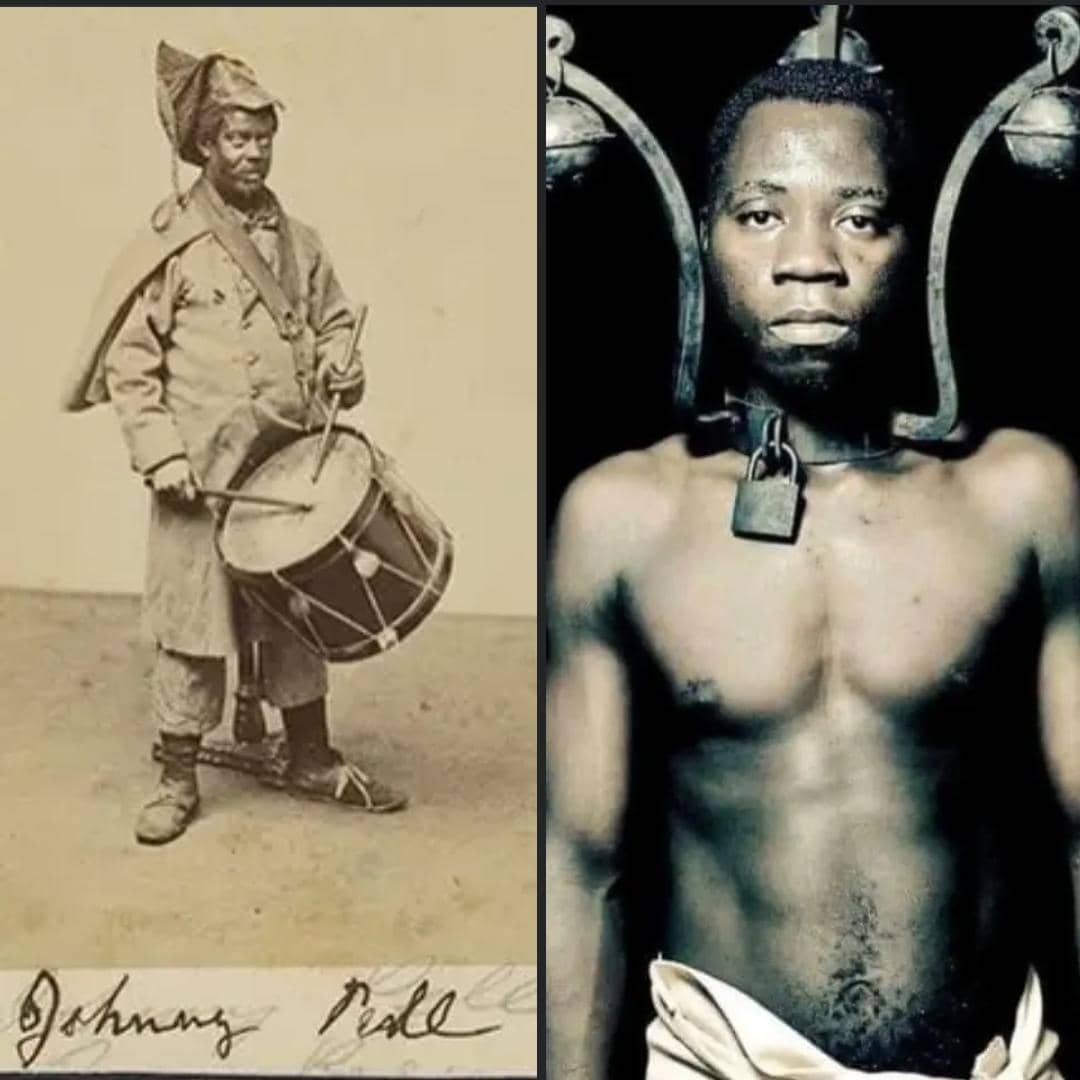
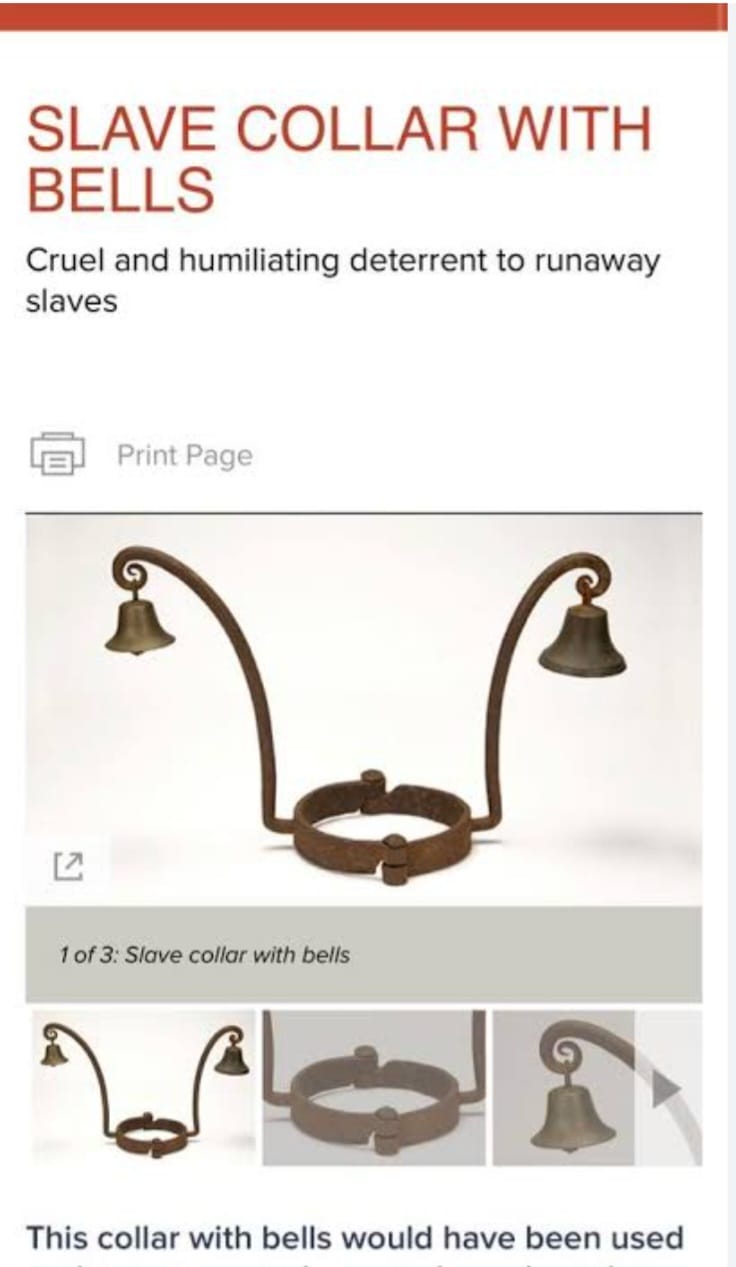
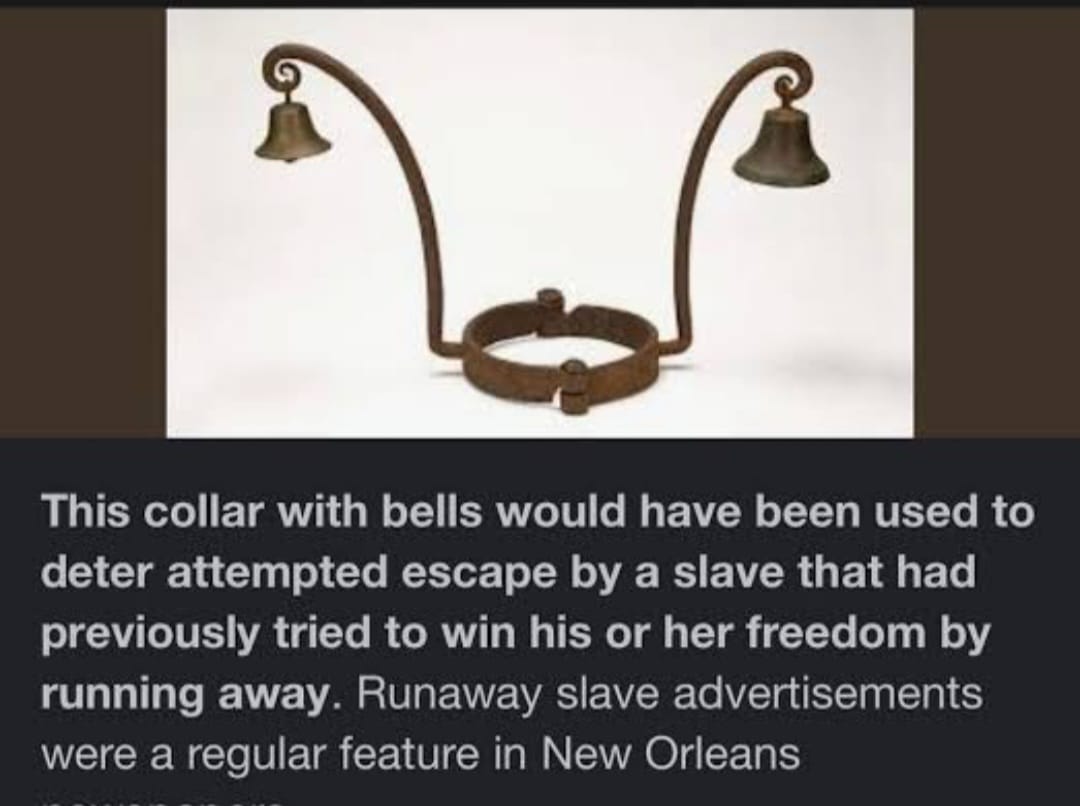
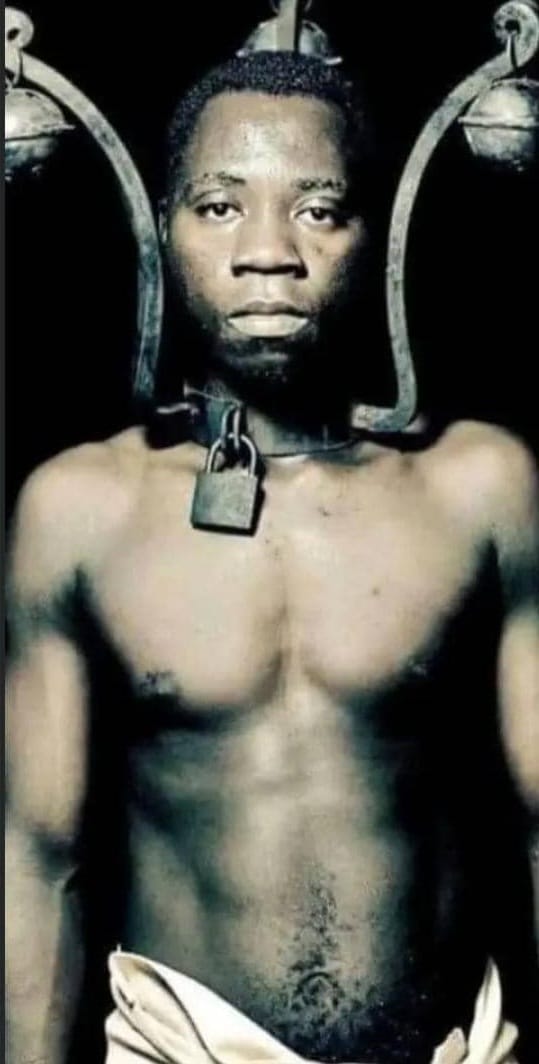
Dispelling a Myth — No Evidence of Jingle Bells as Slave Restraints. A claim circulating online and shared across social media is that the song Jingle Bells is tied to the bells shackled to the feet of enslaved Africans to prevent escape. This narrative (while emotionally powerful) is not supported by credible historical research or primary sources. Historians who have studied the song’s origin find no documented evidence that the bells referenced in the song were ever used in that form of bondage or that the song was written about such practices. The song’s lyrics describe sleigh rides in snowy landscapes — a setting completely disconnected from the lived geography and conditions of enslaved Africans in the United States. Moreover, rigorous academic and archival research into the song’s creation and performances do not link the melody or original lyrics to slave restraints or such specific symbols of oppression.
Let us be clear: the Atlantic slave trade and the brutal systems of bondage inflicted countless horrors on Africans and their descendants — atrocities that deserve remembrance, recognition, and rightful place in human history. But the specific claim about “Jingle Bells” being directly linked to bells used on slaves’ feet is not documented in credible historical record and should not be perpetuated as fact. Doing so risks confusing myth with history, even as it speaks to very real broader legacies of violence.
So What Is the True Origin of “Jingle Bells”?
The song we know today was originally written by James Lord Pierpont in 1857 under the title “The One Horse Open Sleigh” and was published in Boston, Massachusetts. It was not written as a Christmas song, and its lyrics make no mention of the holiday — yet it became associated with Christmas decades later.
Pierpont himself had a complex personal history that reflects the deeply divided America of his time. Born into a New England family, he later moved to Savannah, Georgia. While his father was an abolitionist clergyman, James Pierpont diverged sharply from that stance: with the outbreak of the American Civil War, he became a supporter of the Confederate cause and even wrote songs expressing his allegiance.
Minstrel Shows: Where “Jingle Bells” First Lived
Perhaps most troubling (and most ignored) is the first known performance context of the song.
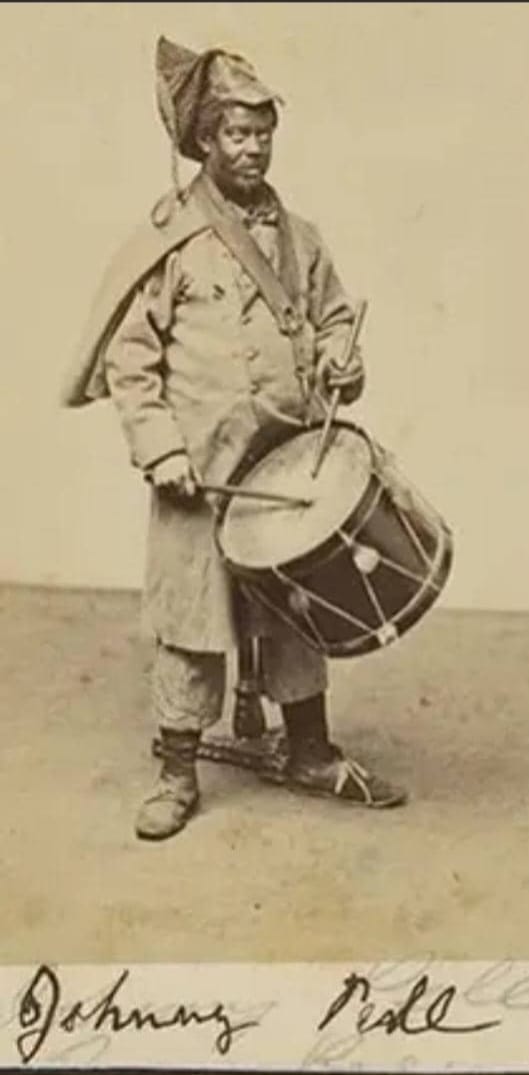
In September 1857, “The One Horse Open Sleigh” debuted at Ordway Hall in Boston as part of a minstrel show performed in blackface, delivered by entertainer Johnny Pell and his troupe.
Minstrel shows were a distinctly racist form of popular entertainment in 19th-century America: white performers would paint their faces black, caricature African Americans, and mock Black culture for white audiences, reinforcing degrading and stereotypical images. They were not benign entertainment; they were systematic performances that commodified and ridiculed people of African descent.
This fact matters. It places Jingle Bells squarely in the cultural machinery of racial mockery — not as a song about sleigh rides alone, but as part of a broader racist performance tradition that normalized inequality and dehumanization long before the Civil Rights Movement and long after slavery had been abolished in the North.
As theatre historian Kyna Hamill (Boston University) has shown, the earliest documented performance of the song occurred on a minstrel stage and was part of a genre of songs that lampooned Black people’s participation in common winter activities, complete with stereotyped caricatures. These performances were part of a genre of blackface songs that profited from racist tropes common in American culture before, during, and after slavery.
The Irony of Cultural Forgetting. For Africans today (particularly in diaspora communities) singing “Jingle Bells” has become an expression of Christian joy and universal festive spirit. Yet that joyful singing often happens without awareness of the song’s troubling early context. There is a profound irony here:
A melody once delivered on racist stages has become a global emblem of unity and celebration. Yet most who sing it have never confronted its history.
This irony is not unique to “Jingle Bells.” Much of Western popular culture carries with it legacies and traces of historical injustice — from blues music shaped in contexts of Black struggle, to spirituals born out of pain and hope. But understanding that history is not an act of cancellation; it is an act of respect for truth and memory.
What Scholars Say
While Jingle Bells is not explicitly a song about slavery, scholars argue that we must acknowledge how racist entertainment traditions helped shape what became the song we know today:
Kyna Hamill, theatre historian, emphasizes that the song first appeared in the repertoire of minstrel shows — a form that reinforced racial stereotypes and profited from demeaning representations of African Americans.
Historian analyses point out that the song’s history “has quietly eluded its racialized past,” becoming popularized later as a Christmas staple while its early context was forgotten by mainstream audiences.
These interpretations help us understand why today’s celebrations, though joyful, should be informed by context and critical memory.
Reclaiming Memory, Without Denying Joy
Africans and people of African descent around the world should not be made to feel ashamed of celebrating Christmas or singing Jingle Bells. The song as it exists today (with its cheerful chorus) carries no overt racist text, and millions sing it without any malicious intent. What must change, however, is the narrative of ignorance surrounding it.
The past we inherit is neither tidy nor always righteous. Human history is filled with beauty born in struggle and joy that rises above pain. To sing Jingle Bells while understanding its roots is not to erase joy, but it is to honor truth.
In Summary: Understanding Without Simplifying. The idea that Jingle Bells was literally a “SIGNAL of OPPRESSION” for enslaved Africans, using bells tied to feet, is a myth that should not be elevated as fact. However, the song does have a racially charged origin story, connected to minstrel shows and one of the most blatant expressions of systemic mockery and racism in 19th-century America.
As Africans engage with global culture, historical awareness must go hand in hand with celebration. To acknowledge the shadows in our cultural heritage is not to diminish the light, though it is to ensure our joy is grounded in truth and resilient against forgetting.
Only then can we sing our songs (even the joyful ones) with clearer minds, open hearts, and remembrance of those whose histories were overlooked.









Banwo Questions Bwala’s Credibility After Al Jazeera Interview
Public commentator, Dr. Ope Banwo, has criticised Daniel Bwala, the Presidential Spokesperson on Policy Communication for President Bola Ahmed Tinubu, following a contentious interview on Al Jazeera, describing the appearance as damaging to the credibility of Nigeria’s public communication.
Bwala had appeared on a programme hosted by journalist Mehdi Hasan, where he faced a series of questions about past statements attributed to him. During the exchange, Hasan presented video clips of previous remarks by the government spokesman and asked him to reconcile them with his responses during the interview.
The exchange, which has since circulated widely online, drew attention after Bwala appeared to dispute statements that were subsequently played back during the programme.
Reacting to the development, Banwo said the episode reflected poorly on Nigeria’s representation on international media platforms.
According to him, the availability of digital records and online archives means public officials must be prepared to defend their past statements whenever they appear on global television.
“In the era of instant fact-checking, any public figure going on international television must assume that every previous statement can be easily retrieved,” Banwo said.
He added that the controversy surrounding the interview was particularly troubling because the contradictions presented during the programme were supported with video evidence.
Banwo noted that while political interviews can be confrontational, government representatives should expect tough questioning when appearing before international audiences.
The founder of Naija Lives Matters also expressed concern over Bwala’s reaction during the interview, especially his claim that he was not informed he would be required to defend his personal record.
“A government spokesman should never be surprised by questions about his own public statements,” Banwo said.
During the programme, Bwala also responded to criticism of Nigeria’s governance challenges by arguing that similar problems exist in other parts of the world.
However, Banwo argued that such comparisons do not address the specific issues raised about Nigeria.
According to him, the episode should serve as a reminder of the importance of preparation and credibility when Nigerian officials appear before international media platforms.
The interview has continued to generate reactions across social media and political commentary circles, with observers debating both the conduct of the interview and the implications for Nigeria’s global image.
society
THE IMPERIAL GOLD COIN OF THE UNITED KINGDOM OF ATLANTIS UNVEILED AS SYMBOL OF SOVEREIGNTY AND HERITAGE

THE IMPERIAL GOLD COIN OF THE UNITED KINGDOM OF ATLANTIS UNVEILED AS SYMBOL OF SOVEREIGNTY AND HERITAGE
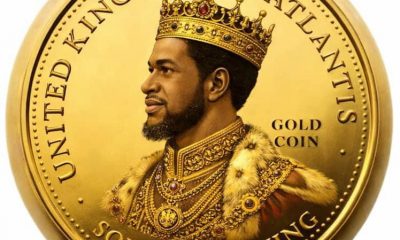
_[Atlantis City, United Kingdom of Atlantis – March 2026]_ – The United Kingdom of Atlantis proudly announces the introduction of its *Imperial Gold Coin*, a magnificent emblem of sovereignty, authority, and imperial heritage. The exquisite gold coin has been crafted to represent the nation’s regal tradition, economic strength, and the visionary leadership of its monarch.
The centerpiece of the coin features the dignified portrait of *His Imperial Majesty, Professor Solomon Wining*, depicted in full royal regalia. Crowned with a majestic golden crown and adorned with intricately crafted ornaments, the portrait embodies honor, wisdom, and noble leadership befitting a sovereign ruler. The depiction celebrates the monarch’s reign, which is associated with wisdom, development, and the pursuit of justice.
The golden coin itself signifies *prosperity, stability, and the enduring legacy* of the Atlantis Kingdom. Gold, historically a universal symbol of power, wealth, and permanence, reflects the strength and vision of the kingdom’s leadership and its aspirations for lasting greatness.
Encircling the royal portrait is the carefully engraved inscription *“United Kingdom of Atlantis”*, reinforcing the state’s identity any the authority of its sovereign ruler. The lower rim of the coin prominently displays the name *Solomon Wining*, commemorating the monarch whose leadership is linked to noble governance and national advancement.
The phrase *“Gold Coin”* highlights not only the currency’s intrinsic value but also its symbolic significance as a representation of the kingdom’s economic structure and royal treasury. Beyond its aesthetic elegance, the coin serves as a *mark of sovereignty*, a seal of authority, and a reminder of the royal institution governing the United Kingdom of Atlantis.
The Imperial Gold Coin represents:
– *Unity* among citizens,
– *Loyalty* to the crown,
– A vision of a kingdom built upon *justice, prosperity, and noble leadership*.
Every detail—from the engraved crown to the polished golden surface—makes the coin a timeless emblem of imperial prestige and national pride. It stands as both a symbol of wealth and a monument to the legacy of royal leadership, reminding all who behold it of the enduring power and majesty of the United Kingdom of Atlantis.
The United Kingdom of Atlantis is a sovereign nation dedicated to upholding traditions of regal governance, cultural heritage, and economic prosperity, guided by the wisdom of its imperial leadership.
_Notes to Editors_:
The Imperial Gold Coin is intended for commemorative and symbolic purposes, representing the nation’s imperial heritage and royal authority.

Ajadi Visits Ibadan Chief Imam, Receives Blessings
The leading gubernatorial aspirant in Oyo State on the platform of the Peoples Democratic Party (PDP), Ambassador Olufemi Ajadi Oguntoyinbo, on Wednesday paid a courtesy visit to the Grand Chief Imam of Ibadanland, Sheikh Imam Abdul Ganiy Abubakir Agbotomokekere, at his Oja’ba residence in Ibadan, where discussions centred on leadership, integrity, and the role of prayers in governance.
Ajadi, who described the revered Islamic cleric as a spiritual pillar in Oyo State, said his visit was to seek prayers and wise counsel as he continues consultations ahead of the 2027 governorship race.
While addressing the Chief Imam, Ajadi commended his consistent prayers for Ibadanland, Oyo State and Nigeria, noting that religious leaders remain critical stakeholders in nation building.
“I have come to seek your prayers and spiritual blessings because of your important role in promoting peace, unity and moral guidance in our society,” Ajadi said.
“I also want to appreciate your continuous prayers for the progress of Ibadanland, Oyo State and Nigeria as a whole. My prayer is that Almighty Allah will continue to grant you sound health and long life to witness many more Ramadan seasons on earth.”
Speaking further, the PDP gubernatorial aspirant emphasised the need for leadership driven by compassion, fairness and accountability, stressing that his political aspiration is rooted in service to the people.
“My ambition is not just about occupying an office but about serving the people with sincerity and fear of God. We must continue to encourage politics that will bring development and improve the welfare of our people,” he added.
While speaking with journalists after the visit, Ajadi also assured the people of Oyo State and Nigerians at large that the internal crisis and political tensions within the Peoples Democratic Party (PDP) have been brought under control by the grace of God. He expressed optimism that the party would emerge victorious in all elective positions in the 2027 general elections.
In his response, Sheikh Agbotomokekere advised the governorship hopeful to remain focused on the principles of good governance, warning against corrupt practices often associated with politics.
The respected Islamic scholar noted that while politics is practised differently by individuals, only leaders with integrity and fear of God can truly deliver the dividends of democracy.
“Politics is practised by different kinds of people. Some play politics in a corrupt way, while others practise it with sincerity. My prayer is that you will be among those who will practise democracy in the right way if you become governor,” the Chief Imam said.
He reminded the aspirant that human ambition can only be fulfilled by divine approval, stressing that ultimate power belongs to God.
“Whoever is seeking a position should know that only Allah can make such an ambition come true. Whether a person becomes famous or remains unknown is also by the will of Allah,” he said.
Offering prayers for the politician, the cleric added: “Many people may be struggling for a position meant for one person, and it is only God who knows the rightful person. I pray that Almighty Allah will make you the chosen one among all the contenders.”
Using a football analogy to further illustrate his point, the cleric advised Ajadi to be wary of political distractions and misleading influences.
“On the football field, sometimes spectators believe they understand the game more than the players themselves. I pray that you will not be misled by so-called political gurus and that God will guide your steps aright,” he said.
Sheikh Agbotomokekere, the 18th Chief Imam of Ibadanland, is widely respected across South-Western Nigeria for his scholarship, spiritual leadership and advocacy for peaceful coexistence among religious and political groups.
Observers say the visit forms part of Ajadi’s ongoing consultations with key stakeholders, traditional rulers and religious leaders as political activities gradually gather momentum ahead of the next electoral cycle in Oyo State.

The cleric offered special prayers for peace in Oyo State, successful leadership, and continued unity among the people despite political and religious differences.


-

 society6 months ago
Religion: Africa’s Oldest Weapon of Enslavement and the Forgotten Truth
-

 news3 months ago
WHO REALLY OWNS MONIEPOINT? The $290 Million Deal That Sold Nigeria’s Top Fintech to Foreign Interests
-

 Business7 months ago
GTCO increases GTBank’s Paid-Up Capital to ₦504 Billion
-

 society6 months ago
“You Are Never Without Help” – Pastor Gebhardt Berndt Inspires Hope Through Empower Church (Video)