
celebrity radar - gossips
United Kingdom of Atlantis Appoints H.E Amb Dr Benjamin as Deputy Prime Minister

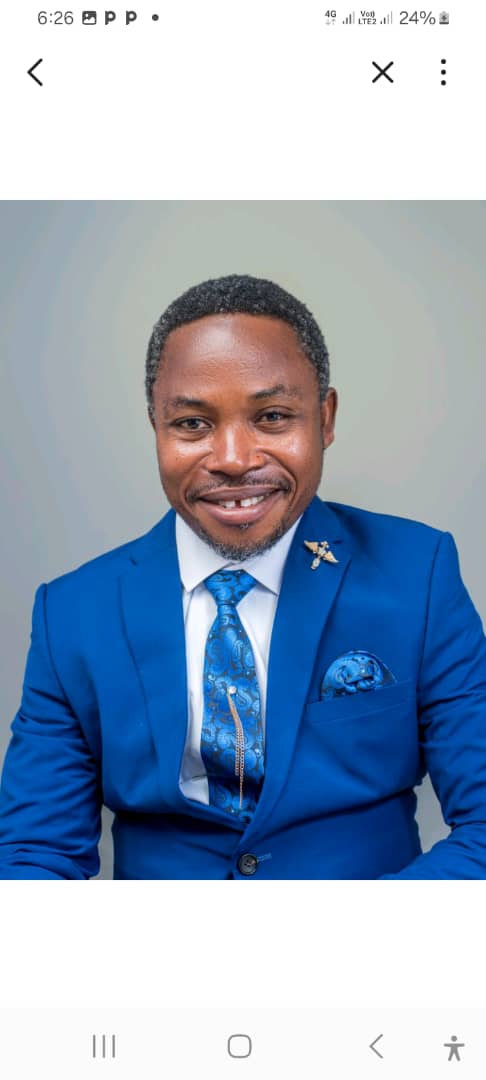
United Kingdom of Atlantis Appoints H.E Amb Dr Benjamin as Deputy Prime Minister
The United Kingdom of Atlantis (UKA), a certified “Decentralized Sovereign Nation,” has officially appointed H.E Amb Dr. Benjamin U.W Amadi as Deputy Prime Minister. This appointment was conferred through an executive order signed by His Imperial Majesty (HIM) Emperor Dr. Solomon Uchenna Winning, the reigning monarch of the United Kingdom of Atlantis.
As Deputy Prime Minister, H.E Amb Dr Benjamin will support UKA in promoting global unity, peace, and sustainable development. The UKA has been actively seeking diplomatic ties and bilateral treaties with nations worldwide, including Bangladesh, Malaysia, South Africa, and Nigeria
The UKA’s diplomatic efforts are led by Emperor Winning, who has been instrumental in establishing the kingdom as a recognized sovereign entity. With diplomatic offices in several continents, including Africa, Asia, Europe, and the Americas, the UKA is expanding its global presence ¹.
*About the United Kingdom of Atlantis:*
The UKA is a decentralized sovereign nation committed to promoting global unity, peace, and sustainable development. Led by Emperor Winning, the kingdom has achieved recognition from renowned institutions and is making strides as a key participant in international forums ².







celebrity radar - gossips
BUA Chairman Abdul Samad Rabiu Records Africa’s Biggest Wealth Surge, Net Worth Hits $11.2bn

BUA Chairman Abdul Samad Rabiu Tops Africa’s Wealth Gains in the 2026 Forbes Rankings as His Fortune Jumps 120% to $11.2 Billion, Rising to 3rd Place; Aliko Dangote Remains No.1
Billionaire Industrialist, Philantropist, and Chairman of BUA Group, Abdul Samad Rabiu, has emerged as Africa’s biggest wealth gainer in the 2026 Africa’s Richest People ranking published by Forbes, after his net worth rose sharply over the past year.
According to the latest Forbes list, Rabiu’s wealth surged 120 percent to $11.2 billion, representing the largest increase recorded among the continent’s billionaires in the latest ranking. The jump moves Rabiu, who is Nigerian, to third place among Africa’s richest individuals, up from sixth position a year ago.
The rise in Rabiu’s fortune was driven largely by the strong performance of BUA Cement, his flagship publicly listed company, whose shares surged by 135 percent over the past year. The rally significantly outpaced gains in the broader Nigerian Exchange, which has itself recorded strong growth amid improving investor confidence.
Forbes estimates Rabiu’s net worth at $11.2 billion, placing him behind luxury goods tycoon Johann Rupert, whose fortune is estimated at $16.1 billion, and Africa’s richest man Aliko Dangote, who retains the top position with an estimated $28.5 billion.
Rabiu’s rise underscores the growing influence of Nigeria’s industrial sector and the expanding footprint of BUA Group, which has built major operations across cement manufacturing, food processing, sugar refining, infrastructure, mining and energy.
The latest Forbes ranking also highlights a broader surge in wealth across Africa’s billionaire class. The continent’s 23 billionaires now hold a combined net worth of $126.7 billion, representing a 21 percent increase from the previous year, as major equity markets rallied and regional currencies stabilised.
Nigeria remains one of the continent’s leading centres of billionaire wealth, accounting for four individuals on the list, including Dangote, Rabiu, telecommunications magnate Mike Adenuga, and energy investor Femi Otedola.
Forbes said the 2026 ranking was calculated using stock prices and exchange rates as of March 1, 2026, with privately held companies valued using comparable industry benchmarks.
Rabiu’s leap in the ranking reflects not only the strong performance of BUA Cement but also the broader momentum of Nigeria’s capital markets and the continued expansion of large scale industrial enterprises across Africa’s largest economy.
Analysts say the development signals growing investor confidence in African manufacturing and infrastructure driven businesses, sectors that are increasingly central to the continent’s economic transformation.
celebrity radar - gossips
COAS Ties Battlefield Success to Constitutional Allegiance and Civil Authority
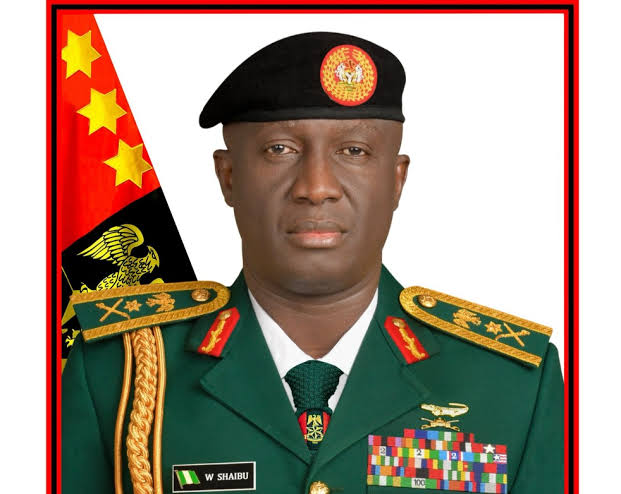
COAS Ties Battlefield Success to Constitutional Allegiance and Civil Authority
During his operational visit to the 4 Special Forces Command in Doma, the Chief of Army Staff, Lieutenant General Waidi Shaibu, delivered a stark message, intertwining the elite unit’s combat effectiveness with an unshakeable pledge of allegiance to President Bola Ahmed Tinubu and the Nigerian Constitution.
While directing troops to intensify high-impact operations, the COAS made it clear that their mission is a direct expression of their constitutional oath. He reaffirmed that the Nigerian Army’s primary role is to defend the nation against external aggression and provide aid to civil authority, all in strict adherence to the supreme law of the land and under the leadership of the Commander-in-Chief.
This emphasis on loyalty served as a powerful backdrop to his operational directives. By linking the “decisive defeat” of terrorists to the Army’s constitutional mandate and loyalty to the President, Lt. Gen. Shaibu sought to galvanise the Special Forces, framing their upcoming engagements not just as military objectives but as a sacred duty to the democratically elected government and the nation’s founding charter. The message was clear: their fight is a fight for the Constitution and the president it empowers.
celebrity radar - gossips
Mercy Johnson Okojie, Purity Okojie Lead Campaign for Girls Tag’s All-in-One Period Care Kit
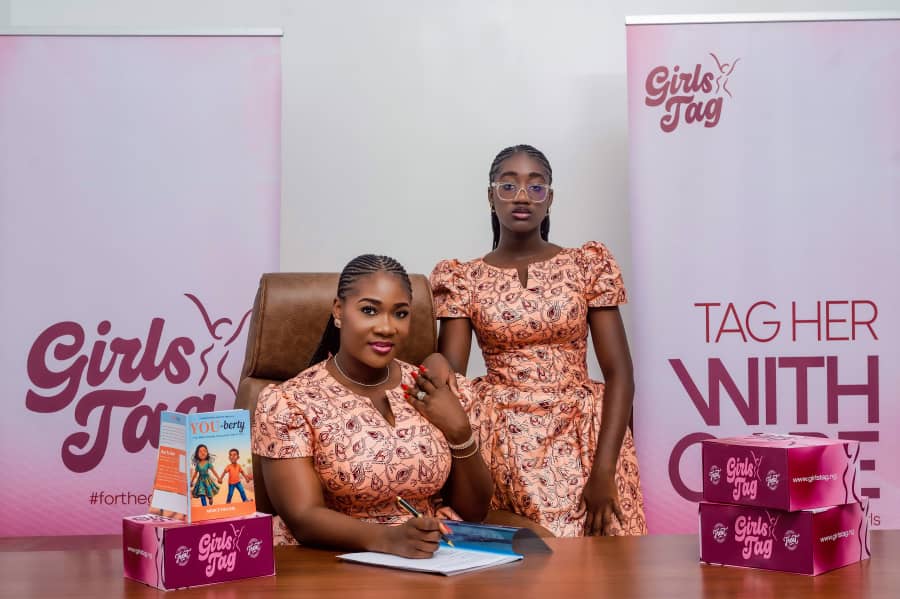
*Mercy Johnson Okojie, Purity Okojie Lead Campaign for Girls Tag’s All-in-One Period Care Kit
iBlend Services, appointed Regional Agency for Girls Tag alongside its PR and marketing firm, Eddie MPR, has officially launched Girls Tag, described as Nigeria’s first all-in-one period care pack designed for girls aged nine and above.
The initiative seeks to tackle persistent gaps in menstrual health education and access to sanitary products in Nigeria, where many girls experience their first period with little preparation or guidance. According to the promoters, Girls Tag was created to eliminate the fear, confusion, and stigma often associated with puberty, replacing them with confidence, comfort, and dignity.
Beyond hygiene, the brand positions itself as a supportive care system for both girls and parents, offering tools and language to guide families through early puberty conversations.
To strengthen its reach, Girls Tag announced a strategic ambassadorial partnership with Nollywood actress and philanthropist Mercy Johnson Okojie and her daughter, Purity Okojie. The mother-daughter collaboration is intended to reflect authenticity and relatability for Nigerian families navigating similar experiences.
Speaking on the partnership, the leadership of iBlend Services expressed confidence that the ambassadors’ real-life connection would resonate deeply with mothers and daughters nationwide.
Mercy Johnson Okojie, in her remarks, described the initiative as a natural fit, noting that puberty can be an anxious period for both parents and children. She also revealed that her newly authored puberty guide, Youberty, will be included in every Girls Tag kit. The book is designed to help boys and girls aged 10 to 13 better understand the physical and emotional changes that come with growing up.
Each Girls Tag care pack contains premium sanitary pads in various sizes, overnight period pants, panty liners, disposable sanitary bags, a discreet sanitary purse, and a copy of Youberty. The kit is tailored to support first-time and early period experiences while promoting proper hygiene and self-care.
The company disclosed that the product will be available nationwide in Q2 2026 at select retail stores, pharmacies, and malls, with direct delivery options through its website and social media handle, @girlstag.ng.
With its combined focus on education, dignity, and accessibility, Girls Tag aims to reshape menstrual health support for young girls across Nigeria.


-

 society6 months ago
Religion: Africa’s Oldest Weapon of Enslavement and the Forgotten Truth
-

 news3 months ago
WHO REALLY OWNS MONIEPOINT? The $290 Million Deal That Sold Nigeria’s Top Fintech to Foreign Interests
-

 society6 months ago
“You Are Never Without Help” – Pastor Gebhardt Berndt Inspires Hope Through Empower Church (Video)
-

 Business6 months ago
GTCO increases GTBank’s Paid-Up Capital to ₦504 Billion