
society
Obasa redeems N100, 000 cash promise to 500 secondary school students

Obasa redeems N100, 000 cash promise to 500 secondary school students
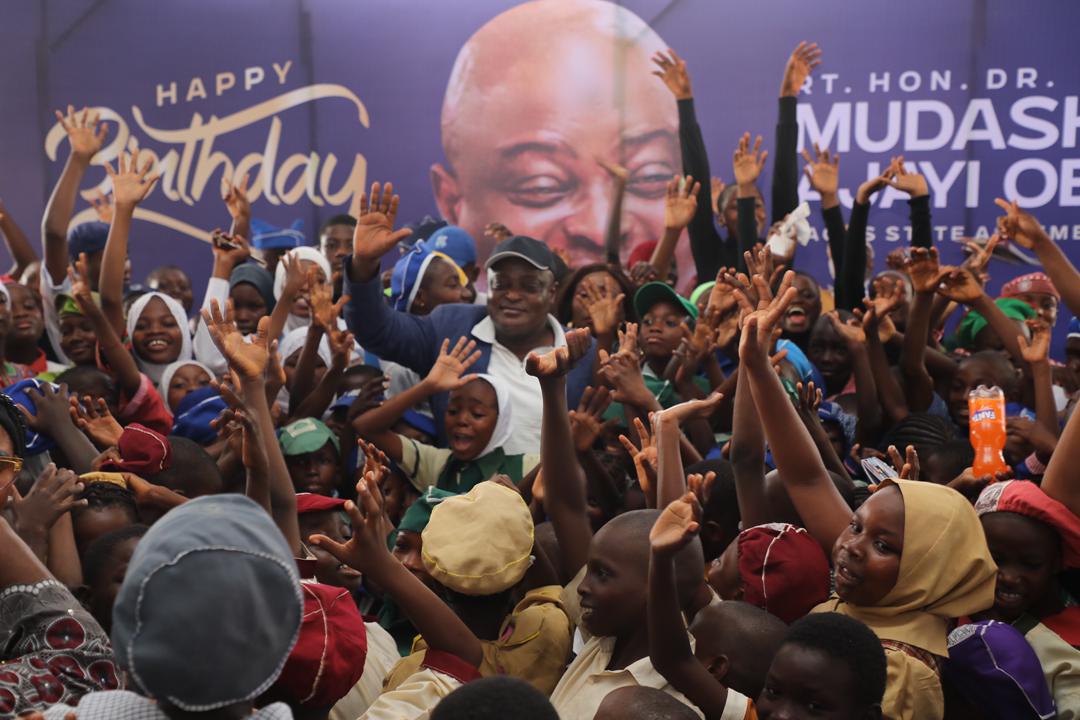
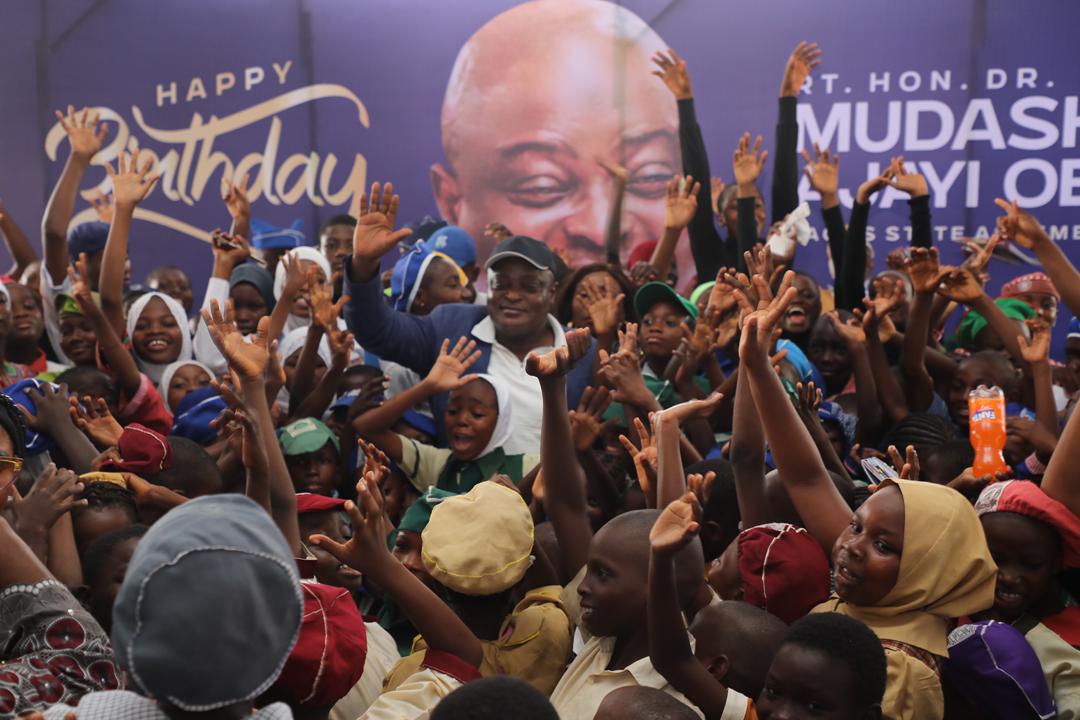
For 500 students from public schools across Lagos’ six education districts, Christmas arrived early. During events marking his birthday in November, Rt. Hon. (Dr) Mudashiru Obasa, Speaker of the Lagos State House of Assembly, promised a cash gift of ₦100,000 to each student who attended to celebrate with him, sparking waves of excitement among them. Speaker Obasa has redeemed his promise, giving the students a December to remember.
Dr. (Mrs.) Sherifat Abiodun Adedoyin, a member of the Lagos State Universal Basic Education Board (LASUBEB), announced the redemption of the cash gift. “Rt. Hon. (Dr.) Mudashiru Ajayi Obasa, Speaker of the Lagos State House of Assembly, has graciously redeemed his promise of ₦100,000 each for 500 students across Lagos State. This generous commitment was made during his recent birthday celebration on November 11, 2025, and it truly highlights his steadfast dedication to enhancing education and the well-being of children in Lagos State.”

Adedoyin stated further, “We deeply appreciate this wonderful gesture, which will significantly help meet the educational needs of the students and promote academic excellence. May this act of kindness continue to inspire hope and create a positive impact in our community.”
The ₦50 Million Educational Support, according to the Speaker, is an investment in the future of the public secondary school students, representing invaluable opportunities for education, vocational training, and entrepreneurship.
Indeed, at the pre-birthday event, themed “The Youth: Striving to Greater Heights,” which brought together students from across the state, Speaker Obasa’s empowerment initiative turned a personal milestone into a defining moment for youth development in the state.
He also seized the opportunity to inspire and challenge the youth, reminding them that challenges harbour lots of opportunities and that it takes laser-like focus, perseverance, and a steadfast faith in God to pull through.
“This personal journey is not just my story; it is a message to every young person here and those watching across various platforms. It is a wake-up call- a call to rise, to believe in yourself, and pursue your dreams with passion and determination.
“The sky is not the limit; it is only the beginning when you choose to unlock your potential and embrace the opportunities that abound in our great nation.”

Speaker Obasa capped the day with the announcement of a structured mentorship program to pair young talents with seasoned professionals, which he described as a pathway to sustained growth and impact. “This isn’t just inspiration, it’s a pathway to greatness,” he affirmed.






*Oyo Teachers Hold Solemn Assembly, Pray for Peace, Security*
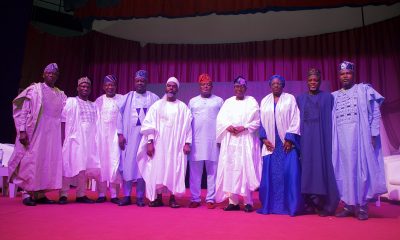
Teachers in Oyo State have been urged to be steadfast in prayers for the State Wing Executive Council of the Nigeria Union of Teachers (NUT) and Oyo State.
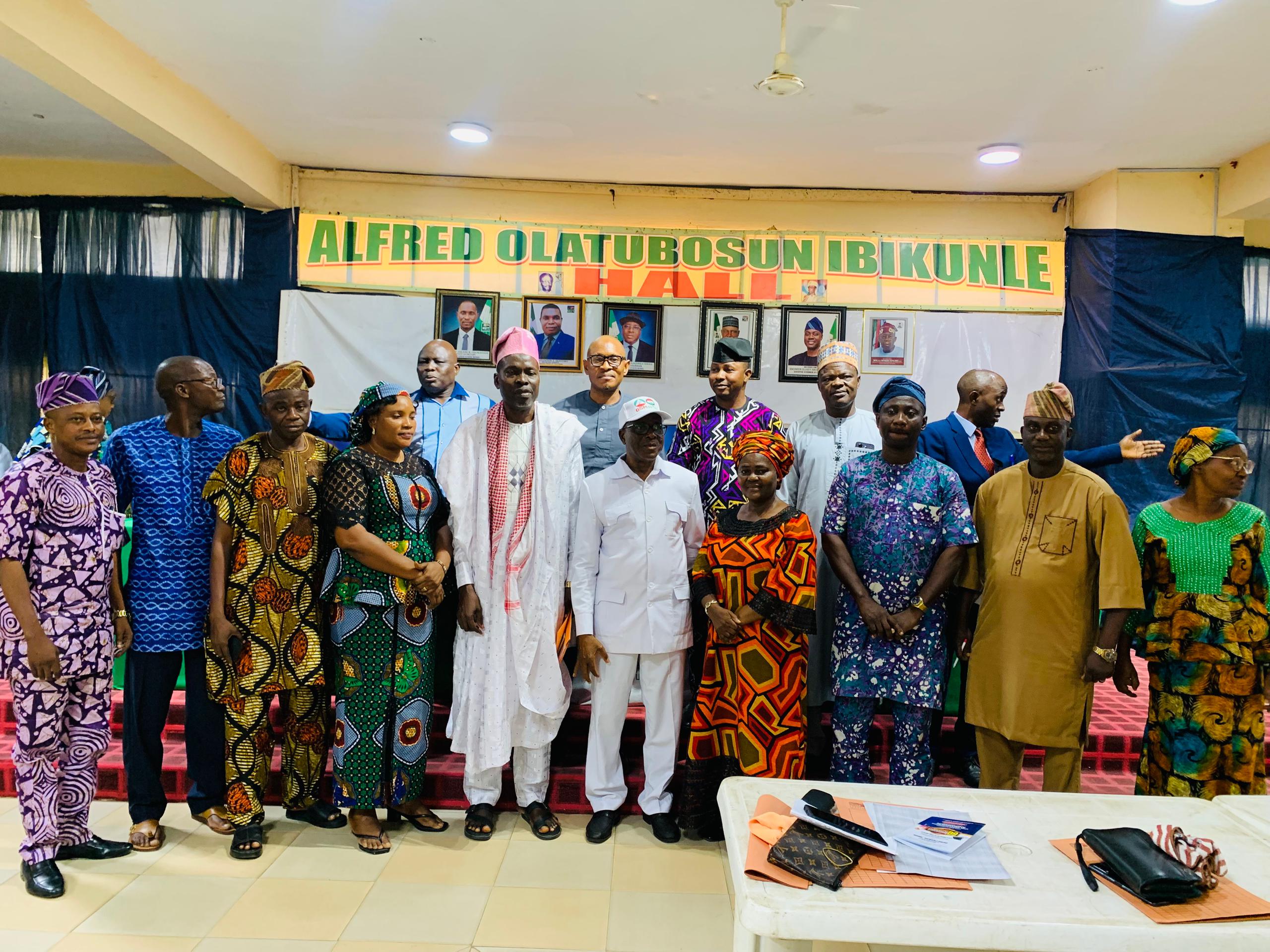
The Chairman, NUT, Oyo State wing, Comrade Raji Oladimeji made the call on Thursday during a Solemn Assembly held at the Union’s headquarters in Ibadan.
The Nigeria Union of Teachers (NUT) holds an annual Solemn Assembly in Ibadan to commit the union’s activities, teachers’ welfare, and Oyo State into God’s hands through prayers led by Christian and Muslim clerics.
Comrade Oladimeji said the programme was designed to draw the leadership of the Union and the entire members closer to God, stressing that nothing was impossible with God.
Comrade Oladimeji said: “We pray to God to lead us, and to teach us what we need to know and what we need to do. We are here today to surrender our petitions to the Lord God. We believe He will hear us and our demands will come to pass”.
The NUT Chairman revealed that a lot was being done to improve the welfare of Oyo teachers, expressing confidence that Governor Seyi Makinde’s administration in improving on the welfare of teachers in the state.
He applauded relevant government agencies, such as Oyo State Universal Basic Education Board, OYOSUBEB, Oyo State Post-Primary Teaching Service Commission, TESCOM, and the Ministry of Education for prioritising the welfare of teachers.
Oladimeji equally appreciated the National President, NUT, Com. Audu Titus Amba for his relentless advocacy for improved teacher welfare, and his efforts in ensuring better working conditions across the country.
He therefore charged the teachers to be role models to their pupils and students.
Oladimeji also emphasized the need for teachers to seek the face of God in their lives to be able to discharge their duties aright.
In their separate sermons, Pastor (Mrs) Margaret ‘Dayo Akinrinde, from the Redeemed Christian Church of God, RCCG Oyo Province 2, Ibadan and Comrade Alh. Haroon Lawal, a retired Permanent Secretary likened teachers to a Shephard who dedicated much of His time to caring for His flock, further describing the teachers as the “shepherds of our generation”.
Consequently, the Union also donated welfare materials to teachers in the 33 local government areas of the State.
The items which include customized clothing materials and other items were distributed to NUT leaders for onward distribution to the teachers.
While distributing the items, the Chairman, Com. Raji Oladimeji informed members that the materials were given to appreciate the efforts that teachers have been putting into the education of students.
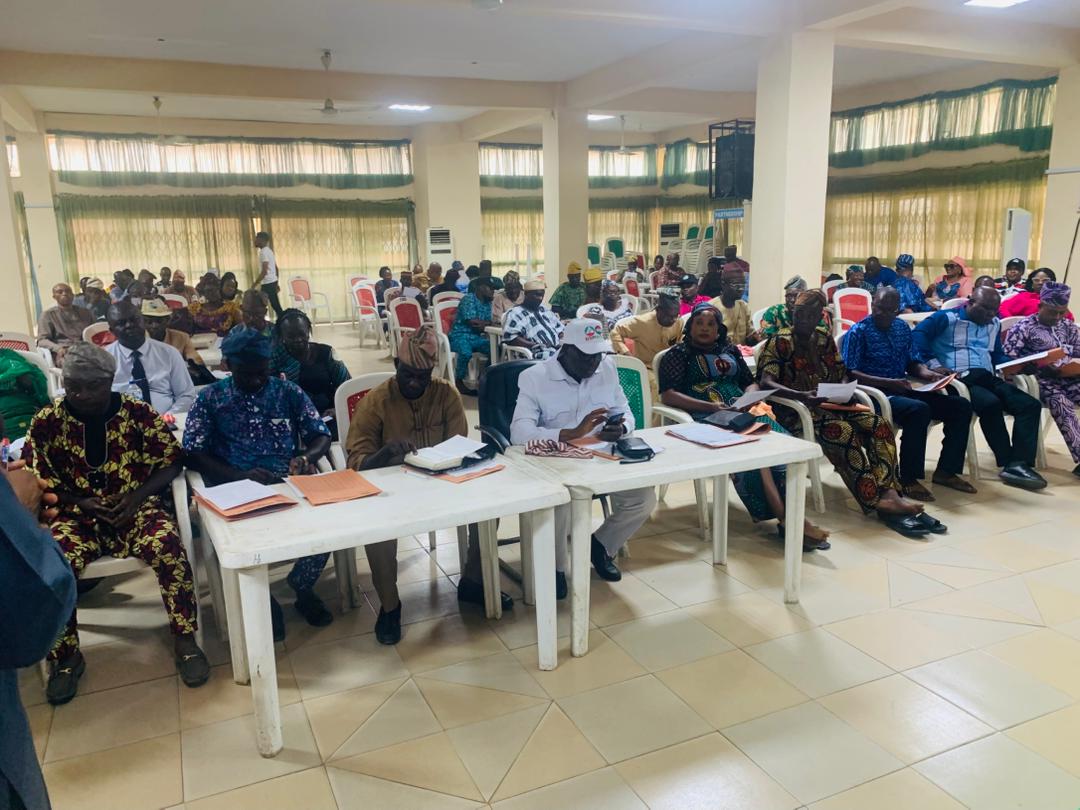
The event, which was attended by relevant authorities, and teachers from across the state, featured Quran and Bible readings, prayer session for the leadership of the NUT at all levels, for teachers across the country, for Union staff and for the entire workforce of Nigeria, amongst other prayer points.
PRESIDENT BOLA TINUBU AND GENERAL CHRISTOPHER MUSA: A NEW ERA OF SECURITY AND PROGRESS
By Prince Sunday Joshua Bako
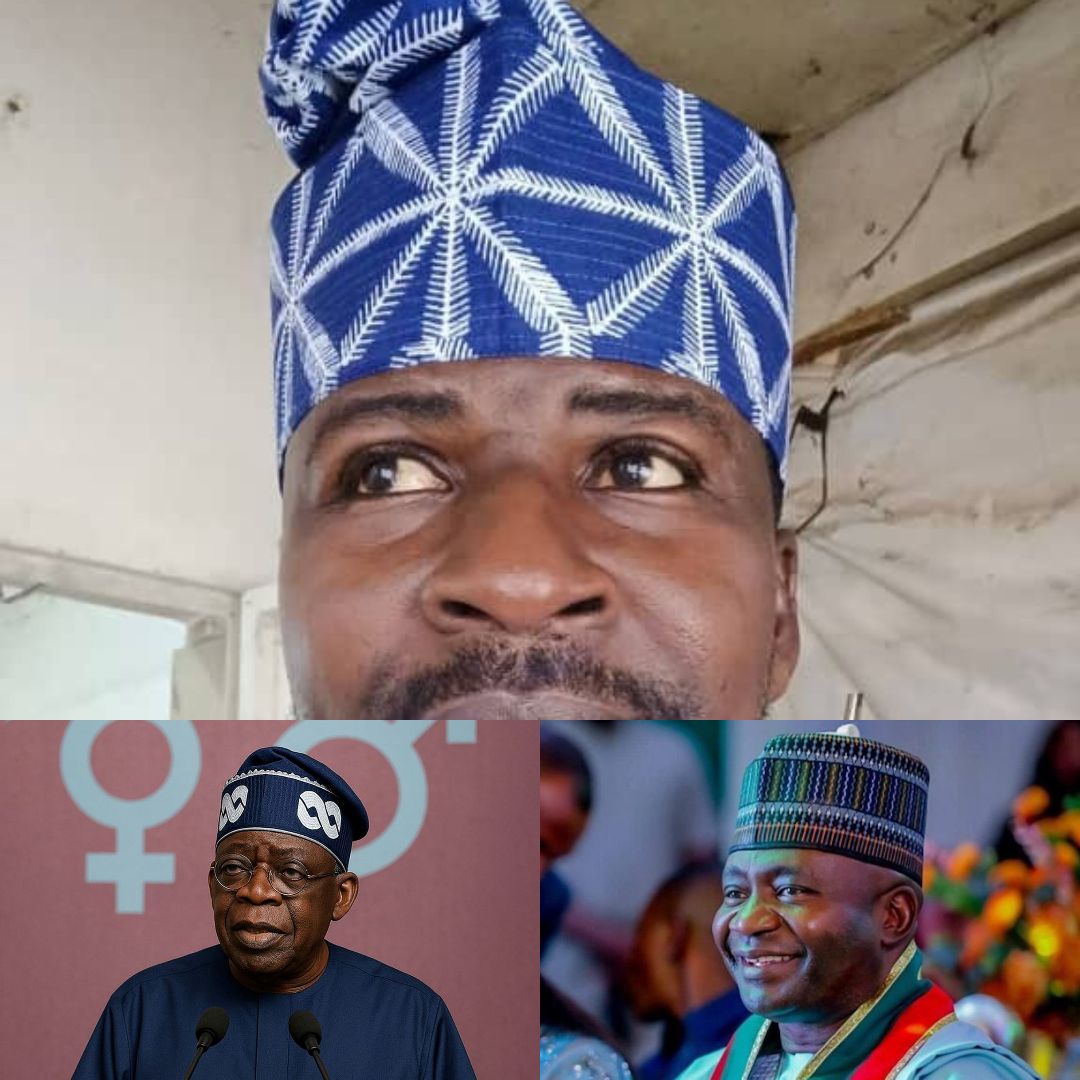
President Bola Tinubu has made significant strides in addressing Nigeria’s security challenges since taking office, with notable important appointments and initiatives aimed at stabilizing the nation. One of his key important appointments is General Christopher Musa as the Minister of Defence, who has brought a wealth of experience and strategic thinking to the role.
General Musa, a seasoned military leader, hit the ground running, launching a series of bold operations to tackle the Boko Haram insurgency and other security threats. His approach has been characterized by speed, agility, and a deep understanding of the complexities of modern warfare.
In his first few months in office, General Musa has achieved significant milestones, including the liberation of over 1,500 hostages and the reclamation of strategic territories in Borra, as well as the introduction of mobile strike teams equipped with night-vision capabilities and armored vehicles.
The General established a dedicated Cyber Warfare Command to fortify Nigeria’s defenses against emerging threats, and introduced comprehensive health insurance for soldiers, covering combat-related injuries. Additionally, he has increased allowances for frontline troops by 20% in 2024, a move aimed at boosting morale and improving the welfare of security personnel.
President Tinubu has made historic and significant strides in addressing Nigeria’s security and economic challenges, implementing policies aimed at boosting growth and stability. His administration has launched initiatives to address banditry, kidnapping, and terrorism, and has invested in infrastructure projects to improve connectivity and economic development.
The headlines speak for themselves what it was during the last tenure of President Muhammadu Buhari’s tenure and the giant strides we have made now under President Bola Ahmed Tinubu and General Christopher Musa as Defence Minister.
1. Boko Haram Insurgency: 55 people killed in two raids near Maiduguri (2015)
2. Takum Taraba State Attack: 21 people killed (2015)
3. Agatu Massacre: Thousands displaced in Benue State (February 29, 2016)
4. Akure Cult Attack: 103 people killed (2017)
5. Ogbagi Akoko Bank Robbery: 20 people killed (2017)
6. Boko Haram Attack on Military Base: 66 personnel killed in Geidam (2018)
7. Kpanche Attack: 40 people killed in Kogi State (2018)
8. Izi Communal Clash: 85 people killed in Ebonyi State (April 2019)
9. Anguwan Aku Attack: 78 people killed in Kaduna State (April 2019)
10. Kankara Attack: 96 people killed in Katsina State (April 2019)
11. Safana, Dutsinma and Danmusa Attack: 67 people killed in Katsina State (2020)
12. Baga Convoy Attack: 30 people killed (2020)
13. Effium Attack: 14 people killed in Ebonyi State (2021)
14. Kurebe Ward Attack: 77 people killed in Niger State (February 2021)
15. Ebenebe Burial Attack: 20 people killed in Anambra State (February 26, 2022)
16. Owo Church Attack: 40 worshipers killed in Ondo State (June 5, 2022)
17. Aba Military Patrol Attack: unspecified number of Soldiers killed in Abia State (2022)
18. Niger State Terrorist Attack: Over 380 people killed (2022)
19. Ogun State Cult Violence: 8 people killed (2022)
20. Katsina Bandit Attack: 87 bandits killed (2022)
21. Northeast Nigeria Islamist Militant Attack: 340 people killed (2022)
22. Boko Haram-Related Violence: Over 5,000 fatalities (2016)
23. Herder-Farmer Clashes: 794 died in violence in middle belt region
24. Kidnapping: Growing industry flourished with high-profile cases
25. Niger Delta Militancy: Attacks on oil installations
26. Pro-Biafra Movement: Tensions and violence in southeast region
27. Islamist Insurgency: Thousands killed and displaced throughout northern Nigeria
28. Banditry: Increased attacks in northern Nigeria
29. Armed Robbery: historic threat to citizens
30. Cult Violence: Frequent attacks and killings during 8 years.
31. Terrorist Threats: US warns citizens in Nigeria to flee (2022)
32. Security Personnel Attacks: 238 police officers killed (2022)
33. Impeachment Attempts: Lawmakers try to remove Buhari (July 2022)
34. Boko Haram Amnesty Program: Controversy over government’s handling
35. Deradicalization Programs: Initiatives to reintegrate former militants who later rejoin insurgency
36. Operation Safe Corridor: Program to rehabilitate Boko Haram members end in controversy
37. National Counter Terrorism Strategy: Updated in 2016 failed
38. Military Campaigns: Operations against Boko Haram and other groups collapsed
39. International Cooperation: Support from US, UK, and other countries
40. Humanitarian Crisis: Displacement and economic impact
41. Economic Consequences: $100 billion disappeared or lost due to insecurity
42. Agricultural Impact: Farming disrupted in northeast and North West region
43. IDP Crisis: Over 4 million displaced
44. Security Budget: Increased spending with mixed results
45. Corruption Allegations: Questions over security fund management
46. Leadership Criticism: Analysts question Buhari’s approach
47. Ethnic and Religious Tensions: Ongoing conflicts
48. Porous Borders: Security challenges due to border control issues
49. Armed Groups: Rise of non-state actors
50. Civilian Casualties: High numbers reported throughout Buhari’s tenure
– Prince Sunday Joshua Bako Danborno is an All Progressive Congress Stalwart and Real Estate Merchant
society
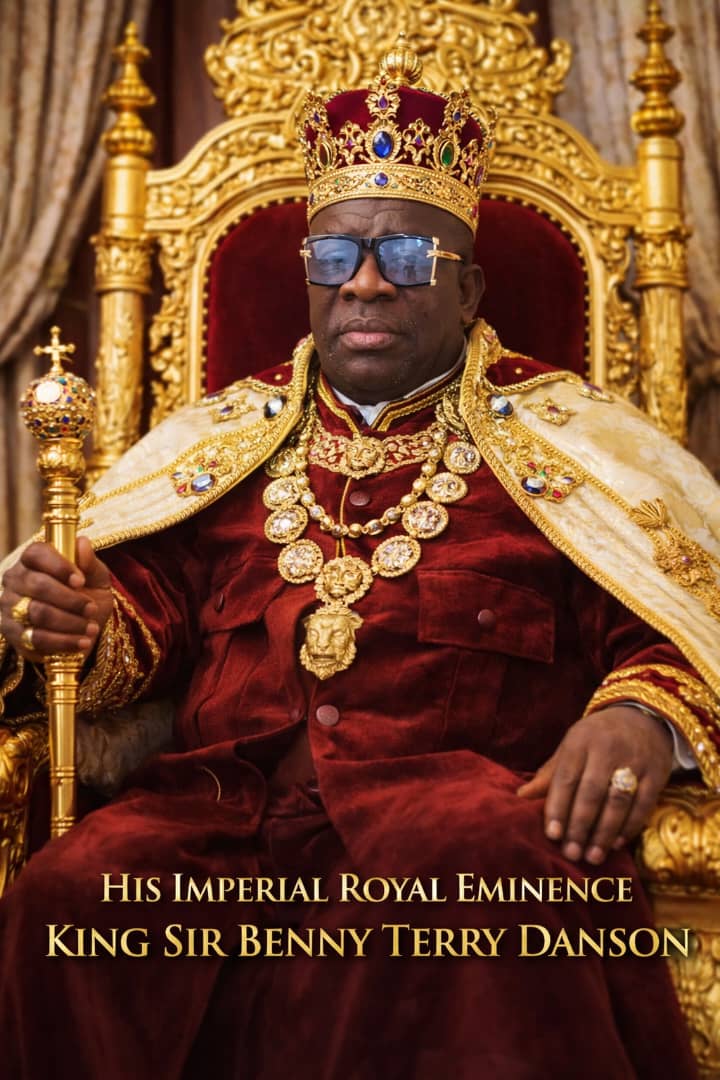
King Of Knossos, His Imperial Royal Eminence Archbishop King Benny Terry Danson Received Allocades from UKA.
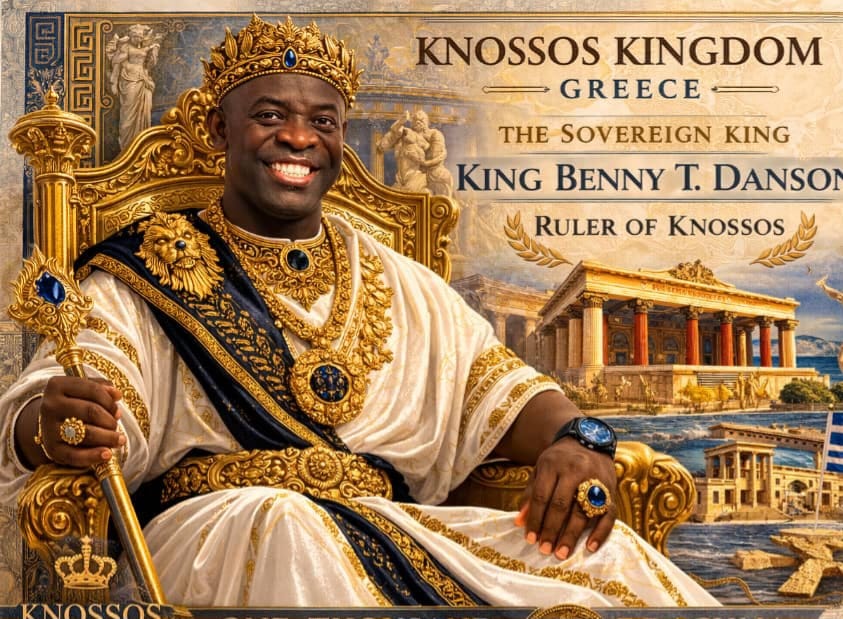
King Of Knossos, His Imperial Royal Eminence Archbishop King Benny Terry Danson Received Allocades from UKA.
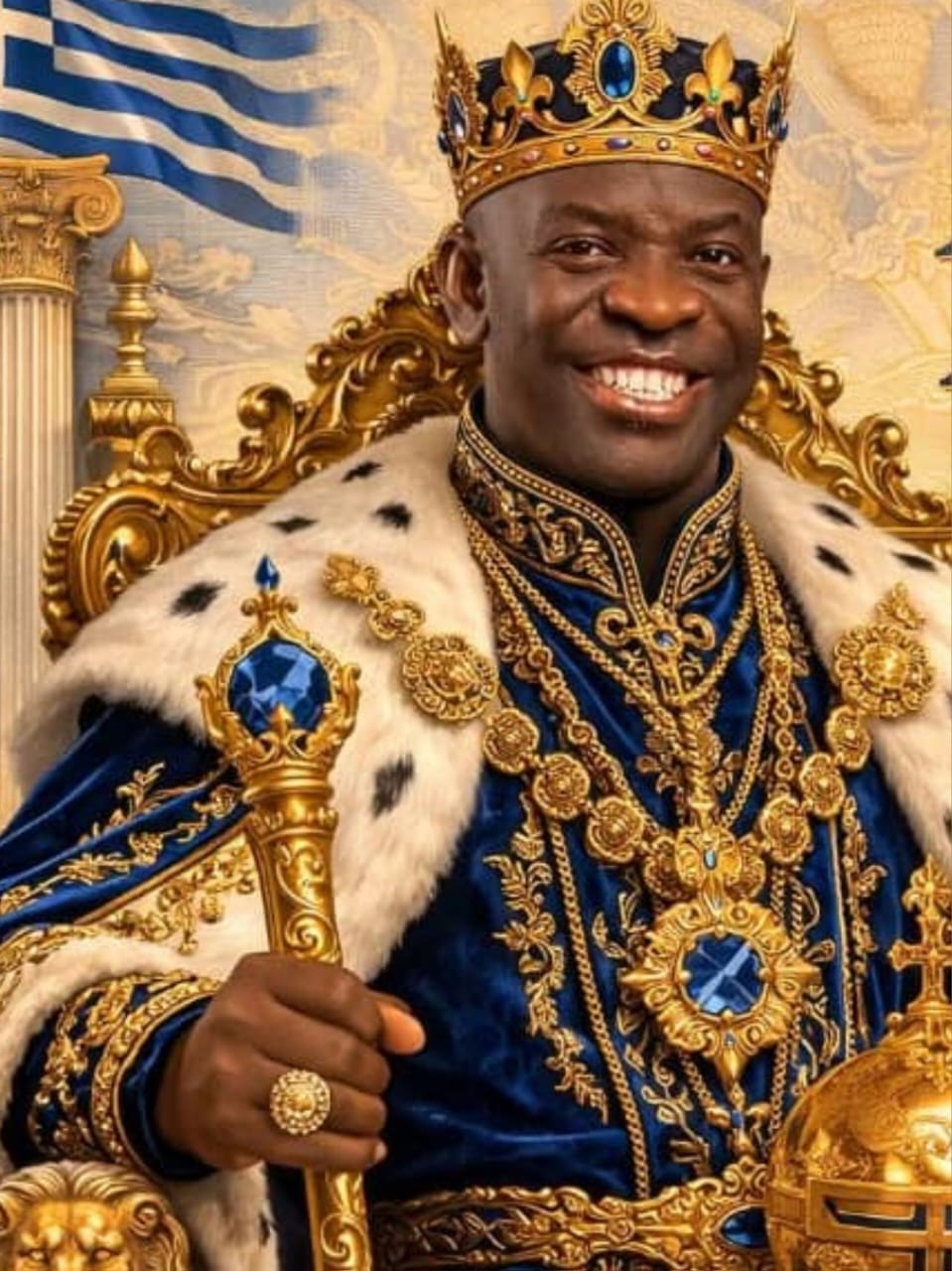
His Imperial Royal Eminence Archbishop King Benny Terry Danson, President Of International Council of Archbishops And Bishops for Charismatic And Pentecostal Churches. A citizen of United Kingdom of Atlantis (UKA), King Of Knossos in Greece.
While he was installed as King of Knossos promised sustained development and a lasting legacy for the island kingdom, assuring citizens that his reign will bring “a lot of things” for the benefit of the people.
Pledges Development and Lasting legacy.
Adding that his administration would focus on building the island to his taste, driving growth and progress, stressed that his reign would harness the full potential of the Knossos Kingdom, promising to introduce new infrastructure, attract investment, and strengthen the kingdom’s socio-economic standing. “We stand to gain a lot of things because the king is going to build that island to his taste, bringing development, bringing a lot of things,” he said.
The monarch expressed confidence that his leadership would open opportunities for growth while upholding the traditions of the kingdom.
A visionary leader, King Benny Terry Danson brings decades of transformative leadership to the role. As King of Knossos, Greece, he spearheaded initiatives that:
– *Revolutionized infrastructure*, driving economic growth,
– *Attracted global investment*, boosting the kingdom’s profile,
– *Strengthened socio-economic standing*, uplifting citizens.
_“We stand to gain a lot of things because the king is going to build that island to his taste,”_ he declared, emphasizing growth with tradition. His leadership in Knossos serves as a model for the UKA’s aspirations.
As President of the International Council of Archbishops and Bishops for Charismatic and Pentecostal Churches, King Danson wields global spiritual influence, aligning faith with progress. He has:
– *Fostered interfaith dialogue*, promoting unity,
– *Championed humanitarian causes*, aiding vulnerable communities,
– *Guided spiritual growth*, inspiring millions worldwide.

https://www.stanbicibtcbank.com/nigeriabank/personal/products-and-services/all-loans/stanbic-ibtc-mreif-home-loans
In a landmark royal decree, the Office of the Minister of Information & Culture of the United Kingdom of Atlantis (UKA) has announced the appointment of *His Imperial Royal Eminence, King Sir Benny Terry Danson*, as the _Acting Admin King_ of the UKA Throne. The nomination was issued through an official directive from the UKA Throne and is intended to pave the way for King Sir Benny Terry Danson’s eventual ascension to the title of *Official Emperor Admin* of the Throne, subject to the completion of necessary formal and constitutional processes.
The UKA Throne emphasized that the appointment underscores its unwavering commitment to *competence, dedication, and integrity* as the guiding principles for all administrative functions within the government structure. Officials stated that the decision is a strategic move to reinforce national leadership and accelerate the kingdom’s vision of becoming a more efficient, progressive, and unified nation.
The new Acting Admin King will oversee initiatives aimed at fostering sustainable growth, improving public service delivery, and promoting collective national development among citizens and followers of the UKA. The government expressed deep appreciation for the continuous love, loyalty, and support shown by the populace, noting that public engagement is essential for the kingdom’s shared prosperity and advancement.
Further details regarding the formalization of the appointment, including ceremonial schedules and administrative timelines, will be released to the public in due course through official communication channels.
*Report Highlights:*
– *Nominee:* King Sir Benny Terry Danson, Acting Admin King.
– *Objective:* Transition toward becoming Official Emperor Admin of the UKA Throne.
– *Focus:* Strengthening governance through competence, dedication, and integrity.
– *Impact:* Expected to drive national efficiency, progress, and unity.
– *Next Steps:* Official ceremonies and constitutional procedures to follow.
The United Kingdom of Atlantis (UKA) is a sovereign entity dedicated to fostering global unity, humanitarian progress, and financial innovation. It operates under a regal framework that blends imperial tradition with futuristic economic strategies, including asset-backed digital currencies and sustainable development programs.
Emperor Nobiliis Solomon Winning is a transformative leader of the United Kingdom of Atlantis, driving innovative projects in finance, humanitarian efforts, and global development. His reign focuses on merging traditional monarchical values with modern technological advancements, exemplified by initiatives like the ATC digital currency.
The United Kingdom of Atlantis looks forward to achieving new milestones in governance and global impact under the stewardship of Emperor Solomon Winning to His Imperial Royal Eminence Archbishop King Benny Terry Danson.
His Imperial Royal Eminence Archbishop King Benny Terry Danson has advised politicians contesting in the upcoming elections to maintain peace and ensure stability in the country.
In a statement, Archbishop Danson also appealed to the President of Nigeria to consider the plagi situation of citizens and ease the burden of fuel price hikes, which have led to soaring transportation costs and inflation ¹ ² ³.
“With the current fuel price hikes, Nigerians are facing unprecedented economic hardship. It’s imperative that the government takes immediate action to cushion the impact on citizens,” Archbishop Danson said.
The Archbishop’s call comes as petrol prices hit around ₦1,300 per litre, with diesel prices exceeding ₦1,500 per litre, sparking concerns of inflationary pressures and economic instability.


-
 society6 months ago
Religion: Africa’s Oldest Weapon of Enslavement and the Forgotten Truth
-

 news3 months ago
WHO REALLY OWNS MONIEPOINT? The $290 Million Deal That Sold Nigeria’s Top Fintech to Foreign Interests
-

 society6 months ago
“You Are Never Without Help” – Pastor Gebhardt Berndt Inspires Hope Through Empower Church (Video)
-

 Business7 months ago
GTCO increases GTBank’s Paid-Up Capital to ₦504 Billion