
society
Life lessons inspire my songs, says Afrobeats star Halley


Life lessons inspire my songs, says Afrobeats star Halley
Afrobeats star, Oladipupo Halley has revealed that life lessons are part of the inspiration behind his hit songs
The ‘Colos Timo Mogbe’ crooner whose versatility has earned him a good reputation in the music industry noted that music is the tool he uses to express himself and address societal challenges.
Speaking in an interview, Halley reiterated that his creative voice is inspired by real life, street stories, and deep reflections on success, struggle, and faith.
”My music blends African rhythms, soulful melodies, and street wisdom, creating sounds that connect with everyday people and real emotions.
”Through my songs, I speak on life lessons, loyalty, hustle, hope, and self-belief, using catchy hooks, strong rhythms, and relatable lyrics. I aim to inspire, entertain, and remind people to stay true to themselves while chasing their dreams,” Halley said.
The Business Administration and Management graduate started music as a member of the choir in his church before making it official in 2006 with his first studio single “I want you”.
After a brief break from music to focus on his education, Halley returned to the scene with another single titled ‘Oko ati iyawo’ in 2010, and he hasn’t looked back ever since.
His latest cut, ‘Life Struggle (Abeokuta Boi) is currently available on all digital streaming platforms.
”I’m also working on shooting the video of Life Struggle due to popular demand, and more will follow as 2026 is going to be a busy year,” Halley concluded.


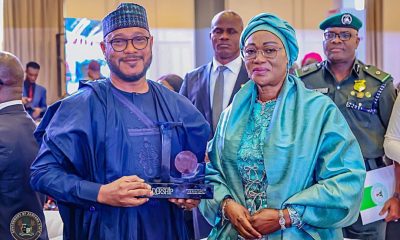






*Dignitaries Storm Ambassador Ojadah’s Father’s 5th Year Remembrance Anniversary*
It was a remarkable gathering of distinguished personalities and eminent members of society as the UNIPGC Global President, His Excellency Amb. Jonathan Ojadah, hosted a memorable 5th Year Remembrance Anniversary in honour of his late father, Hon. Senior Evangelist Solomon Empire Daniel Ojadah, on Saturday, February 7, 2026.
The glamorous event took place at Omoba Royal Hotel, Afilaka, in the Agodo-Egbe area of Isolo/Ikotun, Lagos State, and attracted an array of highly respected dignitaries and notable personalities from across the country.
Leading the crème de la crème of royal fathers in attendance were:
HRM OBA (Dr.) Olasunkanmi Lawal Bello (COP),* The Onisheri of Isheri Kingdom, Lagos State
HRM Oba (Dr.) Babatunde Michael Ayeyowa,* The Lumure of Ayeka Kingdom, Okitipupa LGA, Ondo State
*HRM Oba Sofela Olalekan,* The Olu of Olomowewe Kingdom, Agbado, Ifo LGA, Ogun State
Also present was *Chief Olaniyi Adeleye,* CEO of Omoba Royal Hotel, alongside the Royal Mother of the Day, *Olori Chief Mrs. Mojisola Danni,* CEO of Ademoj Group of Companies.

The remembrance activities commenced with a Church Prayer Service held at the Celestial Church of Christ (CCC), Council Parish 1, Liasu Road, Egbe.
Among the royal attendees at the service was HRM Oba Sofela Olalekan, who delivered an inspiring message to the congregation.
The event transitioned into a grand reception at Omoba Royal Hotel, where guests were treated to warm hospitality and exquisite cuisine befitting the occasion.
Several dignitaries who delivered goodwill messages paid glowing tributes to Ambassador Jonathan Ojadah, describing him as a visionary leader and a man deeply committed to the welfare of his people.
In his remarks, Ambassador Ojadah expressed profound gratitude to God and to all who honoured the invitation despite their demanding schedules. He stated:
> “I give God the glory for this wonderful event. Today marks five years since the passing of my father, Hon. Senior Evangelist Solomon Empire Daniel Ojadah — a visionary leader whose foresight, courage, and commitment to excellence laid a solid foundation for leadership development and transformational growth. His passion for community development and the nurturing of principled leaders continues to reflect in our values, programmes, and impact. Though he is no longer with us physically, his vision and ideals remain a guiding light for the work we do.
>
> On this day of remembrance, we honour his enduring legacy with gratitude and reflection. The Ojadah family reaffirms its commitment to uphold the standards and purpose he stood for. May his soul continue to rest in perfect peace.
>
> This event is a success because of the people who stood firmly behind me. It is not about finances; your physical presence speaks volumes. I deeply appreciate our Royal Majesties from Ondo and Ogun States, as well as The Onisheri of Isheri Kingdom, who honoured us with their presence. I also thank those who travelled from abroad and across the federation. I sincerely appreciate every one of you.”
He extended special appreciation to his supporters, including:
Chief Olaniyi Adeleye (CEO, Omoba Royal Hotel)
Chief Dr. Moses Ake,
Amb. Rosaline Adedoyin Amangbo, Chief Amb. Gbenro Oladioupo, Mr. Olatunji (UK) – Ola Photo
Apostle Sunday Abiodun
He further expressed heartfelt gratitude to family members, especially Uncle Jeremiah Ojadah, Aunty Rhoda Ojadah, Uncle Benjamin, cousins, friends, Celebrities and well-wishers who graced the occasion.
The event concluded on a note of thanksgiving and reflection, as Ambassador Ojadah once again appreciated all attendees and prayed that everyone would live long to honour their parents in due time.


South Africa’s Fight Against Cholera: A Battle for Water, Trust and Public Health
By George Omagbemi Sylvester | Published by SaharaWeeklyNG
“From Hammanskraal’s deadly outbreak to renewed national vigilance, the country confronts a disease rooted in failing sanitation and regional contagion.”
South Africa’s modern confrontation with cholera has been shaped by a deadly outbreak, regional disease pressures and a renewed national push to strengthen water safety and emergency response systems. Though the country is not currently among Africa’s worst-hit states, health authorities remain on high alert as cholera resurges across the continent and threatens to spill across borders.
The most defining recent episode occurred in May 2023 in Hammanskraal, a township north of Pretoria in Gauteng Province. Residents began reporting severe diarrhoeal illness, and within days the situation escalated into a confirmed cholera outbreak. By late May, authorities reported 29 laboratory-confirmed cases and at least 17 deaths, with over 160 patients treated at local hospitals.
The outbreak was traced to contaminated municipal water, exposing long-standing failures in sanitation and wastewater treatment systems. Investigations pointed to chronic infrastructure neglect and the collapse of water purification processes, allowing bacteria to enter household supplies.
At the time, President Cyril Ramaphosa publicly apologised to residents for the state’s failure to provide safe drinking water, while national and provincial health officials mobilised emergency responses. Among the key figures involved were:
President Cyril Ramaphosa, who addressed the crisis and apologised to affected communities.
Dr. Sandile Buthelezi, Director-General of the National Department of Health, who ordered hospitals to treat severe diarrhoeal cases as suspected cholera.
Aneliswa Cele, Acting Chief Director for Communicable Diseases Control, who warned of the high risk of imported cases from neighbouring countries.
Local authorities in the City of Tshwane, responsible for water and sanitation interventions.
The outbreak exposed a harsh truth: cholera is rarely just a medical problem. It is a disease of infrastructure, governance, and inequality. As the World Health Organization repeatedly notes, cholera is “a disease of inequity,” thriving where clean water and sanitation are absent.
South Africa’s 2023 outbreak did not occur in isolation. Across the continent, cholera has been surging at alarming rates. By 2025, Africa recorded over 300,000 cases and more than 7,000 deaths, marking the continent’s worst outbreak in a quarter century, according to the Africa Centres for Disease Control and Prevention.
Southern Africa has been particularly vulnerable. Major outbreaks in Mozambique, Malawi, Zambia and Zimbabwe have placed neighbouring countries at risk. Health experts warn that cross-border movement and flooding significantly increase the danger of imported cases into South Africa.
In early 2024, for example, health authorities confirmed imported cholera cases in Limpopo Province linked to travellers from Zimbabwe, prompting heightened surveillance at border posts and health facilities.
By 2025 and early 2026, regional floods across southern Africa again raised concerns about cholera outbreaks, as displaced populations struggled without proper sanitation. Aid workers warned that crowded camps and contaminated water could accelerate transmission.
South African health authorities have responded with a layered strategy: surveillance, public education, water infrastructure upgrades and coordination with regional health bodies. The National Institute for Communicable Diseases (NICD) has repeatedly stressed that while South Africa has not faced large-scale outbreaks since Hammanskraal, the country remains at “high risk” due to regional transmission and climate-related sanitation disruptions.”
Public health experts emphasize that the solution is not merely medical but structural. Dr. Tedros Adhanom Ghebreyesus, Director-General of the World Health Organization, has warned that cholera “thrives where poverty, conflict and climate shocks deny people access to safe water and sanitation,” underscoring that prevention lies in infrastructure not just vaccines.
Similarly, UNICEF’s regional leadership has stressed the centrality of water access. “Access to safe water is a fundamental need… and most importantly, a human right,” said UNICEF Regional Director Etleva Kadilli, noting that inadequate sanitation systems remain the main driver of outbreaks.
The South African experience reflects that reality. The Hammanskraal tragedy was not caused by an exotic pathogen or a sudden foreign import; it was the result of contaminated tap water in a community that had repeatedly complained about poor service delivery.
Since the outbreak, authorities have accelerated plans to upgrade wastewater treatment plants and restore water quality in affected areas. Emergency chlorination, tanker water deliveries and public awareness campaigns were rolled out to contain the crisis. These measures helped halt transmission, but they also highlighted deeper structural failures that still require long-term investment.
Today, South Africa’s fight against cholera is less about a current national outbreak and more about preventing the next one. With regional cases rising, floods increasing and sanitation infrastructure under strain, the country’s health security depends on the reliability of its water systems.
As public health scholar Dr. Rita Colwell once observed, “Cholera is a marker of the health of a society’s water.” In South Africa, that marker has already issued a warning. Whether the country heeds it will determine if the next outbreak is contained or catastrophic.


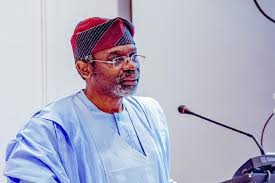
*GBAJABIAMILA: THE MAN WHOSE LEGISLATIVE WORK IS CHANGING NIGERIA’S EDUCATIONAL LANDSCAPE*
By Toby Prince
In the very words of Nelson Mandela, “Education is the most powerful weapon which you can use to change the world.”
This same view was echoed by Malcolm X, who asserted that “Education is the passport to the future, for tomorrow belongs to those who prepare for it today.”
While these quotes capture the essence of education as a tool for personal growth, societal change, and empowerment, they perhaps informed Rt. Hon. Femi Gbajabiamila’s drive towards leveraging legislative representation as a viable tool for societal reconfiguration and educational reformation.
Today, the facts, as they say, speak for themselves.
Indeed, Rt. Hon. Gbajabiamila is no stranger to lawmaking. He has been making positive impact and driving national development for several years through effective legislation.
Fundamentally, Chief Femi has been instrumental in the sponsorship of numerous and wide-ranging Bills, with many already passed into law. During the 9th Assembly, as an astute and patriotic legislator, he sponsored a number of people-oriented Bills within his first year.
Notable among those Bills were the Legislative Houses (Powers and Privileges) Act (Amendment) Bill 2019, the Emergency Economic Stimulus Bill 2020 (Quarantine Act (Repeal and Re-enactment) Bill 2020), and the Nigeria Local Content Development and Enforcement Bill, 2020.
Instrumentally, he also sponsored a number of Constitution alteration Bills, such as the Electric Power Sector Reform Act (Amendment) Bill 2019, the Physically-Challenged (Empowerment) Bill 2019, and the Presidential (Transition) Bill 2019.
Others include the Labour Act (Amendment) Bill 2019, the Employees (Unpaid Wages Prohibition) Bill 2019, and the Federal Highways Act (Amendment) Bill 2019.
Although it did not see the light of day at the time, Rt. Hon. Gbajabiamila in 2016 first introduced what is known as the Students Loans (Access to Higher Education) Bill, later adding security-focused legislation such as the Armed Forces Act (Amendment) Bill 2021 and the Police Act (Amendment) Bill 2021.
Very few Nigerians, especially those outside certain circles, are aware that Rt. Hon. Femi was instrumental in the establishment of the Nigeria Security and Civil Defence Corps through his sponsorship of the Nigeria Security and Civil Defence Corps Act (Amendment) Bills 2021.
An ardent anti-corruption fighter, he introduced the EFCC Act (Amendment) Bill 2021, the ICPC Act (Amendment) Bill 2021, along with the Customs and Excise Management Act (Amendment) Bill 2021, the ECOWAS Small Arms Convention (Ratification and Enforcement) Bill 2021, and the National Security Agencies Act (Amendment) Bill 2021.
A committed social justice and security advocate, he pushed for the empowerment and reinvigoration of the Armed Forces through the Armed Forces of Nigeria Trust Fund Bill 2021.
Irked by the funding deficit in the agricultural value chain, Rt. Hon. Femi sponsored the National Agricultural Development Fund Bill 2021.
An objective patriot, Rt. Hon. Gbajabiamila sponsored the South West, North Central, North West, and South East Development Commission Bills 2021. He was also the first to design a technologically driven archive and study centre for the National Assembly, through the establishment of a National Assembly Library by sponsoring the National Assembly Library Trust Fund Bill 2021.
Rt. Hon. Femi’s diverse legislative inputs, with solid impacts, also include contributions to the reformation of the health sector, sponsoring legislations such as the National Electronic Health Record System Bill, and strong advocacy for the amendment of the NAFDAC Act to include provisions for a Nigeria Food Safety and Hygiene Surveillance Corps, as well as an amendment to the National Health Act of 2014—laws he believed were obsolete.
Rt. Hon. Gbajabiamila’s legislative impact is made even more profound by his flagship sponsorship of the Student Loan Scheme.
The bill, first introduced in 2016 and signed into law in June 2023, created the Nigerian Education Loan Fund, offering interest-free loans to indigent students in public tertiary institutions.
It covers tuition, textbooks, and other essential fees, with repayment starting two years after employment, thereby easing the financial burden on families across the country. It has greatly mitigated the difficulties faced by both students and parents in the pursuit of higher education in the country.
Through the introduction of the Student Loan Fund, the pursuit of education has become accessible and inclusive for all citizens, without discrimination of any kind and the elimination of socioeconomic barriers.
Weaving an intricate tapestry of national governance and influencing rapid catalytic social change, Rt. Hon. Gbajabiamila, through a confluence of insightful and visionary leadership, has, by his initiative and resilience, eliminated the harsh financial conditions that precariously remained a stumbling block to the pursuit of education by millions of Nigerians.
He has also brought enduring substantial leverage, solace, and a sustainable financial lifeline to millions of families, resonating renewed hope.
His visionary reform initiative through the Students Loan Fund implicates all conversations surrounding the entire educational sector, changing narratives from ‘whether’ a child should go to school to ‘how’ the country can consistently fund an all-inclusive higher education, making Rt. Hon.
Femi a beacon and cornerstone of definitive equity, a reason for assured skills for future generations of Nigeria, and a vanguard for predictable development for a prosperous Nigeria.
His paradigm shift in educational funding—where the burden of payment is on the government—underscores the socialist posture of the All Progressives Congress and aligns with the Renewed Hope Agenda of the President Tinubu administration, as it also makes way for more citizens to pursue higher-quality education, devoid of the constraints of inordinate financial demands, ensuring that education, in the context of the President Tinubu-led government, becomes instead of a privilege a fundamental right accessible to all, thereby emboldening the concept of free higher education.
His dedication and strong commitment resonate with the imperatives of education as a cornerstone of national development, the empowerment of future generations, and a necessary tool for fostering accountability, responsibility, and patriotism, while ensuring the elimination of vices and insecurity.
The involvement of university authorities in the entire process is not just industrious and innovative but reawakens a stronger sense of responsibility, while students become direct stakeholders in the education project, demystifying any hidden agenda in the training of Nigerian children and promoting adaptive synergy.
To mitigate the risk of default in a high-unemployment environment such as ours, the law has introduced inbuilt, workable, time-tested safeguards, recovery mechanisms, and phased repayment schedules, implementable only after the graduand is employed.
Presently, Rt. Hon. Gbajabiamila has become a defining force in Nigeria’s education reform, and his Student Loan Act is the flagship of that legacy.
The impact is not just visible but far-reaching, with the consensus that the Nigerian Education Loan Fund (NELFUND) is successful, given the disbursement of over ₦161 billion to more than 864,000 students, with over 1.3 million applications recorded, showing massive demand and a growing sense of hope for access to higher education.
The 2024 amendment removed the stringent family income cap and guarantor requirements, expanded the scope to include living expenses (upkeep allowances), and introduced loan forgiveness in cases of death or misfortune, making the scheme more inclusive and humane.
Regionally, the Nigerian Education Loan Fund (NELFUND) has recorded unbiased impact, with disbursements reaching institutions nationwide.
The North has been among the biggest beneficiaries, while the South East has lagged in some cases due to verification delays in certain institutions. The South West and South South have seen appreciable disbursements, with leading universities recording substantial allocations for thousands of students.
Aside from NELFUND, Rt. Hon. Gbajabiamila has been a consistent advocate for girl-child education and higher academic standards for public officers. His aim is to eliminate mediocrity from public offices and entrench standardization capable of leading to holistic development.
Consequently, he has promoted the Back to School JumpStart, a digital learning initiative that provides laptops, tablets, and sanitation tools to various schools in Surulere and other zones.
Certainly, Rt. Hon. Gbajabiamila is a beacon of educational renaissance, whose advocacy goes far beyond granting just loans to students but creating a desirable ambience for learning—such as improving educational infrastructure, enhancing teacher training and retraining, and increasing sustained funding for the sector—all leading to a robust and more holistic transformation that aligns with 21st-century global benchmarks.
Rt. Hon. Femi Gbajabiamila’s leadership inspires confidence that our nation, in all areas of national development, is capable of navigating the complexities of implementing any ambitious program successfully, thereby redefining the future prospects of the country and our perspectives.
*Prince writes from Abuja


-

 celebrity radar - gossips6 months ago
Why Babangida’s Hilltop Home Became Nigeria’s Political “Mecca”
-

 society6 months ago
Power is a Loan, Not a Possession: The Sacred Duty of Planting People
-

 news6 months ago
THE APPOINTMENT OF WASIU AYINDE BY THE FEDERAL GOVERNMENT AS AN AMBASSADOR SOUNDS EMBARRASSING
-

 Business6 months ago
Batsumi Travel CEO Lisa Sebogodi Wins Prestigious Africa Travel 100 Women Award