
Uncategorized
Governor Ajimobi Appoints Bolaji Tunji As New Spokesperson

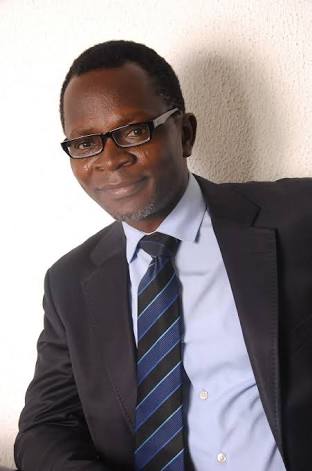
The Oyo State Governor, Abiola Ajimobi, has appointed Bolaji Tunji as his Special Adviser, Communication and Strategy.
Mr. Tunji, who until his appointment was an Executive Director with the Sun Newspaper, takes over from the former spokesperson, Yomi Layinka.
The new appointment saw Mr. Layinka appointed Special Adviser to the governor on Ibadan Media City Project.
A statement by the Secretary to the State Government, Olalekan Alli, conveyed the governor’s decision, on Wednesday.
By the appointment, the statement said, Mr. Layinka is expected to oversee the proposed transformation of the Broadcasting Corporation of Oyo State into a massive and formidable media, entertainment and cultural hub for South-West Nigeria.
According to the statement, the redeployment of the governor’s former spokerson to the new project is further proof of the government’s commitment to reclaiming the state’s pioneer status as Nigeria’s leading centre of media, entertainment and culture.
It said Mr. Layinka, a veteran broadcaster, is being saddled with a new responsibility of “transforming the corporation into a hub that would include television and radio broadcasting production studios, theme parks/resorts, hospitality centre, a media academy and hosting venue for major live events in the sub-region.”
Meanwhile, until his new appointment, Tunji was the ED, Special Duties and a member of the board of the Sun Newspapers, where he took a leave of absence to assume his new role.
An alumnus of the Obafemi Awolowo University, Ile Ife, the new governor’s spokesperson was the pioneer managing director/editor-in-chief of the New Telegraph newspaper.
He began his journalism career at the Guardian newspaper in March 1993, from where he joined the Daily Independent newspaper as pioneer deputy news editor in 2001 and had a meteoric rise to the position of an Editor.
Mr. Tunji also had a stint with the Daily Times before joining the defunct Comet newspaper, which later metamorphosed into The Nation Newspaper.
At the Nation, he was the pioneer editor of the Saturday title, before joining the repackaged National Mirror as pioneer Sunday Editor and later Editor of the National Mirror, the flagship of the Global Media Mirror Limited titles.
He left the National Mirror to assist in the setting up the New Telegraph, where he served as the pioneer MD/EIC, before being appointed as the ED, special duties of the Sun Newspaper.
Mr. Tunji is married and is blessed with children





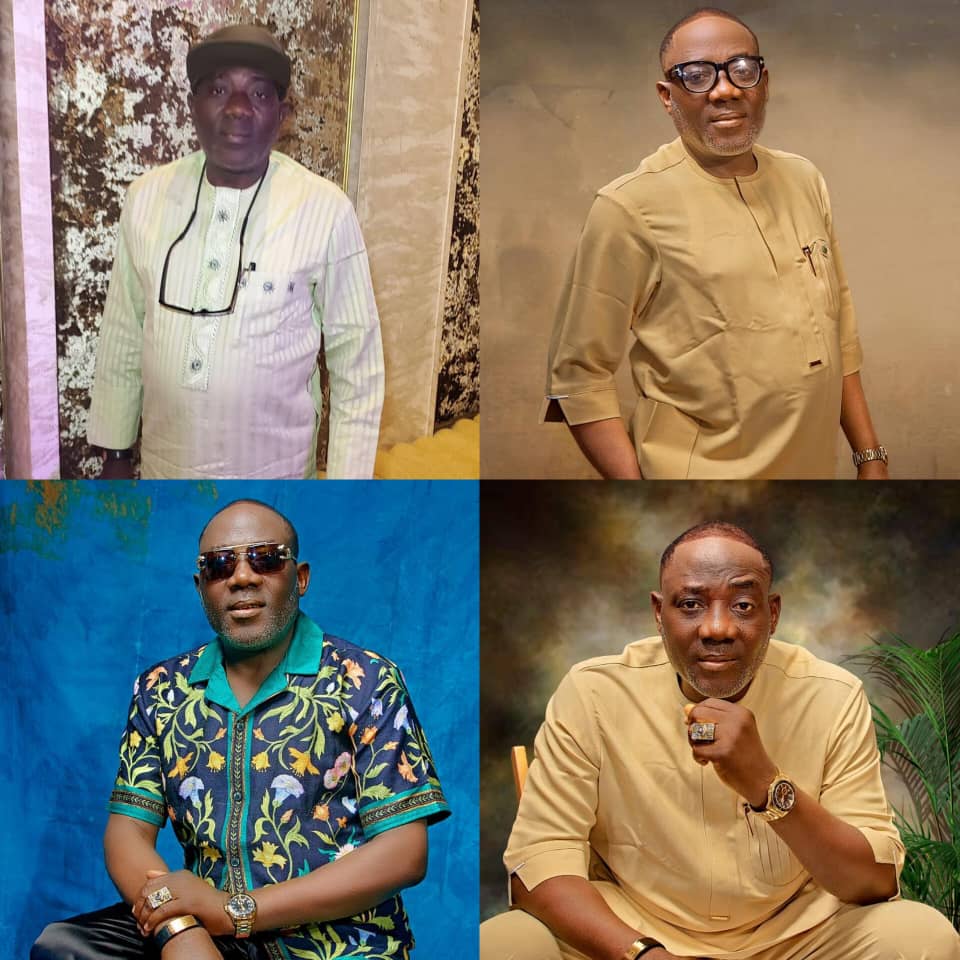
Ramadan 2026: Let’s Be United, Shina Akanni Urges Muslims.
As Muslims all over the world begins the 30 days compulsory fasting and prayer today,top Fuji Musician Aare Sir Shina Akanni Aroworeyin Scorpido has congratulates them for witnessing another month of Ramadan.
Akanni advised them to follow the teachings of the the Holy Prophet Muhammad (SAW) which is peaceful co existence among themselves and their neighbor ‘because Islam is Religion of peace”.
He said the month of Ramadan is an holy month therefore Muslims should try as much as they can to maintain peaceful coexistence among themselves and others and that they should see themselves as ambassador of peace.
While praying for Nigeria,Aare Sir Shina Akanni Aroworeyin Scorpido said he believes that there will be an economic turnaround soon because what’s is happening now are signs of thought times that never last “if we can pecevere things will get better”.
The Scorpido crooner who recently released a hip hop single titled “Magbelo” said he is currently working on a complete album which will be released before the end of the year.
Aare Sir Shina Akanni Aroworeyin Scorpido whose last album ‘ABCD” is still in hot demand said that his next album will be a pot pouri of all kinds of music because his brand of Fuji music is a blend Fuji , Hip-hop,Apala ,Highlife and others.
The Enemies Within:
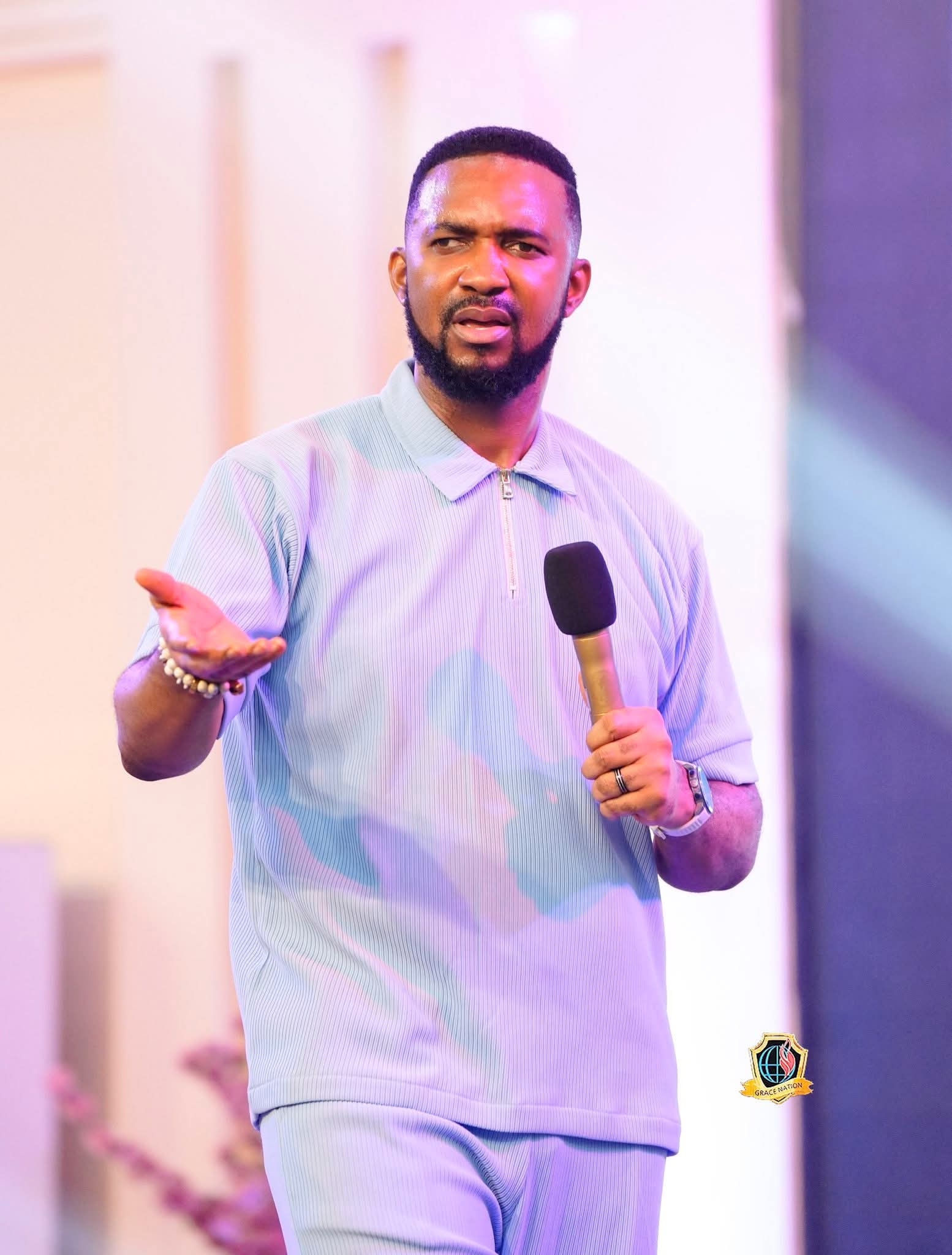
Jonahs Are Not Manageable — Dr. Chris Okafor
…….“To remove Jonah, you must bring Jesus into the matter.”
When a “Jonah” enters a person’s life, confusion, gossip, blackmail, betrayal, and the pull-him-down syndrome often follow. But the moment Jesus Christ is invited into the situation, the storm subsides and stability is restored.
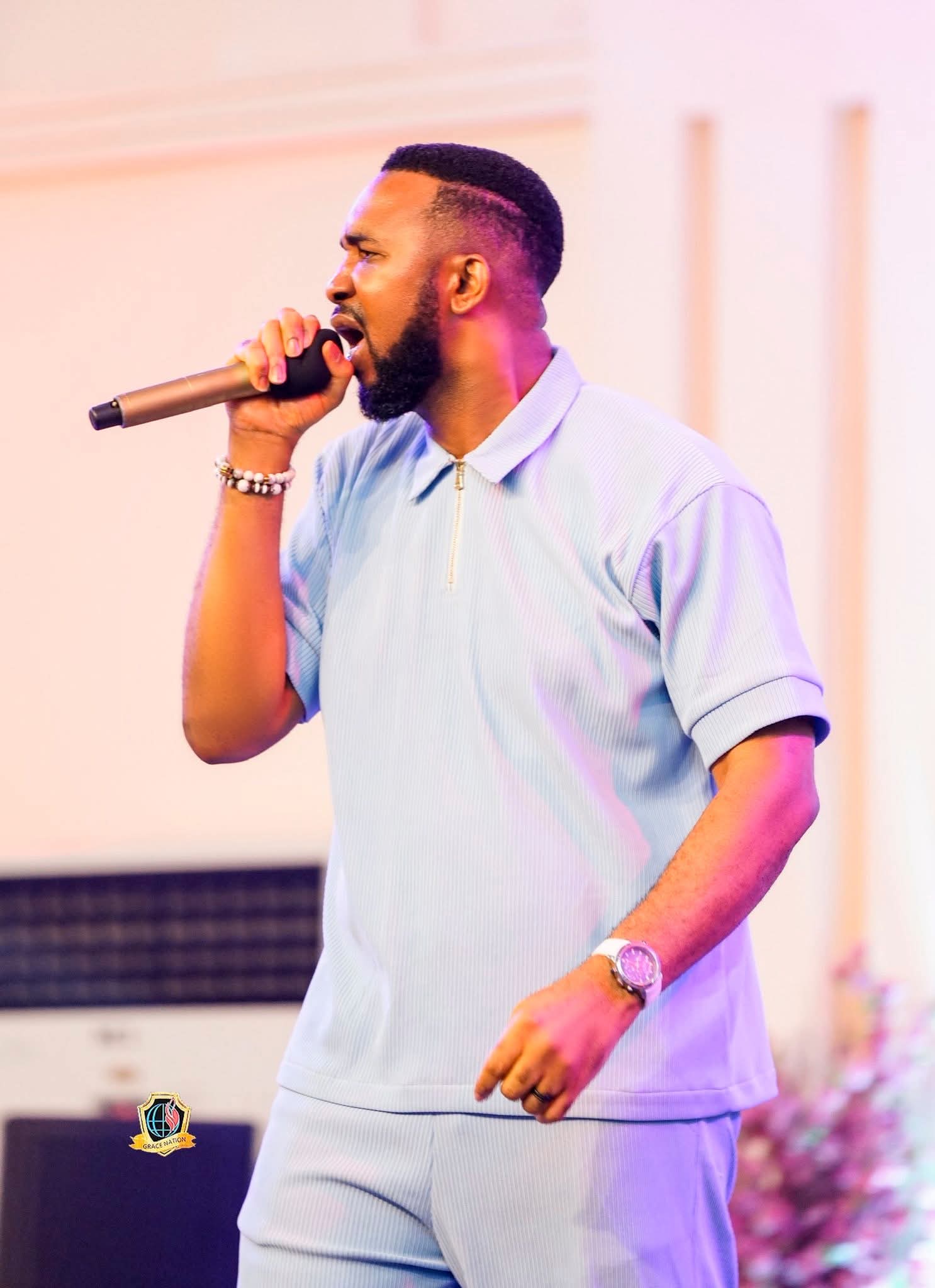
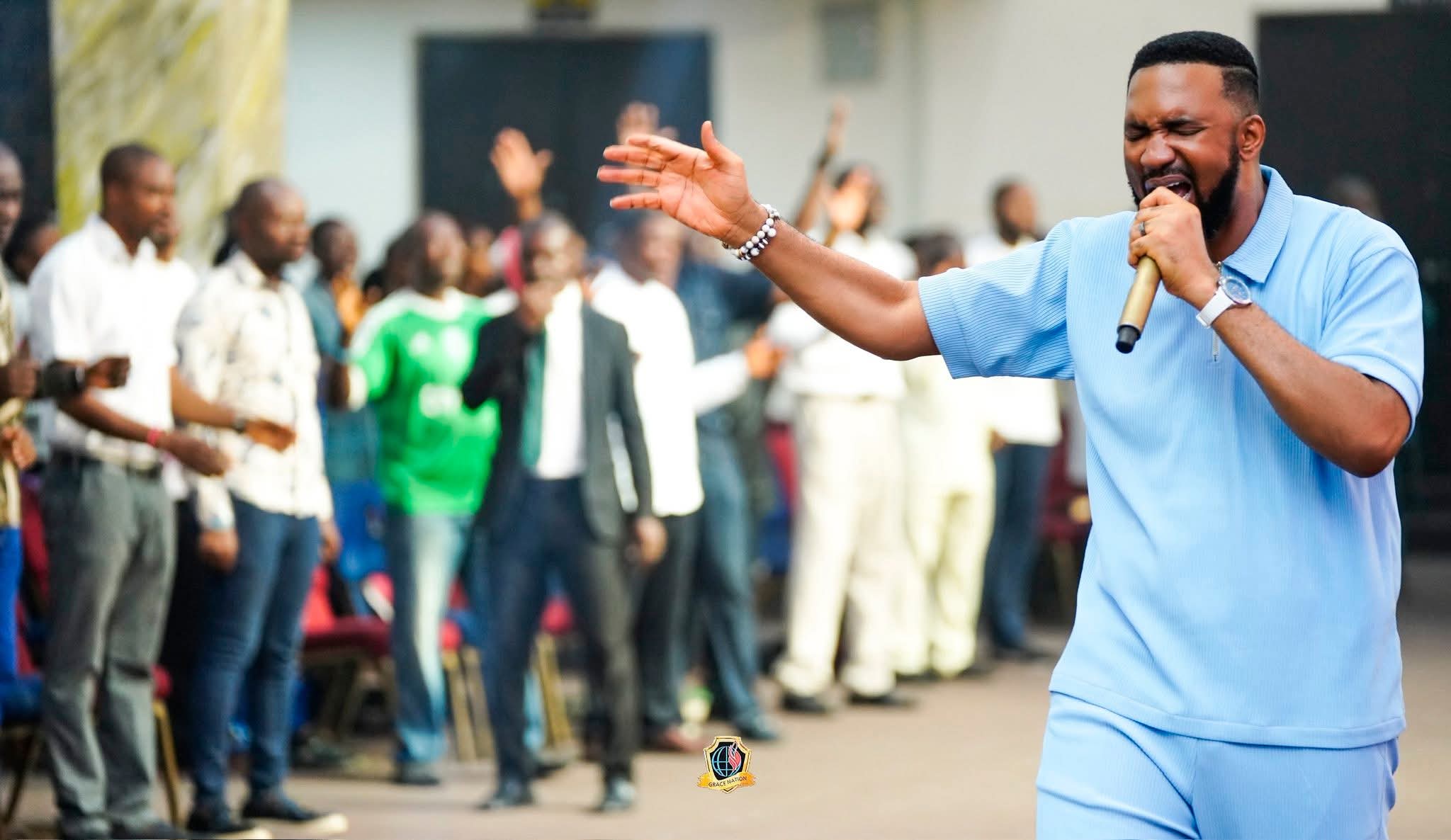
This was the central message delivered by the Generational Prophet of God and Senior Pastor of Grace Nation Global, Dr. Chris Okafor, during the midweek non-denominational Prophetic Healing, Deliverance and Solutions Service (PHDS) held at the international headquarters of Grace Nation Worldwide in Ojodu Berger, Lagos, Nigeria.
The Clergyman also declared that Nothing Happens Without Spiritual Influence
In his sermon titled “The Enemies Within,” Dr. Okafor declared that nothing happens without spiritual involvement. According to him, every visible battle has an invisible root.
Referencing the biblical story of Jonah, the Man of God explained that Jonah’s presence on the ship gave access to a contrary spirit that tormented everyone onboard.
Despite the losses suffered by innocent traders and sailors, the storm persisted because of one man’s disobedience.
However, he noted that when Jesus speaks into a situation, every storm must obey. Just as Christ rebuked the storm and it ceased, so too will the storms in believers’ lives subside when He is invited into their “boat.”
*The Impact of a Jonah*
Dr. Okafor further emphasized that “Jonahs” are difficult to manage. When such individuals are present in one’s circle, progress becomes delayed.
What should ordinarily manifest quickly may be prolonged or frustrated because someone close—someone who understands you deeply—may be operating as a spiritual adversary.
He explained that negative narratives, unnecessary battles, and unexplained setbacks often begin when a “Jonah” gains access to a person’s inner circle.
*The Solution*
“To remove Jonah from the boat of your life,” the Generational Prophet declared, “you must invite Jesus Christ into the matter.”
According to him, when Jesus takes control of the boat, the plans of the enemy are overturned.
What was designed for downfall becomes a testimony. No storm or battle can succeed where Christ reigns, and the enemy is ultimately put to shame.
The midweek service witnessed a strong prophetic atmosphere, with the power of God evident through deliverance, restoration, and divine revelations.
The Generational Prophet ministered deeply in the prophetic, calling out names, villages, and addressing alleged spiritual strongholds, as many lives were reportedly restored—all to the glory of God.
By Sunday Adeyemi
Uncategorized
FROM BORDER TO MARKETS: HOW NIGERIA’S REFORMS ARE REWRITING AND MODERNISING TRADE FACILITATION By O’tega Ogra
FROM BORDER TO MARKETS: HOW NIGERIA’S REFORMS ARE REWRITING AND MODERNISING TRADE FACILITATION
By O’tega Ogra
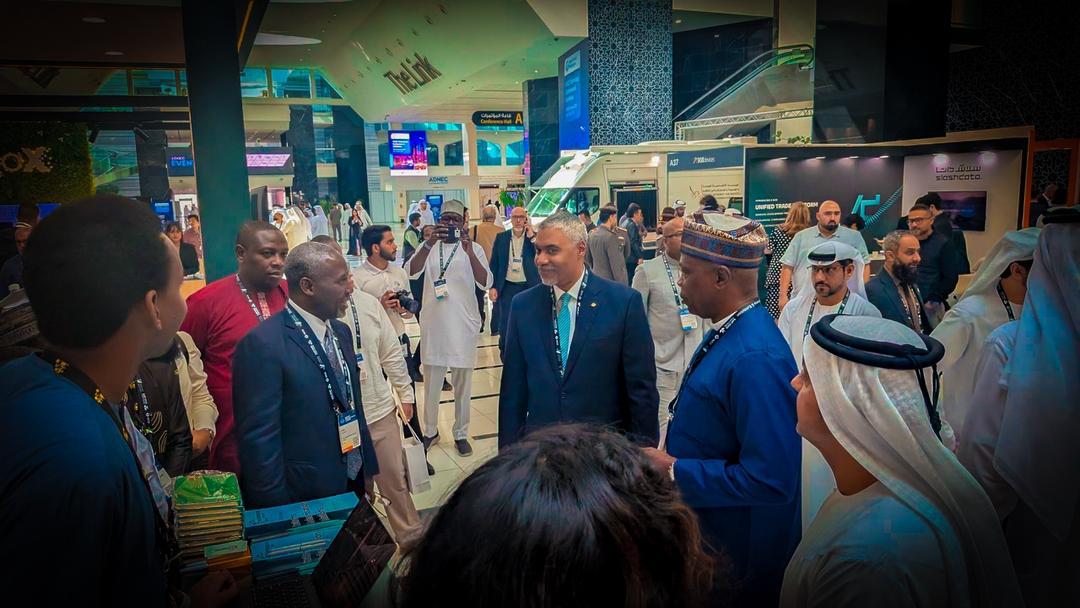
On the surface, the 2026 World Customs Organization (WCO) Technology Conference in Abu Dhabi, held in the last week of January, followed a familiar script: flags, formal sessions, carefully worded speeches. But beneath the choreography, something more consequential was unfolding. As customs chiefs and trade officials compared notes on the future of borders, Nigeria arrived not with theory, but with a working proposition.
The Nigeria Customs Service (NCS) Modernisation Project, being implemented through Trade Modernisation Project (TMP) Limited, unveiled to a global audience of customs administrators and policy leaders a window into how Africa’s largest economy is confronting one of the most complex challenges in public administration: reforming the machinery of trade while it is still running.
For decades, customs reform was treated largely as a technical exercise—frequent patches here, shoddy fixes there; new software in one corner, revised procedures in another. Nigeria’s presence in Abu Dhabi signalled something different. TMP Limited, working in partnership with the NCS, advanced the argument that trade is a cornerstone of economic development and must be supported by organic, sustainable partner ecosystems. Such ecosystems deliver speed and trust, revenue and credibility, and secure borders without stifling commerce.
That argument resonated in a room increasingly aware that global trade is no longer defined solely by tariffs and treaties, but by data, interoperability, and the quiet efficiency of systems that simply work.
The annual WCO Technology Conference has, in recent years, become a barometer for the direction of global trade governance. This year’s discussions reflected a shared anxiety: supply chains are more fragile, compliance risks are rising, and governments face mounting pressure to collect revenue without discouraging investment. Customs administrations now sit at the intersection of all three.
Nigeria’s response has been to attempt a full reset.
At the heart of this effort is the NCS Modernisation Project, implemented through a Public-Private Partnership (PPP) arrangement with TMP Limited as the concessionaire. The project seeks to replace fragmented technology deployments and manual processes within the Nigeria Customs Service with a single, integrated framework. This is anchored on B’Odogwu, a Unified Customs Management System (UCMS) that brings together cargo clearance, risk management, payments, and inter-agency collaboration. The ambition is sweeping—and so are the stakes.
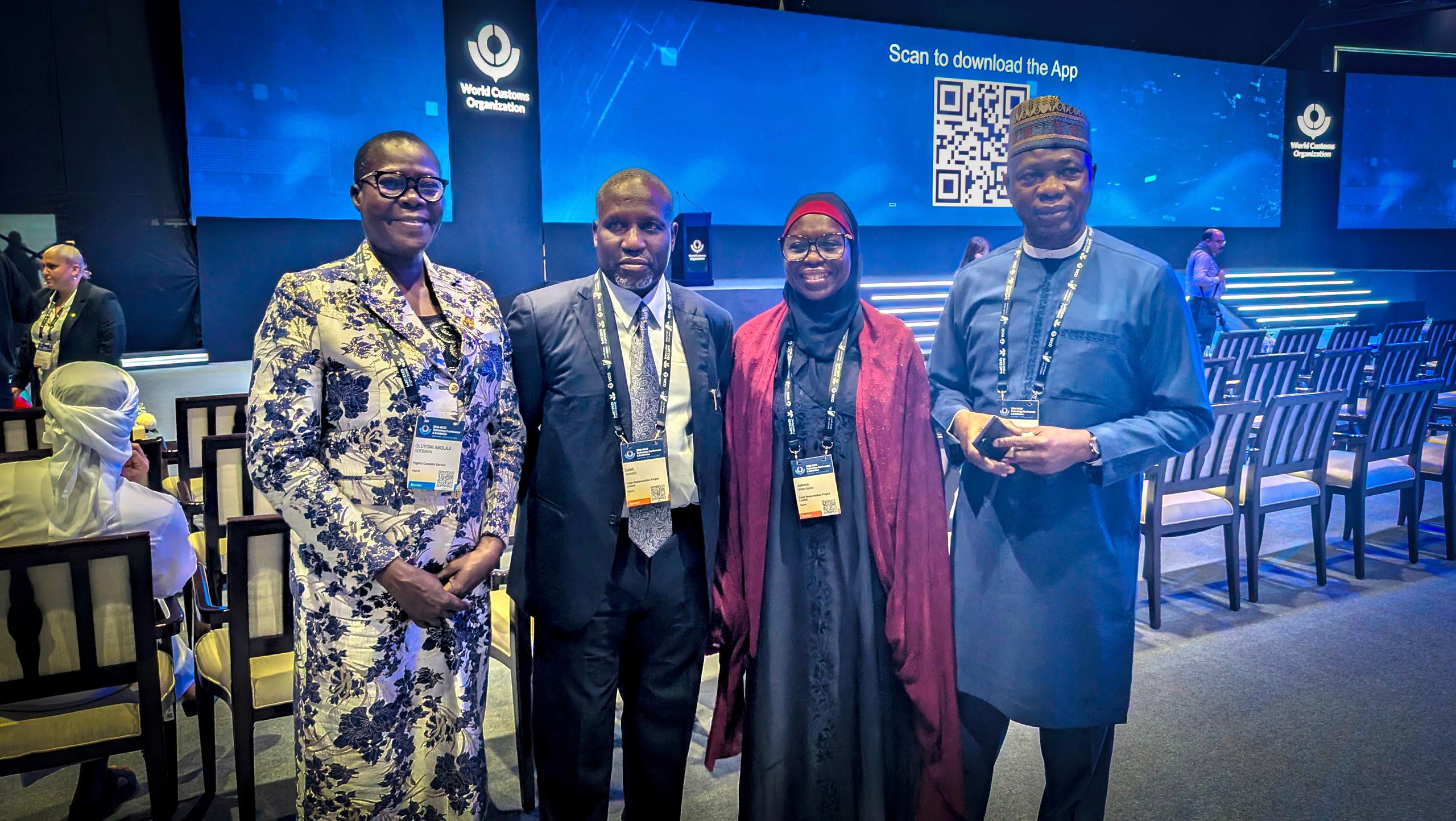
Alhaji Saleh Ahmadu, OON, Chairman of TMP, framed the initiative as nothing less than an institutional reconstruction, designed to position the NCS at the forefront of global customs administration technology, aligned with international standards and assurance frameworks.
“Digital trade modernisation is not just about upgrading systems,” he told participants in Abu Dhabi. “It is about upgrading trust, predictability, and confidence in how trade flows through our borders.”
That choice of words matters. Nigeria’s economy has long struggled with the perception gap between its size and the ease of doing business. Investors cite delays. Traders complain of opacity. Government points to revenue leakages. In this context, customs reform becomes as much a credibility project as a technical one.
Saleh’s message was timely and direct: modern trade demands modern customs. Data-driven processes, automation, and risk-based controls are no longer luxuries; they are prerequisites for competitiveness in a world where capital moves faster than policy.
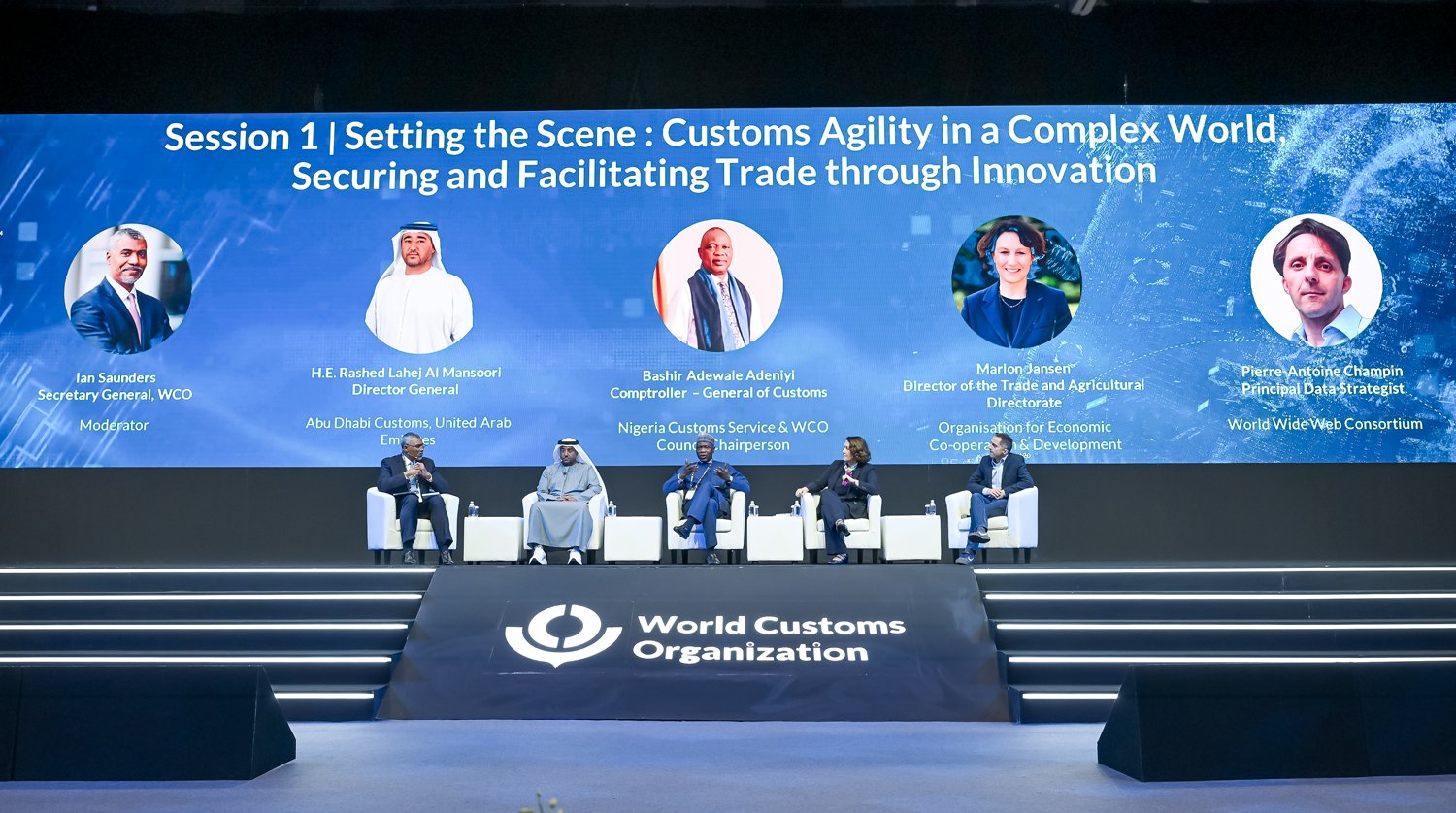
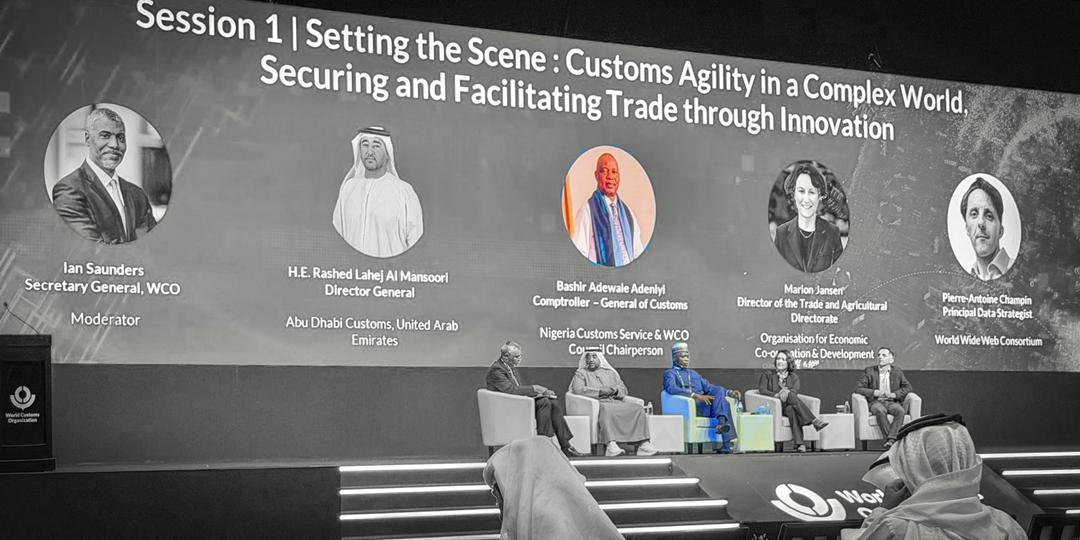
The institutional face of this digital transformation is the Comptroller-General of Customs, Bashir Adewale Adeniyi, who led Nigeria’s delegation to Abu Dhabi. His message reflected a subtle but important shift in how customs leadership now understands its role.
“Customs administrations today must evolve from gatekeepers to facilitators of legitimate trade,” Adeniyi said. “Nigeria’s customs modernisation project reflects our determination to place the Nigeria Customs Service at the centre of national economic transformation.”
It is a familiar refrain globally, but one that carries particular weight in Nigeria, where customs revenue remains a critical pillar of public finance. Automation, Adeniyi argued, is not about weakening control; it is about strengthening it through intelligence rather than discretion.
Risk management systems reduce unnecessary physical inspections. Integrated platforms limit human contact. Data analytics improve compliance targeting. When executed well, the result is faster clearance for compliant traders and tighter scrutiny for high-risk consignments.
In Abu Dhabi, peers from Asia, Europe, and Latin America listened closely to Nigeria’s presentation. Reforming customs in a small, open economy is one thing. Doing so in a market of over 200 million people, home to some of Africa’s busiest ports and its largest economy, is quite another.
Nigeria’s engagement emphasised that customs modernisation is embedded within a broader economic reform agenda under President Bola Ahmed Tinubu, GCFR. Simplifying trade procedures, strengthening revenue assurance, and aligning with international standards form part of a wider effort to reposition the economy for investment-led growth.
What makes the project particularly noteworthy is its insistence on end-to-end coherence. Rather than digitising isolated functions, the reform aims to connect agencies, harmonise data, and reduce duplication across government—an all-of-government approach that acknowledges an uncomfortable truth: trade friction is often created not at the border, but between institutions.
The WCO 2026 Technology Conference offered Nigeria more than a platform; it provided a stress test. Questions from peers were pointed. How will change be sustained across political cycles? How will capacity be built? How will entrenched institutional behaviours be unlearned?
The responses were pragmatic. Reform is being phased. Training programmes are ongoing. International benchmarks are being adopted not as slogans, but as operating standards. There were no claims of perfection—only a clear statement of intent.
“Our engagement here underscores Nigeria’s commitment to international cooperation,” Adeniyi noted. “We are learning, sharing, and contributing to global conversations on the future of customs administration.”
That contribution matters. As Africa moves to deepen regional trade under continental frameworks, customs efficiency will determine whether integration succeeds in practice or remains aspirational on paper. Nigeria’s experience, if successful, could offer a valuable template for other developing economies navigating similar constraints.
In Abu Dhabi, the mood was cautious but curious. Reform fatigue is real in many countries. Yet there was a growing sense that Nigeria’s effort—precisely because of its scale and difficulty—deserves attention.
Borders are rarely glamorous. But they are decisive. In choosing to modernise its borders in public, under global scrutiny, Nigeria is signalling something beyond technical competence. It is signalling seriousness.
And in global trade, seriousness still counts.
O’tega Ogra is Senior Special Assistant to President Bola Ahmed Tinubu, GCFR, responsible for the Office of Digital Engagement, Communications and Strategy in the Presidency.


-
 celebrity radar - gossips6 months ago
Why Babangida’s Hilltop Home Became Nigeria’s Political “Mecca”
-

 society6 months ago
Power is a Loan, Not a Possession: The Sacred Duty of Planting People
-
 society5 months ago
Religion: Africa’s Oldest Weapon of Enslavement and the Forgotten Truth
-
 news6 months ago
THE APPOINTMENT OF WASIU AYINDE BY THE FEDERAL GOVERNMENT AS AN AMBASSADOR SOUNDS EMBARRASSING
You must be logged in to post a comment Login