
Politics
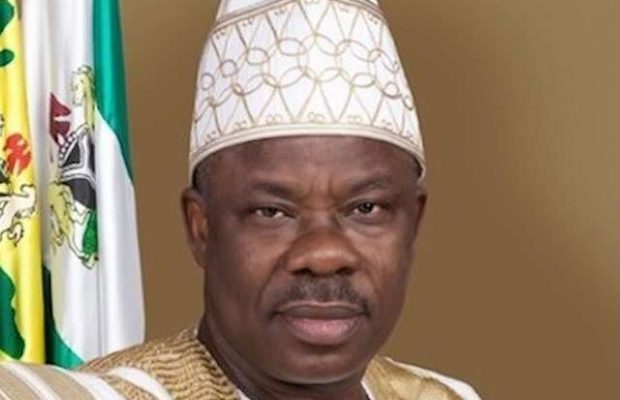
OGUN 2019 – Confusion in Amosun’s Camp as Gov’s Ogun west succession plan unearth scandals

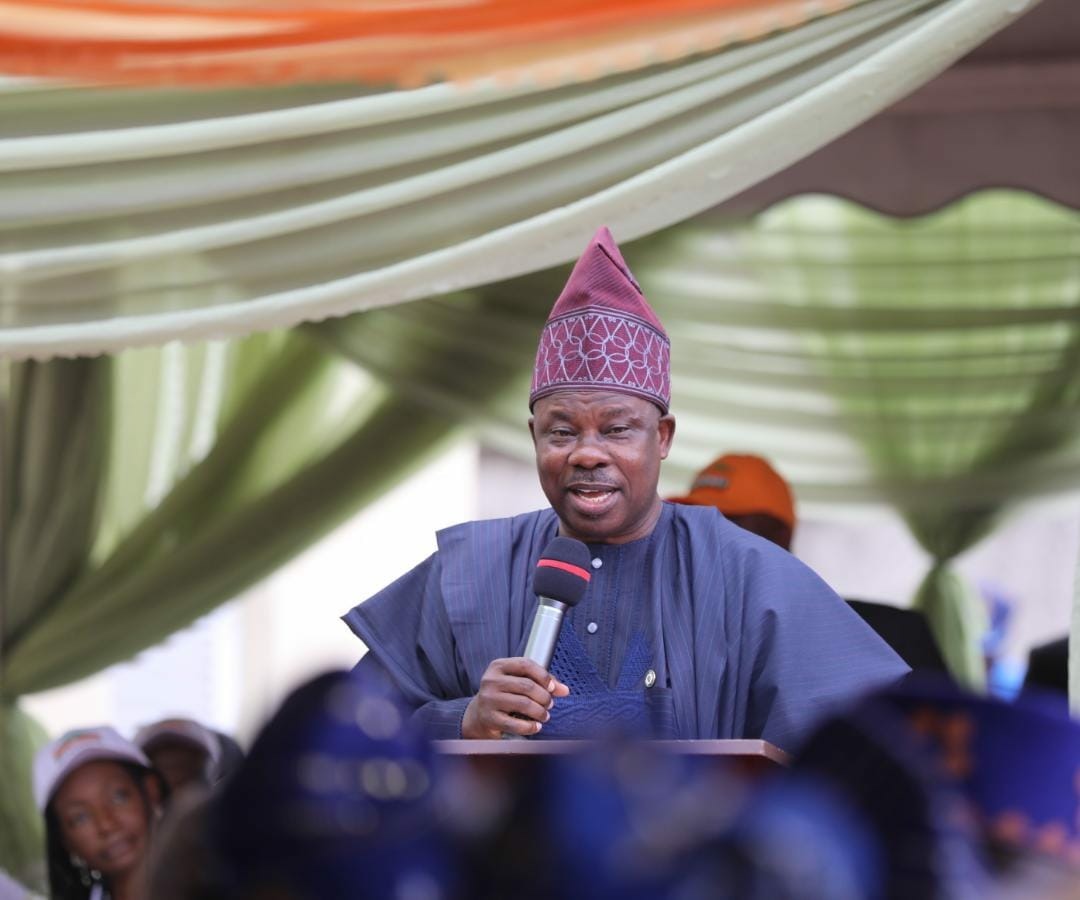

By – Leke Ojo
– Governors camp in disarray as all OGUN west aspirants fail security check
-looks set to throw contest open between OGUN west and OGUN East zones
– OGUN west leaders kick against planned decision
The wish of every outgoing State governor is to pick his successor even against the wish of his party, people or entire state. The obsession in picking successors is mostly connected to making sure who succeeds them covers their financial misdeeds. The current wish of the occupier of Oke Mosan is giving him sleepless nights cause those he thought he could bank on have let him down.
Earlier in the year it was believed he forwarded five names to the DSS to conduct a thorough security check with the view of picking one in his current chief of Staff, The speaker of the State Assembly, Current house of Reps member for Yewa South/Ipokia, his immediate predecessor and a yet to be identified commissioner.
After an exhaustive security check the Department of State security services submitted a damning report on all five individuals the Governor had requested a security check be conducted on.
On reading the report the Governor went into a State of confusion which resulted in his alarming statement of a wizkid succeeding him. Many are unaware this was diversion to give him time to decide his next line of action.
The report on one of the names stated he was involved in a criminal case of forgery and impersonation which necessitated his return back to Nigeria from a foreign Country, it also stated he and a former legislator were involved in a multi million scandal involving hundreds of millions of padded constituency projects his predecessor put in the budget which became a bone of contention when he succeeded him. Eventually the matter was was settled by a high ranking principal officer in the lower house and both of them were to have pocketed hundreds of millions to the detriment of their constituents.
On the current top legislator in the State it was reported he owned and had invested in multiple downstream depots around the city amongst other choice properties by scheming off the state legistlative budget and allowances of his colleagues in the state assembly for the past 8 years, it was reported it would be near impossible for him to explain all his investments which are not commiserate to his remuneration if he were to be brought before a code of conduct tribunal. He was also alleged to have been involved in illegal bunkering and tampering with meters at his depots, an allegation the DPR was said to be aware of.
The current top aide of the Governor is said to have committed a heinous crime against a lady years ago which is still hanging over his head even if an attempt was made to make the charges disappear and give him a clean slate. Former President Obasanjo was said to have been the one who stepped into the matter owing to his “closeness” to the mother of the aide. Unknowingly the opposition have dug up the case file and contacted the victim with a view to embarrassing the party if he was ever picked as its candidate.
The Commisioner in question is said to be a fugitive from the law with suspect educational credentials which can easily be verifiable and due to the sensitive nature of one of the Govenors forwarded appointees who is currently embroiled in a certificate scandal it would be unwise to put the State in the news again on the same negative trajectory. Moreover, the Commissioner was said to have been involved in a credit card scam while abroad before he ran home.
As the days, weeks and months tick away the party members are of the believe the opposition party is fast gaining momentum and the lack of a clear cut path for the ruling APC in the state on their candidate would be highly detrimental to their party’s performance in next years Gubernatorial polls unless action is taken quick and fast.




Journalists for Good Governance Shines Searchlight on Local Government Administration
…Calls for Accountability in Nigeria’s Grassroots Governance
LAGOS, Nigeria — A civil society coalition known as Journalists for Good Governance(JGG) has intensified public debate on transparency and accountability within Nigeria’s local government system, urging media professionals, civil society actors, and citizens to hold grassroots leaders accountable.
Speaking an event in Lagos recently, the acting chairman of the society, Comrade Bunmi Obarotimi said that despite reforms such as the Supreme Court’s 2024 ruling granting financial autonomy to all 774 Local Government Areas (LGAs), systemic challenges continues to hinder effective service delivery and responsible stewardship of public funds.
“Local governments are the closest tier of government to the people — yet too often they remain the least transparent. Without civic oversight and vibrant media, promises of autonomy ring hollow.” the acting chairman said.
The Journalist for Good Governance emphasised crucial roles that journalists can play in uncovering discrepancies in council spending, flagging poor service delivery, and educating citizens on their rights. Their call comes amid wider efforts by media and civic organisations to bridge accountability gaps. The civil society initiatives had previously launched monitoring campaigns to track local government expenditures and have been quietly advocating for transparency in how public money is deployed.
The leaders of the Journalists for Good Governance (JGG) highlighted the importance of physical assessment and citizens engagement on projects to boost people’s confidence, urging local councils to adopt open data platforms and proactive information dissemination in compliance with the Freedom of Information Act. Experts say the majority of LGAs currently lack operational websites or digital portals, further limiting public scrutiny.
The Journalists for Good Governance initiative aligns with sustained advocacy by civil society groups and governance experts calling for a collective approach to strengthening democratic accountability, and has decided to engage in critical and holistic assessments of how Local Governments is being run and the impact and quality of projects they embark-on and to address deficits in transparency and public trust.
Meanwhile, some state governments have signalled support for improved community engagement. In Lagos State, authorities reiterated a commitment to enhancing community media platforms as vehicles for civic participation and accountability at the grassroots level.
The renewed spotlight on local government administration has reignited public debate over fiscal responsibility and priorities. Controversies such as the widely criticised Adamawa council chairmen’s wives trip to Istanbul — which drew public outrage for perceived misuse of public funds — underscore why watchdog groups say stronger oversight mechanisms are urgently needed at the grassroots.
Citizens and activists have welcomed the journalists’ initiative, calling for sustained media engagement that goes beyond headlines to influence policy and accountability reform.
The civic rights advocates note that real change will require robust legal frameworks, a free press, and empowered communities equipped to demand transparency at every level of governance.
As Journalists for Good Governance mobilises its members, the coming months are likely to see heightened media attention on grassroots administration — from council budgets and service delivery to the enforcement of public information laws and digital transparency initiatives.
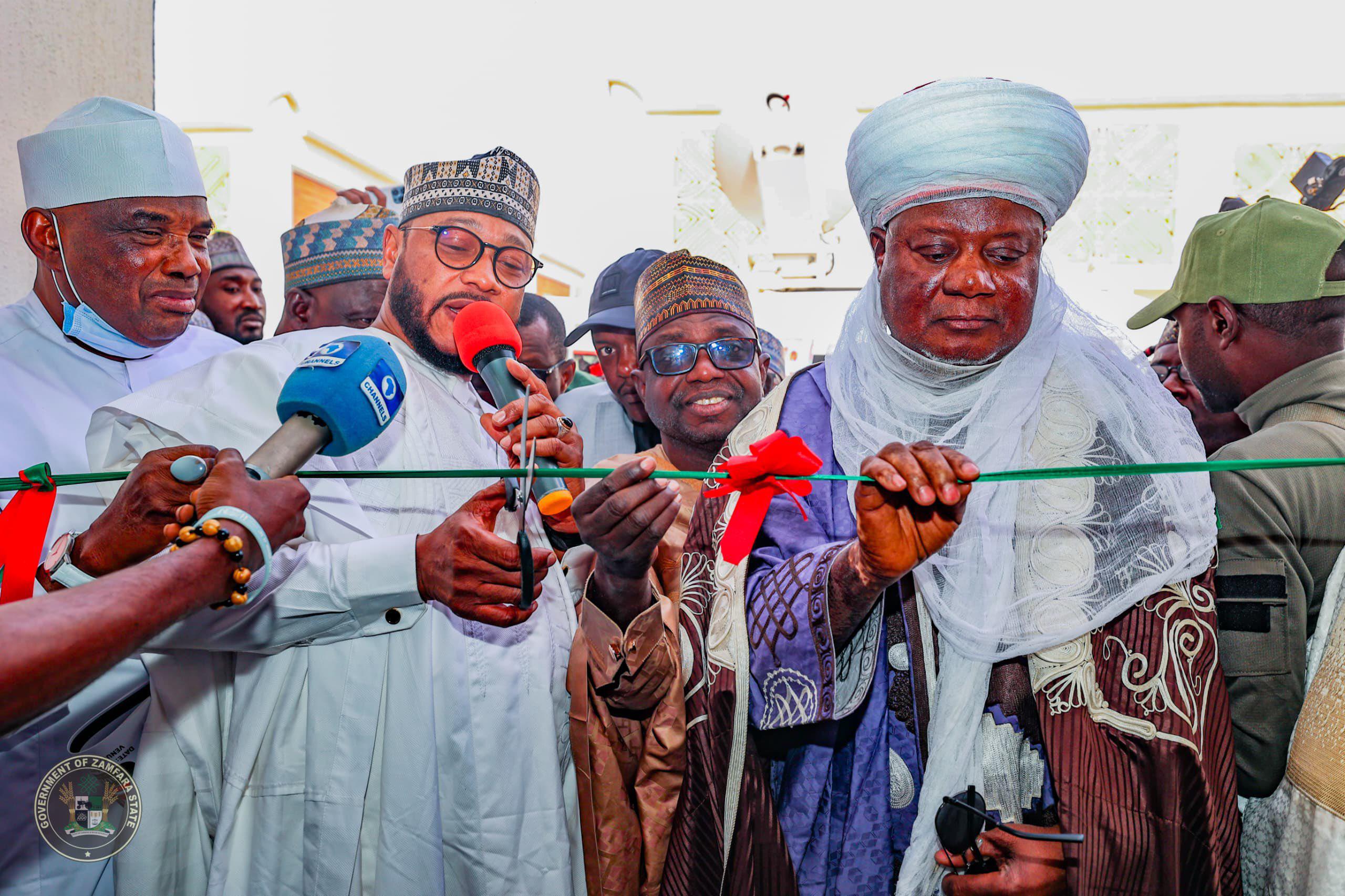
Gov. Dauda Lawal commissions projects in Anka LGA, Commits to Sustainable Development
The Executive Governor of Zamfara State, Dr. Dauda Lawal, has reiterated his administration’s steadfast commitment to guiding Zamfara State towards sustainable development by inaugurating and initiating a series of pivotal projects in the Anka Local Government Area.
Among the key undertakings announced are the comprehensive reconstruction and modernization of the Emir of Anka’s palace, signaling a revitalization of traditional leadership; the initiation of work on the crucial Anka–Abbare Road, which is expected to significantly improve connectivity; and the construction of a new Local Government Secretariat.
Additionally, the projects encompass the establishment of dedicated offices for the Hisbah Commission and the Community Protection Guards, alongside the reconstruction of the Safe School in Anka, emphasizing the administration’s focus on enhancing educational infrastructure.
During the commissioning event, Governor Lawal highlighted that these projects are a fulfillment of commitments made during his campaign, aimed at transforming the local landscape by improving infrastructure, stimulating economic growth, bolstering public service efficiency, and enhancing the capacities of security agencies. He called for a collective effort from the community to ensure proper maintenance of these facilities, underscoring the shared responsibility in preserving public assets.
Governor Lawal shared that similar projects have also been inaugurated in Tsafe, with plans for upcoming projects in Kaura Namoda, Moriki, Bungudu, Bukkuyum, and Zurmi, all expected to be completed and inaugurated by the year’s end. This ambitious timeline reflects the administration’s urgency in addressing the development needs of various regions within the state.
In his remarks, the governor urged residents and local traditional institutions to collaborate closely in maintaining the newly commissioned structures and supporting the overarching objectives of his administration. “I stand here in Anka today to honor our commitments to the people of Anka Local Government and all of Zamfara State. The official opening of the new palace for the ‘Sarkin Zamfaran Anka’ and the Zamfara State Council of Chiefs is a significant milestone that wraps up today’s agenda,” he stated.
Governor Lawal emphasized the strategic importance of the Anka–Abbare Road, describing it as a critical artery that will not only enhance access to remote areas but also stimulate economic activities and generate multiplier effects throughout the local economy. He articulated the necessity of providing a conducive work environment for civil servants, affirming that the new local government secretariat and dedicated offices will significantly contribute to strengthening law and order within the state.
“Education is the cornerstone of any thriving society. Our focused initiatives are oriented towards fostering a safe, secure, and supportive environment for our students. I am also proud to announce the completion and commissioning of the reconstructed SAFE School Anka today,” he remarked, reaffirming the administration’s dedication to education.
The governor further noted that the commissioning of the Emir’s Palace serves to restore the historical prominence of traditional institutions, which he regards as pivotal custodians of the region’s culture and heritage. He underlined the administration’s awareness of the invaluable role that these institutions play in fostering the state’s growth and emphasized the necessity of aligning development projects with cultural values.
In conclusion, the governor mentioned that after the successful commissioning in Anka and Tsafe, future projects in Kaura Namoda and Moriki will follow suit, while those in Bungudu, Bukkuyum, and Zurmi remain on track for completion and official commissioning before the year concludes.
news
GEN CHRISTOPHER GWABIN MUSA SUPPORT INITIATIVE HAILS GOVERNOR UBA SANI’S APPOINTMENT AS RENEWED HOPE AMBASSADOR
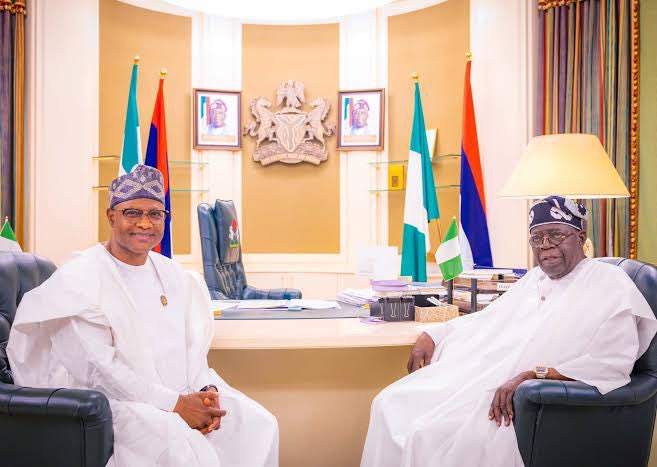
GEN CHRISTOPHER GWABIN MUSA SUPPORT INITIATIVE HAILS GOVERNOR UBA SANI’S APPOINTMENT AS RENEWED HOPE AMBASSADOR
The Gen Christopher Gwabin Musa Support Initiative (GCGMSI) has extended its warm congratulations to His Excellency, Mallam Uba Sani, the Executive Governor of Kaduna State, following his recent appointment as a Renewed Hope Ambassador and Deputy Director-General for Party Outreach, Engagement, and Mobilisation by the All Progressives Congress (APC).
This felicitation was formally conveyed in a statement signed by the Initiative’s Convener, Ibrahim Dahiru Danfulani, Sadaukin Garkuwan Keffi/Betara Biu, and disseminated to the press.
The statement highlighted that the Grand Patron of the GCGMSI, His Excellency General Christopher Gwabin Musa, OFR, Minister of Defence of the Federal Republic of Nigeria, received the news of the appointment with great pride but without surprise. According to the statement, General Musa expressed unwavering confidence in Governor Uba Sani’s proven capability and salient leadership qualities, affirming that the Governor is eminently equipped to deliver on every task entrusted to him.
The Grand Patron further extended profound appreciation to the President and Commander-in-Chief of the Armed Forces, His Excellency Asiwaju Bola Ahmed Tinubu, GCFR, for recognising and finding Governor Uba Sani worthy of this critical national assignment. The appointment, which takes effect immediately, was made by the President in his capacity as the leader of the APC, citing the Governor’s exceptional organisational abilities and strategic acumen.
In his new role, Governor Sani is tasked with working in close collaboration with the Director-General of the Renewed Hope Ambassadors and the party hierarchy, including the National Chairman of the APC. His primary mandate is to ensure harmony, inclusiveness, and strategic coordination across all levels of the party’s mobilization and engagement architecture, a vital function for advancing the political agenda.
Demonstrating its commitment to national service and effective governance, the GCGMSI, under the direct directive of its Grand Patron, General Musa, has officially mobilised its formidable structure. The Initiative has pledged the full deployment of its extensive network, seasoned personnel, and robust operational framework to assist and support Governor Uba Sani in the successful execution of his new responsibilities.
The Gen Christopher Gwabin Musa Support Initiative, renowned for its disciplined organisation, widespread grassroots penetration, and capacity for large-scale civic mobilisation, stands ready as a pivotal force. This move underscores the GCGMSI’s pivotal role as a key support system for national development initiatives and its unwavering dedication to fostering unity and progress under the Renewed Hope agenda.


-

 celebrity radar - gossips6 months ago
Why Babangida’s Hilltop Home Became Nigeria’s Political “Mecca”
-

 society6 months ago
Power is a Loan, Not a Possession: The Sacred Duty of Planting People
-

 society5 months ago
Religion: Africa’s Oldest Weapon of Enslavement and the Forgotten Truth
-

 news6 months ago
THE APPOINTMENT OF WASIU AYINDE BY THE FEDERAL GOVERNMENT AS AN AMBASSADOR SOUNDS EMBARRASSING
You must be logged in to post a comment Login